
This Tiny New Jersey Burger Joint Got Its Start At The 1939 World’s Fair
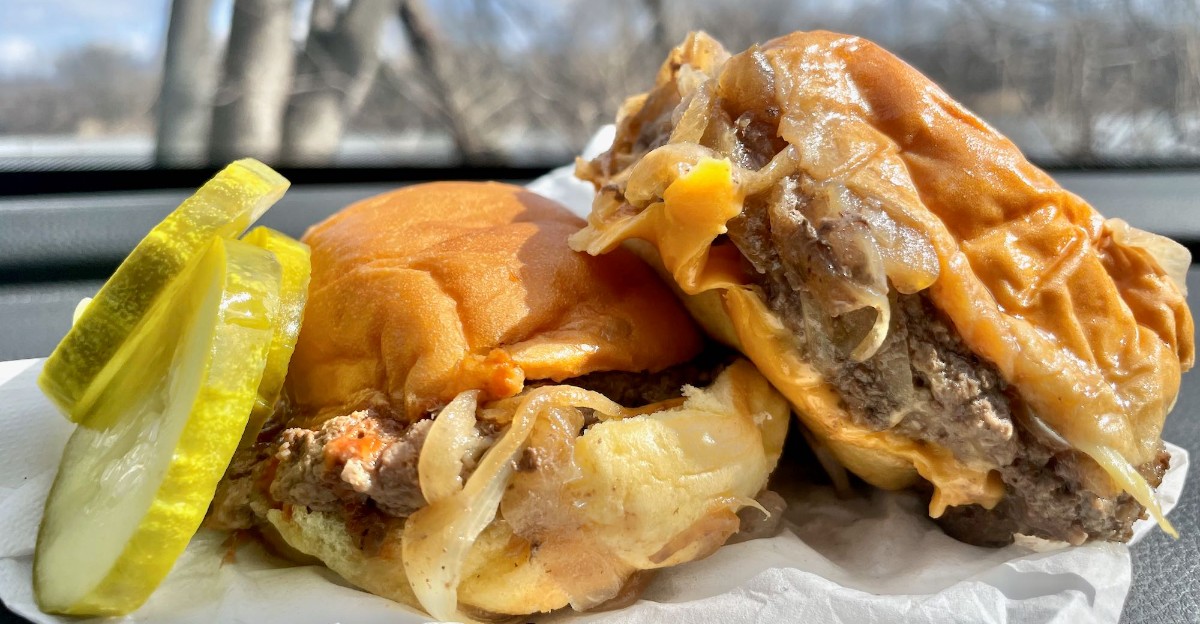
Back in 1939, people went to the World’s Fair to see what the future might look like. Apparently, the future needed tiny burgers.
Good call.
The story behind this New Jersey burger institution stretches back to that fair-era obsession with fast, efficient dining, before the whole country had a drive-thru on every other corner.
By 1946, the Hackensack spot was serving little griddled burgers with onions, cheese, and a setup so compact you can practically watch lunch happen from start to finish.
Decades later, people are still squeezing in for those sliders.
There is something pretty funny about a “food of tomorrow” idea surviving long enough to become old-school nostalgia.
Turns out, the future tasted a lot like onions on a hot griddle.
A World’s Fair Idea Finds A Home
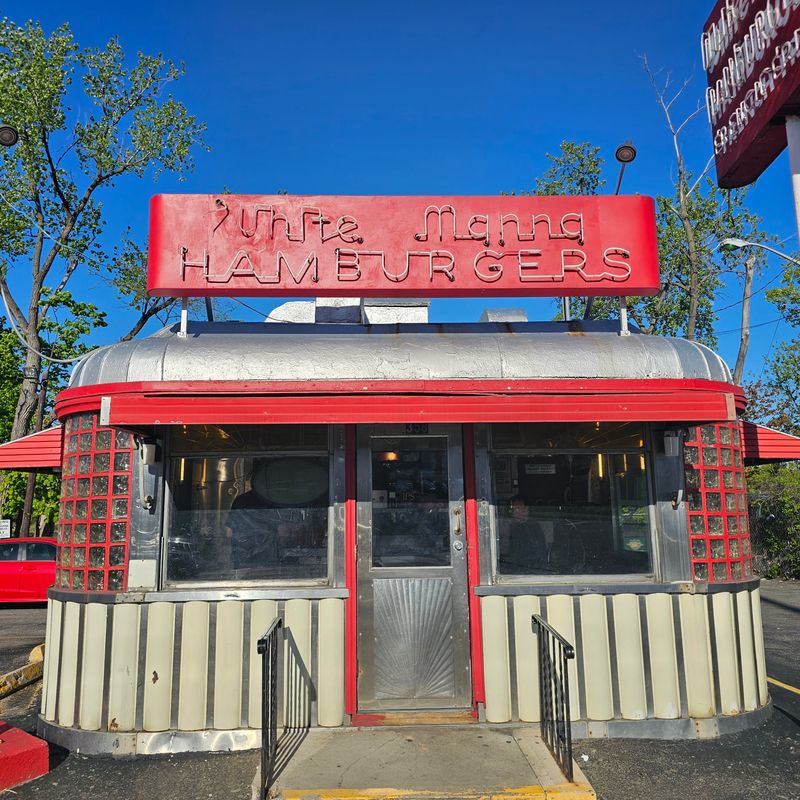
Picture a fairground full of futuristic ideas, then follow the smell of burgers toward one surprisingly lasting concept. White Manna’s story connects to the 1939 New York World’s Fair, where compact diners showed how quick meals could work.
The fair celebrated tomorrow, and this style of diner offered a tasty glimpse of it.
Here is the detail that makes the tale more interesting: the Hackensack diner opened in 1946. Its building came from the Paramount Dining Car Company and was brought to the city after the fair.
So the fair connection is part of its origin story, rather than a claim about when Hackensack opened.
That timeline gives the burgers an extra layer of flavor. A simple griddle meal represented a fresh way to eat when the idea first appeared.
Today, the same compact setting helps explain why a small burger stand could become a lasting landmark.
When you see the round building, imagine how exciting quick diner food once seemed. The future pictured at the fair may look charmingly old-fashioned now.
Yet the basic promise still works: step close to the griddle, choose a burger, and enjoy something made right there. That is a history lesson you can hold in one hand.
River Street’s Little Time Capsule
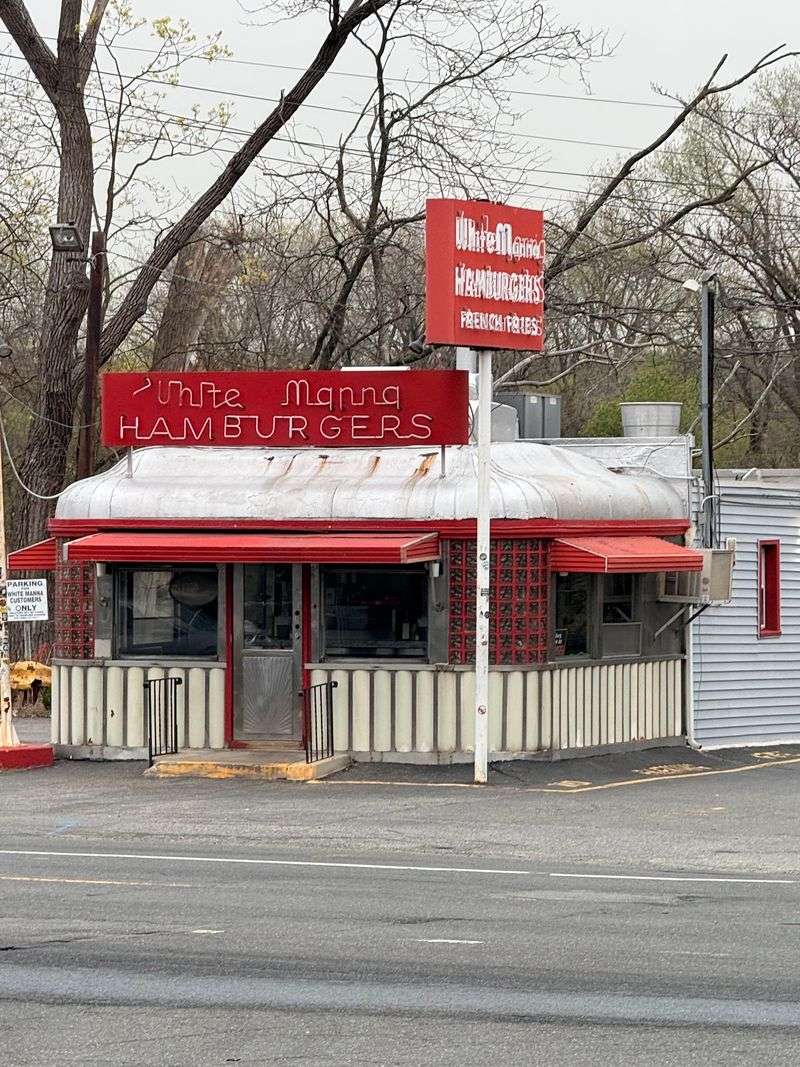
Well, there it is, a burger destination that looks small enough to fit inside a movie prop. White Manna sits at 358 River St, Hackensack, New Jersey 07601, in a compact, round stainless steel diner.
Its Art Deco look turns an ordinary food stop into a chance to admire roadside design.
The shape is practical as well as charming. Inside, a counter curves around the central cooking area, putting the griddle close to the seats.
The room holds roughly fifteen diners, so every square foot matters. Notice how the layout keeps your attention on the burgers instead of sending your eyes across a huge dining room.
If you enjoy old buildings, take a moment to look at the exterior before heading in. The metal surfaces, curved outline, and bold signs help tell the story before you taste anything.
A photo from outside can capture details that are easy to overlook when you are thinking about lunch.
For a relaxed visit, remember that seating is limited and plan your stop with some flexibility. The close quarters are part of White Manna’s character, much like the rounded walls and bright sign.
Big personality comes in remarkably small packages on River Street.
The Slider That Runs The Show
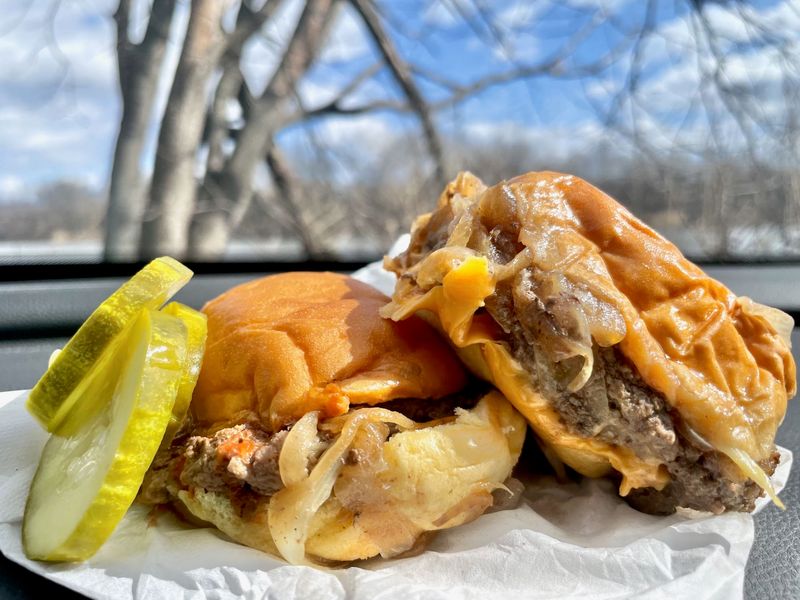
One look at the menu’s main attraction, and the word burger suddenly seems delightfully oversized. White Manna is known for sliders, small griddled burgers that fit comfortably in your hand.
Their size makes them easy to enjoy one at a time or order as a little lineup.
The patties start as ground beef and are pressed onto a flat-top grill. Thin-sliced onions cook alongside the meat, building flavor in the same small space.
Add cheese and a soft potato roll, and you have the familiar combination that made this diner famous.
Planning your first order? Think about how hungry you are before choosing a number.
A slider is smaller than a standard burger, so one may feel more like a snack. Ordering several gives you time to notice how the beef, onions, cheese, and bread work together.
There is also a nice lesson in the straightforward recipe. Each part has a clear job, and the small size lets every bite include a little of everything.
The result feels playful, but the idea is carefully balanced. White Manna proves a burger can be memorable through its cooking method, rather than its height.
Onions Get Top Billing
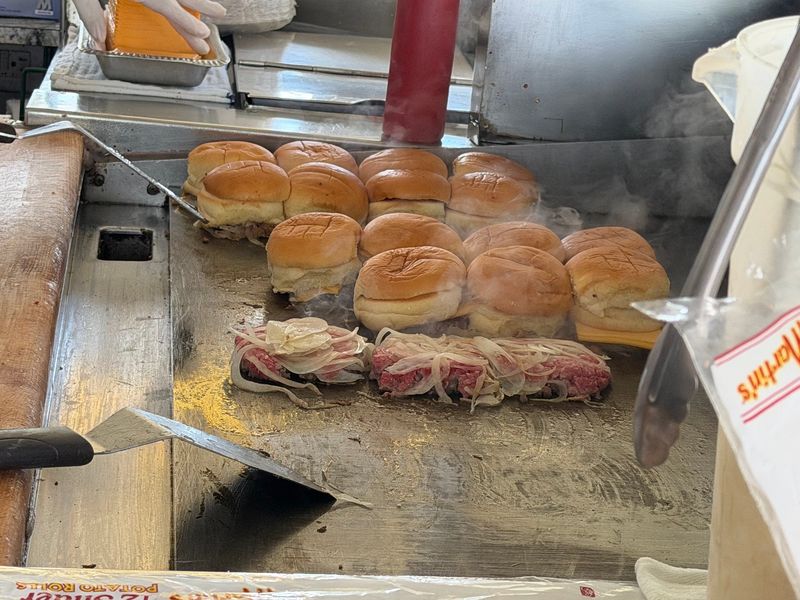
Listen to that sizzle, because the onions are doing far more than adding a topping. At White Manna, thin slices cook with the patties on the griddle.
As they soften, they bring a sweet, savory note to the burger.
That shared cooking space is the clever part. The onions and beef spend their griddle time together, so their flavors meet early.
Warm moisture also helps the roll soften while the cheese melts. Instead of stacking separate pieces at the end, the cooking process brings everything into one tidy bite.
If onions are your thing, this method is worth watching from the counter. Look for how the thin slices settle beside the patties as they cook.
It is an easy detail to miss once the finished slider lands in front of you.
Want to understand why the recipe works? Try a bite before adding anything else.
You can taste the onion’s sweetness against the beef and notice the soft roll around both. After that, choose any extras you enjoy.
The star move happens on the griddle, where an everyday vegetable earns its place in burger history.
Front-Row Seats To The Griddle
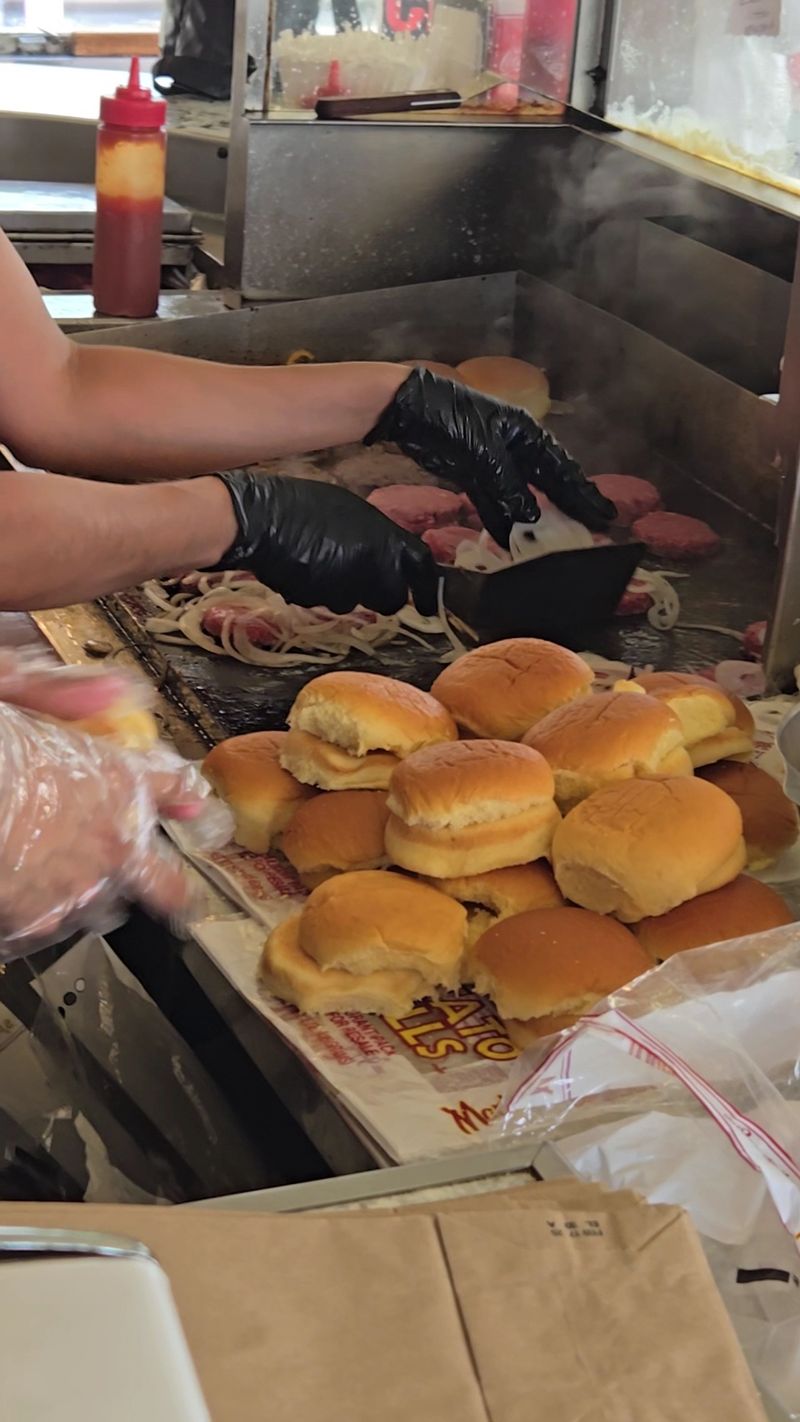
Forget the mystery of a meal made somewhere far away: here, the griddle takes center stage. White Manna’s small round interior places the cooking area inside a curved counter.
From a counter seat, you can follow a slider from fresh patty to finished roll.
That close view makes the diner feel different from a typical burger stop. You can see patties pressed onto the hot surface and onions arranged beside them.
The cooking rhythm becomes part of the visit, almost like watching a tiny food show.
The room’s layout also explains its lasting appeal. Its limited seating brings the building, counter, and griddle into one clear picture.
You can understand how a compact diner was designed to turn out simple meals from a focused space.
If you find a counter seat, give yourself a moment to watch before reaching for your food. Notice the small steps that shape each burger, especially the timing of the onions and cheese.
Even a short visit offers more to remember than a quick glance at a menu. At White Manna, the best seat comes with a view of lunch becoming lunch.
Potato Rolls Seal The Deal
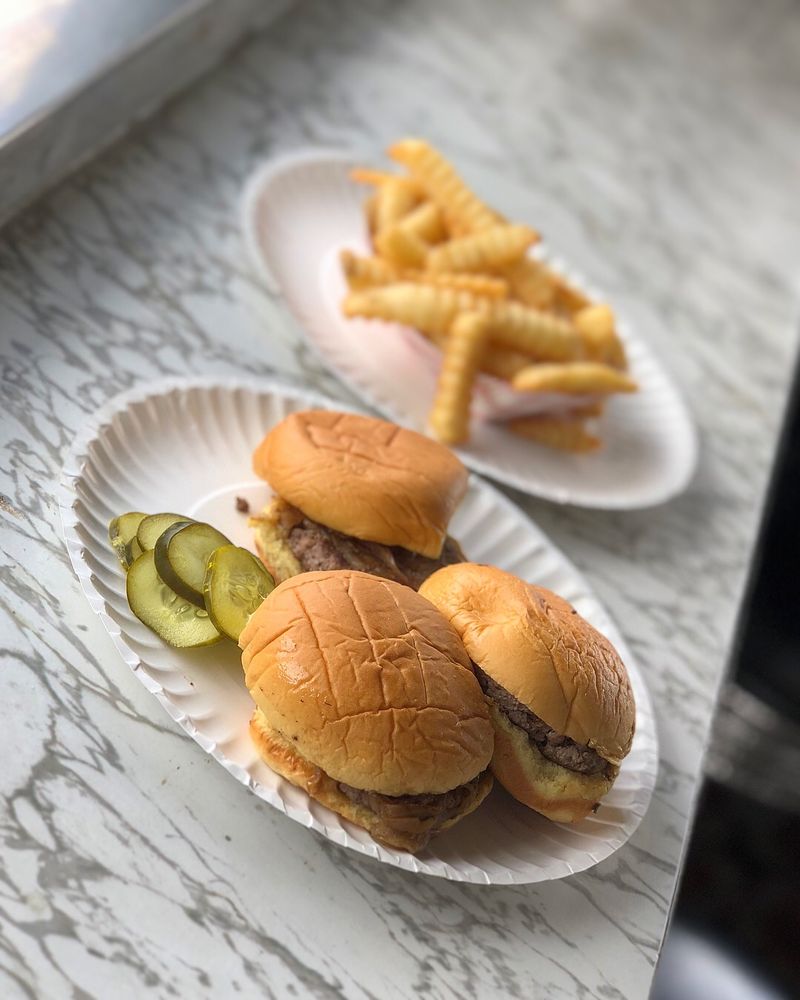
Now for the quiet hero of the slider: the soft potato roll. White Manna uses Martin’s Potato Rolls to hold its small burgers together.
Their gentle texture suits a thin patty, melted cheese, and cooked onions.
A roll does more than keep your hands tidy. At the griddle, warmth and moisture from the meat and onions help soften the bread.
That gives the finished burger its close-knit feel, with the filling and roll working as one.
Here is a fun tasting trick for your first slider. Notice the bread before you focus on the beef.
It should feel soft around the filling while still giving you something easy to hold. Then take another bite and pay attention to how the cheese ties those layers together.
Because the burgers are small, the bun-to-filling balance matters. An oversized roll would turn the meal into a bread showcase.
The potato roll leaves plenty of room for the griddled flavors to speak. It may seem like a small choice, but small choices are White Manna’s specialty.
This little bun helps turn a handful of ingredients into a burger with its own unmistakable style.
A Tiny Diner With TV Appeal
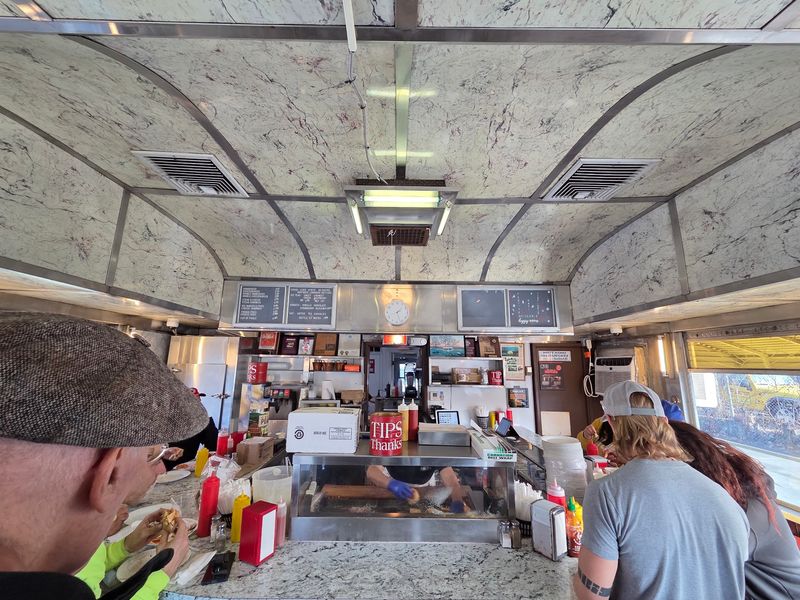
Some food places seem made for the camera, and White Manna has plenty going on in one frame. Its round building looks distinctive from the street.
Inside, the counter curves around the griddle, where small burgers take shape in plain view.
Food television has noticed that combination. White Manna has appeared on Diners, Drive-Ins and Dives, No Reservations, The Best Thing I Ever Ate, and Man v.
Food. Those features helped introduce its sliders and unusual setting to audiences far beyond Hackensack.
Still, the best way to understand its screen appeal is wonderfully simple. Look at the building, watch a burger cook, and take a bite.
The setting gives the meal a sense of place that a close-up of food alone cannot capture.
If you first heard of White Manna through a show, make room for your own impression. Notice which part catches your attention most: the gleaming exterior, the curved counter, or the onions on the griddle.
A television visit lasts a few minutes. A real stop lets you take in every detail at your own pace, with a warm slider as the closing scene.
Why The Little Building Matters
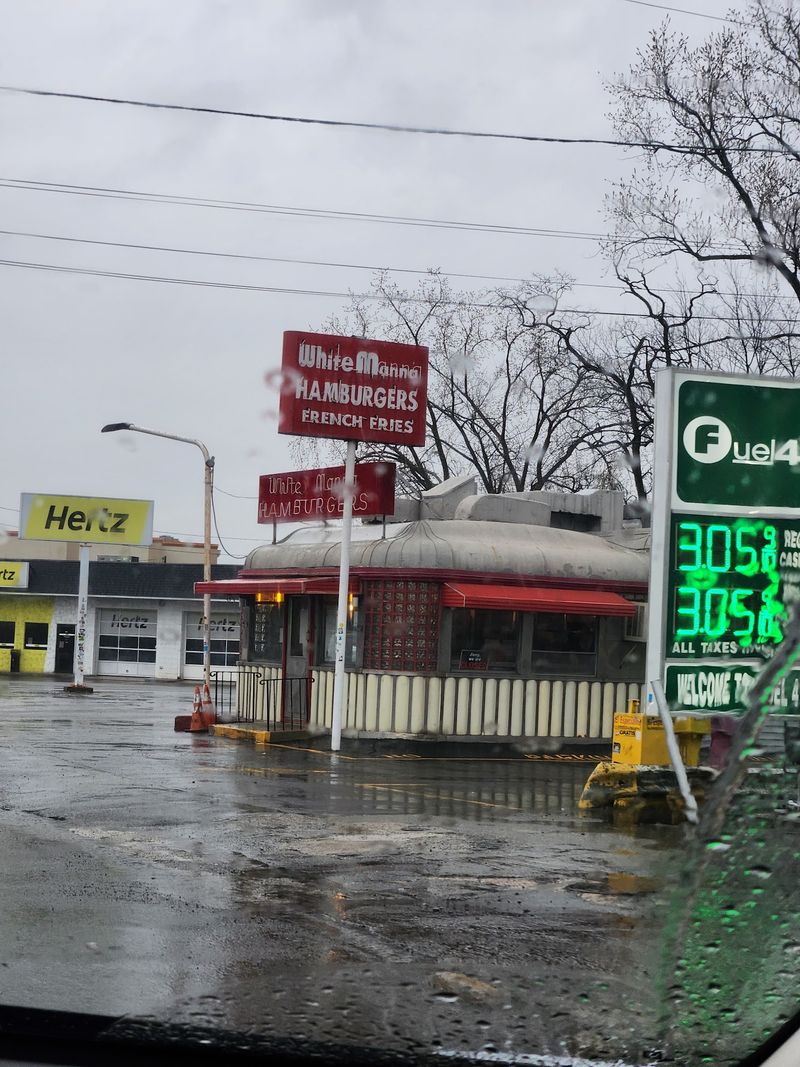
The diner itself is as memorable as the burgers. White Manna’s compact building shows how roadside food design once paired a small footprint with a strong identity.
The round counter, central griddle, and familiar signs all help tell that story.
Preserving those details matters because they make the history easy to see. A diner can describe its past on a menu, but this one lets its shape do some talking.
Stand outside and you can spot the metal curves. Step inside and the layout explains why the griddle feels so close.
White Manna also shows how an old idea can stay lively. The World’s Fair connection points back to a time when quick diner meals felt new.
The sliders keep that idea present with a recipe built around beef, onions, cheese, and soft rolls.
If you visit, enjoy both sides of the experience. Give the building a look, then give the burger your full attention.
One tells you where the story came from, and the other explains why it continues. That is quite a journey for a diner small enough to seem like a snack itself.