
This South Carolina Store Is Packed With Stunning Architectural Antiques
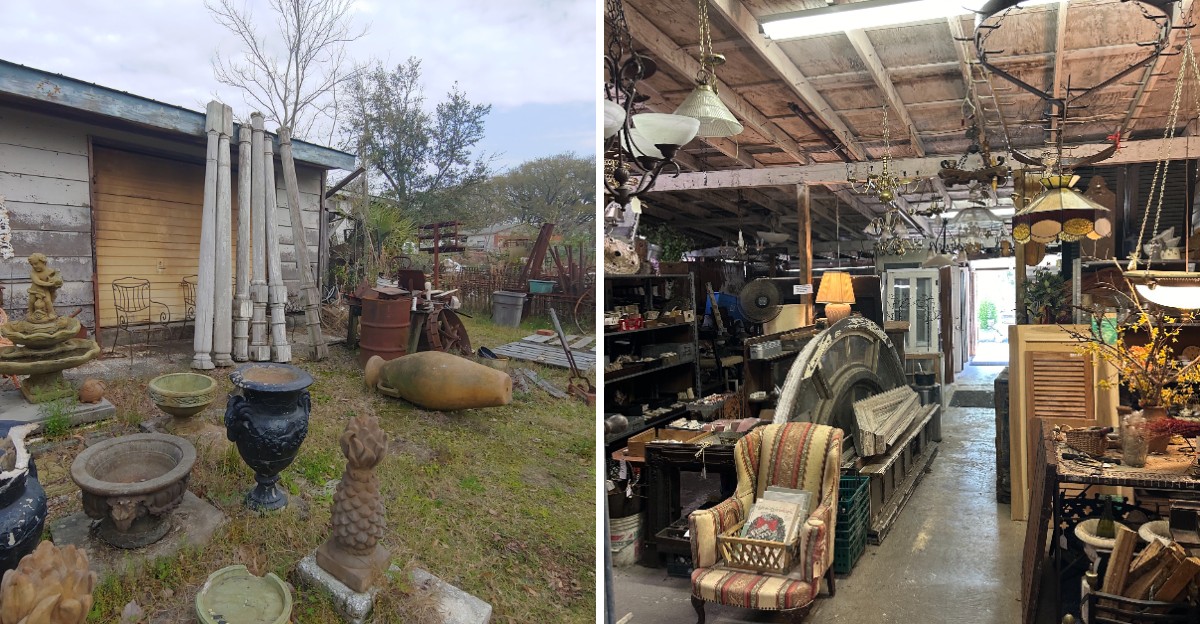
Some stores sell decorations. In South Carolina, one shop sells pieces of buildings, gardens, and history itself.
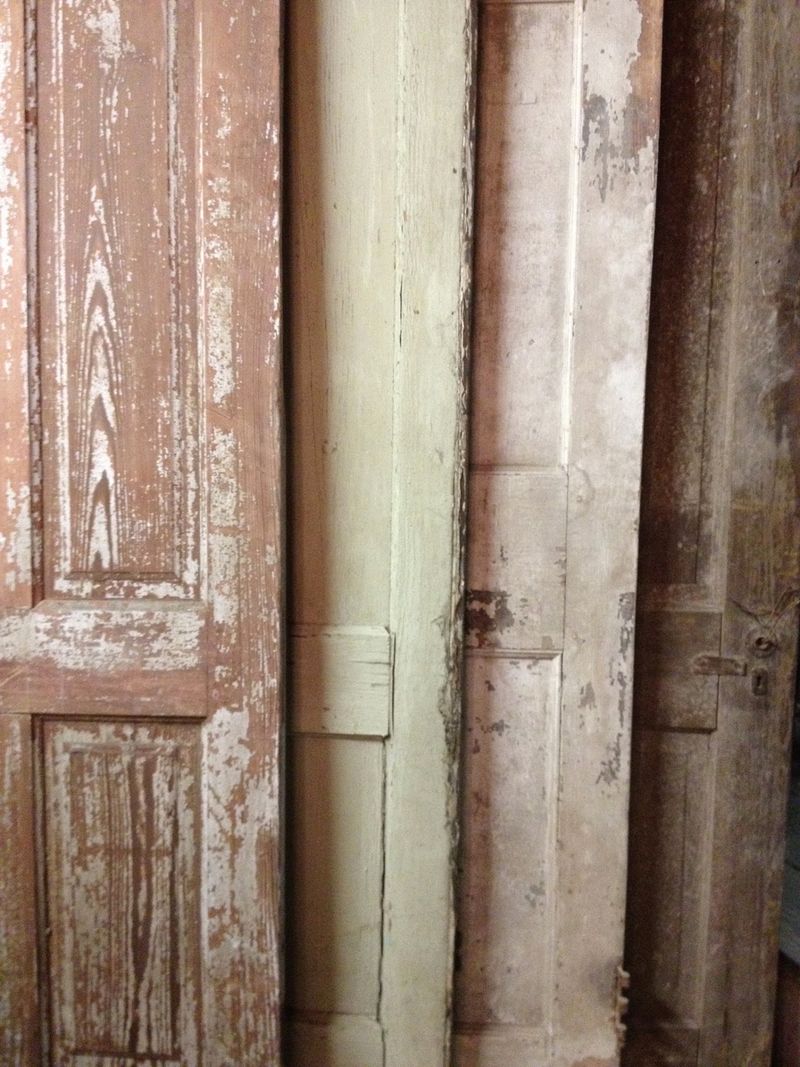
Step through the doors and a Charleston shopping trip becomes an architectural treasure hunt. Wooden doors lean beside carved mantels.
Iron gates wait for another garden. Weathered statues, old windows, chandeliers, and fragments from historic homes fill nearly every corner.
Which piece once welcomed guests into a Lowcountry mansion?
That mystery is part of the fun. Every scratch, faded finish, and detail hints at another life before reaching this West Ashley storefront.
Home restorers arrive with measurements. Designers search for statement pieces.
Curious visitors wander and imagine where each object has been.
The ten facts ahead reveal what shoppers can find, why the inventory keeps changing, and how to explore without missing the best surprises. Bring a camera and curiosity.
Here, Charleston’s past is not behind glass. It is waiting to go home.
A Tiny Front Hides A Giant Maze
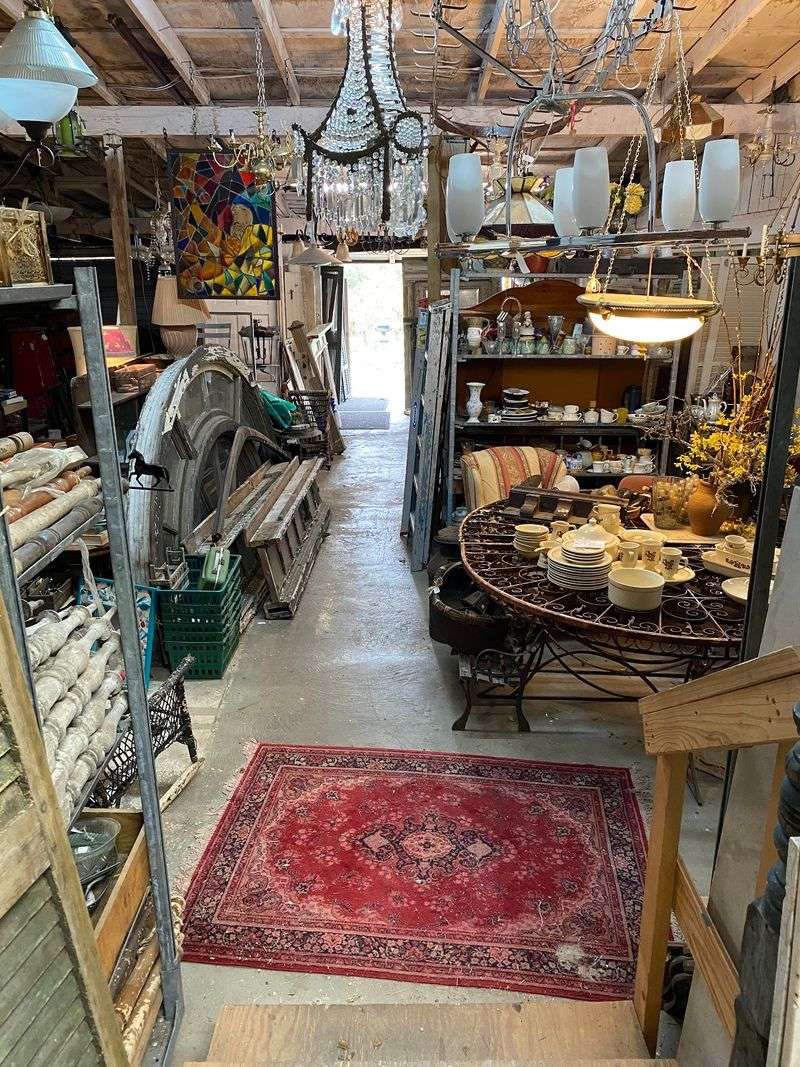
One longtime shopper summed it up perfectly: who knew there was so much space hiding behind such a small storefront? That surprise is part of the fun.
You walk in expecting a cozy little shop, and then the rooms just keep going.
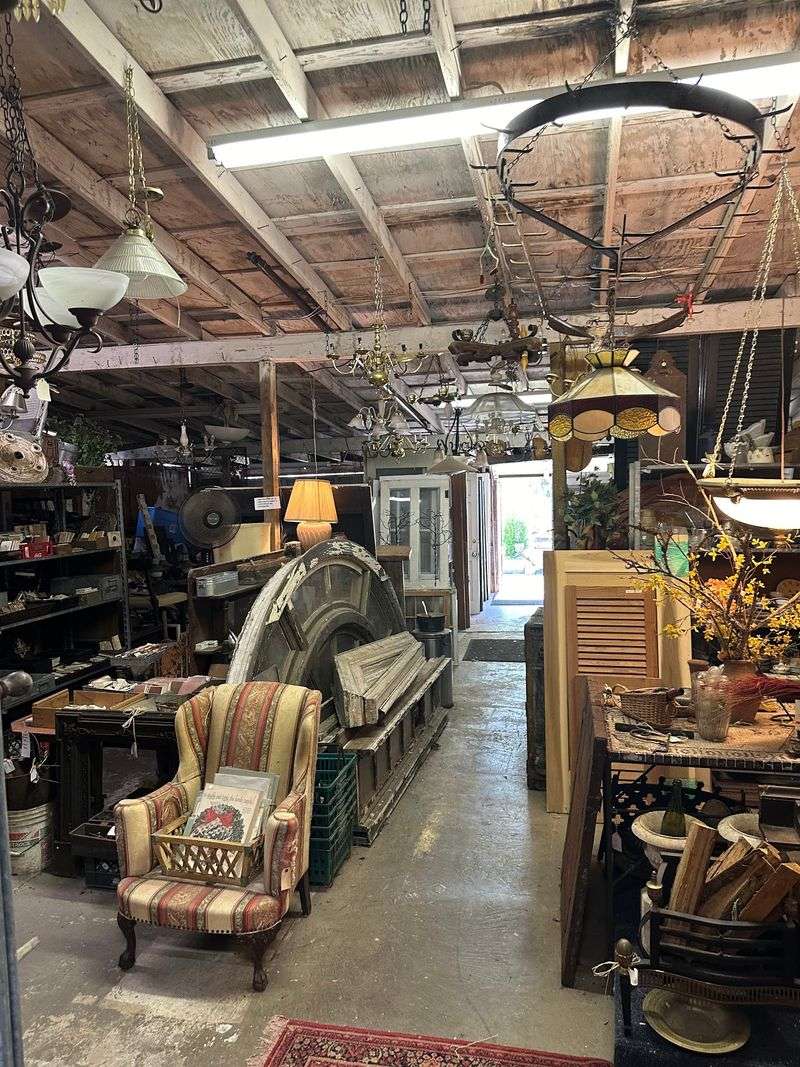
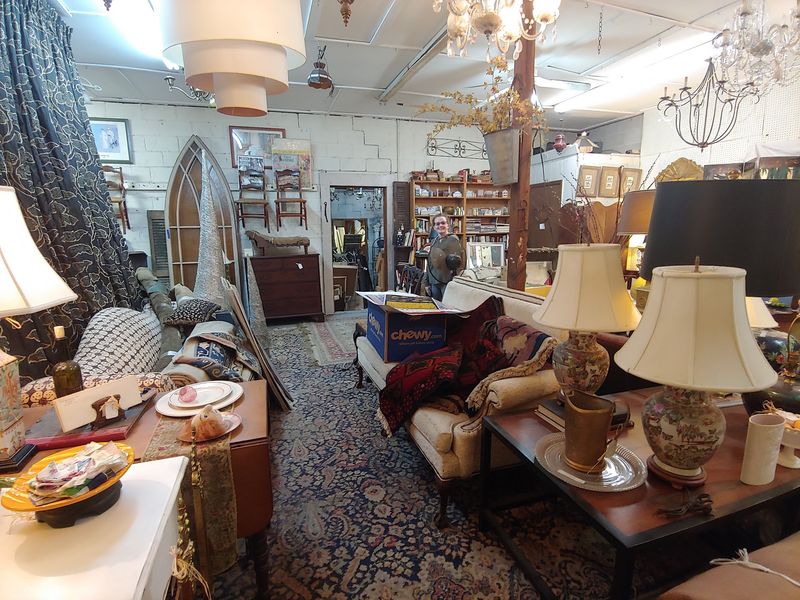
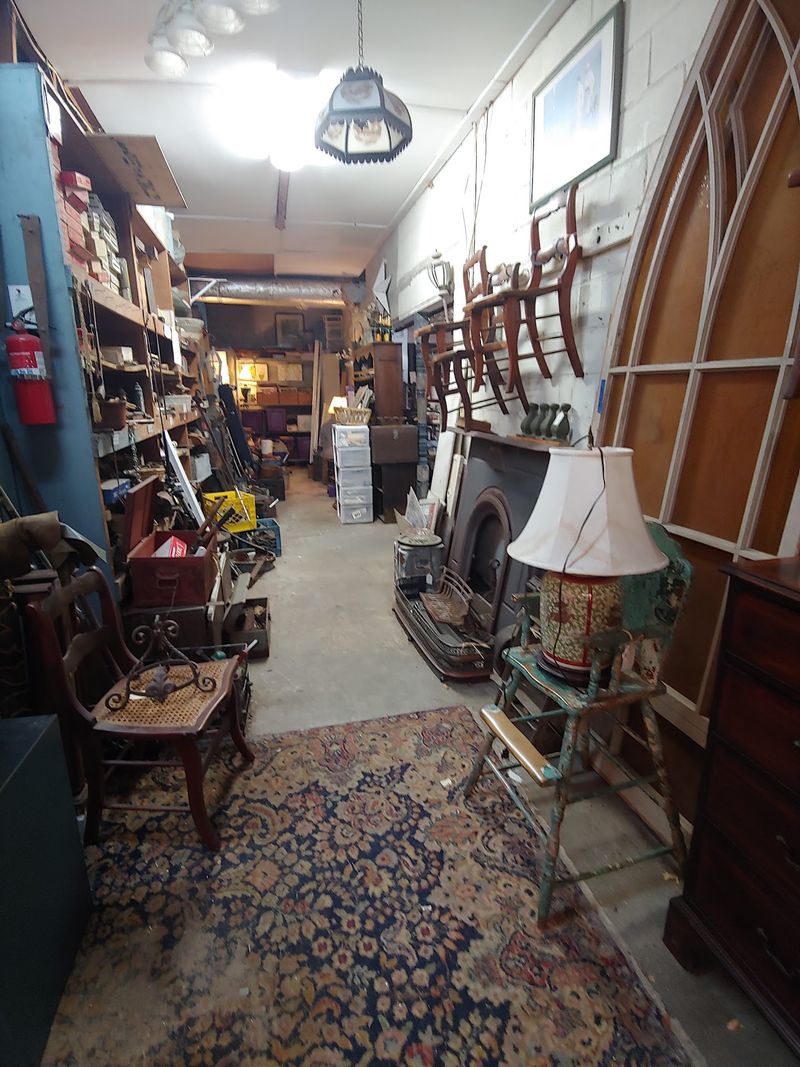
The owners have described the space as around 4,000 square feet. Room after room opens up, each one packed with doors, windows, lighting, furniture, and odd little pieces you did not know you needed.
It feels less like shopping and more like exploring an old house where every closet holds a secret.
Plan your time wisely. Many visitors say they could spend hours here, so do not squeeze this stop into a rushed fifteen minutes between lunch and the beach.
Give yourself at least an hour to wander without watching the clock.
A good trick is to do one quick lap first to see everything, then circle back to the pieces that caught your eye. Items that look plain from across the room often reveal carved details, old hardware, or hand-blown glass up close.
Bring your phone to snap photos and take measurements, since you may spot something perfect for a doorway or wall at home.
Finding the Shop Takes A Sharp Eye
Here is a tip that could save you a frustrating loop around the parking lot. The shop sits at 1011 St Andrew’s Blvd, Suite A, in the West Ashley area of Charleston, just across the Ashley River from downtown.
It is not on a showy main street with big signs.
According to one visitor, the store is tucked away in the back, between the Fitness Place and Warehouse 61. So if you pull in and think you are lost, keep looking.
That hidden location actually adds to the treasure hunt feeling before you even walk inside.
Parking is one of the nice perks of being outside the historic peninsula. You can usually find a space in the shared lot, which beats circling King Street hoping for a spot.
It also makes loading a heavy mantel or garden urn into your car much easier.
Driving is the simplest way to get there, since the shop is a short hop from downtown. If you are bringing a truck or planning to haul something large, call ahead at 843-571-3389 to ask about loading help.
Accessibility details are not widely published, so a quick call can also answer questions about entry steps or tight aisles.
Charleston History, Rescued Piece By Piece
Imagine a carved mantel that once warmed a family in an old Charleston home, now waiting for a brand new chapter. That is the magic of architectural salvage.
When old buildings are renovated or torn down, pieces like doors, shutters, and mantels can be saved instead of tossed.
Shoppers praise this store for holding many fine historical pieces rescued from Charleston’s original homes. One reviewer who works on historic houses said they are thankful the owners save so many local treasures for others to reuse.
For a city that loves its history, that matters a lot.
Charleston is one of the oldest cities in the country, founded in 1670, so its homes hold centuries of craftsmanship. Hand-planed wood, wavy old glass, and heavy iron hardware were made to last.
Salvaged pieces carry that quality forward in a way new copies rarely match.
If you are restoring an older home, this is a smart place to find materials that fit the right time period. A mantel or door from the same era can make a renovation feel honest instead of fake.
Even if you live in a newer house, one rescued piece can add instant character and conversation.
Owners Who Know Every Story
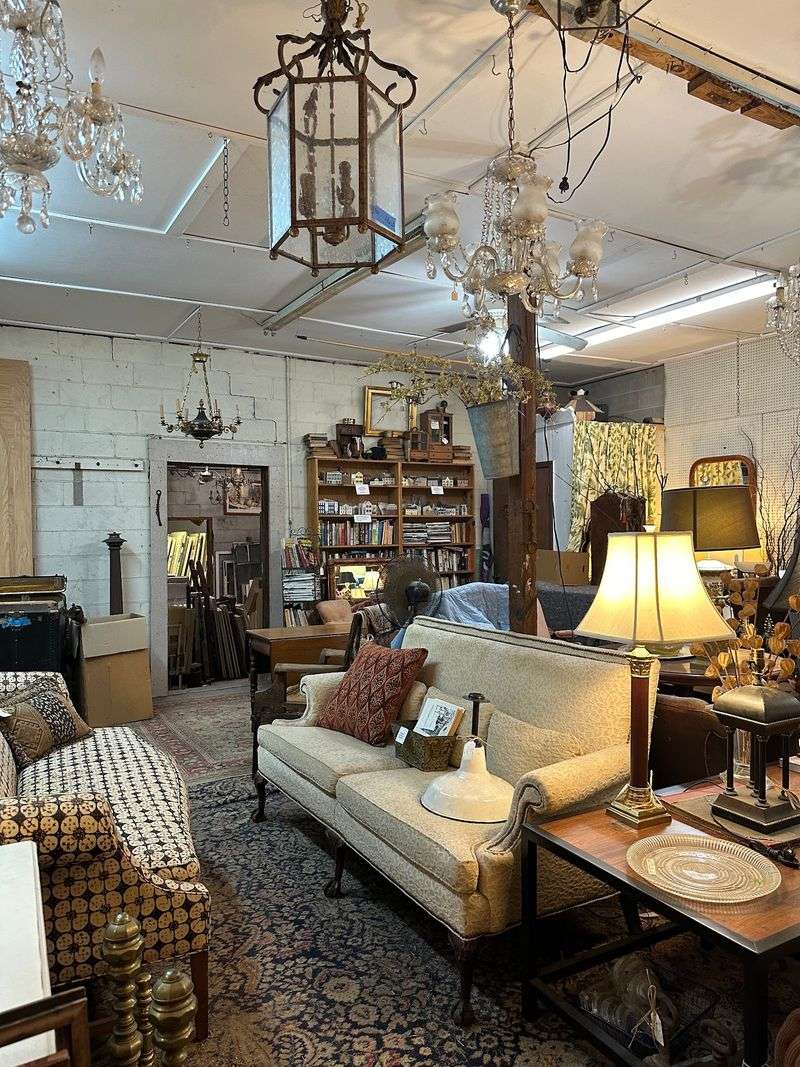
Ask about almost any piece, and you may get a history lesson on the spot. Knowledgeable owners and staff are the most talked-about part of this shop in reviews.
Customers mention Jeff and Randy by name again and again.
One historic home fan said the owners know where every piece came from and the year it was made. Another shopper met with Randy and said he took the time to explain an item they had struggled to research.
That kind of expertise turns a simple browse into a real learning trip.
So come with questions. Want to know if a light fixture is old or a reproduction?
Curious how a certain door was built or what era a mantel fits? The owners seem happy to share what they know.
Visitors even say they got helpful advice about restoring antiques they did not buy here. That shows real love for the craft, not just the sale.
If you own a family heirloom that needs care, a friendly chat could point you in the right direction.
Keep in mind the shop has both salvaged and reproduction items. Asking which is which helps you shop smart and understand what you are paying for.
Step Outside To The Garden Area
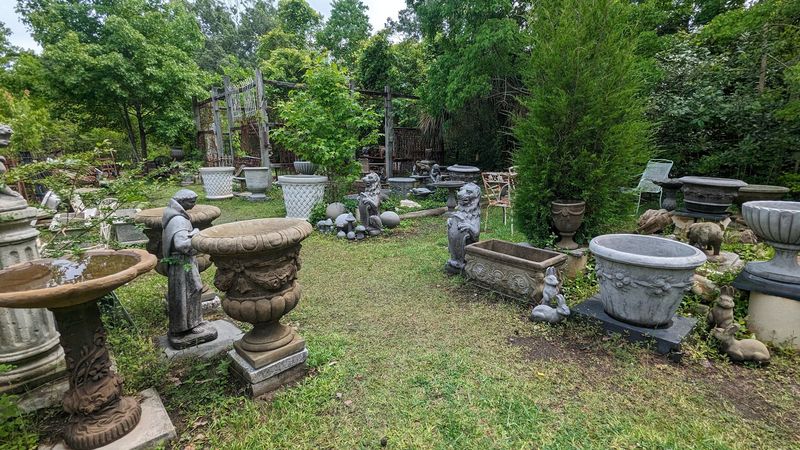
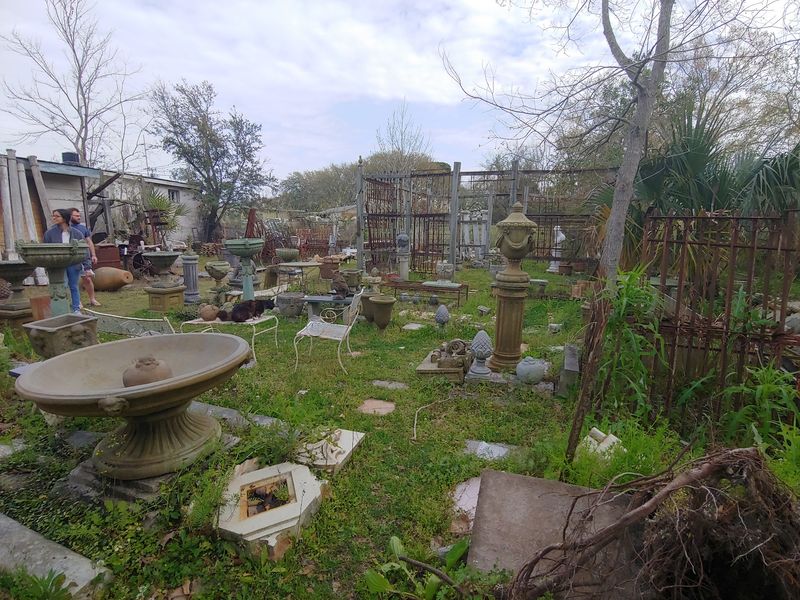
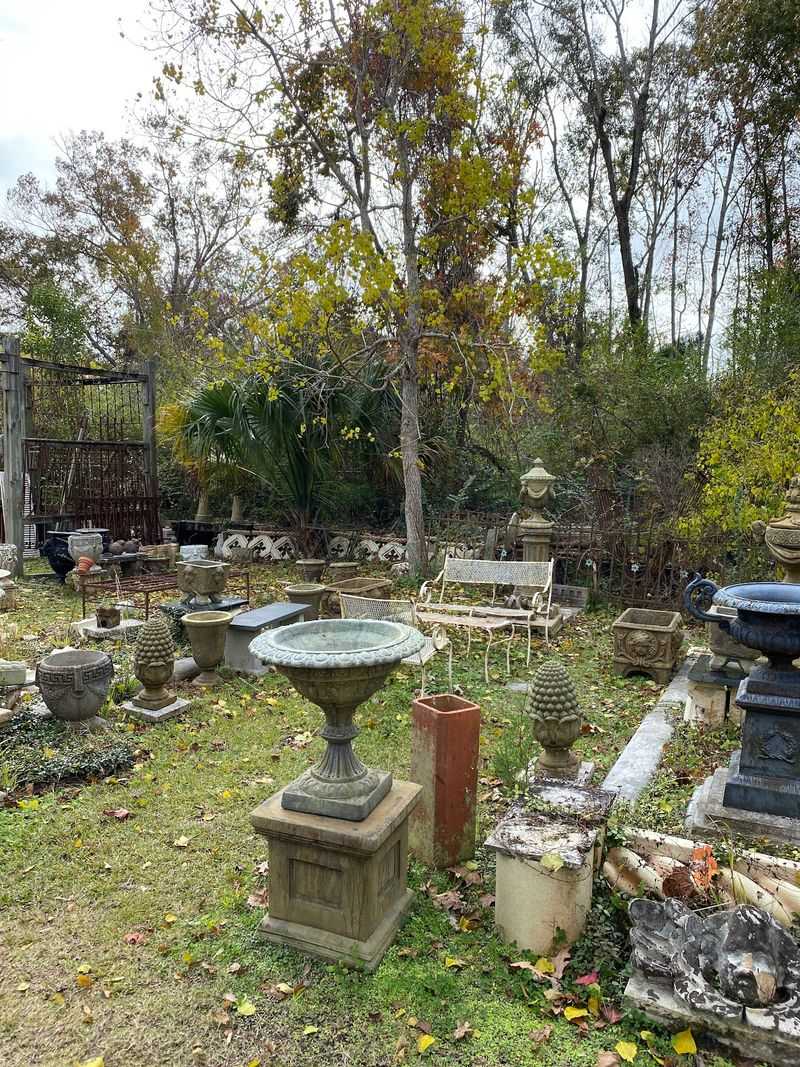
Do not leave without heading out back. Regular shoppers insist the garden area is a must-see, and several reviews call out its amazing garden items.
It is like a secret courtyard full of weathered beauties.
Picture stone bird baths, iron urns, statues, and planters sitting under the Lowcountry sky. The textures are wonderful here, from rough stone to smooth, time-worn metal.
On a warm day, you might hear birds nearby while you poke around.
Good news for budget shoppers: one recent visitor noted the bird baths are reasonably priced. So you do not need a huge budget to take home a charming piece of garden history.
A small planter or bird bath can make a porch or backyard feel like an old Charleston courtyard.
Wear comfortable shoes, since you will be walking on outdoor surfaces. Charleston summers get hot and humid, so morning visits are more pleasant from June through September.
Bring water if you plan to linger.
Think about weight before falling in love with a big stone piece. Garden items can be very heavy, so ask about getting it to your car.
Measuring your space at home ahead of time is also a smart move.
The Fire Insurance Plaque That Stole A Heart
One happy customer spotted an antique fire insurance plaque made of plaster hanging in the back garden area. They bought it and now display it on their front porch, joking that it adds extra protection.
It is a great example of the quirky finds waiting here.
Here is a fun bit of history. Long ago, before cities had public fire departments, private insurance companies placed marks or plaques on the homes they insured.
These plaques showed which company protected the building. In early America and Britain, they became a common sight on house fronts.
Today, fire marks are loved by collectors because they connect to a time when neighborhoods depended on these companies. Each one tells a small story about how people protected their homes.
Hanging one on your porch is like wearing a badge from the past.
The lesson for your own visit? Look closely at walls, corners, and outdoor spaces, not just the big furniture.
Small pieces like plaques, hardware, and signs are easy to miss but full of charm. They are also easier to pack if you are traveling and cannot fit a door in your suitcase.
Prices From Pocket Change To Showstoppers
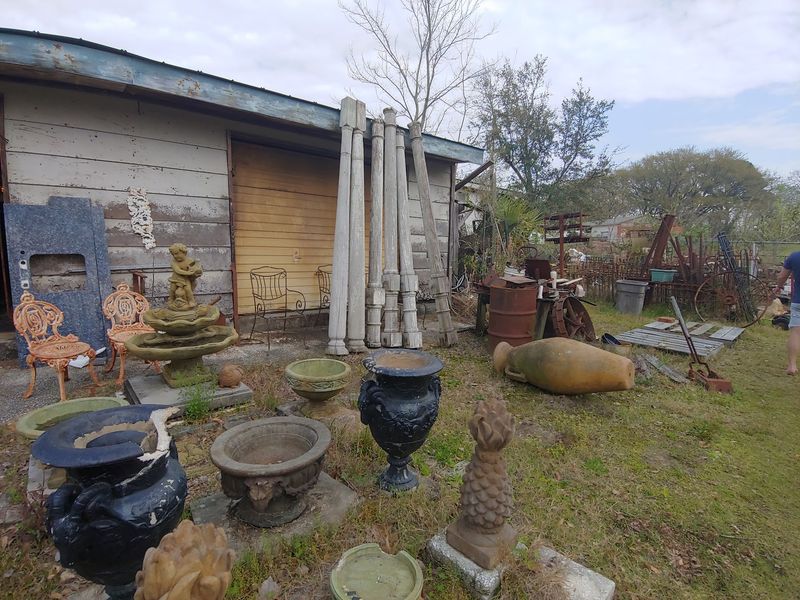
Fifty cents or thousands of dollars? Both are possible here.
The owners have said their inventory ranges from very cheap small items to major pieces with big price tags.
For example, one owner response mentioned a pair of mid-19th century English cast-iron urns priced at $6,000 for the pair. On the other end, a shopper once called just to find a caster costing about two or three dollars for an antique bed.
That wide range means almost anyone can find something.
One reviewer noted prices are competitive with similar stores in the Charleston area. That also means they can run a bit higher than shops farther inland.
Charleston’s strong market for historic goods plays a role in that.
Admission is free, so browsing costs nothing but time. Before you visit, set a rough budget and decide what you truly need, whether it is hardware, lighting, or a statement mantel.
That helps you stay focused in a room full of temptations.
If a price surprises you, ask about the piece’s age, origin, and materials. Understanding the history often explains the value.
And a respectful conversation always goes further than calling anything junk.
Service That Goes Beyond The Sale
Picture this: you call a shop at 4:55 p.m. asking about closing time, and they offer to wait for you. That really happened to one customer, who only needed a small caster for an antique bed.
The partner offered to stay late, which left a lasting impression.
Stories like that pop up often in reviews. Another shopper was hunting for a stained glass door, which the store could not offer because of Charleston County rules on exterior doors.
Instead of sending them away empty-handed, the staff gave loads of advice and recommendations.
Even more rare, owners have sent people to other shops when they did not have the right item. One reviewer said they had never had a store owner direct them elsewhere before.
That kind of honesty builds trust.
Reviews are not all glowing, though. A few past visitors described unpleasant first interactions, and the owners responded with their own side of those events.
Most recent reviews praise the friendly welcome.
The best approach is simple. Walk in with curiosity, share what you are looking for, and be open to a conversation.
You will likely leave with helpful knowledge, even if you leave without a bag.
Reuse Is The Real Mission
Every door saved here is one less door headed for a landfill. One loyal shopper said they admire the owners’ mission to promote more reuse of materials.
That green side of the business makes shopping feel extra good.
Old building parts were often made from dense, old-growth wood, solid iron, and real stone. Those materials are hard to find today.
Giving them a second life keeps quality craftsmanship in use instead of wasting it.
You can find a variety of reclaimed goods here, including doors, windows, garden items, furniture, and lighting. Each one can be used as intended or turned into something new.
An old window might become wall art, and a shutter could become a headboard.
Get creative when you browse. Ask yourself how a piece could work in your space, even if it is not what it was built for.
A salvaged corbel might become a shelf bracket, and a column could hold a plant.
If you are renovating, check local building rules before buying items like exterior doors. As one visitor learned, Charleston County has regulations that affect certain pieces.
The staff can help point you toward options that fit those rules.
Plan Your Visit Like A Pro
Timing is everything when you hunt for treasure. Architectural Antiques & Design is typically open Monday through Saturday from 10 a.m. to 5 p.m. and closed on Sundays.
Hours can change for holidays or seasons, so check the website or call 843-571-3389 before heading over.
Weekday mornings are a great time to go. The shop is usually calmer, and you will have more chances to chat with the owners.
Saturdays can bring more shoppers, but they also bring a lively buzz.
Do not show up right before closing expecting a full tour. With so many rooms, you will want plenty of time.
Arriving by early afternoon at the latest gives you room to breathe.
Regulars say they return every few months to see what has changed. Inventory shifts often, so a second trip can feel totally new.
If you live nearby, make it part of your routine.
Bring measurements, photos of your space, and a tape measure. Pack patience, too, because good treasure hunting takes time.
With a 4.5-star rating from dozens of reviews, many visitors call this spot a do not miss part of Charleston, South Carolina.