
Why Retirees Are Quietly Moving To This Forgotten Florida Region
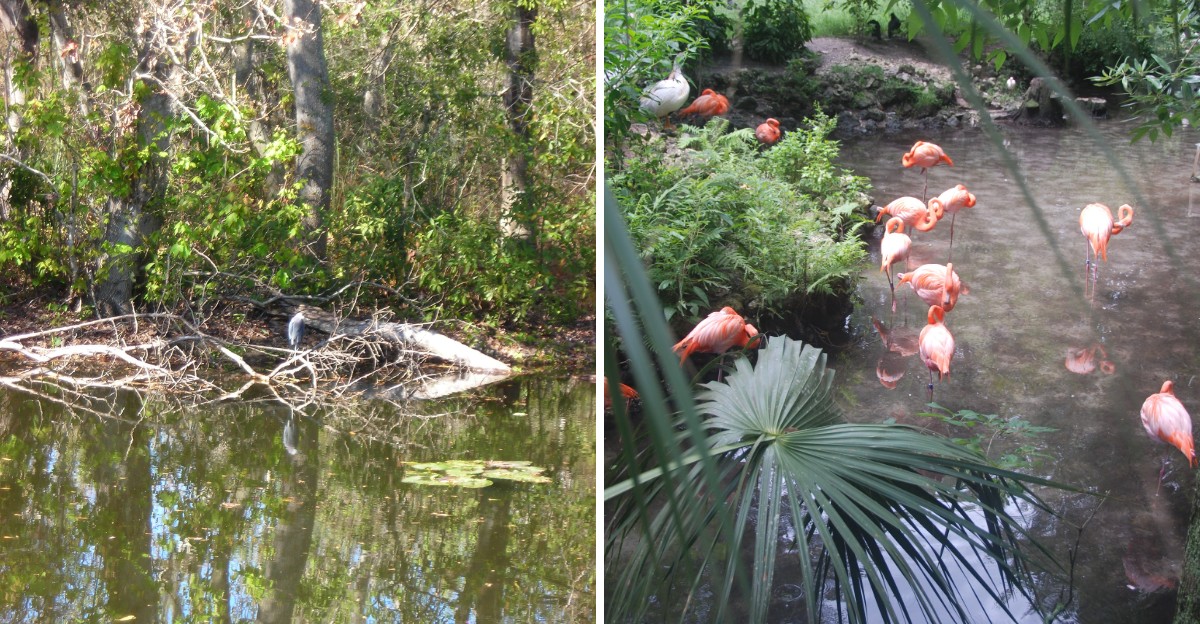
Some Florida towns measure rush hour in brake lights. Along the Nature Coast, one community measures it in manatees drifting through spring water.
Mornings begin with mist above the river. Boats move.
Porch conversations last, and sunset arrives without checking the clock. The cities are close enough for convenience, yet far enough away that traffic noise gives way to birds, water, and neighbors calling hello.
Could retirement feel less like stopping and more like finally exhaling?
This corner of Citrus County makes a strong case. Lower-key living meets wild scenery, friendly faces, and the kind of rhythm that leaves room for fishing, paddling, and doing absolutely nothing without guilt.
The ten reasons ahead reveal why retirees keep noticing this overlooked community, from its natural beauty to its easygoing personality. Bring curiosity, not a packed schedule.
Life here does not race toward the next attraction. It floats there at manatee speed.
Manatees Become Your Winter Neighbors
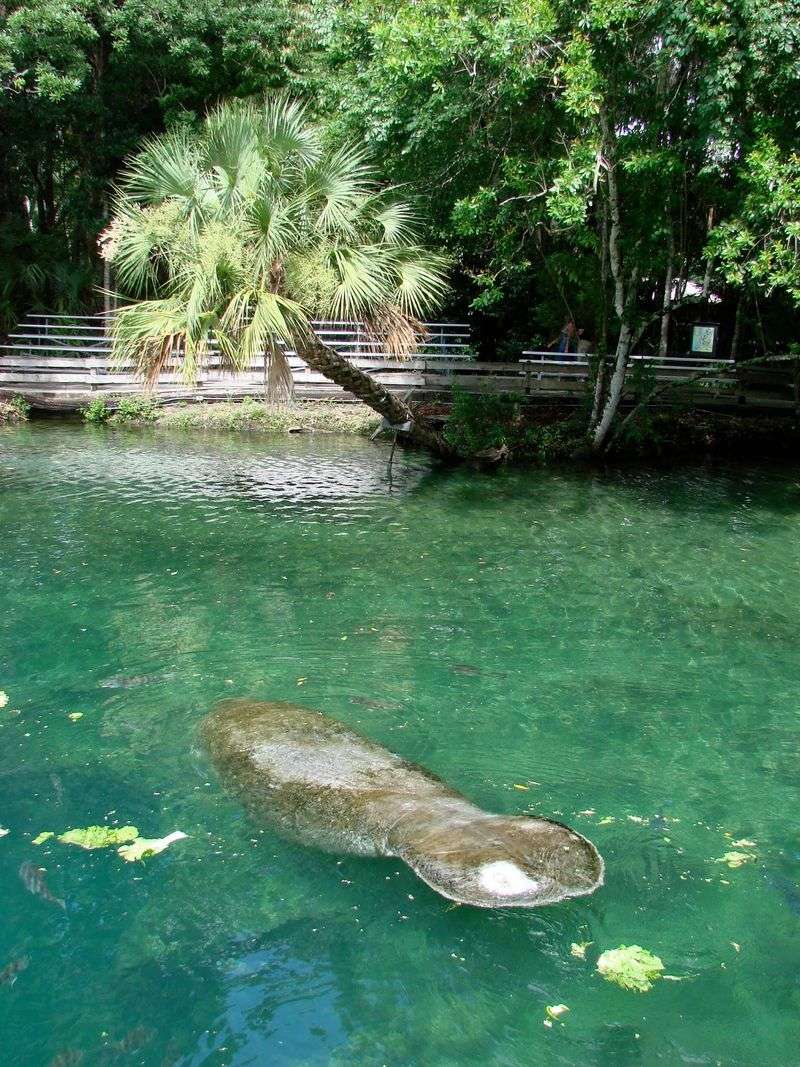
Picture sipping coffee while a 1,000-pound sea cow drifts past like a sleepy blimp. That happens here.
The spring at Ellie Schiller Homosassa Springs Wildlife State Park stays around 72 degrees all year, so wild manatees crowd in when the Gulf turns chilly.
The park’s floating Fish Bowl underwater observatory lets you look eye to eye with fish and manatees without getting wet. Thousands of fish flash silver in the clear water below.
Kids squeal, grandparents grin, and everyone forgets their phone for a minute.
The park is open daily, usually from 9 a.m. to 5:30 p.m., though hours can shift, so check the Florida State Parks website before you go. Admission runs roughly $13 for adults and less for children, and prices may change.
Parking is free at the visitor center on U.S. 19, where a pontoon boat or tram carries you to the main area.
Paved paths make the park friendly for wheelchairs and walkers. Visit between November and March for the best manatee crowds.
Arrive early on cold mornings, since that is when the gentle giants gather thickest. For retirees, this becomes less of a trip and more of a weekly ritual.
A Hippo Named Lu Stole The Show
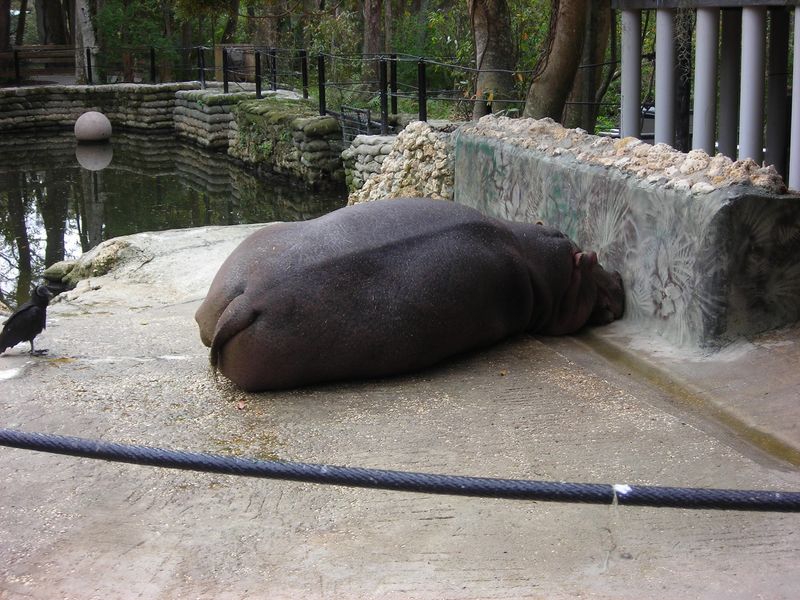
Here is a fun bit of trivia to share at the next dinner party. Florida’s most famous hippo, Lucifer, better known as Lu, lived at Homosassa Springs for decades.
He had once been an animal actor in films and TV shows before the park became his home.
When the state took over the attraction in the late 1980s, officials planned to keep only native Florida animals. Locals were not having it.
Lu had so many fans that the governor named him an honorary Florida citizen, letting him stay. He lived there until 2024, passing away at age 64.
That story says a lot about this town. People here get attached, stand up for what they love, and keep a little quirkiness alive.
Today the park focuses on native wildlife, including black bears, Florida panthers, red wolves, river otters, and bald eagles. Many are rescued animals that cannot survive in the wild.
Walking the boardwalk feels like a road trip through old Florida in one afternoon. Bring a hat, some water, and good shoes.
You will likely leave with a new favorite animal, plus a story about a hippo who won over an entire state.
Your Wallet Breathes Easier Here
Money talk is not glamorous, but it matters when a paycheck turns into a pension. Compared to Florida hot spots like Naples, Sarasota, or Miami, Citrus County has long been known for more affordable homes.
You can often find a modest ranch house with a yard for far less than a condo on the Atlantic coast.
Florida also has no state income tax. That means Social Security checks, pensions, and retirement withdrawals are not taxed by the state.
Homeowners who make Florida their permanent residence may also qualify for a homestead exemption, which lowers property taxes.
Prices do change, and home costs across Florida rose sharply in recent years. Insurance can also be pricey, especially for homes near the water.
Get quotes before you sign anything, and ask about flood zones.
Still, many retirees find that daily life costs less here. Restaurants are casual, entertainment is often free, and nature does most of the heavy lifting for fun.
A kayak trip or a sunset on the river costs nothing but time. Smart buyers visit in summer too, so they know how the heat and storm season feel before moving.
Rivers That Sparkle Like Glass
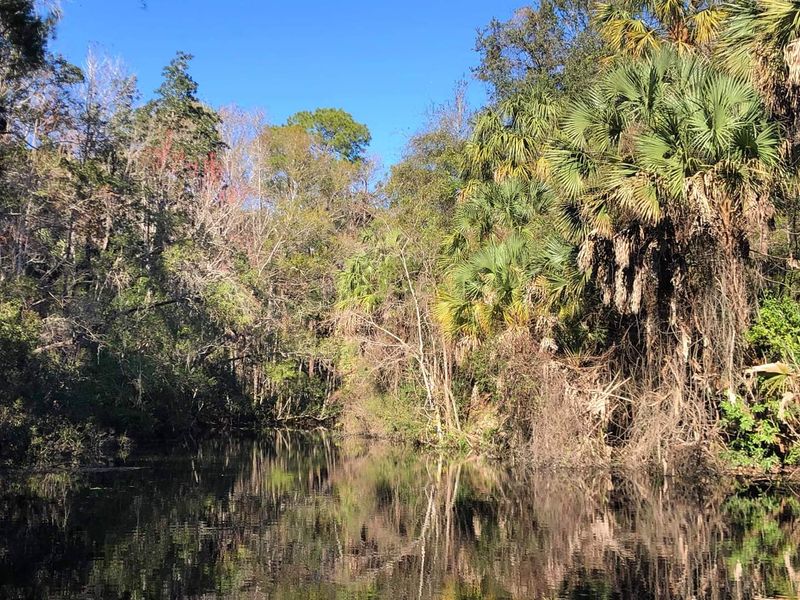
Slide a kayak into the Homosassa River and the world gets quiet fast. The water starts from springs, so it looks almost unreal, clear near the head and shading into deep green as it winds toward the Gulf of Mexico about eight miles away.
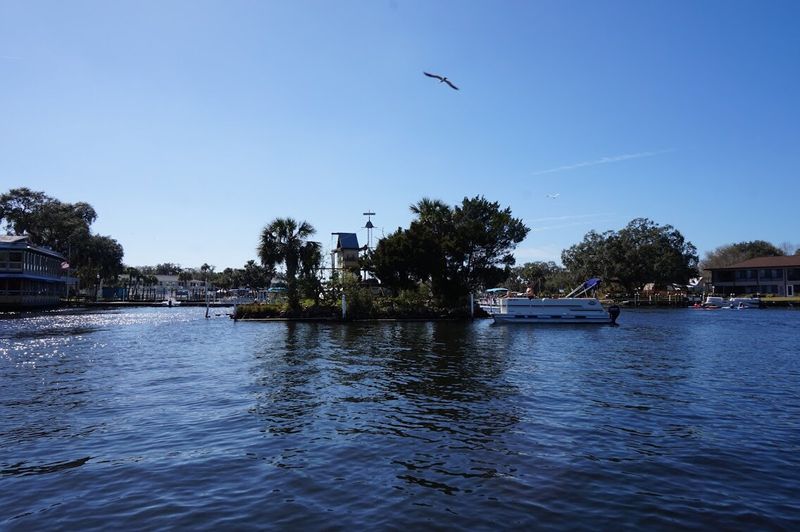
Along the way, you might spot herons stalking the shallows, mullet leaping for no clear reason, and turtles lined up on logs like tiny sunbathers. The river is also home to Monkey Island, a small island built for a group of monkeys decades ago.
Boaters love waving at it on the way past.
Several local outfitters rent kayaks, paddleboards, and pontoon boats. Prices vary by season, so call ahead for current rates.
Morning trips beat the afternoon heat and summer thunderstorms, which pop up almost daily from June through September.
For retirees, the river offers exercise that does not feel like work. Paddling builds strength, and floating in calm water is easy on the joints.
Remember sunscreen, polarized sunglasses, and plenty of drinking water. Watch for manatee zones and slow down, since these animals move gently and cannot dodge fast boats.
Treat the river kindly, and it rewards you every single time.
History Hiding In The Ruins
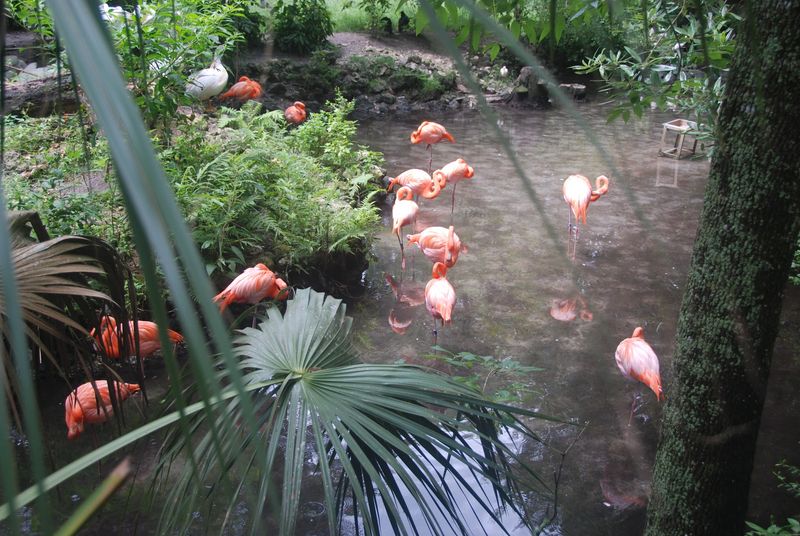
Just down the road sits a crumbling chimney that has watched more than 150 years pass by. Yulee Sugar Mill Ruins Historic State Park preserves what is left of a sugar plantation owned by David Levy Yulee, Florida’s first U.S. senator.
The mill ran from about 1851 to 1864 and was worked by enslaved people, a hard part of history the park addresses through signs and exhibits. You can still see the stone chimney, iron boiler, and heavy machinery once used to crush sugarcane.
Shady oaks and picnic tables make it a peaceful stop.
Entry is free, and the site is small enough to explore in under an hour. Paved paths make it easy for most visitors, and parking is right beside the ruins.
Hours typically run from 8 a.m. to sundown, but confirm before you visit.
History fans will enjoy nearby Old Homosassa, the waterfront section of the area with fishing docks and cozy restaurants. Pair the ruins with lunch and a stroll by the river for a full, easy day.
Places like this remind newcomers that the quiet streets have deep roots and stories worth learning about.
Grab A Rod, The Fish Are Waiting
Ask a local angler about tarpon and watch their eyes light up. Homosassa built a legendary reputation for giant tarpon, and for years anglers from around the world chased record fish on these flats every spring and early summer.
You do not need to hunt monsters to have fun. Redfish, speckled trout, snook, and sheepshead all hang around the backwaters and grassy shallows.
From about July through September, scallop season also draws crowds to the nearby Gulf waters, where families snorkel and gather bay scallops by hand. Check state rules each year, since dates and limits can change.
Florida requires fishing licenses for most anglers, though residents age 65 and older can usually fish without one. Always double check current regulations with the Florida Fish and Wildlife Conservation Commission.
Hiring a local guide is a smart move for beginners. Guides know the tides, the hot spots, and how to keep you out of trouble in shallow water.
Retirees often say fishing gives their days a gentle purpose. Even a slow day on the water beats a busy day anywhere else, and the fish tales at the dock are half the fun.
Traffic? What Traffic?
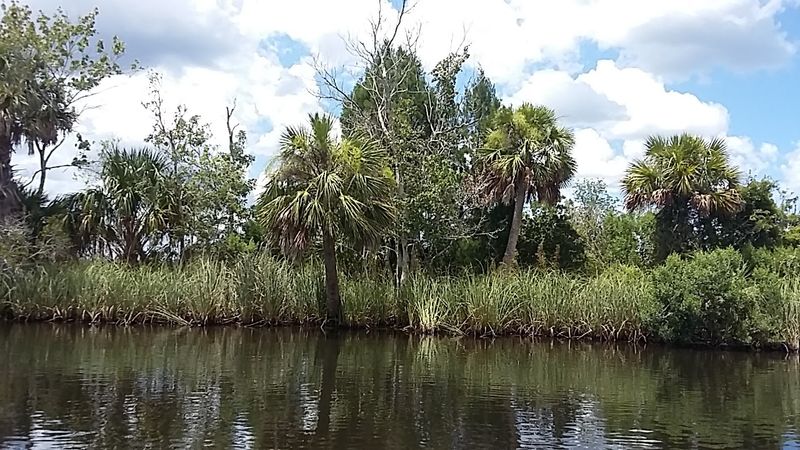
Honestly, the loudest rush hour here might be a flock of ibis crossing the lawn. Homosassa Springs has around 14,000 residents according to the 2020 census.
That is small enough to feel cozy, yet big enough to have grocery stores, pharmacies, and restaurants nearby.
The community is unincorporated, meaning there is no city government of its own. Citrus County handles services.
Life moves along U.S. 19, the main road, where most shopping sits, while side streets curl off into quiet neighborhoods shaded by live oaks and Spanish moss.
Many newcomers from busy cities say the calm hits them within days. Blood pressure drops, errands take minutes, and parking lots rarely fill up.
Tampa is roughly 75 miles south, close enough for a big city day trip or an airport run.
Retirees should know that public transit is limited, so owning a car helps a lot. Citrus County does offer a transit service for residents who qualify, which can help with appointments.
If you crave nightlife every evening, this may feel too sleepy. If you want to hear birds instead of horns, you have probably found your place.
Old Homosassa Keeps The Vibe Salty
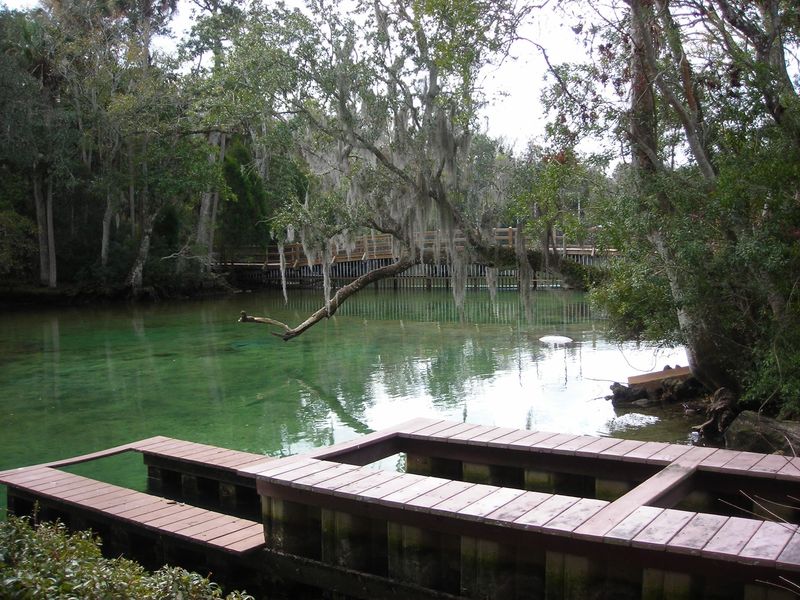
Some places feel like a postcard your grandparents mailed home in 1965. Old Homosassa is one of them.
This riverside pocket, a short drive from the springs, is packed with fish camps, marinas, and laid-back eateries where flip-flops count as formal wear.
Grab a grouper sandwich on a deck over the water and watch boats putter by. Stone crab season, which runs from mid-October to early May, brings fresh claws to local menus.
Live music sometimes spills out over the river on weekend evenings.
The pace is unhurried. Servers remember your name after a visit or two, and the old-timers at the bar will happily share which fishing spot is hot this week, or at least hint at it.
Parking can get tight at popular spots on weekends and during scallop season, so come early or on a weekday. Many waterfront places have steps or uneven docks, so call ahead if you need easier access.
For retirees, Old Homosassa becomes the go-to spot for birthdays, visiting grandkids, and lazy Sunday lunches. It is proof that the best part of Florida never needed fancy decorations.
Green Space Around Every Bend
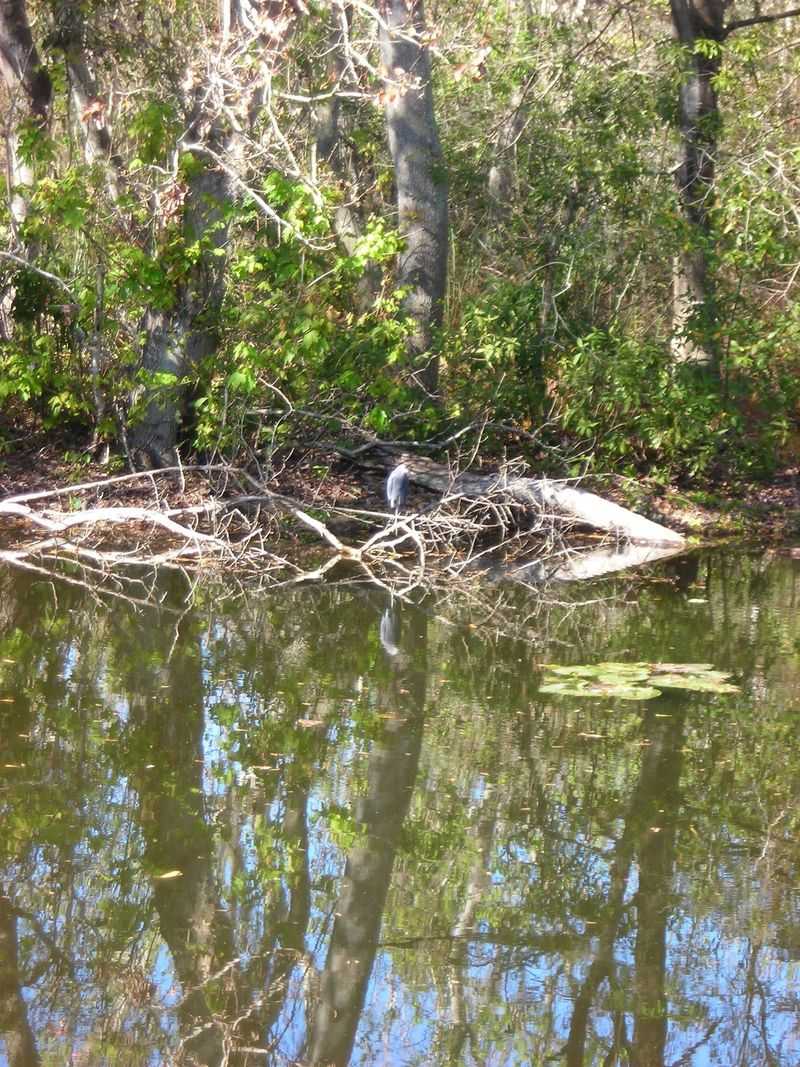
Nature lovers, get ready to run out of weekends. Homosassa Springs sits in Citrus County, part of what Florida calls the Nature Coast.
The region is famous for salt marshes, springs, and wild shoreline rather than high-rise hotels.
Crystal River is just north, where you can visit Three Sisters Springs and swim near manatees in approved areas. Chassahowitzka National Wildlife Refuge lies to the south, protecting thousands of acres of marsh and water mostly reached by boat.
The Withlacoochee State Trail, a paved path over 40 miles long, runs through the county’s eastern side for cyclists and walkers.
Birdwatchers can spot ospreys, roseate spoonbills, egrets, and even bald eagles. Winter brings extra bird visitors fleeing northern cold, just like the retirees.
Most trails are free or low cost. Paved trails work well for wheelchairs and bikes, while boardwalks offer gentle strolls.
Bring bug spray, especially in summer, when mosquitoes act like they own the place. Getting outside each day is one of the easiest ways to stay healthy as we age, and here you barely need to plan.
Step out the door and the scenery shows up on its own.
Community That Feels Like Family
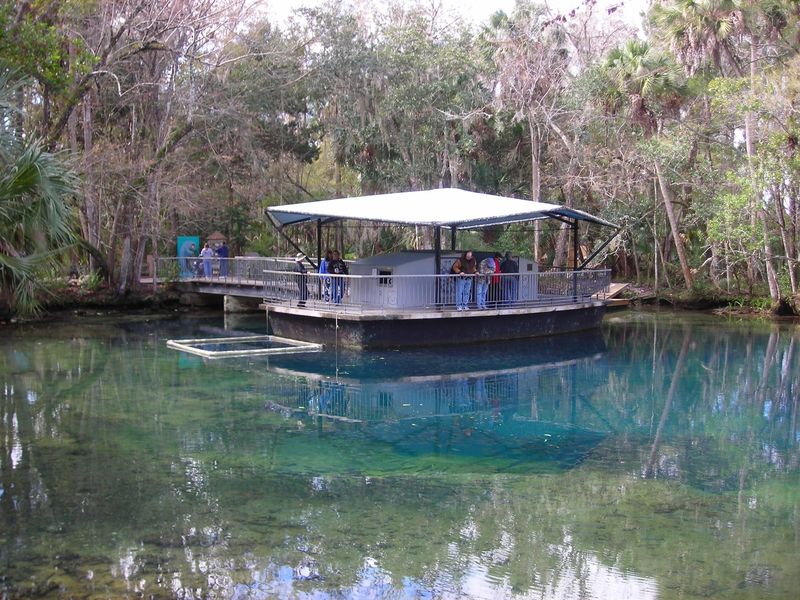
Moving somewhere new can feel lonely at first. Many retirees in Homosassa Springs say that feeling faded fast.
With a large share of older residents across Citrus County, it is easy to find people in the same stage of life.
Churches, volunteer groups, fishing clubs, and golf courses give newcomers ready-made ways to connect. The wildlife park welcomes volunteers, and helping care for gardens or guide visitors can bring real meaning to your week.
Nearby libraries host classes, book clubs, and free events.
Healthcare is important too. Hospitals operate in nearby Crystal River and Inverness, and larger medical centers are reachable in the Tampa area.
Before moving, check which doctors accept your insurance and how far the drive is for specialists.
One honest note: hurricane season runs from June through November, and coastal areas can face flooding. Locals prepare early with supply kits and evacuation plans, and neighbors often check on each other when storms roll in.
That shared care is part of the charm. Spend a winter here, try a summer too, and meet people at the dock or the diner.
Chances are, you will not feel like a stranger for long.