
Few People Realize South Carolina Is Home To America’s Longest Free-Flowing Blackwater River
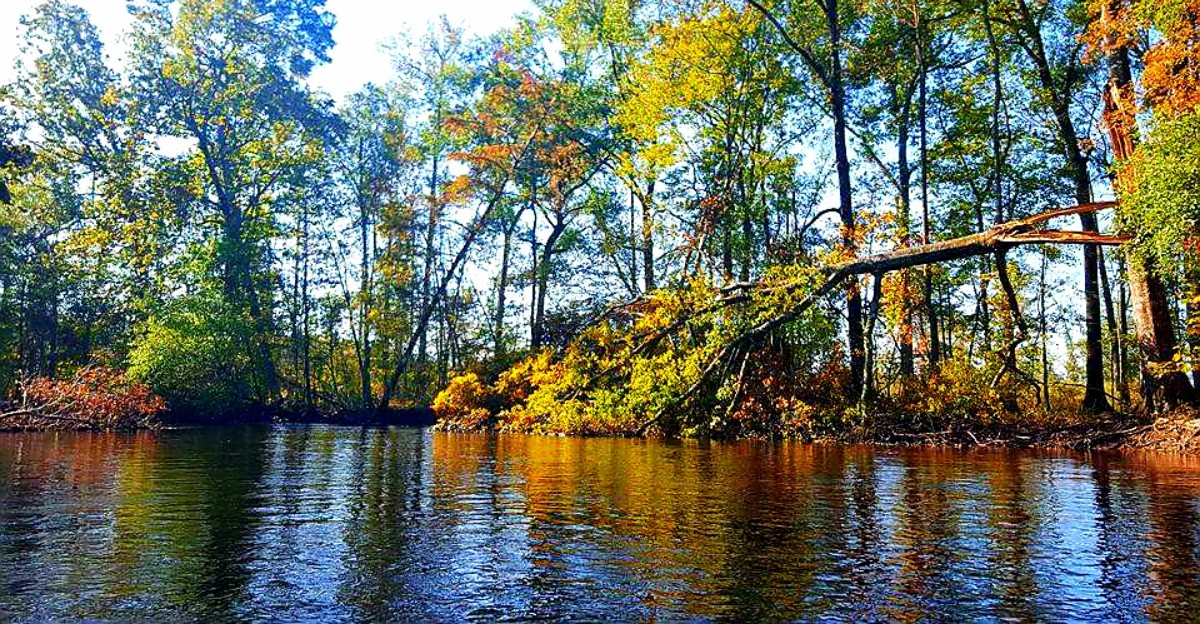
In South Carolina, some rivers behave like highways. This one prefers to wander, tea-dark and untamed, beneath cypress knees and Spanish moss.
For 250 miles, the current slips from shadowy swamps toward the Atlantic without meeting a dam. Paddlers glide past turtles, anglers wait for a tug, and floaters let the water handle the schedule.
Even the color tells a story. Fallen leaves release tannins, turning the river the shade of sweet tea while preserving its wild beauty.
Can a place this peaceful still deliver an adventure?
Absolutely. One bend may reveal a sandbar, while the next brings a heron lifting from the reeds or a splash that deserves a second look.
The facts ahead follow this Lowcountry waterway from its ancient character to its modern escapes. Pack sunscreen, bring bug spray, and loosen your grip on the clock.
Out here, the river decides how fast the day should move.
No Dams, No Problem: A River That Runs Wild
Picture a river that has been doing its own thing for thousands of years, with nobody putting a wall in its way. That is the Edisto.
From its headwaters to the sea, no dam blocks its path, which is rare for a river of its size in the eastern United States.
Its main stem and two forks together stretch about 250 miles, making it one of the longest free-flowing blackwater rivers in North America. Locals love to brag about this, and honestly, they have earned it.
Free-flowing means the water rises and falls with the rain, just like nature intended.
So what does that mean for you as a visitor? The river changes from week to week.
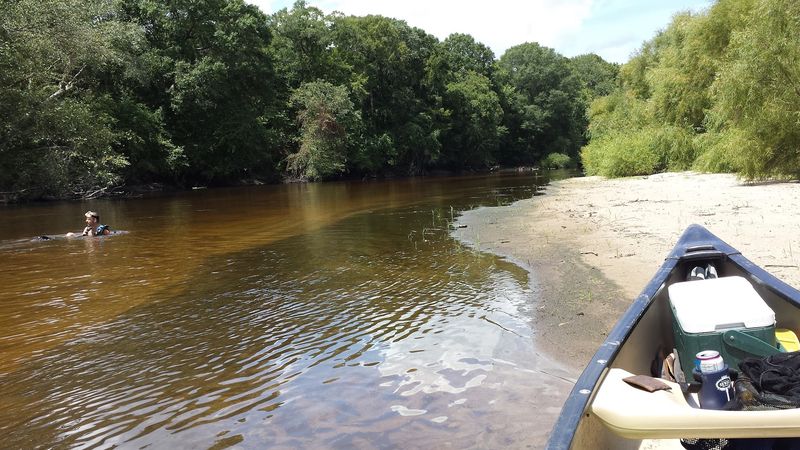
After heavy rain, it can run high and fast, covering sandbars and pushing a strong current. During dry spells, it drops low and reveals wide sandy beaches perfect for a picnic.
Before heading out, check the water level using the U.S. Geological Survey gauges online, such as the one near Givhans Ferry.
It takes two minutes and can save your whole day. A river this wild deserves a little homework, and it pays you back with scenery that feels untouched and ancient.
Why the Water Looks Like Sweet Tea
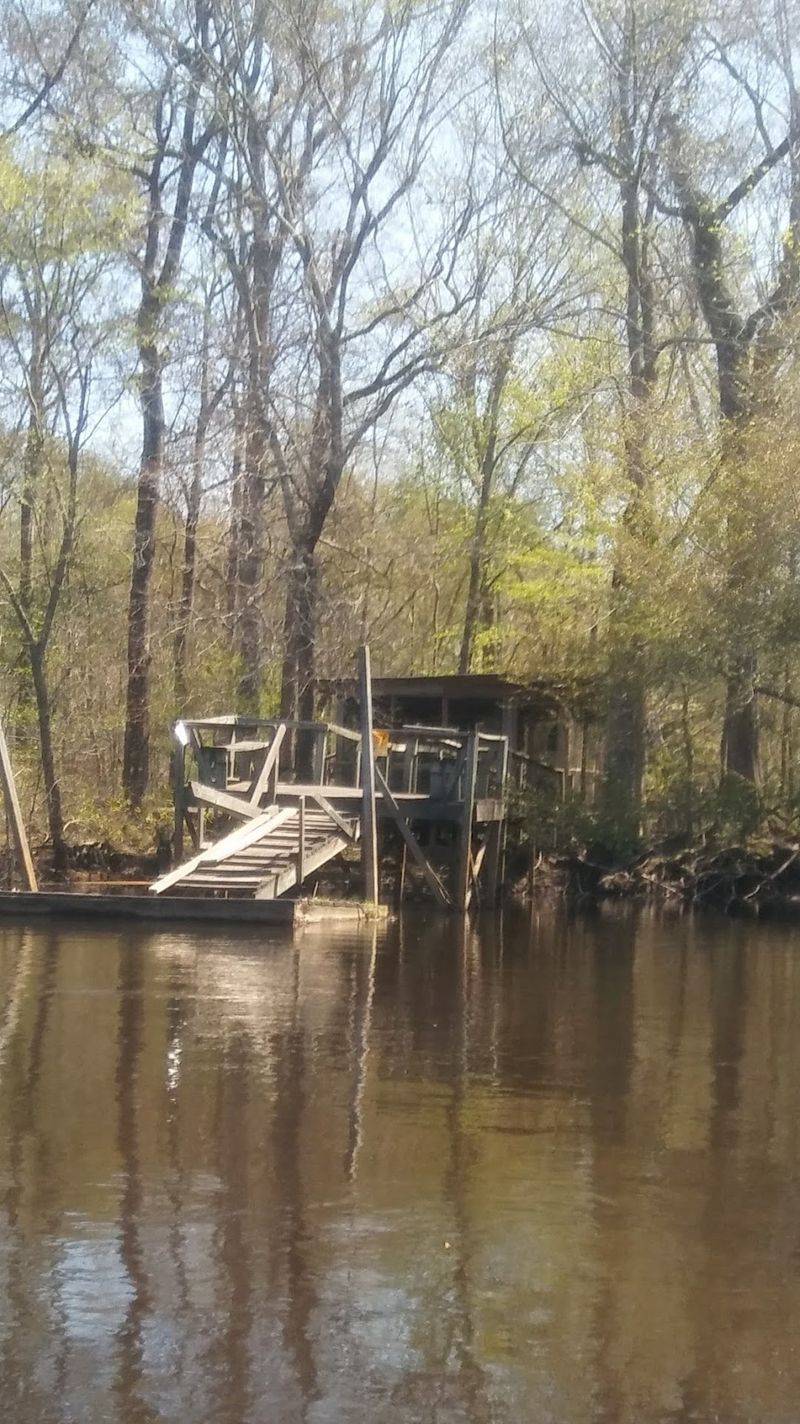
Scoop up a handful of Edisto water and you might think someone spilled a giant pitcher of iced tea. Don’t worry, it is not dirty.
The dark color comes from tannins, natural compounds that leach out of fallen leaves, bark, and roots in the swamps that feed the river.
It works almost exactly like steeping a tea bag. Water trickles slowly through the Four Hole Swamp area and surrounding wetlands, soaking up those plant compounds along the way.
The result is a river that looks black from a distance but glows amber and copper when sunlight hits it up close.
Here is the fun part. That dark surface acts like a mirror on calm mornings.
Cypress trunks, puffy clouds, and draping Spanish moss reflect so perfectly that photographers sometimes flip their pictures upside down and nobody can tell.
Tannins also make the water a bit acidic, which shapes which fish and plants thrive here. For the best reflection shots, paddle out early before the wind picks up.
Bring a camera with a polarizing filter if you have one. You will want proof that a river really can look this much like a painting.
Home To The Nation’s Longest Canoe And Kayak Trail
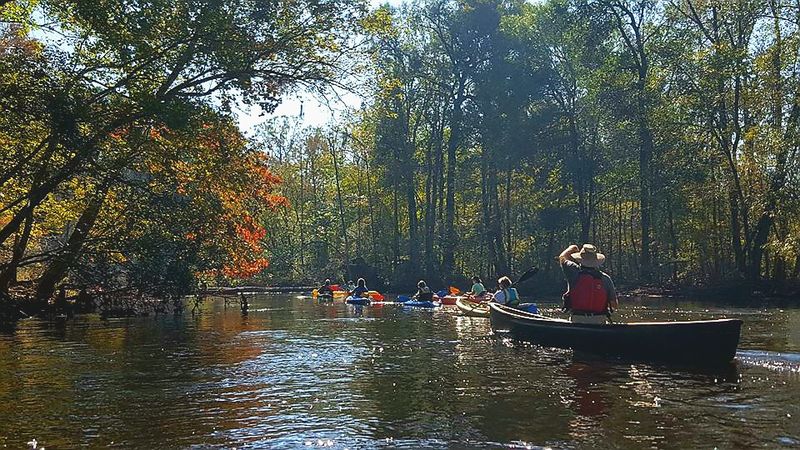
Ready for a paddle that feels like a secret tunnel through the forest? The Edisto River Canoe and Kayak Trail covers about 56 miles, running roughly from near Stokes Bluff down toward the Highway 17 area close to Jacksonboro.
It is a designated state water trail and a favorite among paddlers across the Southeast.
The current carries you gently along most days, so even beginners can enjoy shorter sections. Givhans Ferry State Park makes a handy launch spot, and several outfitters in the Canadys and Colleton County areas rent kayaks, canoes, and tubes while offering shuttle service back to your car.
One reviewer paddled with a local group from Bamberg and still loved the trip even when the water was low. That tells you something about how pretty this trail is.
Another warned about fallen trees, so plan extra time and be ready to steer around logs.
Boat landings often have small parking areas that fill up on summer weekends. Arrive early, especially on Saturdays.
Pack water, snacks, and a dry bag for your phone. Most importantly, let someone know your route, because cell service can be spotty deep in the swamp.
Tubing Season Is Basically A Lowcountry Holiday
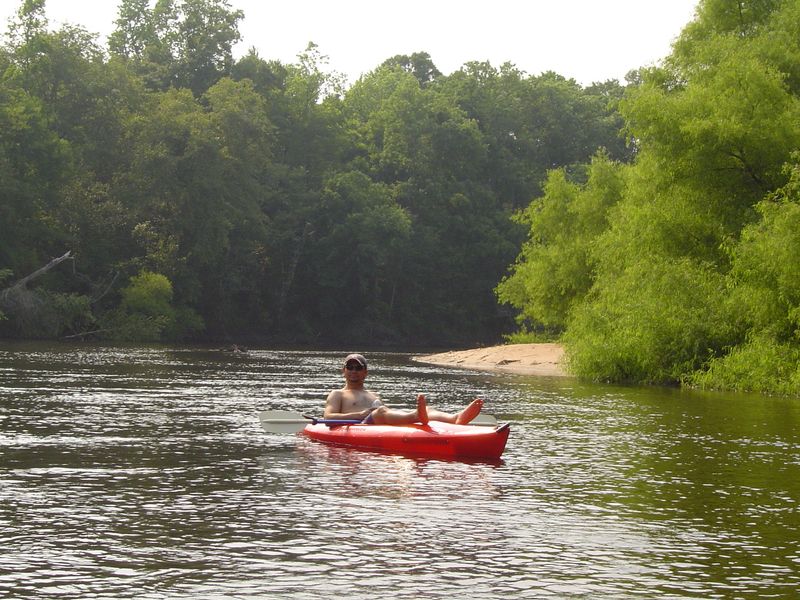
“Just like a lazy river” is how one longtime visitor described childhood summers floating miles down the Edisto on inner tubes. Ask around and you will hear the same happy memory again and again.
Tubing here is a tradition passed down through families.
Summer is prime time. The water stays warm, the shade from overhanging trees keeps you cool, and the slow drift lets you chat, snack, and wave at turtles sunning on logs.
Outfitters near Givhans Ferry and the Canadys area typically offer tube rentals and shuttles. Prices vary, so call ahead for current rates and seasonal hours.
Now for the serious part. Several reviewers who grew up on this river warn that the current is stronger than it looks, even for seasoned swimmers.
Always wear a life jacket, especially children. Keep your group close together and never tie tubes to trees or snags.
Wear water shoes, since sandbars can hide sticks and shells. Bring a mesh bag to carry out your trash, because nothing ruins a pretty beach faster than litter.
Sunscreen and a hat will keep you from turning lobster red. Float smart, and you will understand why families return every single year.
Wildlife Watching Worth The Bug Spray
Keep your eyes on the sky. One lucky visitor went searching for swallow-tailed kites along the Edisto and counted more than a dozen swooping over the water.
These elegant birds, with forked tails like tiny kites on strings, visit the Lowcountry in warm months.
They are only the beginning. Herons stalk the shallows, ospreys dive for fish, and turtles stack up on logs like pancakes.
You might spot river otters playing near the banks or deer stepping quietly to the water’s edge at dusk.
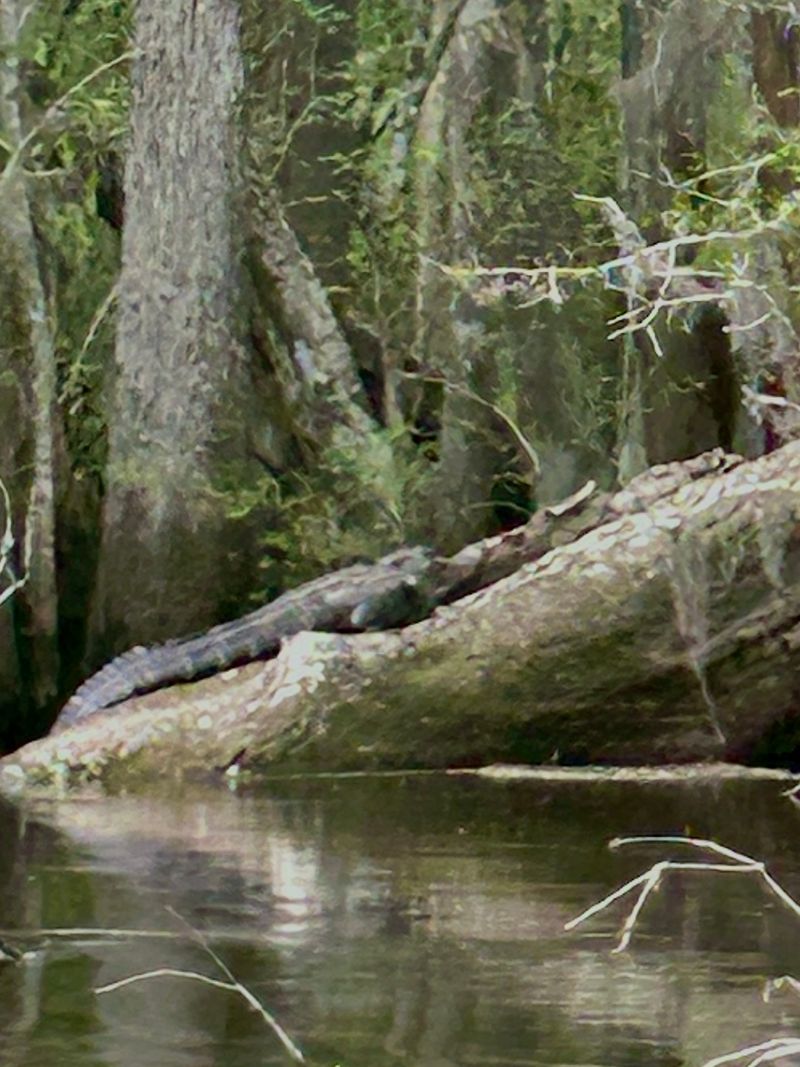
Yes, alligators live here too, especially in the lower stretches. They usually keep their distance, and you should do the same.
Never feed them. Several kinds of snakes, including venomous ones like cottonmouths, also call the river home, so watch where you put your hands when climbing onto banks.
Visitors often mention heavy bugs, particularly in late spring and summer. A good insect repellent is not optional here.
Early mornings and evenings bring the best animal sightings, though mosquitoes also love those hours. Bring binoculars, move quietly, and let the river show you its residents.
It is like a nature documentary with you in the front row.
A Fisherman’s Favorite Hideaway
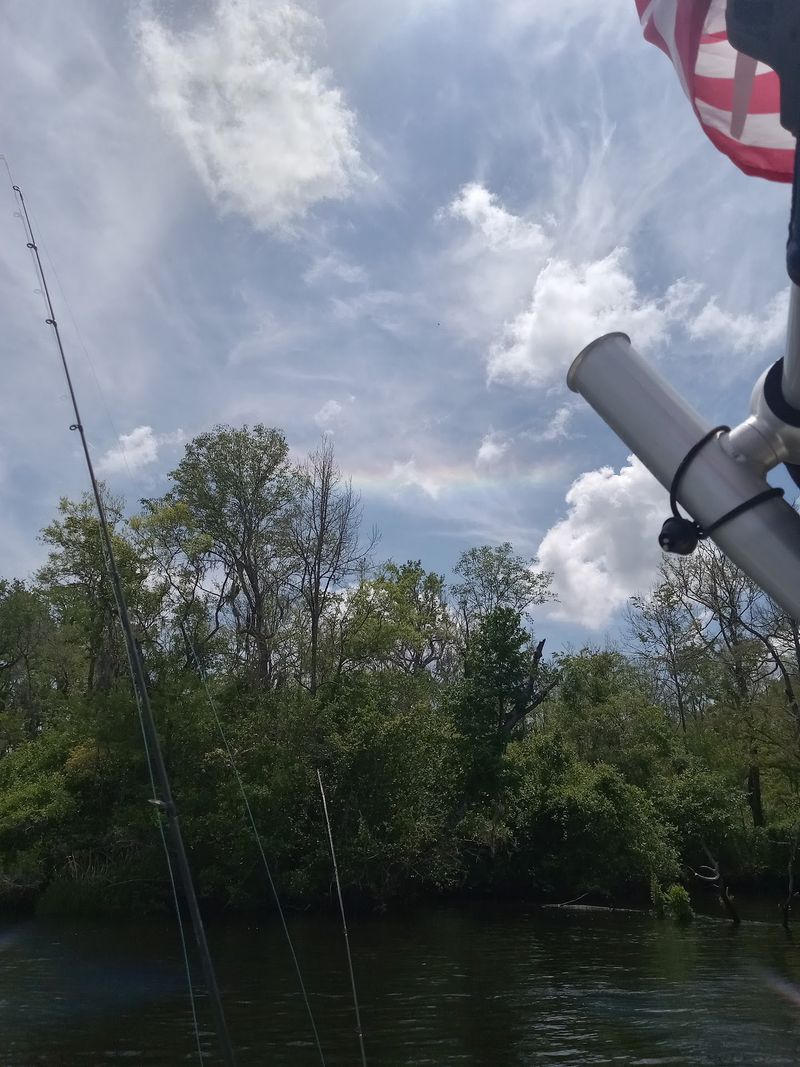
Mention the Edisto to a South Carolina angler and watch their eyes light up. Reviewers repeatedly praise the excellent fishing and big fish.
For many families, a cooler full of bream is the true taste of summer.
Redbreast sunfish are the local celebrity. The Edisto is famous for them, and they fight hard for their size.
Anglers also chase largemouth bass, catfish, and crappie in the upper and middle river. Down near the coast, where fresh water mixes with salt, the fish lineup changes and can include saltwater species.
Crickets and small worms work great for redbreast. Try fishing around fallen logs, root tangles, and the edges of eddies where the current slows.
Early morning brings calmer water and hungrier fish.
Before you cast, grab a South Carolina fishing license from the Department of Natural Resources. Rules and limits can change, so check current regulations online.
Public landings dot the river, but parking can be tight, so come early. Even on days when nothing bites, you get herons, reflections, and quiet.
Honestly, that is not a bad trade for a few hours on the water.
Sandbars That Feel Like Private Beaches
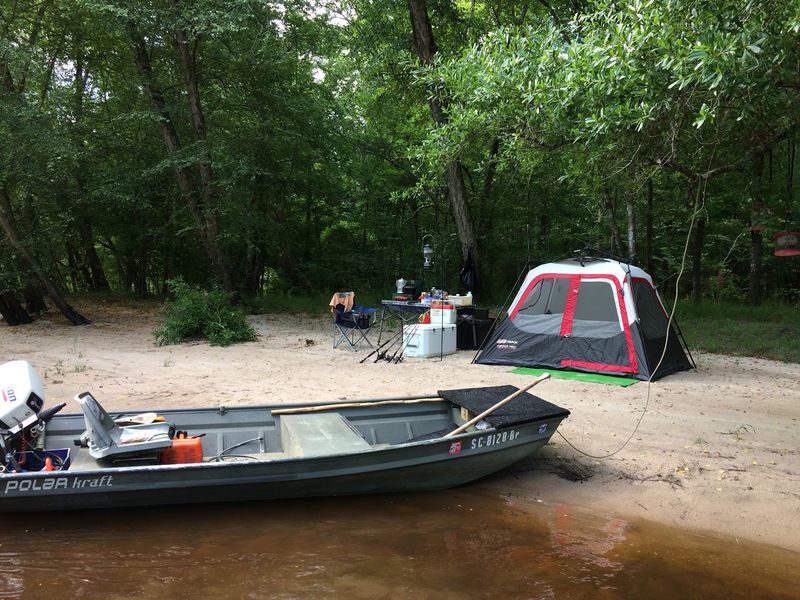
Round a bend on the Edisto and suddenly there it is: a bright white beach in the middle of the forest. The contrast between the dark water and pale sand is striking.
It feels like finding a hidden island just for you.
These sandbars appear most when water levels drop, usually during drier stretches of summer and fall. Paddlers use them for lunch breaks, swimming spots, and even overnight camping.
One longtime resident mentioned camping on the sandbars as a highlight, and another visitor camps on the river every year for their birthday.
If you plan to camp, know the rules. Much of the riverbank is private property, so stick to public areas or permitted spots.
Givhans Ferry State Park and the Edisto water trail offer camping options, including some paddle-in sites. Reserve ahead, since popular spots fill quickly on nice weekends.
Pitch your tent well above the waterline, because rain upstream can raise the river overnight. Pack out every scrap of trash.
At night, the stars pop out above the trees, frogs start singing, and the river whispers past. Few places make you feel so gloriously far from everything.
Givhans Ferry State Park: Your Easy Front Door
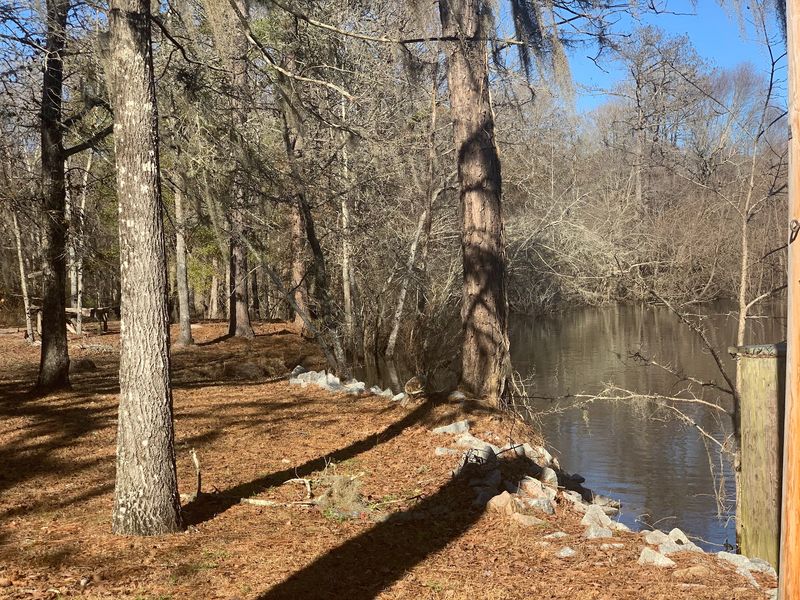
Want the Edisto without the guesswork? Givhans Ferry State Park near Ridgeville is one of the simplest ways in.
The park sits on a high limestone bluff above the river, giving you pretty views before you even touch the water.
History buffs will enjoy this bit. The park’s structures were built by the Civilian Conservation Corps during the 1930s, and the area once served the city of Charleston’s water system.
Walking the grounds feels like stepping back into another era.
Inside, you will find a river access point for paddlers, picnic shelters, hiking trails, cabins, and campsites. The park is part of the Edisto River Canoe and Kayak Trail, so it is a popular launch or take-out spot.
Admission is a small daily fee, usually just a few dollars per adult, with discounts for kids and seniors. Check the South Carolina State Parks website for current fees and hours, which change with the seasons.
Some facilities, like certain restrooms and picnic areas, offer easier access for visitors with mobility needs, but river access involves slopes and steps. Call ahead to ask about specific accessibility details before your trip.
Where The River Meets The Sea: The ACE Basin
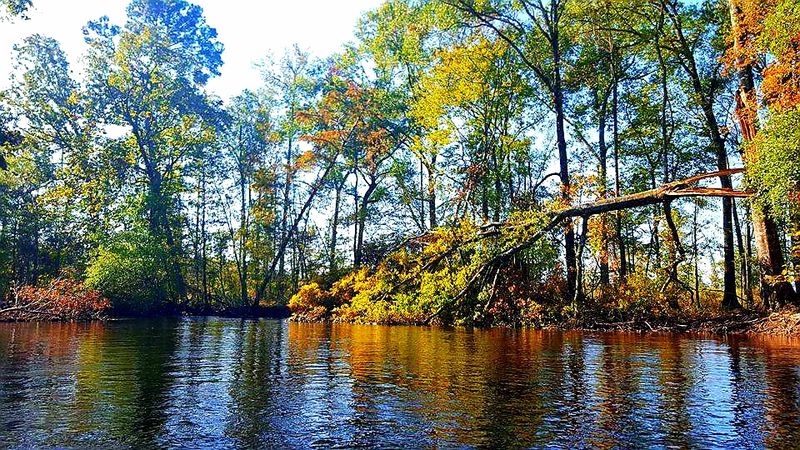
Here’s a word you might not expect in a river story: brackish. As the Edisto nears the Atlantic around Jacksonboro and beyond, fresh water starts mixing with salty tides.
The dark forest gives way to wide open salt marsh glowing gold in the sun.
This lower stretch forms part of the ACE Basin, named for the Ashepoo, Combahee, and Edisto rivers. It is one of the largest undeveloped estuaries on the East Coast.
Government agencies, conservation groups, and private landowners have worked together for decades to protect huge areas of it.
The result is a haven for wood storks, egrets, dolphins, and countless other creatures. Tidal creeks twist through the grass like a maze, and the smell of pluff mud tells you that you are truly in the Lowcountry.
Paddling here is different from the upper river. Tides can push hard against you, so time your trip with the tide charts.
Guided tours from the Edisto Beach area are a great choice for first-timers. Finish your day at Edisto Beach itself, a laid-back coastal town where the river finally says hello to the ocean.
Fossils, Shark Teeth, And Stories From Long Ago
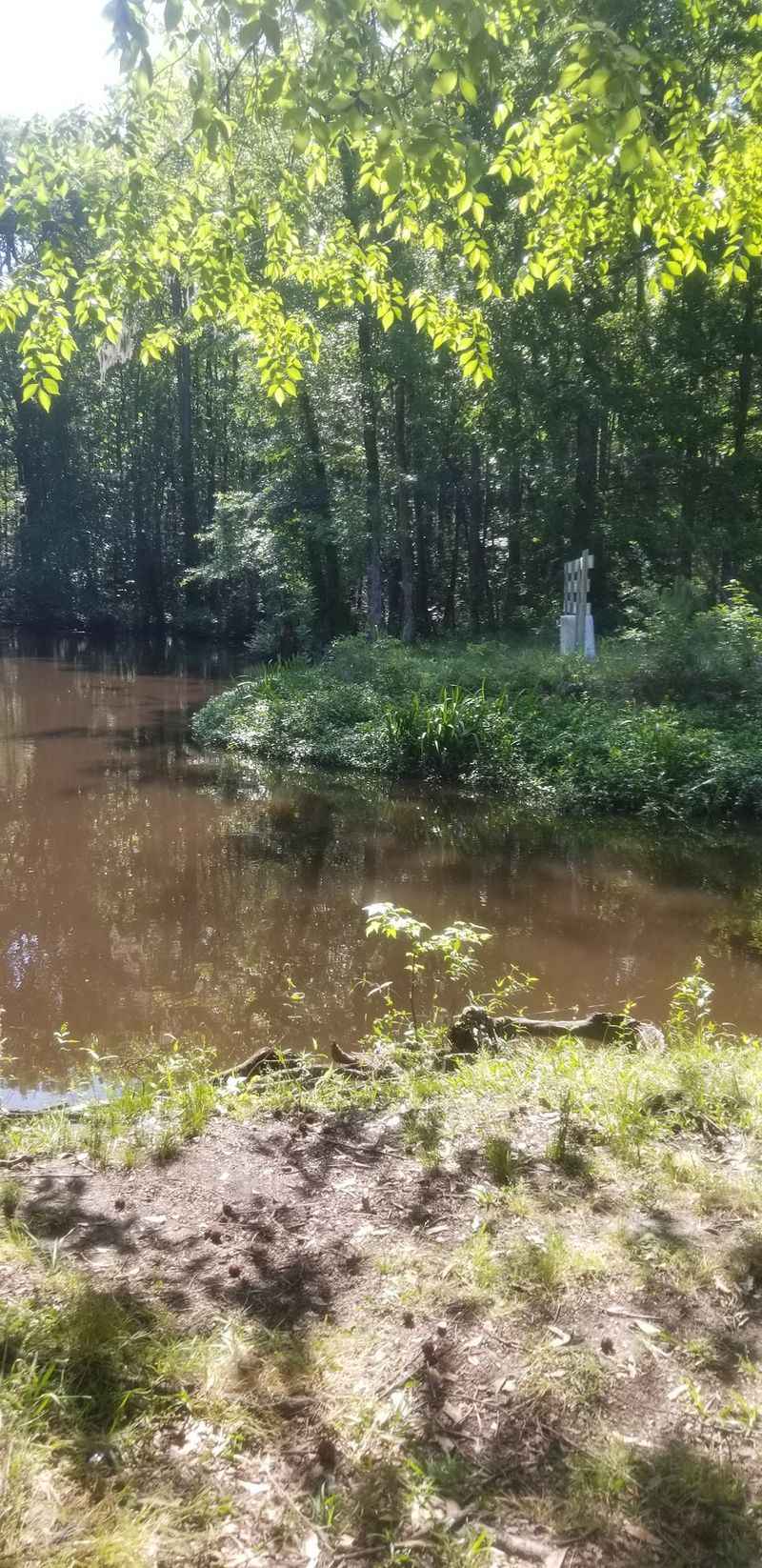
Believe it or not, one recent visitor summed up the Edisto as a great place for shark teeth. Wait, sharks in a river?
Not today, but millions of years ago, much of this region sat under the ocean.
Over time, fossilized shark teeth, bones, and other ancient treasures washed into the riverbed. Fossil hunters search the gravel and sand in shallow spots, often finding shiny black teeth that once belonged to prehistoric sharks.
Some divers even hunt for larger fossils along the bottom, though that takes training and experience.
Human history runs deep here too. The river is named after the Edisto people, a Native American group who lived in the region long before European settlers arrived.
Later, the river carried timber, rice, and other goods, serving as a watery highway for plantations and small towns.
If you go hunting, bring a small sifting screen and look in shallow gravel areas during low water. Respect private property and follow state rules about collecting.
Kids go wild for this activity, turning an ordinary afternoon into a treasure hunt. Every tooth you find is a tiny time machine you can hold in your palm.