
The 10 Colorado Counties Seeing A Big Jump In Black Bear Sightings This Fall
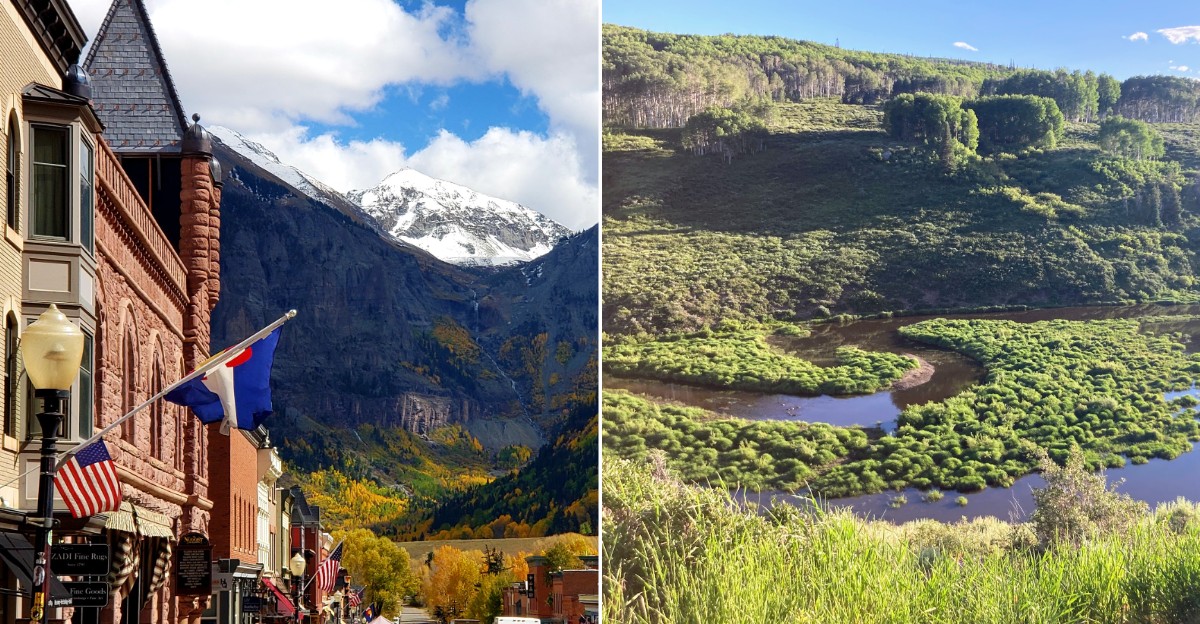
By fall, a trash can can become the most interesting object on the block if a black bear decides dinner might be inside. That seasonal scramble for calories is behind many of the encounters residents are noticing now, especially where neighborhoods meet open country.
Across several counties in Colorado, reports point to rising activity in some areas and fresh bear visits in others, enough to make ordinary routines feel a little less ordinary. The useful part is knowing what attracts them before one appears at the curb.
Food scraps, unsecured garbage, pet food, and other easy rewards can quickly teach a bear where to return. That matters for visitors too, not just homeowners.
As autumn deepens through mountain and foothill communities, people around Colorado can reduce problems by locking up attractants, giving bears space, and treating every sighting as a reminder that wildlife is busy preparing for the long winter.
1. Pitkin County, Colorado
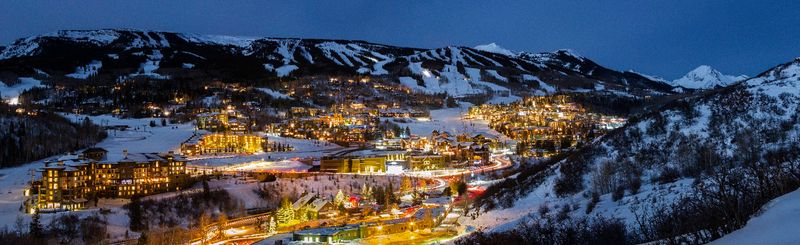
In Aspen, the trash numbers tell a story before anyone spots a bear. The city recorded 388 trash intrusions through August 19, compared with 167 during the same period in 2025.
That is a reminder that a bear sighting may begin with a smell coming from a bin.
Across Pitkin County, Colorado Parks and Wildlife recorded 331 bear reports, up from 252 the previous year, according to figures reported by The Colorado Sun. Reports involving property damage or access to food and other attractants rose 56%.
Those measures are not all the same thing: a trash intrusion, a call about a bear, and an incident involving damage each describe a different problem. Together, they show why food storage deserves attention here.
If you are staying around Aspen, ask your host how to secure trash and recycling. Keep food out of vehicles, clean outdoor cooking areas, and bring pet food inside.
Never approach a bear for a photo, even if it seems focused on a dumpster. Give it a clear route away and report a bear getting into buildings to local authorities.
Pitkin County’s figures make the practical lesson hard to miss: small food mistakes can add up quickly.
2. La Plata County, Colorado
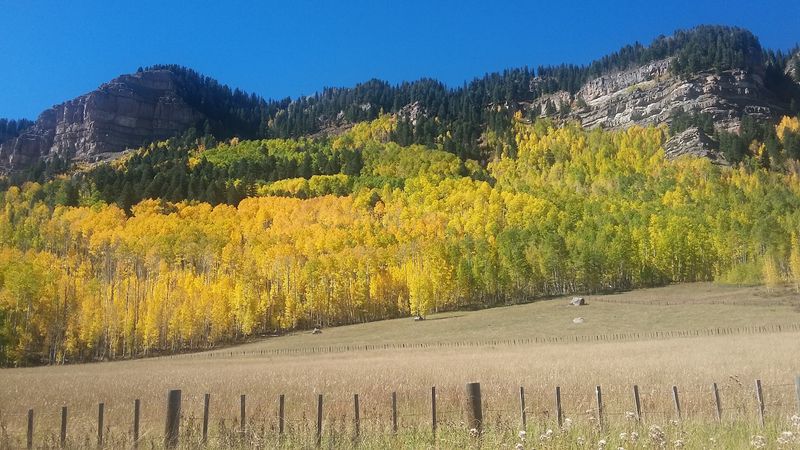
Durango’s bear story has more than a few neighborhood sightings behind it. Figures reported by the Durango Herald show 658 bear reports in La Plata County through August 13, 2026, compared with 537 over the matching period in 2025.
That is an increase of about 23%, large enough to change how people think about an ordinary evening chore.
The county includes Durango and surrounding communities where homes sit near bear habitat. September conflicts have added to local concern, but a report count does not mean every bear behaved dangerously.
One animal can appear in more than one report. The useful takeaway is that more encounters create more chances for a bear to find an easy meal.
Before putting out garbage, check local collection rules and use a bear resistant container where required or available. Store coolers and groceries inside rather than leaving them in a parked car overnight.
If a bear appears, stay back, bring children and pets inside, and let the animal leave without blocking its path. Do not reward a close encounter with food, even by accident.
In La Plata County, keeping a campsite or household tidy is a better plan than counting on a bear to ignore it.
3. Eagle County, Colorado
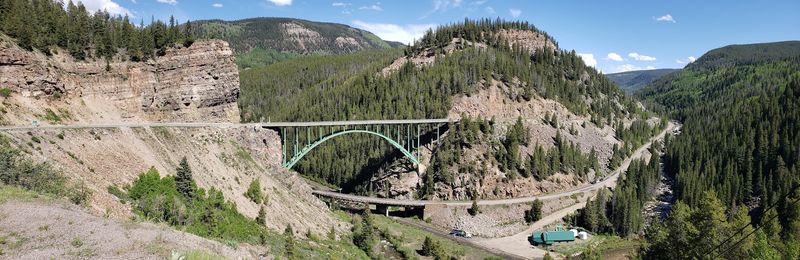
A dispatcher answering the phone is not the same as a wildlife officer filing a report, and Eagle County offers a good example. Local dispatchers logged 290 bear related calls from July through August 18, while Colorado Parks and Wildlife received another 81 reports, according to CBS News.
Those figures describe different reporting channels, so they should not be added together as a count of individual bears.
Authorities nevertheless described a significant increase in calls. That matters in a county where mountain communities and bear habitat share space.
For a visitor, the lesson is less about memorizing numbers than noticing what happens around a rental, restaurant, or parking area. A loose bag of garbage can turn a passing bear into a repeat visitor.
Check whether your lodging has a secure place for waste, and follow its instructions rather than setting bags outside early. At an outdoor meal, keep food within reach and pack up when you finish.
If a bear crosses your path, give it room; do not follow it to see where it goes. Tell property staff or local authorities about a bear accessing food.
Eagle County’s call volume suggests plenty of people are already watching. Preventing the next call starts with the ordinary things people leave behind.
4. Routt County, Colorado
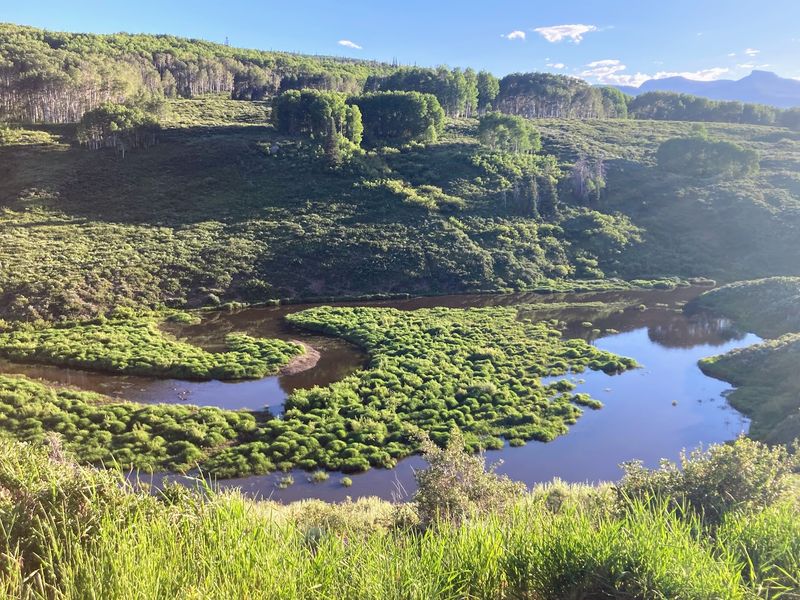
In Routt County, the consequences of repeated bear conflicts are difficult to shrug off. By August 31, local reporting said 13 bears had been euthanized and 10 relocated after incidents during an unusually active year.
Reports of bears entering homes and vehicles around Steamboat Springs make the stakes clear without turning every sighting into an emergency.
A bear that finds food indoors or in a car can learn to return. That is bad for residents and for the animal.
Routt County’s numbers are not a measured percentage jump in sightings, but they do document a serious season of bear activity. They also explain why advice about closing a garage door or clearing out a car is more than a fussy housekeeping rule.
When staying near Steamboat Springs, remove snacks, food wrappers, and scented supplies from your vehicle. Close and latch accessible doors and windows, especially when a room is empty.
Put waste in the proper container, not beside it. If a bear enters a building, move away safely and call local authorities rather than trying to handle the problem yourself.
Give bears space outdoors, too. The goal is not to get the best story to tell later.
It is to make sure the bear has no reason to come back.
5. Jefferson County, Colorado
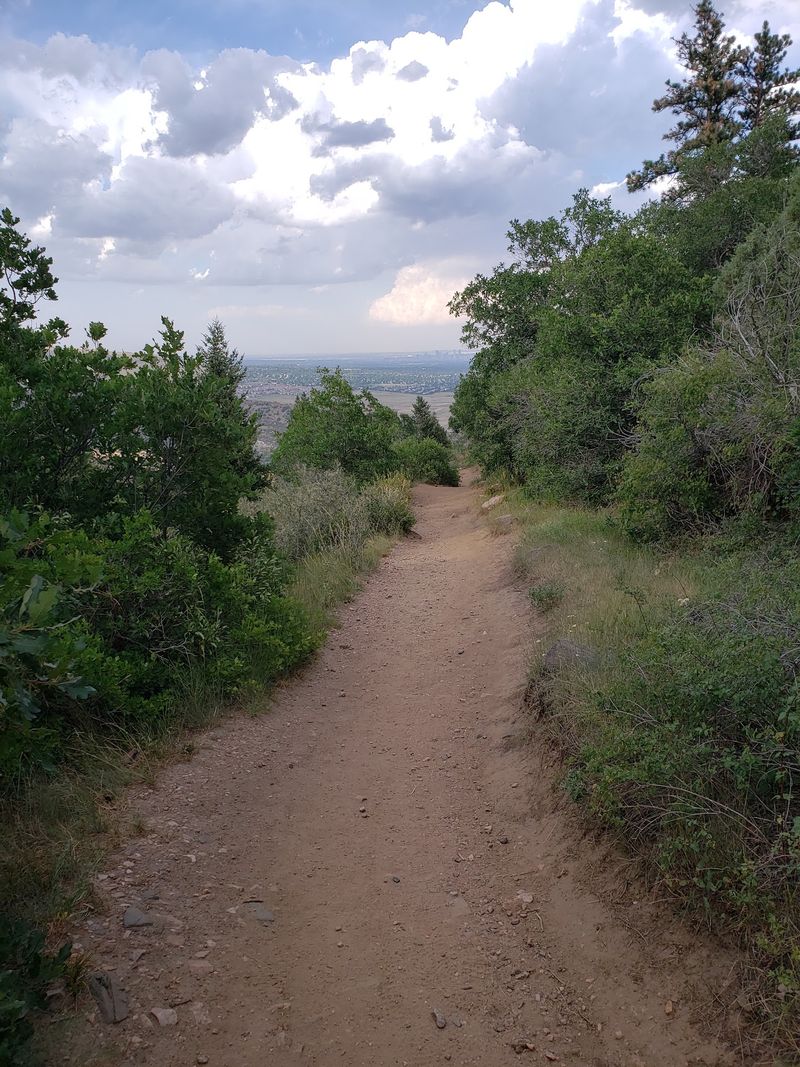
A trail closure is a useful clue that wildlife activity has moved beyond an occasional sighting. In late September, Golden temporarily closed part of the Tucker Gulch Trail after officials reported heavy bear activity.
Police were receiving several bear calls a week, according to the Denver Gazette. Jefferson County also had a serious bear encounter earlier in the season.
Golden’s trail notice is a local example, not proof that reports rose by a certain percentage across all of Jefferson County. It does show why plans should stay flexible when bears use the same areas as people.
A familiar path may not be available on the day you arrive, and an old online trail recommendation cannot tell you whether a closure remains in effect.
Check current city notices before heading to Tucker Gulch Trail and obey any posted barriers. On an open trail, stay aware of your surroundings, keep dogs controlled under local rules, and give a bear plenty of room.
Do not move closer because it looks calm. If you see cubs, increase your distance and leave the area without getting between them and their mother.
Report concerning behavior through the appropriate local channel. For Jefferson County outings, paying attention to a plain looking closure sign may be the smartest part of the day.
6. Boulder County, Colorado
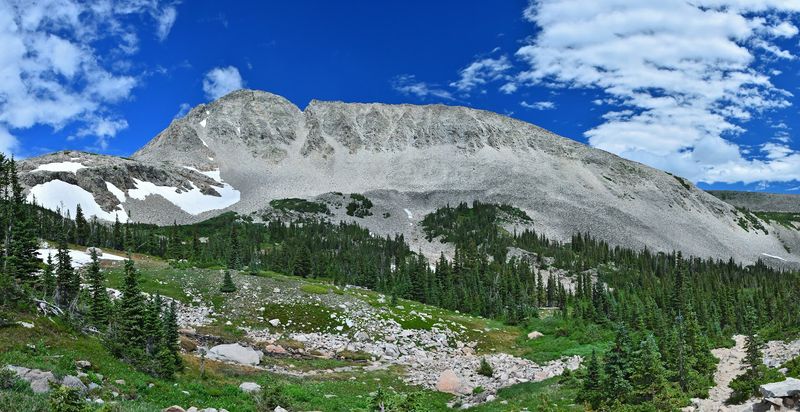
A bear near a neighborhood can make an ordinary errand suddenly interesting, but distance matters more than a photograph. The Boulder County Sheriff’s Office has said the county experienced increased bear activity in 2026.
Recent accounts include bears in Superior and around Boulder neighborhoods, with dry conditions among the concerns raised about animals seeking food near developed areas.
Boulder County stretches from communities along the plains into mountain and foothill habitat. That range helps explain why advice meant only for remote campsites falls short.
Food sources can appear beside a house, in a garage, or along a regular walking route. The sheriff’s statement points to an increase, though it does not provide a countywide percentage for comparison.
For residents, secure trash as local rules require and take down bird feeders if bears are visiting. Pick ripe fruit promptly and remove fallen fruit where it draws wildlife.
Visitors can help by keeping food and scented items out of unattended vehicles and by following posted guidance at parks and trailheads. If you encounter a bear, stay calm, keep your distance, and avoid getting between it and an exit.
Contact local officials if it enters a building or repeatedly accesses food. In Boulder County, a little care at home can help keep a neighborhood bear from becoming a regular.
7. Larimer County, Colorado
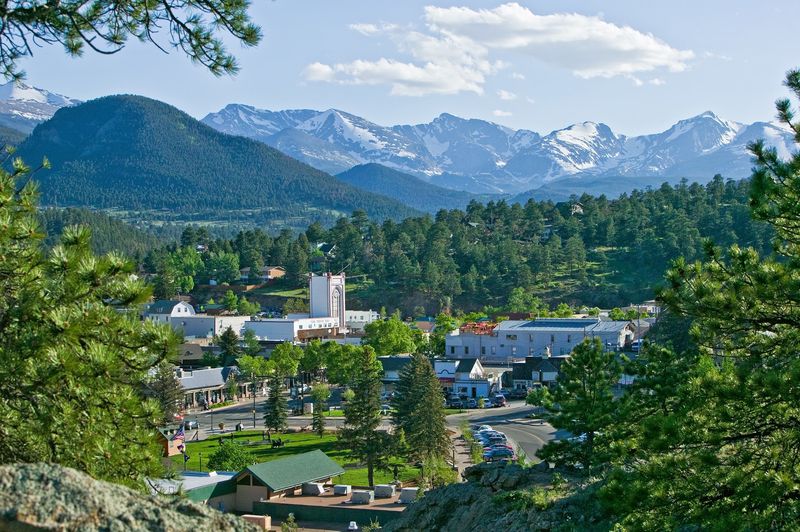
Estes Park puts mountain habitat and places to stay close together, which makes bear awareness part of trip planning. An August report described a bear entering a residence there.
It is a specific Larimer County encounter, although one incident alone cannot establish how much countywide sightings have increased.
That distinction matters. Bear activity around Estes Park gives travelers a reason to prepare, but it should not be mistaken for a measured countywide surge without comparable report totals.
The practical concern is easy to understand: when food or scented items are available near homes and lodging, a bear may come much closer than anyone expected. A porch is not a secure pantry, however convenient it looks while unpacking.
Ask your lodging provider where to put trash and whether there are special bear precautions on the property. Carry groceries indoors promptly, and do not leave a cooler in a vehicle as overnight storage.
Keep accessible doors closed when you are not using them. If you spot a bear, watch from a safe distance and give it space to move away.
Never try to lure it closer for a photo or offer food. Larimer County’s documented encounter is enough reason for good habits, even without a headline ready percentage attached to it.
8. Summit County, Colorado
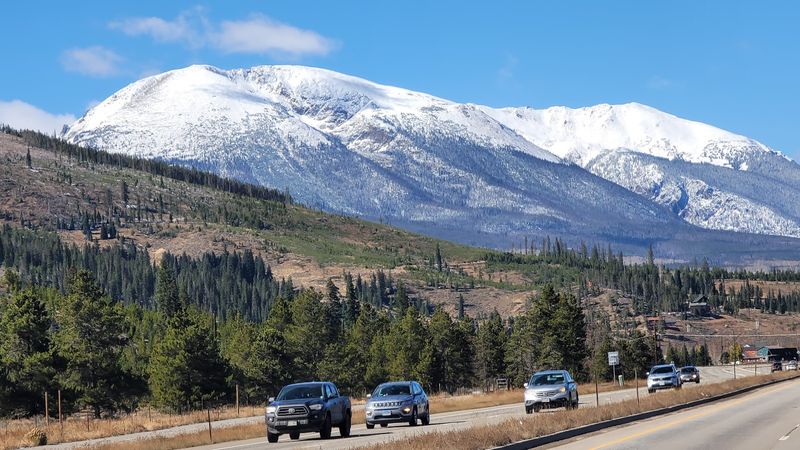
A recycling dumpster became an unexpected bear problem in Summit County when a mother and cubs were found trapped inside. The incident, reported during the 2026 season, shows how ordinary waste equipment can become a hazard if bears can get in but cannot get out.
Officials linked it to unusually high bear activity during hyperphagia, the period when bears eat heavily before winter.
The word may sound like a medical quiz answer, but the behavior is familiar: food becomes a major priority. Containers that seem dull to people can hold tempting smells.
The trapped family is a documented local event, not a countywide count of sightings, so it does not establish a percentage increase for Summit County on its own.
Before using a shared dumpster, read any instructions on its lid or enclosure and make sure it closes fully. Never climb in or reach toward a container occupied by a bear.
Back away, keep others clear, and contact the property manager or local authorities for help. Food waste belongs in the secure system provided, not on the ground beside it.
Visitors staying in condos or vacation rentals should ask how recycling and trash are handled. In Summit County, a latch that works properly is more useful than a long explanation offered after a bear finds dinner.
9. San Miguel County, Colorado
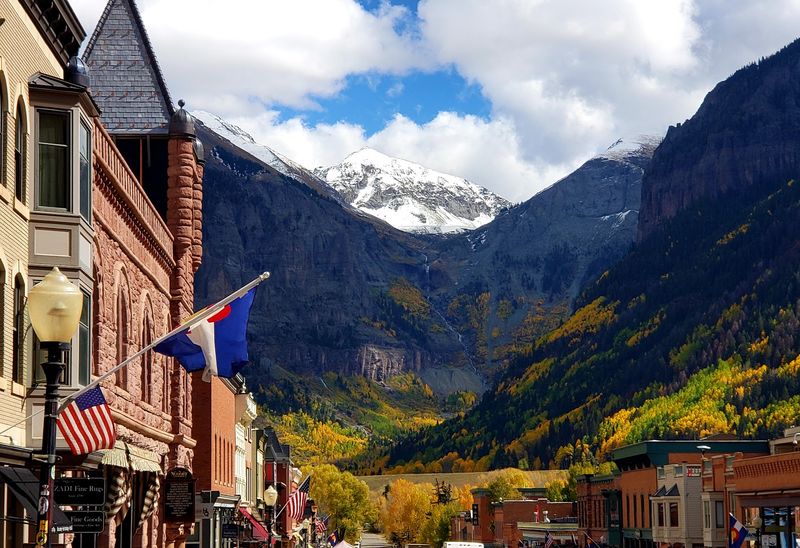
Telluride gave bear safety its own week in September, a sign that the subject needed more than a passing reminder. Town officials declared Black Bear Safety Week and pointed to dry conditions and poor natural food supplies behind sharply increased bear activity across the Western Slope.
For San Miguel County, the notice gives the fall conversation a concrete local starting point.
The town’s warning is not a published percentage increase for every part of the county. Still, it explains why a bear might search near buildings when natural food is harder to find.
The most helpful response is to remove the reward. A bear that finds nothing to eat has less reason to revisit the same address.
In Telluride, follow local rules for securing waste rather than assuming a regular bin is enough. Bring pet food indoors, clean up after outdoor meals, and keep food out of vehicles.
If a bear is near your lodging, do not crowd it or try to move it with food. Give it room and report behavior that puts people or bears at risk.
The same care applies when passing through the rest of San Miguel County. Black Bear Safety Week may last seven days, but a dependable trash routine is useful throughout bear season.
10. Rio Grande County, Colorado
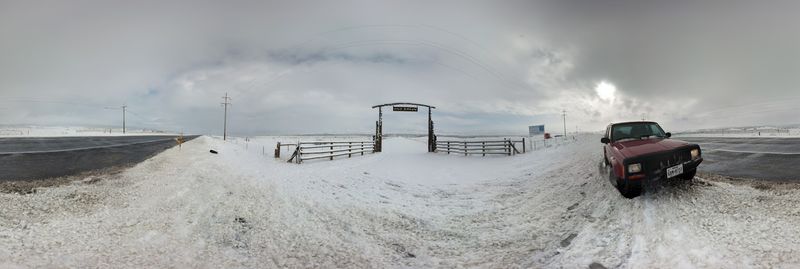
South Fork brings a different kind of evidence to this list: a September bear incident near the community, set against severe drought in Rio Grande County. Dry conditions can affect natural food, making careful food storage especially sensible.
What the available information does not provide is a countywide comparison showing how much bear sightings rose from one year to the next.
That limit is worth keeping in view. A notable encounter can tell residents to pay attention, but it cannot stand in for a measured jump.
Rio Grande County still belongs in a discussion of current bear concerns because the reported incident puts the issue close to homes and travel plans near South Fork. It is a reason for preparation, not a reason to expect a bear around every corner.
If you are staying in the area, ask where to put garbage and keep cooking supplies securely stored. Do not leave food, wrappers, or scented items in an unattended vehicle.
Watch pets outdoors and bring their food inside. Should you see a bear, give it space, avoid blocking its route, and contact local authorities about troubling behavior.
Keep an eye on current wildlife guidance as conditions change. In Rio Grande County, the honest version of the story is useful enough: the risk deserves care, even without a precise increase to quote.