
Each Fall, Salmon Return Up This Washington Creek Right Through A Downtown Hatchery
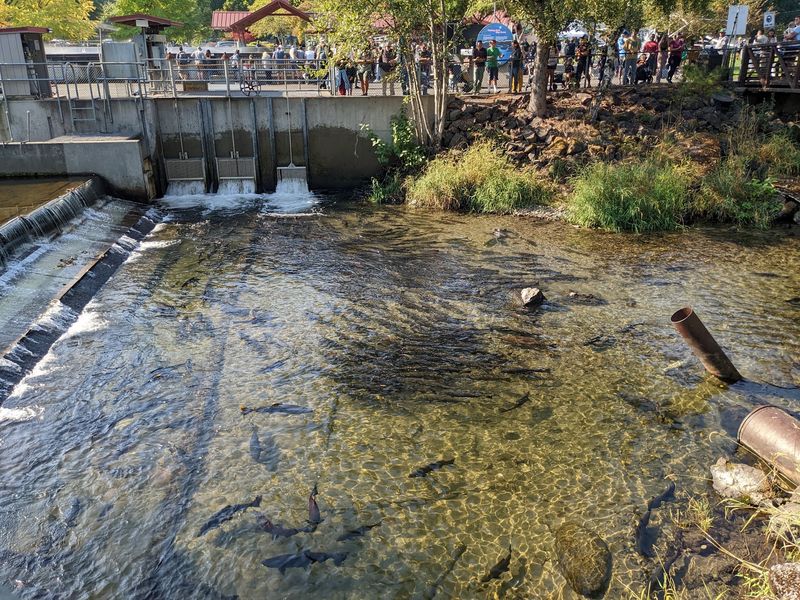
Fish as long as your arm are leaping up a concrete staircase of water, right beside a busy downtown street. Every fall in Washington, salmon swim home from the saltwater of Puget Sound to the very creek where they hatched.
You can stand on a small bridge and watch them fight the current, and it costs nothing to look. Few free outings pack this much wonder into a single short walk.
A Hatchery in the Heart of Downtown
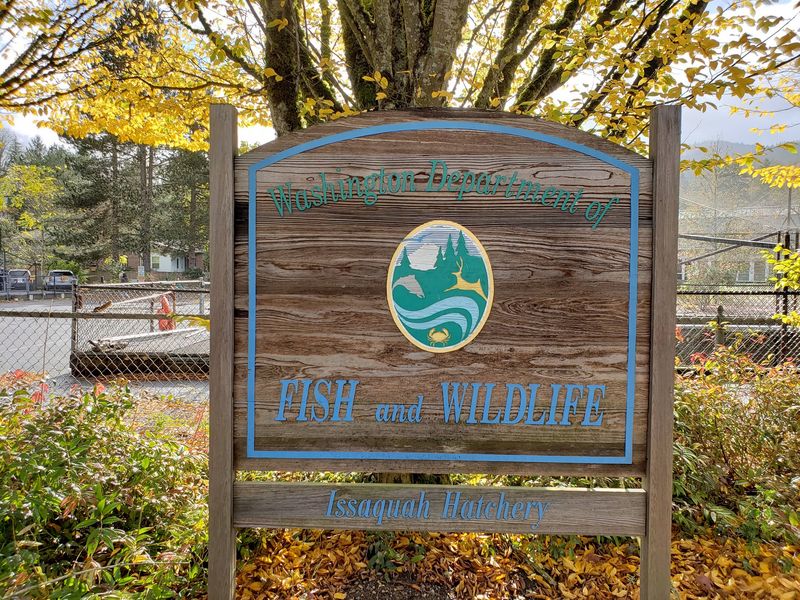
Right at 125 W Sunset Way, the Issaquah Salmon Hatchery sits smack in the middle of town. Shops, sidewalks, and traffic hum nearby, yet a clear creek runs straight through the grounds.
That odd pairing of city and wild stream is a big part of the charm.
The hatchery raises young fish, and the group called Friends of the Issaquah Salmon Hatchery helps teach visitors what happens here. Their volunteers keep the grounds welcoming and share the story of the salmon with families, school groups, and curious passersby.
Plenty of people admit they drove past for years before finally pulling in.
Many visitors describe the spot as a mainstay of local character. It feels less like a formal attraction and more like a neighborhood treasure that happens to host one of nature’s most dramatic shows.
You can wander on your own, set your own pace, and leave whenever you like.
Issaquah itself sits in the Cascade foothills, an easy drive east of Seattle, Bellevue, and Redmond. That makes the hatchery a simple half-day plan, whether you live nearby or are passing through on the way to the mountains.
It may just become your favorite quick stop.
The Long Road Home for Issaquah Creek Salmon
Imagine swimming through several lakes, dodging currents, just to reach your childhood address. That is roughly what these salmon do.
Their trip links Puget Sound to the major lakes of the region and finally back into Issaquah Creek.
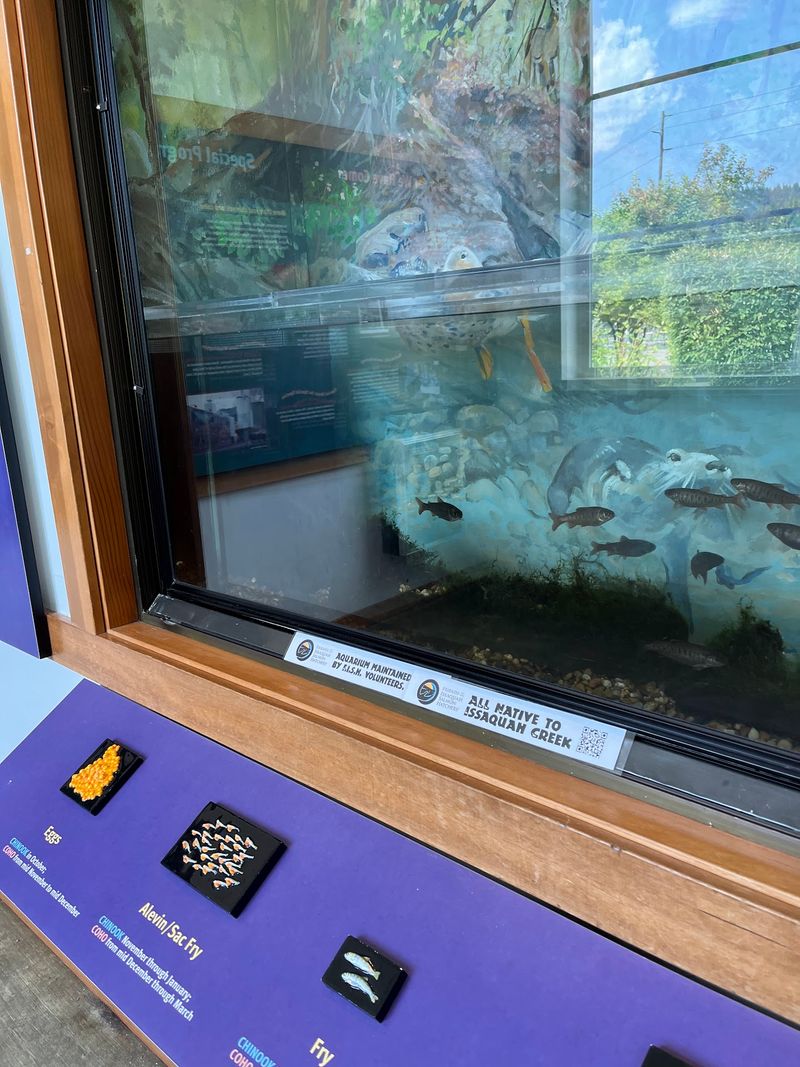
Displays at the hatchery lay out this journey in detail. Visitors say they learn a surprising amount about salmon history in the Pacific Northwest and how each fish finds its way back home.
It is the kind of story that sticks with kids long after the car ride ends.
Here is a fun bit to share on the drive: salmon hatch in freshwater, head out to saltwater to grow, then return to spawn in the stream where they started. Scientists still marvel at how precisely they navigate.
Standing on the bridge, you are watching the final chapter of that epic trip.
The hatchery also treats this story as local heritage. Guests often notice the care given to preserving not just the fish but the history of the place.
Knowing the backstory makes every splash in the creek feel far more meaningful than a random fish sighting.
Leaping Fish on the Fish Ladder
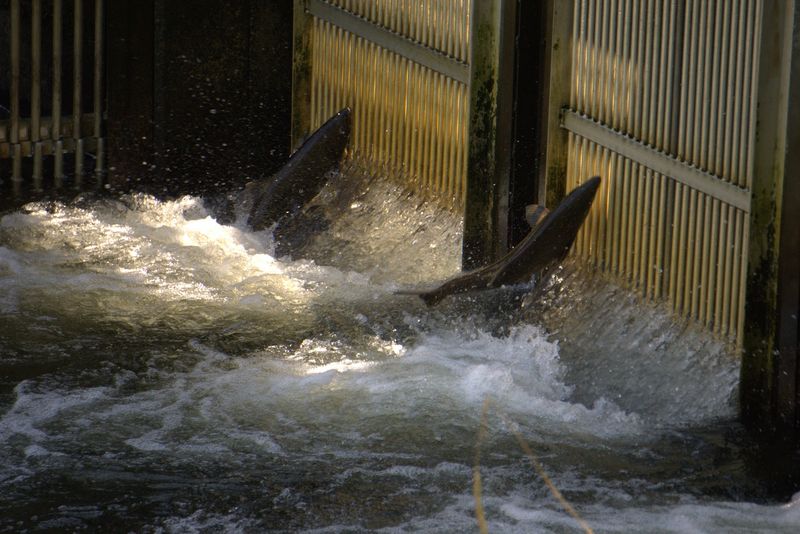
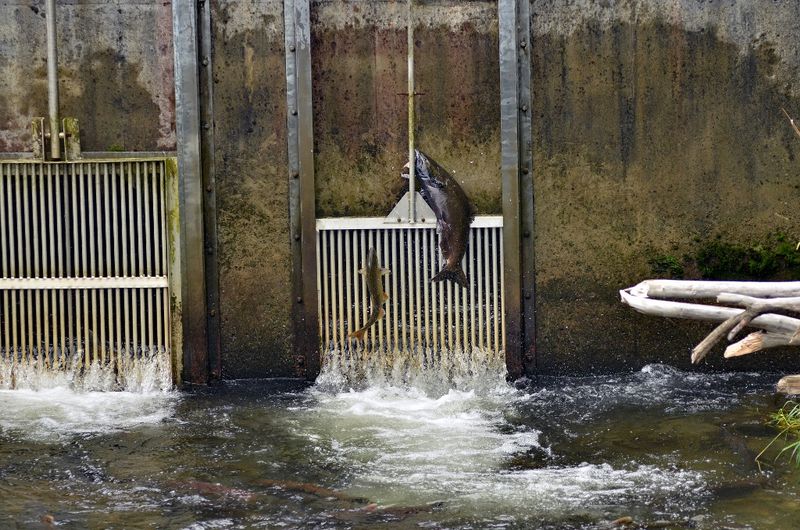
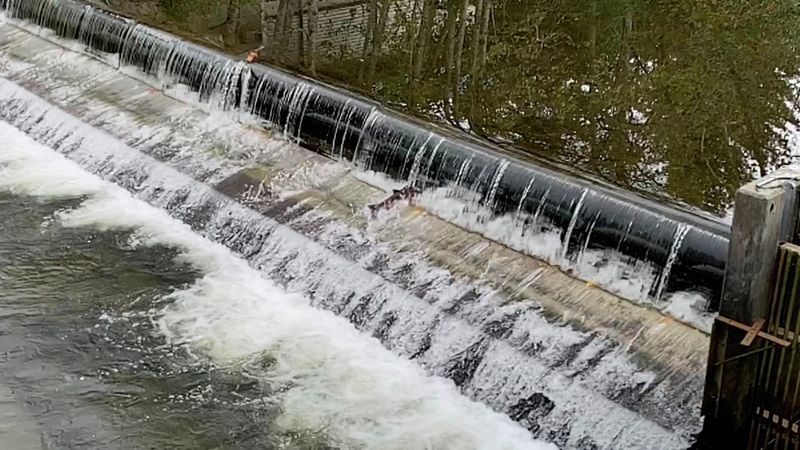
Splash! A silver body flips out of the water, hangs in the air for a heartbeat, then crashes into the next pool.
Moments like that make the fish ladder the most talked-about spot on the grounds.
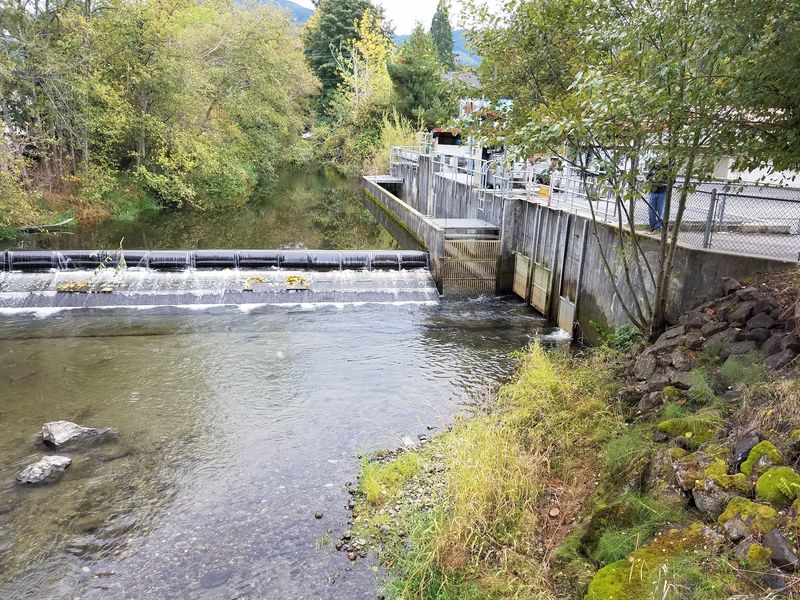
The ladder is a series of stepped pools that help salmon climb upstream. Visitors often mention seeing fish jumping, and many call it a truly unusual sight.
Kids tend to press right up to the rail and count each attempt, cheering when one finally makes it.
Patience pays off here. Some fish rest in the calmer pools before trying again, so give yourself a few quiet minutes.
You will start spotting patterns, like how the bigger fish seem to power through while others circle and wait.
Photographers love the ladder too, though catching a leap on camera takes quick fingers. Try switching your phone to burst mode and aim at one pool rather than chasing every splash.
Even if the pictures come out blurry, the memory of watching wild fish muscle their way home will not fade. It is a free show, and the performers never phone it in.
Bridge Views Over the Spawning Creek
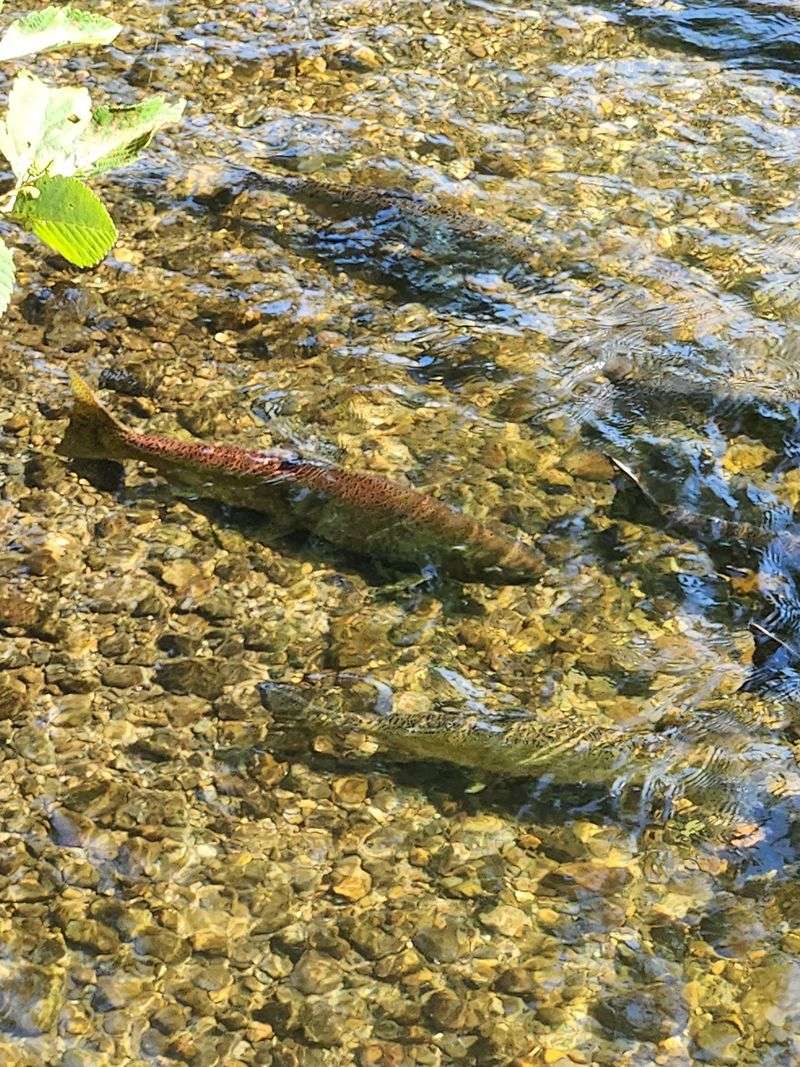
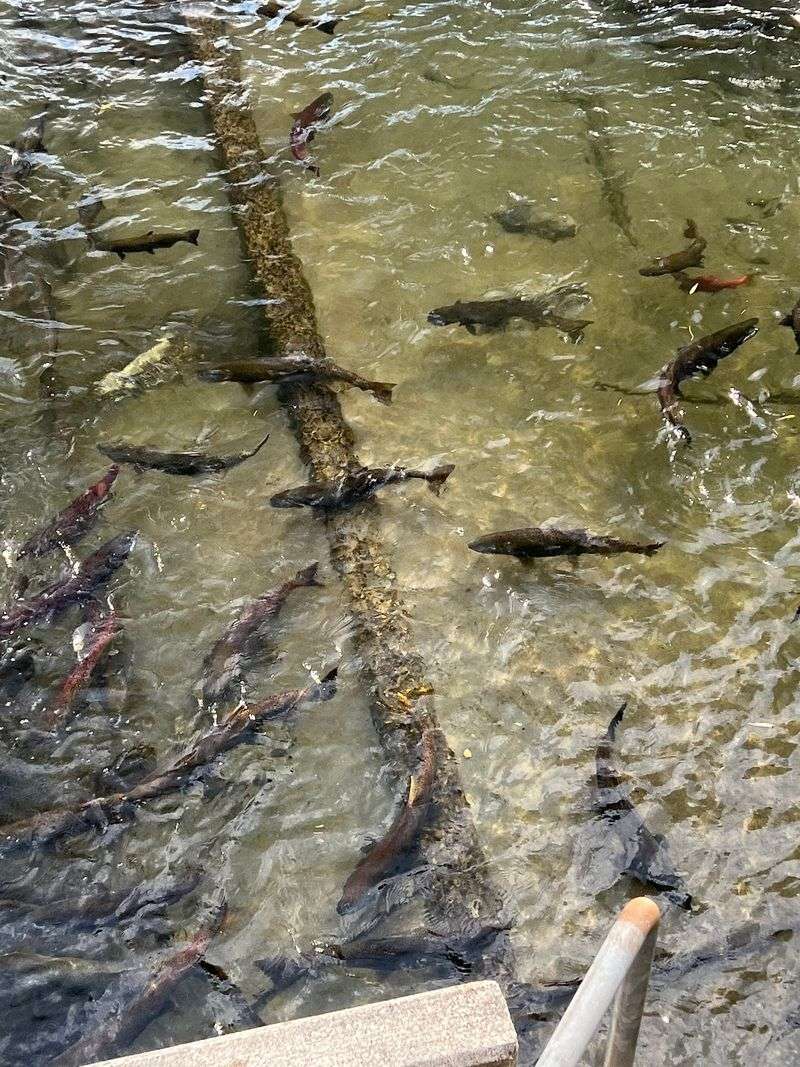
Lean over the railing and look down. On a good fall day, the creek below is crowded with salmon holding steady against the flow, their backs breaking the surface in shallow spots.
A bridge crosses the stream, giving everyone a clear window into the water. Salmon viewing and spawning season are the topics visitors bring up most, and this is exactly where that magic happens.
Seeing wild fish in a natural stream, rather than behind glass, feels refreshingly real.
Guests describe the fish as big, healthy, and stunning to watch. One excited first-timer might shout about how huge they are, and honestly, that reaction is common.
Some salmon show off deep colors during spawning, which adds to the drama.
Bring a light jacket and settle in. The sound of rushing water and the steady movement below can be oddly calming, like a moving painting.
Grandparents often find it relaxing, while little ones treat it like a treasure hunt. Try spotting the largest fish, then the smallest, then the one swimming in the wrong direction.
Simple games like that can turn a ten-minute stop into an hour of happy watching.
Chinook, Coho, and Kokanee Timing
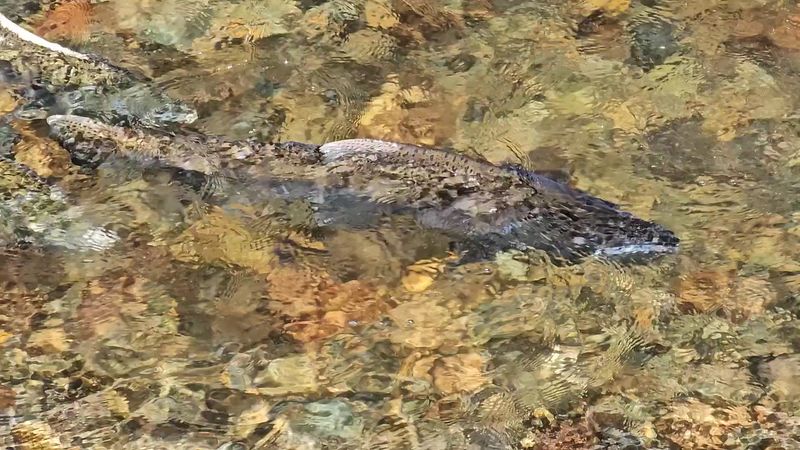
Timing is everything with salmon, so a little planning goes a long way. Different species show up at different points in the season, and knowing which one you might see adds to the fun.
Visitors mention catching Chinook, the big and powerful kind, while others hope to return in October and November for Coho. Kokanee also comes up in conversation.
For the record, it is pronounced something like koh-KAN-ee, a detail that has sparked more than one family giggle on the bridge.
Fall is the headline act. Spawning season draws the biggest crowds and the most action in the creek.
If seeing salmon is your main goal, aim for early to late autumn and check the hatchery’s updates before you go.
Winter visits are a different story. Several guests note there is not much to see in the creek during colder months, though the grounds stay peaceful and the signs still teach plenty.
Think of winter as a quiet preview and fall as the full feature. Returning in more than one season could even help children understand the salmon cycle better, since they get to see how the creek changes over time.
Self-Guided Tour From Egg to Adult
Numbered stops, simple audio guides, and a clear path make the tour a breeze. Visitors often say they were impressed by how easy it is to follow, even with restless kids in tow.
The route walks you through the salmon lifecycle in order. You start with the egg stage and move step by step to the final chapter of a salmon’s life.
It is science class without the desks, and kids tend to soak it up without realizing they are learning.
Because it is self-guided, you can linger where you like. Maybe your family spends extra time at the raceways or rushes ahead to the ladder.
Nobody hurries you, and there is no set schedule to follow.
Info boards pop up throughout the grounds too. Guests appreciate how the signs explain why each person can make a difference for local streams and the wider environment.
Messages like that tend to spark good conversations in the car afterward.
For budget-minded families, the format is a big win. You get an educational outing on your own terms, and it works just as well for a quick lunch break visit as it does for a slow weekend stroll.
Fish Feeding and Rainbow Trout
Toss a handful of food and watch the water boil with hungry fish. For many children, feeding time turns out to be the highlight of the whole visit.
Guests mention feeding the fish as a fun part of the day, and it adds a hands-on moment to an otherwise look-and-learn outing. There is something delightful about seeing dozens of fish rush toward a single sprinkle of pellets.
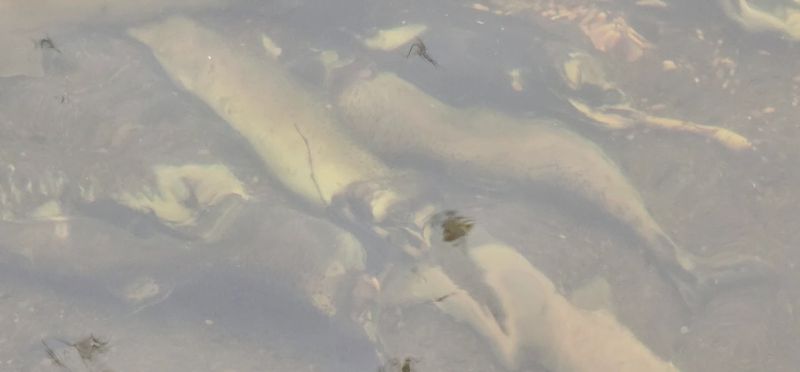
Salmon are not the only residents. Visitors report seeing rainbow trout at the hatchery as well, along with salmon in several stages of growth.
Comparing the tiny young fish to the full-grown adults in the creek helps kids connect the dots of the lifecycle.
A quick tip: keep a close hand on little ones near the ponds, since excitement can make them lean in a bit too far. Bring wipes for sticky fingers afterward, too.
Moments like this are why so many families come back again and again. It is simple, cheap, and genuinely memorable.
Years later, kids may not remember the exact facts on the signs, but they will likely remember the splashy scramble of trout racing for a snack.
Native Plant Garden Loop
Need a breather from the fish? A small garden offers a gentle side trip that many visitors do not expect.
The garden follows a short loop lined with native plants. Each one is labeled, so you can learn names and fun facts as you stroll.
It pairs nicely with the salmon story, since healthy streams depend on healthy plants growing along their banks.
Gardeners in your group may find ideas for their own yards here. Native Washington plants often need less water and fuss, which could save a bit of time and money at home.
Retirees who love puttering in the garden tend to enjoy this corner most.
For kids, the loop becomes a scavenger hunt. Challenge them to find the tallest fern or the plant with the silliest name.
It keeps small legs moving and curious minds busy.
The loop is short enough that it will not tire anyone out. You can finish it in a few minutes or slow down and read every label.
Either way, it adds a peaceful green layer to the outing and rounds out the lesson about how land and water work together.
Volunteers Who Know Their Salmon
Ask a question, and chances are a friendly volunteer will light up with an answer. Knowledgeable staff come up again and again when people talk about their visits.
Friends of the Issaquah Salmon Hatchery is a volunteer-driven group. Their mission centers on teaching the public and local schoolchildren about the salmon lifecycle and the small actions everyone can take to help fish thrive.
It is community spirit you can actually see in action.
Locals are encouraged to pitch in, whether they have a few hours or a lot of time to share. That makes this a wonderful option for retirees looking for meaningful ways to stay active and connected.
Giving back while standing beside a lovely creek sounds like a pretty good deal.
Some visitors recall arriving to find an information station with all hands on deck. The warmth of those helpers turns a simple stop into something personal.
School districts in the area often bring elementary students here at least once a year, which says a lot about the program’s value. Kids get real science right in their own backyard, guided by people who clearly care.
Salmon Days and Seasonal Crowds
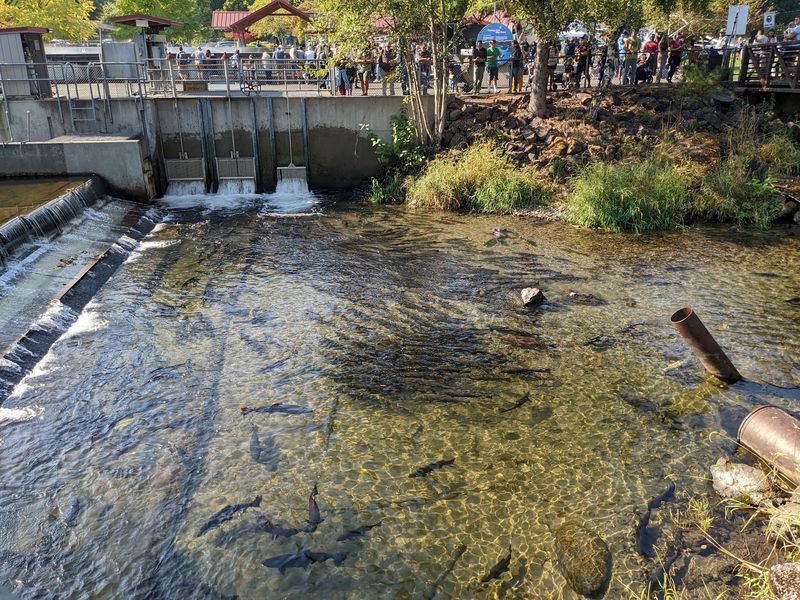
October in Issaquah comes with a party. The town’s famous Salmon Days festival fills the area with stalls, food trucks, and plenty of happy crowds.
Visitors who time their trip with the festival describe a lively scene packed with people. Food trucks set up right on the hatchery campus, and the energy feels like a hometown fair.
It is classic Americana with a Pacific Northwest twist.
Crowds are part of the deal, though. On festival days, parking on the grounds may not be allowed, so many guests park elsewhere and walk in.
Wear comfy shoes and plan for a little extra time.
Prefer calm? Regulars say the hatchery is not usually too busy outside of Salmon Days.
Choosing a weekday in fall could give you great fish viewing with fewer elbows at the rail.
The hatchery hosts other events throughout the year too, including a playful duck derby that one family stumbled upon. Some visitors leave wishing they could come back for more happenings.
Checking the calendar before you drive over may help you land on a special day, or steer clear of one if quiet is your goal.
Who Will Love a Visit Here
Toddlers, teens, grandparents, and science buffs all seem to find something here. That wide appeal is a big reason the hatchery stays so beloved.
Families with young kids get an outdoor adventure they can explore on their own. Visitors call it a perfect place to bring children, with jumping fish, feeding ponds, and bridges to cross.
Little explorers rarely run out of things to point at.
Retirees and quiet walkers tend to enjoy the peaceful paths along the water. Many people describe the stroll as calm and relaxing, with wildlife and up-close encounters along the way.
A sunny afternoon here feels like a gentle reset.
Groups enjoy it as well. Some gatherings return again and again just to watch the fish on nice days, and meetings for outdoor groups have been held here too.
Budget-conscious travelers will appreciate that this outing can be wonderfully low-cost. Pack a snack, walk the grounds, and learn something new without spending much.
The small gift shop offers a souvenir if you want one, but the best parts, like leaping salmon and rushing water, come free with the view.
Hours, Parking, and Practical Tips
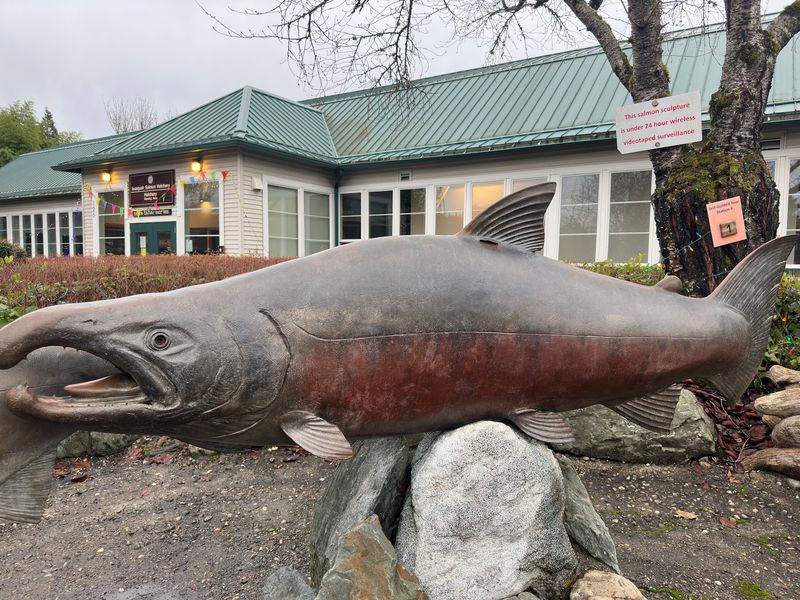
Good news for flexible planners: the hatchery grounds keep the same hours all week. You can visit Monday through Sunday from 8:30 AM to 4 PM.
Parking takes a bit of strategy. The lot in front is small and can fill quickly, especially on busy fall weekends.
Visitors say street parking is usually easy to find, and plenty of downtown spots sit within a short walk.
Restrooms are portable toilets rather than full facilities, so plan accordingly with little ones. Guests still describe the grounds as very clean and well kept.
A few more tips can help your day go smoothly:
Check salmon timing before you go, since fall offers the best viewing and winter can feel quiet. Dress for Washington weather with layers and waterproof shoes.
Arrive early on weekends to snag a closer parking spot.
Leave time for the gift shop if souvenirs are on your list. The address is 125 W Sunset Way, right in the heart of town, so it is easy to plug into your map.
From Seattle or Bellevue, it makes a simple, stress-free drive for a spontaneous weekend outing.
A Soft Verdict on a Small-Town Classic
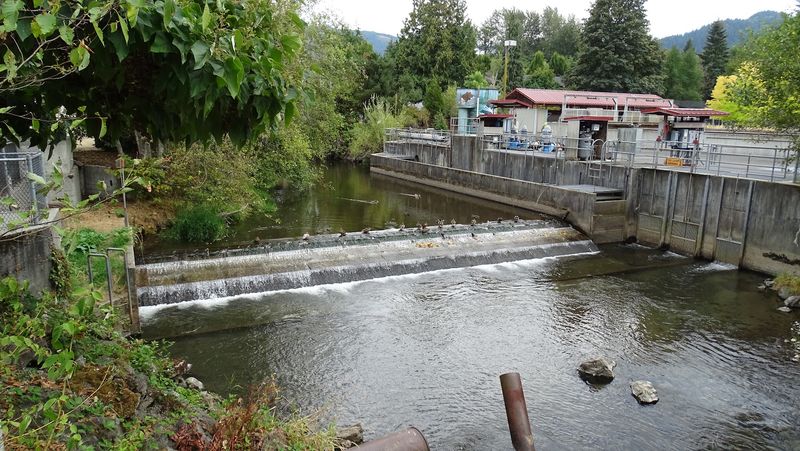
Sometimes the best outings are the simplest ones. A creek, a bridge, and a crowd of determined salmon can deliver more wonder than a pricey ticket ever could.
The Issaquah Salmon Hatchery blends nature and city in a way few places manage. Visitors come away having learned a lot, some even saying it taught them more than other hatcheries they have seen in Washington.
The mix of science, scenery, and friendly volunteers feels genuinely special.
Make a full day of it if you like. Across the street, you will find the local library, a park, and coffee shops worth a peek.
Restaurants are only a short drive away, so lunch is easy to add.
Go in fall for the full salmon show, or visit in quieter months for a peaceful walk and some learning. Either way, it could become a yearly family tradition, the kind kids ask about each autumn.
For families and retirees watching their budgets, this charming stop proves that memorable weekends do not need to cost much. Grab your jacket, pick a crisp October day, and go watch the salmon come home.