
This Arizona Canyon Trail Glows Gold Every Autumn With Leaves Reflecting Off The Creek
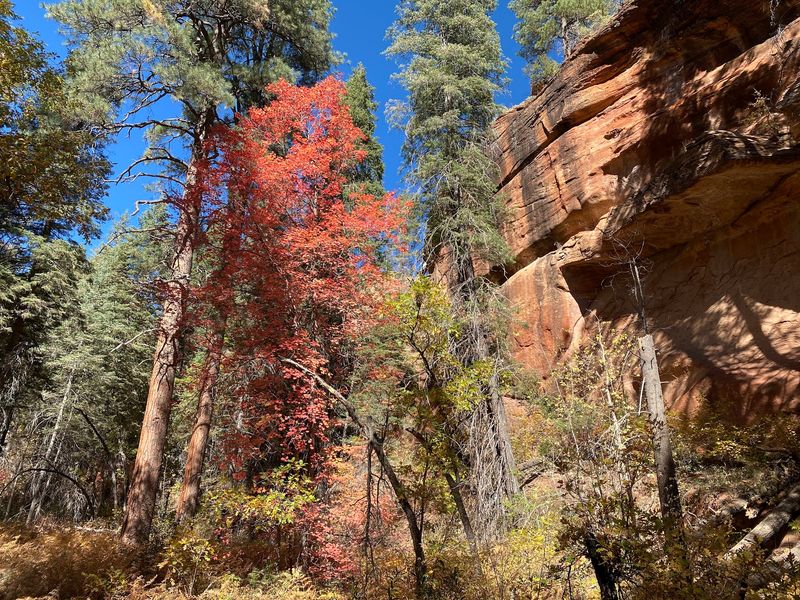
Thirteen times, the path asks you to hop across the same creek, and by the third crossing most hikers stop counting and start staring at the gold overhead. Every fall, a shaded canyon in northern Arizona fills with glowing maple, oak, and cottonwood leaves that drift onto the water and shimmer back up at you.
It costs less than a movie night for a whole carload, and the colors feel like a secret the desert keeps for locals. Grab your walking shoes, because this is one autumn trip worth the drive.
A Creekside Canyon Between Sedona and Flagstaff
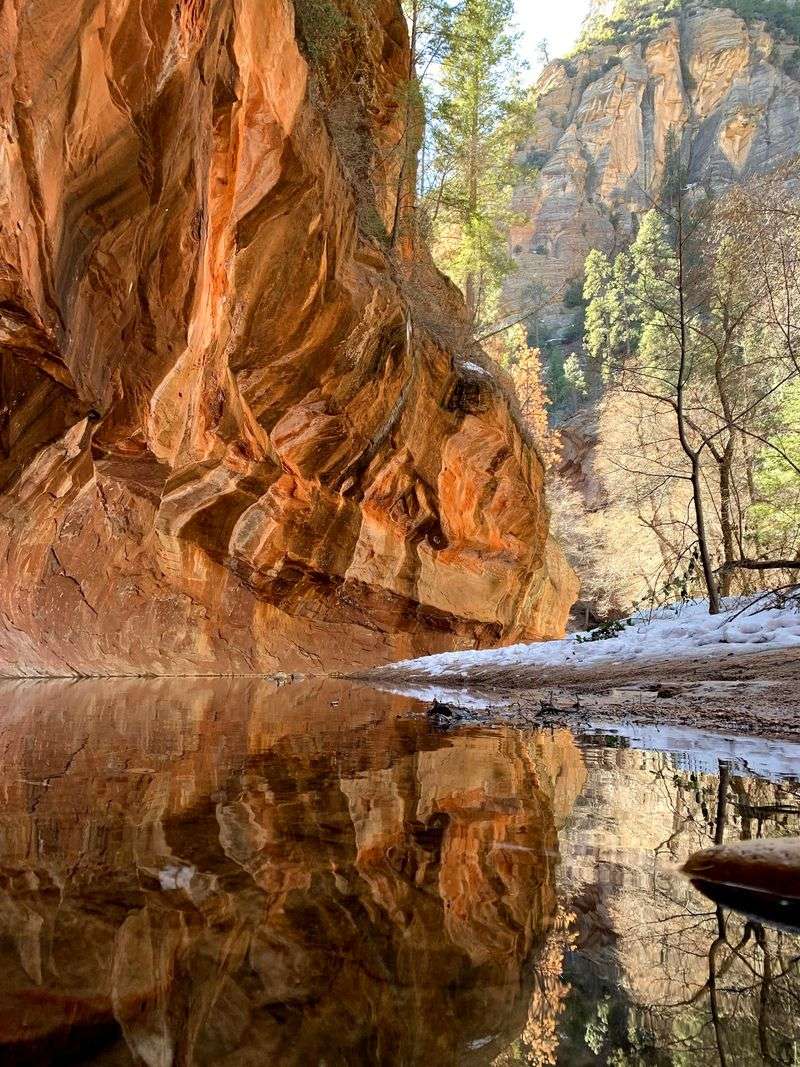
Wedged between Sedona and Flagstaff, Oak Creek Canyon holds one of the most loved fall walks in the whole state. The West Fork Trail starts from a trailhead along the scenic highway north of Sedona, inside the Coconino National Forest.
Right away, the trail feels different from the open red rock hikes Sedona is famous for. Instead of wide desert views, you get a narrow, green corridor with towering canyon walls on both sides and a stream chattering beside you the whole way.
Visitors often say it feels like stepping into another world. Ferns, tall trees, and cool air replace cactus and bright sun, which surprises plenty of first-timers who expect dusty trails.
The creek is the star here. The path follows it closely, crossing back and forth as the canyon twists deeper into the forest.
You never wander far from the sound of moving water, and that steady rush becomes a kind of soundtrack for the hike.
For Arizona day-trippers, the location is handy. Folks from Phoenix can make it a full-day adventure, while anyone staying in Flagstaff or Sedona can be on the trail in well under an hour.
It is an easy win for a fall weekend plan.
Old Mayhew Lodge Ruins and a Storybook Bridge
Long before hikers lined up at dawn for parking, this canyon had a lodge. The ruins of the old Mayhew Lodge still stand near the start of the trail, adding a quiet dose of history to your walk.
Crumbling stone walls peek out from between the trees, and they make a great spot to pause before heading deeper in. Imagine guests from decades ago waking up to the same creek sounds you hear now, sipping coffee on a cool canyon morning.
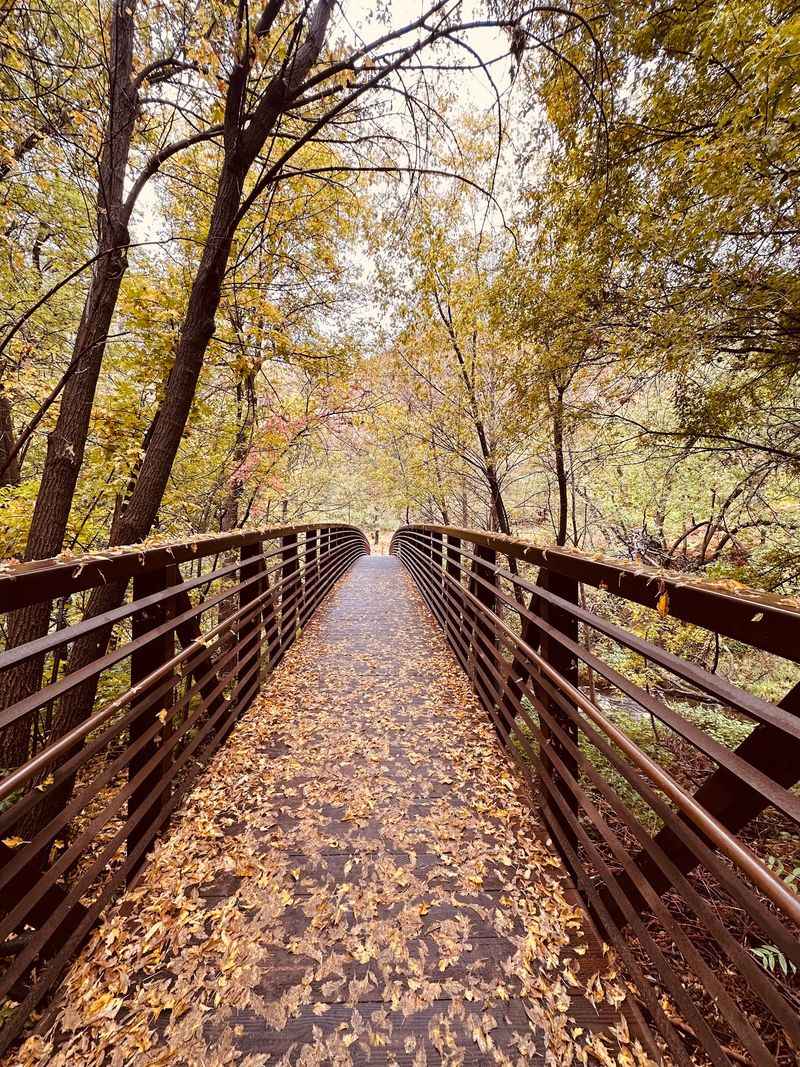
Close by, a pretty bridge carries you over the water. Many visitors say the historic buildings and that bridge are their favorite places to snap photos, either while fresh at the start or on the way back when the light turns soft.
Kids tend to love poking around the old structures, and grown-ups enjoy the feeling of walking through a little chapter of Arizona history. It is a nice reminder that people have been drawn to this green pocket of canyon for a long time.
Give yourself a few extra minutes here. The ruins wrapped in gold leaves during late October look like something out of a storybook, and they set the tone for the magic still ahead.
Gold Leaves Floating on Oak Creek
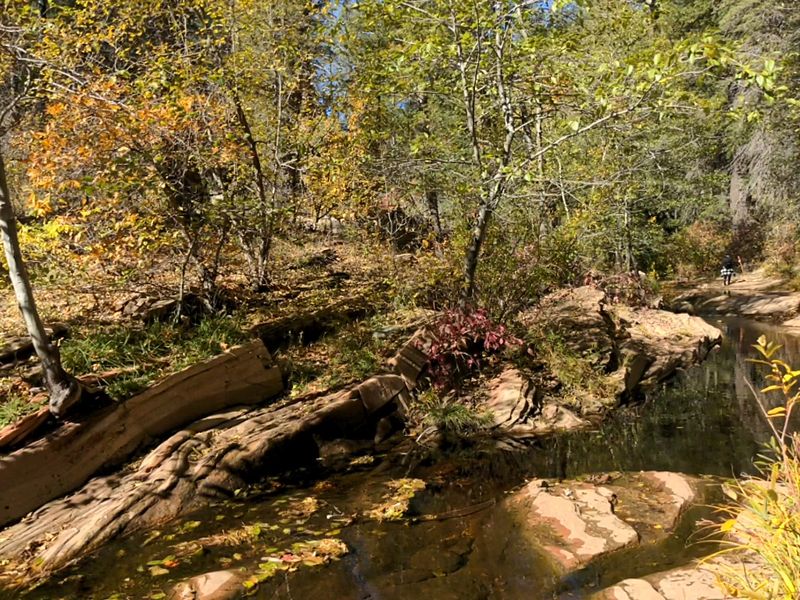
Sunlight slips over the canyon rim, lands on a maple, and suddenly the water below turns into liquid gold. That moment is why so many Arizonans circle late fall on their calendars.
Maples, oaks, and cottonwoods all put on a show here. Most of the color leans golden, but reds and oranges mix in, painting the whole canyon like a kaleidoscope.
What makes this trail extra special is the creek. Calm pools and slow spots act like mirrors, doubling every bright branch hanging overhead.
Leaves drift on the surface and swirl in little eddies, so the colors move as you walk.
Against the red sandstone walls, the effect gets even bolder. Hikers describe sunbeams peeking through the canyon and lighting up patches of red, orange, and yellow at once, which feels almost like stage lighting.
Some people call it pure color therapy, and it is easy to see why. You slow down without trying, stopping every few steps to look up, then down at the reflections, then up again.
Bring a camera, but also leave time to just stand there. Photos help, yet the glow in person, with the creek humming nearby, is something you will want to remember with your own eyes.
Thirteen Crossings of Rock-Hopping Fun
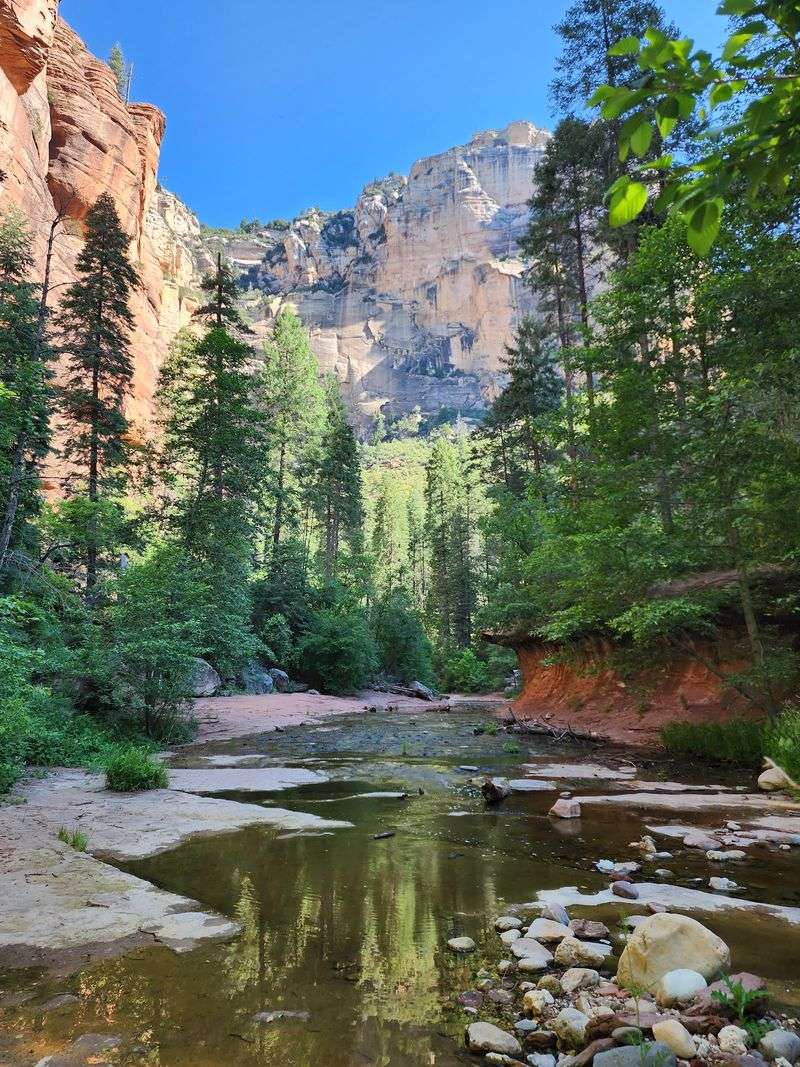
Count them if you like: 13 creek crossings in each direction on the maintained stretch. For many hikers, they are the best part of the whole day.
Most crossings have stepping stones or logs laid across the water. When the creek runs low, especially in fall, plenty of people make it across without getting wet at all.
Still, balance matters. A few crossings feel wobbly, and the rocks can be slick, so hiking poles are a popular choice.
Visitors in their 60s, 70s, and even 80s tackle these crossings, and many say poles made the difference.
Some hikers skip the balancing act entirely. They wear waterproof shoes or water shoes and simply stroll straight through the shallow spots, which can be surprisingly refreshing.
Water levels change with the seasons. Spring runoff can make crossings much harder, while late fall usually offers the easiest conditions, one more reason autumn is a sweet spot.
Pack an extra pair of socks just in case. Even careful hikers slip a toe in now and then, and dry socks at the halfway point feel like a small luxury.
Think of each crossing as a mini adventure, and the miles fly by faster than you expect.
Towering Walls and Cool Canopy Shade
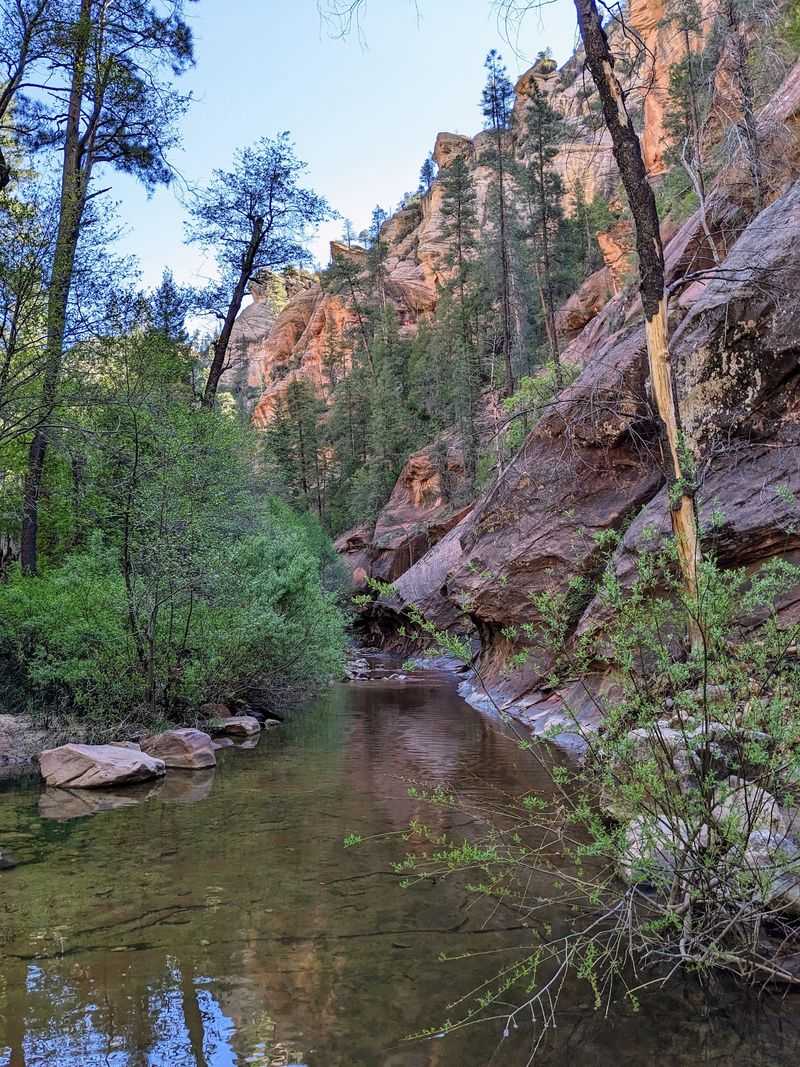
Crane your neck and the cliffs just keep climbing. Sheer canyon walls rise high above the trail, glowing red and cream as the light shifts through the day.
Unlike the wide vistas at spots like Bell Rock, West Fork feels intimate. The canyon wraps around you, and each bend reveals a new curve of stone, a fresh pool, or an odd rock formation carved by water over ages.
Shade is a big perk. Tall trees form a canopy over long stretches of the path, keeping it cool and comfortable, which regulars mention again and again.
That shade does mean chilly air, though. In late fall and winter, the canyon floor can feel much colder than the sunny parking lot, so a light jacket is smart.
Summer visitors, on the other hand, love how the trees block the heat.
Much of the ground is soft sand mixed with packed dirt and occasional rocks. You will find a few big steps and small scrambles, but the trail is wide and mostly flat.
Some hikers call it the perfect place for a walking meditation. Between the quiet walls, the rustling leaves, and the flowing creek, your mind tends to settle.
Short Stroll or Full Journey to the Pool
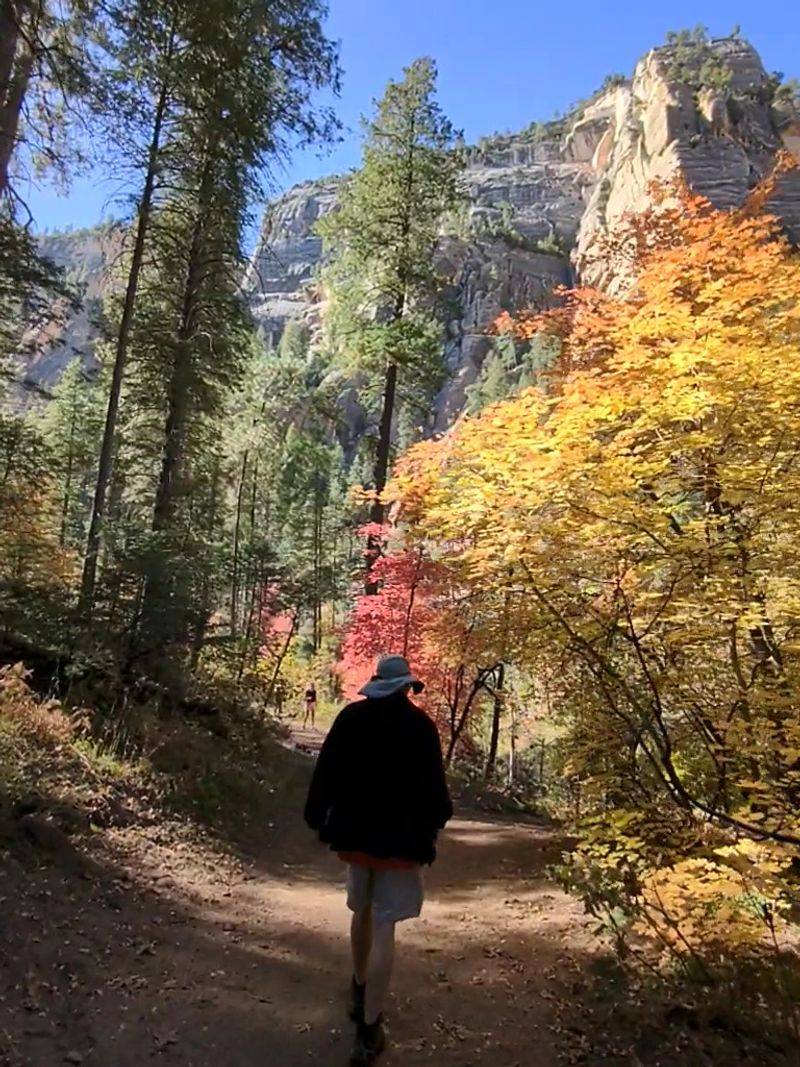
Here is the beauty of West Fork: you set the distance. Turn around after a mile, or push all the way to where the maintained trail fades out.
The maintained section runs roughly 3.2 to 3.3 miles one way, giving you about 6.5 miles round trip. Some hikers who wander farther report closer to 8 miles total.
Plenty of folks stop after two miles or so and head back happy. Some of the loveliest canyon scenery, clear water holes, and unusual rock shapes show up early, so a shorter walk still delivers plenty of color.
Those with more energy can continue toward a pool near the end. Reaching the best views there means wading through water, and hikers warn it stays icy cold even in warmer months.
People who go the whole way describe a peaceful, rewarding feeling at the finish. Others say you are not missing some dramatic endpoint if you turn back early, since the whole route is the reward.
Plan your time with the season in mind. Fall days are shorter, and the canyon darkens early, so start your hike with plenty of daylight left.
Snacks and water help too, especially if you aim for the full distance.
Peak Color Timing for Late October
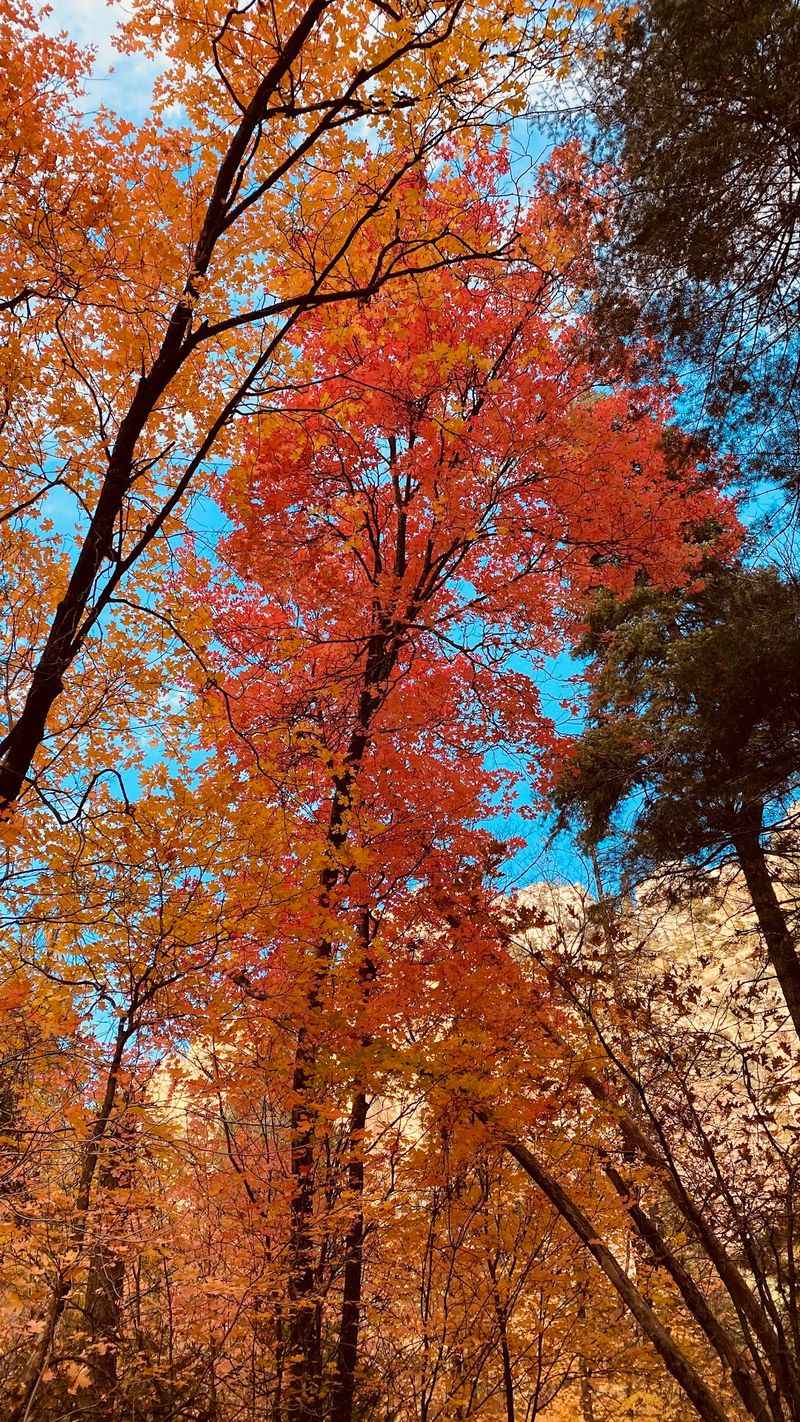
Timing is everything when chasing leaves in Arizona. Flagstaff turns first, the low desert turns last, and Oak Creek Canyon lands right in the middle.
Peak color here usually arrives from late October through early November. Hikers visiting during the third week of October have found the canyon full of bright color, cool air, and red rocks shining behind it all.
Every year shifts a little depending on weather, so checking recent trail reports before you drive can help you catch the best window. A warm fall may nudge the show later, while an early cold snap might speed it up.
Outside of autumn, the trail still shines. Summer brings lush greenery and welcome shade, spring offers flowing water, and winter can dust the canyon with snow and ice.
Winter hikers do need extra care. Icy patches near the crossings get slippery, and waterproof shoes become more of a must than a maybe.
For the golden glow in the title, though, late fall is the ticket. Low water makes crossings simpler, the air feels crisp, and the canyon puts on its brightest outfit of the year.
Mark those weeks early and plan around a weekday.
Who Feels at Home on This Trail
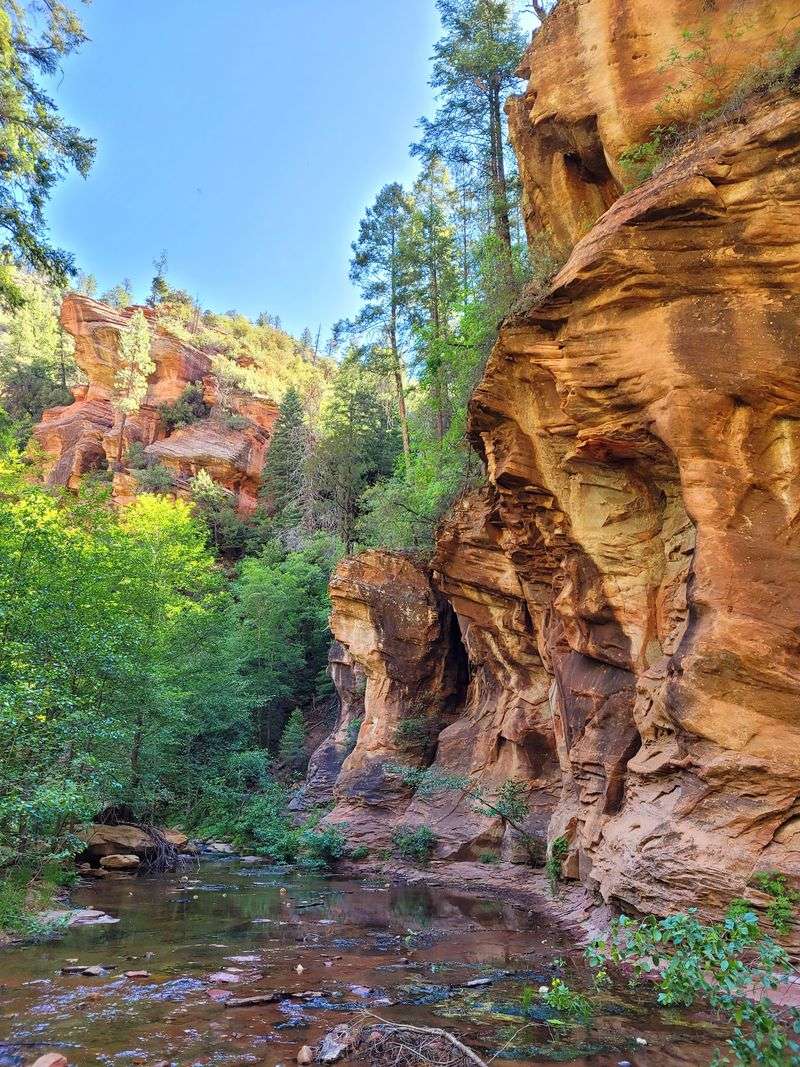
Toddlers, grandparents, and leashed pups all share this path, which says a lot about how welcoming it is.
Many hikers describe West Fork as easy to moderate. The trail is well established and simple to follow, with only small bits of elevation gain.
One hiker in their 60s with a bad ankle finished comfortably, and people in their late 70s and 80s are common sights.
Families with little ones often stick to the first couple of miles, where the walking stays gentle. Leashed dogs are allowed, according to a sign near the entrance, and plenty of well-behaved ones trot along happily.
A few spots are not perfectly marked, but getting lost is hard since the creek guides you. The trickiest parts are the crossings and a handful of large steps.
Retirees looking for a relaxing outing will find a lot to love. So will photographers, nature lovers, and anyone needing a peaceful reset from city noise.
One honest note: some visitors feel it resembles forest trails in other states. If you are new to Sedona and craving red rock scrambles, pair it with another hike.
For fall color lovers, though, few Arizona trails can match it.
Parking Fees, Restrooms, and Arrival Tips
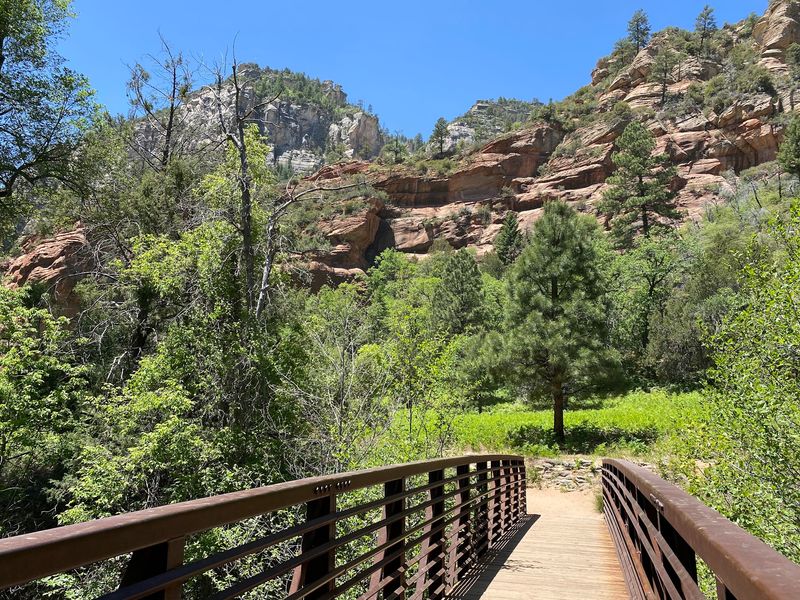
Early birds get the parking spots, and that is not an exaggeration. The lot fills fast, often before 9 a.m., even on weekdays.
One Wednesday visitor pulled in at 8:45 a.m. and grabbed nearly the last space. On Saturdays, cars sometimes line the highway near the entrance, which means a longer walk just to reach the start.
Parking costs about $15 per vehicle, covering up to five riders. That makes it a solid deal for a carpool of friends or family.
Some visitors mention their national park pass did not work here, so bring a card or cash for the fee.
Restrooms sit right at the parking lot. Hikers describe vault toilets that are fairly clean, with hand sanitizer nearby.
Arriving around sunrise pays off twice. You will find parking with less stress, and the soft morning light filtering into the canyon feels magical.
Weekdays are calmer overall. On a Thursday in October, one group had no trouble parking and found the trail popular but not packed.
Fees and rules can change, so a quick check of the Coconino National Forest page before your trip is a smart move.
What to Pack for Wet Feet and Cool Air
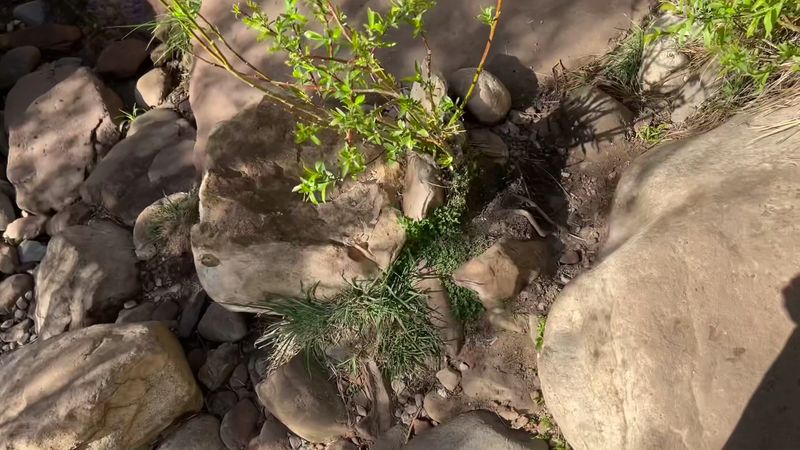
Socks. Seriously, pack extra socks.
One winter hiker joked about needing 13 pairs, one for each crossing.
Footwear matters more here than on most Sedona trails. Hiking boots give good grip on rocks, while waterproof shoes or water shoes let you splash through low water without worry.
River stones can feel rough, so sturdy soles help.
Hiking poles or a walking stick make crossings much easier. Even younger, experienced hikers often use them for balance on wobbly stepping stones.
Bring plenty of water and snacks, especially if you plan to hike the full distance. A hat helps on sunny stretches, and a light jacket keeps you comfortable in the chilly, shaded canyon.
Sand covers much of the path, so decent walking shoes beat flimsy sandals. You will see some folks in regular shoes near the start, but farther in, better gear pays off.
A small towel is handy too. After wading or slipping into a pool, drying your feet before slipping into fresh socks feels wonderful.
Finally, leave room in your pack for a camera or phone. With golden reflections around nearly every bend, you will want to capture a few favorites to share later.
A Golden Reason to Make the Drive
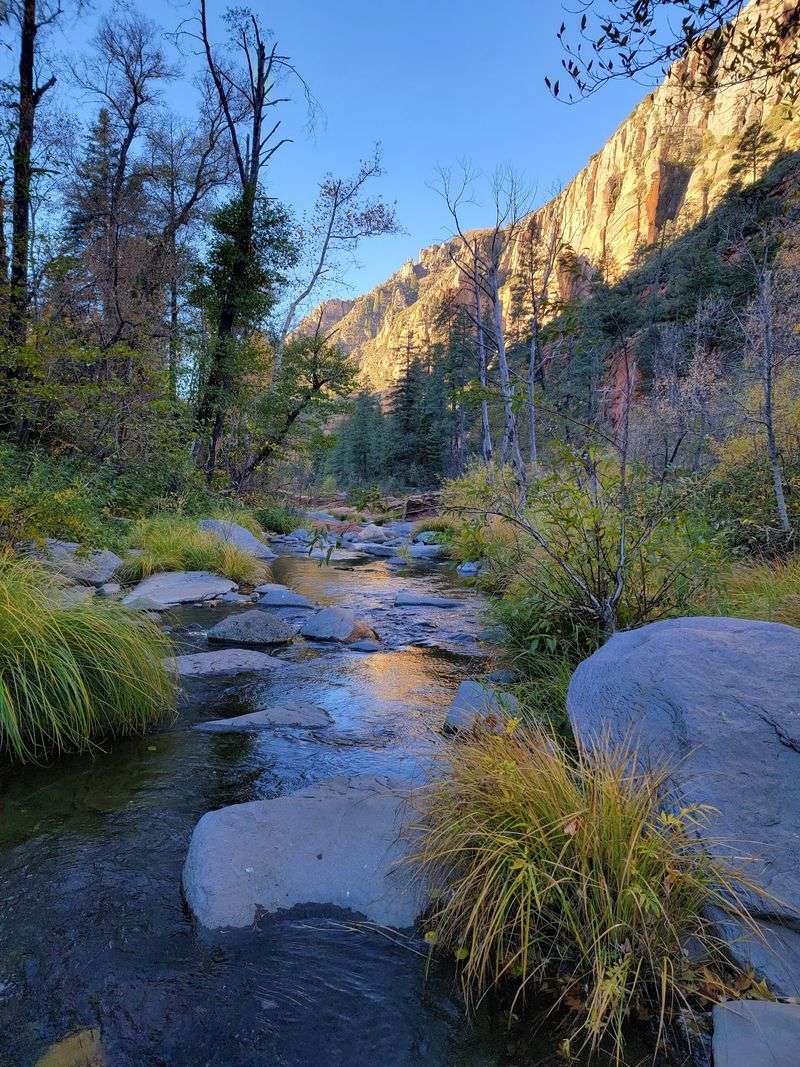
Some hikers have walked this canyon for more than a decade and swear it is never the same twice. That keeps them coming back year after year.
For a $15 carload, you get shaded paths, playful creek crossings, a bit of history, and one of the brightest fall color shows in Arizona. Few outings offer that much wonder for so little money.
The trail balances adventure and calm in a way that suits almost everyone. Rock-hoppers get their thrill, while slower walkers can soak in the colors and turn back whenever they please.
Crowds are part of the deal, especially on weekends. Still, visitors say there is enough space to feel close to nature, particularly if you arrive early on a weekday.
If you have been waiting for a sign to plan an autumn trip up north, consider this it. Late October into early November is your window, so save the date and round up a hiking buddy.
Chances are, somewhere around the fifth crossing, a gold leaf will spin past on the water. You will stop, smile, and understand why so many Arizonans call this their favorite fall tradition.