
Step Inside This Maine Museum Where American Masters Meet A Striking Glass Pavilion
A glass building glowing on a Maine hilltop is enough to make you slow down before you even reach the door. Step inside, and the surprise gets bigger.
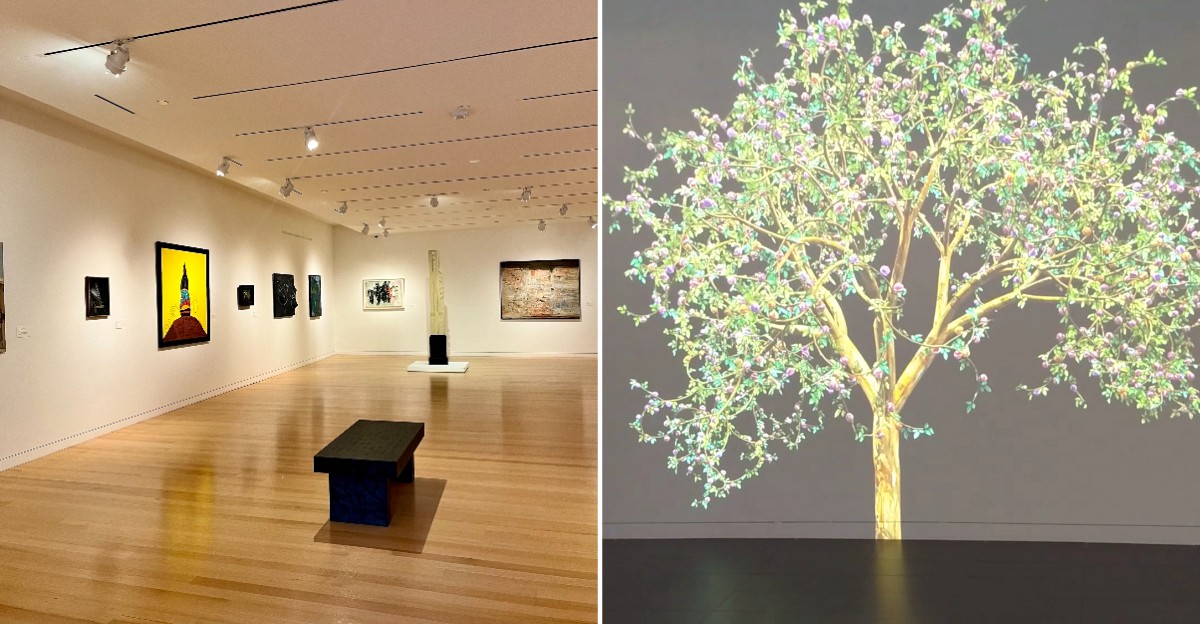
Famous American paintings share the galleries with contemporary works that can stop you in your tracks, while the sleek pavilion makes the building itself feel like part of the exhibit.
Admission is free, parking costs nothing, and the quiet galleries make it easy to stay longer than planned. This museum began on a much smaller scale, but its collection now includes thousands of works spanning centuries.
The contrast is what makes the visit so interesting. Classic art sits close to bold modern pieces, while the glass architecture adds another layer to the experience.
It is the kind of cultural stop that can turn a simple afternoon into something far more memorable.
A Glass Pavilion That Glows On The Hill
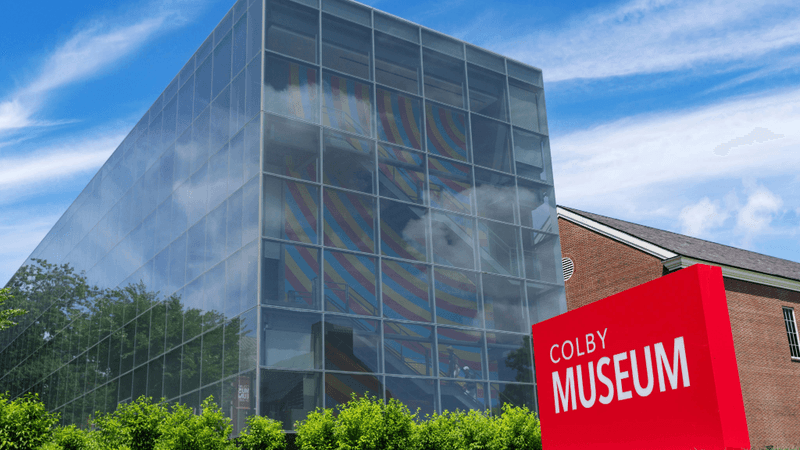
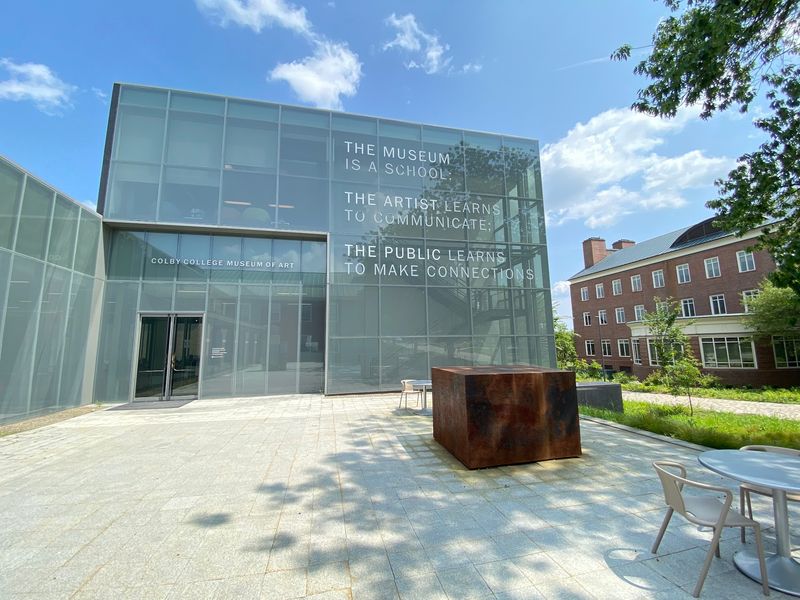
Walk up to the museum on a late afternoon and one building grabs your eyes first. The Alfond-Lunder Family Pavilion opened in 2013, and its walls of glass make it look almost weightless against the Maine sky.
Designed by the Los Angeles firm Frederick Fisher and Partners, the pavilion added about 26,000 square feet to the museum. That extra room turned a college gallery into one of the biggest art museums in Maine.
The glass is not just for show, either. It lets natural light spill into shared spaces and gives visitors views of the campus while they move between exhibits.
At night, the building really shines. Lit from inside, it becomes a bright beacon on Mayflower Hill, especially during Thursday evening hours offered during the academic year.
The design also connects to the older wings, so you can stroll from one era of architecture into another without ever stepping outside.
Here is a helpful tip for photo lovers. Stand back on the lawn to capture the full shape of the pavilion, then step closer to catch reflections of trees and clouds on the glass.
You get two pictures for the price of one, and that price is zero.
Famous American Names On Every Wall
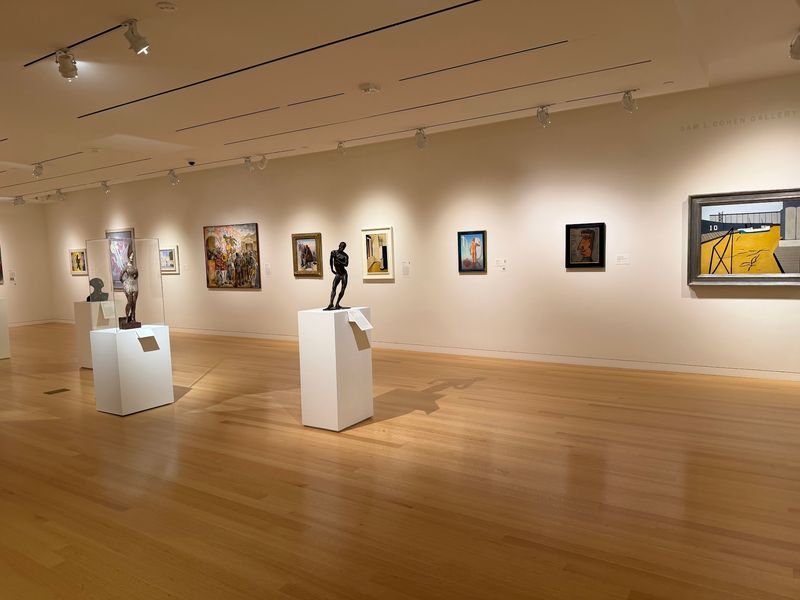
Many visitors walk in expecting a modest student gallery. They walk out after spotting works by Winslow Homer, John Singer Sargent, Georgia O’Keeffe, Mary Cassatt, and Edward Hopper, among many others.
American art is the heart of the collection, and it covers a long stretch of history. You can trace how painters showed the country, starting with early portraits, moving through sweeping landscapes, and landing in bold modern scenes.
It feels like flipping through a giant picture book of the nation, one room at a time.
A huge boost came in 2013, when the Lunder family gave hundreds of artworks to the museum. That gift brought in major pieces and made the American holdings some of the strongest found at any college museum in the country.
Watch for works by James McNeill Whistler too, since the museum has a large group of his prints.
Want a simple game plan? Grab a map at the front desk and pick three artists you already know.
Find them first, then let yourself wander toward names you have never heard. Some of the best surprises come from the painter you did not plan to meet.
The Alex Katz Connection
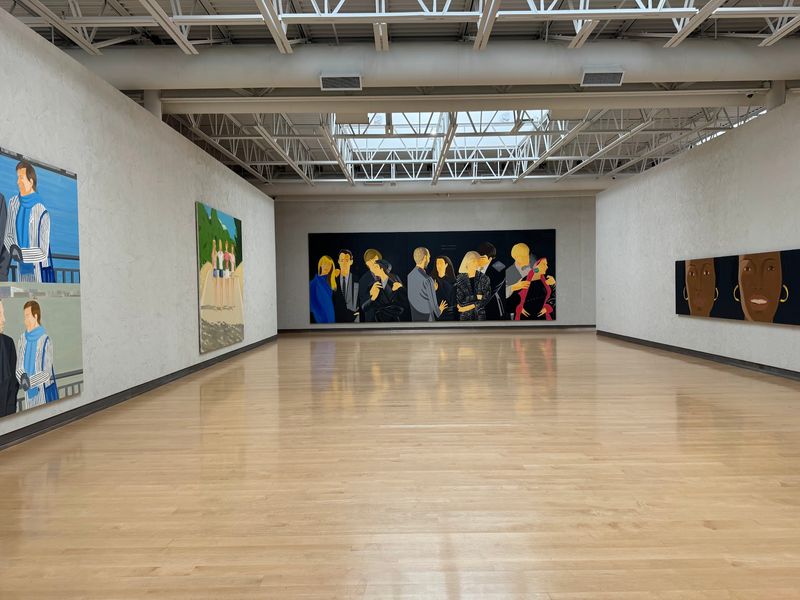
Few artists are as tied to Maine as Alex Katz. He has spent summers painting in the state for decades, and the museum celebrates him with a dedicated space called the Paul J. Schupf Wing for the Works of Alex Katz.
That wing opened in 1996 and holds hundreds of his pieces. Katz is famous for big, flat, colorful portraits and landscapes that feel clean and cool, almost like giant snapshots.
Standing in front of one of his wide canvases is a bit like being greeted by a friendly billboard with excellent manners.
His ties to the area run deep. Katz has links to the nearby Skowhegan School of Painting and Sculpture, a well-known summer art program just up the road.
Many of his paintings show Maine lakes, trees, and people, so the local setting shows up right on the walls.
Plan a little extra time for this part of the museum. The rooms are spacious, and the paintings look different depending on how far away you stand.
Try viewing one piece from across the room, then from a few steps away. You might notice brushwork and color choices that disappear from a distance.
Admission That Costs Exactly Nothing
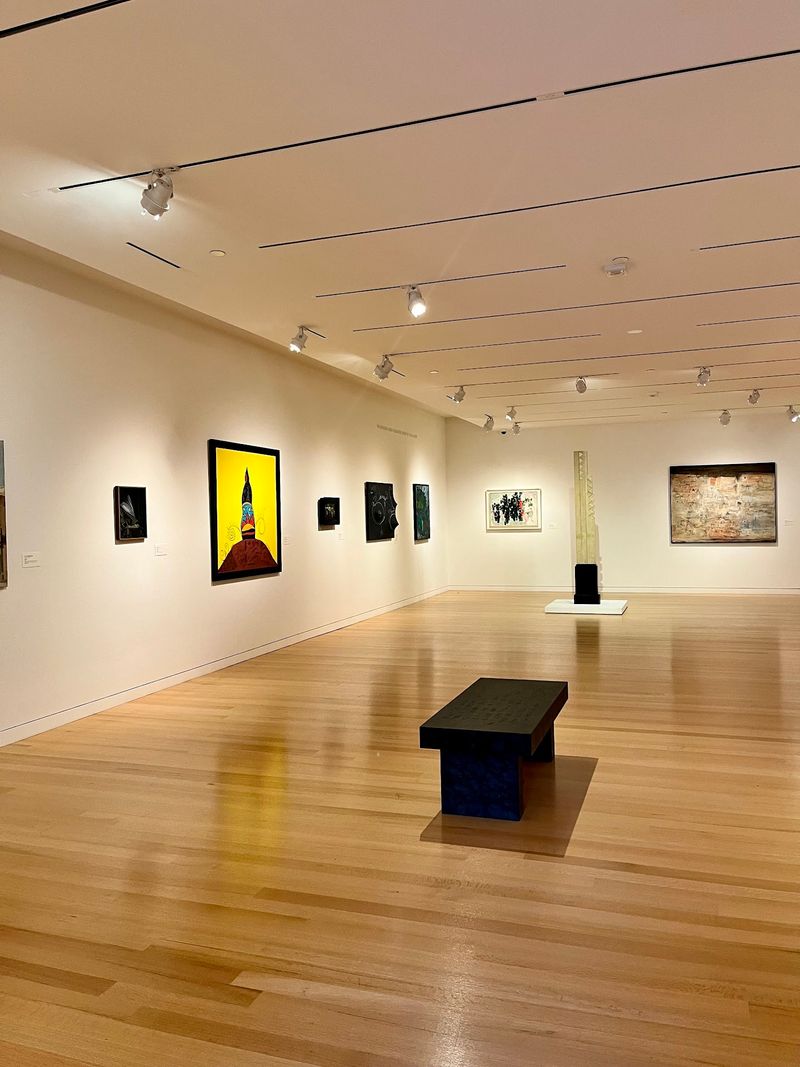
Good news for anyone on a budget. The Colby College Museum of Art does not charge admission, so a full day of masterpieces fits nicely into any travel plan.
Free entry opens the door to all kinds of visits. You can pop in for thirty minutes to see one favorite painting, or you can stay for three hours and explore every gallery.
Since there is no ticket to justify, there is no pressure to see it all in one go. Come back tomorrow if you like.
A donation box sits near the front desk for anyone who wants to help support the museum. Giving is completely optional.
Still, a few dollars helps keep programs and exhibits going for the next wave of art fans. Consider it a tiny thank-you note for a big afternoon of art, and a smart way to pay your appreciation forward.
Contemporary Art With A Bold Streak
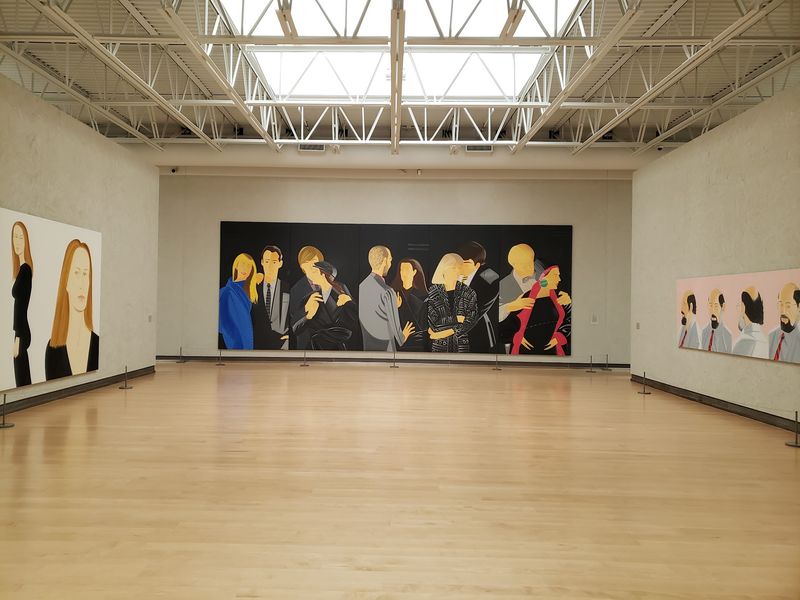
Just when you think you have the museum figured out, a room full of contemporary art flips the script. Bright colors, unusual materials, and big ideas fill these spaces, and they keep the visit lively.
The pavilion was built partly to hold large modern works that would not fit in older galleries. High ceilings and open walls give sculptures and installations plenty of breathing room.
One striking example is a colorful three-story wall drawing by Sol LeWitt that stands beside the glass pavilion and adds a bold geometric element to the museum.
Contemporary art can seem puzzling at first. That is completely normal.
A good trick is to read the wall labels, which often explain what the artist was thinking or how the piece was made. Some labels are personal and thoughtful, while others share detailed facts about materials and methods.
Try asking yourself three quick questions in front of each work. What do I see?
How does it make me feel? What would I name it?
Talking through those answers with a friend can turn a confusing moment into a fun conversation, and it might just make modern art your new favorite.
Treasures Beyond American Borders
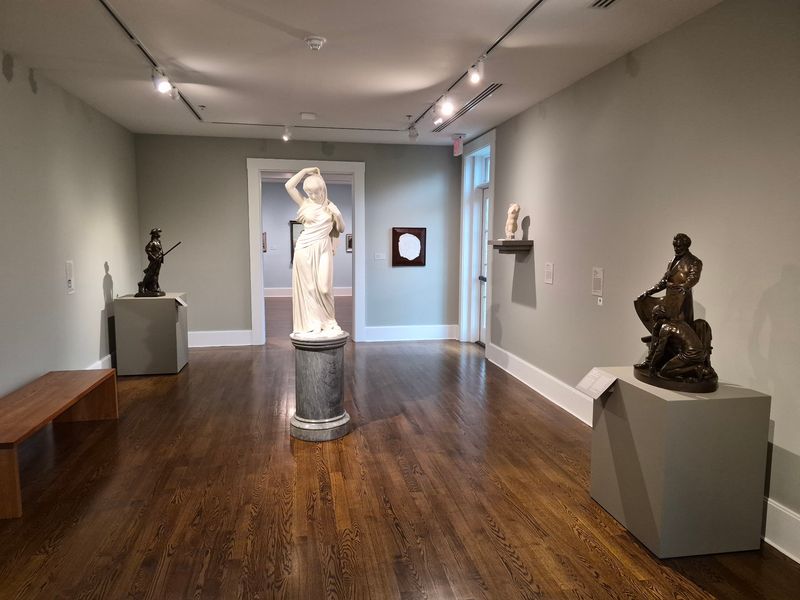
American art may lead the show, but the collection travels much farther. Chinese objects, European paintings and prints, and works from other cultures add surprising variety to the galleries.
The Chinese pieces are especially worth a look. You may find ancient ceramics, bronzes, and other objects that are many centuries old.
Seeing them close to American paintings helps you notice how artists across time and place have shared ideas about beauty, nature, and everyday life.
European works bring their own flavor, with older paintings and fine prints that show techniques many American artists later learned from. Photography, folk art, and sculpture also appear in rotating displays, so the mix can shift from visit to visit.
The collection holds thousands of objects, so not everything is on view at once.
Curious kids and grown-ups alike can turn this section into a scavenger hunt. Look for animals, dragons, flowers, or patterns that show up in objects from different countries.
Count how many you spot, then compare notes at the end. It is an easy way to slow down, look closer, and discover that great art speaks many languages, even when the labels are all in English.
Exhibits That Keep Changing
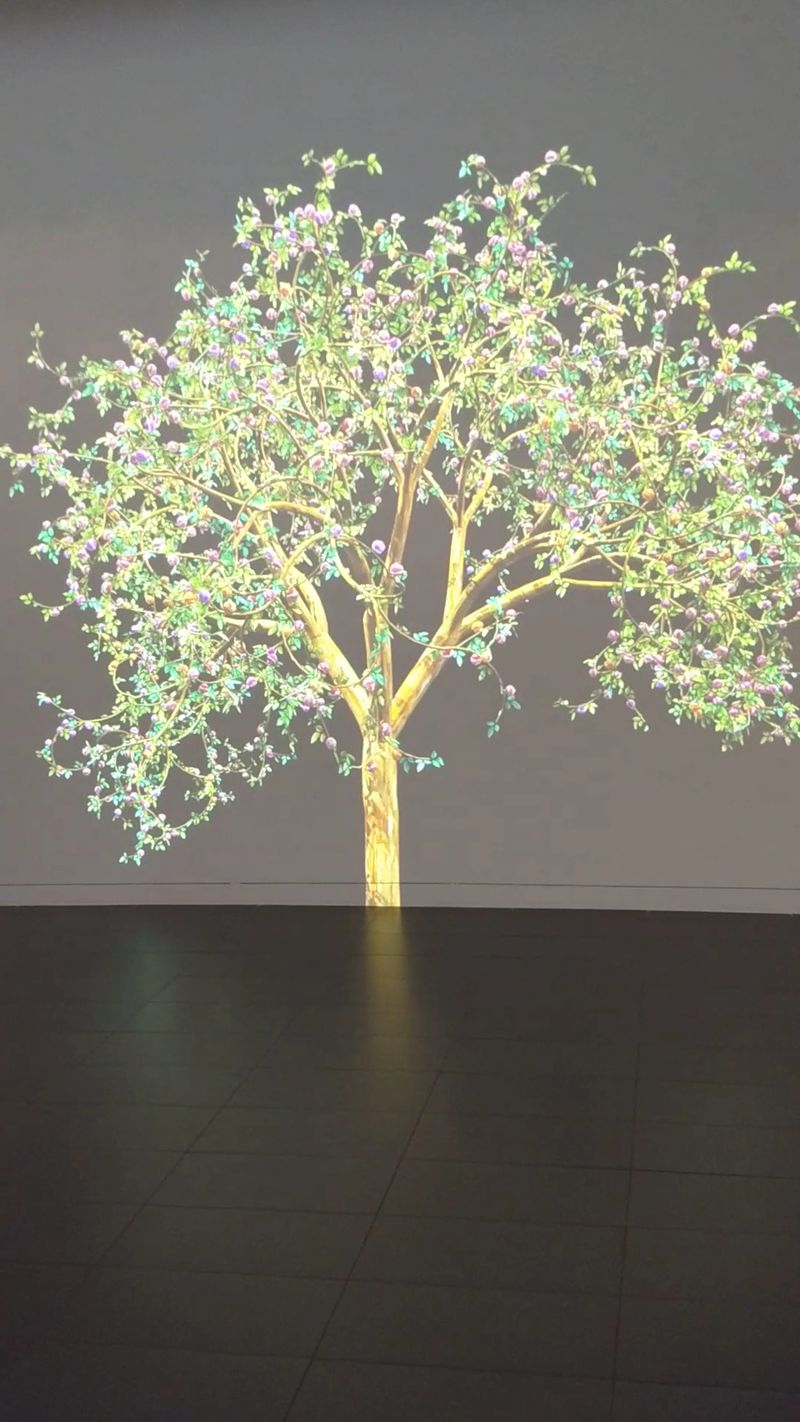
Returning visitors have a secret advantage. The museum regularly rotates special exhibitions, so the galleries you saw last spring might look totally different this fall.
These temporary shows cover a wide range of subjects. Some focus on a single artist, others explore a theme, and some highlight new pieces the museum has recently added.
Student work also gets a spotlight at times, including shows tied to the college’s art programs near graduation season.
Because exhibits change, parts of the museum may occasionally close for installation. That can actually be a fun peek behind the scenes.
You might catch workers carefully hanging a large painting or setting up lights for an upcoming opening. It is a reminder of how much planning goes into every room.
Before you go, check the official website at museum.colby.edu to see what is currently on view and whether any galleries are closed. The site also lists talks, tours, and family programs that can add extra depth to your trip.
A little planning helps you catch a show before it packs up and moves on, and it keeps you from being surprised by a closed door when you arrive with high hopes.
Smart Tips For Timing Your Visit
Timing can make a good museum day even better. The museum is open Tuesday through Saturday from 10 AM to 5 PM, with late hours on Thursday until 9 PM.
Sunday hours run from noon to 5 PM, and Monday is closed.
Thursday evenings are a great pick for anyone working a day job or exploring Waterville during daylight. Summer weekdays can also be wonderfully quiet, since fewer students are on campus.
Autumn brings another treat, with bright leaves covering Mayflower Hill and making the walk to the entrance feel like a postcard.
Plan on about two to three hours if you want to see most of the collection without rushing. The galleries include benches, so you can rest and take in a favorite piece.
There is also a small shop for art books and gifts on the way out.
Families should know that the galleries have a calm, quiet mood. Going over museum manners with young kids ahead of time helps everyone enjoy the art.
Short visits with snack breaks outside can work well too. With the right timing and a relaxed pace, this hilltop museum rewards every minute you give it, and then some.