
This Scenic Maine Mountain Overlook Has A Strange Rattlesnake Secret
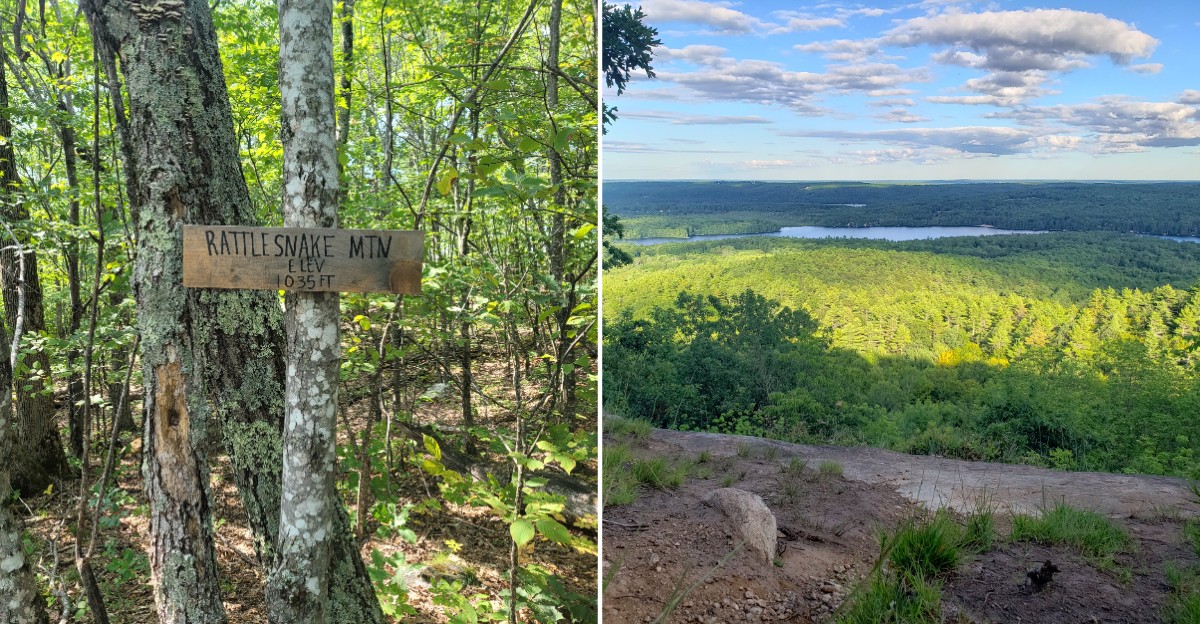
A mountain name can do a lot of work before your boots ever hit the trail, especially when it sounds like something you might want to avoid. This small peak in southern Maine has exactly that kind of reputation, yet the real experience is far less intimidating.
The trail is relatively short, though parts of the climb are steeper than they first appear. The reward comes quickly, with open ledges and broad lake views that make the effort feel worthwhile.
There is also a curious story behind the mountain’s name, along with a family connection tied to the trail itself. This is the kind of hike that mixes scenery with just enough mystery to make the outing more memorable.
By the time you reach the overlook, the name may seem a lot more dramatic than the trail itself.
The Name Is Bigger Than The Bite
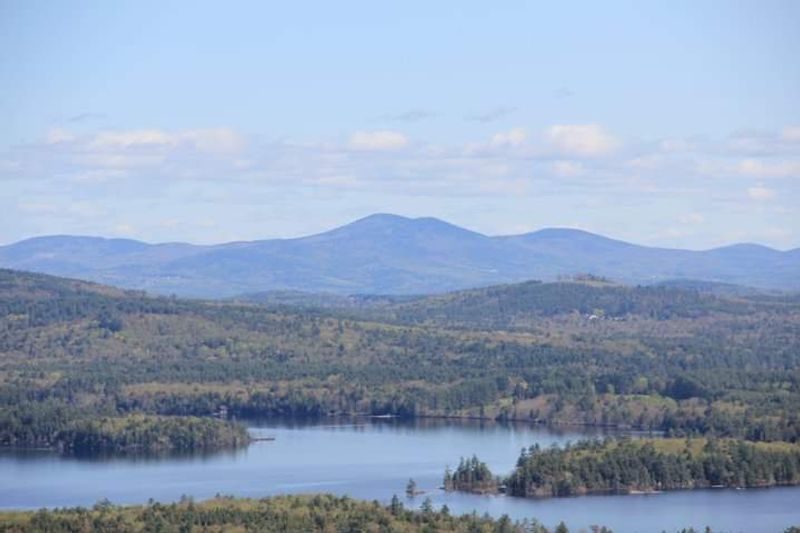
Here is the strange secret right up front. Rattlesnake Mountain in Casco and Raymond, Maine, USA, carries the name of a snake you are very unlikely to meet on its trails.
Timber rattlesnakes once lived in parts of southern Maine, but they are now considered gone from the state.
So why the rattling name? Many New England hills got snake names back in the days of early settlers, when timber rattlers were more common across the region.
Old names tend to stick around long after the animals move on, a bit like a nickname from grade school that nobody forgets.
What you will likely spot instead are harmless garter snakes sunning on warm rocks. They are small, striped, and much more interested in bugs than in hikers.
If you see one, give it space and enjoy a quick nature moment.
Kids especially love this twist. The mountain sounds like a place full of danger, yet it turns out to be one of the calmer hikes around Sebago Lake.
That surprise makes a fun story to tell at the trailhead, and it might even get a nervous hiker excited to start climbing.
A Trail With A Family Story
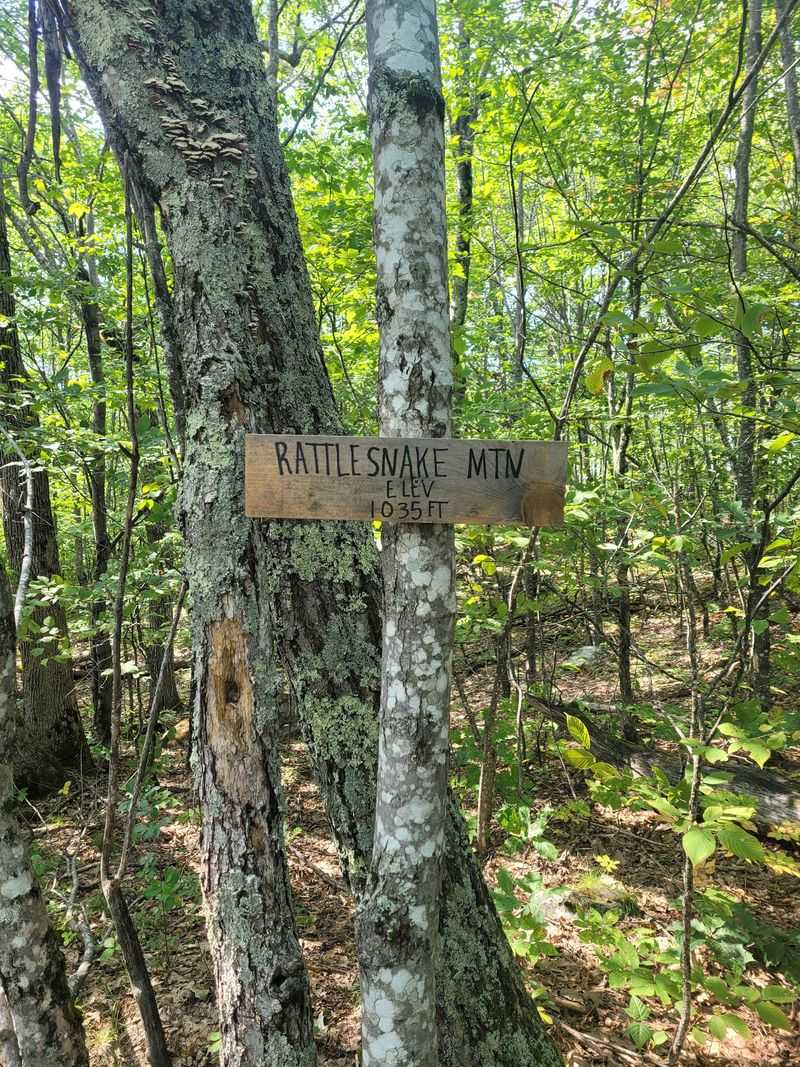
Every trail has a beginning, and the Bri-Mar Trail has a personal one. The Bri-Mar name honors Brian and Marlene Huntress, whose father, Fred Huntress Jr., maintained the trail in their memory.
Much of the land around Rattlesnake Mountain is privately owned, with public trail access allowed through agreements with landowners. Their work means the trail stays free to use, well marked, and cared for by volunteers who clear branches and fix wet spots.
That kind of care is easy to miss when you are huffing up a slope. Still, it helps to remember that people gave time, land, and effort so you could stand on that overlook.
You can say thanks in simple ways. Stay on the marked path, carry out every wrapper, and keep dogs leashed where signs ask.
If you enjoy your hike, consider supporting the land trust or joining a volunteer trail day.
Small acts like these keep the Bri-Mar Trail welcoming for the next family, and maybe for your own family on a return trip years from now.
Short Climb, Tall Rewards
Good news for tired legs. The Bri-Mar Trail is short, usually around a mile and a half to reach the main viewpoint and back, depending on the loop you choose.
The climb is steady but not brutal. You will cross roots, some rocky patches, and a few steeper bits near the top, yet most hikers finish the round trip in about an hour or so.
That makes it a great pick for young kids, first-time hikers, or anyone squeezing a hike into a busy afternoon.
Wear sturdy shoes with good grip, since the ledges can feel slick after rain. Sneakers work fine on dry days, while hiking boots help in spring mud season.
A small water bottle and a snack are plenty for most people.
Take your time on the way down, because loose gravel on rock can be sneaky. Poles are helpful for folks with sore knees.
Here is a friendly tip. Plan a few extra minutes at the top than you think you need.
The trip up may be quick, but leaving the view is the hard part, and nobody enjoys rushing a good sit on a sunny ledge.
Lake Views That Steal The Show
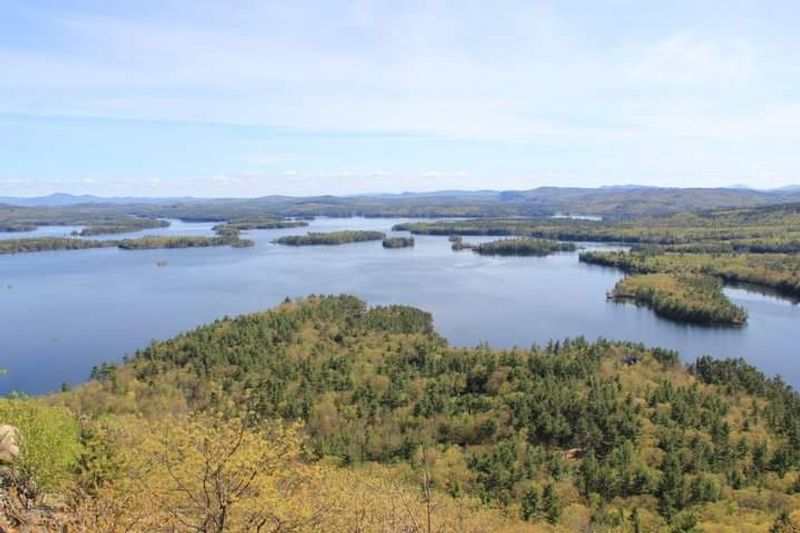
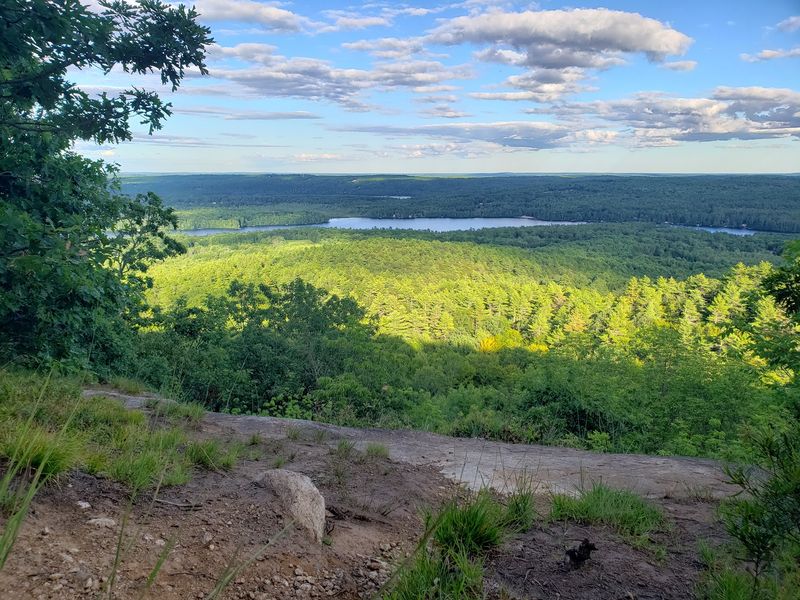
Standing on the open ledges feels like someone pulled back a curtain. Below you, blue water spreads out between green hills, and on clear days the view stretches far across the Sebago Lake region.
You can pick out Crescent Lake and Panther Pond close by, with Sebago Lake shining farther off. The lakes sit like puzzle pieces in the forest, and boats look like tiny white dots trailing thin lines of wake.
Look farther toward the horizon and you may see the hazy outline of the White Mountains in New Hampshire. Clear, dry days after a cold front give the sharpest views, so check the weather before you go.
Bring a camera or phone, but also give yourself a moment without a screen. Listen for loons calling across the water, which is one of the most famous sounds of a Maine summer.
If you like photos, try shooting in the morning or late afternoon, when soft light makes the water glow. Midday sun can wash out colors.
Either way, this overlook proves that a small mountain can deliver a view worth writing home about, or at least worth a postcard.
Rock Ledges With A Wild Past
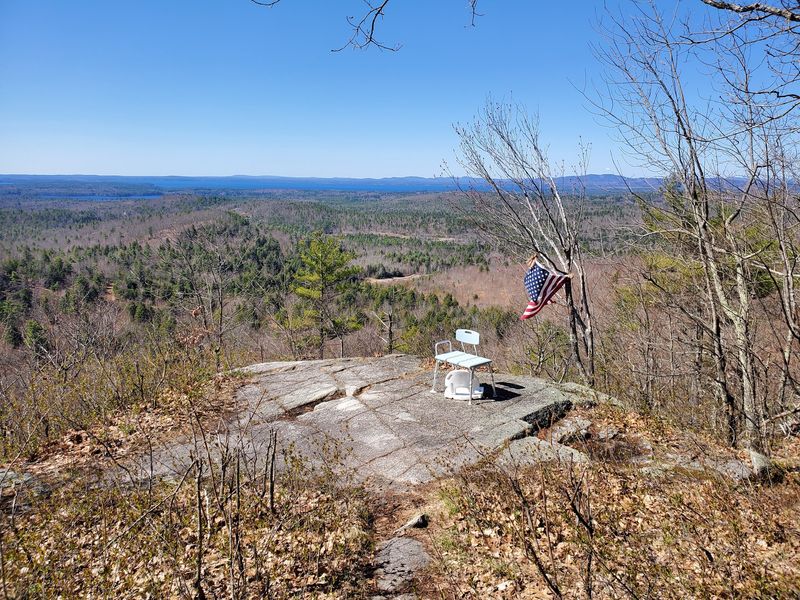
Long before hikers arrived, giant sheets of ice shaped this hill. During the last Ice Age, glaciers slid over Maine, scraping rock, rounding hilltops, and carving out the basins that later filled with water to form the nearby lakes.
That is why the top of Rattlesnake Mountain has smooth, bare ledges. Look closely and you might notice scratches or grooves in the stone, clues left behind by rocks dragged along under the ice.
You may also see big boulders sitting in odd spots. Geologists call these glacial erratics, and they were carried and dropped by melting ice thousands of years ago.
It is a bit like the glacier forgot its luggage.
Crusty green and gray patches on the rock are lichens. They grow very slowly, sometimes taking years to spread just a little bit, so try not to scrape or step on them when you can avoid it.
Point these features out to kids and turn the hike into a science lesson. Knowing that ice once rolled over this summit makes resting on the warm granite feel even cooler, in more ways than one.
Seasons Change The Whole Mood
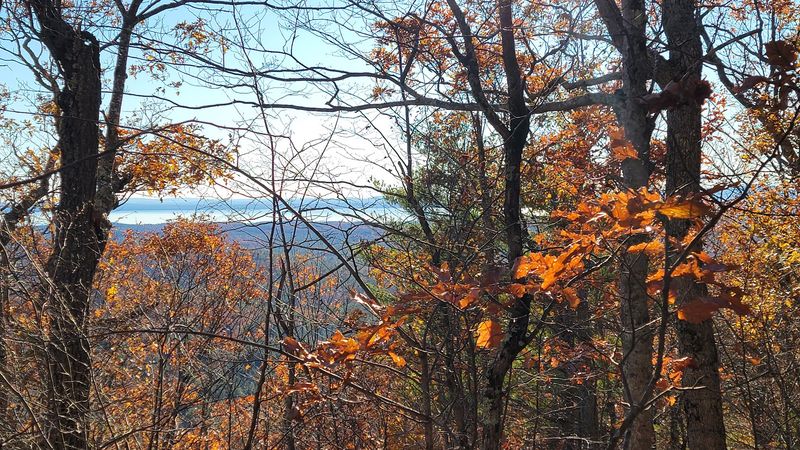
Fall might be the showstopper. From late September into mid October, maples and birches around the lakes turn red, orange, and gold, and the ledges become front row seats to a color parade.
Summer brings warm rocks, blueberry bushes, and bright green forest. In mid to late summer, you may even find wild blueberries near the top, a sweet little bonus for patient pickers.
Spring is quieter but muddy. Snowmelt and rain can turn low parts of the trail soft, so wear boots and walk through puddles instead of around them to protect the edges of the path.
Black flies can also be pesky in late spring, so pack bug spray.
Winter hiking is possible for experienced folks with traction spikes. Icy ledges demand real care, and the short trail becomes a slower, snowy adventure.
Here is the pro move. Visit more than once in a year and watch the same view change outfits.
The lakes, trees, and sky look so different in each season that it almost feels like a new mountain each time you climb.
Wildlife Worth Watching For
Snakes may be the star of the name, but other critters steal the spotlight. The woods around the trail are home to chipmunks, red squirrels, white-tailed deer, and plenty of songbirds.
Keep your ears open for woodpeckers tapping on trees and chickadees chatting in the branches. On the summit, turkey vultures and hawks often ride the warm air rising off the ledges, circling with barely a flap of their wings.
Down on the lakes, loons are the big celebrities. Their eerie, wavering call carries a long way over the water, especially early in the morning.
A small pair of binoculars can turn a regular hike into a wildlife adventure. Move quietly, pause often, and scan the tree line and shoreline for movement.
Always watch from a respectful distance. Never feed animals, even cute chipmunks begging for crumbs, since human food is not healthy for them.
Deer ticks are also common in Maine woods. Wear light-colored clothes, stick to the center of the trail, and check yourself after the hike.
A few smart habits help keep both you and the wild neighbors happy and healthy.
Smart Tips Before You Go
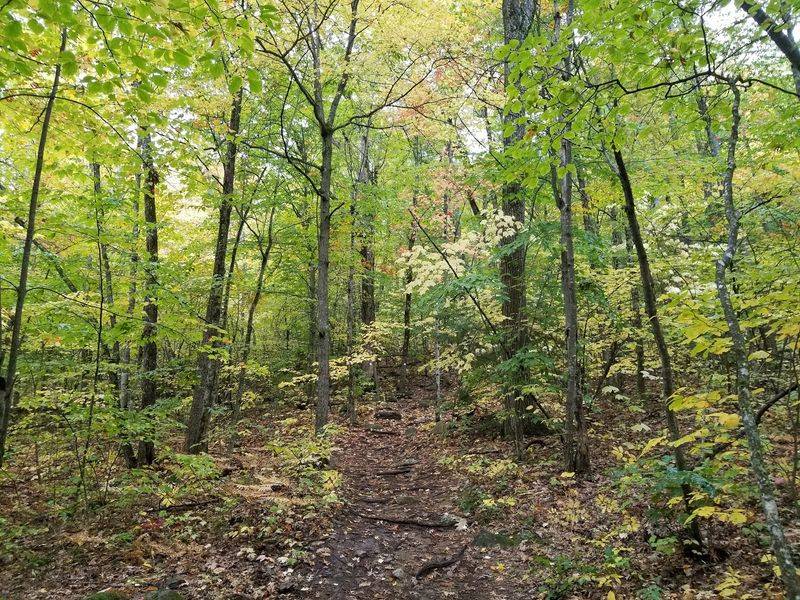
A little planning makes this outing smooth as lake glass. The trailhead sits off Route 85 in the Raymond and Casco area, and parking is limited to a small roadside lot.
Arrive early on sunny weekends, especially in summer and fall. If the lot is full, do not block the road or driveways.
Try again later or pick another nearby hike.
Bring the basics:
Water, snacks, bug spray, and sunscreen will cover most needs. A light jacket helps too, since the breeze on the ledges can feel chilly even on warm days.
There are no bathrooms or trash cans at the trailhead, so plan ahead and pack out everything you bring. Cell service can be spotty, so download a trail map before you leave home.
After the hike, the lakeside towns nearby offer ice cream stands, swimming spots, and small shops to explore. Pairing a morning climb with an afternoon swim makes a classic Maine summer day.
With the right gear and good timing, this short mountain gives you big views, cool history, and a fun story about a snake that is not really there. That is a hiking deal worth rattling about.