
See Vintage Fire Engines At The Last Resort Fire Department Museum In Washington
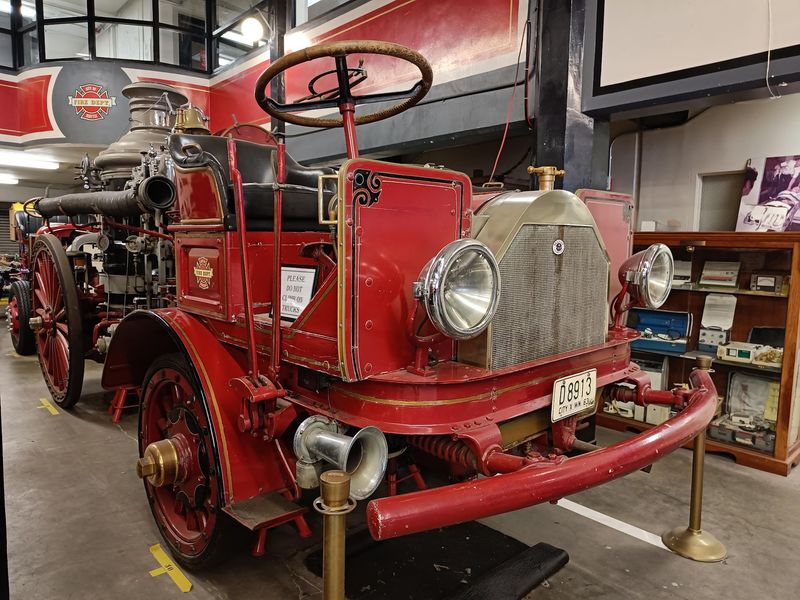
Polished brass, bright red paint, and wooden wheels from the late 1800s wait behind an ordinary doorway in one of Washington’s oldest city neighborhoods. Most people stroll right past it without a second glance.
Step inside, though, and you meet a room full of fire engines that once raced through the streets. It costs nothing to visit, and it may become the most memorable free hour of your Washington weekend.
A Firehouse Treasure in Pioneer Square
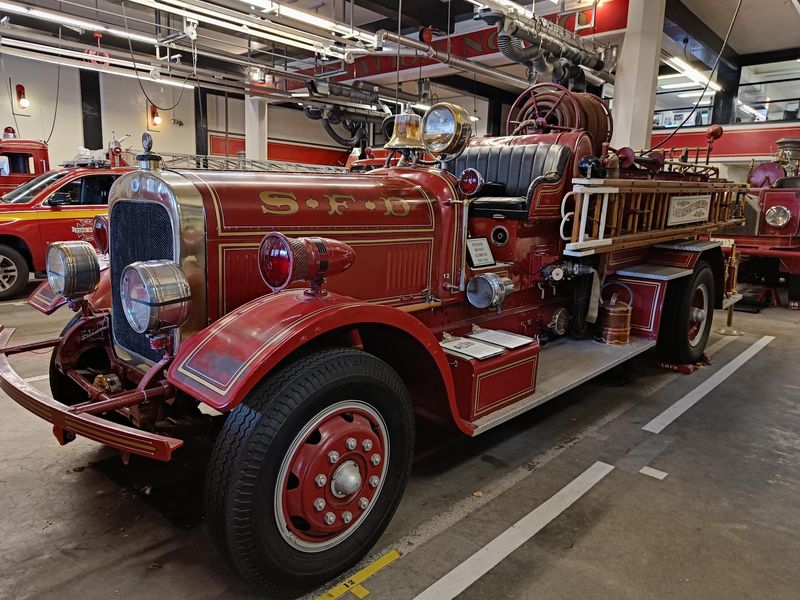
Right at 301 2nd Ave S, in the historic heart of Seattle’s Pioneer Square, sits a small museum with a big personality. The Last Resort Fire Department Museum is a showcase of vintage fire engines and firefighting gear from days long past.
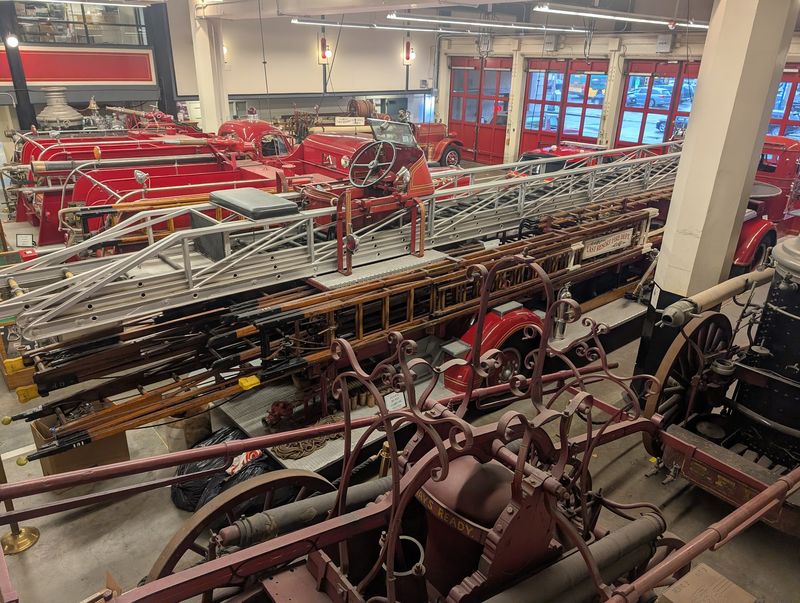
Think of it as a time capsule on wheels. Instead of glass cases full of tiny objects, you get full-size engines parked right in front of you, plus artifacts scattered throughout the room.
The collection reaches back to the late 1800s, which means some of these machines rolled through Seattle when horses and hand pumps were still part of the job.
The building itself has a firefighting connection too. The space is owned by the Seattle Fire Department, and much of the equipment on display is believed to belong to the department as well.
That link gives the whole place an authentic, lived-in feel.
Small museums can sometimes feel like an afterthought. Here, the compact size works in your favor, since you can actually take your time with each engine.
For anyone who loves classic Americana, local history, or just shiny red trucks, this little stop packs a surprising punch.
Echoes of the Great Seattle Fire
Back in 1889, a fire swept through downtown Seattle and changed the city forever. Much of the old wooden business district was lost, and the neighborhood you now call Pioneer Square was rebuilt with brick and stone.
Standing inside this museum, you are only steps from where that story unfolded.
Visitors over the years have praised the way the exhibit connects old equipment to the history of the Great Seattle Fire. That context makes the engines feel less like antiques and more like characters in the city’s biggest comeback story.
Why does it matter today? Every modern fire station in Washington owes something to the lessons learned during that era.
Seeing the tools firefighters used back then helps you appreciate how far safety and technology have come.
Kids especially tend to connect with history when they can see it up close. Pointing at a real engine and explaining that it once helped protect Seattle is far more exciting than reading a paragraph in a textbook.
Even adults who think they know the city well often leave with a fresh appreciation for those early firefighters and the town they helped rebuild after the flames.
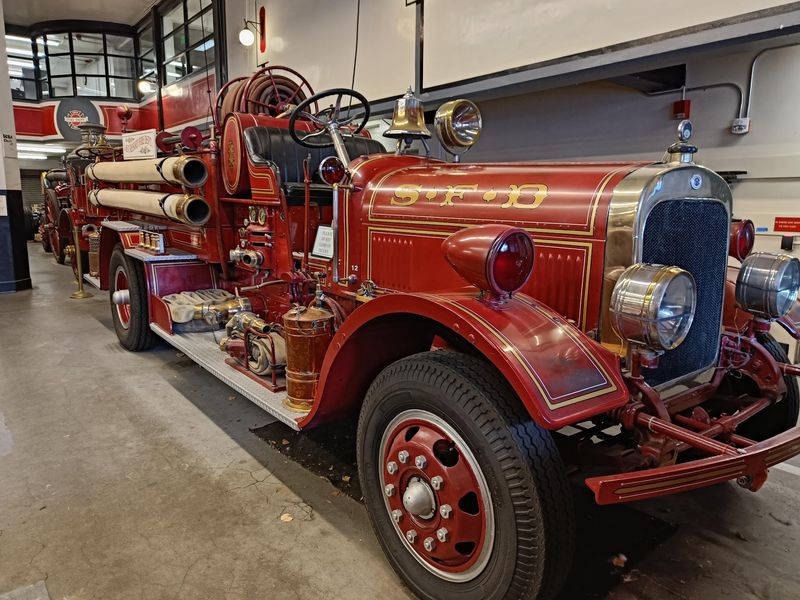
Gleaming Engines From the Late 1800s
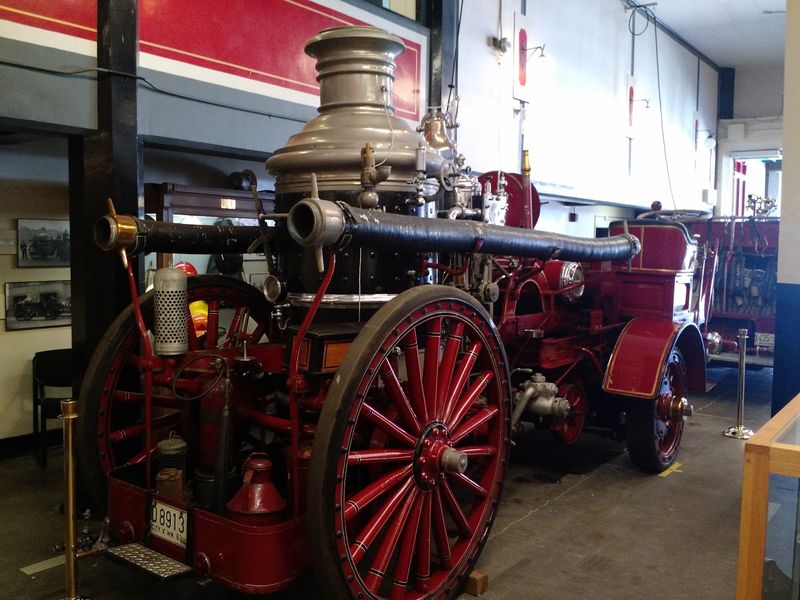
Brass that shines like a mirror. Spoked wheels taller than a second grader.
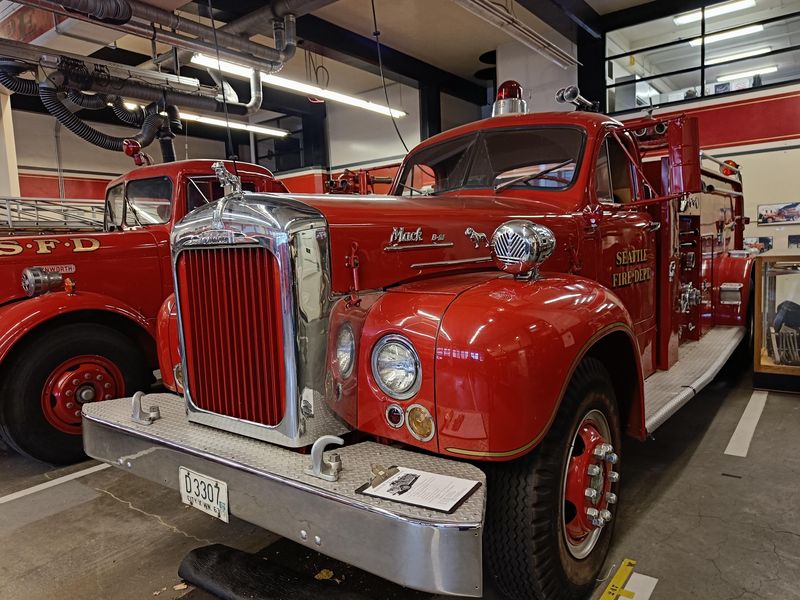
Deep red paint that looks freshly polished. The engines are the true stars here, and they deserve every bit of attention.
Visitors consistently mention how well maintained the collection is. These are not dusty relics shoved into a corner.
Each machine looks cared for, which speaks to the dedication of the people who keep the museum running.
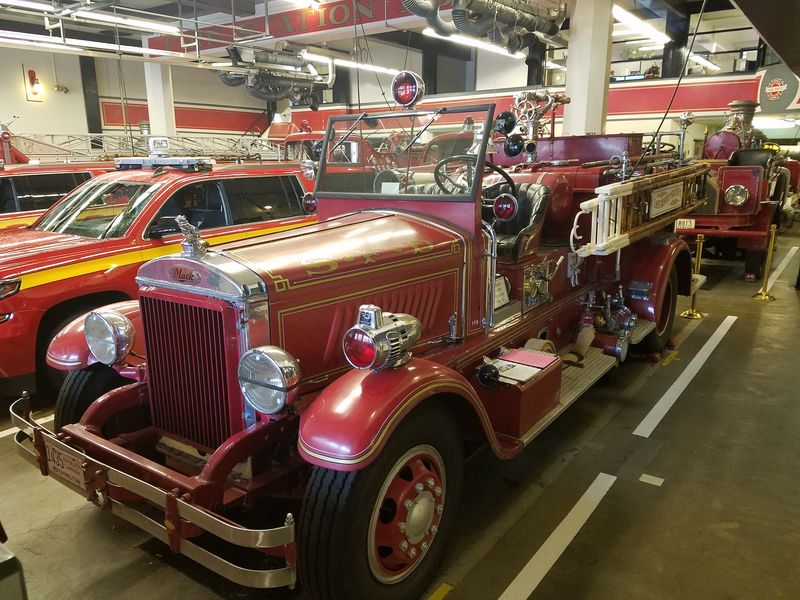
The lineup includes vintage firetrucks stretching back to the late 1800s, so you can trace how firefighting machines changed over time. Older pieces show off the craftsmanship of an era before motors took over, while later ones hint at the modern trucks you see racing down Seattle streets today.
Take a slow lap around each engine. Look at the hoses, the ladders, the hand-tooled details, and the little touches that show how people solved problems with simple tools.
You might notice something new on a second pass, like a lantern hook or a carefully painted emblem.
Photographers will love the colors and textures, too. Rich reds and warm metals make for eye-catching pictures, even on a gray Washington afternoon.
Artifacts, Info Sheets, and Friendly Volunteers
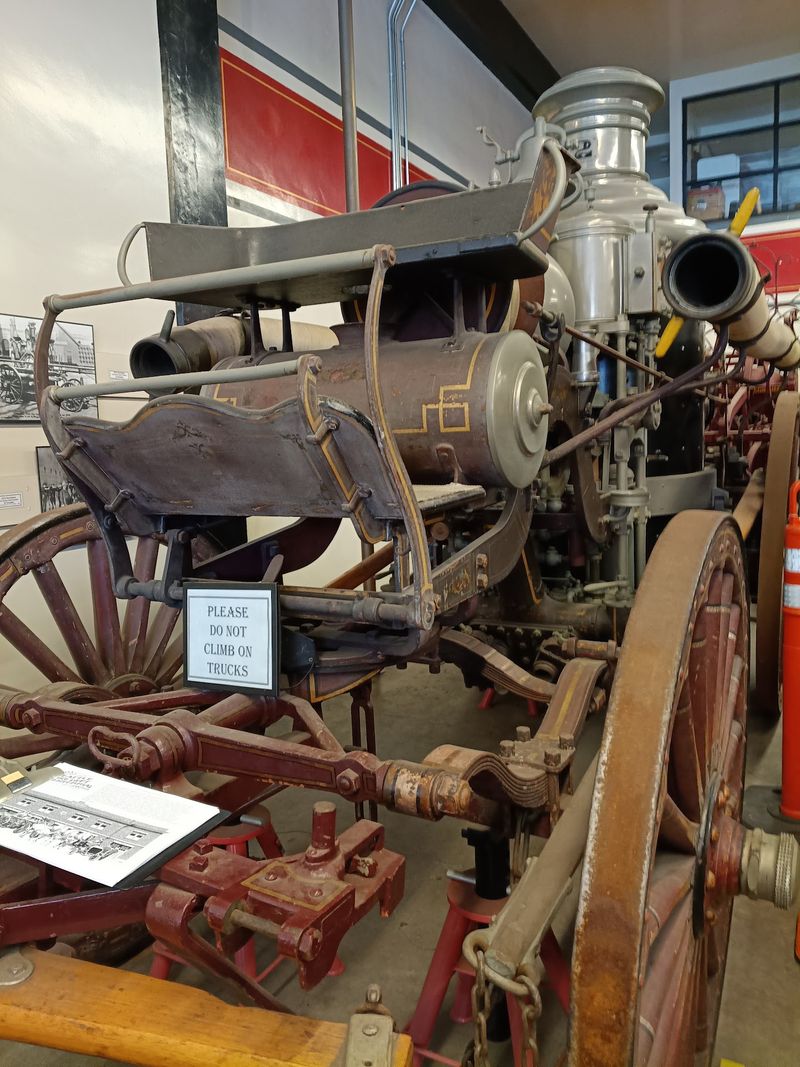
Curious about who built a certain engine or where it served? You won’t have to guess.
Information sheets are placed beside each engine, so you can learn the history of every machine as you go.
Around the room, you’ll also find a mix of old firefighting equipment and artifacts. Helmets, tools, and other gear help fill in the picture of what daily life looked like for firefighters generations ago.
It’s the kind of space where your eyes keep wandering to one more interesting object.
Then there are the people. Visitors often describe the staff as warm, welcoming, and genuinely passionate about the museum.
They are known for being happy to answer questions, whether you’re asking about engine mechanics or Seattle’s past.
That personal touch makes a real difference. A short chat can turn a quick look into a much richer visit, especially if you bring kids who are full of questions.
Don’t be shy about asking for a favorite story or the most unusual piece in the room.
Fun tip: the museum has been known to sell firemen hats for kids, a sweet little keepsake for young visitors.
Small Space, Big Smiles for Families
Ask almost any child what they want to be when they grow up, and firefighter will show up on plenty of lists. That’s exactly why families find so much joy here.
The museum is small, and that’s actually a gift for parents. Little legs won’t get tired, attention spans won’t run out, and you can see everything without rushing.
Families have shared that their children loved the experience, and it’s easy to see why.
One fun idea is to make your visit a rainy-day plan. Seattle has no shortage of drizzly afternoons, and this cozy indoor stop is a cheerful way to spend one.
Visitors have pointed out that it makes a good outing for kids on a wet Thursday.
Adults are not left out, either. History buffs, classic car fans, and anyone with a soft spot for old-fashioned craftsmanship will find plenty to admire.
Grandparents might even recognize some details from stories they heard growing up.
Overall, the mood is charming and relaxed rather than formal. There’s no pressure to whisper or tiptoe.
Just wander, point, ask questions, and enjoy the nostalgic glow of those classic engines together.
Thursday-Only Hours and a Free Front Door
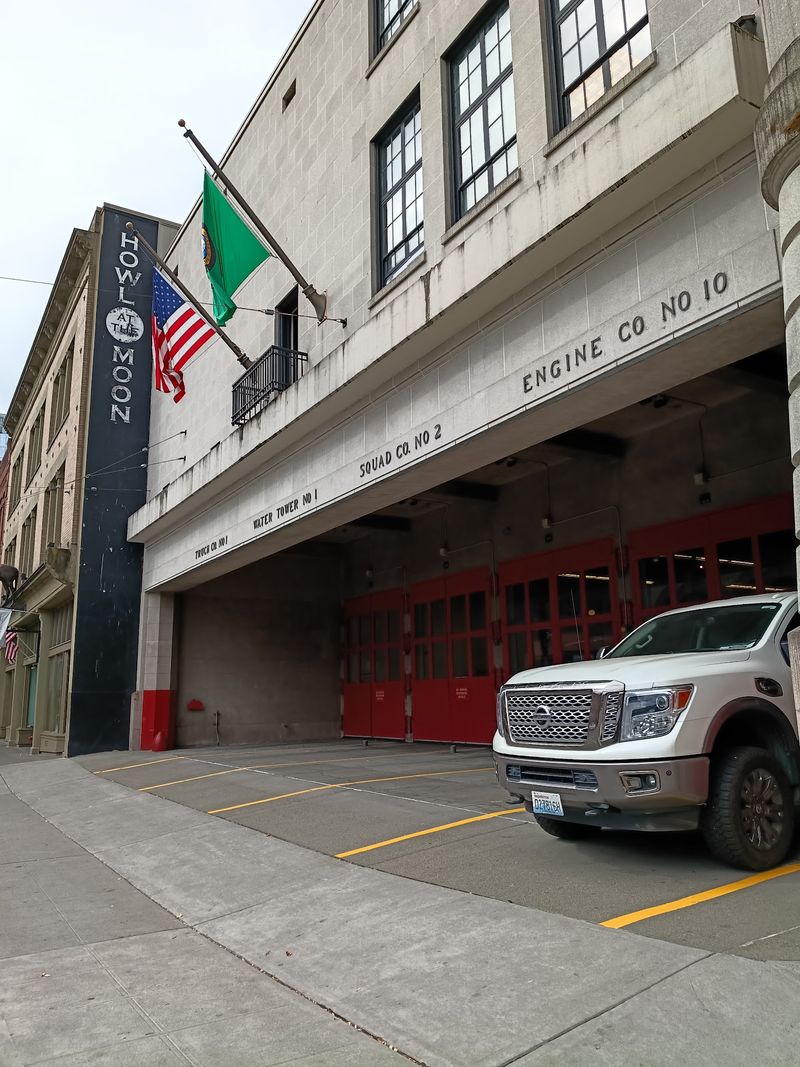
Here’s the most important detail for planning: the museum opens just one day a week. Doors are open on Thursdays from 11 AM to 3 PM, and it’s closed every other day.
That short window makes timing essential. Visitors strongly recommend double-checking before you head out, because limited hours can change.
In the past, families have arrived only to find the museum closed for an extended period, so a quick confirmation call or check can save you a wasted trip.
Now for the happy news. Admission is free, which makes this one of the most wallet-friendly outings in downtown Seattle.
For retirees watching a budget or families stretching weekend dollars, that’s a real win.
Since it costs nothing to enter, consider leaving a small donation or picking up a kids’ fire hat if they’re available. Visitors have noted that this free museum could use community support, and every bit may help keep these engines shining for future generations.
Plan around a weekday Thursday off, a school break, or a retirement morning. A four-hour window is plenty of time for an unhurried visit followed by lunch nearby.
Pairing a Visit With Klondike Gold Rush History
Two history stops, one easy stroll. The museum sits very close to the Klondike Gold Rush National Historical Park site in the Cadillac Hotel, so combining them is simple.
Visitors have mentioned how convenient it is to see both in a single outing. Start with the fire engines, then walk over to learn about the gold rush era that brought crowds of hopeful prospectors through Seattle.
Together, they paint a vivid picture of the city in its scrappy early years.
Getting around Pioneer Square on foot is part of the fun. The neighborhood is full of handsome brick buildings, many rebuilt after the Great Seattle Fire, so you’ll be walking through the very story you just learned about.
For travelers coming from elsewhere in Washington, a downtown Thursday could easily become a full day trip. Pack comfortable shoes, an umbrella just in case, and maybe a snack for the kids.
Building a mini history tour like this keeps costs low and memories high. It’s an approachable way to explore Seattle’s roots without a pricey ticket, and it may spark a lasting interest in local history for the youngest members of your crew.
Worth a Thursday Detour
Small, sincere, and full of heart, the Last Resort Fire Department Museum is the kind of place that rewards a little extra planning. Its one-day schedule asks something of you, but the payoff is a genuinely charming slice of Seattle history.
So who will love it most? Families with young firefighter fans, retirees seeking low-cost outings, and anyone drawn to classic Americana.
The free admission, well-kept engines, and kind volunteers create an experience that feels personal rather than commercial.
Keep expectations realistic. This is a compact museum, not an all-day attraction.
That’s part of its appeal, though. You can enjoy it fully in a relaxed visit, then explore the rest of Pioneer Square or pair it with the nearby gold rush site.
Remember to confirm the hours before you go, since Thursdays from 11 AM to 3 PM is a narrow window and things can change. A quick check helps avoid disappointment.
When the conditions line up, though, it’s a delightful find. Shiny brass, stories of the Great Seattle Fire, and a gift-shop hat for the kids might just make it a favorite Washington memory.