
This Reconstructed Illinois Fort Brings 1700s French Frontier Life Back
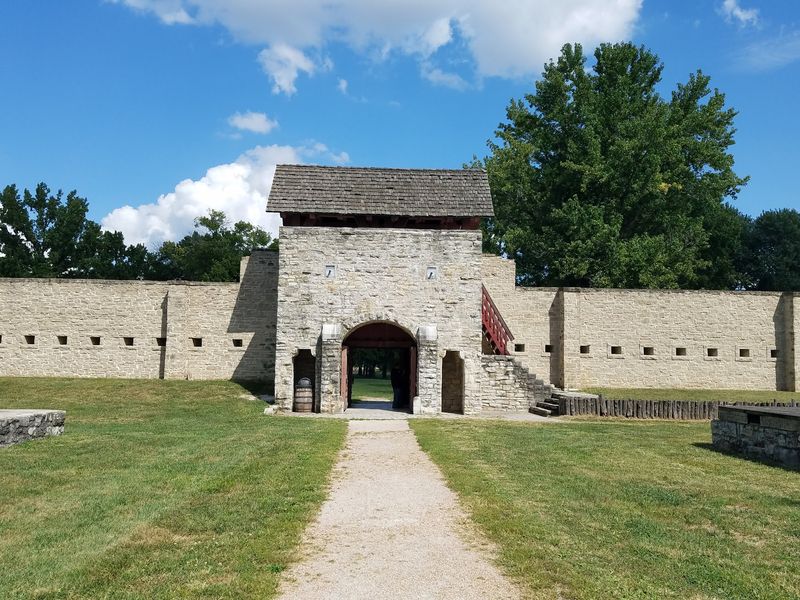
Limestone walls rising out of a quiet cornfield pasture are not what most people expect to find in southern Illinois. Yet one of the oldest stories in the state still stands there, rebuilt stone by stone, where French soldiers once kept watch over a huge stretch of the frontier.
Kids can climb the towers, grandparents can wander the museum, and the whole family can walk through the gate without paying a cent. It is the kind of humble day trip that quietly becomes a favorite memory.
A Stone Fortress In The American Bottom
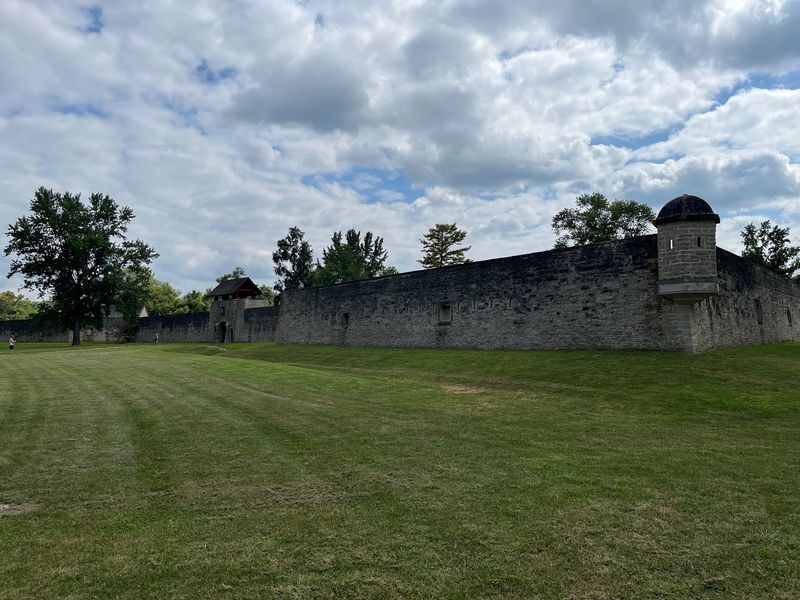
Four miles west of the little village of Prairie du Rocher, in Randolph County, a long gray wall appears across the flat farmland. That wall belongs to Fort de Chartres State Historic Site, a partially reconstructed French fort sitting in the American Bottom floodplain south of St. Louis.
The address is 1350 State Route 155, and the drive there feels wonderfully rural. Fields stretch out in every direction, and the Mississippi River has carved a wide path through the landscape over thousands of years.
Standing near the walls, you can almost feel how far from everything this outpost once was.
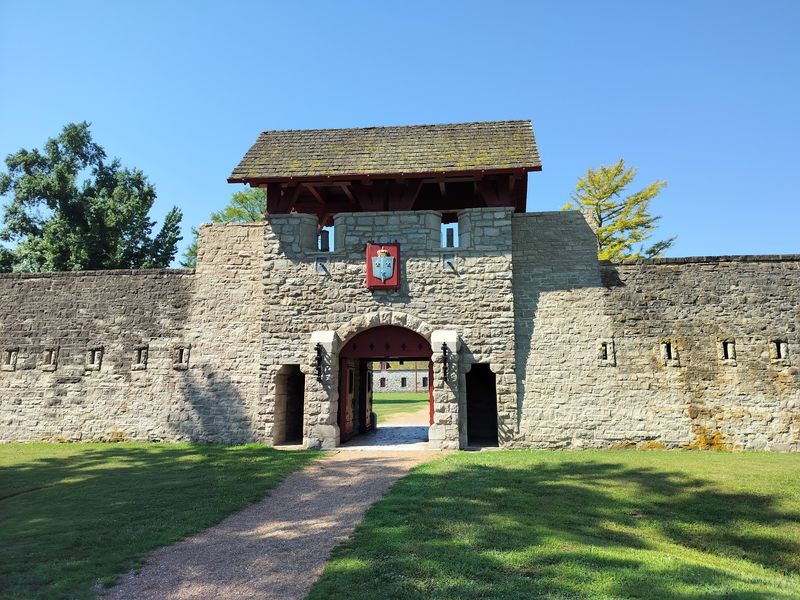
What waits inside is a mix of rebuilt stone buildings, a working gatehouse, guard towers, and exposed foundations that show where other structures once stood. There is also a small museum packed with artifacts and stories about French life on the frontier.
Best of all, admission is free. Donations are suggested, but nobody is checking wallets at the gate.
For Illinois families hunting for an outing that costs little more than a tank of gas, this spot checks every box while delivering a surprising amount of history in one peaceful, easy-to-walk package.
Four Forts And One Frontier Capital
Believe it or not, the fort you visit today is actually the fourth one to carry the name de Chartres. The first versions were wooden, built as early as 1720, and the river floods and damp soil kept wearing them down.
By the 1750s, the French decided to build something that would last. They raised a massive stone fortress, and from 1753 until 1765 it served as the administrative center and main military post for French Upper Louisiana, a region also called the Illinois Country.
In other words, this quiet pasture was once a frontier capital.
Only a few hundred troops were stationed here at a time, which makes the size of the walls even more impressive. Imagine keeping order over such a vast territory from one stone outpost surrounded by prairie and river bottoms.
After the French era ended, the fort slowly fell into ruin. The State of Illinois bought the remains in 1913, and the gateway and two stone buildings were rebuilt in the late 1920s and 1930s.
More work, including portions of the walls, began in 1989. Every rebuilt piece helps visitors understand a chapter of Illinois history that many people never learned about in school.
The Oldest Building In Illinois
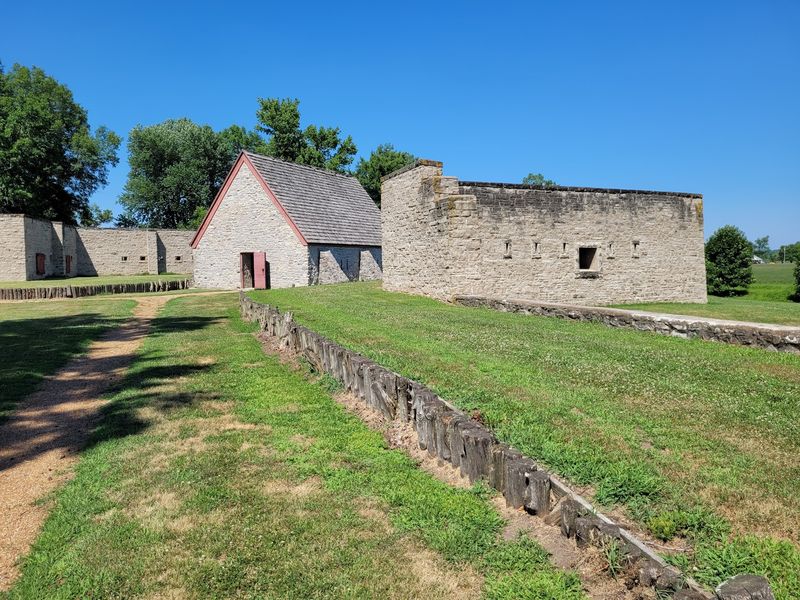
Squat, sturdy, and a little mysterious, the stone powder magazine might not look like a celebrity. Still, it holds a title few buildings anywhere can claim, since it is widely believed to be the oldest existing building in Illinois.
Soldiers used the magazine to store black powder safely, so its thick stone walls were built to protect what was inside. That careful design is exactly why it survived long after the rest of the fort crumbled.
Today it has been restored, and stepping near it feels like touching the 1700s directly.
Kids usually find it fascinating once they realize how old it really is. Try asking them to guess the age before telling them, and watch their faces when the answer lands.
It is a fun little moment that turns a plain stone structure into a family story.
Around the magazine, the ghosted buildings add another layer of interest. Some foundations are outlined in wood frames, showing the size and shape of vanished structures.
Together they make the grounds feel like an open-air classroom, where 18th-century building methods are right there to see, walk around, and even trace with your fingers.
Chapel Rooms, Bake Ovens, And Kitchen Gardens
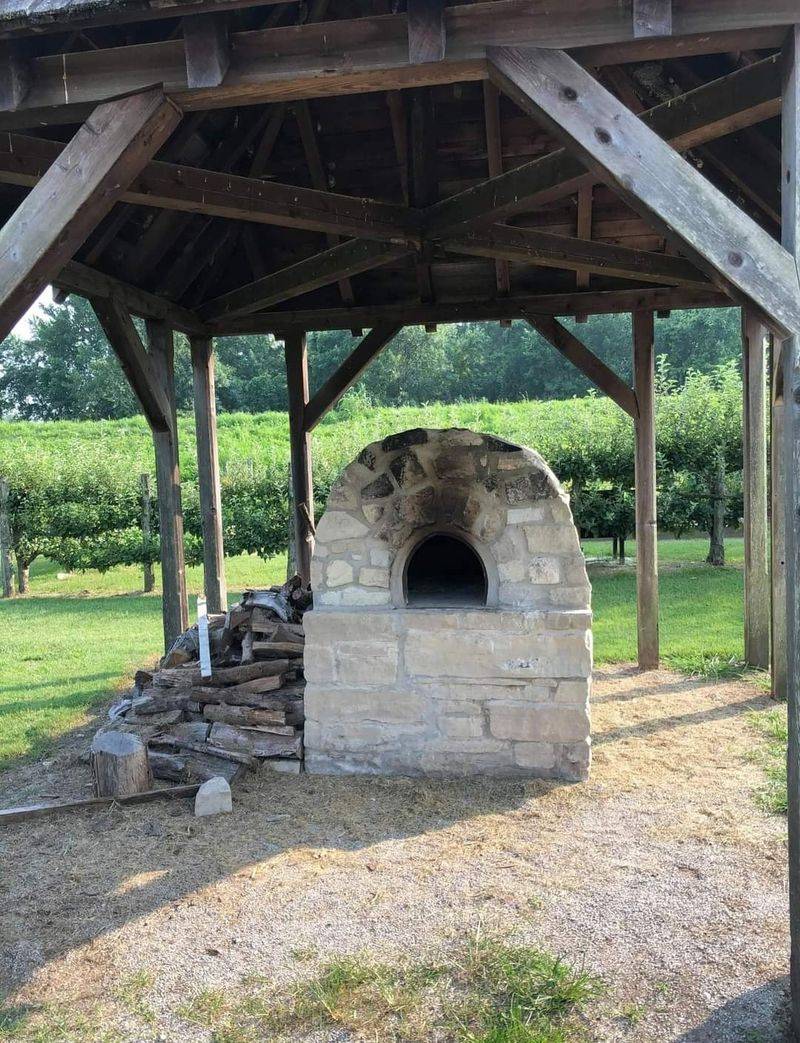
Walk into the reconstructed Guards House and you step straight into the 1750s. Inside are a small Catholic chapel, a priest’s room, a gunner’s room, an officer-of-the-day room, and a guard’s room, all furnished to match the period.
Outside, daily life gets even more hands-on. An operating bake oven shows how bread was made on the frontier, and a garden shed uses traditional French Colonial post-on-sill construction.
Nearby, a kitchen garden grows the kinds of produce that French families in Illinois would have tended.
Families often mention a pleasant surprise near the garden area, where a pen of live chickens adds a bit of barnyard charm. Young visitors tend to linger there longer than anywhere else, which is perfectly fine.
The museum and office building sits on the foundation of an original fort structure. Its exhibits walk through French life during the fort’s active years, and many artifacts on display were uncovered during reconstruction.
It is small, but it is thoughtfully done and full of detail. A trading post in a reproduced stone building also sells souvenirs, snacks, and reproductions of items that would have been found in 18th-century Illinois.
Rendezvous Weekend And Costumed Storytellers
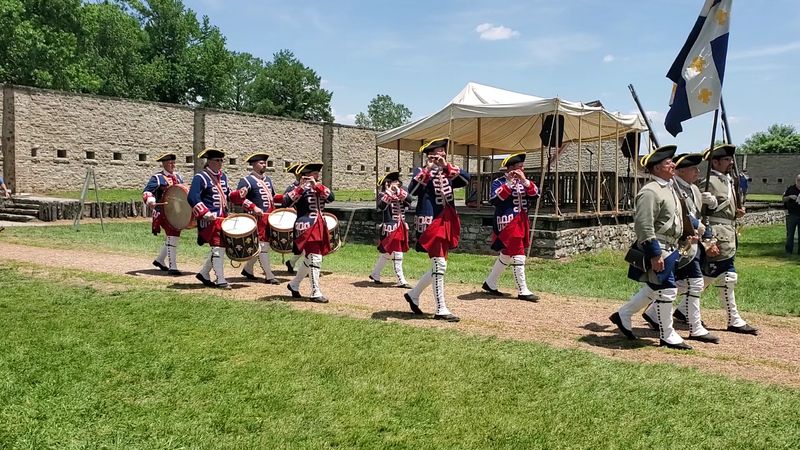
Drums, cannon fire, and fiddle music fill the air on the first weekend of June. That is when the annual Rendezvous takes over the grounds, and it ranks among the largest and oldest gatherings of its kind in the Midwest.
For two days, 18th-century military units, craftspeople, musicians, and dancers bring French and Native American frontier culture to life. Visitors can watch black powder shooting events and cannon firings, try tomahawk throwing, and shop for handmade crafts.
Nearly everyone dresses in period clothing, which makes the whole scene feel like a time machine.
Guests regularly come away saying the event was far bigger and richer than they expected. Parking usually runs about $10 per vehicle, still a bargain for a full day of living history.
Other events fill the calendar too, including a Colonial Trade Faire, Kids’ Day, the French and Indian War Assemblage, French Colonial Crafts and Trades, and a Winter Rendezvous. On regular weekends, costumed interpreters often share stories about everyday life inside the fort.
Listening to them explain chores, meals, and duties turns the stone buildings into real homes, and that personal touch is what many visitors remember most.
Quiet Pasture Calm For Every Age
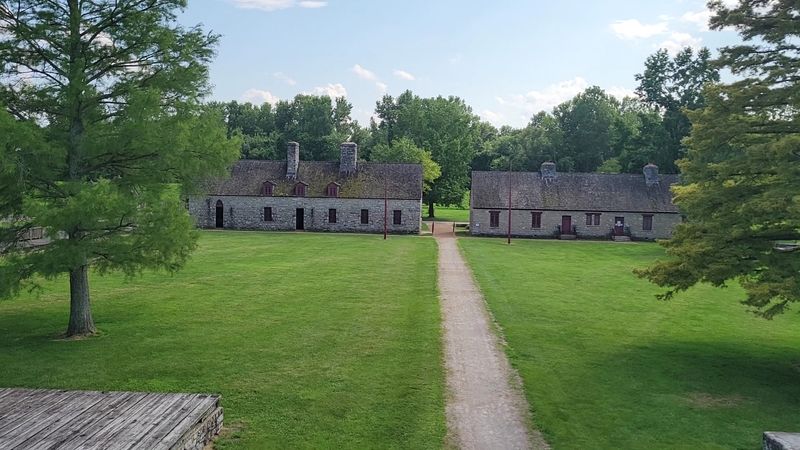
Silence might be the most underrated feature here. On an ordinary weekday, you may share the whole fort with only a handful of people, and the peaceful pasture setting feels almost made for slow wandering.
Grandkids get to climb the guard towers and scramble around the walls, burning off energy while soaking up history without noticing. Adults enjoy the easy walking on level ground and the chance to read, look, and imagine at their own pace.
The tour is self-guided, so nobody feels rushed.
History fans, especially those who love colonial or military stories, find plenty to appreciate. Casual visitors like it too, because the grounds are beautifully maintained and the scenery is lovely on the drive in and once you arrive.
Families with little ones will appreciate a playground for children, modern restrooms, and a pet-friendly policy that lets the dog tag along. Shaded picnic tables near the parking areas make lunch easy.
Since restaurants are a bit of a drive away, packing a basket is a smart move, and it turns a quick history stop into a lazy afternoon under the trees. Many people leave already planning a return trip.
Hours, Donations, And The Scenic Drive
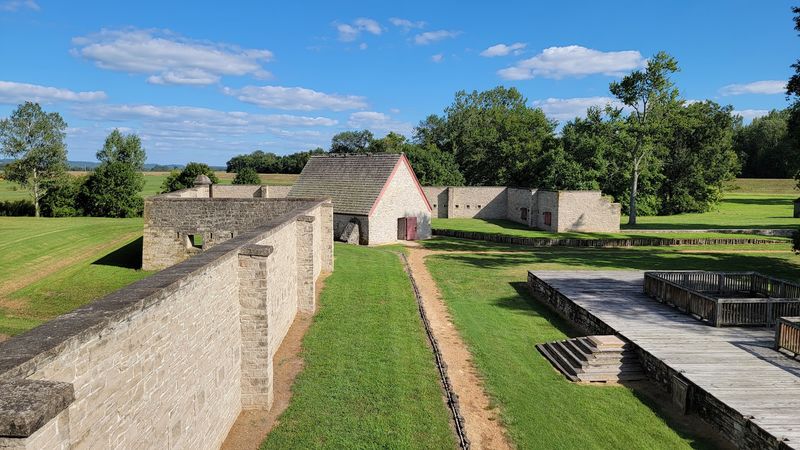
Good news for budget planners: getting in costs nothing. Donations are suggested at $4 for adults, $2 for children, or $10 for a family, and they help keep the site running.
The grounds are open daily from sunrise to sunset. The museum and display buildings typically open Tuesday through Sunday from 9 AM to around 4 PM or 4:30 PM, depending on staff availability, and they close on Mondays and state holidays.
Calling ahead before a long drive is wise, especially if you hope to meet interpreters.
Most visitors spend an hour or two exploring, though picnics and events can stretch that into a full day. The site is roughly an hour from St. Louis, and the country roads through Randolph County make for a pretty trip.
For a fun twist, some travelers arrive by the Modoc ferry, which carries cars across the Mississippi from Ste. Genevieve, Missouri, toward Prairie du Rocher.
Summer can get hot, and there is limited shade inside the walls with no air conditioning in the buildings. Bring water, hats, and sunscreen, or aim for spring and fall when the weather feels friendlier and seasonal gatherings often bring reenactors.
Why This Free Fort Deserves A Spot On Your List
Honestly, it is hard to find a better deal anywhere in Illinois. For the price of a few snacks and a tank of gas, families get towers to climb, a museum full of artifacts, the state’s oldest building, and a peaceful setting that feels miles from modern life.
Signage can be a bit limited in spots, and guides are not always around, so doing a little reading beforehand pays off. Timing a visit with a weekend event or the June Rendezvous adds color, music, and storytellers that make the past pop.
Still, even a quiet weekday visit has its charm. Wandering the grounds alone, hearing only the wind across the pasture, has a way of making history feel personal.
It is the sort of overlooked spot that locals love to recommend and visitors wish they had discovered sooner.
Pack a picnic, gather the kids or grandkids, and point the car toward Prairie du Rocher. Whether you come for the cannon firings or simply for fresh air and a good story, this rebuilt French outpost offers a small adventure with a big payoff.
Chances are, someone in your crew will be talking about it long after the drive home.