
Walking Into The Heard Museum In Arizona Feels Like Stepping Through Centuries Of Living Culture
Four hundred and thirty-seven Hopi katsina dolls, gifted by one Arizona senator, wait inside a single museum in the middle of a busy desert city. That fact alone surprised me, but it turned out to be the smallest part of the story.
Arizona holds a place where 1,700 years of Native art, voices, and traditions feel present instead of locked behind glass. It is a calm, cool, and deeply moving stop that rewards anyone willing to slow down and listen.
A Phoenix Landmark on Central Avenue
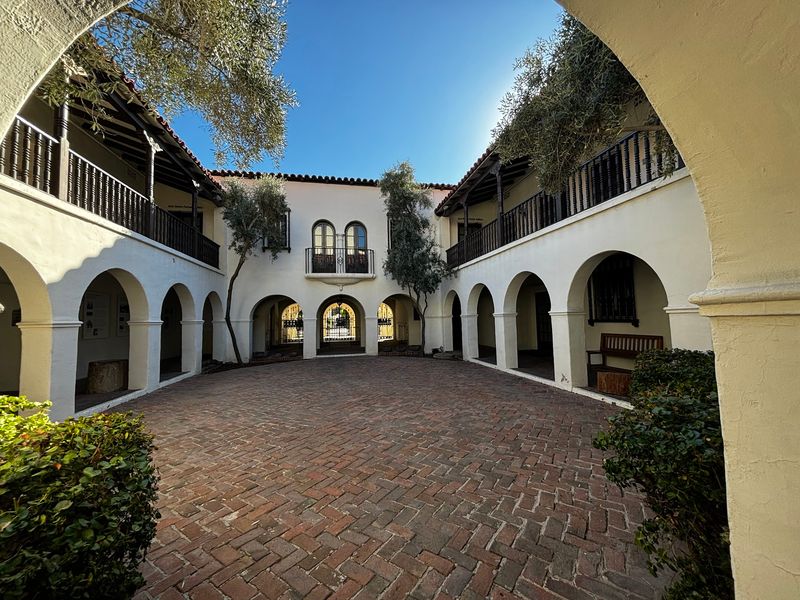
Right along Central Avenue in midtown Phoenix, a stucco building with arched doorways quietly holds one of the most respected collections of American Indian art anywhere. The Heard Museum sits at 2301 N Central Ave, close enough to downtown that light rail riders and neighbors can drop in with ease.
Calling it an art museum is accurate, yet a little too small. The museum is the largest private institution dedicated to the American Indian experience, with a special focus on the tribes and cultures of the Southwest.
Its galleries cover painting, pottery, jewelry, weaving, sculpture, and fashion, plus powerful history exhibits that go well beyond pretty objects.
Many visitors describe it as a gem hiding in plain sight in the middle of the city. Locals who live nearby notice how often the grounds buzz with events, while out-of-state travelers often call it the highlight of their Arizona trip.
What makes it feel different from a standard museum is perspective. Stories here are told from a first-person point of view, meaning Native people speak about their own history, homes, and art.
That choice shapes everything you see, and it sets the tone for the whole visit ahead.
Founding Story of Dwight and Maie Heard
Back in 1929, Phoenix was a much smaller desert town, and a couple named Dwight B. and Maie Bartlett Heard decided their growing collection deserved a public home. They opened the museum that still carries their name, and nearly a century later it has grown into an international treasure.
Their original idea was simple but forward-looking. They wanted people to understand the arts, heritage, and life-ways of Indigenous peoples across the Americas.
Over the decades, that goal sharpened into a mission focused on connecting the world with the voices and visions of American Indian artists themselves.
Fun fact for history lovers: the collection has swelled to more than 40,000 objects. Those pieces span from around 300 A.D. right up to work made in the present day, which explains why walking the halls can feel like moving through centuries in a single afternoon.
Some visitors compare the Heard to the Smithsonian’s National Museum of the American Indian and rank it at the very top for Southwestern Native cultures. Not bad for a project that began with one Phoenix family and a big dream.
The founders’ spirit of sharing still feels alive in every room.
Bennie Gonzales Architecture and Spanish Colonial Charm
Look up before you look at the art. Barrel ceilings lined with wooden vigas stretch overhead, and the floors combine solid wood with inlaid Saltillo tile that feels cool underfoot on a hot Arizona day.
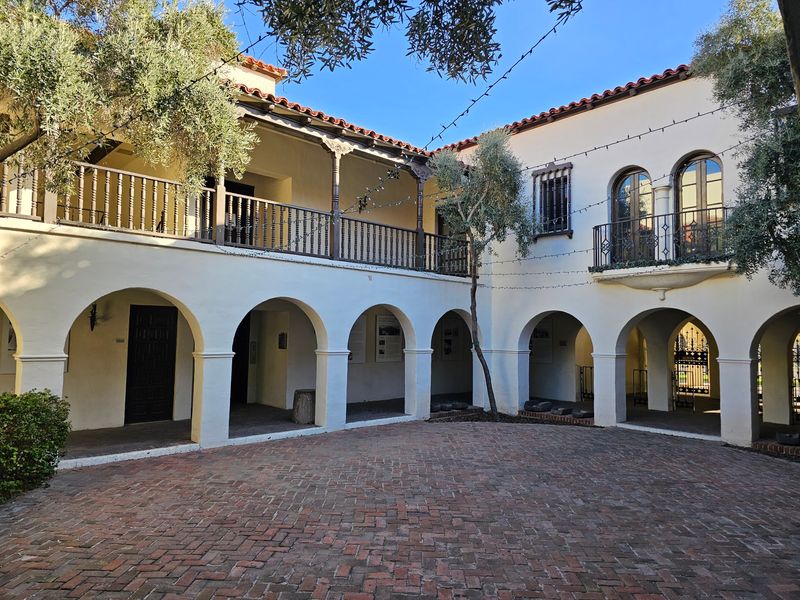
Portions of the campus were designed by acclaimed Southwest architect Bennie Gonzales. His style blends Native architectural elements with Mediterranean influences, so the buildings feel rooted in the desert while also carrying a Spanish Colonial warmth.
Hand-carved woodwork appears in doorways and details, honoring traditional craftsmanship at every turn.
Visitors regularly mention that the building alone feels special from the moment they step inside. The color palette, the materials, and the flow between spaces seem carefully considered, and many people describe a sense of calm settling in as they wander.
The campus covers eight acres, designed to complement its desert surroundings rather than fight them. Galleries open onto patios, paths lead toward gardens, and shaded walkways make moving between buildings pleasant even in warm months.
Folks who grew up in Arizona and moved away often say the architecture feels grounding, like a welcome home. Give yourself a few extra minutes to simply notice the space.
It is part of the experience, not just a container for it.
Twelve Galleries Spanning 1,700 Years
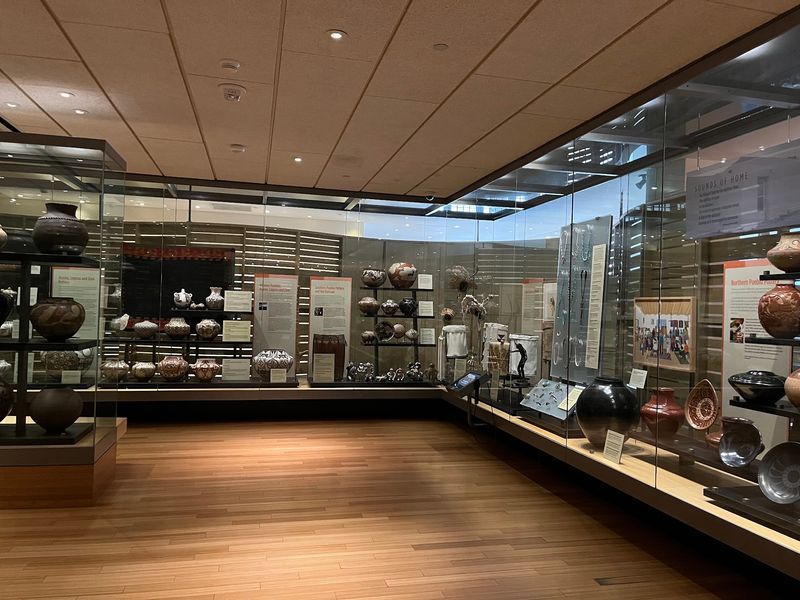
Seventeen centuries. That is the timeline packed into twelve galleries, starting around 300 A.D. and running straight into the present.
Few places in Arizona let you trace that much creative history in one walk.
Collections include Southwestern ceramics from prehistory to today, Navajo textiles with bold patterns, and baskets gathered from many different regions. Navajo and Zuni jewelry glows under the lights, with turquoise and silver pieces that make even casual visitors lean in closer to the glass.
One thing that stands out is how old and new sit side by side. Weaving, pottery, and silversmithing displays include modern pieces along with historical ones, showing that these art forms keep evolving instead of stopping in the past.
It is a living tradition, and the galleries make that point clearly.
Expect to spend real time here. Some visitors suggest planning at least four hours if you want to read everything and watch the videos, while others manage a satisfying couple of hours by focusing on favorites.
The layout is easy to navigate and feels well spaced, so you rarely feel crowded. Elevators help with moving between levels.
Pace yourself, take breaks, and let each room settle before rushing to the next.
The Katsina Doll Collection
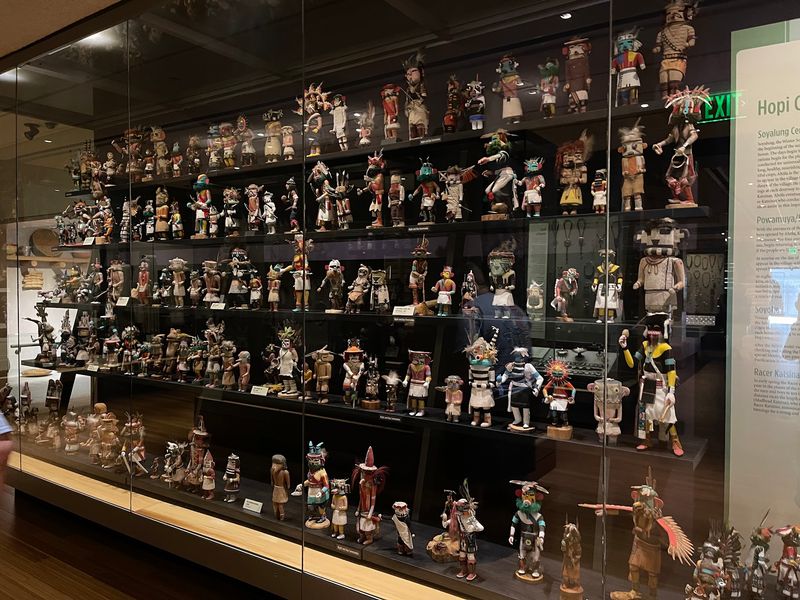
Senator Barry Goldwater once handed over 437 historic Hopi katsina dolls, and that single gift helps make the Heard’s collection one of the most impressive anywhere. Standing in front of them, you start to notice how each carving carries its own personality.
Katsina dolls are carved figures connected to Hopi traditions, and the variety on display is remarkable. Paint, posture, masks, and small details change from figure to figure, so a slow walk past the cases turns into a game of spotting differences.
Kids and grown-ups alike tend to linger longer than planned.
Visitors who know their American Indian museums often single out this collection as incredible. Part of the appeal is scale, since seeing so many together gives a sense of range you simply cannot get from a single piece in a book.
The museum presents these works respectfully, with context that helps explain their cultural meaning without turning them into simple curiosities. If you take a docent tour, ask about the dolls.
Guides often share background that makes the carvings feel even more alive. Afterward, you may find yourself looking at carved wood and painted details in a whole new way around Arizona.
HOME: Native People in the Southwest
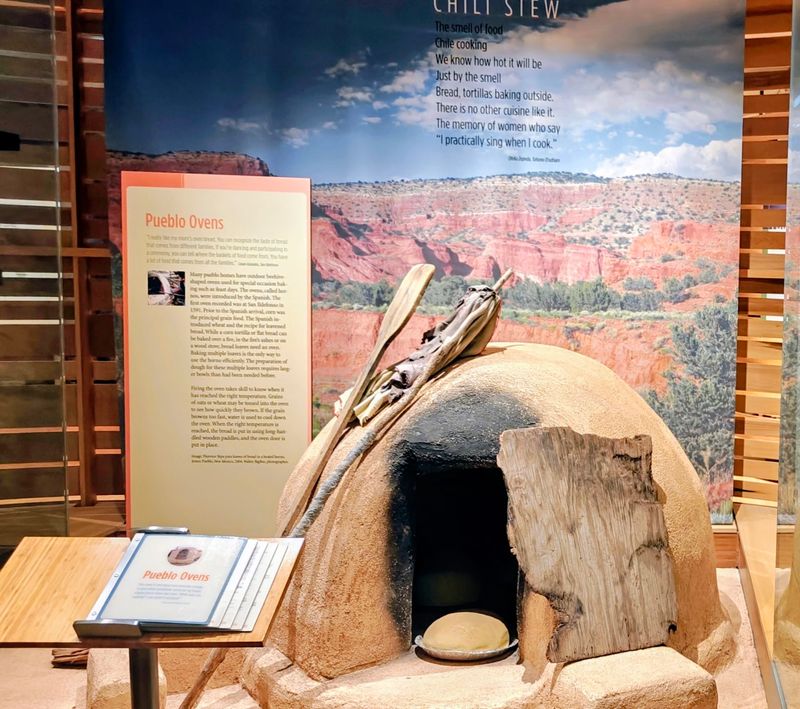
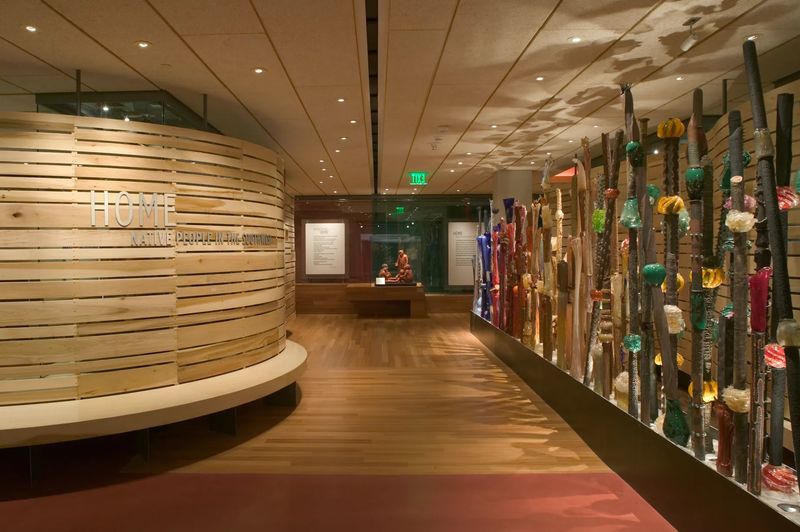
Imagine standing next to a full-sized Navajo hogan, close enough to study how it was built. That moment is part of HOME: Native People in the Southwest, one of the museum’s signature exhibitions and a favorite starting point for many first-timers.
Alongside the hogan, you will find a Pueblo horno, the rounded outdoor oven used for baking. These structures help ground the exhibit in daily life, showing how homes, food, and family tie into culture across the region.
The real heart of the space is voice. Native peoples share their stories in their own words, so you hear about history, land, and tradition directly from the communities connected to them.
It feels personal rather than academic.
Guided tours of HOME get high praise. Visitors describe the spoken format as an easy way to absorb a lot of information without feeling overwhelmed, especially for anyone who prefers listening over reading long panels.
The exhibit also connects nicely to Arizona itself. Many of the cultures represented have deep ties to land you can drive to in a few hours from Phoenix, which makes the stories feel close.
Leave a little time afterward to think it over before heading into the next gallery.
Boarding School Stories That Stay With You
Quiet tends to fall over people as they move through Away From Home: American Indian Boarding School Stories. It is one of the most talked-about exhibits at the Heard, and for good reason.
The exhibit explores the boarding school experiences many Native children faced, beginning in the 19th century. It is a part of American history that a lot of visitors admit they were never taught in school.
Personal stories, photographs, and objects help explain what these children went through and how families and communities carried on.
Many guests describe the experience as emotional, heavy, and necessary all at once. Yet the tone is not designed to overwhelm.
People often say it feels compassionate and focused on understanding, healing, and doing better going forward. The enduring spirit of the children shines through.
Plan for a slower pace in this section. Reading the accounts takes time, and you may want a moment afterward in the courtyard to reflect.
Parents bringing kids might preview the subject beforehand so younger visitors feel prepared. Of everything at the museum, this is the exhibit visitors most often urge others not to miss.
It adds depth to the art you see elsewhere and stays in your thoughts long after leaving.
Contemporary Art, Fashion, and Sculpture Gardens
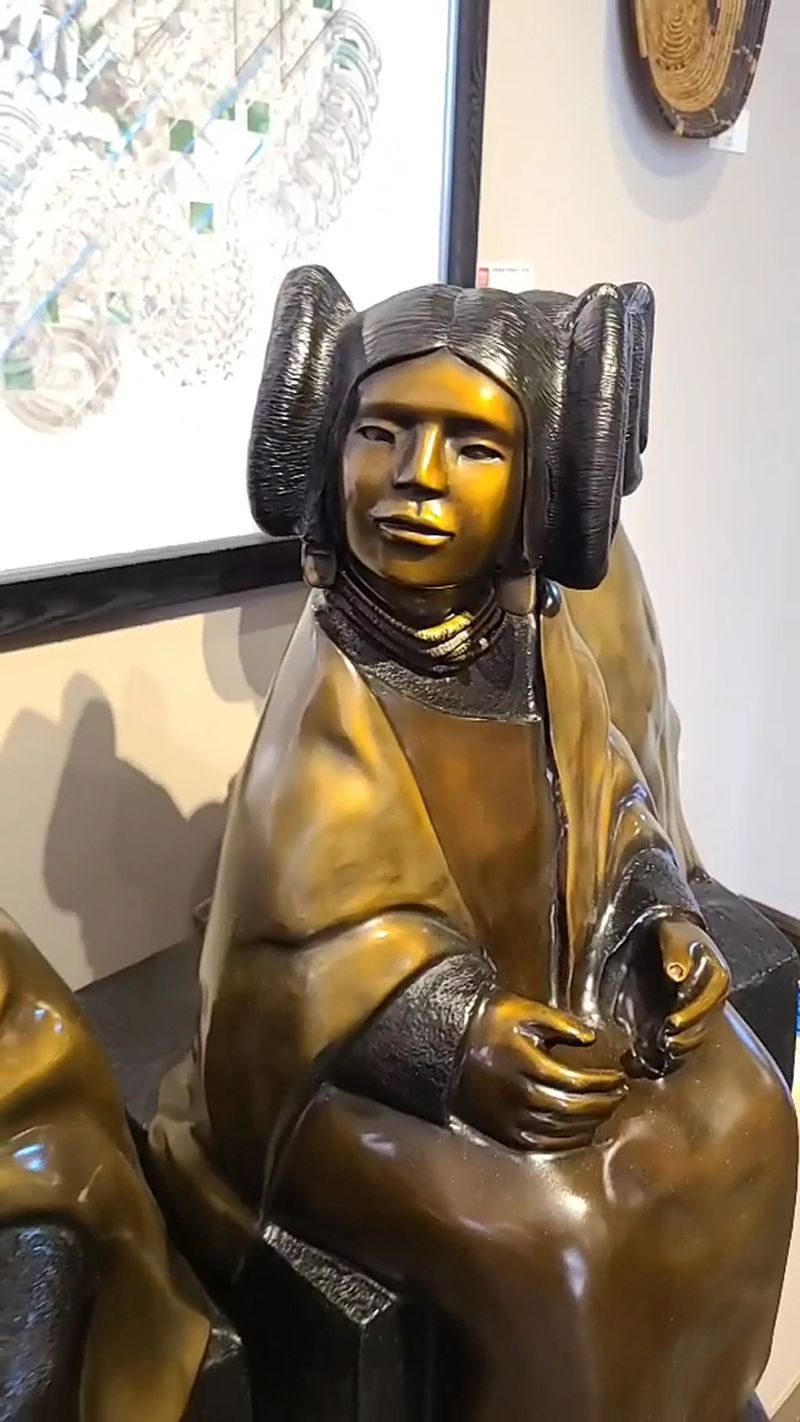
Not everything here is historical, and that surprise delights a lot of guests. Contemporary galleries show how Native artists today push forward with bold ideas, from mixed media to painting to installations.
Exhibitions such as Substance of Stars and Arriving Forever into the Present World honor continuous artistic traditions while feeling fresh and current. The fashion collection is another standout, featuring groundbreaking creations including work by Cherokee designer Lloyd Kiva New.
Seeing clothing as art changes how you think about design and identity.
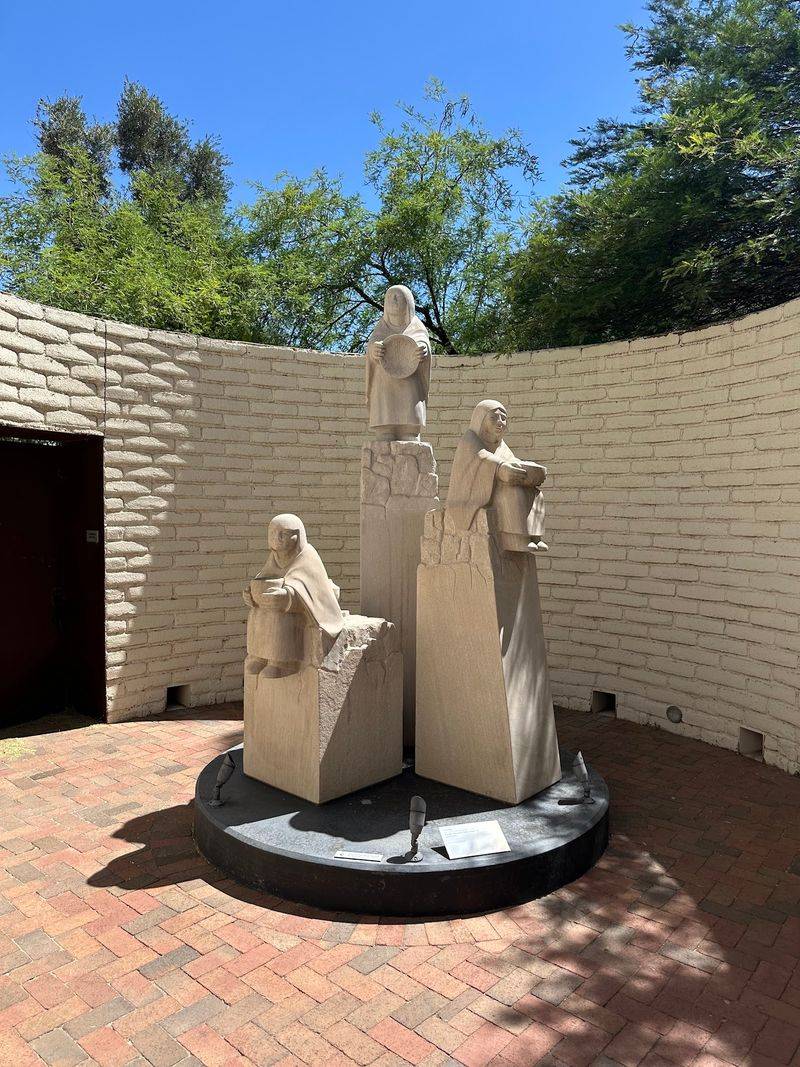
Step outside and the experience continues. An outdoor sculpture gallery and gardens spread across the grounds, letting you enjoy art under the open Arizona sky.
On a sunny cool-season day, strolling among the sculptures feels like a bonus museum all its own.
Visitors mention appreciating how the Heard weaves past and present together rather than treating Native culture as something finished. The contemporary spaces make that message clear.
During hot months, save the outdoor wandering for the morning hours right after the 10 AM opening, when shade and temperatures are friendlier. Keep an eye on the calendar too, since featured exhibitions rotate.
Repeat visitors often find something new each time, which makes this stop worth returning to again and again.
Docent Tours Worth Joining
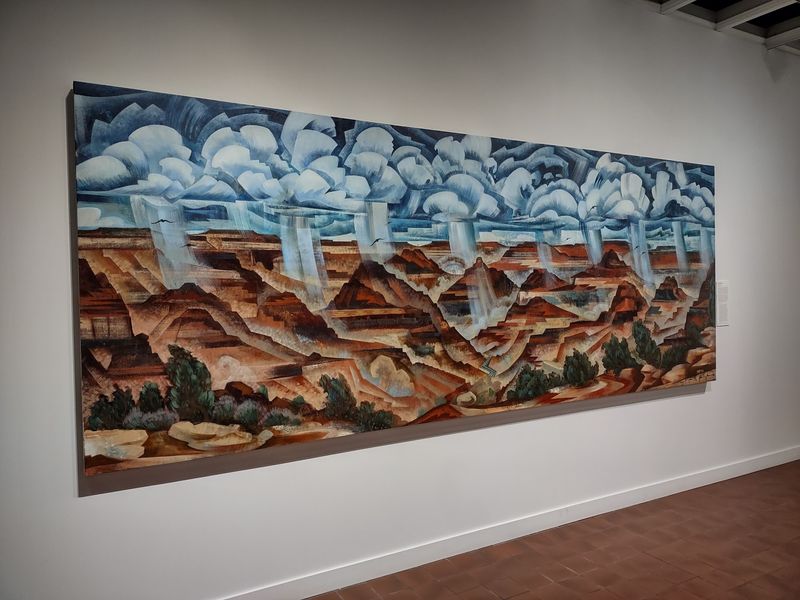
Ever had a guide make history feel like a conversation with a favorite teacher? Plenty of Heard visitors say exactly that about the docents here.
Complimentary public guided tours run daily, led by knowledgeable volunteers who know the collections inside and out. Some guides bring remarkable backgrounds.
One docent, for example, spent his career teaching English at a Native American high school before retiring and leading tours, and guests describe his storytelling as vivid and heartfelt.
Free tours are a real value, especially for budget-minded Arizona day-trippers. You already paid admission, so joining a tour adds rich context without costing extra.
Guests who went self-guided often admit overhearing nearby tours and wishing they had signed up.
Prefer to roam alone? A well-developed app offers in-depth stories and insights about the displayed artworks, letting you set your own pace.
That option works well for families juggling kids and grandparents with different energy levels.
Staff throughout the museum also get frequent praise for being friendly and helpful. Questions are welcome, and answers tend to come with genuine enthusiasm.
Whichever route you choose, a little guidance can turn a pleasant museum visit into a memorable one that sticks with you for years.
Courtyard Calm and the Museum Café
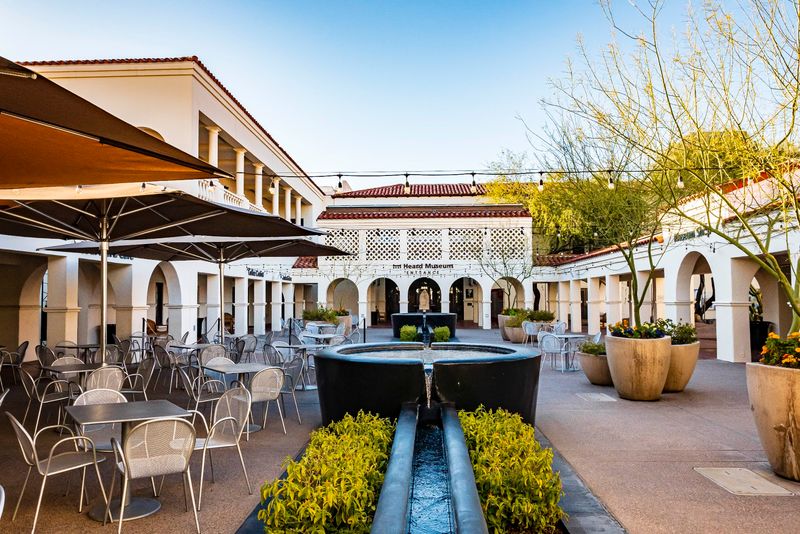
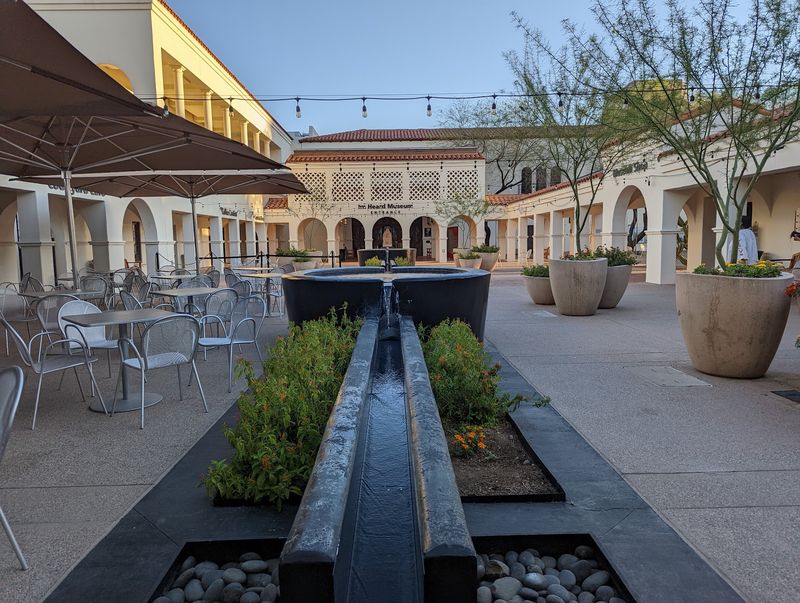
Trickling water, birdsong, and dappled shade greet anyone who wanders into the central courtyard. Many people call it one of the most beautiful spaces in the Phoenix area, and it is easy to see why.
Tables sit beneath leafy trees, making it a perfect pause between galleries. Visitors describe feeling calm and nourished just sitting there with a coffee or a book.
On mild days, it might be the most peaceful spot in central Phoenix.
Hungry? The café serves Southwest and Native-inspired dishes.
Posole is a popular pick, rich and hearty, while a turkey sandwich with a green salad and prickly pear dressing offers something lighter. Wash it down with bright pink prickly pear lemonade, a refreshing local favorite.
A small bakery area adds sweet options, and both indoor and outdoor seating help when legs get tired. Here is a handy tip: the café and shops can be visited without buying a museum ticket, so locals sometimes stop by just for lunch in the courtyard.
Food and drinks are not allowed in the galleries, so plan your snack breaks here. It turns a long museum day into a relaxed, unhurried treat.
Shopping That Supports Native Artists
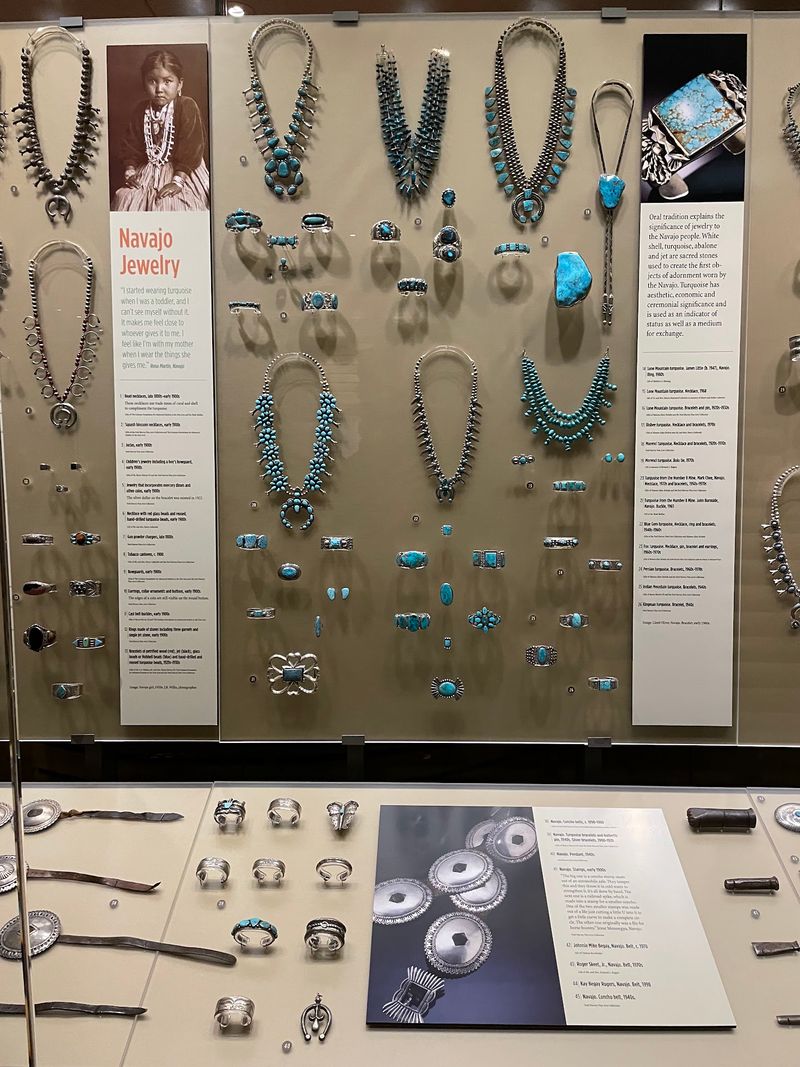
Forget the idea of keychains and cheap magnets. The Museum Shop at the Heard feels closer to a gallery, filled with authentic Native-made artwork that directly supports Indigenous artists.
Shelves and cases hold jewelry, handwoven rugs, ceramics, dolls, and textiles from tribes across the United States, with a strong focus on the Southwest. Shoppers praise the quality and design, noting these pieces carry real cultural meaning rather than feeling like typical souvenirs.
Budgets of all sizes are welcome. Books & More offers reading material and smaller items, and some visitors have found lovely cards designed by Indigenous youth, with proceeds supporting scholarships for art college classes.
That is a gift with heart for under the price of lunch.
Kindness shows up here too. Guests share stories of staff going the extra mile, like offering a small bookmark to a traveler with no room left in their luggage.
Little moments like that leave lasting impressions.
As with the café, you can browse the shops without a museum ticket. Arizona locals looking for meaningful birthday or holiday gifts may want to keep this spot in mind.
Buying here means your money goes back toward the artists and the living traditions the museum celebrates.
Festivals, Families, and Who Will Love It
Hoops spinning through the air, colorful regalia, and cheering crowds. Visitors lucky enough to catch the World Championship Hoop Dance Contest often call it a delightful highlight of their trip.
The Heard hosts renowned cultural gatherings, including the Indian Fair & Market, which draws hundreds of Indigenous artists. Checking the museum calendar before visiting is smart, since special events can turn an ordinary day into something unforgettable.
Families do well here. A hands-on gallery dedicated to art-making keeps children busy, and one parent shared that kids aged 9 and 16 happily spent hours exploring the activities.
That wide age range is rare for museum kid zones.
Who else fits? Art lovers, history buffs, and anyone seeking a slower, reflective outing will feel right at home.
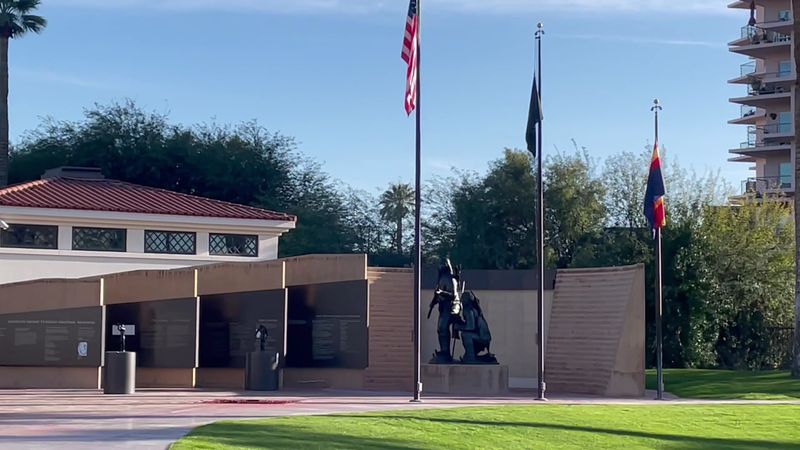
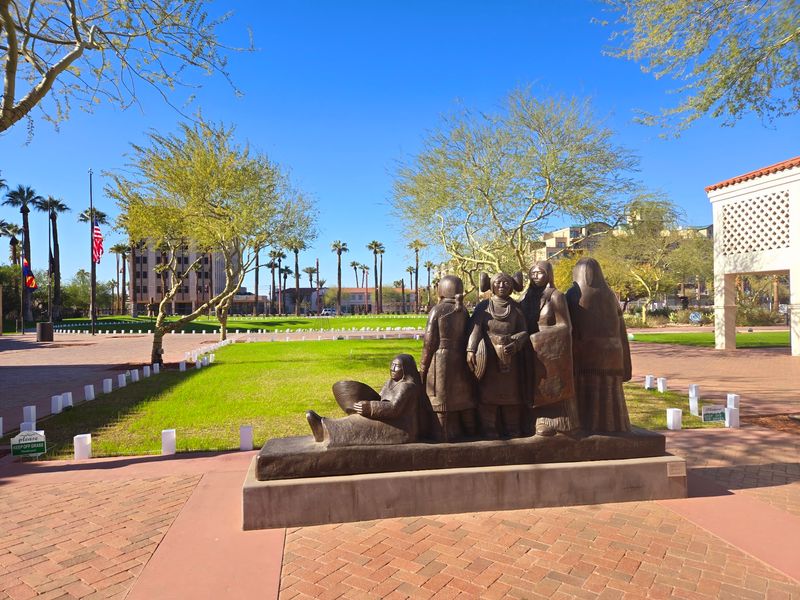
Retirees enjoy the calm pace and senior discounts, and the space is clean, cool, quiet, and accessible with elevators. On the front lawn, the American Indian Veterans National Memorial offers a meaningful stop as well.
Summer visitors appreciate it as a comfortable indoor escape from Phoenix heat. In cooler months, the outdoor gardens shine.
Either way, the museum suits curious minds of nearly every age.
Hours, Tickets, and a Gentle Verdict
Doors open daily from 10 AM to 4 PM, seven days a week. That steady schedule makes planning easy, though arriving early gives you more breathing room for this large campus.
General admission has been around $26, a price some visitors find a bit high. Good news for value seekers: a pay-what-you-wish program has been offered on Wednesdays, and First Friday free evenings have drawn crowds too.
Seniors and military members can get discounts, and Native American visitors may enter free by showing a CIB or tribal card. Prices and programs can shift, so double-check before heading out.
A few practical notes help. Backpacks, food, and drinks are not allowed in galleries, but free lockers are provided.
Restrooms are clean, and the museum is wheelchair accessible.
Reaching the address at 2301 N Central Ave is simple from anywhere in the Valley, and day-trippers from Tucson, Prescott, or Flagstaff can make it a worthwhile outing.
So is it worth the drive? For anyone curious about Arizona’s deepest roots, the answer is very likely yes.
Give yourself half a day, wander slowly, and let centuries of living culture speak for themselves.