
This Haunted Colorado Road Is One Locals Would Rather Not Drive After Dark
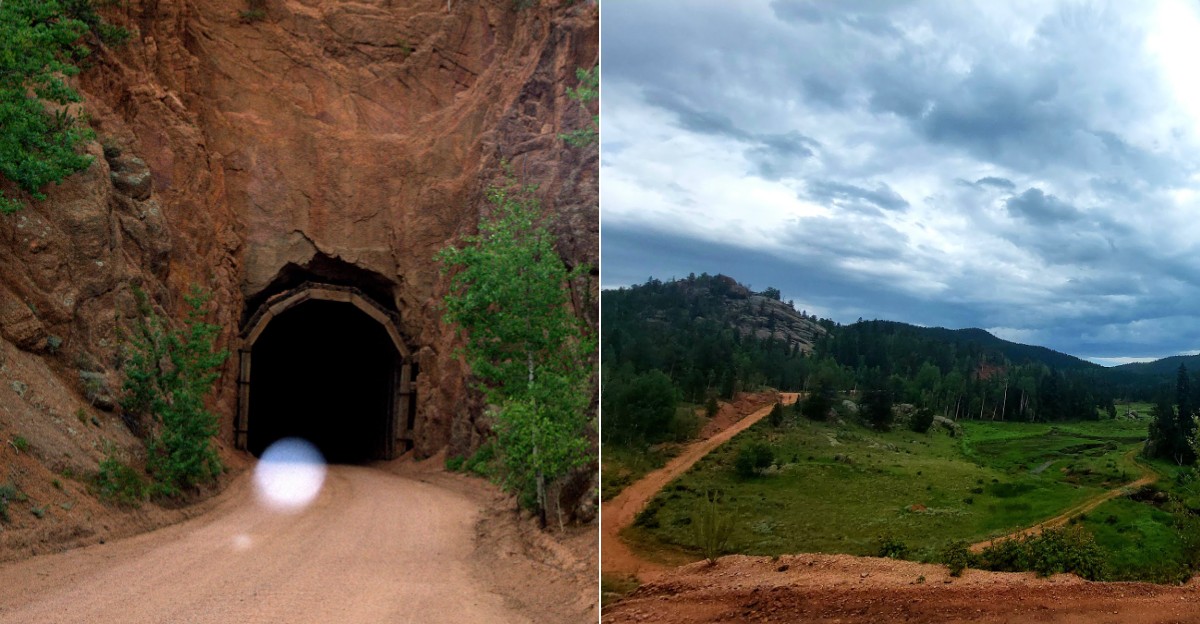
Some roads collect legends because they are old. Others practically hand storytellers the scenery.
This mountain route earns its reputation with former railroad tunnels, steep terrain, and enough shadowy history to make daylight and darkness feel like two different experiences. Southwest of the city, the drive cuts through a rugged part of Colorado where railroad past is still visible in the rock itself.
During the day, those tunnels are reminders of ambitious engineering and the routes that once pushed deeper into the mountains. After sunset, the mood changes, and every dark opening suddenly feels ready to host another tale.
That is where folklore starts doing its best work. Ghost stories have followed the road for years, but the fun lies in separating documented history from campfire embellishment.
Few drives in Colorado make that line feel quite so entertainingly blurry, especially when the sun disappears and the tunnels ahead turn black.
A Mountain Road With A Reputation Beyond Colorado Springs
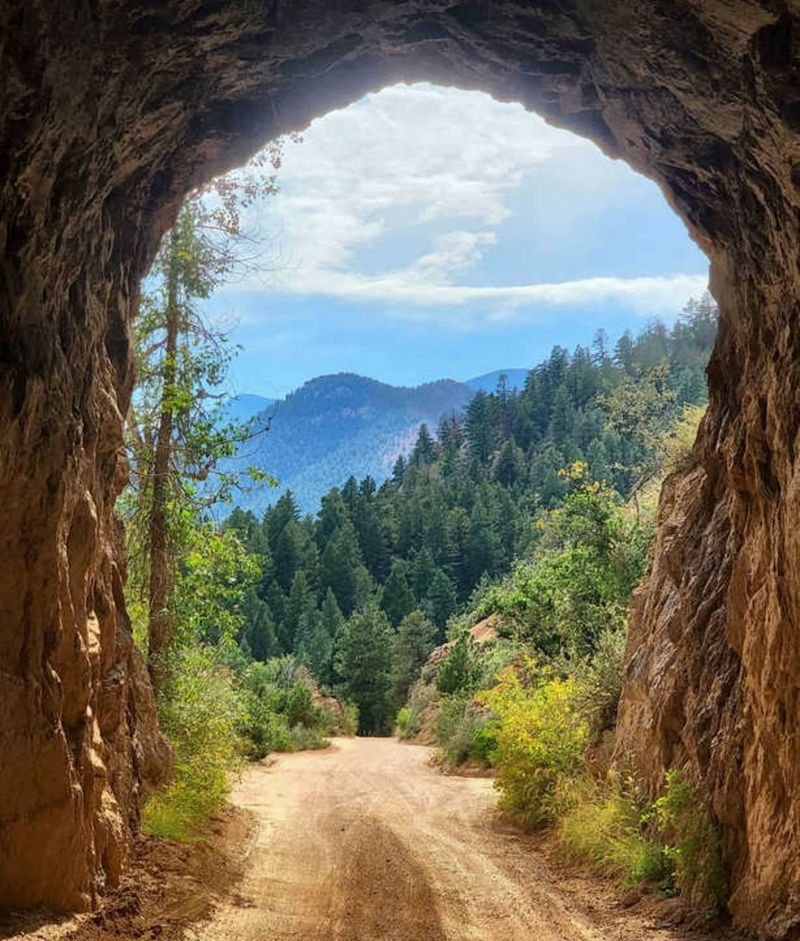
A weekend plan gets simpler when the destination supplies both the scenery and the conversation. Gold Camp Road does that with a former railroad route, mountain curves, and tunnels that have collected more than their share of ghost stories.
The road runs through the mountains southwest of Colorado Springs, Colorado. It is a route rather than a single attraction with one front entrance, so choosing an access point matters more than copying an address into your phone.
Its reputation makes the title sound like a warning passed across a backyard fence. Still, the claim that locals avoid it after dark is better understood as a folklore angle, not a proven rule about everyone who lives nearby.
For a first visit, daylight is the sensible choice. You can study the landscape, identify permitted routes, and understand why a dark tunnel might give an ordinary imagination a surprisingly busy evening.
Check official road and recreation notices before leaving, because access can vary by section and conditions. Save your map beforehand, allow time to turn around, and resist treating the whole road as one continuous drive.
The appeal begins with curiosity, but a little preparation keeps that curiosity from becoming an unwanted navigation project later.
Railroad Tunnels Give The Legends A Real Foundation
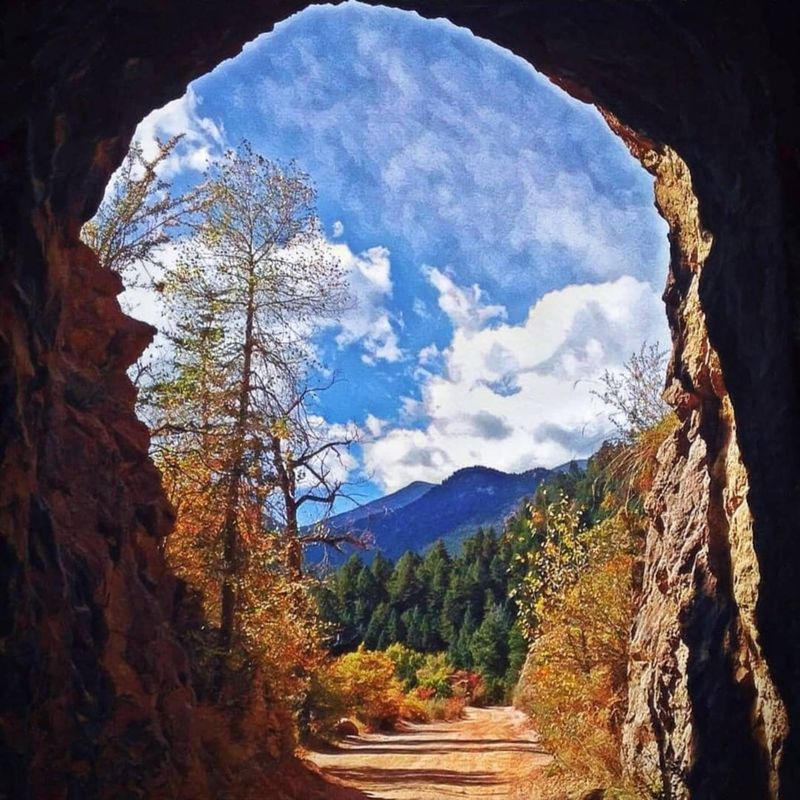
Before anyone attached a ghost story to a tunnel, engineers had to get a railroad through the mountains. That practical challenge gives the route something more substantial than a spooky nickname.
Gold Camp Road follows portions of the former Colorado Springs and Cripple Creek District Railway route, often called the Short Line. Its railroad past connects the landscape to the mining communities that helped shape the region.
The old tunnels are the clearest reminders of that earlier purpose. A passage cut through rock tells its story without a display case, although understanding it takes a little more attention than reading a roadside slogan.
Keep the railway identity straight when researching your trip. The Colorado Midland was a different railroad, and mixing the two produces a neat sounding history that belongs to the wrong route.
You do not need to become a rail expert to enjoy the connection. Look at how the road follows the terrain, consider the work required to build the passages, and let those physical details lead the conversation.
For children or curious adults, that offers a useful starting point: the tunnels were transportation structures before they became storytelling props. Their real purpose is interesting enough without adding an imaginary passenger list.
Gravel Curves Change The Mood Before Nightfall
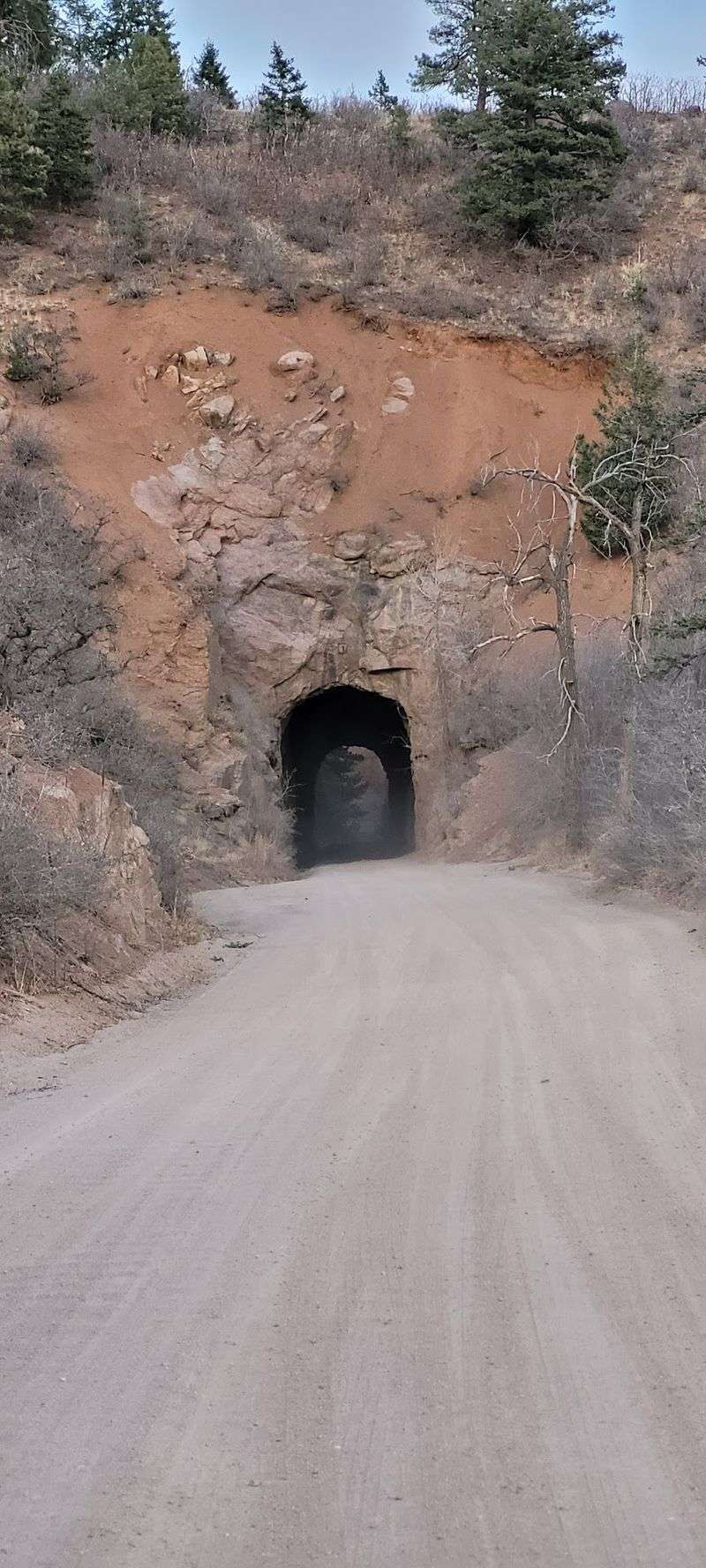
The setting does much of the storytelling before any legend enters the picture. Unpaved stretches, exposed rock, wooded slopes, and old tunnel openings make the route feel very different from a city street.
Across this part of Colorado, mountain roads demand attention to the ground as well as the view. Gravel, changing conditions, and limited sight lines are practical reasons to slow down, regardless of anyone’s opinion about ghosts.
Gold Camp Road also has sections with different uses and access limits. A map line does not mean your car can follow every part of it, and a nearby walking route does not automatically become a driving shortcut.
Approach tunnel areas with particular care. Follow posted directions, watch for other permitted users, and never stop in a passage or block the road to stage a photograph.
Bring a light if your planned legal walking route includes a dark passage, even during daytime. Comfortable shoes and a downloaded map are more useful than a dramatic soundtrack.
The landscape supplies enough atmosphere on its own. Seeing the route clearly lets you appreciate its shape and history, rather than spending the outing guessing what lies beyond your headlights or whether the next bend has room to turn around.
Tunnel Three Separates Folklore From Documented History
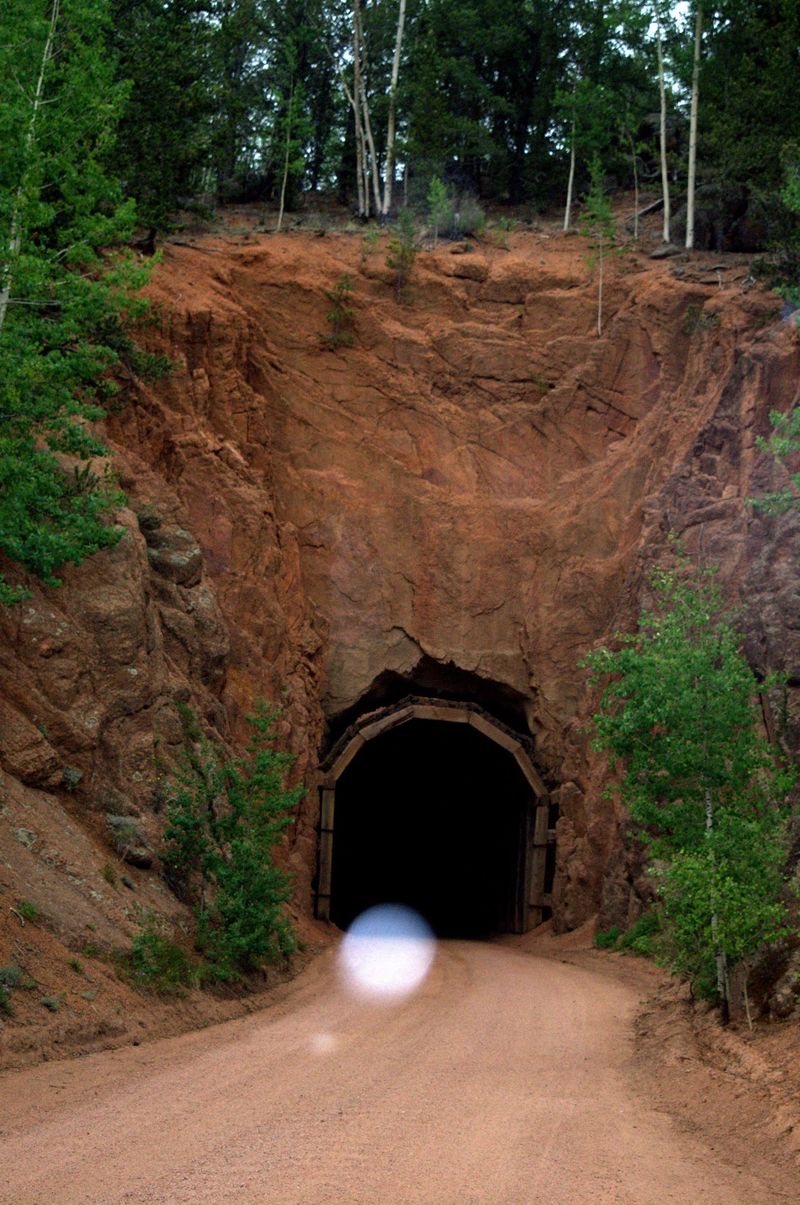
The most useful twist in the story is not a ghost sighting. It is the gap between a real tunnel closure and the much bigger tale that grew around it.
Tunnel Three on Gold Camp Road is associated with a collapse in 1988 and is not a passage to enter. The widely repeated school bus story, however, should not be presented as a documented event.
Versions of the legend describe children haunting the tunnel or leaving mysterious marks on vehicles. Those claims belong to folklore, not established evidence, and repeating them as fact turns a curious outing into a misleading history lesson.
Good To Know: The school bus tale lacks reliable historical documentation connecting it to the tunnel collapse. That distinction leaves plenty of room to enjoy the story without asking readers to believe an unsupported tragedy.
For families, this is a useful chance to discuss how stories change as people retell them. An actual closed tunnel becomes a setting, then the setting gathers details that sound convincing because they are repeated.
Respect barriers and closures rather than trying to test the legend. A photograph from a permitted location and a thoughtful conversation will tell you more than entering a closed passage ever could.
Daylight Leaves Room For Different Kinds Of Visitors
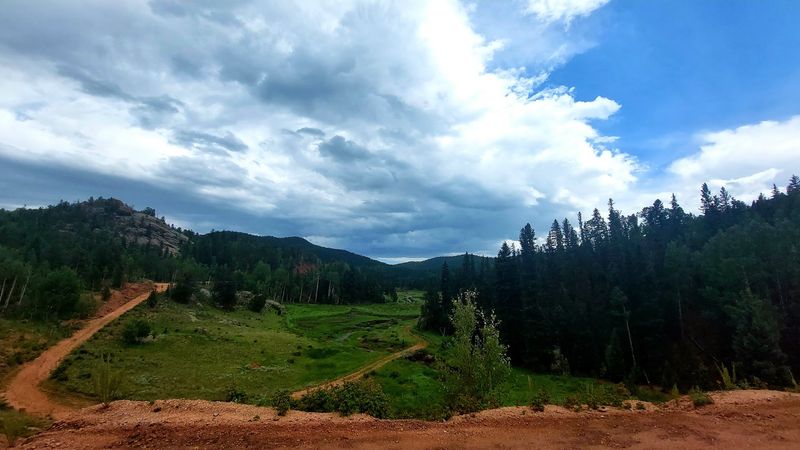
Not everyone wants the same amount of spooky in a Saturday outing. Fortunately, an old railroad route can hold someone’s interest even when ghost stories are firmly off the menu.
Families can focus on the tunnels’ original purpose and choose a short permitted walk suited to their children’s abilities. Keep younger visitors away from road edges, and explain beforehand that closed passages are not places for exploration.
Couples might enjoy comparing the historical account with the legend while keeping the outing in daylight. Shared curiosity does not require waiting until visibility drops or turning the return journey into a suspense film.
Solo visitors should leave their route and expected return time with someone. Download navigation, carry water, and make conservative choices about distance, especially when exploring an unfamiliar mountain setting.
For weekend travelers, Gold Camp Road can provide a focused look at Colorado’s railroad and mining connections without pretending to be a museum tour. The experience depends on which legal section you choose and what conditions allow.
Walking and mountain biking are associated with the route, but access rules still matter. Choose an activity that matches your ability, share permitted paths courteously, and remember that turning back early is a decision, not a failed adventure.
A Saturday Detour Needs A Specific Access Plan
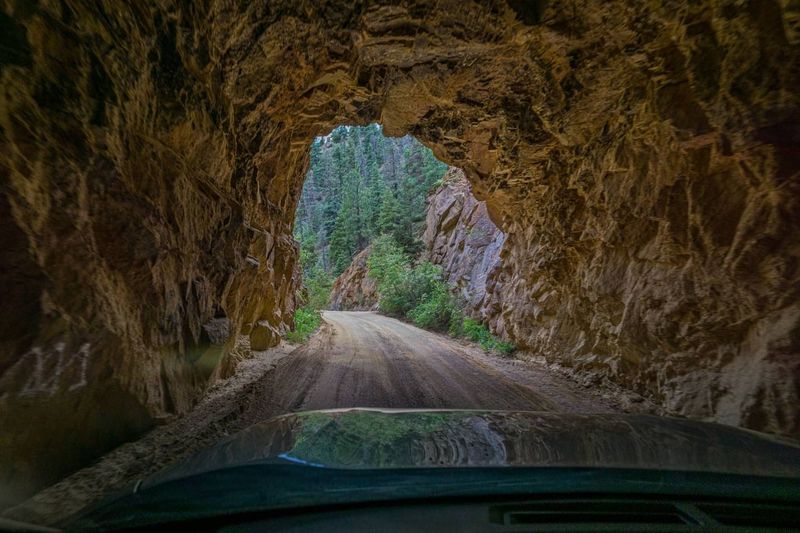
A simple Saturday detour works better with one clear stopping point than with an ambitious line drawn across a mountain map. Pick a permitted section, decide whether you are driving or walking, and set a turnaround time.
Gold Camp Road is a lengthy route, not a business with one verified street address. Use the exact trailhead or road segment listed by the relevant official land manager rather than assuming a general map pin identifies your intended entrance.
Before leaving Colorado Springs, check current access notices and weather conditions. Do not rely on an old travel article to confirm that a gate is open or that an unpaved section suits your vehicle.
Keep the plan modest: a daylight approach, a legal place to stop, and a short look at the railroad landscape. Bring water, suitable footwear, and a light if a permitted tunnel walk is part of your route.
Leave enough daylight for the return, and avoid parking where you would narrow the roadway. A tunnel entrance is a historical feature, not a convenient place to leave the car.
You can make the outing part of a day already spent in town. Just give the mountains their own planning margin instead of squeezing them between errands.
Let Gold Camp Road Keep Its Stories After Sunset
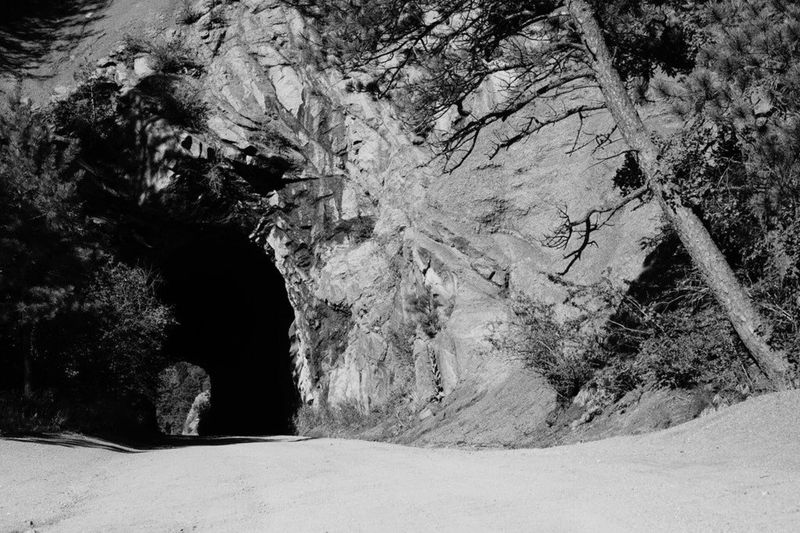
A road does not need a proven haunting to stay in your mind. Old tunnels, a former railway, and a story that refuses to disappear already give this route plenty to work with.
Gold Camp Road brings together two kinds of history: the physical record left in the mountains and the folklore people attach to it. Enjoying one does not require confusing it with the other.
That balance makes the experience more interesting, not less. You can wonder why the school bus legend spread while recognizing that repetition is not documentation, and you can appreciate a tunnel without entering a closed one.
Colorado’s mountain setting also supplies practical reasons to prefer daylight. Clearer views, easier navigation, and a better understanding of the road are useful benefits that do not depend on belief in anything unusual.
Take away the railroad connection, a few photographs from permitted spots, and perhaps a good conversation about how places gather stories. Leave closures alone, keep your plans flexible, and avoid turning an atmospheric landscape into a test of nerve.
The memorable part is the contrast: a route built for ordinary transportation now carries extraordinary tales. Go while you can see the road, and let the tunnels keep the night shift.