
This Forgotten Colorado Factory Has Been Abandoned For Years, But You Can Still See The Ruins
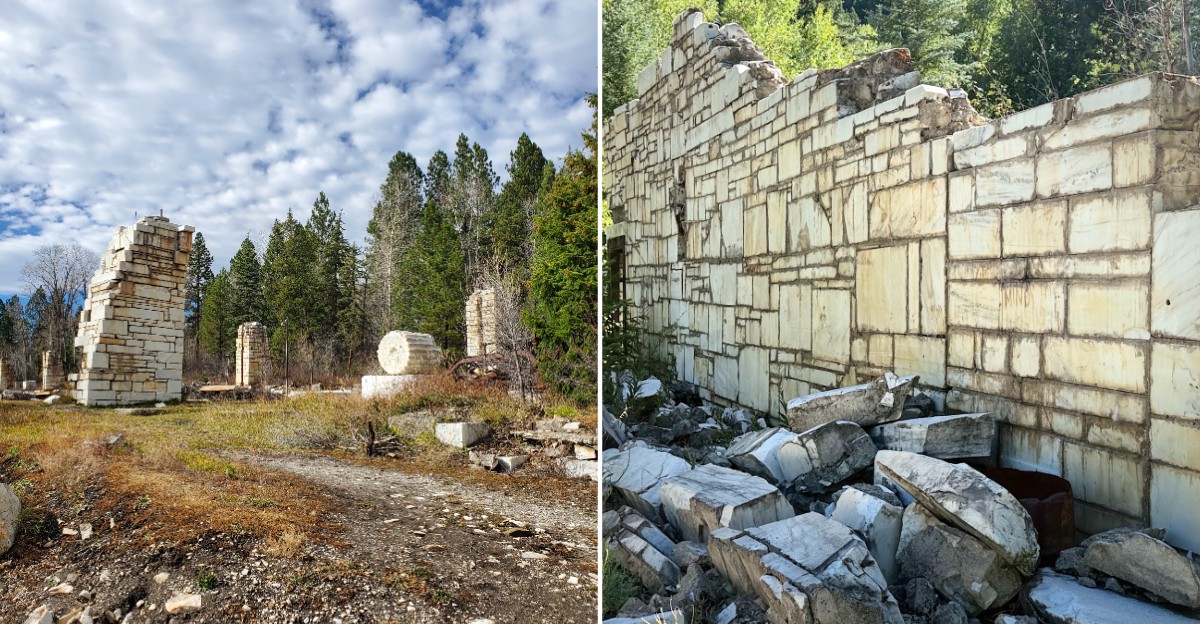
Some ruins whisper. These practically come with a résumé.
Deep in the mountains, massive blocks and weathered foundations still hint at an industry that once supplied stone for America’s recognizable monuments. The story feels especially striking in Colorado, where a walk through trees can suddenly turn into a lesson in national architecture.
There are no roaring machines now, no crews cutting and hauling marble, and that absence is exactly what makes the site so compelling. You are left with fragments, outlines, and the scale of what once happened there.
Pause beside the surviving structures and it becomes easier to imagine stone beginning its journey from mountain to monument. History here is not sealed behind glass.
It sits outdoors, exposed to weather, roots, and time. For anyone who likes places where the past still leaves physical clues, this corner of Colorado offers plenty to notice without needing much more than curiosity.
The Mill Ruins Explain What Happened After Quarrying
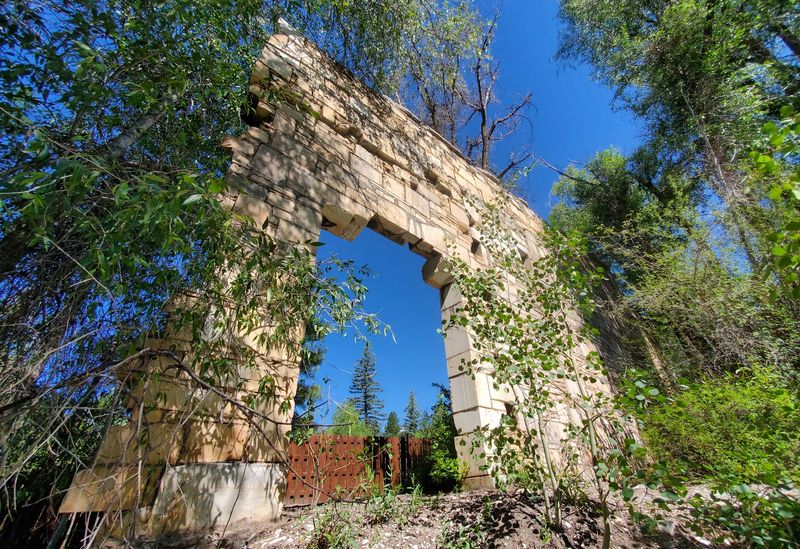
Getting marble out of a mountain was only part of the job. Before stone could become part of a building or monument, it needed processing, and the mill played a central role in that work.
This spot helps separate those two parts of the story. It is the former finishing mill site, not the quarry, so photographs or directions describing a gated mountain excavation should not shape expectations for this stop.
The Colorado Yule Marble Company operated the mill, whose surviving remains offer a physical connection to that business. Understanding its purpose turns scattered foundations into evidence of a working system.
Think of the site as the place where raw material moved closer to its final use. The finished monuments may be familiar, but the labor and infrastructure behind them are easier to overlook.
A useful approach is to choose one structure and study its size, position, and relationship to nearby remains. You do not need to identify every industrial function to recognize that this was more than a collection of stone blocks.
Keep expectations focused on outdoor exploration and visible history. The appeal is not a running demonstration; it is the chance to understand an important production site through what remains.
A Former Marble Factory Gives Marble A Different Kind Of Stop
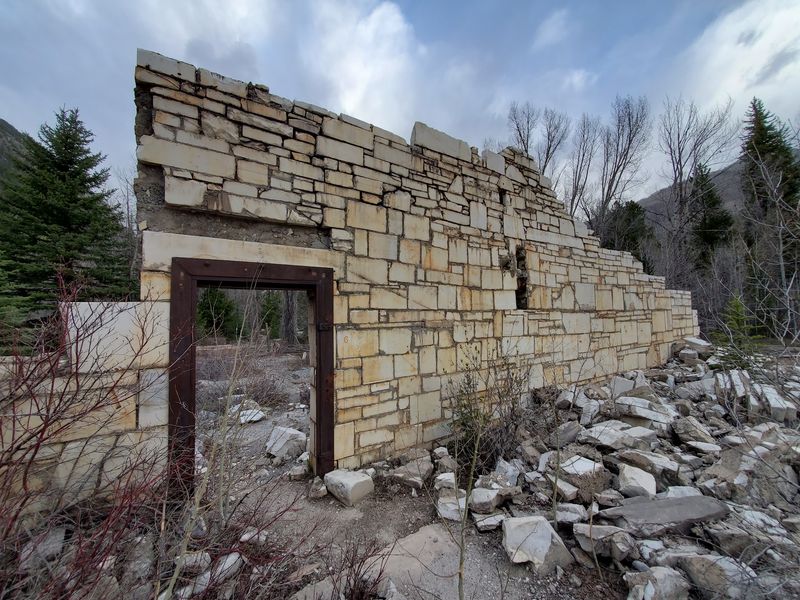
A walk with an actual story attached can make an afternoon plan feel settled. In Marble, Colorado, that story involves a factory that once finished stone for projects far beyond its mountain setting.
Marble Mill Site Park, at 213 W Park St, Marble, CO 81623, preserves the remains of that industrial operation. Instead of entering an intact factory, visitors explore an outdoor historic site where surviving foundations and marble structures show pieces of the former mill.
The distinction matters: the abandoned mill is the attraction, while the park gives those remains a public setting. Expect ruins rather than rooms filled with working equipment or a complete production line.
That makes the visit appealing for anyone who likes history with something solid to look at. A foundation can explain the size of a building more clearly than a paragraph about its importance.
Start by taking in the layout before focusing on individual stone pieces. Looking across the remains helps connect separate fragments into the outline of an industrial workplace.
Wear shoes suited to outdoor walking, keep children close around old structures, and leave every marble fragment where it belongs. The souvenirs here are photographs and a better understanding of what once happened in Marble.
Foundations And Marble Pillars Still Show The Factory’s Bones
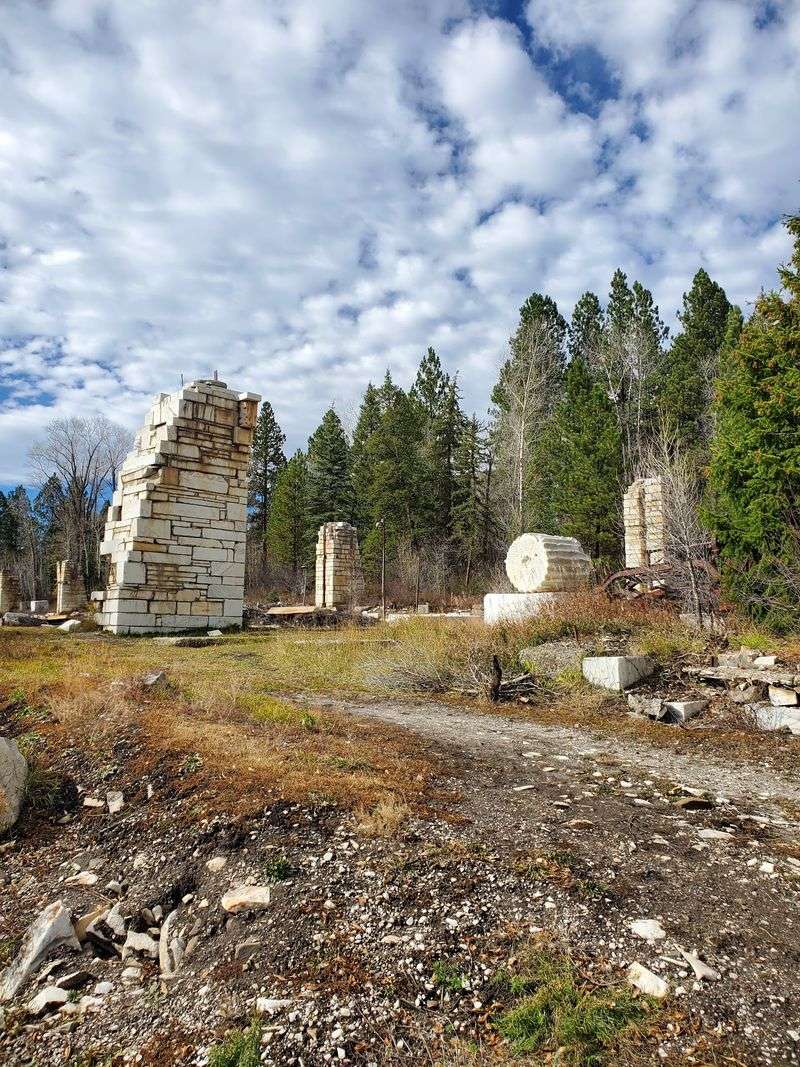
Some historic places ask visitors to imagine almost everything. Here, the remaining foundations and marble pillars give that imagination a useful starting point.
At Marble Mill Site Park, the physical remains include substantial supports connected to the former industrial buildings and equipment. Their size and arrangement help explain why this operation needed more than a workshop and a few hand tools.
Trees now share the site with the ruins, creating a clear contrast between its former use and its present setting. Nature has become part of the view without erasing the evidence of the mill.
Marble’s mountain location adds another layer to the story. In this part of Colorado, the stone industry linked a remote source of building material with projects that reached a national audience.
For photographs, include some surrounding ground and vegetation rather than cropping every frame tightly around one pillar. That wider view shows how the industrial remains sit within the park today.
Move carefully around foundations and respect any posted restrictions. Old structural pieces deserve attention, not a climbing audition.
Even without a complete building, the layout rewards a closer look. Comparing supports, open spaces, and surviving stonework helps turn a pleasant outdoor walk into an exercise in reading the landscape.
Marble’s Mill Connects To The Lincoln Memorial
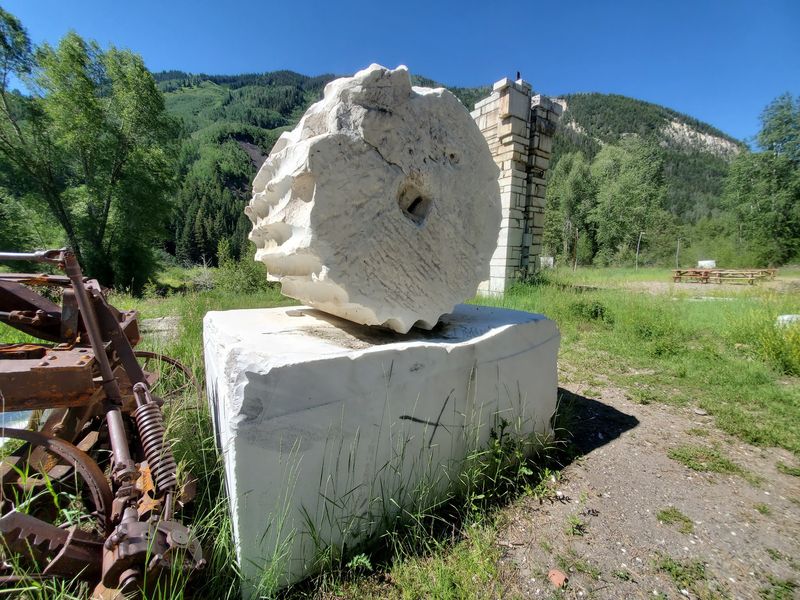
The biggest surprise is how far the mill’s story travels. Its connection to the Lincoln Memorial and the Tomb of the Unknown Soldier gives these outdoor ruins a much larger frame.
Yule marble from the Marble operation was used for both nationally recognized landmarks. The Lincoln Memorial’s exterior and the famous tomb connect this mountain community to places many Americans know through photographs, school lessons, or visits.
Why It Matters: Familiar monuments have a local production story behind their finished stone.
That connection changes how the remains at Marble Mill Site Park read. Foundations are no longer simply evidence of an old business; they belong to the infrastructure that helped prepare material for lasting public works.
The mill operated during the early twentieth century and closed in 1941. Its industrial life ended, but the buildings and monuments associated with its marble keep the story relevant.
A useful way to approach the ruins is to work backward from those finished projects. Consider the handling, processing, and transport that large pieces of stone required before they reached their final setting.
You need not memorize dates to appreciate that chain of work. Remembering the connection between Marble and those monuments gives the visit a clear thread, even after the details fade.
Outdoor Ruins Let Different Visitors Set Their Own Pace
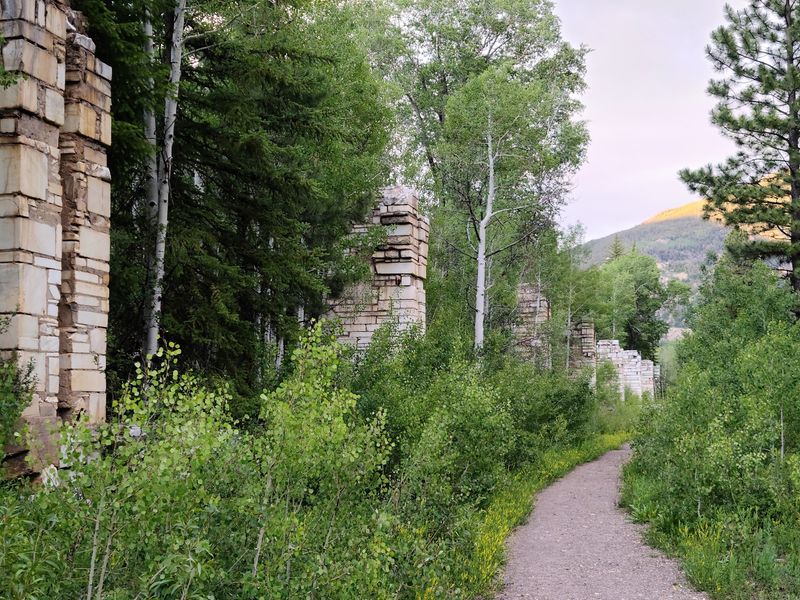
Not every travel companion wants the same amount of history. An outdoor site with visible ruins gives a group something concrete to discuss without requiring everyone to follow the same script.
At Marble Mill Site Park, families can focus on the difference between a quarry and a finishing mill. Asking children how large stone pieces might have been moved makes the remains easier to understand than a string of dates.
Adults should keep that curiosity grounded in careful walking. Historic foundations are not play equipment, and an open setting does not remove the need to watch footing.
Couples can use the walk as a shared discovery rather than a tightly scheduled activity. Comparing what each person notices in the supports or stonework gives conversation a natural starting point.
A solo visitor can linger over details or concentrate on photography without needing to match another person’s pace. Weekend travelers exploring Colorado can treat the ruins as a focused history stop rather than expect a full day of attractions.
The common thread is the mill itself. Everyone has the same surviving evidence to examine, even if one person notices engineering and another thinks about the finished monuments.
Let interest guide the visit, and avoid turning every foundation into homework.
Use The Park Street Address For A Simple Marble Detour
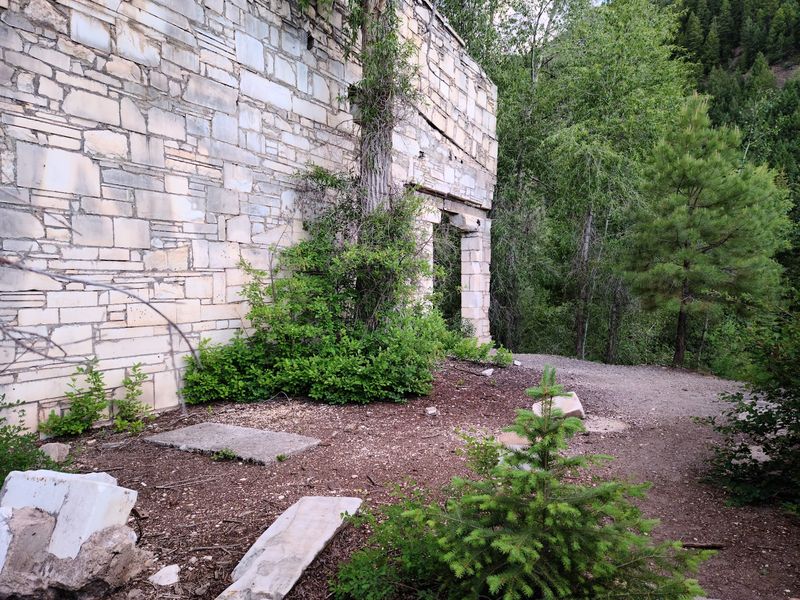
A short walk while already in Marble is a sensible way to fit the ruins into a day. Keep the plan centered on the park, rather than adding an unverified list of nearby stops.
Use 213 W Park St, Marble, CO 81623, to locate Marble Mill Site Park. The address identifies the mill remains, which should not be confused with the separate quarry mentioned in some accounts of the area.
Before traveling, check current town information for access updates and consider the weather. An outdoor historic site calls for different preparation than an indoor museum, especially when walking surfaces are wet, snowy, or icy.
Bring water, suitable footwear, and a layer appropriate for the forecast. Those basics are more useful than designing a complicated schedule around a brief exploration.
On arrival, begin with the broad arrangement of the ruins, then move closer to individual features where permitted. That sequence makes the factory’s footprint easier to understand and keeps the visit from becoming a hunt for isolated photo subjects.
Allow your interest and conditions to determine how long you stay. There is no reason to promise yourself a precise visit length before seeing the site.
Finish by checking that nothing has been left behind or taken away.
The Factory Is Gone, But Marble’s Story Is Still Standing
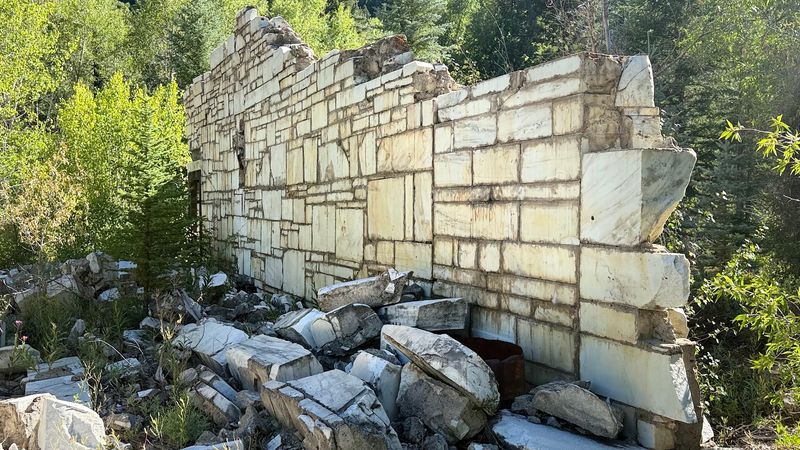
A factory can disappear from daily life without disappearing from the landscape. The remains in Marble make that distinction unusually clear: production stopped, but enough survives to show where important work happened.
Marble Mill Site Park does not need a complete building to carry its story. Foundations, pillars, and the relationship between them provide evidence that visitors can examine rather than simply accept as a historical claim.
The national connections give those remains added weight. Stone associated with the Lincoln Memorial and the Tomb of the Unknown Soldier began its journey through an industry rooted in this Colorado mountain community.
That is the lasting value of the visit. It brings the polished result and the practical work behind it into the same mental picture.
Keep the outing modest: arrive prepared for outdoor walking, respect the ruins, and take time to understand a few features instead of trying to account for every fragment. A careful look can be more useful than a rushed circuit.
Marble’s former mill is neither an operating factory nor a fully rebuilt version of one. Its interest comes from the original pieces still present and the history they help explain.
Go look at the foundations; they make the Lincoln Memorial feel a little less far away.