
Hear Flocks Of Wild Sandhill Cranes Trumpet Overhead Each Fall And Winter At This Washington Wildlife Refuge
A rattling, rolling call drifts down from a gray Washington sky, and suddenly every head in the parking lot tilts upward. Long-legged birds glide over the marsh in loose lines, talking to each other the whole way down.
It sounds ancient, a little wild, and completely unforgettable. Best of all, this front-row seat to nature costs about the same as a cup of coffee, and you can visit this weekend.
A Riverside Refuge Just Off I-5
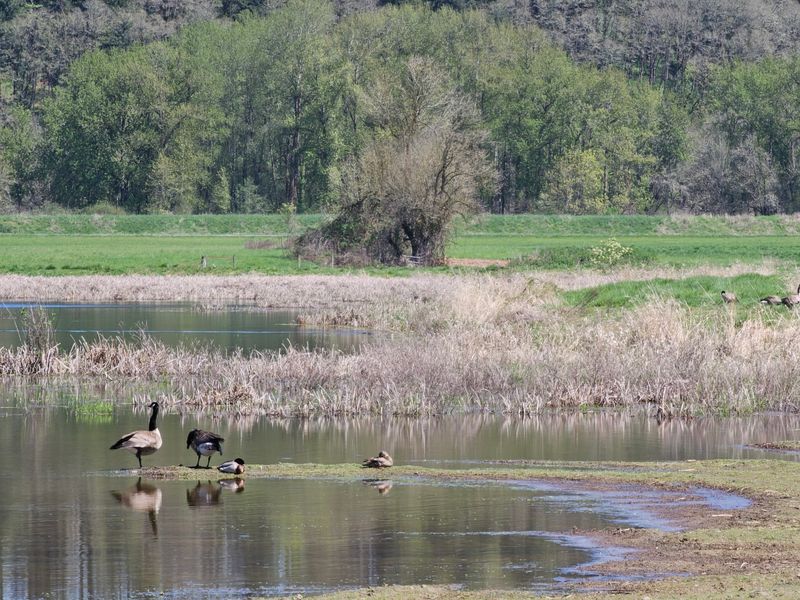
Just minutes off Interstate 5 in southwest Washington, a sprawling patchwork of marshes, meadows, oak groves, and waterways waits for anyone curious enough to pull over. Ridgefield National Wildlife Refuge sits at 1071 S Hillhurst Rd in the small town of Ridgefield, close to the Columbia River lowlands.
Officially, it is a wildlife refuge built for hiking and wildlife observation. Unofficially, it is one of the easiest ways for a family or retiree to swap traffic noise for birdsong without a long road trip.
Guided hikes and wildlife watching are among the most popular things to do here.
The refuge covers a variety of habitats, which is exactly why so many animals show up. Wetlands draw ducks, geese, and egrets.
Oak woodlands shelter deer and songbirds. Open fields give hawks and eagles room to hunt.
For many visitors, the biggest draw arrives with the cooler months, when cranes and other migrating birds fill the sky and the marsh. That seasonal show is what turns a quick stop into a tradition.
Pack a thermos, bring binoculars, and plan to linger longer than you expect.
The Trumpeting Sound of Sandhill Cranes
Before you spot them, you will probably hear them. Sandhill cranes make a rolling, bugling call that carries across open water and fields, and it has a way of stopping conversations mid-sentence.
At Ridgefield, cranes are part of the cooler-season rhythm, joining the thousands of migrating and marsh birds that visitors describe seeing on all sides of the road. Travelers have reported spotting cranes even in summer, so keep your ears open no matter the month.
Still, fall and winter feel like the real headline act.
Here is a fun fact to share with the kids: crane calls sound so loud partly because of their long, coiled windpipes, which act a bit like a musical instrument. That is why the sound seems to echo from everywhere at once.
Try visiting early in the morning or later in the afternoon, when birds tend to be moving between feeding and resting spots. Roll down the window, turn off the radio, and simply listen.
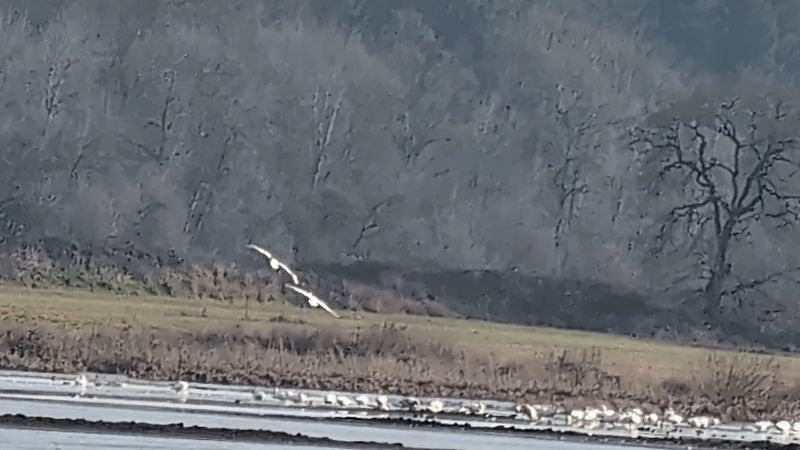
Many people say the sound alone is worth the trip. Seeing a ribbon of gray wings lift off the marsh is the bonus that makes the memory stick.
Winter Views Through Bare Branches
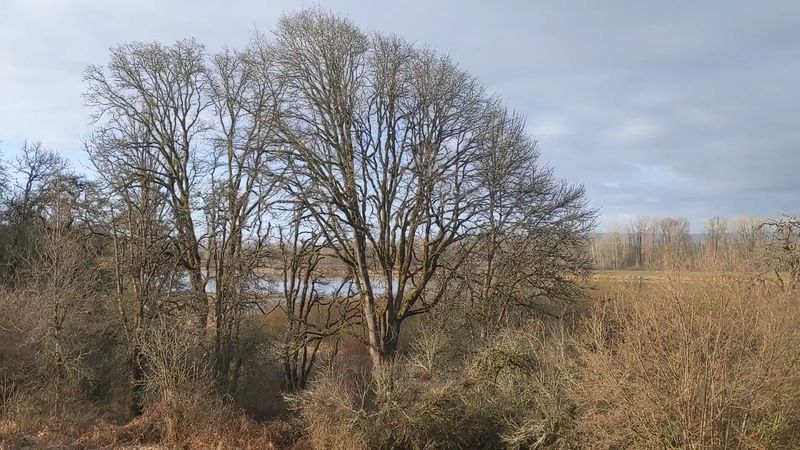
Leafless trees might sound gloomy, but at this refuge they work in your favor. Regulars point out that winter is a favorite season because thinner foliage makes it far easier to spot animals tucked along the edges of ponds and fields.
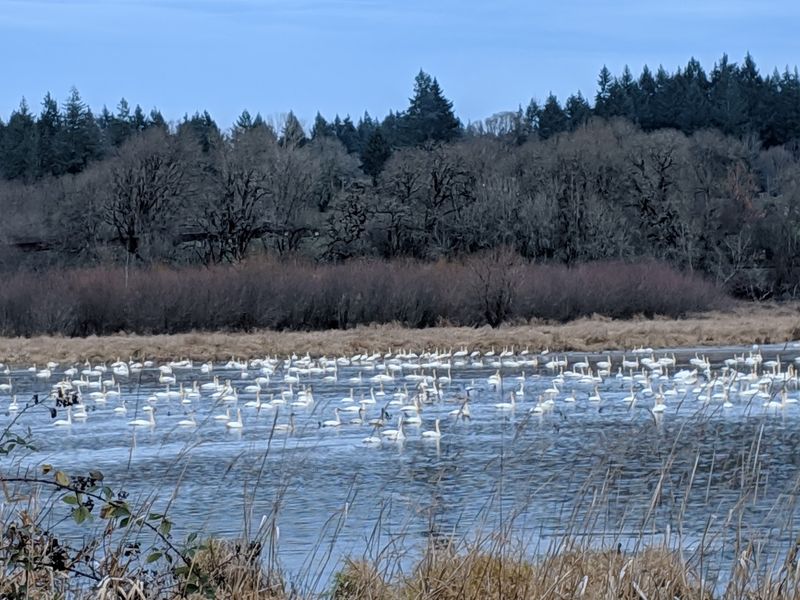
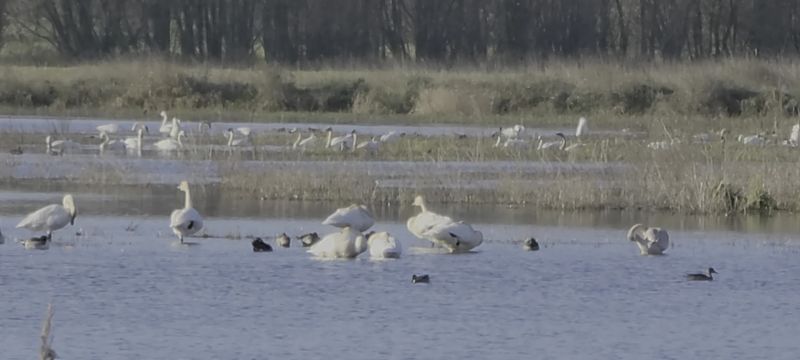
One January drive turned up deer, mallards, Canada geese, a few swans, and a couple of large birds of prey. Tundra swans and bald eagles also come up often when people describe their cooler-weather outings.
The marsh can feel crowded in the best way.
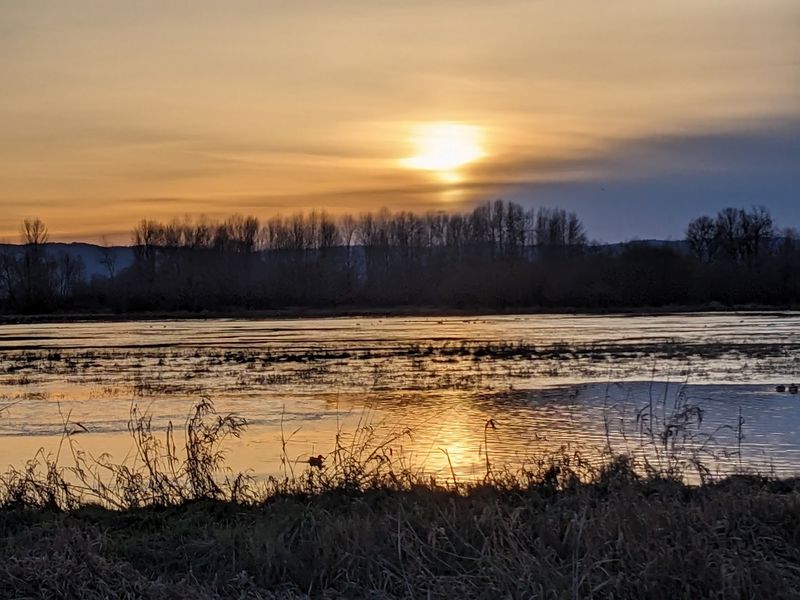
Cold mornings bring their own charm. Mist hangs over the water, frost outlines the grasses, and flocks shift around like restless clouds.
Dress in layers, bring gloves for holding binoculars, and keep a warm drink handy.
Shorter days do change the schedule, though. Gates have closed as early as 5 PM during darker months, so plan to arrive with plenty of daylight left.
For anyone who thinks nature outings belong only to summer, a gray Washington winter day here can be a delightful surprise. The quiet, the cold air, and the sheer number of birds make it feel like a secret season.
Fall Color Among the Oaks
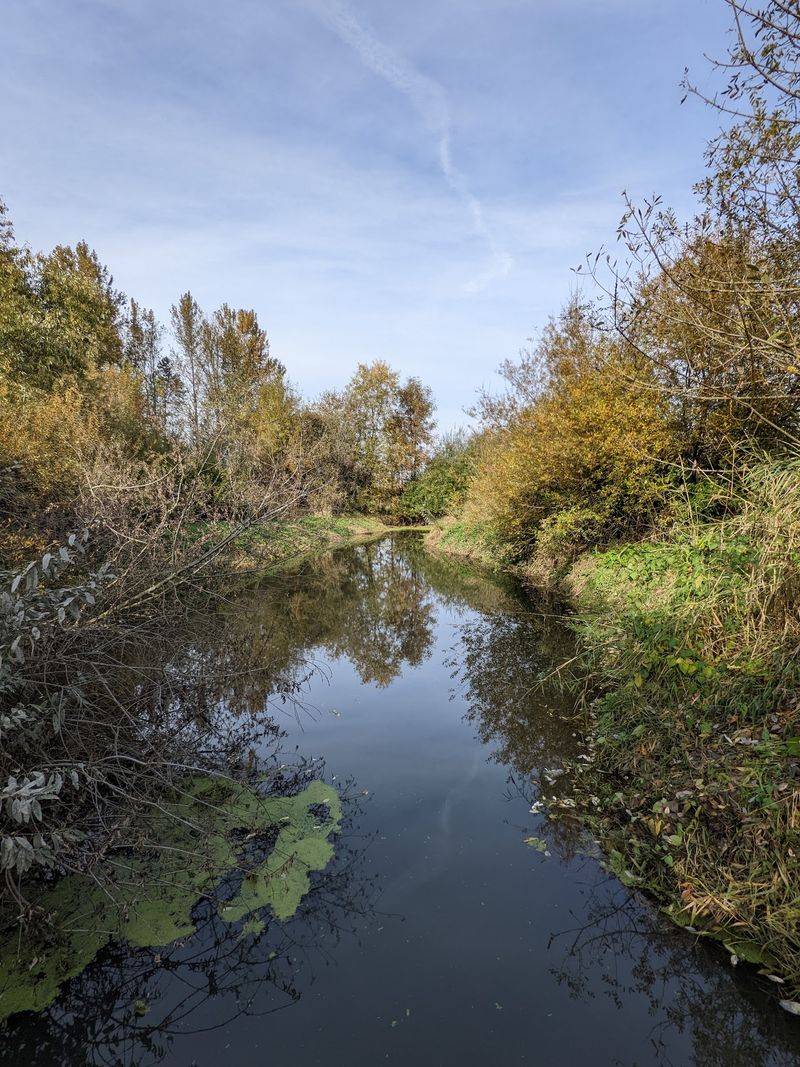
Oak trees earn more mentions than almost anything else here, and autumn shows why. Visitors rave about trees that turn breathtaking shades in fall, lining the trails with gold and copper.
Walking under those branches is a cozy, storybook kind of experience. Leaves crunch underfoot, the lake peeks through the trunks, and the air smells earthy and crisp.
It pairs nicely with the season’s other Washington traditions, like orchard stops and small-town festivals.
Even on days when animals stay out of sight, the soundtrack fills in. Hikers describe hearing birds, chattering squirrels, and distant coyotes, which makes a simple stroll feel like a small adventure.
Photographers love this time of year, too. Low autumn light glows through the canopy, and reflections on the water double the color.
Bring a camera or a phone with plenty of storage.
Fall also overlaps with the arrival of migrating birds, so you can enjoy two shows at once: bright trees on the trail and noisy flocks gathering over the marsh. Few local outings pack that much seasonal magic into one inexpensive afternoon.
The Auto Tour Loop
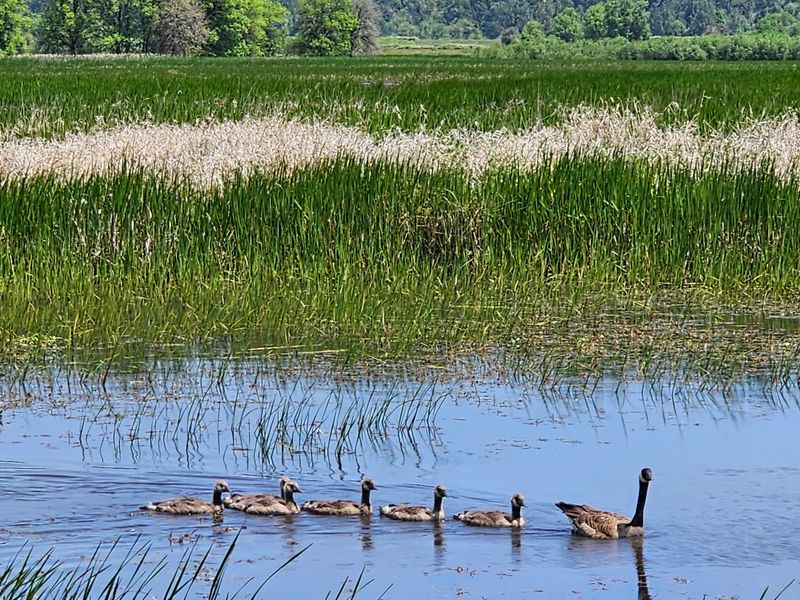
Imagine a safari where your own car is the tour vehicle. The River S Unit offers a one-way gravel loop of about 4.2 miles, built on causeways that cut right through the wetlands.
Drivers are encouraged to stay inside their vehicles, which actually helps. Birds tend to treat cars like moving shelters, so you can often get surprisingly close looks without startling anyone.
One visitor even compared the slow line of hybrids to the jeeps in Jurassic Park.
Driving at about 5 miles per hour, the loop takes roughly 45 minutes without stopping. With stops, many people happily spend two or three hours.
Every drive feels different, and repeat visitors notice very little overlap in the birds they see from one trip to the next.
Road conditions can vary. Potholes have been an issue after rough weather, though repairs were planned, and others have found the gravel in good shape.
Taking it slow solves most problems.
Viewing platforms along the way offer chances to stretch your legs. And the single remaining wildlife blind is often called a highlight of the whole route.
Wildlife Beyond the Birds
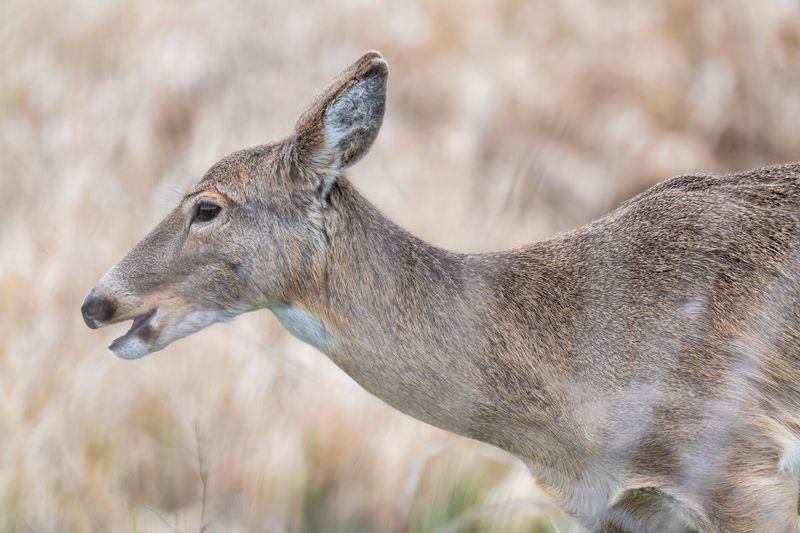
Deer get mentioned more than any other animal here, and that tells you something. While birds steal the spotlight, the mammals put on quite a show of their own.
Over the years, visitors have reported river otters, nutria, raccoons, foxes, rabbits, and even coyote pups. A beaver has been seen crossing the road, which is the kind of moment kids talk about for weeks.
Turtles, frogs, and snakes round out the cast.
The trick is patience. Scan muddy banks for sliding otters, watch the tall grass for twitching ears, and look along logs where turtles like to sun themselves.
Early and late hours usually bring more movement.
Families can turn the drive into a friendly game. Keep a running list, award points for rare sightings, and see who spots the first deer.
One group counted 22 bird species in a single visit, so a little competition goes a long way.
Keep a respectful distance and stay quiet near animals. Treating the refuge like their living room, rather than a zoo, means more creatures will stick around for the next lucky visitor.
Eagles, Egrets, and Ospreys
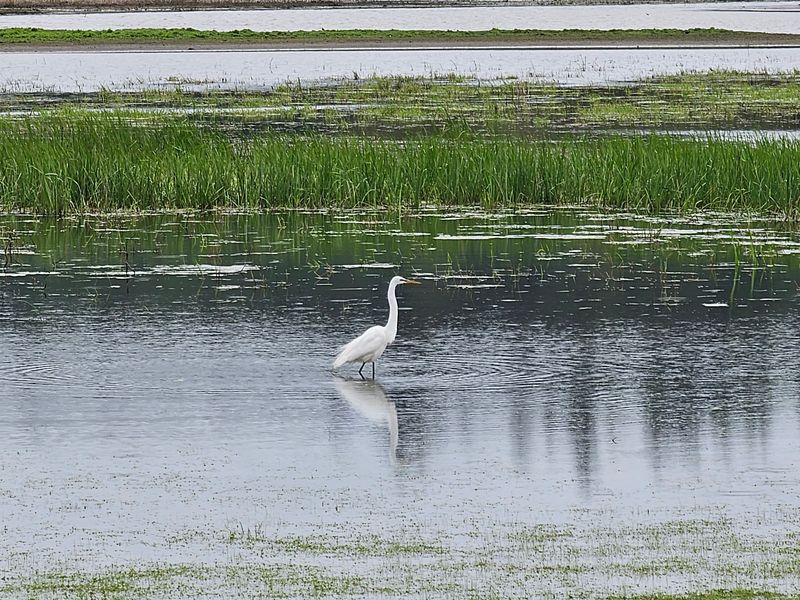
Bald eagles perched on a snag can make anyone gasp. At Ridgefield, eagles show up often enough that they rank among the most talked-about sightings.
Bright white egrets are another favorite, standing still as statues in shallow water before snapping up a meal. Ospreys circle overhead in warmer months, and hawks and other birds of prey cruise above the fields.
Geese and ducks seem to be almost everywhere.
Bird watching comes up in conversation about this place constantly, and it is easy to see why. The mix of water, grassland, and woodland creates homes for an impressive range of species.
Spring migration brings another big wave, which retirees and birders especially enjoy.
A pair of binoculars helps a lot, and a simple field guide makes it more fun. Serious photographers bring long lenses, and some return every few weeks year-round just to see what has changed.
Beginners need not feel shy. Even if you cannot tell a mallard from a pintail yet, watching a heron fish or an eagle glide is pure entertainment.
Learning names can come later.
Walking Trails and a Bridge Over the Tracks
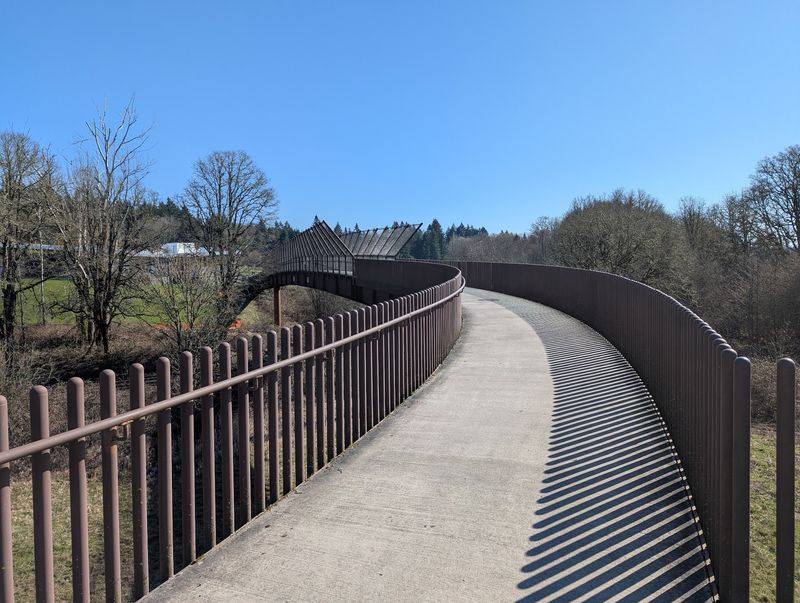
Prefer boots to tires? The Carty Unit offers walking trails, and the adventure starts with a protected bridge that carries hikers right over the railroad tracks.
Once across, summer walkers are often greeted by the sweet smell of blackberries. Peekaboo views of the lake appear to the left, and the path winds down past informational signs and historic notes.
Fruit trees, including a large grove of plums, add a cheerful, orchard-like feel in season.
Expect some variety underfoot. The trail can be narrow in spots, terrain changes along the way, and shade is patchy, so sunscreen and water are smart on warm days.
Many visitors still describe it as relaxing and easy.
Seasonal timing matters. The main trailhead has opened May 1, though about 3 miles of trails remained open before then.
Walking paths may also close at times so nesting birds can raise their young in peace.
Bikes are not allowed, which keeps the trails calm and quiet. Leave the wheels at home, slow your pace, and let the sounds of the woods set the rhythm.
The Cathlapotle Plankhouse
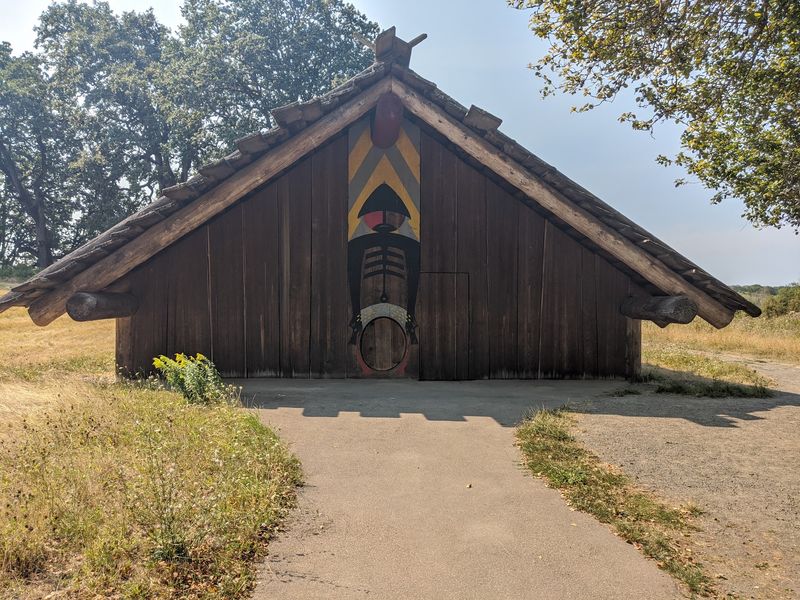
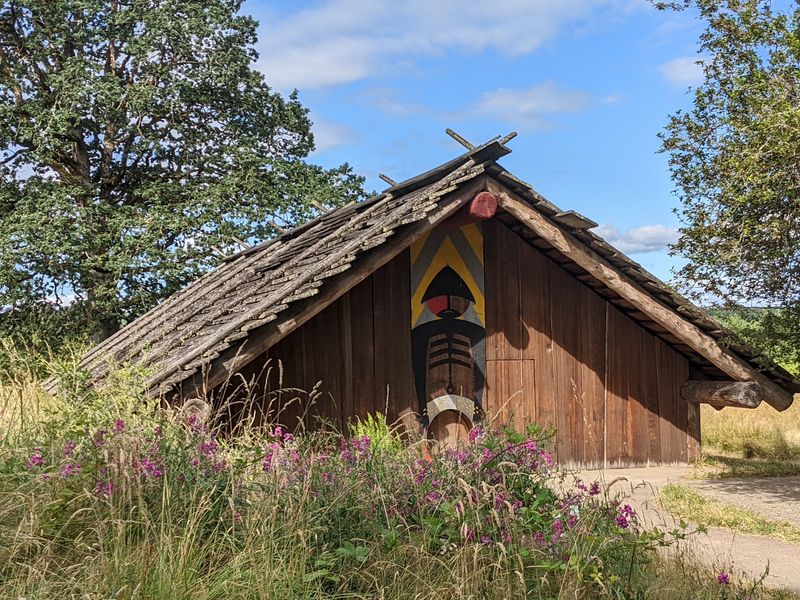
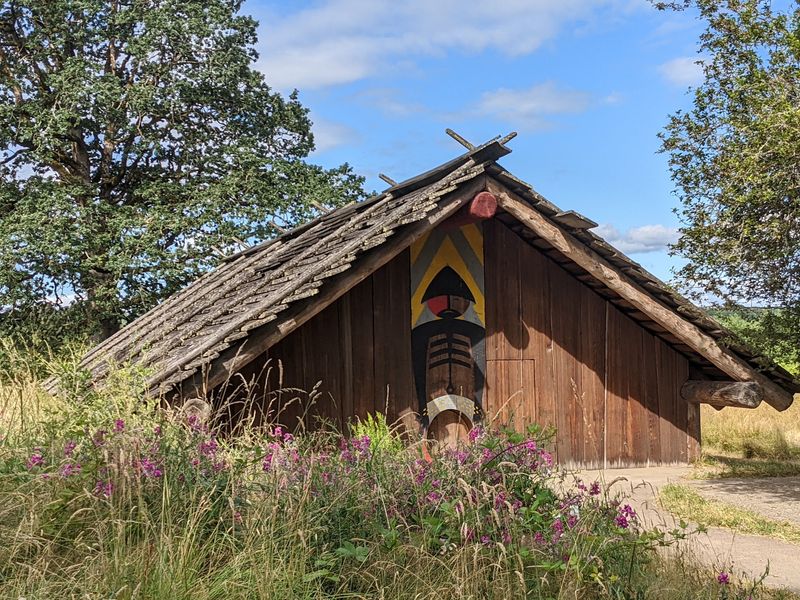
History hides at the end of the trail. Follow the path all the way down and you will reach a plankhouse, a striking cedar building that honors the Native village once located nearby.
Visitors call it pretty cool to see, and it adds depth to a day spent watching wildlife. Standing beside it, you get a sense of how people lived with this river landscape long before highways and towns arrived.
The building also hosts events.
Paths near the refuge office lead closer to the old village site, making them a good option for hikers who want a bit of culture with their walk. Informational signs along the trails share historic facts as you go.
For families, this is a wonderful teaching moment. Kids can compare the plankhouse to their own homes, imagine cooking and sleeping inside, and think about why people chose a spot so rich in fish, birds, and plants.
Take a few quiet minutes here. Between the oaks, the water, and the calls drifting from the marsh, the setting feels peaceful and full of stories waiting to be noticed.
A Brand-New Visitor Center
Fresh lumber and big windows greet visitors at the newer facilities here. A large visitor center, nature center space, and roomy parking area have quickly become highlights for many guests.
Clean restrooms rank surprisingly high on people’s lists of favorite features, and anyone who has hunted for a decent bathroom on a nature outing understands why. The new community events building was expected to open around May 2026, with restrooms and plenty of event space.
Inside, activities can keep curious kids busy. Families have enjoyed guessing animals by their skins and skulls, and some helped build a group collage by coloring tiny squares.
Hands-on fun like that makes learning feel effortless.
Electric vehicle drivers will appreciate two chargers in the parking lot, though there is no shade there on sunny days. Parking itself is generous.
Some honest perspective helps set expectations. A few visitors felt the trails near the new building offer less wetland scenery than they hoped, and more trail areas were still opening.
Even so, the center makes a comfortable, welcoming base for exploring.
Peaceful Atmosphere for Every Kind of Visitor
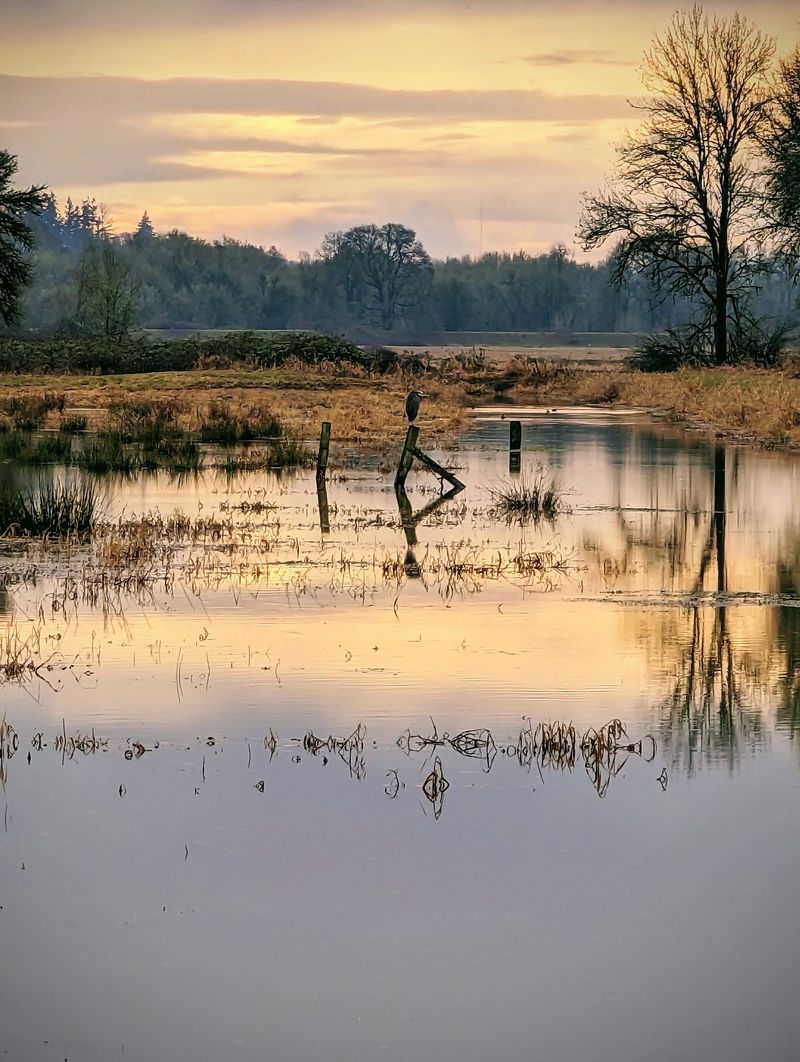
Serenity might be the refuge’s best-kept feature. People describe leaving refreshed, calling their visits a reset from busy city life and a reliable way to lift their spirits.
Accessibility makes that calm available to more people. Because the auto loop lets you enjoy wildlife without hiking, visitors with disabilities and limited mobility have praised it as a great fit.
Retirees love it too, and some have happily used their lifetime senior national park pass here.
Families find it easygoing and kid-friendly. Little ones can watch from car seats, older kids can tackle the trails, and grandparents can enjoy the view from a viewing platform.
Photographers form their own loyal crowd, returning again and again with long lenses to catch shifting seasonal birds. Casual visitors, meanwhile, simply enjoy the surprise of never knowing what will appear around the next bend.
The mood stays relaxed. Cars move slowly, voices drop to whispers, and everyone seems to share an unspoken agreement to let the marsh do the talking.
That shared quiet is part of what keeps people coming back.
Fees and Passes That Stretch a Budget
Three dollars. That is the daily fee per car mentioned by visitors, making this one of the most wallet-friendly outings around.
Frequent explorers can grab an annual pass, reported at around $19, which pays for itself after a handful of trips. Holders of national park senior passes have also put theirs to use here.
For retirees on a fixed income or families watching every dollar, that kind of value is hard to beat.
Paying is simple. At the auto tour, visitors pull up to the left to pay at the fee station.
On the walking side, the fee station sits at the start of the trail rather than right by the parking lot, so keep that in mind.
Some people note that nearby trails, like Salmon Creek, cost nothing, although they come with tougher parking and fewer restroom options. Here, the small fee brings clean facilities and roomy lots.
Plenty of regulars call it a nearly free family outing. Pack a picnic lunch, bring your own snacks, and you could enjoy a full day of nature for less than a movie ticket.
Hours, Directions, and Timing Tips
Plan around a 7 AM opening. Standard listed hours run from 7 AM to 7 PM every day of the week, which gives early risers a great shot at active morning wildlife.
Seasons can change those times, so double-check before heading out. Visitors have reported gates closing at 5 PM during short winter days, while others noted automatic gate closures at 9 PM at the southern unit.
Leave plenty of time to exit so you do not get locked in.
Getting there is easy. The refuge sits just minutes off I-5 in Ridgefield, with the address listed as 1071 S Hillhurst Rd. From Vancouver or the Portland area, it makes a quick drive, and folks from farther north in Washington can easily turn it into a day trip.
Bring binoculars, layers, water, and sunscreen. Restrooms are available, and parking is generally plentiful.
For cranes and big flocks, aim for fall and winter. For spring migration, April can be spectacular.
And remember that trails may close seasonally for nesting birds, so the auto loop is often your most dependable option.
Why the Cranes Are Worth the Drive
Some outings fade from memory by Monday. A morning spent listening to cranes call across a misty Washington marsh tends to stay with you much longer.
Ridgefield National Wildlife Refuge offers a rare mix of easy access, low cost, and genuine wildness. You can stay cozy in your car on the auto loop, wander oak-lined trails, explore a cedar plankhouse, or let the kids play animal detective at the visitor center.
Each visit seems to bring something new.
It is not a grand, polished attraction, and that is part of the charm. Gravel roads, patchy shade, and seasonal trail closures come with the territory.
What you get in return is room to breathe and a front-row seat to the natural world.
Fall and winter may be the sweetest time to go, when migrating flocks gather and bare branches open the view. Bring a thermos, a curious heart, and a few dollars for the fee.
Then roll down the window, wait for that rattling bugle overhead, and enjoy a simple weekend memory worth repeating season after season.