
This Free Illinois Farm Still Lives In The 1890s, And Fall Is When Kids Should See It
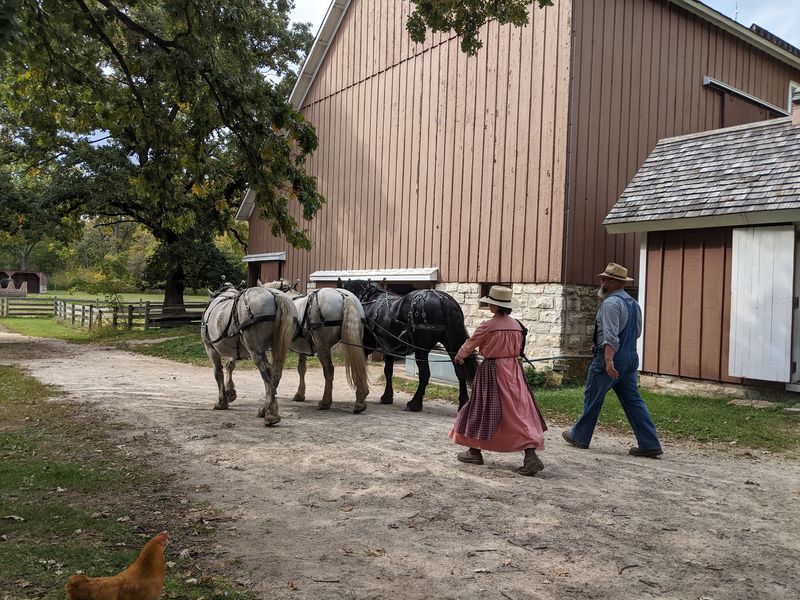
A bell rings across a quiet DuPage County field, and a woman in a long 1890s dress waves everyone toward an old farmhouse for the next tour. It feels like a movie set, except the cows are real, the mud is real, and the horses actually pull the plow.
This corner of Illinois lets families step back more than a century without spending much more than pocket change. Fall is an especially sweet time to go, when the corn comes in, the trees turn gold, and the whole farm gets ready for winter the old-fashioned way.
A Working 1890s Farm
Out on County Farm Road in West Chicago, a quiet patch of DuPage County still runs on horsepower, hand tools, and a schedule set by the seasons. Kline Creek Farm sits inside the Timber Ridge Forest Preserve, and it is run by the Forest Preserve District of DuPage County as a living history farm.
That phrase matters. Rather than a dusty museum with ropes and glass cases, the farm is an actual working homestead set in the late 19th century.
Costumed interpreters milk cows, plant gardens, and tend livestock using the methods of the 1890s.
The address is 1N600 County Farm Rd, West Chicago, and it makes an easy drive for families across the western suburbs. Parking is free and plentiful, and the grounds connect with the surrounding park and trails.
Many first-time visitors admit they drove past for years without knowing what was back there. Once inside, they find a peaceful, well-kept farm that feels miles away from busy roads and shopping centers.
Entry runs on a suggested donation of $5 per person for ages 3 and up, dropped in a box at the gate. That means a family outing can stay wonderfully cheap, which is exactly the kind of local gem worth bragging about.
How A DuPage County Family Homestead Became A Time Machine
Long before subdivisions spread across DuPage County, this land belonged to a real farm family in the late nineteenth century. Their story forms the backbone of everything you see today.
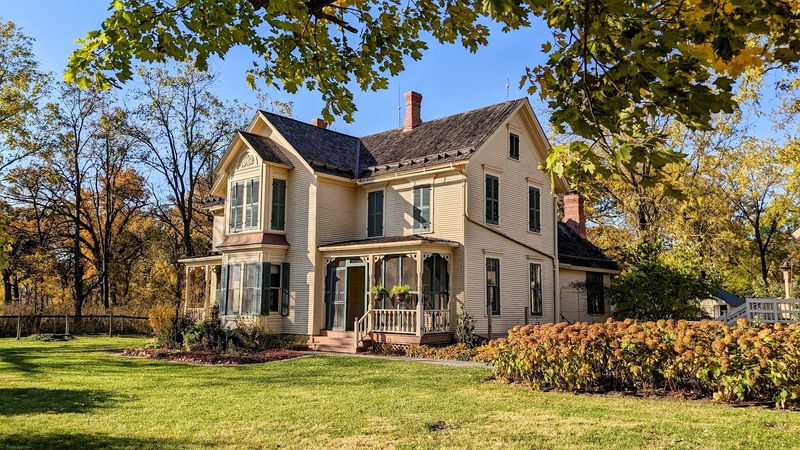
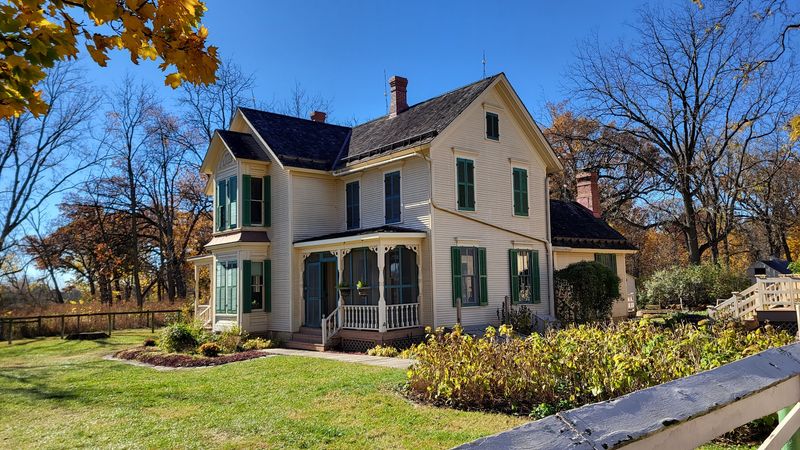
The farmhouse is one of three original buildings on the property. It was carefully restored to match how it looked in the 1890s, right down to period-correct furniture and household objects.
Walking up to it, you get the sense that the family just stepped out to check on the chickens.
Inside the Timber Ridge Visitor Center near the parking lot, photos on the walls trace the history of the farm. Seasonal exhibits there explore the 1890s and the farming heritage of DuPage County, so kids can get a little background before heading out.
Why the 1890s? That decade captures Midwestern farm life just before modern machines changed everything.
Families still grew much of their own food, stored ice for summer, and prepared carefully for long Illinois winters.
The activities across the year re-create those seasonal rhythms. Spring brings lambs and maple sugaring, summer brings garden work, and fall brings harvest and food preservation.
Each visit shows a different chapter of the same old story.
Farmhouse Tours At The Ring Of A Bell
Listen closely. At the top of every hour from 10 a.m. to 4 p.m., an interpreter steps outside and rings a bell, and that sound means a free farmhouse tour is about to begin.
Inside, the rooms are filled with furnishings and artifacts that match the 1890s. Guides talk about the daily work of running a household back then, including baking, canning, quilting, and getting the home ready for special celebrations.
Questions are welcome, and the guides seem to love answering them.
The tours tend to be a highlight for families and groups alike. People often leave knowing far more about the folks who started the farm and how hard their days really were.
Timing helps. Since tours run on the hour, it is smart to stop by the visitor center first, check the clock, and stroll over a few minutes early.
Sometimes the guide has chores to finish before the tour, and visitors get to tag along. Gathering eggs from the chicken coop on the way to the farmhouse is the kind of surprise little ones remember long after the drive home.
Fall light through the old windows makes the rooms feel especially cozy.
Heritage Sheep, Shorthorns, And Percheron Horses
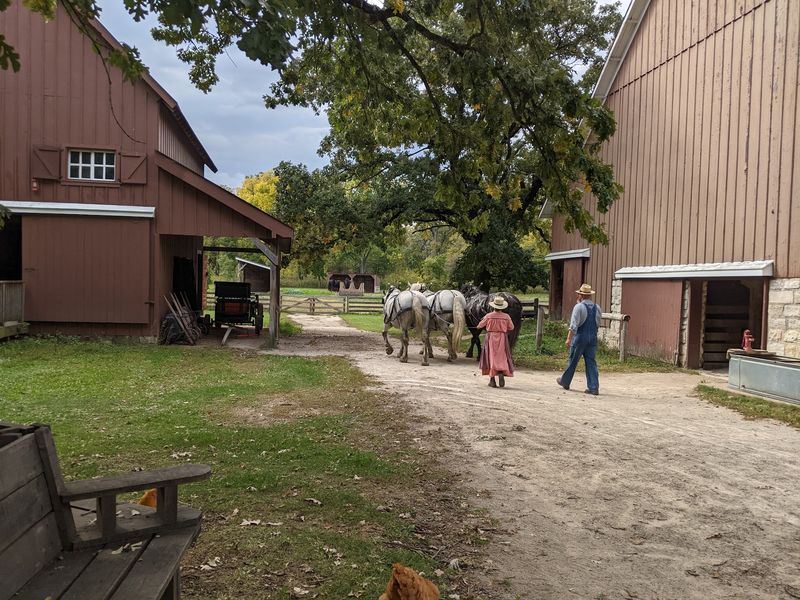
Forget petting-zoo goats. The animals here are heritage breeds, the same kinds a DuPage County farmer would have raised in the 1890s.
Cotswold sheep with their curly fleece wander the pasture, and Heritage Milking Shorthorn cattle munch nearby. Heritage-breed chickens strut around the barnyard, and kids tend to claim them as instant favorites.
Visitors also spot pigs, barn cats, and sometimes a turkey.
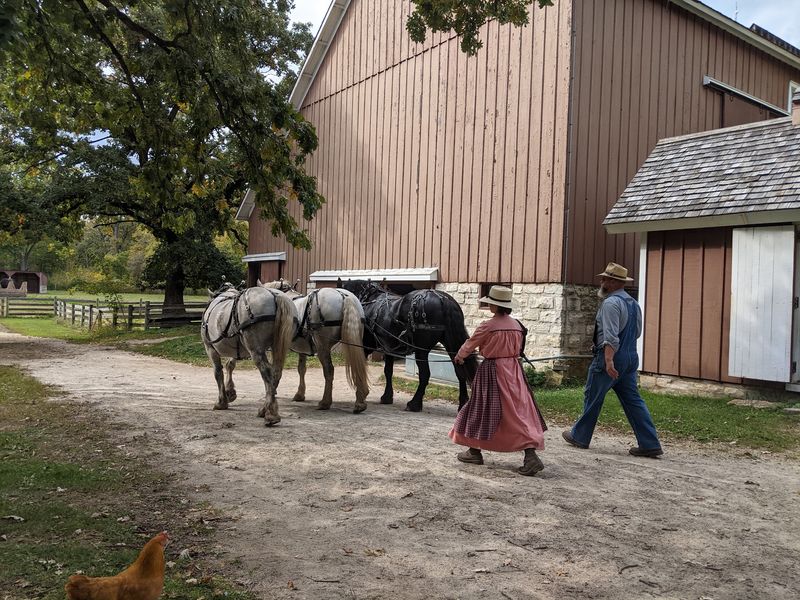
Then come the Percherons. These big draft horses come from the Amish community and actually work the fields, and catching a team pulling a plow is a real thrill.
Did you know the farm takes part in a heritage livestock conservation breeding program? It helps preserve genetic material from older breeds, which supports biodiversity.
So the sheep you are admiring are part of a bigger effort to keep these animals around.
Families who visit often say they get to know the horses by name and watch calves grow up from season to season. Lambs, calves, and piglets are born on the farm, mostly in spring.
Shoeing the horses in the barn is another sight worth catching if the hammering draws you over. The farm is not huge, so seeing everyone takes no time at all.
Corn Harvests, Popcorn, And Getting Ready For Winter
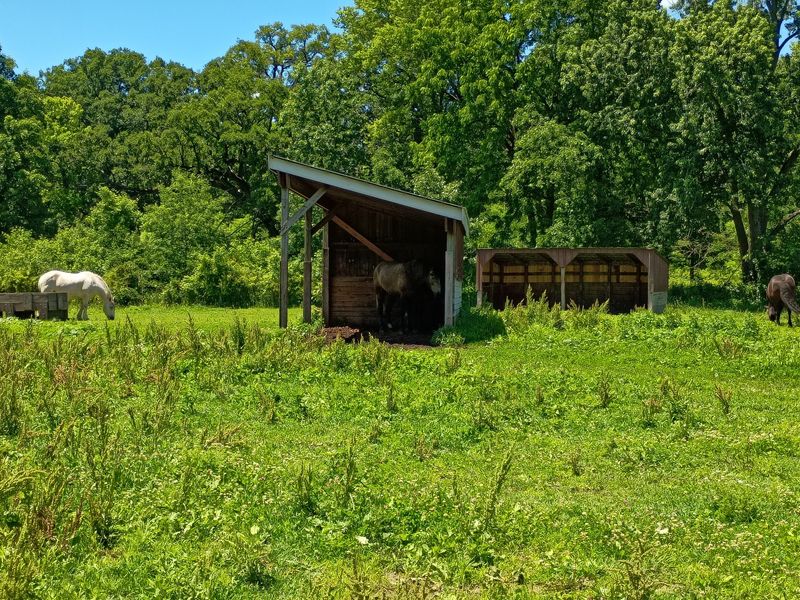
Autumn on an 1890s farm meant one thing: hurry. Winter was coming, and every family needed food stored, meat preserved, and grain tucked safely away.
Fall programs at Kline Creek Farm bring that rush to life. During the annual heirloom corn harvest, visitors can learn about this valuable crop, help pick ears, load wagons, and stash the harvest in the corn crib.
Kids love having a real job to do.
Other seasonal events focus on food preservation. Programs may show salting and smoking pork or grinding and stuffing sausage, skills every farm family relied on before refrigerators existed.
And then there is the popcorn. The farm grows its own, and the cheerfully named “Pop, Pop, Pop, Popcorn!” events show how it was prepared over a wood stove.
The smell alone is worth the trip.
Throughout the afternoon, staff and volunteers keep busy in the kitchen garden, the orchard, and the wagon shed. Volunteer beekeepers manage the apiary and teach about the honeybee and its big job.
Event schedules change, so checking what is planned before heading out will help you match your visit to the harvest action. Hands-on chores like laundry demonstrations pop up too.
Muddy Boots, Oak Trees, And Room To Roam
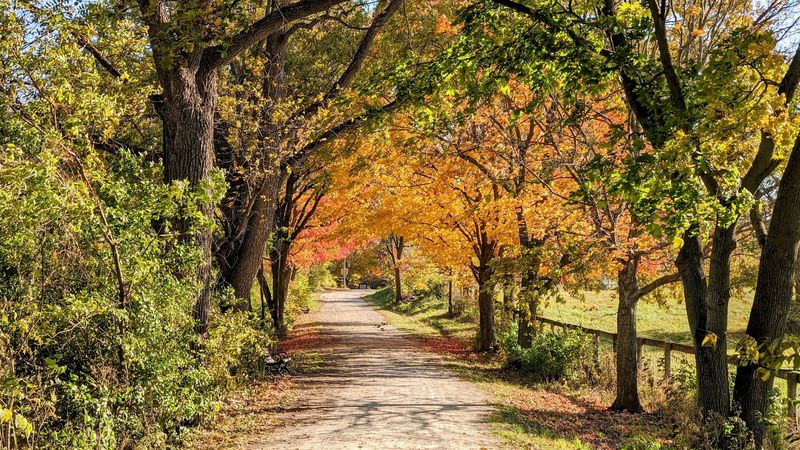
Slow down, because nobody here is in a rush. The pace of the farm is relaxed, and that calm is a big part of the charm.
Giant oak trees shade the paths, a pretty creek winds nearby, and wide open spaces stretch out around the barns. Benches are scattered around for anyone who needs a breather.
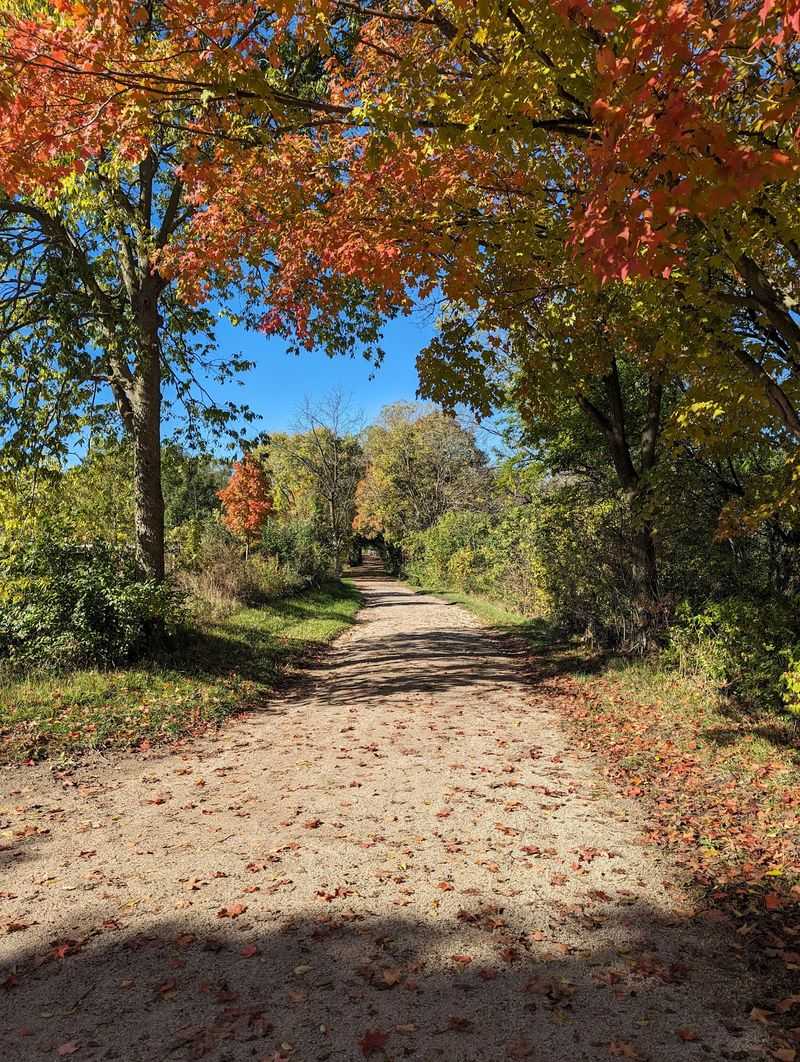
In fall, the hiking trails around the farm light up with color.
Families say their kids roam freely, peeking at animals and poking around the woodsy edges. Packing a picnic is a popular move, turning a quick visit into a full afternoon.
The farm is not overly big, so an hour can cover the basics, though plenty of people linger much longer.
Homeschool groups, co-ops, church kids clubs, and grandparents with toddlers all find something here. Teens and grown-ups get just as curious about how much physical work farm life took.
It is the kind of outing different ages can enjoy together without anyone getting bored.
One honest tip: paths can get muddy, and the horses leave reminders along the way. Rubber boots or old sneakers are a wise choice, especially after rain.
Dress for the weather, since nearly everything happens outdoors.
Visitor Center Treats And The Honey Shop
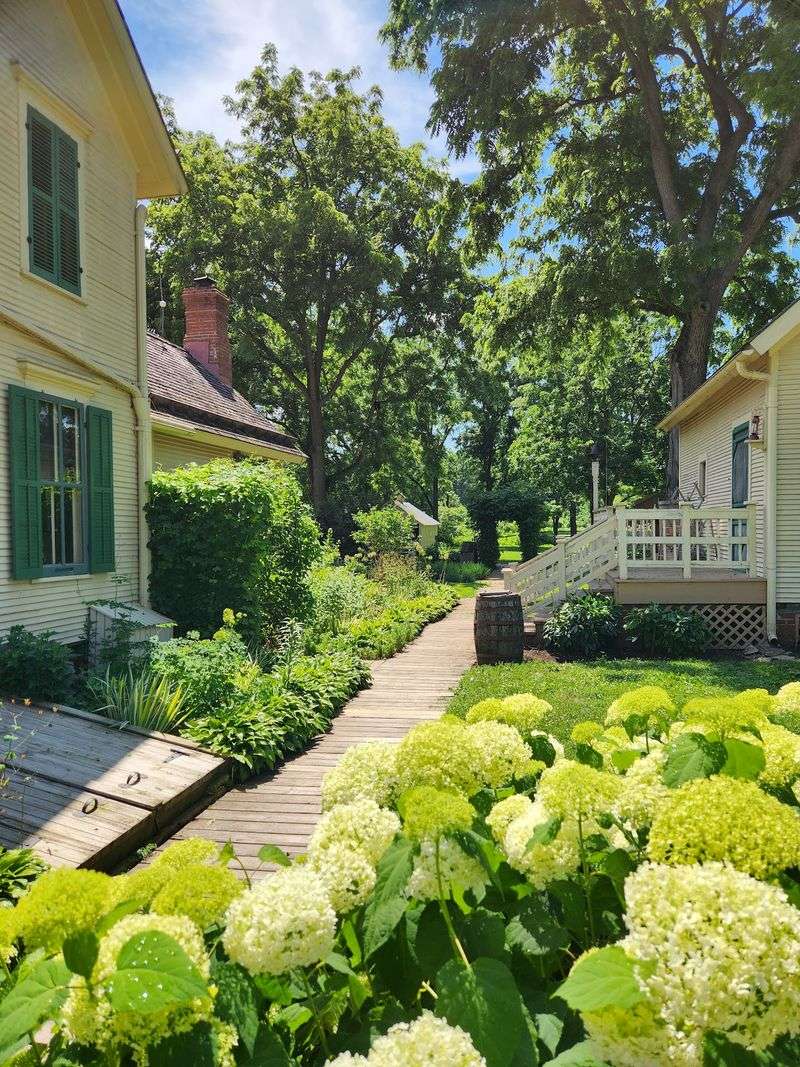
Save a few dollars for the end of the day. The Timber Ridge Visitor Center, right by the parking lot, is more than a spot for restrooms.
Its store sells snacks, drinks, farm-fresh eggs, and locally produced honey. Shelves also hold soaps, homemade wax candles, iron goods, recipe books, Victoriana, and dresses and bonnets for little pioneers.
Old-fashioned games and children’s toys round things out, and prices feel friendly to a family budget.
Kids should not skip the hands-on corner. There is a pretend cow they can “milk” and a play chicken coop, perfect for burning off a bit more energy.
The seasonal exhibits add more history if anyone wants it.
Staff at the center are known for being kind and helpful. Ask about the day’s schedule, and they will point you toward the next farmhouse tour or demonstration.
Modern restrooms and a drinking fountain make the visit easier for families with small children. A jar of honey or a bag of maple sugar makes a sweet souvenir that keeps the memory going at home.
Grandparents especially seem to enjoy browsing the nostalgic toys that look just like the ones from their own childhoods.
A Worthwhile Fall Plan
Here is the practical stuff. Kline Creek Farm is open Thursday through Monday, 9 a.m. to 5 p.m., and closed Tuesdays, Wednesdays, and select holidays.
There is no strict ticket. A suggested donation of $5 per person for ages 3 and up goes into the box at the gate, and the farmhouse tours and many programs are free.
Parking costs nothing, which keeps the whole day cheap.
A few rules help protect the animals. Dogs are not allowed on the farm itself, though the surrounding trails welcome them, and bikes stay outside the main entrance.
Alcohol is not permitted either.
For a full fall afternoon, arrive around lunchtime with a picnic. Catch an hourly farmhouse tour, visit the barns, and check whether a harvest or popcorn event is happening.
Then wrap up with a walk under the turning trees and a stop at the honey shop.
Sunny days are especially lovely here, and the farm seems to offer something new every season. For Illinois families hunting for an affordable, old-fashioned outing close to home, this humble DuPage County homestead earns a spot on the list.
Chances are good the kids will be asking to come back soon.