
Board A Vintage Train At The Grand Canyon Railway Depot In Arizona For A Scenic Ride To The South Rim
A pretend sheriff, a squad of grinning outlaws, and a whistle that echoes across the pines kick off one of the most charming mornings you can have in northern Arizona. Before the train even rolls, you’re laughing, and by the time it reaches the canyon you have heard stories, songs, and maybe spotted an elk.
It turns a long drive into a relaxed day out, with the Grand Canyon waiting at the end of the line. Here is everything worth knowing before you grab a seat.
A Century-Old Station on Grand Canyon Boulevard
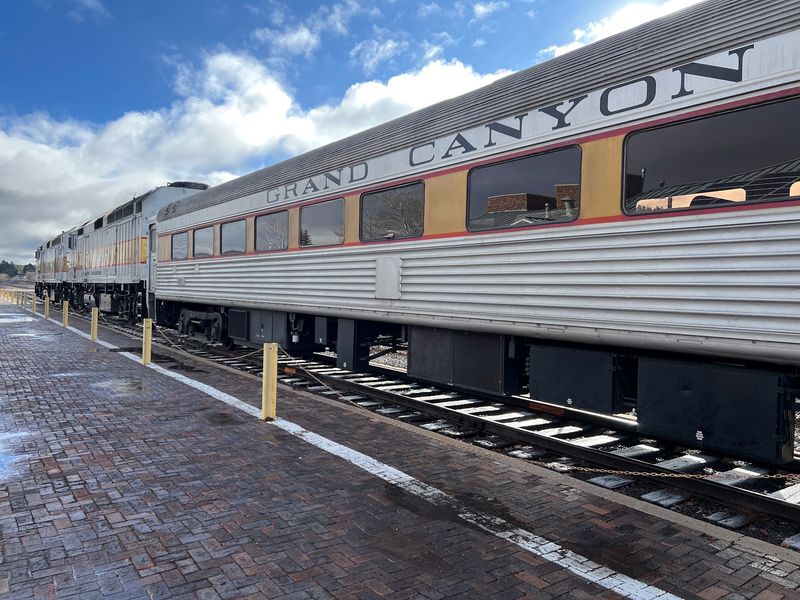
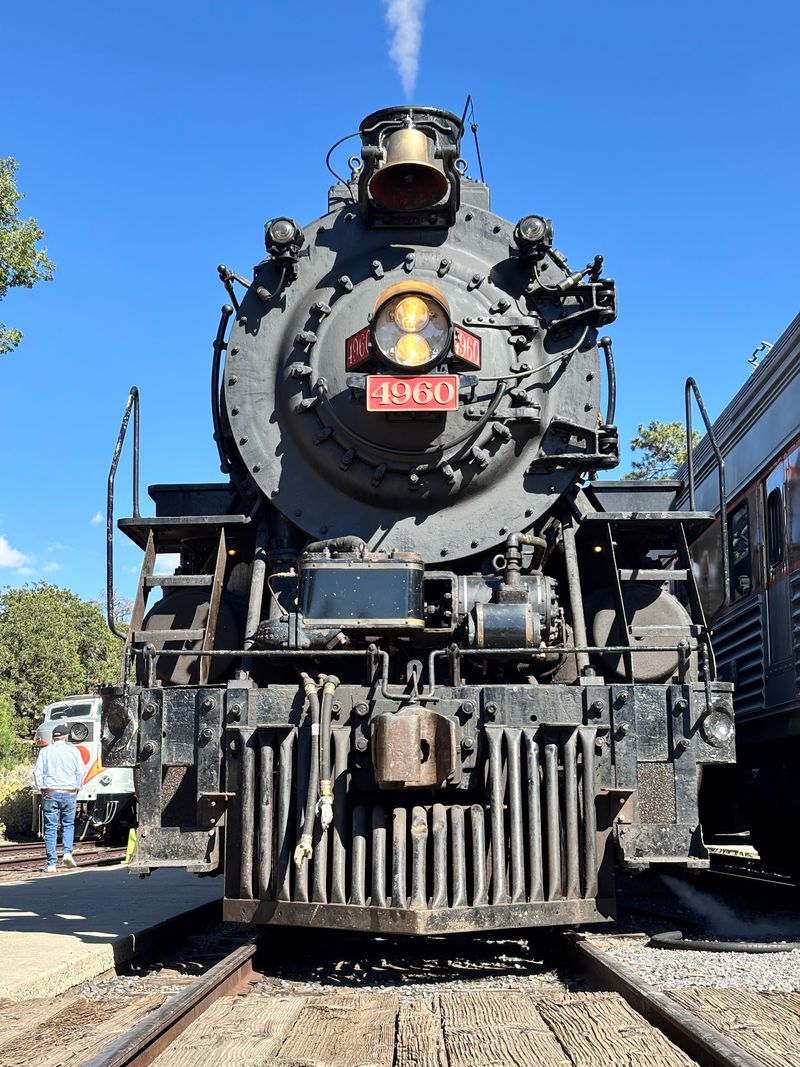
Start with the address: 280 N Grand Canyon Blvd in Williams, a mountain town about an hour west of Flagstaff. That’s where the Grand Canyon Railway Depot sits, and it’s the launching point for a vintage train that carries passengers 65 miles north to the South Rim of Grand Canyon National Park.
The depot dates to 1908, and it is known as the state’s oldest poured-concrete building. Long ago it served as part of a Harvey House hotel, back when rail travel was the fanciest way to see the West.
Today it holds the ticket counter, a gift shop, and a cozy coffee house where early risers can warm up before boarding.
Think of the station as a front porch for the whole adventure. Families gather on the platform, kids press close to the tracks, and the old cars gleam in the high-country sun.
Williams itself sits at about 6,700 feet, so mornings often feel crisp even in summer.
For Arizonans who have only ever driven to the canyon, the depot offers a fresh way in. Park the car, hand over the keys to the day, and let the rails do the work.
Harvey Houses, Railroads, and a Town Built on Tracks
Back in the early 1900s, a train ticket was the golden key to the Grand Canyon. Roads were rough, cars were rare, and the railroad turned a remote wonder into a place ordinary travelers could actually reach.
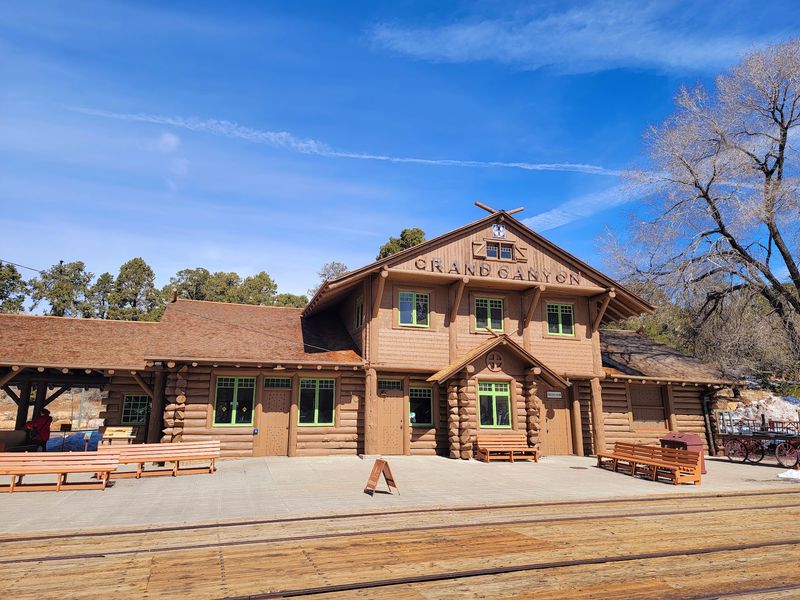
Williams grew up around that connection. The depot opened in 1908, and the line’s northern end got its own landmark soon after: the Grand Canyon Depot at the South Rim, built between 1909 and 1910.
That log building is considered the last operating log depot in the United States, which is a pretty remarkable bit of trivia to carry home.
The Harvey House legacy adds another layer. Those railroad hotels and dining rooms were famous for hospitality, and you can still sense that spirit in how the crew treats passengers today.
Car hosts sprinkle history throughout the ride, so you’ll hear about the line, the region, and the canyon along the way.
Riders often mention how much they learned without feeling like they sat through a lecture. The past isn’t behind glass here.
It’s rolling down the tracks with you, one clickety-clack at a time, through the same forests early passengers once watched pass by.
The Morning Wild West Show
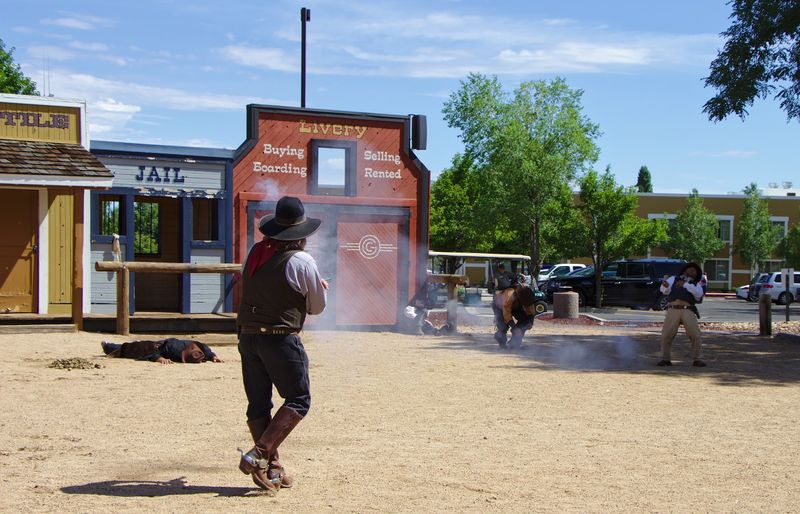
Nine o’clock, and the outlaws are already causing trouble. Before the train departs at 9:30, a lighthearted Wild West show plays out near the depot, featuring the Cataract Creek Gang and a marshal determined to keep the peace.
It’s corny in all the right ways. Riders describe it as a short comedy routine with plenty of slapstick, and the sheriff character has become a favorite with visitors young and old.
Kids tend to watch wide-eyed, while grown-ups laugh at the groan-worthy one-liners.
Arriving early pays off for this reason alone. You get a front-row spot, time to snap photos, and a chance to shake off the drive before settling into your seat.
The show also sets the tone for the day, letting everyone know this isn’t a quiet commuter train.
A practical tip: grab coffee at the depot, then wander out with a few minutes to spare. The crowd gathers quickly on busy days, especially during spring break and summer weekends.
Once the dust settles and the gang slinks away, conductors call passengers aboard. The whistle sounds, and Williams slowly slides away behind you.
Pullman Class and the Open Window Experience
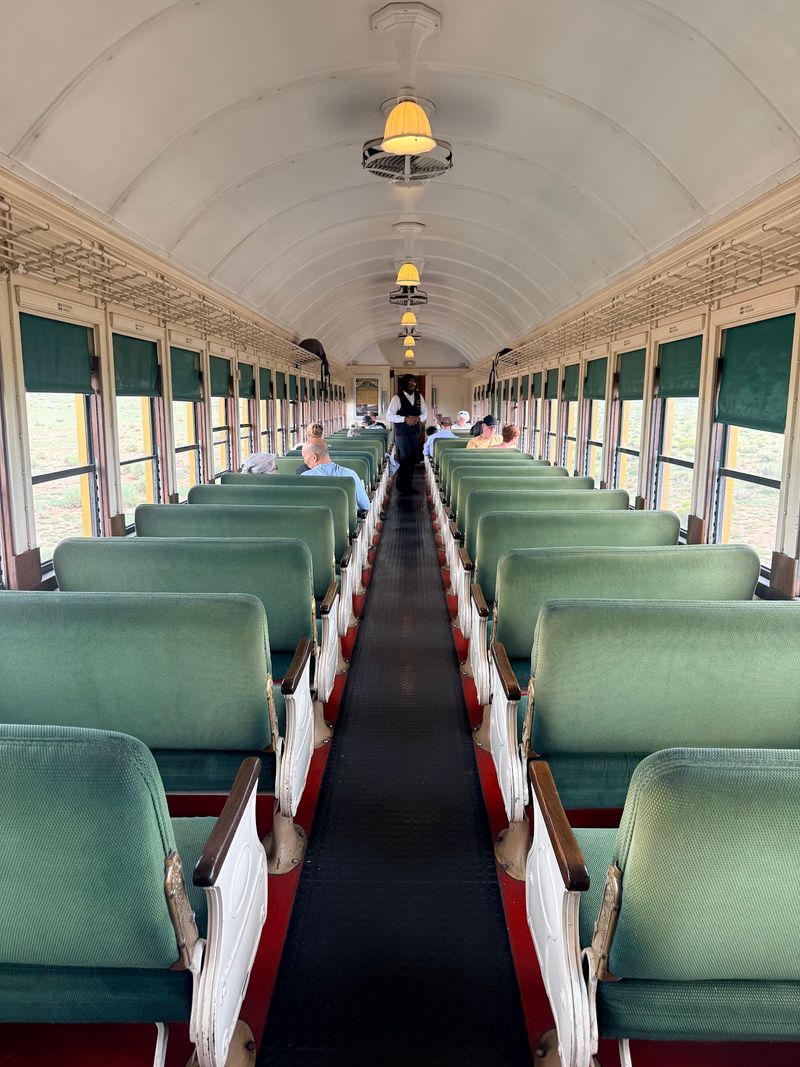
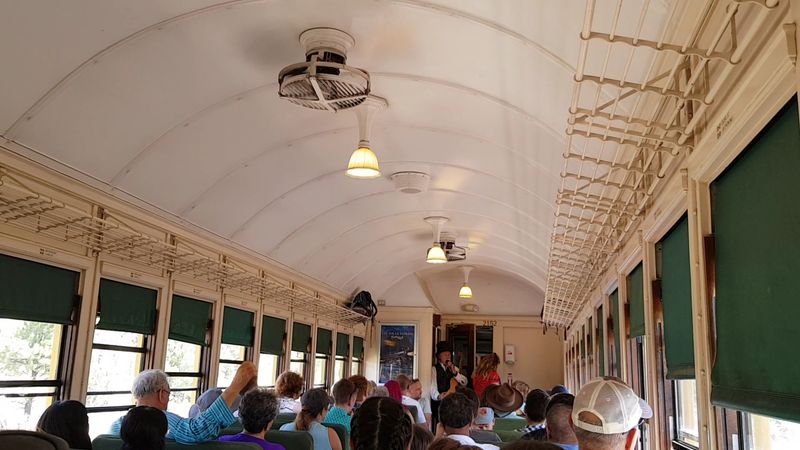
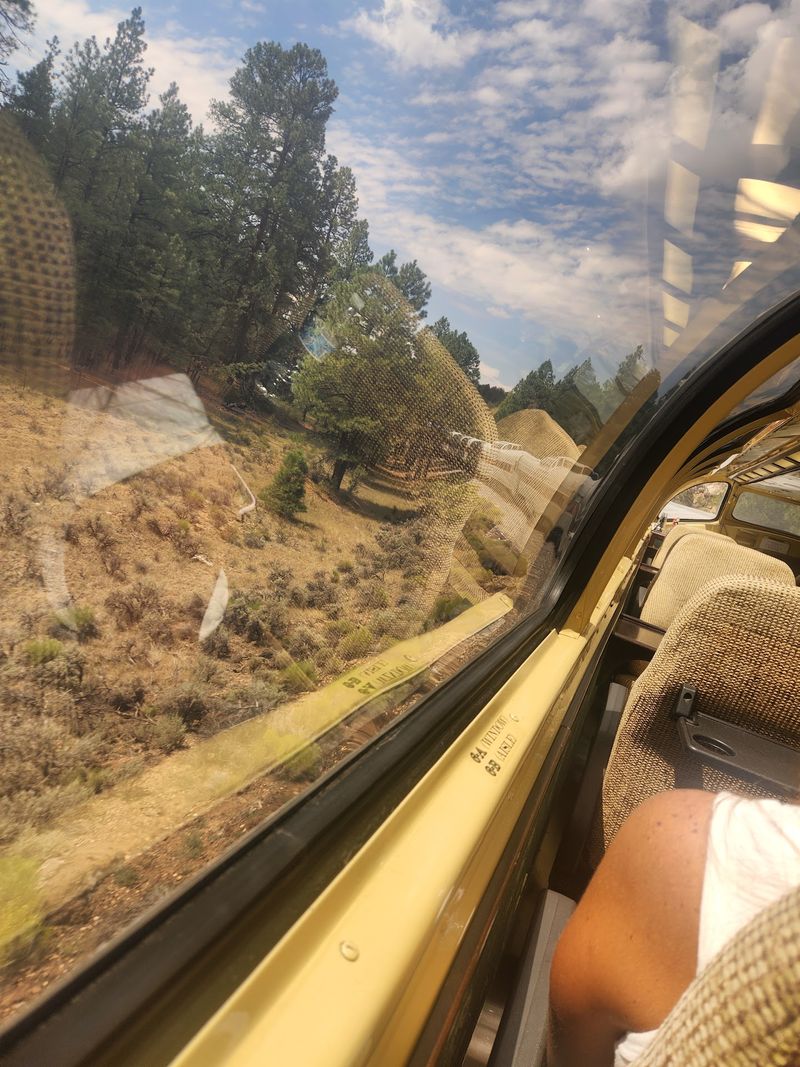
Windows that actually open are a rare treat in modern travel. The Pullman Class lets you slide the glass down and breathe in the pine-scented air of northern Arizona as the train rolls toward the canyon.
These cars are the most old-fashioned way to ride. The coach dates to the 1920s era, and passengers often describe it as the real-deal vintage experience.
There’s no air conditioning, but when the weather is cool, the breeze through the windows feels wonderfully pleasant.
Expect a bit more sway and rumble than the newer cars. Some riders say the ride is slightly rougher, which is part of the charm for history lovers and train fans.
It feels authentic, like stepping into an old photograph.
Hosts in the Pullman cars get special praise from visitors. Many describe them as funny, attentive, and full of catchphrases and local knowledge that make the hours fly by.
Large families have filled entire rows here and come away delighted.
If you’re riding in a hot summer month, think about timing. A cool morning ride feels lovely with the windows open, while a warm afternoon return might call for a different car.
Up Top in the Observation Dome
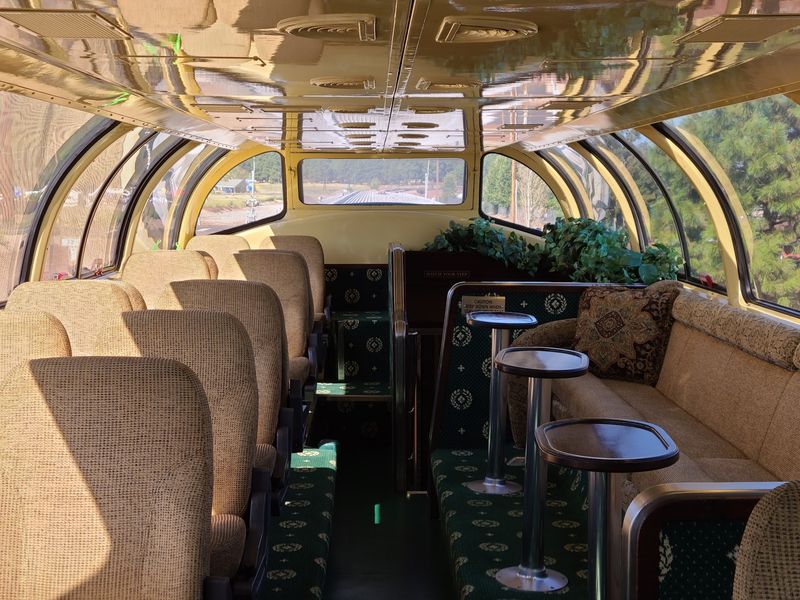
Glass overhead, glass on both sides, and the whole sky spread out like a movie screen. The Observation Dome class lifts riders above the rest of the train for a wide, sweeping view of the landscape.
From that perch, you can spot wildlife more easily. Passengers have reported seeing elk along the route, and the elevated angle lets you look ahead and behind at the long line of cars curving through the trees.
It’s a favorite for photographers and anyone who loves a big view.
Comfort is part of the appeal too. Riders describe the seats as cozy and the air as cool, which matters on warmer days.
Snacks and non-alcoholic drinks are typically included, with service that visitors often call attentive and friendly.
Here’s a smart strategy many travelers share: splurge on the dome for one leg, then choose something simpler for the other. You get the wow factor without paying top price both ways, and you see a different side of the train.
The Luxury Dome takes things a step further, with refreshments like fruit, pastries, and a meat tray reported on the trip, plus a relaxed, upscale feel.
First Class Comfort and the Parlor Platform
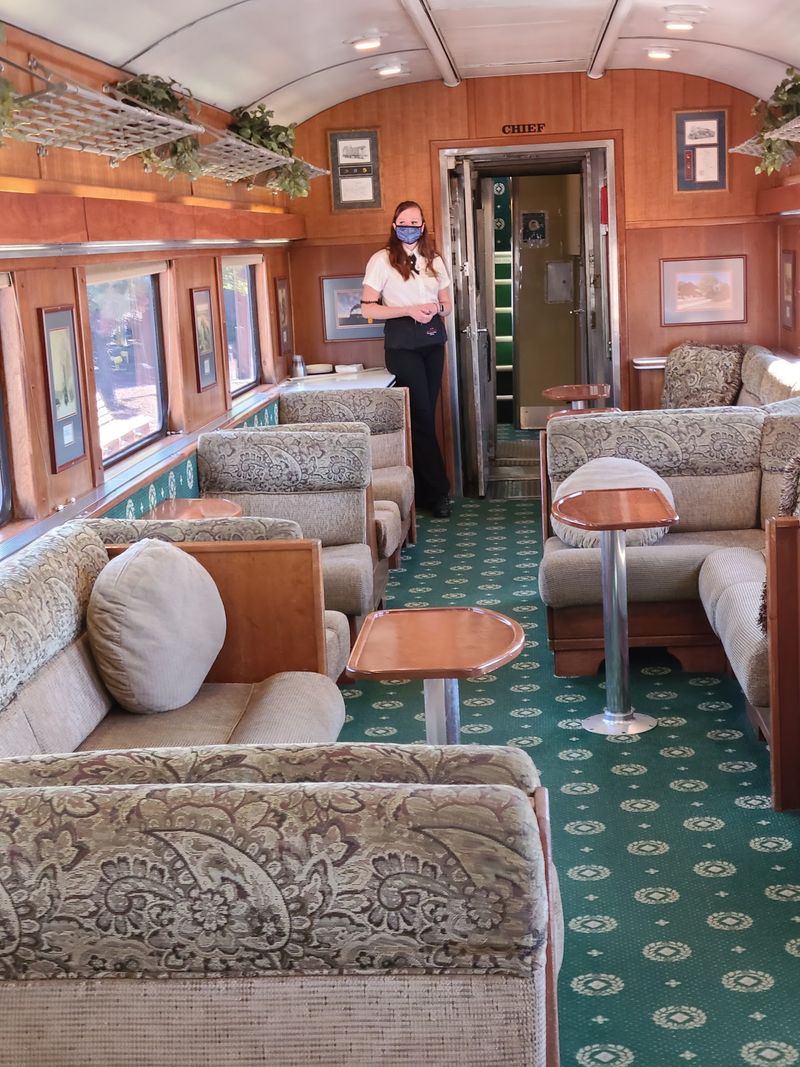
Some riders want history. Others want a plush seat and a snack within arm’s reach.
First Class covers the second group nicely, with comfortable seating and complimentary snacks served along the way.
Passengers riding first class often describe the ride as smooth and easy. There’s a buffet-style spread in some cars, and the selection can change between the trip up and the trip back, which keeps things interesting over a long day.
Then there’s the Parlor Class, tucked at the very back of the train. Its standout feature is an open-air observation platform at the rear, where you can step outside and watch the tracks stretch away behind you.
It’s one of those small moments that feels straight out of a classic travel film.
Restrooms on some upgraded cars are roomier than you might expect, and one visitor noted a small lounge area in the women’s restroom with a couch for waiting. Little touches like that make a long ride more comfortable.
Choosing between classes really comes down to budget and mood. Want breeze and nostalgia?
Pullman. Want polish and a quiet seat?
First Class or Parlor will likely suit you better.
Prairie, Pines, and Peaks Along 65 Miles
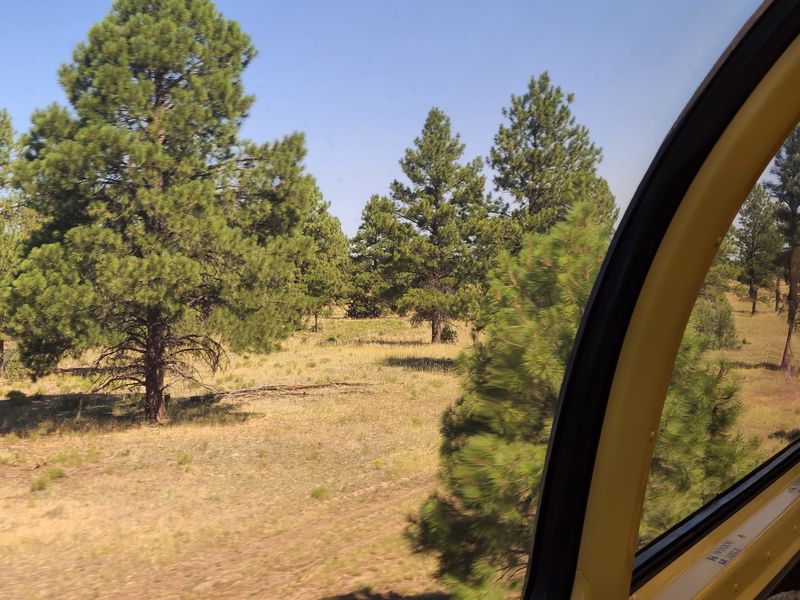
Out the window, Arizona keeps changing its outfit. The 65-mile route moves from open high desert plains into thick ponderosa pine forest, with the San Francisco Peaks showing up on the horizon.
That steady shift is one of the best parts of the trip. Riders often say they enjoyed watching the scenery transform mile by mile as the train climbed closer to the canyon.
Wildlife adds surprise moments, with elk and other animals sometimes running along the tracks.
Honesty helps set expectations, though. You won’t see the canyon itself from the train.
It stays hidden until you step off at the South Rim and walk a short way up to the edge. The ride is more about gentle countryside than dramatic cliffs.
Still, there’s something soothing about it. Many passengers describe the trip as relaxing, the kind of ride where you sip coffee, chat, and watch the trees blur by.
In winter, snow can dust the forest and turn the whole scene into a postcard.
The journey takes roughly two hours and fifteen minutes each way. Bring a window-side mindset and let the landscape do the storytelling.
Car Hosts, Songs, and Strolling Cowboys
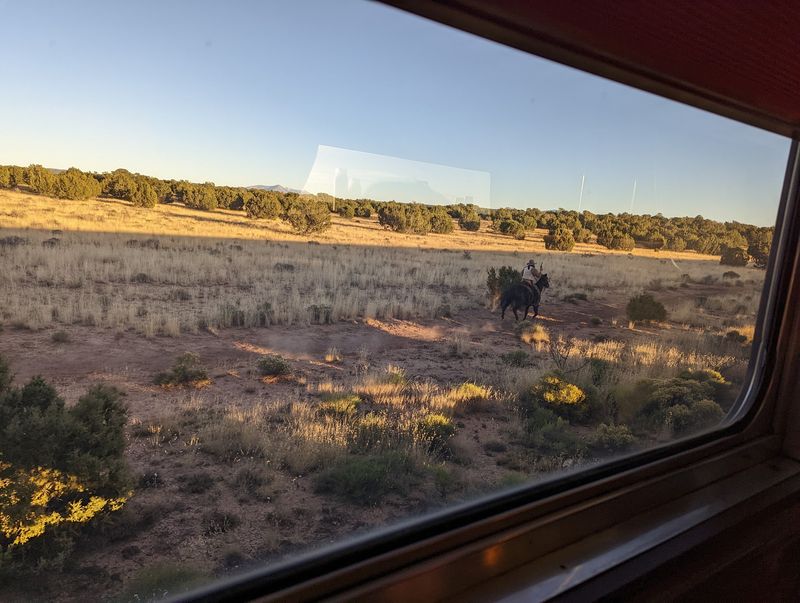
Ask almost any rider what made their day, and they’ll probably name a person. Each car has its own host who narrates the trip, points out landmarks, and shares local lore with plenty of humor.
Friendly staff is one of the most common themes in what passengers say. Hosts are described as funny, kind, professional, and great at keeping everyone engaged, from toddlers to grandparents.
With activity books and stories about what’s outside, they help even the littlest travelers stay interested.
Music rolls through the aisles too. Strolling western singers and cowboy characters stop by each car to play a few songs, often taking requests.
Riders frequently call the live music a highlight and say it makes the time fly.
Every host brings a different style, so no two rides feel exactly alike. One might lean into history, while another leans into jokes and catchphrases.
That personal touch is a big reason people say they want to ride again.
Tipping is common for hosts and musicians. Many visitors suggest bringing a mix of small bills so you’re ready to say thanks to the folks who make the trip special.
The Great Train Robbery on the Ride Home
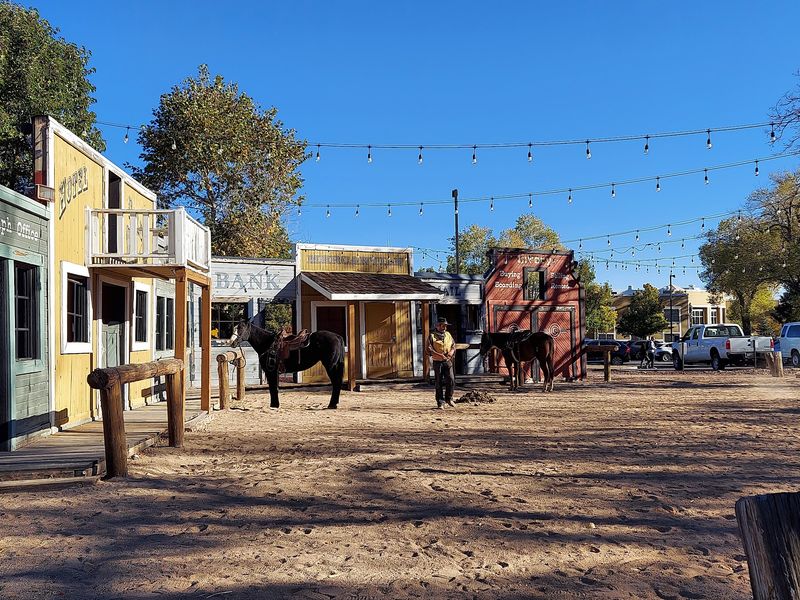
Hold onto your hats, partner. On the return trip to Williams, the train gets stopped by a band of costumed bandits for a playful robbery skit.
Don’t worry, it’s all in good fun. The outlaws stroll through the cars hamming it up, and the sheriff eventually swoops in to save the day.
Kids light up, adults laugh, and everyone gets a story to tell at dinner.
Here’s an insider trick riders love: bring a few dollar bills. Some passengers hide them for the robbers to find, which adds a silly layer to the show.
The bandits accept those dollars as tips, so it doubles as a thank-you for the performance.
The robbery has become one of the most talked-about parts of the whole experience. Plenty of visitors say it was the moment their family remembers most, especially young children who believe, at least a little, that the outlaws are real.
Timing works out nicely, too. After a long afternoon of walking the rim, the skit wakes everyone up and makes the trip home feel lively instead of sleepy.
It’s a cheerful finale to a full day.
Three Hours at the South Rim
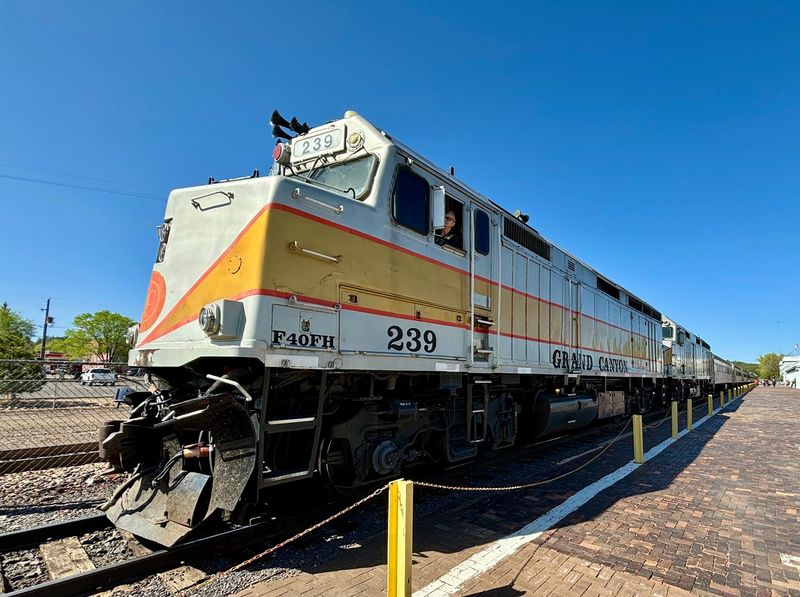
Step off the train, climb a few stairs, and there it is. The Grand Canyon Depot sits only about 200 yards from the rim, close to the historic El Tovar Hotel.
Passengers typically get a little over three hours to explore. That’s enough time for lunch, a stroll along the Rim Trail, and some shopping in Grand Canyon Village.
Some riders walk partway down the Bright Angel Trail to the arch, which gives a great feel for the canyon’s depth.
Verkamp’s Visitor Center and the shops between El Tovar and the Bright Angel Trailhead are easy to reach on foot. Other popular viewpoints include Mather Point and Yavapai Point, though plan your time carefully if you head that far.
Hosts usually share suggestions on the way up, and their advice helps first-timers make the most of a short visit. Even in snowy weather, visitors have happily hopped between gift shops and viewpoints, warming up indoors between photos.
One rule rules them all: don’t be late for the return train. The schedule is strict because other trains use the line, and getting back to Williams any other way can be costly and stressful.
Who Will Love This Ride
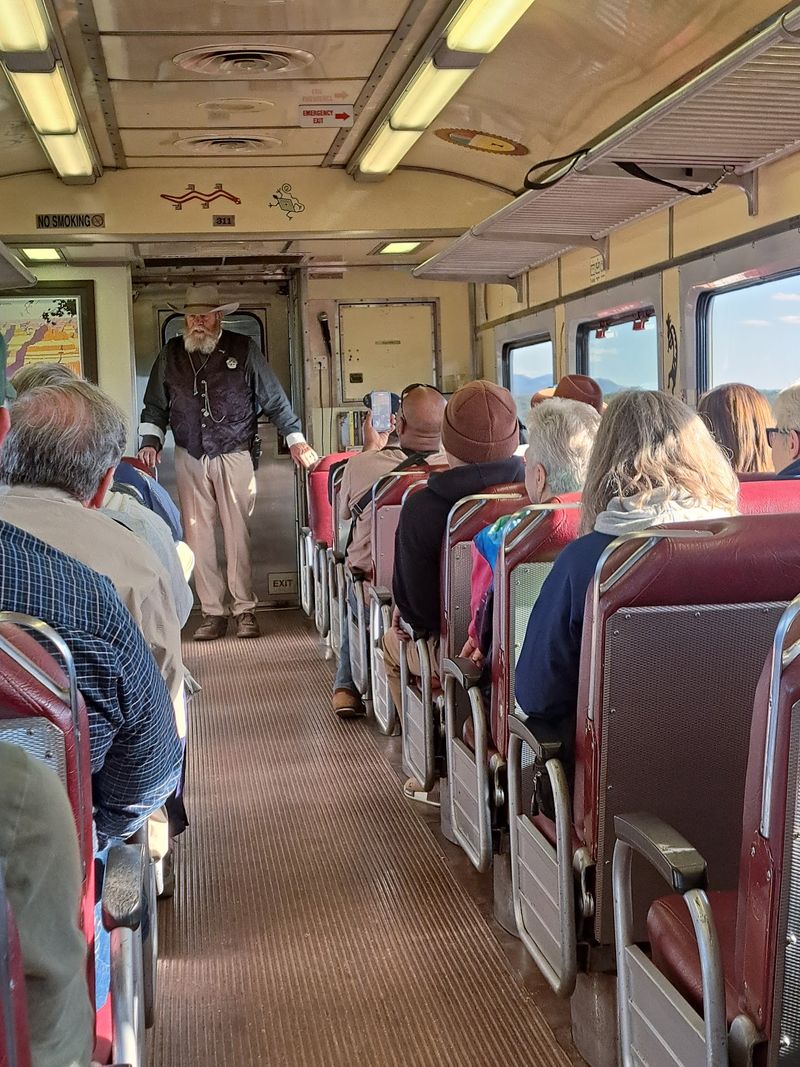
Grandparents, toddlers, newlyweds, and first-timers all seem to find their groove here. The railway works best for people who want the canyon without the hassle of driving and parking.
Families with kids get plenty of entertainment, from the morning show to the robbery. Even very young children have managed the long day well, though parents note it can feel lengthy for little ones.
Bringing books, snacks, and a sense of humor helps.
Couples and retirees often appreciate the relaxed pace. Many visitors describe it as a perfect day trip for anyone who doesn’t want to spend an entire day hiking the park.
It’s an easy, organized way to see the South Rim and be back by evening.
Accessibility comes up in what riders mention too, with wheelchair access noted as part of the experience. If you have specific needs, contacting the railway before booking is a smart step.
Train lovers and history buffs will feel right at home, especially in the vintage cars. And for Arizona locals who have seen the canyon a dozen times, this offers something new: the same wonder, approached the way travelers did more than a century ago.
Schedules, Cash, and Other Practical Notes
Plan for a full but easy day. Based on recent rider accounts, the Wild West show starts around 9 a.m., the train leaves Williams at 9:30, and it heads back from the canyon at 3:30 p.m.
Schedules can change, so confirm times when you book.
Ticket prices vary by class, and there are numerous options to fit different budgets. Mixing a premium car one way with a simpler car the other way can help stretch your dollars.
Cash is handy. Visitors often tip hosts, musicians, snack attendants, and the playful robbers, and a mix of small bills works well.
One rider spent around $75 in tips across the day, though you can certainly spend less. The snack cart on board, however, has been reported as card only.
Dress in layers. Williams and the South Rim sit at high elevation, so mornings are cool and weather can shift quickly, even bringing snow in colder months.
The Pullman car has no air conditioning, which matters in summer.
Finally, arrive early. Parking, check-in, coffee, and the show all go smoother when you’re not rushing to the platform.
Worth the Whistle
Some trips are about the destination. This one manages to make the getting-there feel like half the fun.
Between the playful morning shootout, the singing cowboys, the chatty car hosts, and the giggle-worthy robbery, the ride from Williams delivers a steady stream of small delights. Add shifting scenery, a chance at spotting elk, and a relaxed few hours at one of the most famous views on Earth, and you have a day that’s hard to forget.
It also takes cars off busy park roads, which helps protect the canyon and spares you the parking hunt. That’s a quiet bonus many travelers don’t think about until they experience it.
Is it the cheapest way to reach the South Rim? Not always.
But with flexible seating classes and the option to mix and match, it can fit a range of budgets, and riders consistently say it felt worth the cost.
For Arizonans looking for a fresh spin on a familiar wonder, the vintage train from Williams may be just the ticket. Bring a few dollar bills, a jacket, and some patience for corny jokes.
The whistle will take care of the rest.