
13 Maine Towns That’ll Make You Feel Like You Traveled Back In Time
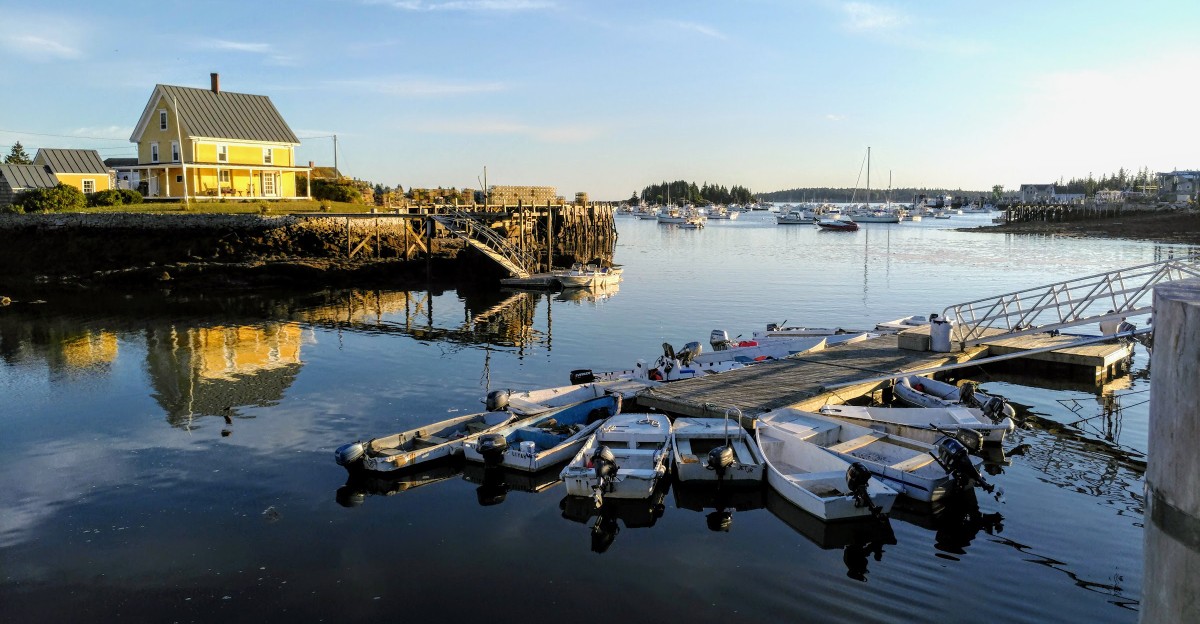
You can learn a lot about a town just by slowing down for a few minutes. Maybe it is the lobster boats tied up at the harbor, an old house that still looks much like it did a century ago, or a general store that has been part of the community for generations.
Maine has plenty of small towns where the past still feels close, but everyday life keeps moving around it. Fishing traditions remain strong, historic homes still line quiet streets, and longtime local businesses give travelers a reason to stop instead of passing through.
Some towns are best explored on foot, while others take a ferry ride or a little extra time to reach. That is part of the appeal.
These are the kinds of places where a simple afternoon can turn into one of the most memorable parts of a trip.
Blue Hill
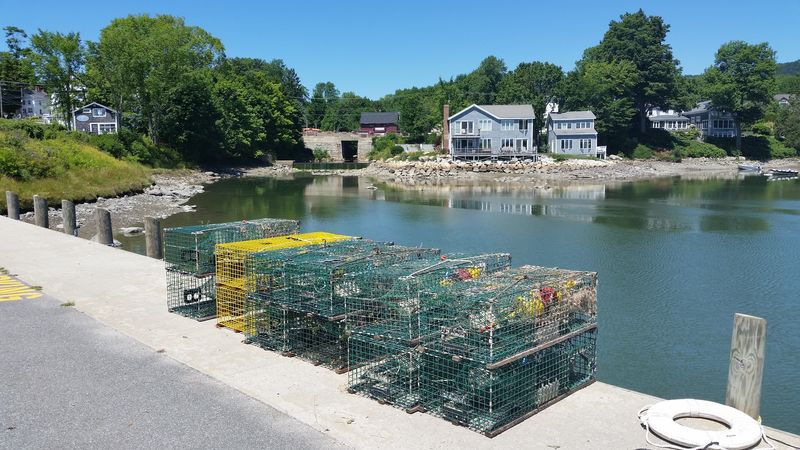
Pottery wheels have been spinning in Blue Hill for decades, and the town still feels like a craftsperson’s quiet workshop. This Hancock County village sits at the head of Blue Hill Bay in Maine, USA, about an hour’s drive south of Bangor.
Settled in the 1760s, Blue Hill grew rich on shipbuilding and granite. You can see that history at the Jonathan Fisher Memorial, the home of the town’s first minister.
Fisher was a preacher, painter, farmer, and inventor who built much of the house himself in the early 1800s. The Holt House, run by the Blue Hill Historical Society, shows off period rooms and stenciled walls.
For a view that has barely changed in two centuries, hike Blue Hill Mountain. The trail is about a mile long and fairly easy for families.
From the summit, the bay spreads out like a postcard, especially in late September when the maples turn bright red.
Back in the village, browse the local pottery studios and the Blue Hill Public Library, a handsome brick building from the 1920s. The Blue Hill Fair, held over Labor Day weekend, brings ox pulling, pie contests, and old-fashioned fun.
Bring an empty tote bag, because leaving with a handmade mug is practically a local tradition.
Stonington
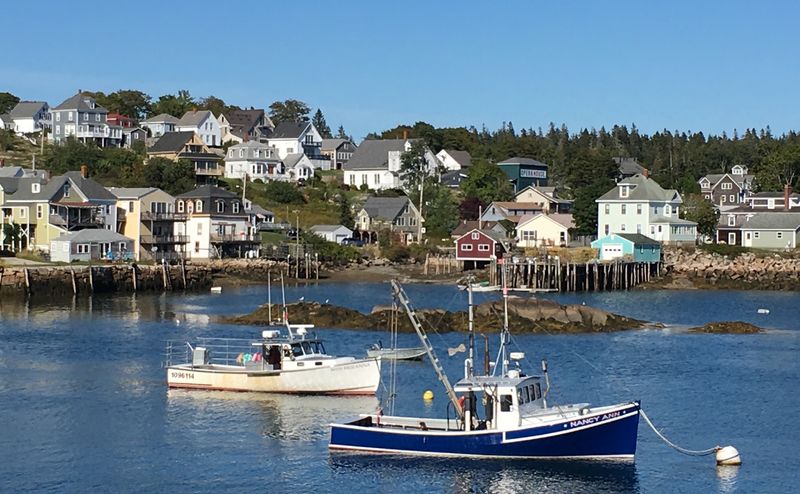
Count the lobster boats in Stonington’s harbor and you may run out of fingers, toes, and patience. This town on the southern tip of Deer Isle in Hancock County, Maine, USA, lands more lobster than almost any port in the state.
Long before lobsters ruled, granite did. Quarries on nearby Crotch Island supplied stone for famous buildings and monuments in the late 1800s and early 1900s.
The Deer Isle-Stonington Historical Society shares stories of quarry workers, sailors, and fishing families who shaped this rugged spot.
Wandering the hilly streets feels like paging through an old sketchbook. Weathered shops perch on granite ledges, and the Stonington Opera House, built in 1912, still hosts plays, films, and concerts.
It is one of the last working town halls of its kind in Maine.
For a real treat, book a boat tour into Merchant’s Row, a scatter of spruce-covered islands just offshore. Seals and seabirds are common, and the fog can roll in like a soft gray curtain.
Arrive early in the morning to watch boats head out, then grab chowder at a local spot. Stonington proves that some towns are simply shellfish-ly good at staying the same.
Damariscotta
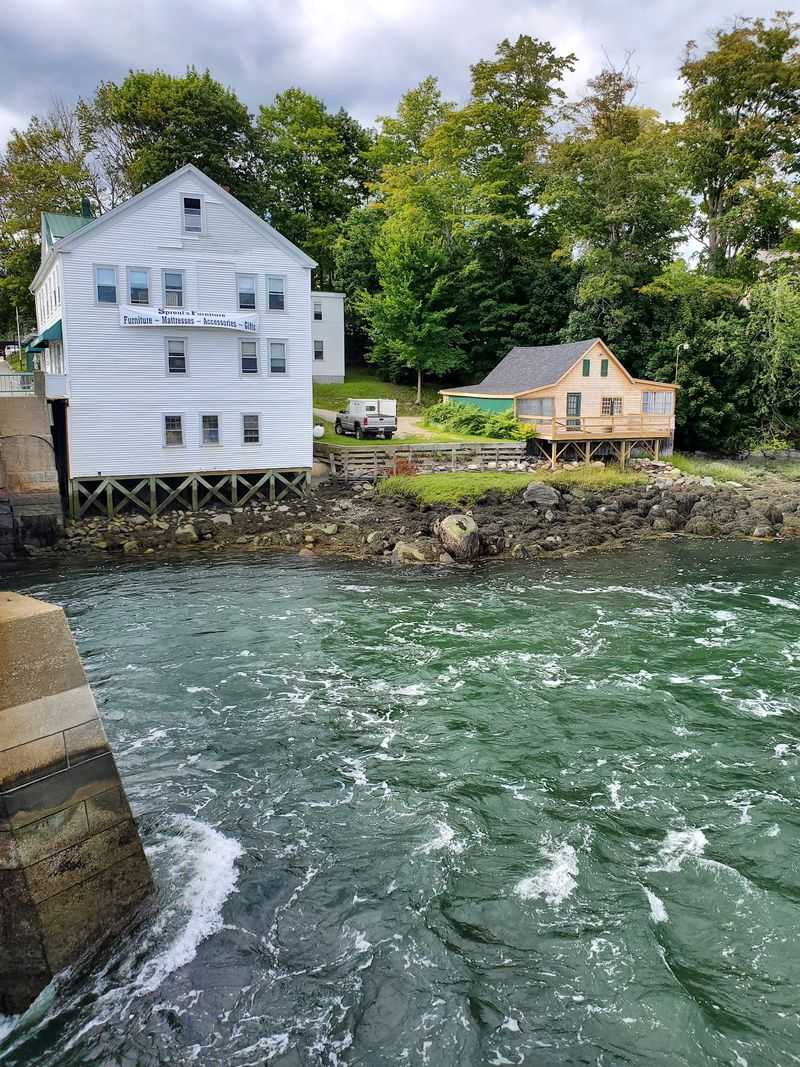
Oysters have been part of life along the Damariscotta River for thousands of years, and the proof is still sitting on the riverbanks. Damariscotta, a small town in Lincoln County, Maine, USA, sits along this tidal river in the Midcoast region.
Native people left behind giant shell heaps here, some dating back more than 2,000 years. You can learn about them at the Whaleback Shell Midden State Historic Site, a short walk with river views and helpful signs.
Main Street looks much like it did in the 1800s, thanks to a row of brick storefronts built after a fire in 1845. Today they hold bookstores, bakeries, gift shops, and a classic five-and-dime style store that kids love.
Spring brings one of Maine’s coolest sights. At the Damariscotta Mills fish ladder, thousands of alewives swim upstream in May and June, climbing a stone ladder first built in the early 1800s.
Volunteers keep it in great shape.
Visit in October for the Pumpkinfest and Regatta, when giant pumpkins get carved, painted, and even paddled across the harbor. Few towns can say their festival boats were grown in a garden.
Castine
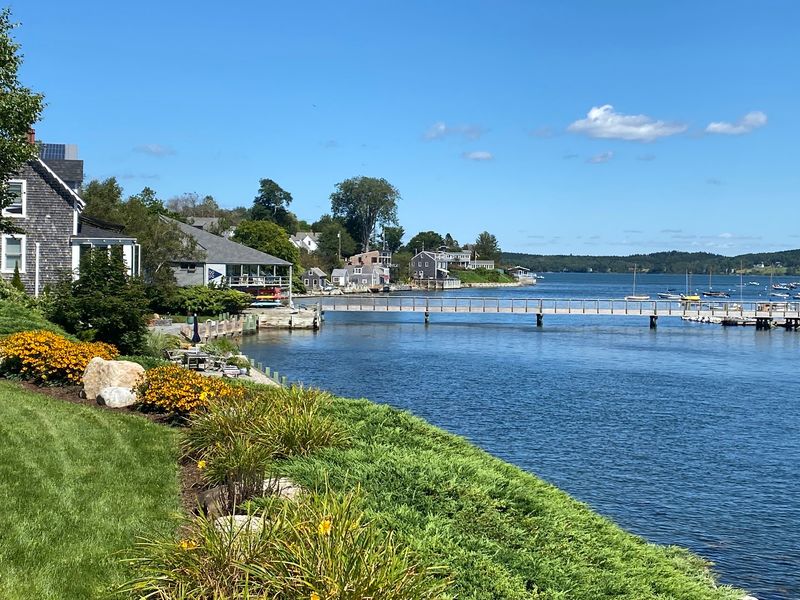
Four nations have planted their flags in Castine, which is a lot of history for a town with roughly 1,300 residents. France, the Netherlands, Britain, and the United States all fought over this peninsula in Hancock County, Maine, USA, where the Penobscot River meets Penobscot Bay.
That busy past shows up everywhere. Dozens of small historical markers line the streets, explaining forts, battles, and old homes.
Fort George, built by the British in 1779, still has grassy earthworks you can climb and explore.
The town itself looks like a painting of New England. Grand Federal and Greek Revival houses, built by wealthy sea captains, sit beneath tall elm trees.
The Castine Historical Society on the town common offers exhibits and guided walking tours in summer.
Castine is also home to Maine Maritime Academy. If the training ship is docked at the waterfront, you may spot cadets learning the ropes, quite literally.
Plan for a slow afternoon. Pack a picnic for the common, stroll down to Dyce Head Lighthouse, and watch sailboats glide across the bay.
By sunset, you may find yourself quietly pricing old houses, which happens to almost every visitor here.
Lubec
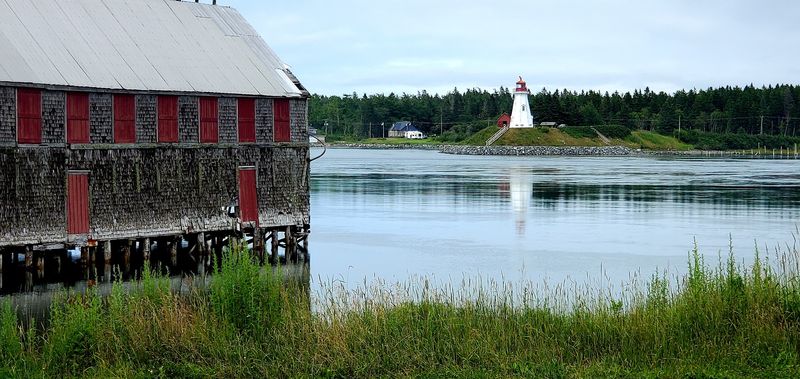
Early birds, this one is for you. Lubec, in Washington County, Maine, USA, is the easternmost town in the contiguous United States and one of the country’s earliest places to greet the sunrise.
The best spot to catch that first light is Quoddy Head State Park. Its candy-striped West Quoddy Head Lighthouse dates to 1858, and the keeper’s house now holds a small visitor center.
Cliffside trails wind through mossy woods and past dramatic ocean views.
Lubec’s downtown has a sleepy, old-fashioned charm. Fishing and sardine canning once kept the town humming, and the McCurdy Smokehouse buildings on the waterfront are reminders of the herring smoking days.
The Mulholland Point Lighthouse sits just across from the village too.
Here is a fun fact: the tides around Lubec are some of the highest in the country, rising and falling around 20 feet. Watch the water rush through the Lubec Narrows and you will see boats work hard just to stay put.
Bring your passport if you want to cross the bridge to Campobello Island in Canada, where Franklin D. Roosevelt spent his summers.
Just remember that Campobello Island is one hour ahead of Lubec once you cross the border.
Wiscasset
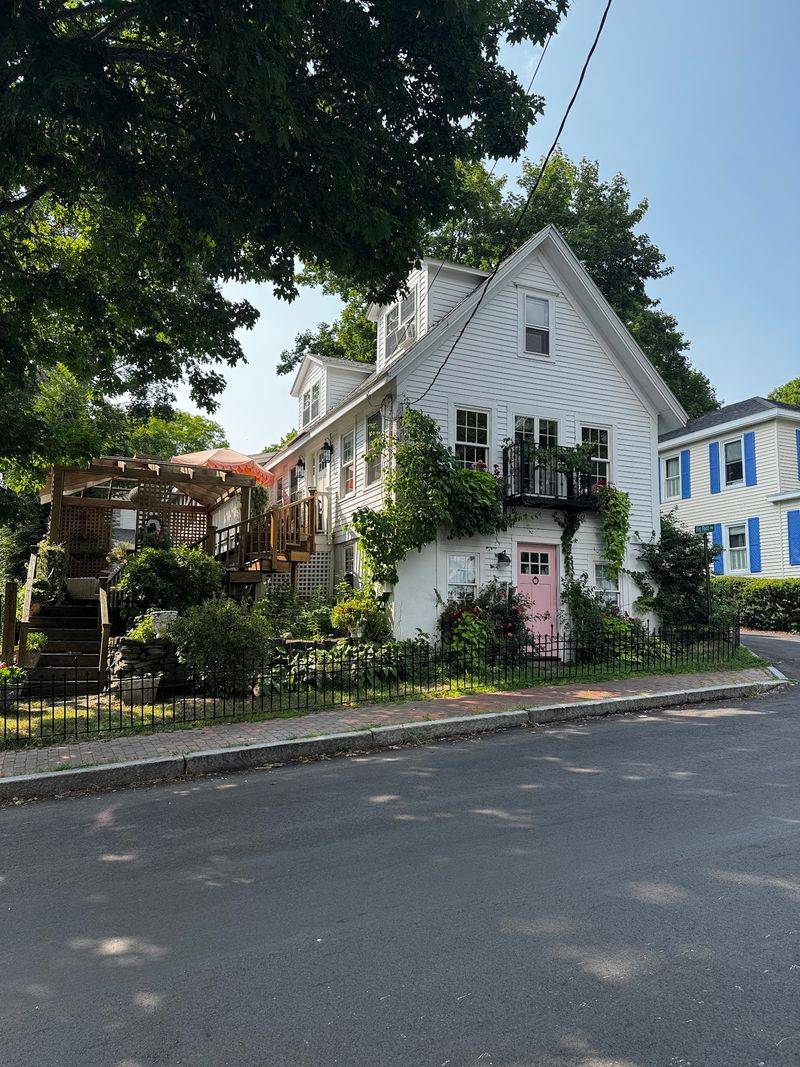
Many people know Wiscasset for its traffic on Route 1, but those who park the car discover something much better. This Lincoln County town on the Sheepscot River in Maine, USA, proudly calls itself the prettiest village in Maine.
In the late 1700s and early 1800s, Wiscasset was one of the busiest ports north of Boston. Ship owners and merchants built elegant homes, and many still line the streets today.
Castle Tucker, a striking 1807 mansion run by Historic New England, still holds the original family’s furniture and wallpaper.
Next door to history, you will find another treat. The Nickels-Sortwell House shows off fine Federal-style design, and the Old Lincoln County Jail, built of granite in 1811, lets visitors peek into cells covered in old graffiti.
Railroad fans should hop aboard the Wiscasset, Waterville and Farmington Railway Museum’s narrow-gauge trains in nearby Alna. The tiny tracks once carried goods across the region.
Save room for a famous lobster roll near the bridge, but come early, since the lines get long in July. Then spend an afternoon poking through antique shops, where every dusty shelf might hold a little piece of the town’s seafaring story.
Bethel
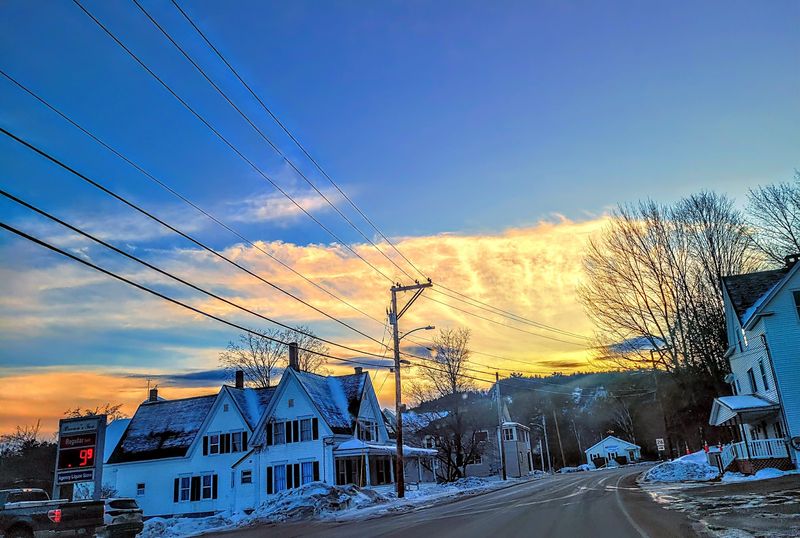
Mountains wrap around Bethel like a cozy flannel blanket. This town in Oxford County, in the western mountains of Maine, USA, sits along the Androscoggin River and has welcomed travelers since the 1800s.
The heart of town is the Broad Street Historic District, a lovely stretch of homes and buildings around the town common. Gould Academy, a boarding school founded in 1836, adds brick buildings and a classic campus feel.
The Bethel Historical Society runs the Dr. Moses Mason House, an 1813 home with wall murals that are worth seeing.
Back in the late 1800s, city families rode the train to Bethel for fresh air and long summer stays. That spirit still lingers at the historic inns that face the common.
Outdoor fun is everywhere. Sunday River ski resort sits just a few miles away, and in summer and fall, trails in the White Mountain National Forest offer waterfalls and wide views.
Screw Auger Falls in Grafton Notch is a crowd favorite.
Fall foliage peaks around early October, so book rooms early. Grab a maple treat from a local shop and you will understand why Bethel is a sweet escape in any season.
Greenville
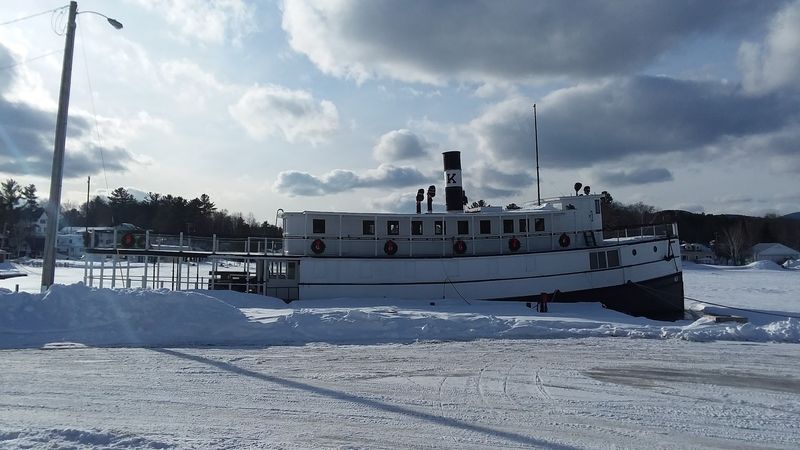
A century-old excursion boat still cruises the waters of Moosehead Lake, and that alone tells you a lot about Greenville. This town in Piscataquis County, Maine, USA, sits at the southern tip of the largest lake in the state.
The star of the show is the Katahdin, a 1914 vessel originally built as a steamship and now powered by diesel. Once used to haul logs and passengers, it now carries visitors on scenic cruises run by the Moosehead Marine Museum.
Riding its deck feels like joining a lumber crew from long ago, minus the hard labor.
Greenville was once the gateway to the North Woods logging camps, and it still has a frontier vibe. Float planes buzz in and out of the harbor, and the International Seaplane Fly-In each September fills the sky with colorful aircraft.
Moose spotting is a local pastime. Early mornings and evenings near marshy ponds are the best times, and guided moose safaris can help you find them.
Bring binoculars and patience.
For a hike with a view, climb Mount Kineo by taking a short boat shuttle across the lake. Its tall cliff drops straight into the water.
Greenville proves you do not need a time machine, just a good paddle.
Searsport
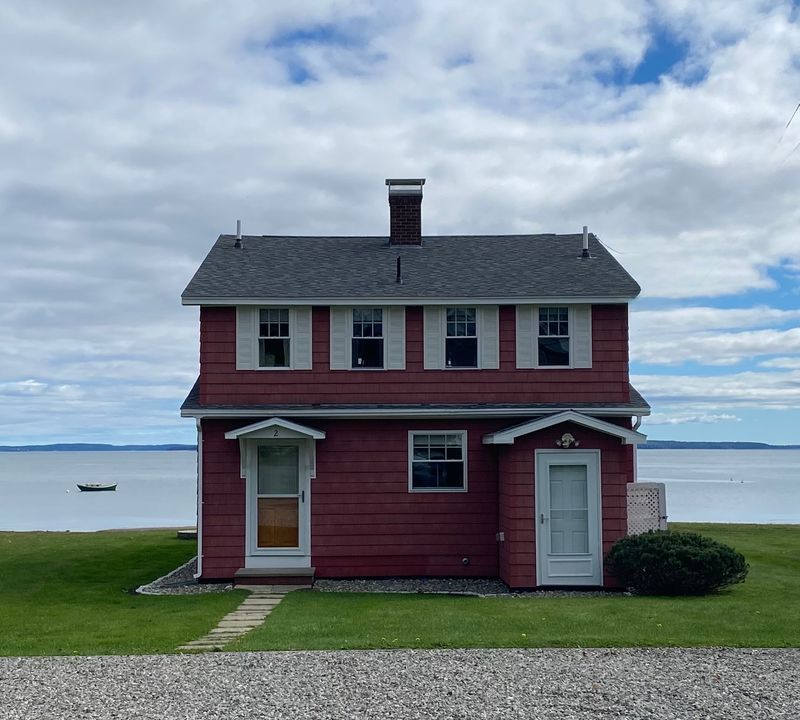
At one point in the 1800s, roughly one in ten American sea captains called Searsport home. This small town in Waldo County, Maine, USA, sits right on Penobscot Bay along Route 1.
With so many captains around, the town filled up with fine homes, many of which still stand. You can explore that seafaring past at the Penobscot Marine Museum, which spreads across several historic buildings.
Inside, ship portraits, sea chests, and souvenirs from China and beyond tell stories of families who sailed the world together.
Kids often love the museum’s hands-on exhibits, and adults tend to linger over the huge collection of old photographs. It is easy to lose track of an afternoon there.
Searsport is also known as the antiques capital of Maine. Flea markets and shops along Route 1 overflow with old tools, quilts, and nautical treasures.
Bring cash and a good eye for bargains.
For fresh air, head to Moose Point State Park, a peaceful spot with picnic tables and tide pools. Visit in summer for the best weather, or early fall for fewer crowds.
Either way, Searsport keeps its sea legs steady and its welcome warm.
Kingfield
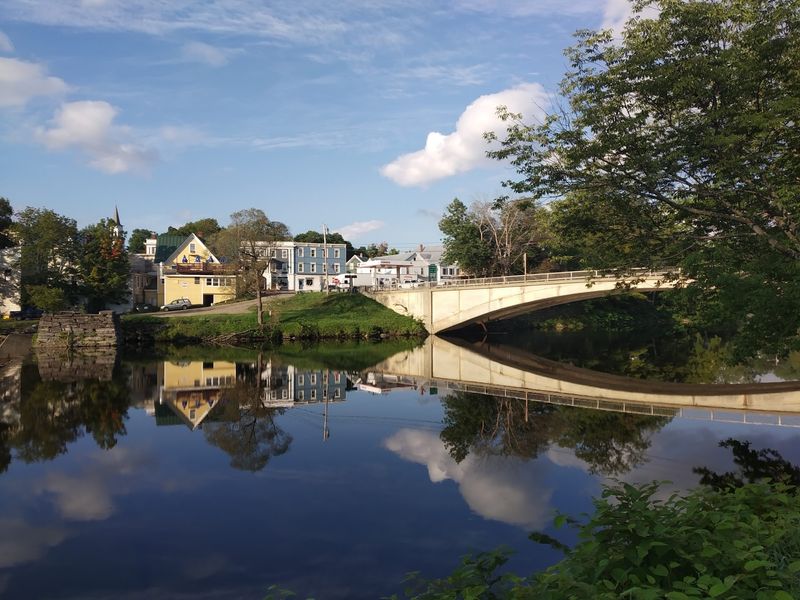
Steam-powered cars once zipped along the roads of America, and the twins who built them grew up in Kingfield. This small town in Franklin County, Maine, USA, rests along the Carrabassett River in the western mountains.
Francis and Freelan Stanley invented the Stanley Steamer in the late 1890s. Their story comes alive at the Stanley Museum, set inside a 1903 schoolhouse that the brothers helped build.
You can see shiny steam cars and learn about their sister Chansonetta, a gifted photographer whose pictures capture rural Maine life.
Kingfield itself has a calm, old-time feel. Historic buildings line Main Street, and the riverside trails are perfect for a quiet walk.
A beloved local inn dating to the 1800s adds to the cozy charm.
Winter brings plenty of snow and plenty of skiers. Sugarloaf, one of the biggest ski mountains in the East, sits about 15 miles up the road.
In warmer months, the Narrow Gauge Pathway follows an old rail line along the river for biking and hiking.
Stop for a hot cocoa after a day outdoors. In Kingfield, the only thing moving fast is the river.
Vinalhaven
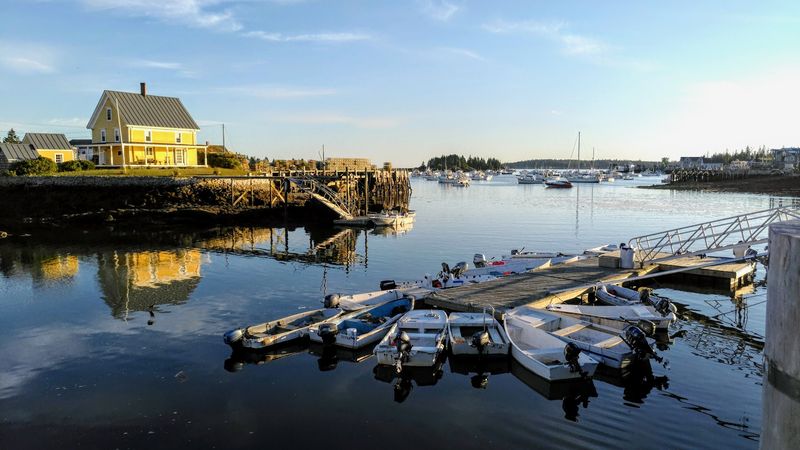
Getting to Vinalhaven requires a little patience and a ferry ticket, and that is half the fun. This island in Penobscot Bay belongs to Knox County, Maine, USA, and the state ferry from Rockland takes about 75 minutes.
Once you step off the boat in Carver’s Harbor, you will see one of the busiest lobster fleets in Maine. Hundreds of boats bob in the water, and the island’s year-round community still depends on the sea much like it did a century ago.
Granite also built this place. In the late 1800s, Vinalhaven quarries supplied stone for buildings in big cities.
Today, old quarries like Lawson’s Quarry have filled with clear water and become favorite swimming holes on hot summer days.
The Vinalhaven Historical Society Museum, housed in an old town hall, shares tools, photos, and quarry stories. Walking or biking around the island also reveals quiet preserves, such as Lane’s Island Preserve, with rocky shores and wildflowers.
Reserve ferry space early if bringing a car, especially in July and August. Better yet, bring a bike and pedal around.
Island life runs on its own schedule, and that is exactly the point.
Eastport
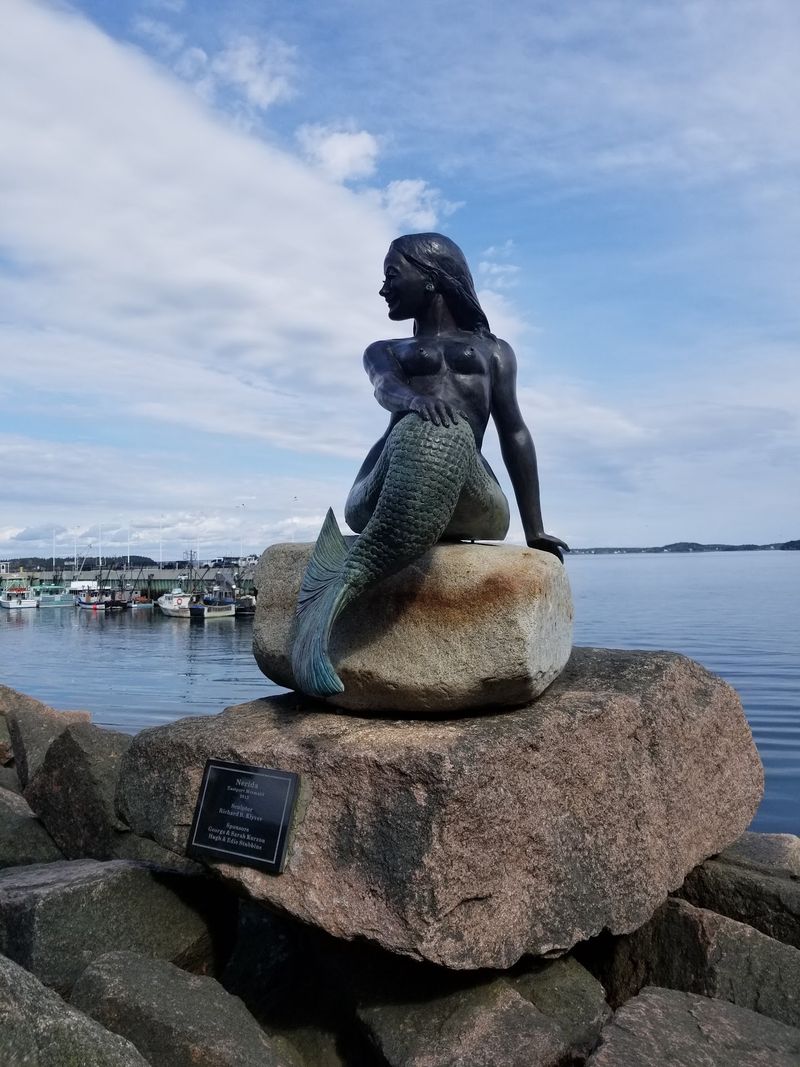
Sardines may be tiny fish, but they once made Eastport a big deal. This island city in Washington County, Maine, USA, sits on Moose Island in Passamaquoddy Bay, and it is the easternmost city in the country.
In the late 1800s, Eastport had more than a dozen sardine canneries running at full speed. Those days are gone, but the brick Water Street downtown still looks much like it did back then.
Art galleries, cafes, and shops now fill the old storefronts.
Look out over the bay and you might spot Old Sow, one of the largest whirlpools in the Western Hemisphere. It forms between Eastport and Deer Island in Canada when the tides are strong.
Whale-watching boats also leave from the pier in summer.
History lovers can visit the Border Historical Society and learn how Eastport was occupied by the British during the War of 1812. A towering fisherman statue near the waterfront makes for a fun photo.
Plan your trip around the Fourth of July or the Salmon Festival in September for big local celebrations. Eastport may be small, but its spirit is anything but a fish out of water.
Monhegan Island
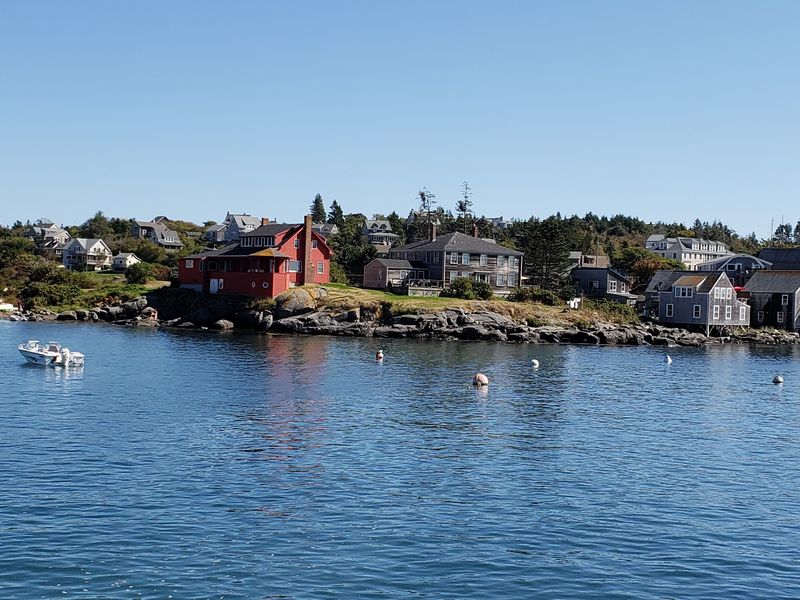
No cars, no paved roads, and no rush. Monhegan Island sits about 10 miles off the coast of Maine, USA, in Lincoln County, and it feels like a place the modern world forgot to visit.
Ferries run from Port Clyde, Boothbay Harbor, and New Harbor, mostly from late spring through fall. Once you arrive, you explore on foot.
That is manageable, since the island is about a mile and a half long.
Artists have adored Monhegan for over a century. Painters such as Rockwell Kent, George Bellows, and members of the Wyeth family all worked here.
On summer days, you may see easels set up along the trails, with artists capturing crashing waves and wildflowers.
The Monhegan Museum of Art and History is housed near the 1850 lighthouse at the top of the hill. From there, views stretch over the village and harbor.
Roughly 17 miles of trails crisscross the island. Head to the towering cliffs of Whitehead or Black Head for amazing ocean views.
Pack sturdy shoes, a snack, and a jacket, because weather changes quickly. Monhegan rewards slow travelers who are ready to trade screens for sea breezes.