
This Massive Maine Museum Brings The State’s Industrial Past Back To Life
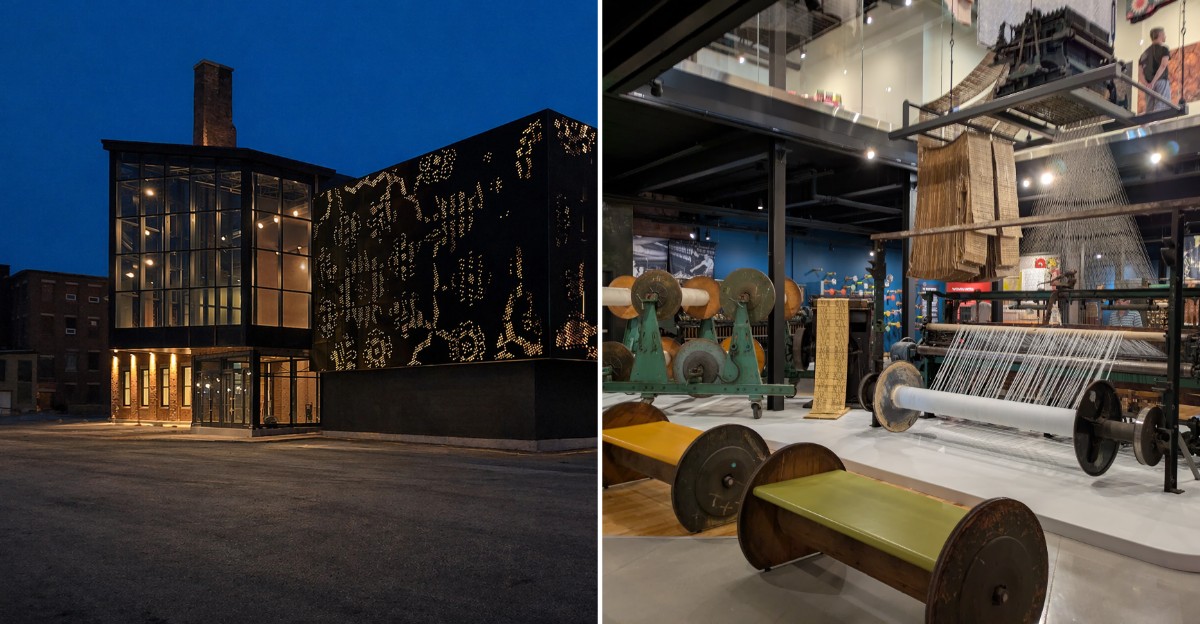
A massive loom once thundered inside a riverside mill where generations of workers spent long days turning thread into fabric. Today, the machinery is quiet, but the building has found a completely different purpose.
This Maine museum brings the state’s industrial past back within reach through towering equipment, punch-card technology, and recorded voices of former workers. The setting adds another layer to the story.
Brick walls and old factory spaces still carry traces of the people who worked there long before visitors arrived with cameras and curious kids. One exhibit even connects textile machinery with ideas that helped shape early computing.
The result feels less like walking through a traditional museum and more like stepping into a working chapter of local history.
A Home In The Heart Of Lewiston
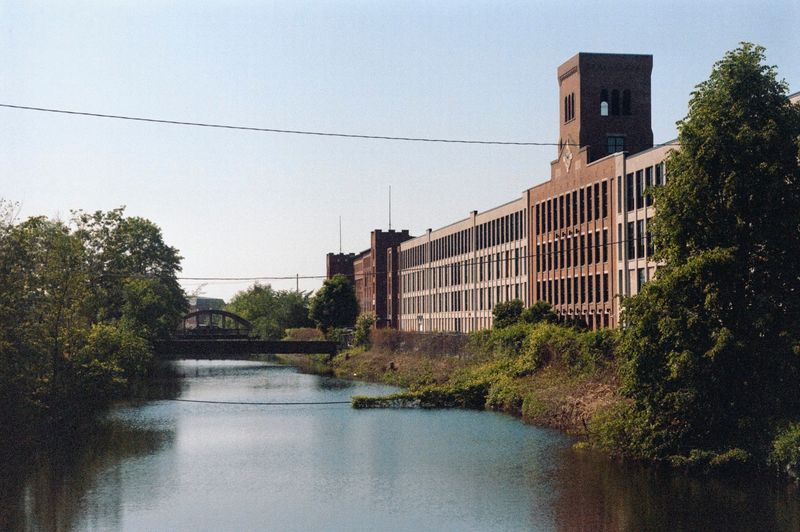
Brick walls, tall windows, and the sound of the Androscoggin River set the scene before you even walk through the door. The Maine Museum of Innovation, Learning and Labor, better known as Maine MILL, sits at 1 Beech St, Lewiston, ME 04240, United States.
It occupies the renovated former Camden Yarns Mill, a historic industrial building along Lewiston’s riverfront.
That location matters. Lewiston grew up around its mills, and the river supplied the energy that turned the machines.
Visiting the museum right here means you are standing on the same ground where the real work happened, not just looking at it in a picture.
The area around the museum has also seen a big makeover. Old mill buildings now hold shops, offices, and places to eat, so the neighborhood feels lively again.
After your visit, the nearby Riverwalk and pedestrian bridge make a pleasant spot for a stroll and a little fresh air.
Plan ahead before you go. The museum is open Wednesday through Sunday from 10 AM to 4 PM and closed on Mondays and Tuesdays.
Arriving early gives you time to explore both floors without rushing, which is a smart move in a place this full of stories.
A Mission Bigger Than Machines
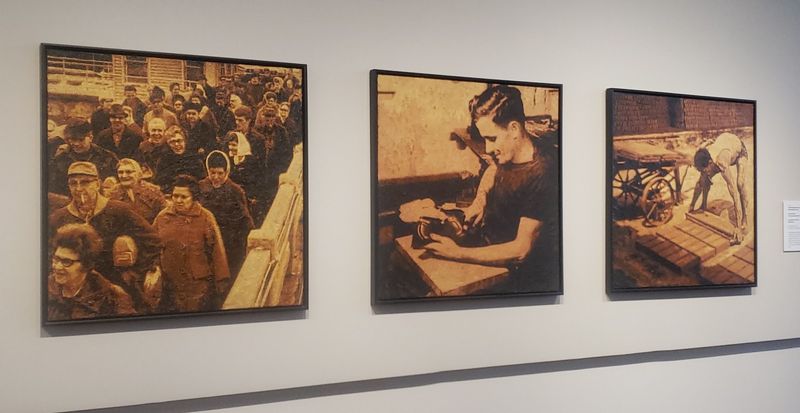
Gears and bolts are only half the tale here. Maine MILL calls itself a history and culture museum, and its real focus is on people.
The goal is to save and celebrate stories of work and the many backgrounds of families who made this region their home.
Think about who actually ran those noisy machines. Men, women, and even young children worked long shifts, often for low pay.
Many came from other places, including French Canada, hoping for a better life. Their courage and effort built the community that still stands today.
What makes the museum stand out is how it connects the past to right now. Exhibits ask visitors to think about how old ways of living and working still shape our lives.
Questions about fair pay, safety at work, and welcoming newcomers did not disappear when the mills closed.
Here is a helpful tip for families. Before your visit, ask your kids what jobs they might want someday.
Then, as you walk through the galleries, compare those dreams with the jobs kids their age once did in the mill. It turns a simple museum trip into a conversation everyone will remember long after the drive home.
Over 10,000 Treasures Under One Roof
Ten thousand. That is roughly how many artifacts the museum keeps in its collection, and every one of them has a story to share.
Some are huge, like salvaged factory machinery. Others are small enough to hold in your hand.
Among the stars are original bedspreads from the famous Bates Manufacturing Company. These woven covers once sat on beds all across America, and their detailed patterns are still impressive today.
You can also see giant industrial silkscreens that printed designs onto fabric in bold colors.
Then there are the voices. The museum holds more than 300 recorded oral histories, including interviews with people who remember mill life firsthand.
Listening to them feels a bit like having a chat with someone’s grandparent about the good old, very loud days.
Fun fact: many families in Maine still own Bates bedspreads tucked away in closets or cedar chests. After your visit, you might go home and check your own linen shelf.
Who knows, a little piece of Lewiston history could be hiding there.
Bring a notebook or use your phone to jot down favorite objects. With so much to see, it helps to remember which pieces sparked your curiosity the most.
The Loom That Steals The Show
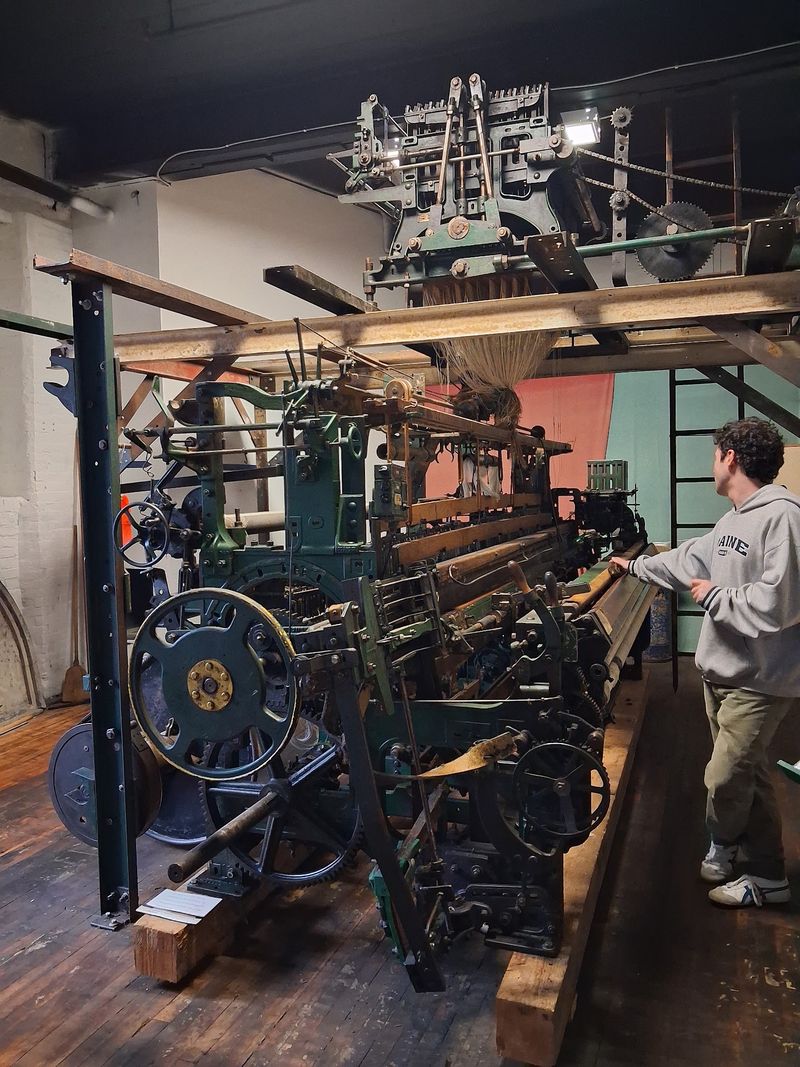
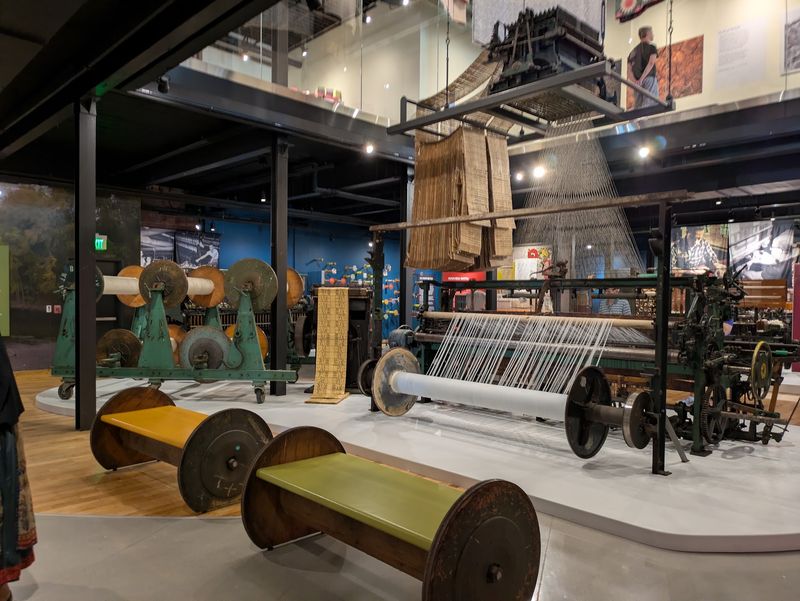
Prepare to look up. The massive Jacquard loom at Maine MILL towers over visitors and serves as the centerpiece of the permanent collection.
Bates Manufacturing once used this very machine to weave its famous patterns.
So how does it work? A Jacquard loom reads a chain of paper punch cards.
Each hole tells the machine which threads to lift, creating flowers, swirls, and other designs without a person picking every thread by hand. It was clever engineering for its time.
Here is where things get extra interesting. Those punch cards gave instructions in a pattern of holes and no holes, which is a bit like the yes or no language that computers use.
Early computer thinkers borrowed this idea, so the textile world helped weave the path toward modern technology. Your laptop has some surprising family roots.
Take a few minutes to study the cards up close. Notice how many are needed for just one design.
It shows how much planning and skill went into every bedspread.
If you visit with kids, challenge them to design a simple pattern on graph paper using filled and empty squares. It is a hands-on way to understand the loom without needing a factory floor.
Walls That Remember The Civil War
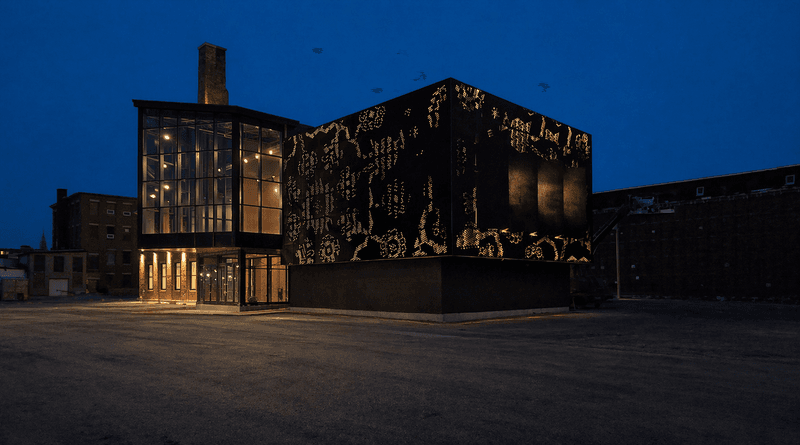
Built in 1864, the building holding the museum has seen more history than most textbooks. The historic mill later became known as the Camden Yarns Mill and remained part of Lewiston’s textile industry for generations.
That is a pretty serious resume for a pile of bricks.
The mill kept running for well over a century. Textile production stopped there in 1992, and the building later fell largely out of active industrial use before its redevelopment.
Dust collected, windows dimmed, and the once-busy floors fell silent.
Now the structure has been carefully renovated, and the results are striking. Exposed brick, sturdy beams, and tall windows remind you that this was a real workplace.
Light pours in where workers once squinted at threads.
Bringing an old building back to life is not easy. Crews had to keep the historic character while making the space safe and welcoming for modern visitors.
The balance between old and new is part of what makes walking through it so enjoyable.
As you explore, pause to notice small details like worn floorboards or thick walls. These clues hint at the heavy machines and countless footsteps the building has carried over the years.
In this museum, even the architecture is an exhibit worth reading.
More Than Just Thread And Fabric
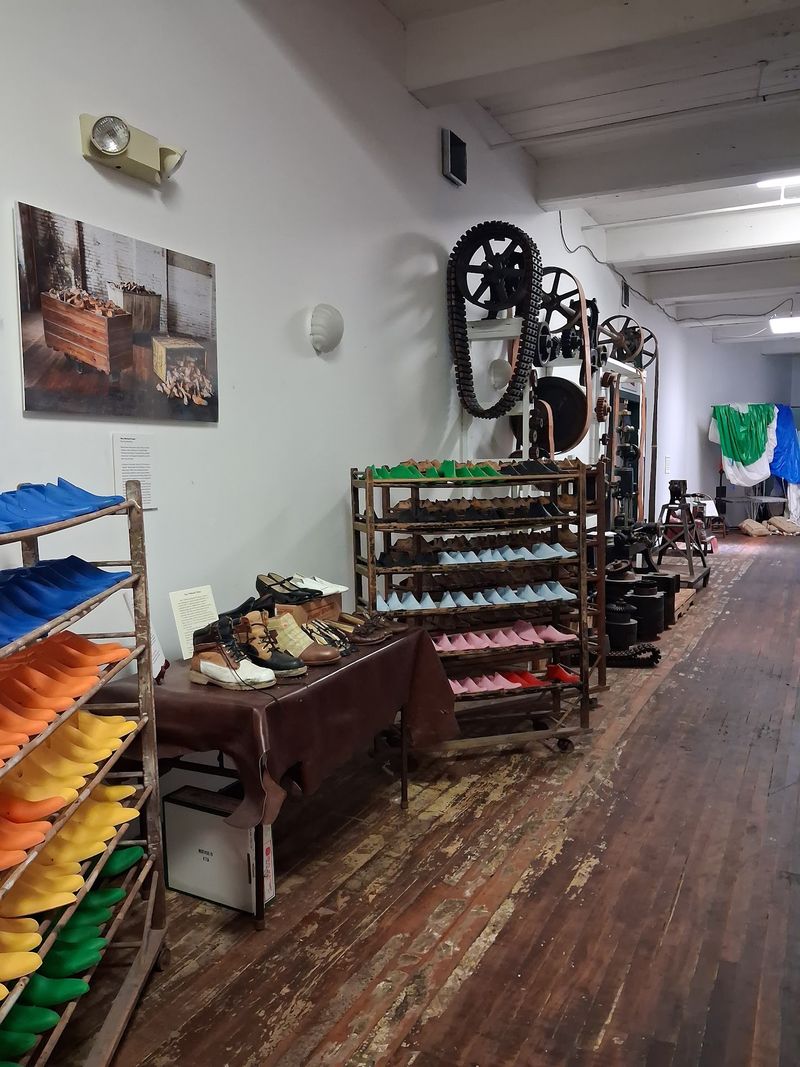
Shoes, bricks, and a whole lot of hustle join the textile story here. The museum first focused mostly on cloth, but its mission has grown.
Today it covers the shoe, brick, and wider manufacturing industries that shaped life along the river.
Shoemaking was a huge business in the Lewiston and Auburn area. Exhibits include cobbling machines that once stitched and shaped footwear for customers far beyond Maine.
It is fun to imagine how many feet walked around wearing local craftsmanship.
Bricks matter too. The red walls of the mills themselves were made from clay dug and fired in the region.
Seeing those bricks on display makes you realize the city was literally built by local hands.
Beyond the products, the museum explores bigger themes like immigration, innovation, and labor. Workers came from many places, brought new ideas, and pushed for better conditions.
Their stories show how industry and people grew together.
A good tip is to follow one industry from start to finish during your visit. Pick shoes, for example, and trace how raw materials became a finished pair.
It gives your trip a focus and helps the history stick in your memory like well-sewn soles.
Room To Roam In 22,000 Square Feet
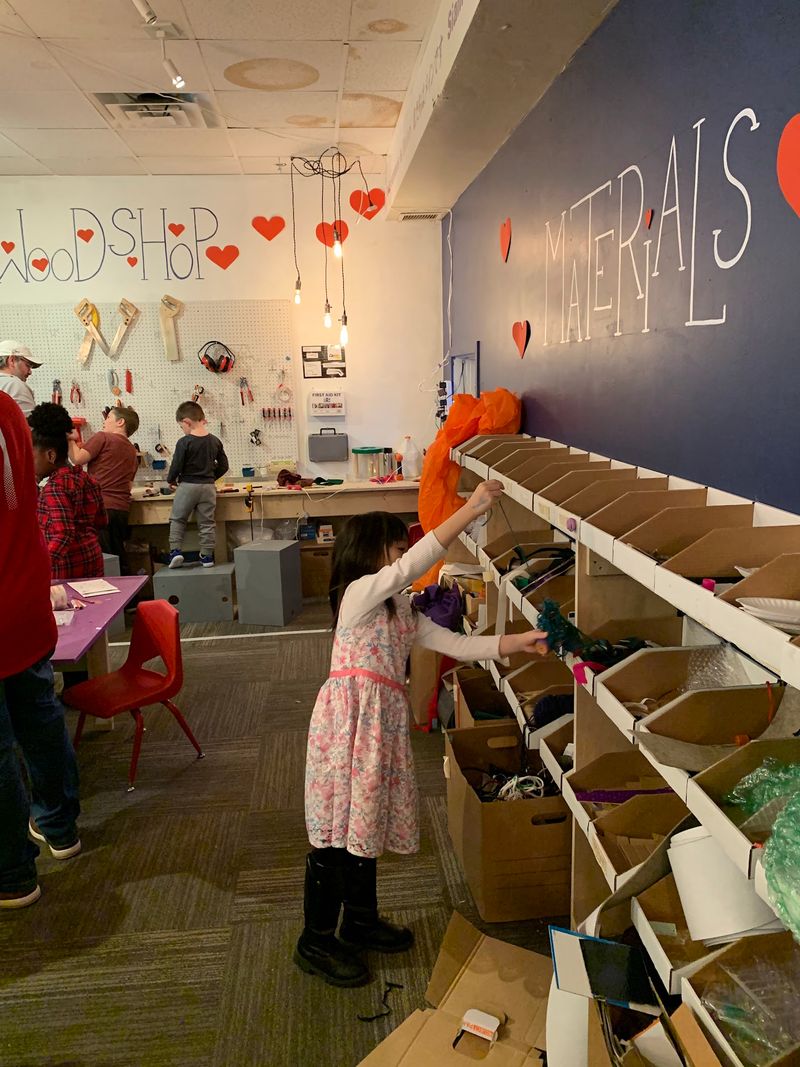
Space is no problem anymore. The museum’s new home covers 22,000 square feet, made possible by a multi-million dollar investment.
That means more galleries, more machines, and more chances to explore without bumping elbows.
Families will appreciate the dedicated children’s area. Kids can get hands-on with activities that explain how mills worked, turning tricky ideas into games and puzzles.
Adults get to learn alongside them, which is a nice bonus for curious grown-ups.
Interactive learning spaces appear throughout the building. Some displays use modern tools, including historic photos brought to life with new technology.
It is a fresh way to see faces and scenes from long ago.
The facility also includes a memorial room. This quiet, respectful space honors the Lewiston community and offers a place for reflection.
Visitors are encouraged to move through it calmly and thoughtfully.
With two floors to cover, it is easy to underestimate how long a visit can take. Give yourself at least an hour, and more if you want to read every panel.
Wearing comfortable shoes is a smart idea, since this mill offers plenty of ground to cover and a lot to see.
Programs That Keep Curiosity Spinning
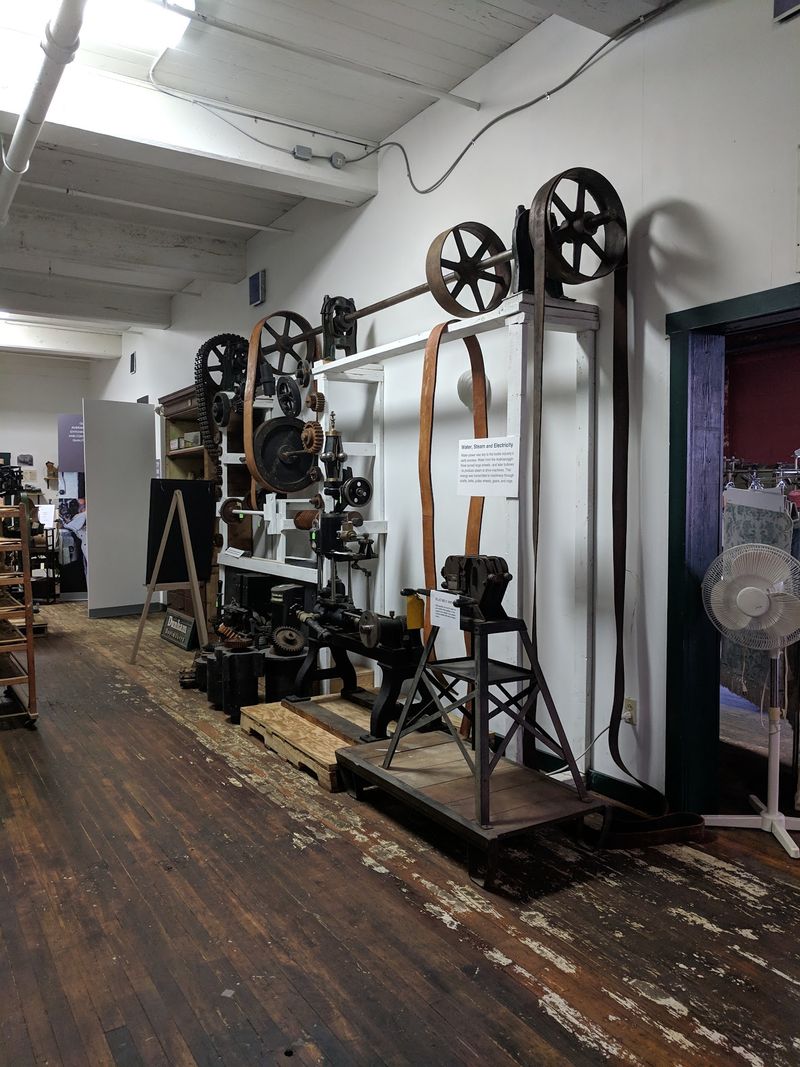
Learning does not stop at the exhibit cases. Maine MILL hosts a steady lineup of programs, including educational workshops, film screenings, special events, and some delightfully unconventional classes.
There is usually something new on the calendar.
These events are designed to spark curiosity and encourage lifelong learning. You might pick up a new skill, watch a documentary about local history, or meet neighbors who share your interests.
It is a great way to connect with the community.
Teachers and schools get special attention too. The museum curates resources for classrooms, helping students understand industry, labor, and immigration in ways that feel real.
Field trips here can bring a history lesson off the page and onto the factory floor.
Families have plenty of options as well. Kid-friendly activities make it easy to plan a fun outing that also sneaks in some learning.
Nobody needs to know it is educational unless you tell them.
Planning your trip around a workshop or event can turn a regular museum day into something special. With so much happening, this old mill proves it still knows how to keep things running smoothly.