
You Haven’t Tasted Real Ethiopian Injera Until You Scoop This Spicy Stew At This Arizona Kitchen
Forks are optional at one little Arizona strip-mall kitchen, and honestly, nobody misses them. Instead, you tear off a piece of soft, tangy flatbread and use it to scoop up spicy red stews, buttery lentils, and bright vegetables.
The prices stay friendly, the platters are huge, and the whole meal feels like a short trip to Ethiopia without leaving the Valley. Grab someone hungry, because this is a meal meant for sharing.
A Strip-Mall Doorway on University Drive
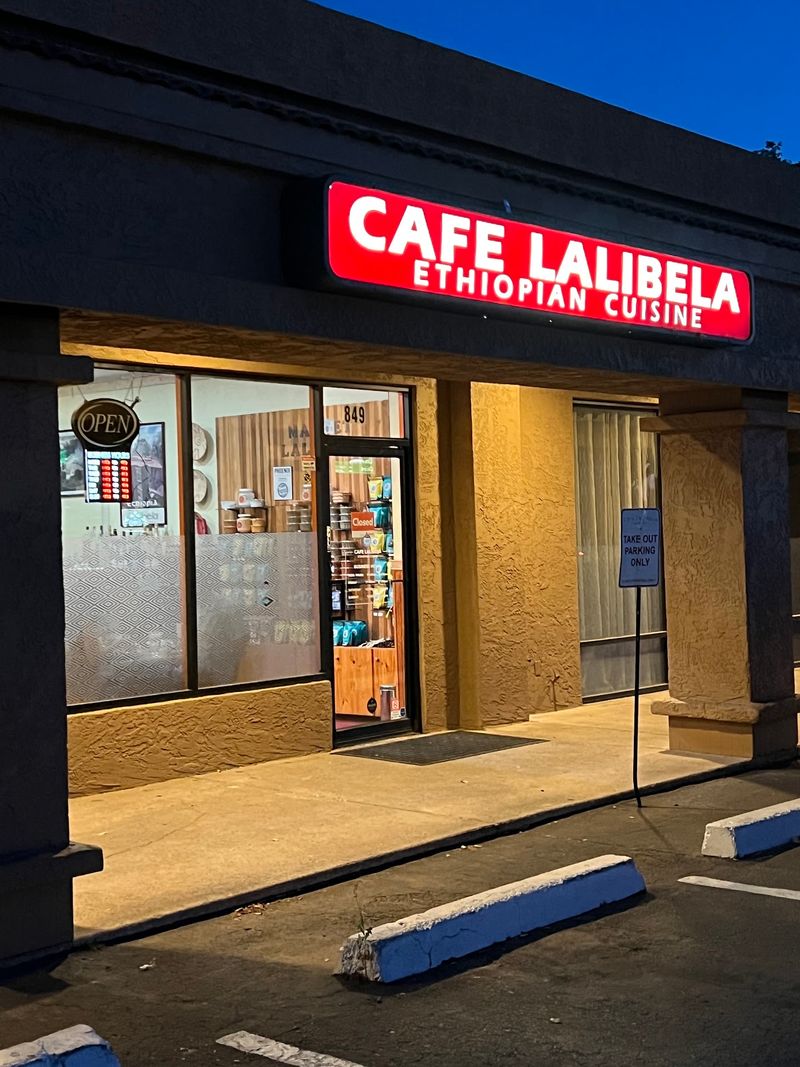
Blink while driving down University Drive in Tempe and you might roll right past it. Cafe Lalibela Ethiopian Cuisine sits at 849 W University Dr, inside a plain strip mall that gives zero hints about the feast waiting behind the door.
That humble setting is part of the fun. From the outside, it looks like any neighborhood stop between errands.
Step inside, though, and the smell of simmering spices, warm bread, and fresh coffee takes over almost instantly.
The restaurant serves traditional Ethiopian fare in an easygoing, unpretentious way. You will not find fancy tablecloths or a stiff dress code here.
What you will find is a menu built around injera, the spongy flatbread that doubles as plate, napkin helper, and spoon all at once.
Its spot near Arizona State University makes it easy to reach from Phoenix, Mesa, Scottsdale, and Chandler. Students, families, longtime regulars, and curious first-timers all end up at the same tables.
Some guests even mention driving 10 miles or more just to try it, and leaving with plans to return.
For anyone across the Valley hunting for a meal that feels different without costing a fortune, this unassuming doorway is a very good place to start.
Decades of Serving the Valley
Plenty of restaurants come and go in the Phoenix area, sometimes within a single summer. Cafe Lalibela has stuck around for decades, introducing Arizona diners to Ethiopian cooking long before it became a trendy option on food apps.
Regulars often talk about coming here for close to 10 years, sometimes longer. Their favorite part?
The food simply has not changed. The injera still arrives soft and fresh, the stews still taste comforting, and the quality stays steady visit after visit.
That kind of consistency is rare. Menus shift, owners change, and recipes get trimmed to save money at many spots.
Here, guests describe a reliable, no-nonsense favorite, the kind of place you return to without even thinking twice.
The name itself carries history. Lalibela is a town in Ethiopia famous for churches carved directly out of solid rock centuries ago, a site that draws visitors from around the world.
Borrowing that name sets a high bar, and the kitchen seems happy to live up to it.
Visitors from other states, including folks used to Ethiopian spots back home in Michigan, say they were thrilled to find one this dependable out here in the desert.
Walls Full of Ethiopian Stories
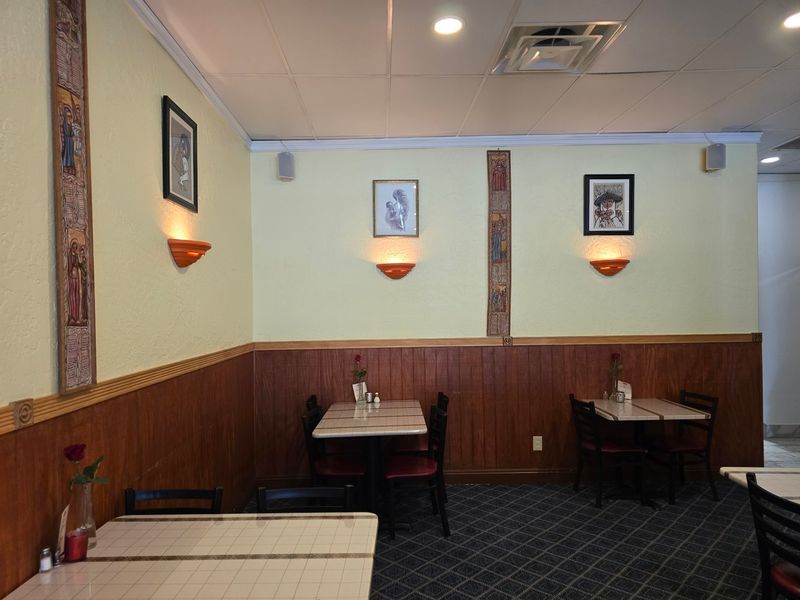
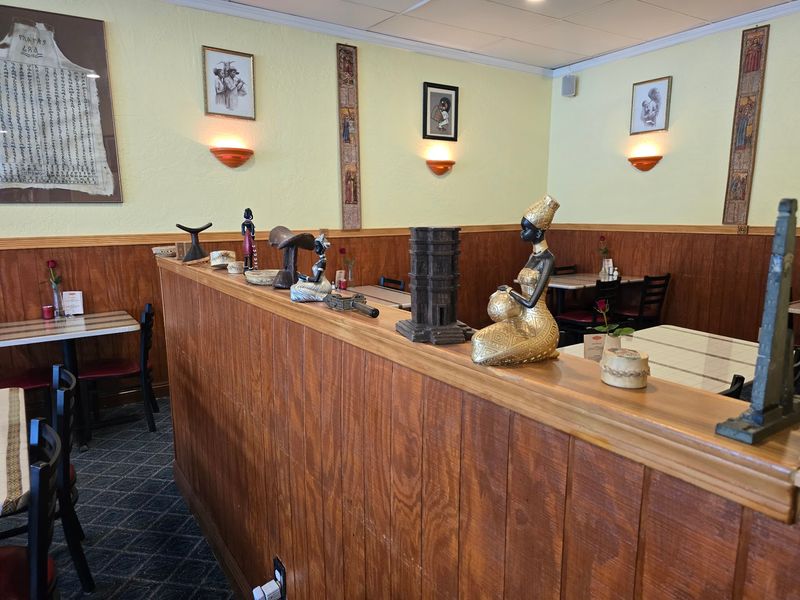
Look up before your food arrives. The walls inside Cafe Lalibela are covered with Ethiopian antiquities, artwork, and cultural decor that invite you to wonder about the history behind each piece.
Guests describe the dining room as beautiful and cultural, with a quiet, unique mood that feels miles away from the busy road outside. Woven pieces, paintings, and artifacts give your eyes something to explore while the kitchen gets to work.
It is a nice touch for curious kids, too. Asking questions about the objects on the walls can turn dinner into a mini lesson about another part of the world, no textbook required.
The space also stays clean and comfortable, a detail many visitors point out. Plenty of seating means you are not squeezed in elbow to elbow, even on a busier evening.
Small details add up. Soft lighting, relaxed music, and that warm, family-style feeling make it easy to settle in and stay a while.
You may come for the stew, but the setting gives the meal a sense of place that a regular takeout container never could.
Bring a little curiosity along with your appetite.
Injera, the Bread That Doubles as a Spoon
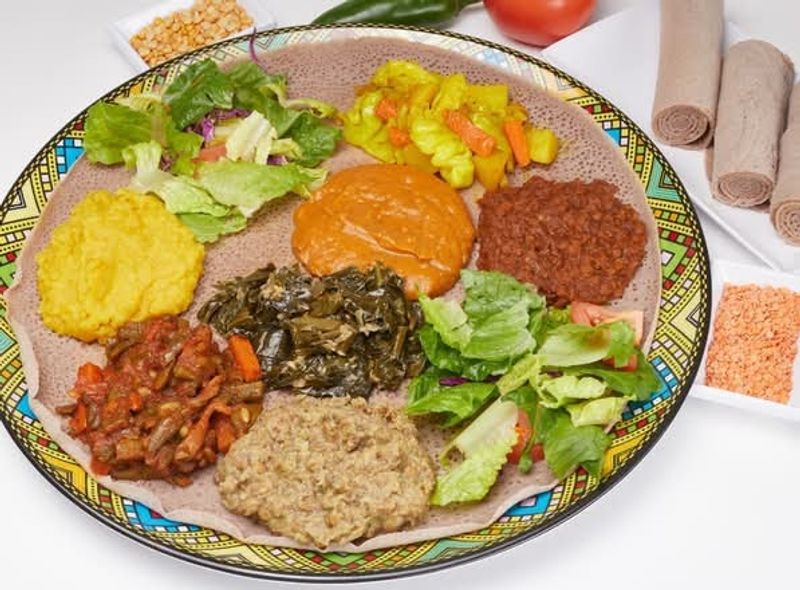
Thousands of tiny holes dot the surface of a good injera. Ethiopians sometimes call them eyes, and they are the secret to how this bread soaks up every drop of sauce.
Injera starts with teff, a tiny, nutrient-rich grain native to Ethiopia. The batter ferments for several days, which gives the bread its gentle sour tang and its springy, almost sponge-like feel.
A well-made piece folds without tearing and stays moist enough to grab food easily.
At Cafe Lalibela, injera comes in two styles. The traditional version blends teff with barley and wheat.
There is also a 100 percent teff version that is gluten-free, which is great news for diners who usually skip bread.
Regulars rave about it. They describe the injera as fresh, soft, and perfect with every dish.
One first-timer compared it to a wheat crepe, which is a pretty handy way to explain it to a picky eater.
Here is how it works. Your stews arrive spread over a big round of injera, with extra rolls on the side.
You tear a piece, pinch some food, and eat. Simple, messy, and wonderful.
Doro Wat and the Red Glow of Berbere
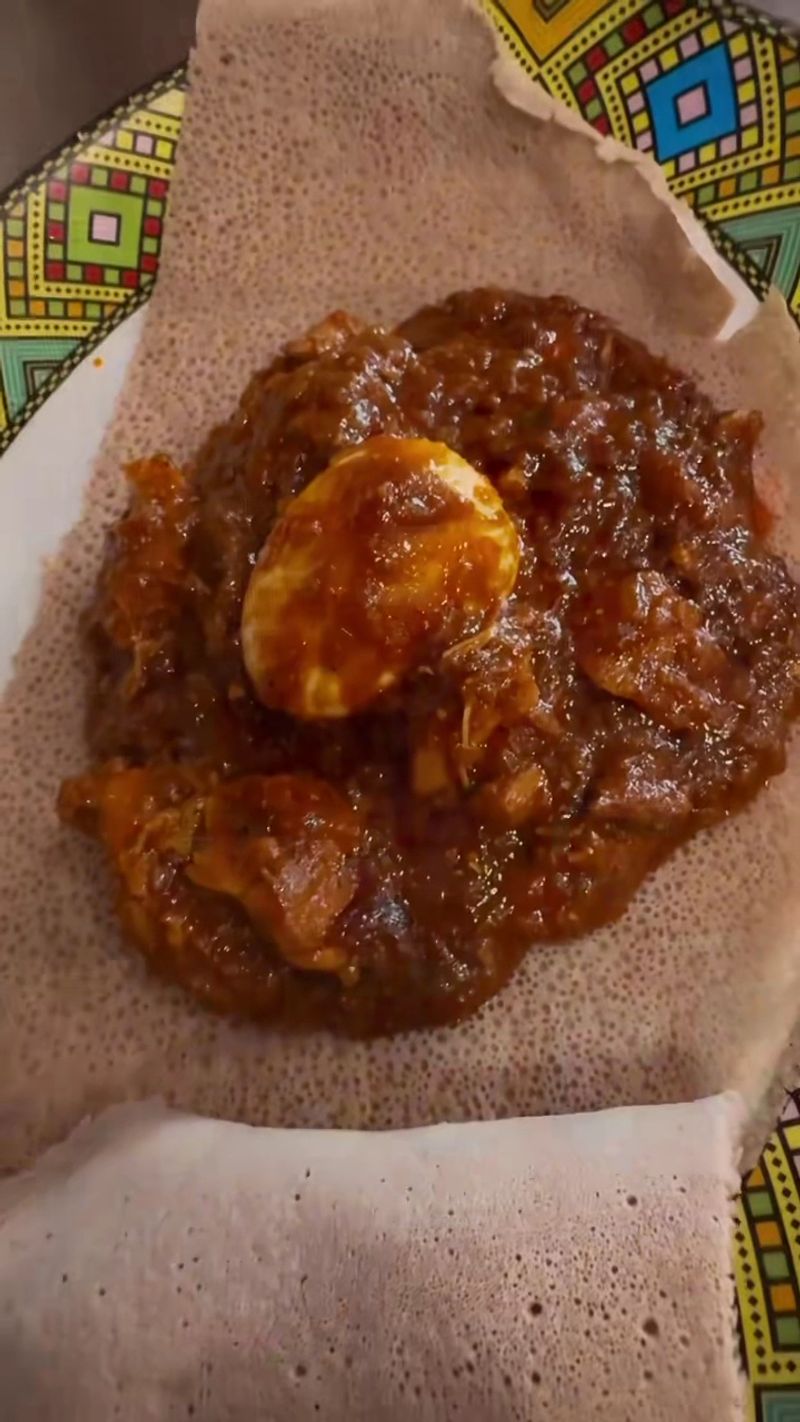
Ask an Ethiopian food fan to name one dish, and Doro Wat usually comes up first. It is a slow-cooked chicken stew, deep red and glossy, often served with a hard-boiled egg tucked into the sauce.
The color comes from berbere, a spice blend built on chili peppers, garlic, ginger, and a long list of warming spices. Slow simmering lets the chicken soak up all that flavor until each bite tastes bold and rich.
Cafe Lalibela fans list Doro Wat among their go-to picks, along with Asa Wat and Misir Wat. Scooping it up with tangy injera is the moment the whole meal clicks into place.
The sour bread and the spicy sauce balance each other beautifully.
A friendly heads-up: some dishes here pack real heat. If spice makes you nervous, ask your server which options run hotter.
Many guests appreciate that the staff will happily guide them through choices.
Spice lovers, on the other hand, may find their new favorite comfort food. On a cool winter night in Arizona, few things feel cozier than a bowl of red stew and a basket of warm bread.
Tender Meats, From Mild Beef to Lamb
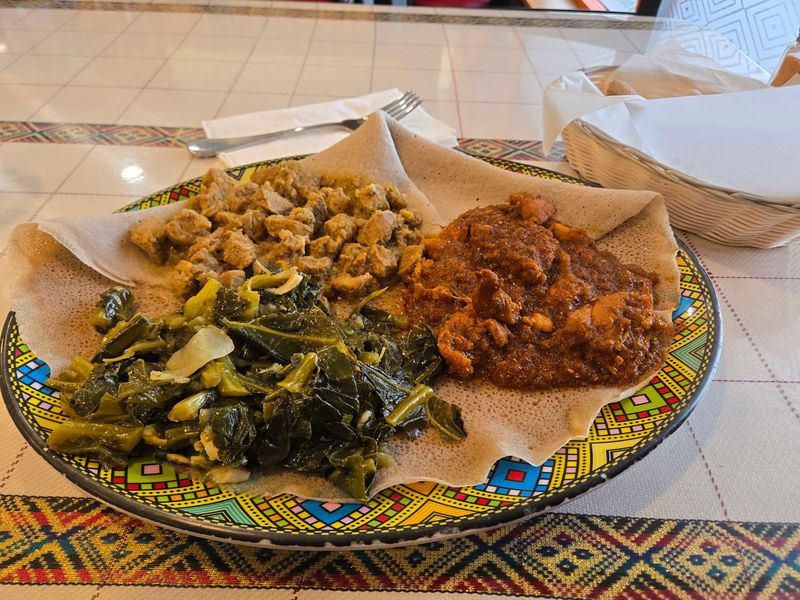
Lamb skeptics, take note. At least one longtime guest admits to never liking lamb until trying it here, and now calls it a standout.
That is quite a compliment for any kitchen.
Meat dishes at Cafe Lalibela earn steady praise for being tender and full of flavor. Visitors describe the meats as melt-in-your-mouth soft, the kind you can easily pull apart with a scrap of injera.
Not everything needs to be fiery. The menu includes a mild beef stew that comes up often in conversations about the restaurant.
It is a smart pick for kids, cautious eaters, or anyone easing into Ethiopian flavors for the first time.
For bolder appetites, Key Wat offers a robust beef stew rich with garlic, onions, and pungent spices. Pairing a mild dish with a spicier one on the same plate lets everyone at the table find something they love.
Some diners compare the flavors to Indian food, thanks to the warm spices and slow-cooked sauces. Still, the tangy bread and spice blends make it feel distinctly its own.
Order a few meats, trade bites, and see which one becomes your table favorite.
Lentils, Collards, and Fosolia for Plant Lovers
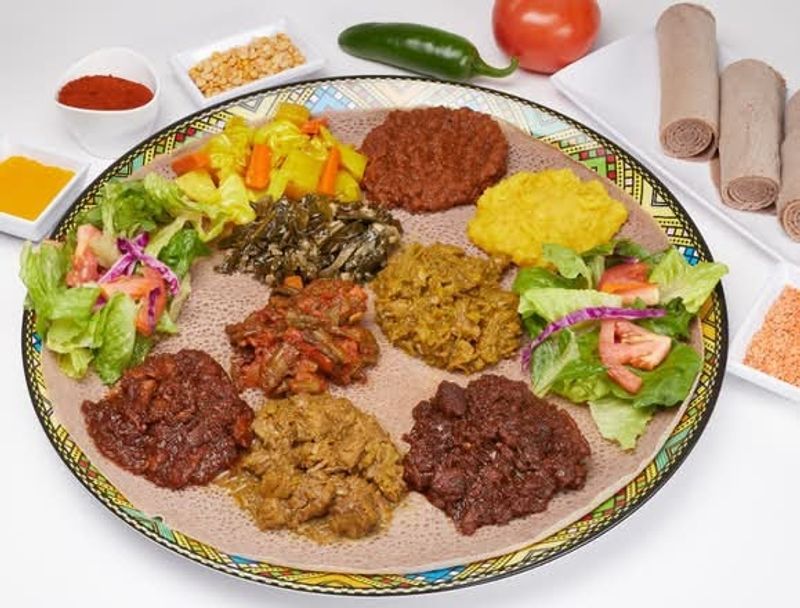
Vegetables steal the show surprisingly often here. Collard greens, red lentils, and fosolia are some of the most talked-about dishes on the entire menu, which says a lot at a place with such tender meats.
Fosolia mixes green beans, tomatoes, and carrots into a bright, gently seasoned dish. Guests who try it often name it their favorite.
Misir Wat, made with red lentils, onions, garlic, and berbere, brings comforting warmth with a little kick.
Shiro Wat, a smooth, savory stew, also gets fans. Add the collard greens, and you have a rainbow of colors spread across your injera.
Visitors describe the vegetable dishes as exquisite and colorful, almost too pretty to scoop.
Vegan and vegetarian diners are well taken care of. The vegan platter, the vegan deluxe, and a vegetarian feast for four all draw loyal followings.
One couple orders the feast for four even when only two of them show up, just to enjoy the mix.
Pair those platters with the gluten-free teff injera, and plenty of dietary needs can be covered in one easy order. Nobody at the table has to feel left out.
Sampler Platters Built for Sharing
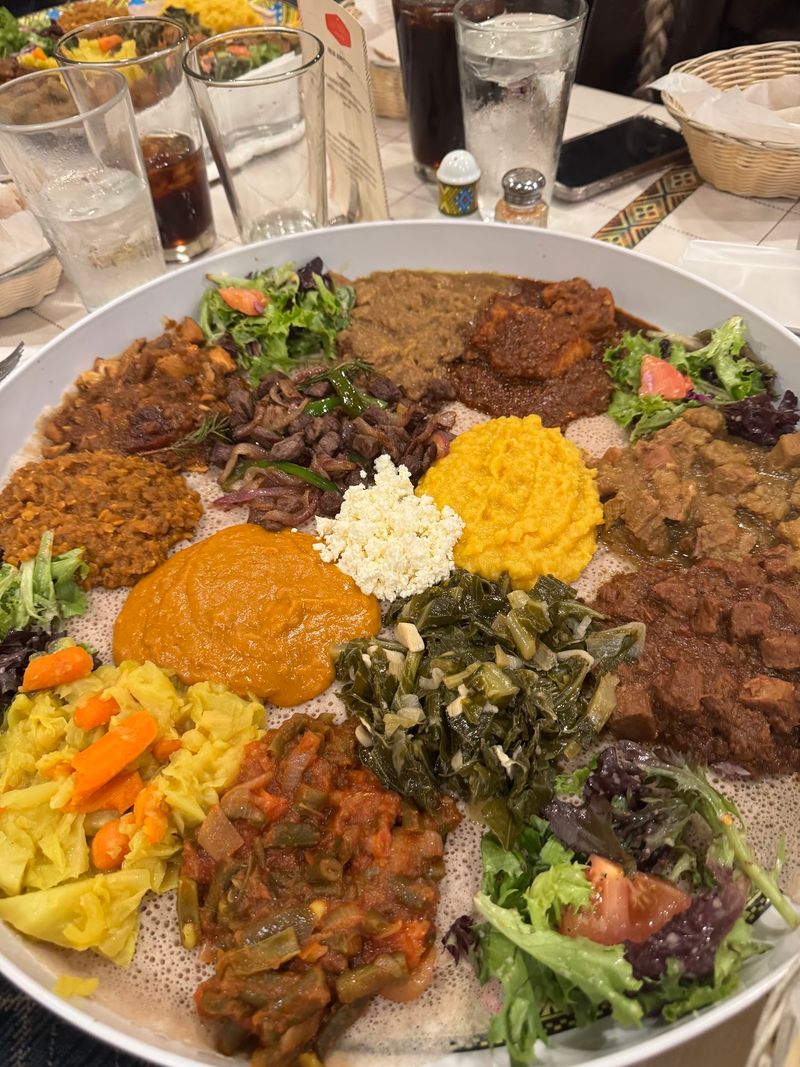
Two hungry adults, one giant tray, and still leftovers to take home. That story repeats again and again among guests who order the shared platters.
The sampler for two, the Lalibela Deluxe for two, and the combination platters let you taste a little of everything. Meats and vegetables sit side by side on a wide round of injera, each in its own colorful pile.
Generous is the word that comes up most. One group of three ordered the vegan platter for two and still walked out full with extra food.
Another couple shared a combo plate for about $40 and took home roughly half.
Eating this way is traditional in Ethiopia. Everyone gathers around one platter and tears bread from the edges with the right hand.
Sharing food from the same tray is meant to bring people closer, and it really does turn dinner into a conversation.
First-timers especially love the samplers, since there is no pressure to pick just one dish. You can test the spicy and the mild, the meaty and the plant-based, then decide what to order solo next time.
Bring an appetite, and maybe a to-go box.
Ethiopian Coffee Worth Saving Room For
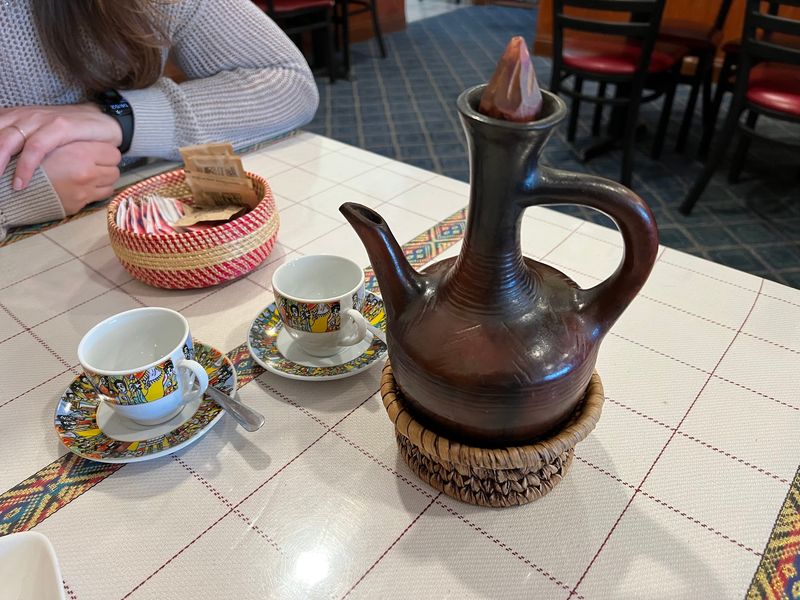
Coffee lovers, pay attention. Ethiopia is widely considered the birthplace of coffee, and the brew here is treated with the respect that history deserves.
Guests rave about it almost as much as the food. Words like rich, smooth, strong, and aromatic pop up again and again.
Several visitors say ordering a whole pot is the move, especially if you are lingering after a big platter.
Look for the jebena on the menu. A jebena is a traditional clay coffee pot with a round belly and a long neck, used in Ethiopian coffee ceremonies.
The house special coffee is another favorite, often described as proper Ethiopian coffee and a lovely way to end a meal.
Not a coffee person? There is a special herbal tea that regulars call something to experience, plus Kerem Shai, a spiced tea that earns its own fans.
Both feel soothing after the warmth of berbere.
Here is a bonus. Packaged coffee and tea are available to buy, so you can bring a little of that aroma home.
It makes a thoughtful gift for the coffee fan in your life, and much more interesting than another grocery store bag.
Chocolate Teff Cake and Other Sweet Finishes
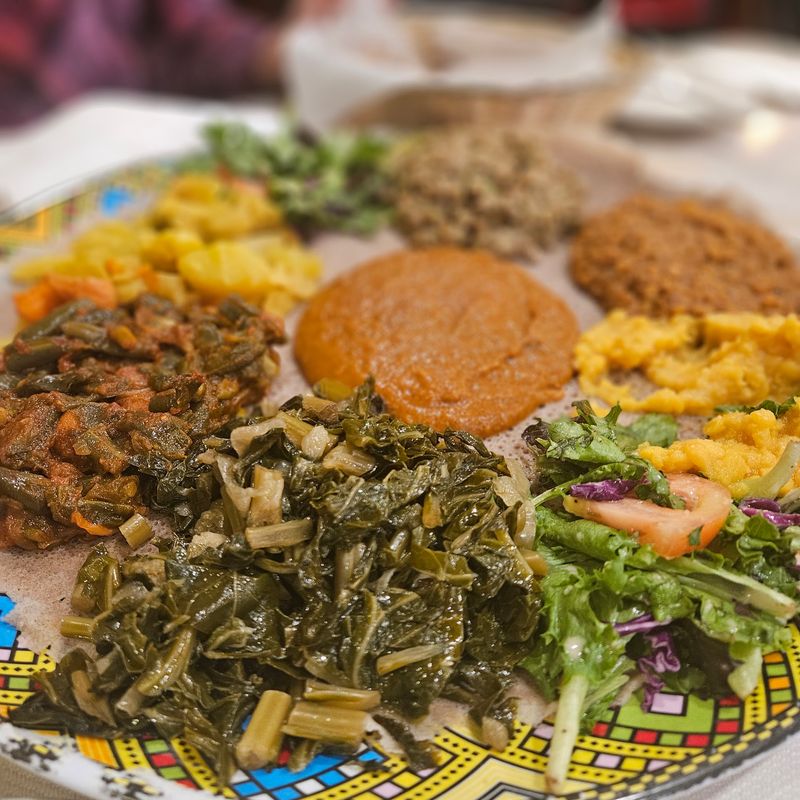
Saving room for dessert sounds impossible after a shared platter. Still, one dessert keeps convincing people to try anyway: the Chocolate Teff cake.
Made with teff, the same ancient grain used for injera, this cake brings a deep, earthy chocolate flavor. One couple who shared the Lalibela Deluxe called the cake the star of the whole meal and said they were so glad they left space.
Tiramisu also shows up on the list of favorites. It might seem like a surprise on an Ethiopian menu, but there is history behind it.
Italy had a presence in Ethiopia during the 20th century, and some Italian foods became part of everyday life there.
A fresh-made cheese side is another fun discovery, though not exactly dessert. Guests describe it as mild and soft, a cool, gentle bite between spicy stews.
It works a bit like a palate reset.
Pairing a slice of cake with a cup of strong Ethiopian coffee may be the perfect closing act. The bitterness of the brew and the sweetness of the chocolate play together nicely.
Ask your server what is available that day, since sweets can vary.
A Tiny Market and the Monthly Vegan Buffet
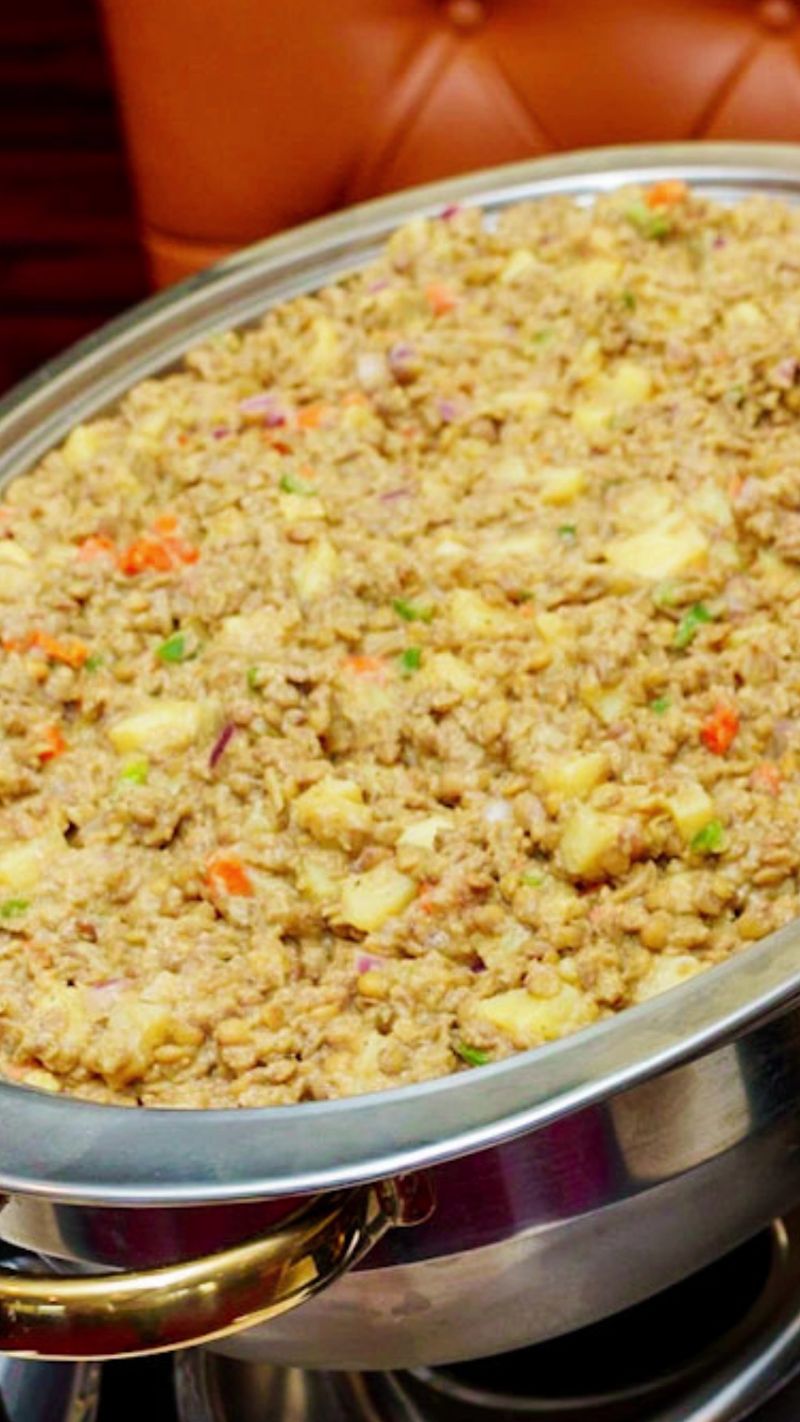
Browse before you leave. Tucked inside the restaurant is a cute little market stocked with basic Ethiopian ingredients and unique items you rarely spot elsewhere in Arizona.
Shoppers mention packaged coffee and tea, cooking ingredients, and interesting cultural pieces for purchase. For home cooks curious about berbere or teff, it can be an easy way to start experimenting in your own kitchen.
Now for the event that plant-based diners circle on their calendars. Cafe Lalibela has hosted a monthly vegan buffet, a spread of lentils, savory vegetables, and other dishes served alongside plenty of injera.
Guests describe a busy, cheerful room and staff who keep everyone happy despite the crowd.
Buffets are a great way to sample many dishes without committing to one. You can go back for more fosolia or try a stew you have never heard of before.
It feels a bit like a community gathering as much as a meal.
Since special events can change, check with the restaurant directly about the next buffet date before planning your trip. A quick call or visit may save you from showing up on the wrong night.
Who Feels at Home Here
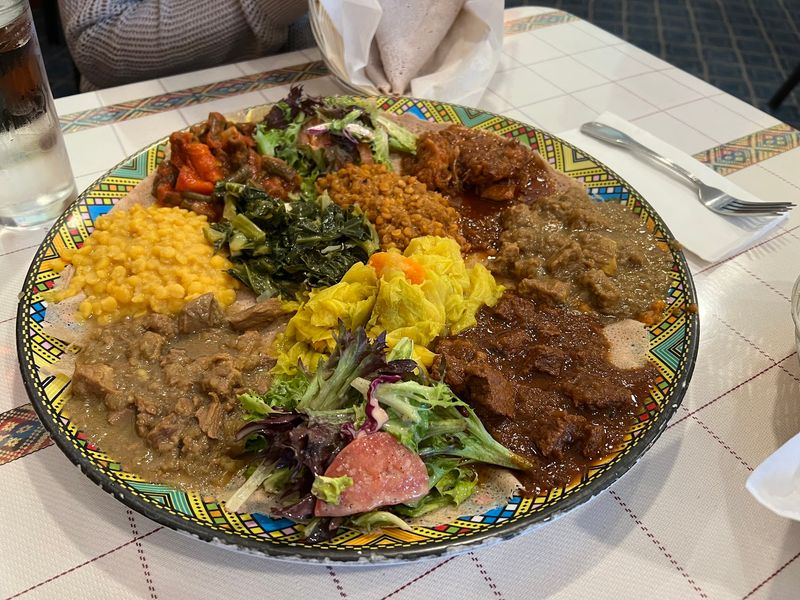
Families visiting from out of town, college students, retirees, and big friend groups all seem to find their groove here. The dining room handles each with the same relaxed warmth.
Large groups are a strong fit. One gathering of friends and their families sampled around 12 different dishes in a single evening.
Regulars note it is an easy place to bring a crowd, especially with platters designed to feed four.
First-timers are welcome, too. Many guests had never tasted Ethiopian food before their visit, and several say it jumped straight into their list of favorite cuisines.
Servers often help newcomers choose dishes, which takes the guesswork out of an unfamiliar menu.
The vibe stays chill and cozy. Guests describe friendly, attentive service most of the time, though a few visits have seen slower moments when one server was covering many tables.
A wait of around 25 minutes has happened on busy shifts.
Patience pays off, according to those same diners. Couples on a budget date night, parents hoping to stretch kids’ taste buds, and adventurous eaters craving something new will all likely leave full.
Picky eaters can lean on the mild beef stew.
Hours, Prices, Parking, and a Final Scoop
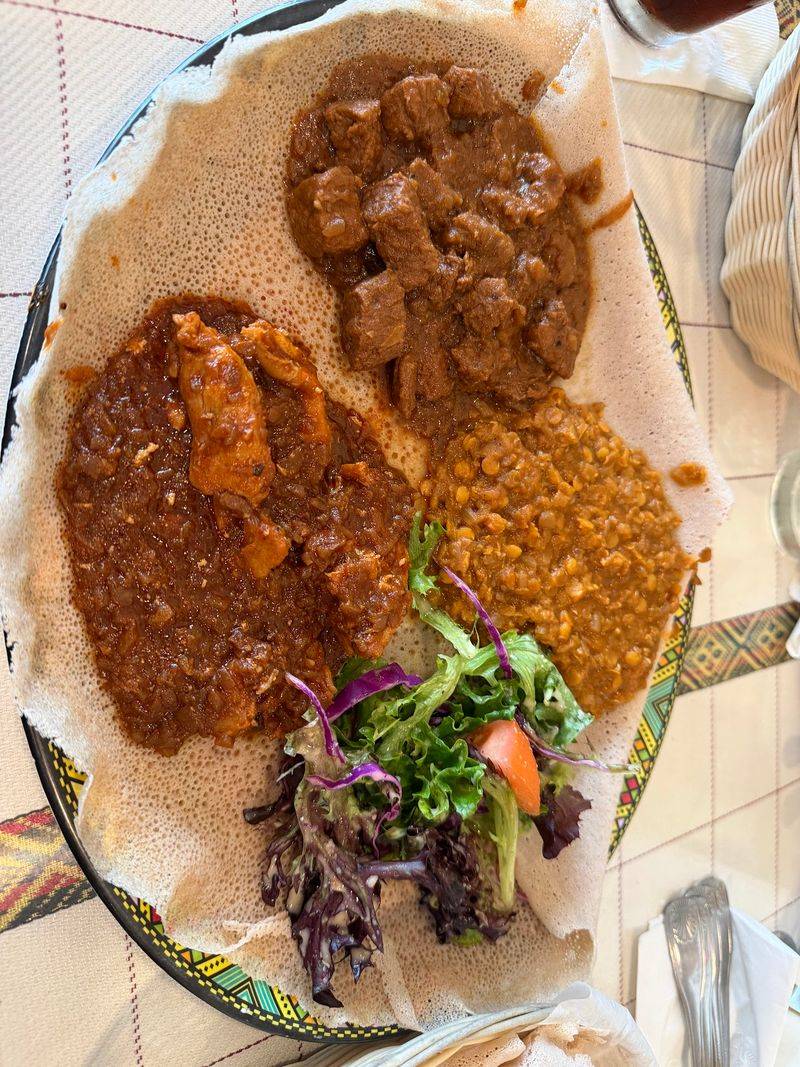
Planning helps. Cafe Lalibela opens at 11 AM Monday through Thursday and closes at 8 PM.
Friday runs from 11 AM to 9 PM, Saturday from noon to 9 PM, and Sunday from noon to 8 PM. Hours can shift, so double-check before heading out.
Prices land in a friendly range, typically about $10 to $20 per person. Thanks to those generous platters, many guests leave with leftovers, which stretches your dollar even further.
Few meals in the Valley deliver this much food and flavor for the cost.
Parking sits in a shared strip mall lot. Some visitors found it roomy, while others said spaces can get tight at peak times.
A late lunch often means no wait and an easier spot.
During the hot Arizona summer, an indoor lunch here makes a cool, comfortable escape from the sun. In winter, a steaming bowl of Doro Wat feels like a warm hug.
So, is it worth the drive? For anyone who loves discovering heritage food, sharing a table, and getting real value, the answer is likely yes.
Tear off some injera, scoop that spicy stew, and see for yourself.