
Warm Evenings Bring The Milky Way Overhead On This Free Dark-Sky Pullout In Arizona
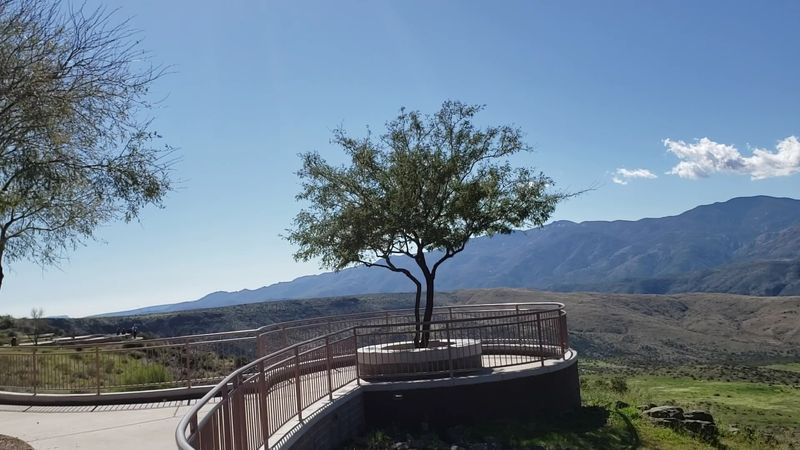
A sundial, a row of vending machines, and a cliff-edge sidewalk are not what most people expect from a night under the stars in Arizona. Yet one free highway stop between Phoenix and the high country turns into a front-row seat for the sky once the summer heat fades.
It never closes, it costs nothing, and the view over the canyon is wide open. Pack a snack, bring a friend, and plan to stay a little longer than a bathroom break.
A Free Overlook at Milepost 252
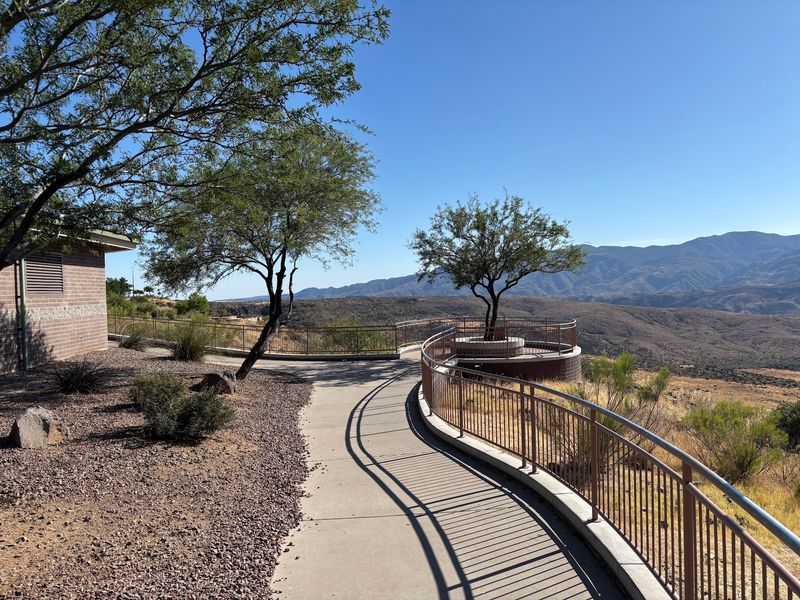
Milepost 252 on Interstate 17 is where a lot of Arizona drivers learn to plan a pause. Sunset Point Rest Area sits in Yavapai County near Black Canyon City, roughly halfway between Phoenix and Prescott, and it serves travelers heading to Flagstaff and Sedona too.
On paper, it is a rest stop. In practice, it behaves more like a scenic overlook that happens to have restrooms.
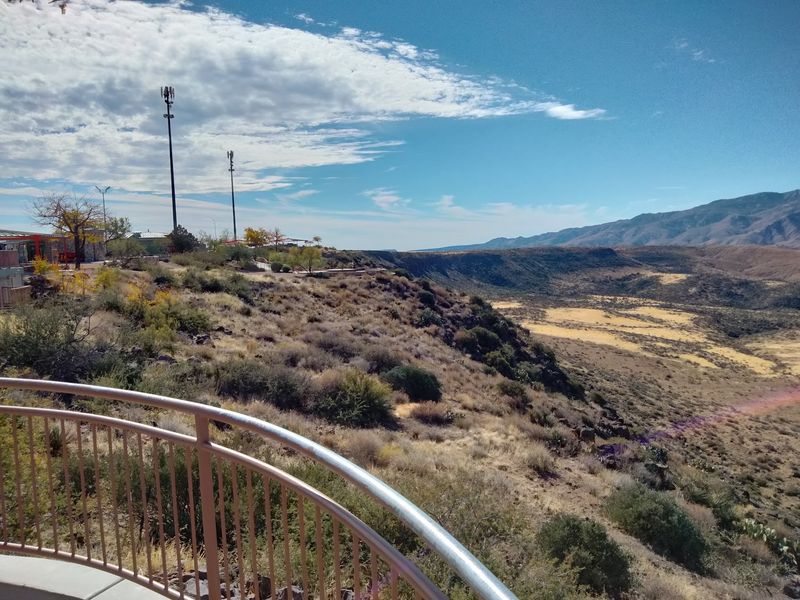
Terraced viewing platforms line a cliff edge, and the land drops away toward Black Canyon with the Bradshaw Mountains filling the horizon.
Admission is free, and the gates never shut. The rest area is open 24 hours a day, every day of the week, which matters a lot for anyone hoping to linger after the sun goes down.
Both northbound and southbound drivers can reach it, since it is the sole rest area on the west side serving both directions. Northbound travelers cross over the highway to get there, a small detour that regulars say is well worth the extra minute or two.
Think of it as a free ticket to one of the widest views along the drive. The bonus, on warm summer evenings, is what happens once the sky turns from orange to deep, starry black.
Story of a Stop Worth Reopening
Few rest areas get welcomed back like an old friend, but this one did. A few years ago, Sunset Point reopened after many months of being closed, and travelers along I-17 were clearly thrilled to have it back.
The renovation brought updated facilities and fresh landscaping, and the place has since earned a reputation as one of the best rest stops in the country. Over a million visitors pass through each year, which is a remarkable number for a spot with no restaurant and no admission booth.
Change is still happening around the edges. Recent visitors noticed construction of a new parking lot and a vault toilet on the drive up the hill, likely meant as extra room for cars.
Nearby, the long-awaited I-17 Flex Lanes project has wrapped up as well. Those 8 miles of reversible lanes, controlled by 58 swing gates, open in one direction at a time to help ease traffic through this hilly stretch.
All of that work points to one simple fact. Arizona keeps investing in this corner of the highway because people keep stopping, and many of them leave planning their next visit before they even pull back onto the road.
Black Canyon and the Bradshaw Horizon
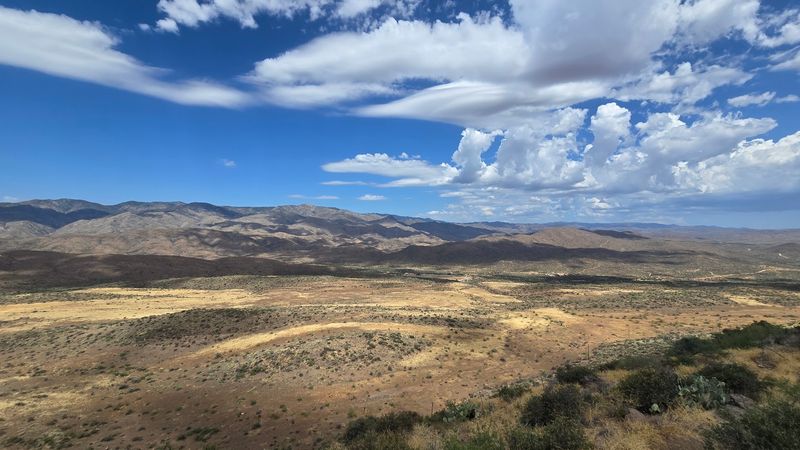
Eye level with the ridges. That is how the view here feels, as the rolling terrain stretches out almost even with the platforms instead of far below them.
Looking west, the valley opens wide, and the Bradshaw Mountains form a jagged line across the horizon. Black Canyon carves its way through the foreground, giving the whole scene a sense of depth that photos struggle to capture.
Visitors talk about the scenery more than almost anything else, and for good reason. It is rare to find a bathroom break that doubles as a postcard, especially along a route where pullouts with real views are scarce.
A paved walkway runs along the cliff, letting you stroll from one viewpoint to the next. Each stop frames the canyon a little differently, so it pays to wander rather than snap one photo and leave.
Daytime brings crisp details: layered hills, scattered desert plants, and shadows sliding across the slopes. Come back at dusk, though, and that same landscape softens into silhouettes, setting the stage for the night sky that follows.
Either way, the canyon earns its spot as the star of the show, at least until the actual stars show up.
Sunsets That Earn the Name
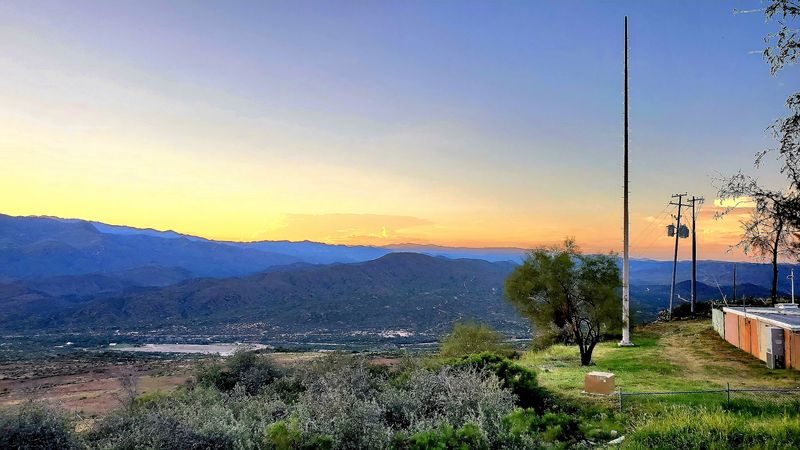
Here is a tip seasoned sunset watchers swear by: arrive 45 to 60 minutes before the posted sunset time. The surrounding mountains can block the sun earlier than your phone predicts, so showing up right on the dot may leave you watching the afterglow instead of the main event.
Get there early, and the payoff is huge. The western sky lights up in oranges, pinks, and purples, washing over the ridges and the canyon below.
Sunrise draws praise too, with visitors calling the view riveting at both ends of the day. Still, the evening hours are when the platforms fill with people quietly pointing cameras toward the horizon.
Crowds can build during prime color time, and honestly, nobody seems to mind much. A busy railing simply means everyone else had the same smart idea.
Summer evenings make this ritual especially pleasant. The sun sets late, the blazing heat of the Valley starts to ease, and the higher ground here often feels a touch more comfortable than Phoenix.
Best of all, the show does not end when the sun disappears. Stick around, and the sky simply changes channels to something even more spectacular.
The Milky Way Above the Canyon
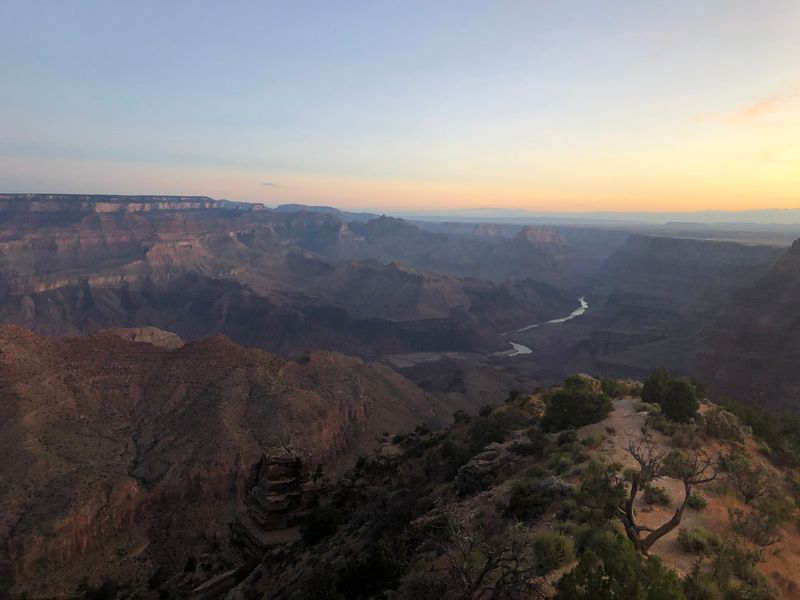
From late spring through early fall, the bright core of our galaxy climbs into Arizona’s evening sky. May through August is often peak season, and by late August the Milky Way can stretch nearly overhead after dark.
That timing lines up beautifully with a 24-hour rest area facing a wide, open canyon. Once the sunset crowd thins out, the western view turns into a broad window on the stars.
Arizona’s dry desert air helps a lot. Less haze means sharper, clearer stars, and the state is known for protecting its dark skies better than most places in the nation.
Keep expectations realistic, though. The rest area is well lit for safety, and it sits along a busy interstate, so it is not a remote wilderness site.
Walking toward the far edges of the viewing terraces, away from the brightest fixtures, can help your eyes adjust. Give it 20 to 30 minutes, and fainter stars slowly fill in.
For the best shot at the galactic glow, choose a night near the new moon and wait at least 1.5 hours after sunset. A clear forecast seals the deal.
A Sundial With a Heartfelt Purpose
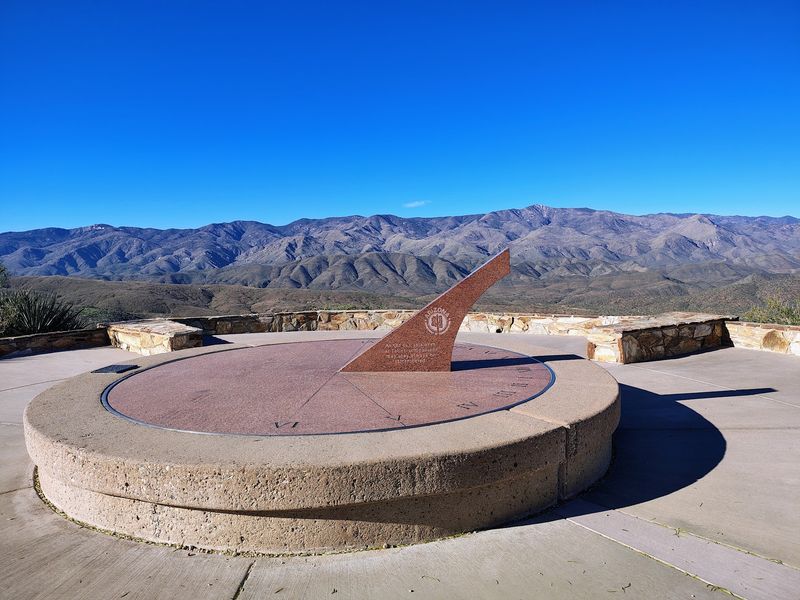
Down in the lower area of the rest stop sits one of its most talked-about features: a huge sundial. Kids love trying to read the time from its shadow, and adults tend to slow down when they realize what it represents.
The sundial honors highway construction workers who gave their lives building and maintaining the road. It is a quiet tribute, placed right in the center of the grounds where every visitor can see it.
Accessibility was clearly part of the plan. The sundial area is handicap accessible, so travelers of all abilities can walk up close and take in the design.
Many visitors call it one of their favorite things about the stop. It adds a sense of meaning to a place that could easily have been just restrooms and parking.
During the day, the shadow does its job, tracking the hours across the face. At night, of course, the sun clocks out, and the stars take over as the sky’s timekeepers.
Pause here for a moment before heading to the overlook. It is a good reminder that every smooth mile of this scenic drive came from real people’s hard work.
Viewfinders, Terraces, and Cliffside Strolls
Coin-operated viewfinders stand along the platforms like old-fashioned sentries, ready to pull distant ridges a little closer. They are a fun throwback, and kids especially seem to get a kick out of them.
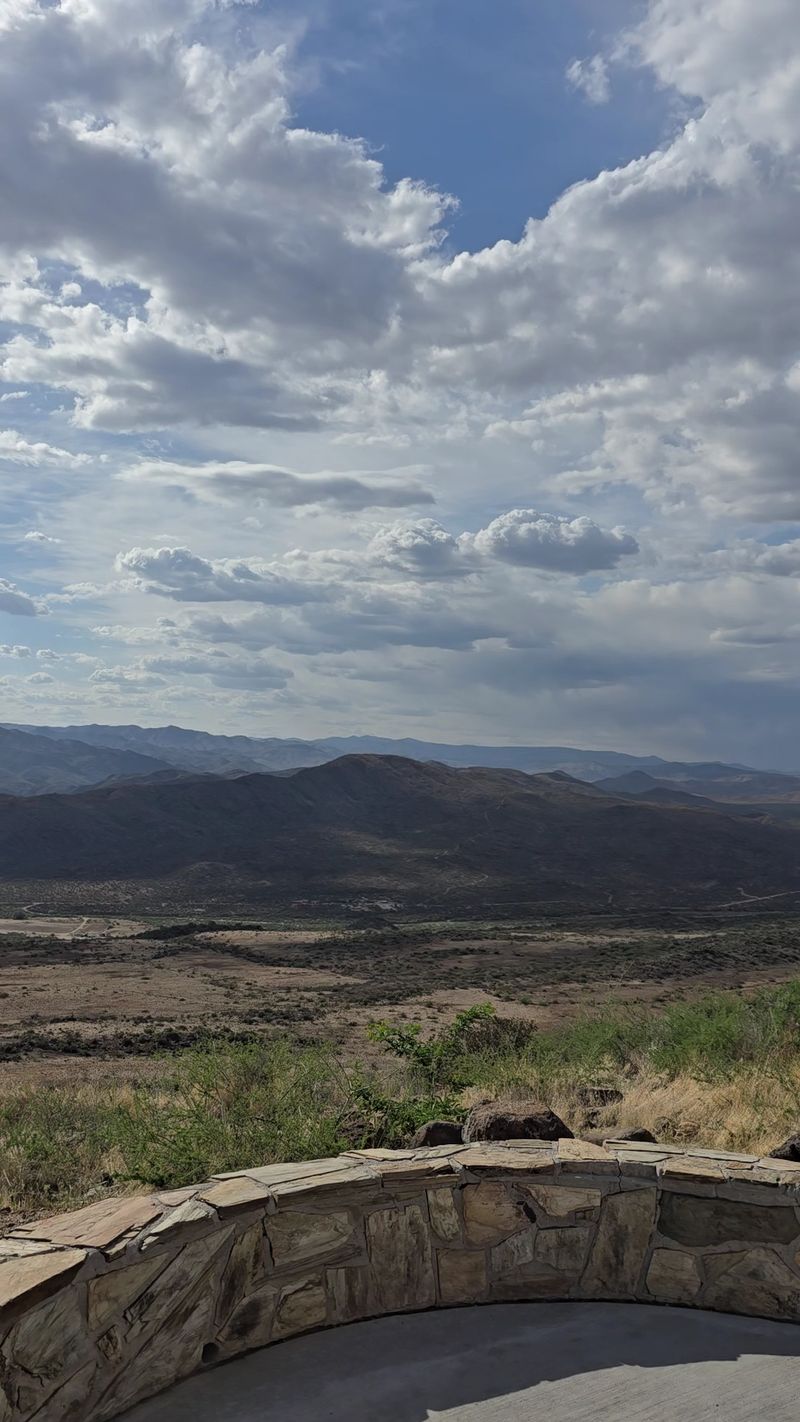
Several terraced viewpoints step down toward the canyon. Each level offers a slightly different angle, which makes the whole area great for photos, whether you are capturing a family portrait or a wide landscape.
A paved walkway follows the cliff edge, giving you a pleasant little parkway for stretching your legs after a long drive. Visitors appreciate being able to walk, look, and breathe in fresh air instead of simply hopping out and back in the car.
Informational posters dot the grounds as well. They add a bit of background about the area, perfect for curious minds who like to know what they are looking at.
An accessible ramp and sidewalk connect key areas, so the views are not limited to those who can handle stairs. That thoughtful layout makes the stop easy for nearly everyone.
After dark, those same terraces become natural seating spots for sky watching. Bring a blanket, find a quiet corner, and look up.
Native Plants and Busy Birdlife
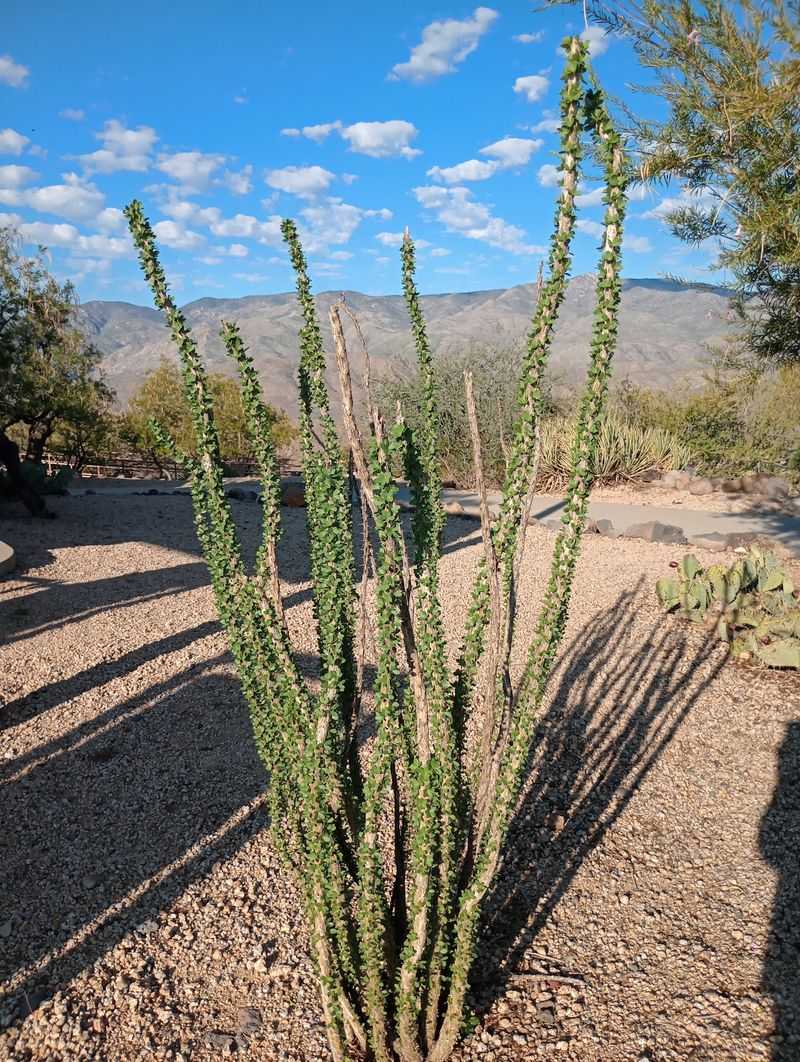
Buzzing. That is the soundtrack in warmer months, when desert willow and catclaw acacia bloom across the landscaped grounds and pollinators move in for a feast.
The landscaping uses native plants, a choice that nature lovers have noticed and applauded. Beyond looking right at home in the Sonoran foothills, those plants support bees, butterflies, and other small visitors.
Birders have even more reason to smile. Up to 100 species have been noted at this location, which is pretty impressive for a stop most people think of as a quick bathroom break.
Early morning is often a lively time to watch, as birds flit between shrubs and perch along the cliff edge. A pair of binoculars, or even those coin viewfinders, can help you spot movement out over the canyon.
Evening has its own charm. As the light fades, the daytime chatter quiets down, and the grounds take on a calm, hushed feeling that fits right in with stargazing plans.
So while the sky gets the headlines, the ground deserves some attention too. Take a slow lap through the plantings, and you may notice a whole little world thriving right beside the parking lot.
Shaded Picnic Spots and Snack Stops
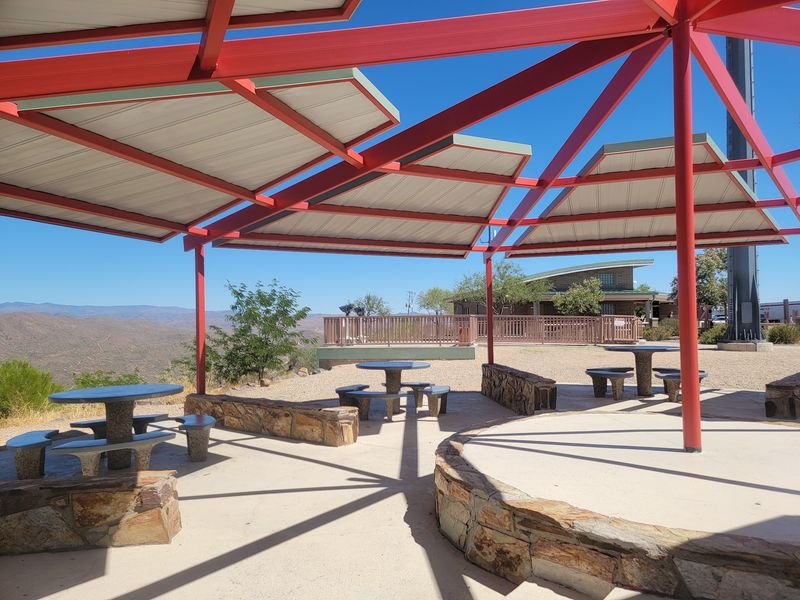
Lunch with a canyon view costs exactly nothing here, as long as you pack it yourself. Three picnic areas hold around 17 tables, many of them under shaded cover, so you can eat without baking in the Arizona sun.
First-timers often wish they had known sooner. More than a few travelers have stopped for a quick break, then realized those shaded tables would have been the perfect place to enjoy their meal.
There are no restaurants on site, but an array of vending machines handles snack cravings. Drinks run about $3 to $5, so bringing your own cooler can stretch the budget nicely.
Some visitors have mentioned a hot dog stand and food trucks showing up at times. Since those are not guaranteed, it is smart to treat them as a happy bonus rather than a dinner plan.
Coffee lovers, take note: one traveler did not spot a coffee vending machine, so fill your thermos before leaving town. A warm drink pairs wonderfully with late-night stargazing.
Picture a simple summer evening routine. Sandwiches at sunset, a snack once the stars appear, and plenty of trash cans nearby to keep the grounds tidy.
Restrooms, Pets, and Overnight Parking
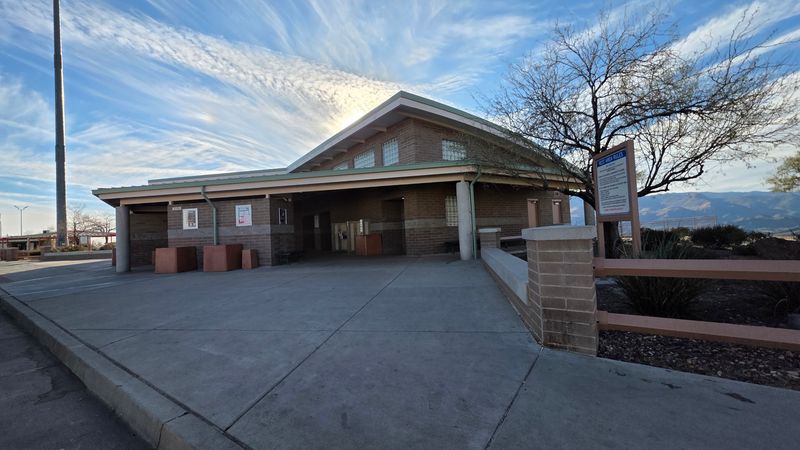
Clean restrooms come up again and again in visitor feedback, and staff are often seen cleaning and restocking throughout the day. Three separate restroom buildings serve the site, with two especially well suited for wheelchair users.
Families will find family restrooms and baby changing tables. Some travelers describe the buildings as a bit dated, though still functional and well kept.
Truckers have had a different experience. Their separate restrooms near the truck parking are basic, and one driver noted the lack of flushing, fans, and handwashing, so plan around that if you are driving a big rig.
A key safety note: the water dispensers pump out non-potable water. Do not drink from them, and bring your own water for the trip.
Four-legged travelers get their own pet walking area, making it easy to let pups stretch before settling in for a night of sky watching.
Overnight parking is allowed for all, and there is room for cars, trucks, and trailers. The grounds are well lit, which feels reassuring after dark, even if it means wandering toward the edges for a better look at the stars.
Who Will Love an Evening Here
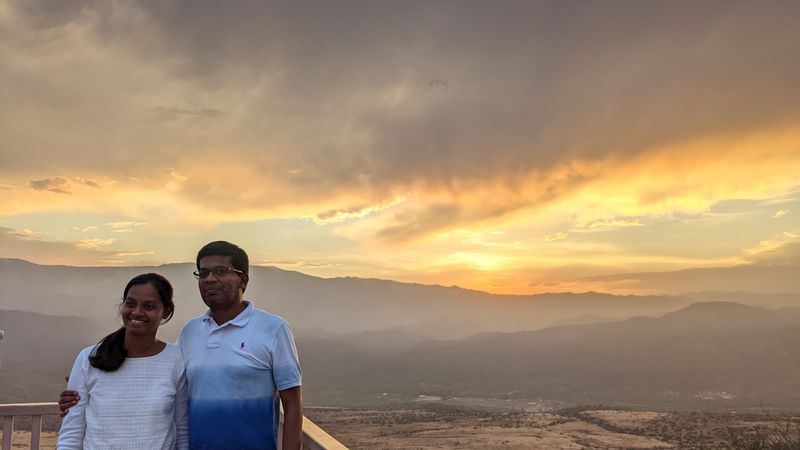
Retirees looking for an easy, budget-friendly outing are a natural fit. A short drive up I-17 from the Phoenix area delivers sweeping views, cooler evening air, and a sky full of stars for the price of a tank of gas.
Families do well here too. Kids can burn off energy on the walkways, read the sundial, peek through viewfinders, and then lie back to count shooting stars.
Photographers find plenty to work with, from sunset color over the Bradshaws to wide canyon shots at blue hour. Bring a tripod for night images, and scout your spot while there is still light.
Road trippers heading home from the Grand Canyon, Sedona, or Flagstaff can time their drive for a sunset stop. It turns an ordinary break into a highlight of the trip.
Couples may find it surprisingly romantic, in a low-key way. A blanket, a thermos of cocoa, and a quiet corner of the terrace go a long way.
Serious astronomers chasing truly pristine darkness might prefer remote sites. For everyone else, this is a wonderfully easy, accessible introduction to Arizona’s summer sky.
Getting There and a Gentle Verdict
Finding it is simple. Head up Interstate 17 to milepost 252 near Black Canyon City, and follow the signs for Sunset Point Rest Area from either direction.
Hours could not be easier to remember: open 24 hours, seven days a week, with no entry fee. Parking is free, and the site is about 7.3 miles from Agua Fria National Monument if you want to make a bigger day of it.
For a warm-weather star session, aim for a clear night near the new moon between May and August. Arrive about an hour before sunset, enjoy the color show, then wait 1.5 hours after sundown for the Milky Way to sharpen.
Pack water, since the dispensers are not drinkable, plus snacks, a light jacket, and a red flashlight to protect your night vision. Desert temperatures can drop more than you expect.
So, is it worth the drive? For a free, always-open spot with canyon views, clean facilities, and a summer sky that glows overhead, it may be one of the best bargains in Arizona.
Tag the friend who always says they want to see more stars, and save this one for the next new moon.