
This Enormous South Carolina Lake Was Built Over A Town Destroyed By A Flood
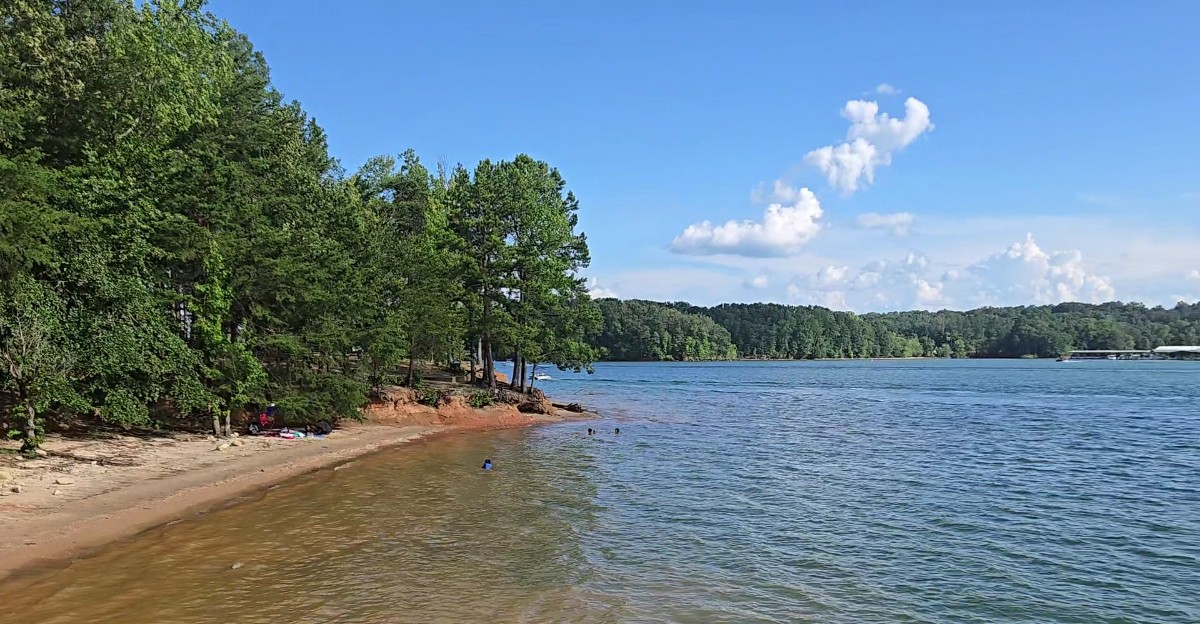
A normal day on a South Carolina lake usually involves boats, fishing, and finding the perfect spot to watch the sunset.
Lake Hartwell has all of that.
But beneath all that blue water is a much older story.
This enormous man-made lake stretches across the South Carolina and Georgia border, covering nearly 56,000 acres and winding along an incredible 962 miles of shoreline. Today, it is packed with marinas, campgrounds, beaches, and quiet coves.
Long before the lake existed, however, communities and historic sites occupied parts of the land now covered by water.
That makes cruising across Lake Hartwell feel a little different.
One minute you are watching someone race past on a jet ski. The next, you are thinking about what might have stood beneath your boat decades ago.
And the history is only part of what makes this place fascinating.
Grab the sunscreen and get ready for a few surprises.
Here are ten things to know about this enormous South Carolina lake.
A Lost River Town Sleeps Under The Surface
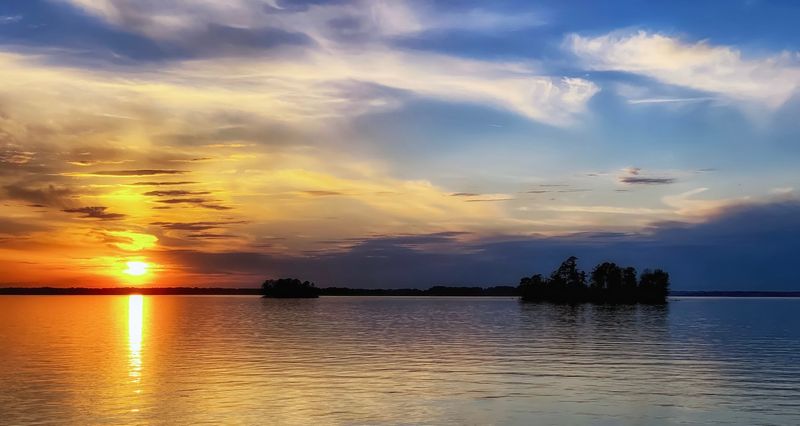
Long before jet skis zipped across these waters, a busy little town called Andersonville stood where the Tugaloo and Seneca rivers met. In the early 1800s, it had mills, shops, and families who depended on the rivers for trade and travel.
Life there was full of promise.
The same rivers that helped the town grow also turned against it. A series of floods, including a terrible one in 1840, damaged homes and businesses again and again.
Over time, people moved away, and Andersonville slowly faded into a quiet spot on old maps.
When Lake Hartwell filled in the early 1960s, the water rose over what was left of the town site. Today, the nearby Andersonville Island is a reminder of that lost community.
Boaters often cruise past without knowing the history beneath their hulls.
If you want to connect with this story, plan a slow paddle or pontoon ride near the island on a calm morning. The mist on the water makes it easy to imagine riverboats and mill wheels.
Bring a phone with a map app so you can spot the old river meeting point, and take a moment to think about the people who once called this place home.
Built by the Army Corps Of Engineers To Tame A Wild River
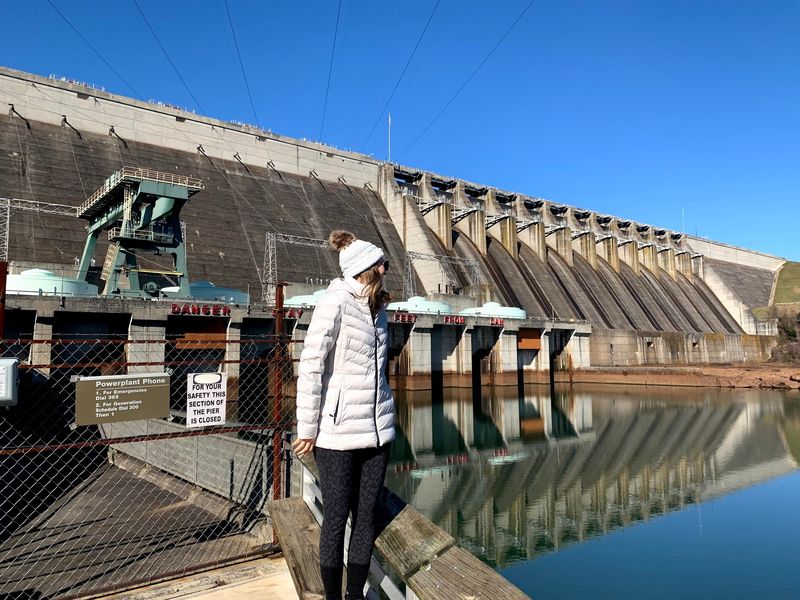
Floods, it turns out, were a big problem along the whole Savannah River. Congress approved the Hartwell project in the Flood Control Act of 1950, and the U.S.
Army Corps of Engineers got to work in 1955. The dam was finished around 1962, and the lake reached full size by 1963.
The goal was simple but huge. Engineers wanted to control flooding, make electricity, and keep water flowing steadily downstream.
Recreation was a bonus, though now it might be the most famous part of the deal.
Hartwell Dam stands on the Savannah River a few miles below where the Tugaloo and Seneca join. Its powerhouse still produces hydroelectric power for the region today.
Standing near it, you can feel just how much water is being held back.
A visit to the dam area is worth adding to your trip. The Corps has run a visitor center and overlooks near the dam, though hours can change by season, so check the Corps website before you go.
Parking near the overlooks is usually easy. Bring kids who love big machines, because the size of this structure tends to earn a loud and happy wow.
Nearly 1,000 Miles Of Shoreline To Explore
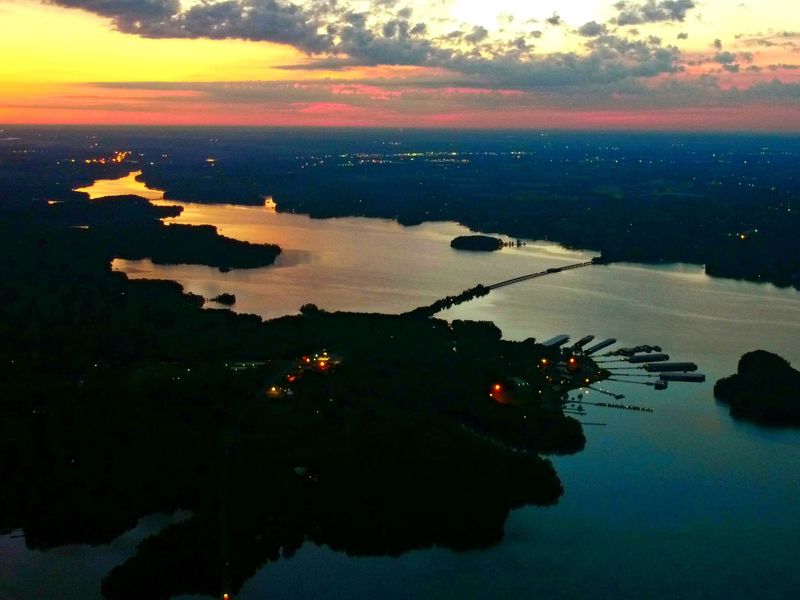
Here is a number that surprises almost everyone: Lake Hartwell has roughly 962 miles of shoreline. That is longer than a road trip from Charleston to Chicago.
One happy reviewer simply wrote, wow at things to be doing.
The lake covers about 56,000 acres when full. Because it filled old river valleys, the water spreads out into long fingers and hidden coves.
You can spend all day boating and still feel like you found somewhere new.
That twisting shape is great news for anyone who wants peace and quiet. Many visitors say the lake rarely feels crowded, even on warm weekends.
Find a cove, drop anchor, and you might have the whole view to yourself.
A smart tip is to grab a good lake map before heading out. Some coves get shallow, especially when water levels drop during dry spells.
Reviewers also praise the clear navigation markers, so pay attention to them and you will glide around safely. Early mornings are best for glassy water, while late afternoons bring breezes that windsurfers and sailors love.
Named After A Fearless Revolutionary War Heroine
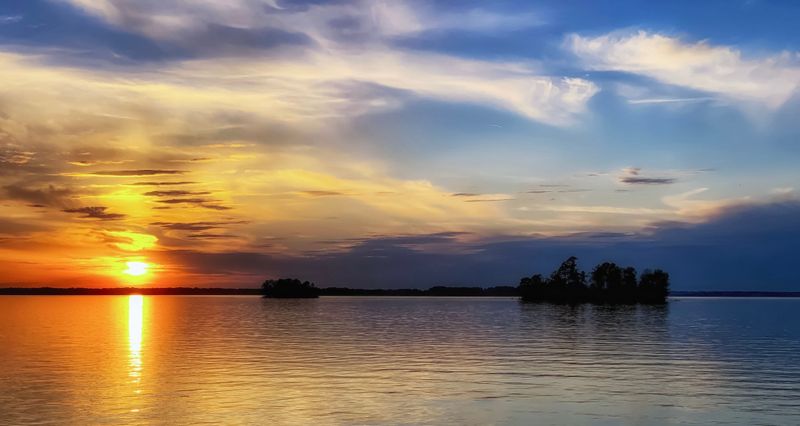
Legend says she captured a group of enemy soldiers in her own kitchen. Nancy Hart was a Georgia frontier woman during the American Revolution, and her bold stories have been told for more than two centuries.
The town of Hartwell, Georgia, was named in her honor, and the dam and lake took the name from there.
According to the popular tale, Loyalist soldiers forced their way into her cabin and demanded a meal. She served them, quietly hid their guns, and held them at gunpoint until help arrived.
Historians debate some details, but the story made her a local hero.
So every time you say Lake Hartwell, you are giving a little nod to one tough lady. It is a fun fact to share around a campfire.
Kids especially love hearing that a lake is named after someone so brave.
If history is your thing, you can easily turn this into a two-state adventure. Hart County in Georgia sits right along the lake and also carries her name.
Pair a morning on the water with a drive through these small towns, and the past suddenly feels close.
One Lake, Two States, Countless Weekend Plans
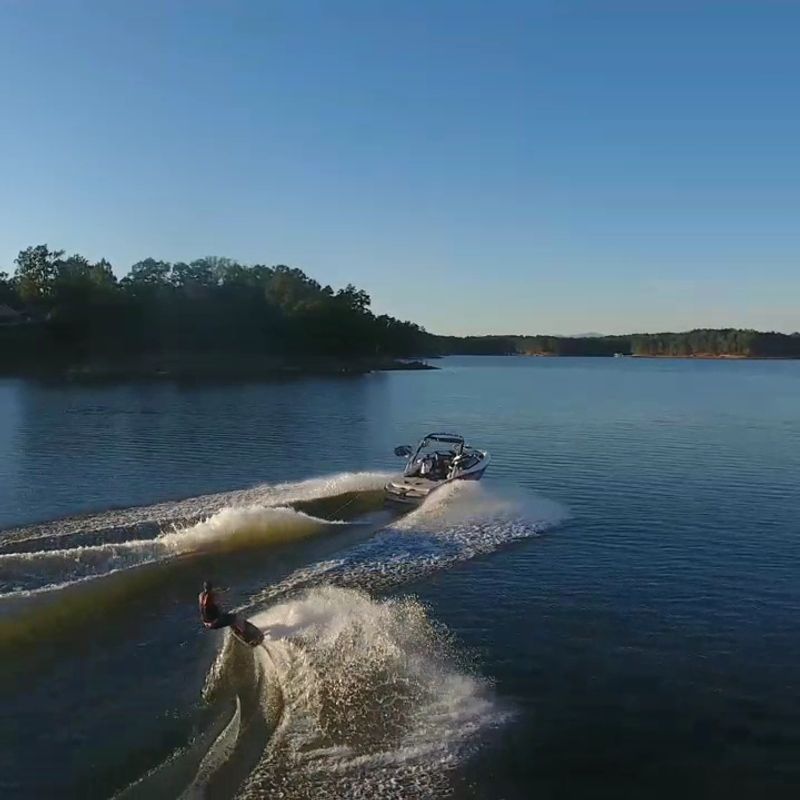
Ever wanted to cross a state line without getting in a car? On Lake Hartwell, you can do it in a boat.
The lake sits right on the border between South Carolina and Georgia, so your morning swim and your lunch spot might be in different states.
The South Carolina side touches Anderson, Oconee, and Pickens counties. Towns like Anderson, Clemson, and Seneca are close by, making it simple to grab groceries or a meal.
The lake is also within a few hours of Atlanta, Charlotte, and the Blue Ridge Mountains.
One reviewer drove about two and a half hours from Charlotte and said every minute was worth it. That central spot makes it a favorite for families who want a getaway without a long flight.
You can even plan a mountain hike and a lake day on the same trip.
Fishing licenses matter here. South Carolina and Georgia have an agreement that lets license holders from either state fish most of the main lake, but rules for tributaries can differ.
Check the latest regulations with the state wildlife agencies before you cast, and you will avoid any surprise tickets.
Clemson Tigers Live Right On The Water
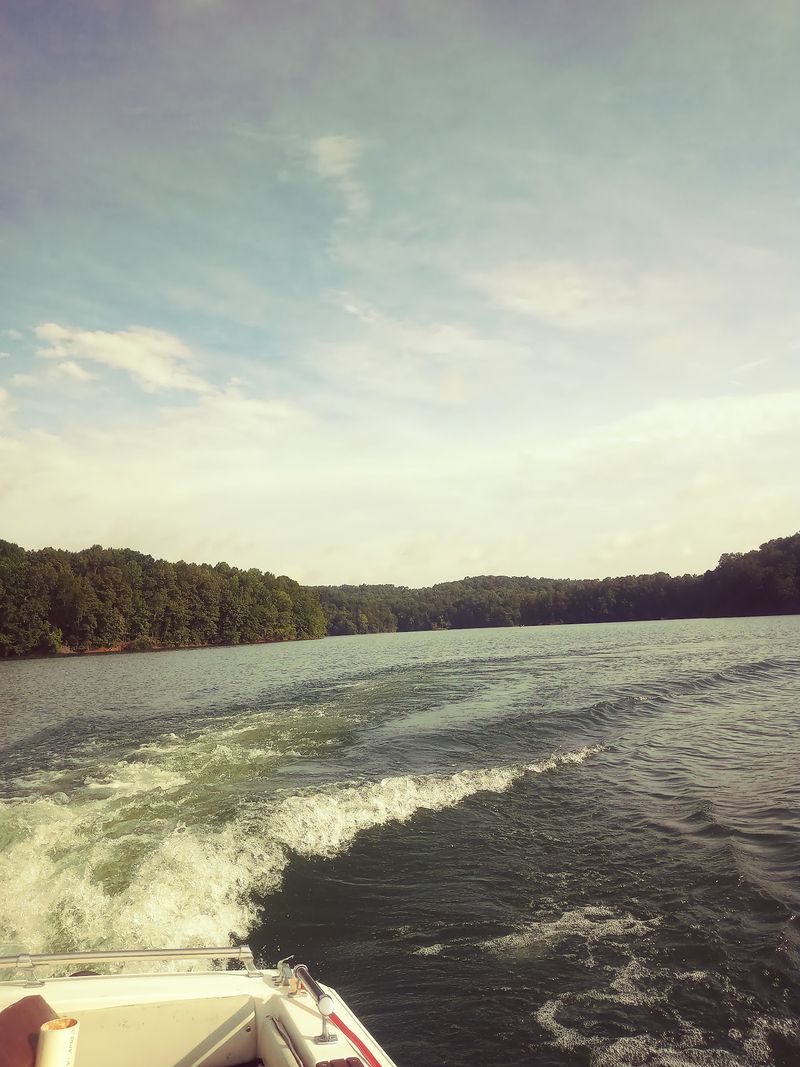
Game day hits different when you arrive by boat. Clemson University sits right along Lake Hartwell, and on football Saturdays, fans sometimes cruise up in orange-flagged boats near campus.
The scene is loud, colorful, and wonderfully Southern.
Building the lake created a real puzzle for the school. Rising water threatened low parts of the campus and nearby farmland.
The Corps of Engineers built dikes to protect key areas, and the university gained a stunning waterfront in return.
Today, students paddle, row, and study by the shore. Clemson rowing teams practice on the lake, and the views of sunsets from campus can be spectacular.
Even if you are not a sports fan, a slow ride past the university is a treat.
Visiting on a game weekend? Expect heavy traffic, busy ramps, and full hotels, so book early or come another weekend for calm water.
On quieter days, you can explore the South Carolina Botanical Garden on campus, which is free to enter. Pair it with lunch at a lakeside restaurant for an easy and relaxing afternoon.
Bass Fishing Fame That Draws The Pros
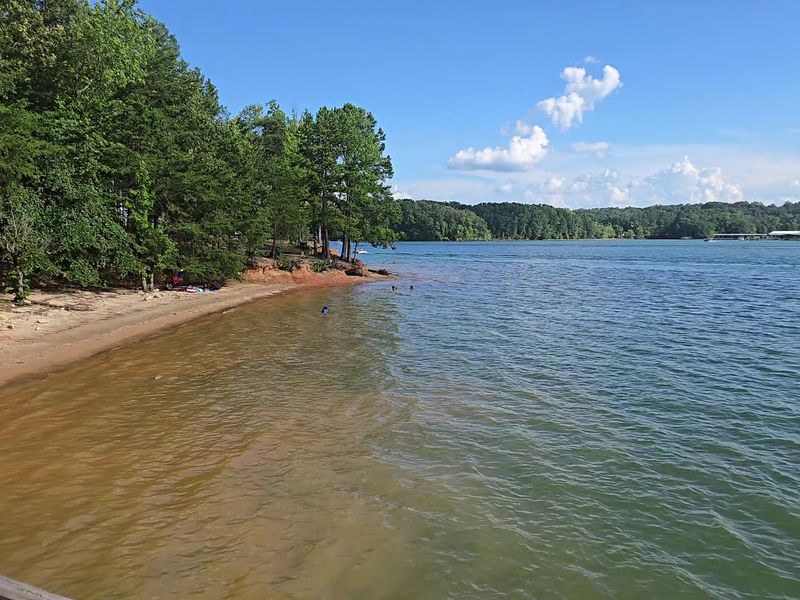
Some of the best anglers on the planet have battled for big money right here. Lake Hartwell has hosted the Bassmaster Classic, often called the Super Bowl of bass fishing, several times, including in 2008, 2015, 2018, and 2022.
Thousands of fans showed up to watch the weigh-ins.
Why do the pros love it? The lake holds largemouth bass, spotted bass, striped bass, hybrids, crappie, and catfish.
Its deep channels, rocky points, and brushy coves give fish lots of places to hide.
Reviewers mention fishing more than anything else, and it is easy to see why. Many locals swear by early mornings for stripers chasing schools of bait.
Others prefer crappie fishing from piers when the weather cools.
New to fishing? Start at a public fishing pier, where you can cast without a boat.
Remember that a fish consumption advisory exists in some upper areas, mainly around Twelve Mile Creek and the Seneca River arm, because of old PCB pollution. Check the posted advice from South Carolina officials, and enjoy catch-and-release there if you are unsure.
Campgrounds And State Parks For Every Kind Of Camper
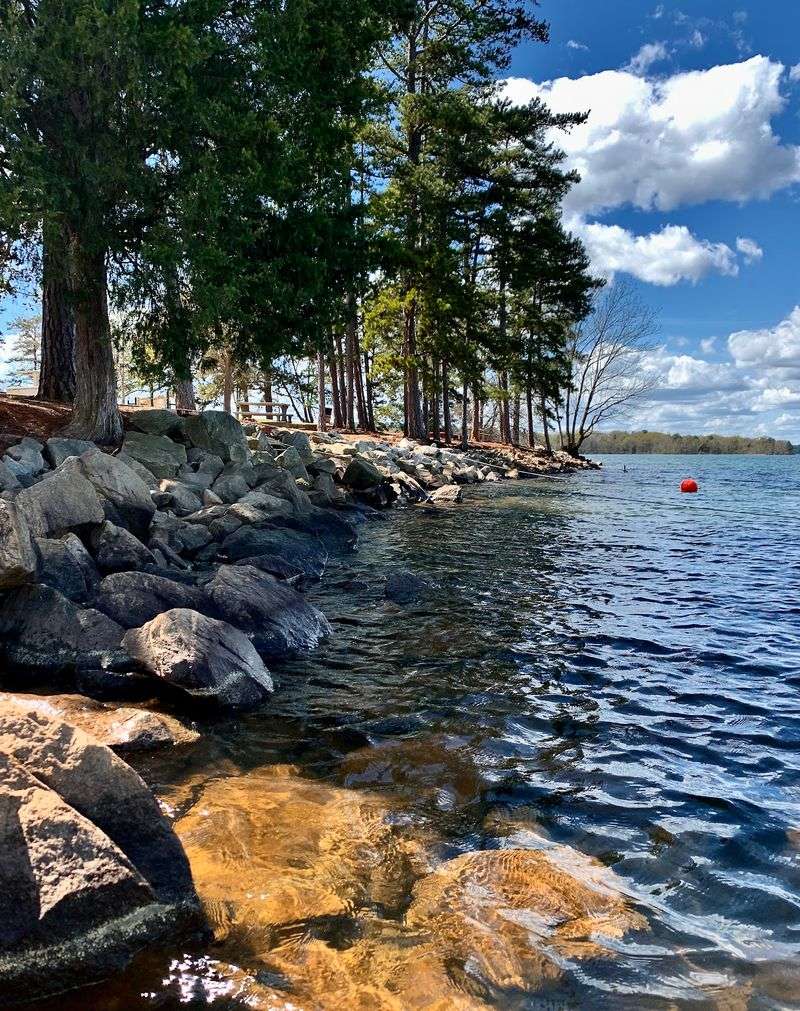
Few things beat falling asleep to the sound of water lapping the shore. Lake Hartwell offers dozens of campgrounds, many run by the Corps of Engineers.
You can choose tent spots, RV sites with hookups, or simple cabins.
On the South Carolina side, two state parks stand out. Lake Hartwell State Park near Fair Play has camping, a fishing pier, and easy access from Interstate 85.
Sadlers Creek State Park near Anderson sits on a peninsula with wooded trails and pretty water views.
State parks usually charge a small daily admission, often a few dollars per adult, with discounts for kids and seniors. Camping fees vary by site and season, so check the official South Carolina State Parks website for current prices.
Corps day-use areas may charge a small per-vehicle fee too.
Book early for summer weekends and holidays, since lakefront sites vanish fast. Many parks offer accessible campsites, restrooms, and fishing spots, but call ahead to confirm what you need.
Pack bug spray, a lantern, and marshmallows, then watch the sunset paint the water orange.
Red Clay Banks That Look Like Another Planet
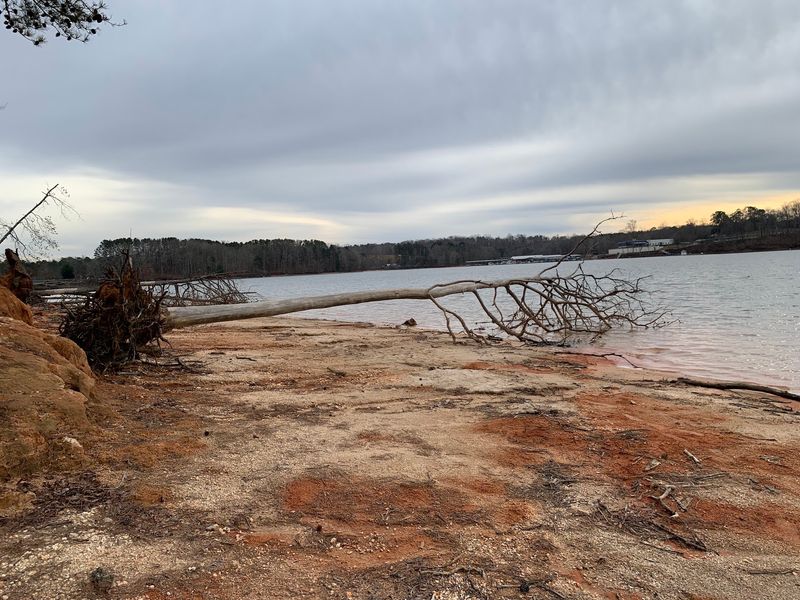
One visitor said the lake looks like a Mars landscape, and honestly, that is not far off. When water levels dip during dry seasons, bright red clay banks appear along the shore.
The rusty color against blue water and green pines is wild and photo-worthy.
That red clay is classic Upstate South Carolina soil, rich in iron. The full pool level is set at 660 feet above sea level, but droughts can pull the water down several feet.
Then you will see stumps, sandbars, and shallow spots that were hidden before.
Opinions on water clarity are mixed. Some reviewers call it clear and clean, while others say it looks murky after rain stirs up the clay.
Both can be true, depending on the weather and which cove you visit.
Low water also means boaters should slow down and watch for hazards. Check current lake levels on the Corps of Engineers website before launching.
For photographers, the low-water season is a gift, so bring a camera and capture those strange, glowing banks at golden hour.
Millions Of Visitors And Plenty Of Room To Breathe
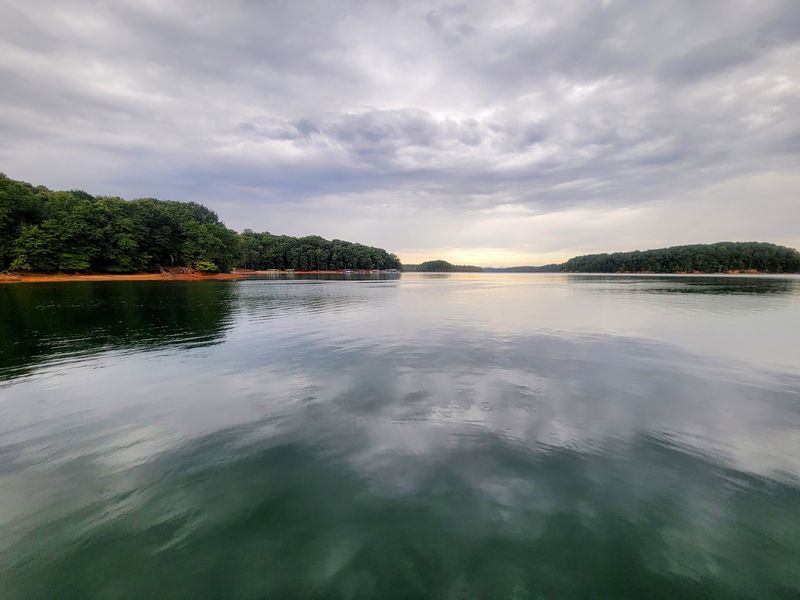
Lake Hartwell ranks among the most visited Corps of Engineers lakes in the country, with millions of visits each year. Yet somehow, many people still describe it as quiet.
One reviewer even said it feels calm compared to busier lakes in Georgia.
The secret is its size. With so much water and so many coves, crowds spread out fast.
You can swim at a beach, kayak a hidden inlet, or simply sit on a dock and watch blue herons hunt.
Wildlife lovers often spot deer, ospreys, and plenty of birds. Swimmers enjoy cool water even in early summer heat waves.
Paddleboarders love the glassy mornings, while afternoon winds bring out the windsurfers.
Most public day-use areas open from early morning until dusk, but hours and seasons vary by park, so check before you go. Parking fills quickly on summer holidays, so arrive early.
Many ramps and beaches have accessible features, though not every spot does. Always wear a life jacket, follow boating rules, and leave the shore cleaner than you found it, so the next family can call this lake their happy place too.