
10 Colorado Historic Main Streets That Look Their Best Under October Leaves
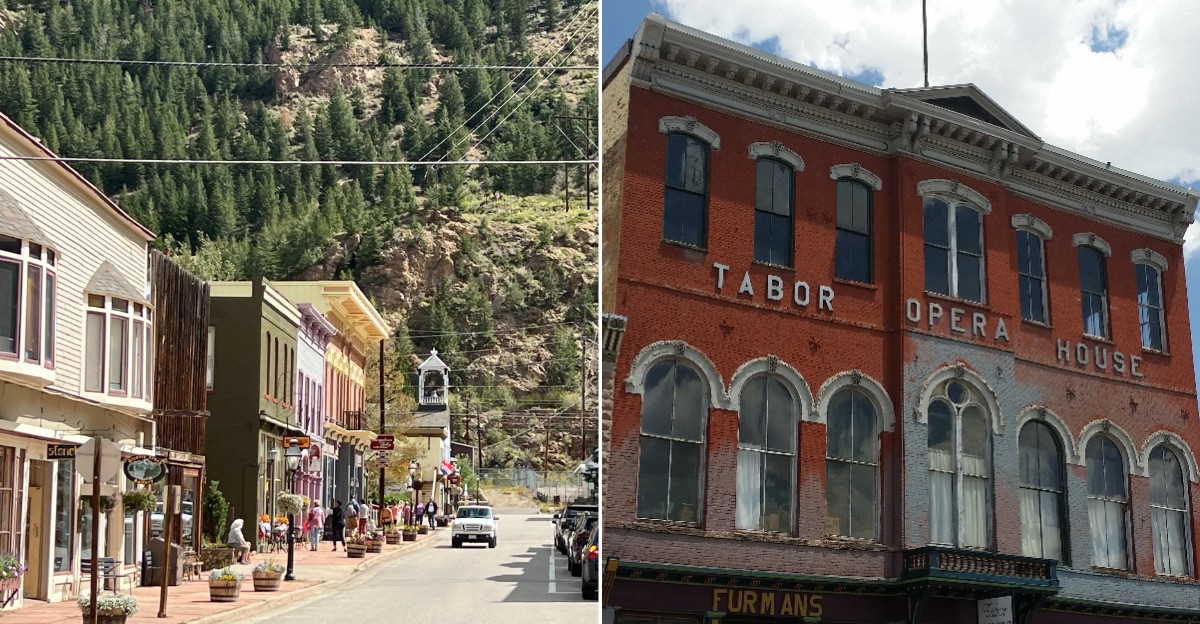
Autumn can make an old downtown feel newly discovered. Painted storefronts look sharper beneath gold leaves, brick facades pick up warmer tones, and suddenly the mountains beyond the rooftops seem like part of the architecture.
That seasonal contrast is especially striking in Colorado, where many historic streets still carry traces of mining booms, railroad expansion, and communities that first grew beside rivers. The history is there, but fall changes how you notice it.
A doorway, faded sign, or weathered cornice can become more memorable than the view you came for. Timing matters, though, because color shifts quickly with elevation, temperature, and weather instead of following a perfectly reliable calendar.
The best way to experience autumn in Colorado is on foot, with enough time to wander beyond the obvious photo stops. Bring a jacket, wear comfortable shoes, and look closely.
The details worth remembering are often the ones you would miss completely from the car.
1. Colorado Avenue, Telluride
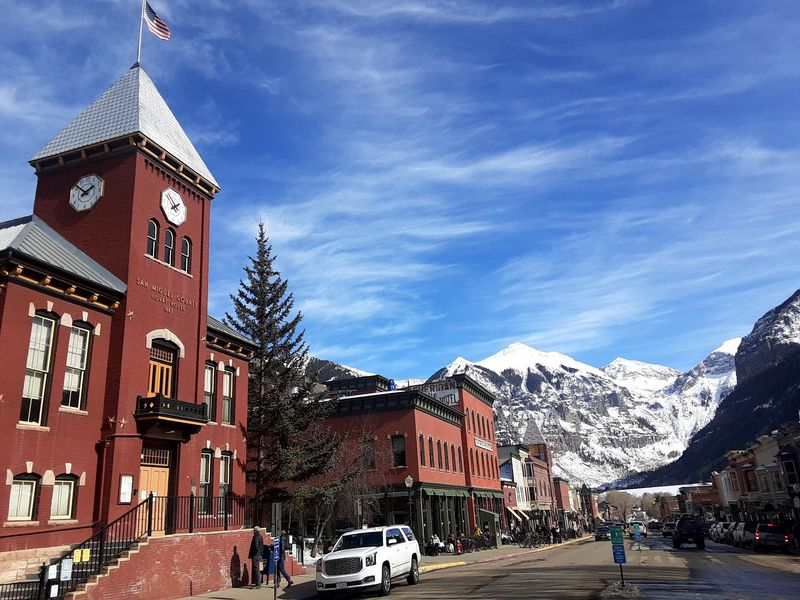
The mountains do much of the framing here, which saves your camera from having to work too hard. Colorado Avenue runs through Telluride toward the steep walls of its box canyon, placing historic storefronts beneath a much larger mountain backdrop.
Telluride’s downtown belongs to a National Historic Landmark District designated in 1964. Its Victorian buildings reflect the town’s mining past, giving the street substance beyond the familiar mountain photograph.
For an October visit, treat the first part of the month as a possibility, not a promise. Aspen color at this elevation often arrives in September, and wind or cold weather can shorten the display before your suitcase is packed.
Walk several blocks rather than stopping at the first appealing corner. Looking along the avenue shows how the buildings, canyon walls, and surrounding slopes fit together; closer views reveal trim, brickwork, and the changing scale of the storefronts.
Check current foliage reports and the weather before committing to a long drive across Colorado. Wear layers, respect crossings, and take photographs from sidewalks rather than the roadway.
Even when the aspens have thinned, the preserved streetscape still carries the visit. The leaves supply a seasonal frame; the canyon and architecture handle the rest without much assistance.
2. Elk Avenue, Crested Butte
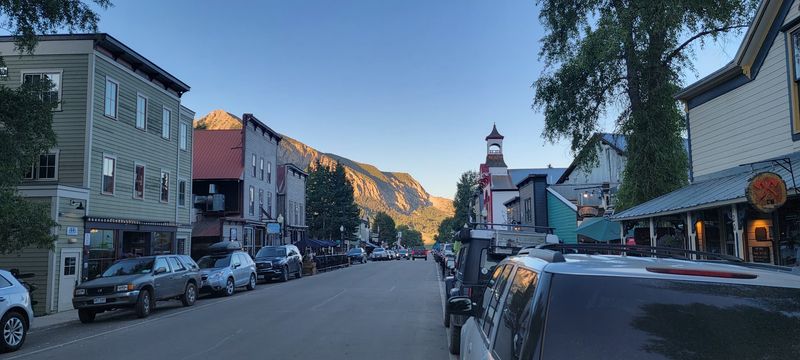
Painted storefronts give the autumn trees some friendly competition. Along Elk Avenue, bright wooden buildings make Crested Butte’s former mining center look quite different from the brick downtowns found elsewhere on this list.
Crested Butte’s historic district was listed in the National Register of Historic Places in 1974. Elk Avenue serves as its main commercial spine, with preserved buildings that help explain the town’s roots before skiing became part of its identity.
The surrounding aspen country adds another layer to the view, but mountain foliage does not follow a fixed October schedule. Early October may still offer color, while a later trip can find many of the higher groves already bare.
Give the street its own time instead of treating it as a quick photo stop on the way to Kebler Pass. Compare the rooflines, narrow fronts, and painted trim, then choose a restaurant or shop based on what is actually open.
Check road conditions before adding mountain drives, especially when the forecast turns wintry. A downtown walk and a pass crossing require different levels of preparation.
For families, the compact commercial area keeps the outing manageable. For photographers, the challenge is deciding which building deserves attention before another cheerful facade interrupts the decision.
3. Main Street, Breckenridge
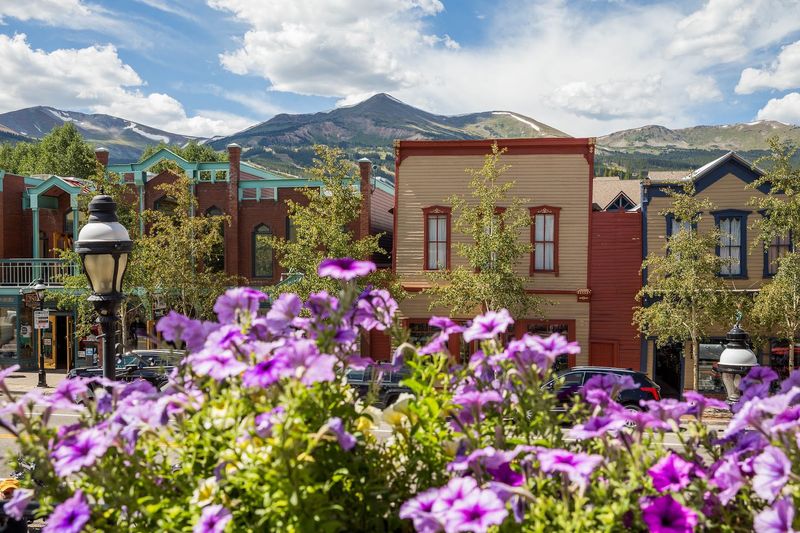
A ski town can have a life before the ski lifts, and the buildings here make that point clearly. Main Street anchors Breckenridge’s historic downtown, where the town’s mining origins remain visible beneath its modern resort identity.
Breckenridge was founded in 1859 during the gold rush. Its preserved commercial buildings, smaller wooden structures, and views toward the Tenmile Range give a walk along Main Street more variety than a single postcard suggests.
October requires realistic leaf expectations at this elevation. Aspen displays commonly develop during September, so the opening days of October are a better gamble than assuming the whole month will stay golden.
Use the sidewalks to explore several blocks and look beyond the shop windows. Building shapes and historic details are easier to notice when you are not trying to photograph the entire mountain range at once.
Restaurants and shops make it possible to break the walk into shorter sections, which helps when traveling with children or anyone adjusting to altitude. Confirm individual business hours rather than building the day around an assumed opening time.
Bring water and a warm layer even for a downtown outing. Colorado’s mountain weather can change the plan, but the architecture gives you something to appreciate between foliage views.
4. Main Street, Ouray
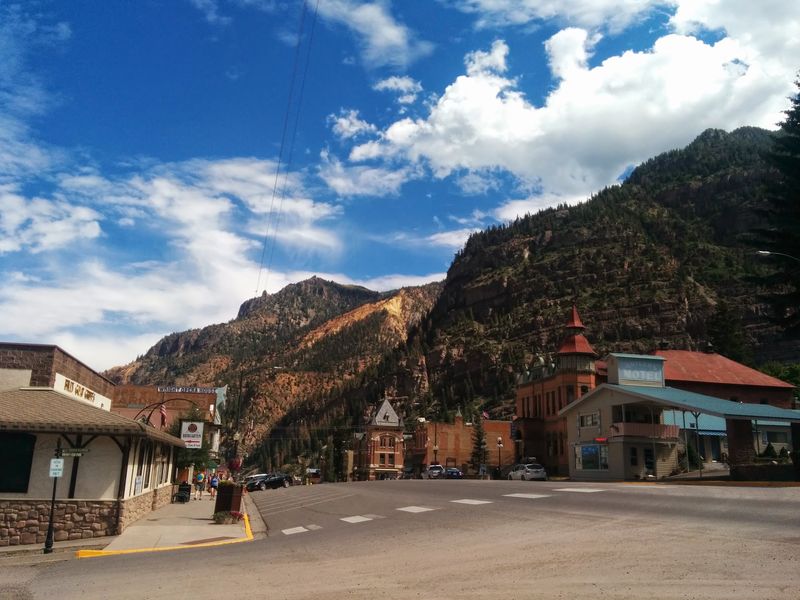
There is little room for the mountains to be shy in Ouray. Steep slopes rise around downtown, making Main Street feel closely connected to the San Juan landscape rather than merely near it.
The Ouray Historic District preserves buildings from the town’s mining era. Brick commercial facades and the historic Beaumont Hotel add clear architectural landmarks to a street that might otherwise be remembered only for its mountain setting.
Autumn color belongs partly to those surrounding slopes, not just to trees beside the pavement. That distinction matters when planning photographs: wider views can connect the old buildings with patches of yellow aspens above town.
Leave enough time to study the storefronts at walking speed. A meal downtown can break up the outing, but check restaurant hours before relying on a particular stop during the shoulder season.
The Million Dollar Highway continues south toward Silverton, although that mountain drive deserves a separate weather and road check. It should not become an automatic extra just because the map makes the towns look close.
Wear shoes with reliable grip and carry layers for changing conditions. Ouray’s appeal comes from the tight relationship between buildings and terrain, and you can appreciate that without turning the afternoon into an expedition.
5. Main Street, Georgetown
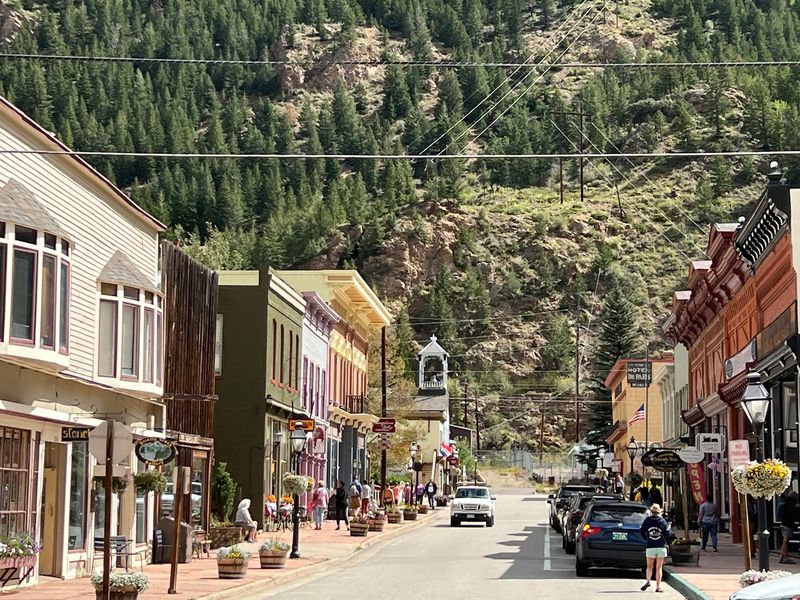
Small architectural details carry a large share of the visit in Georgetown. Main Street offers brick storefronts, decorative trim, and a scale that invites you to look closely instead of rushing toward the next mountain overlook.
The Georgetown and Silver Plume Historic District received National Historic Landmark status in 1966. That designation recognizes the area’s importance as a silver mining center, giving the downtown a clear historical reason for its preserved nineteenth century character.
October leaves add color around town and on nearby slopes, while the buildings remain the central attraction. You do not need every aspen to cooperate for the street to make sense as an autumn stop.
Pair a walk with a visit to a historic property only after checking its current schedule. The Hotel de Paris Museum, for example, offers a more specific window into Georgetown’s past than a quick glance at the storefronts.
Guanella Pass provides another foliage setting nearby, but access and driving conditions can change with mountain weather. Check the road before treating it as the next chapter of your day.
Georgetown also suits travelers who want historic Colorado without committing to a remote mountain base. Keep the camera handy for smaller details; the cornices deserve their moment too.
6. Greene Street, Silverton
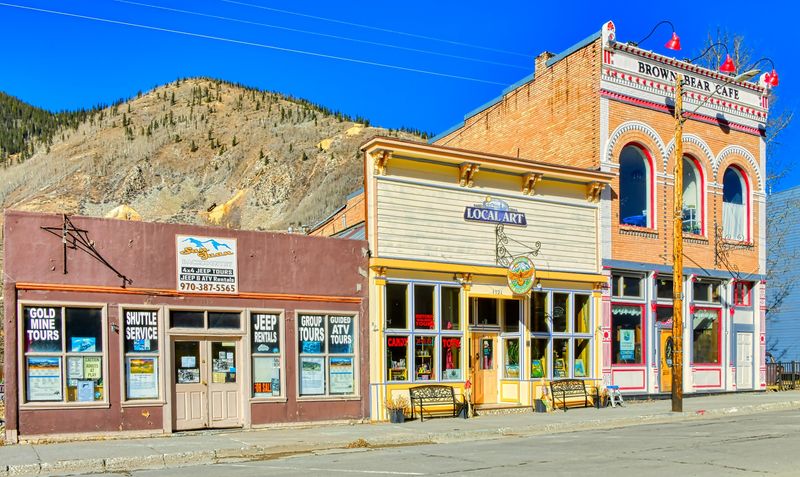
At more than 9,000 feet, autumn has a shorter lease. Silverton’s Greene Street brings historic commercial buildings into a high mountain setting where an October visit needs flexible expectations about both leaves and weather.
Silverton is a National Historic Landmark District, recognized for its mining history and surviving townscape. The broad street and substantial old facades reflect a settlement shaped by mineral wealth, not a downtown designed to resemble one.
Look for the contrast between decorative buildings and the surrounding San Juan peaks. Aspen groves on nearby slopes can add gold to that view, but color may be fading by October, especially after an early cold spell.
Pack warmer clothing than you would for a lower elevation town. Check road conditions before approaching over mountain passes, and leave space in the schedule to change your route if conditions require it.
A walk along Greene Street rewards attention to rooflines, windows, and the proportions of the old commercial blocks. Confirm seasonal hours before counting on a particular museum, restaurant, or shop.
Silverton works best when you value the historic street itself rather than demanding a guaranteed foliage show. The mountain setting supplies scale, while the surviving buildings explain why people established a town in such demanding terrain.
7. Harrison Avenue, Leadville
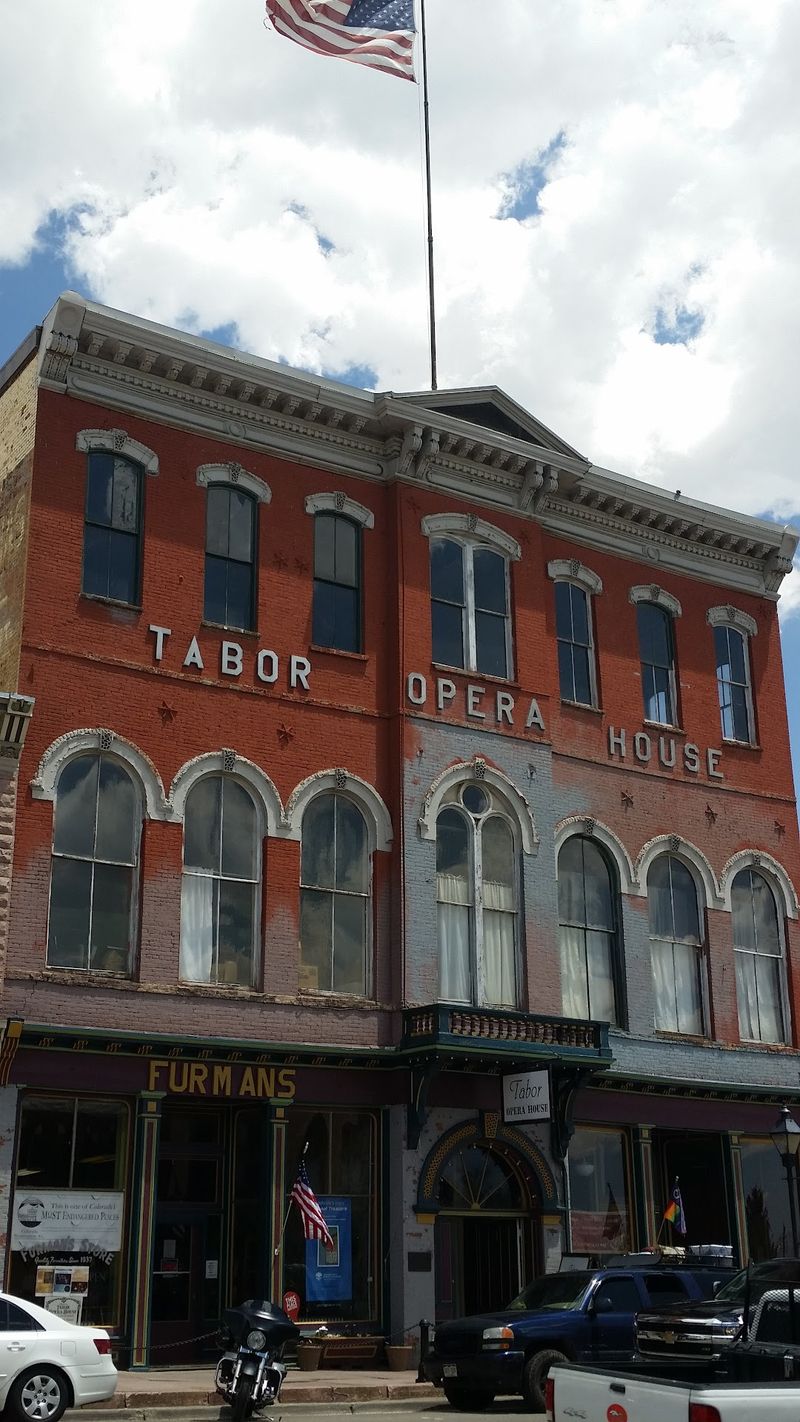
Your jacket earns its luggage space in Leadville. At roughly 10,200 feet, the town puts Harrison Avenue in a different autumn category from lower river valley downtowns.
The avenue anchors Leadville’s historic commercial district, with Victorian brick buildings tied to the silver boom. The Tabor Opera House, built in 1879, is one of the street’s defining landmarks and a useful reminder of the ambitions that accompanied mining wealth.
October color can be brief here, and nearby aspens may already have passed their strongest display. Think of leaves as a possible addition to the architecture, not the only reason to make the journey.
Read building signs and notice the upper floors rather than focusing entirely on street level businesses. Those larger facades help tell the story of a town that once held a major place in Colorado’s mining economy.
Allow time to adjust to the elevation, drink water, and keep the walk comfortable. Check attraction schedules separately; seeing a historic building from the sidewalk does not mean its interior is open.
Current road and weather reports matter more than a fixed fall itinerary. Harrison Avenue offers a substantial historic outing, but October in Leadville is a month for layers, sensible pacing, and forgiving expectations about foliage.
8. Main Avenue, Durango
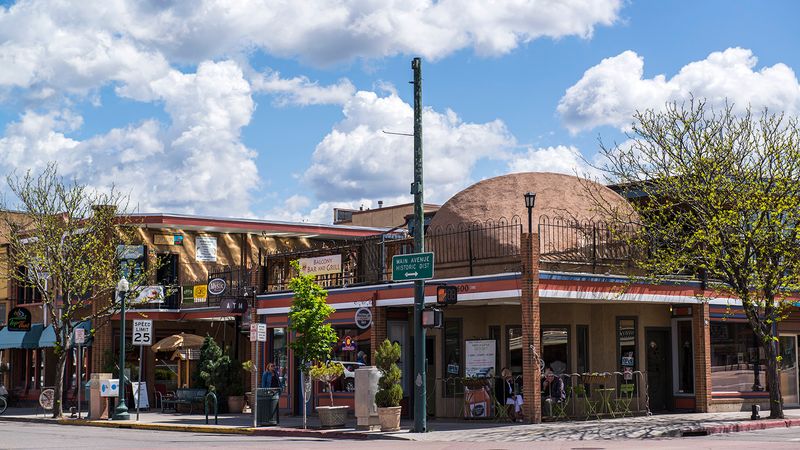
Railroad history gives Durango’s downtown a different rhythm from the smaller mining settlements. Main Avenue runs through a substantial commercial center where historic hotels and brick storefronts sit alongside present day restaurants, galleries, and shops.
Durango was established in 1880 by the Denver and Rio Grande Railroad. The Durango and Silverton Narrow Gauge Railroad’s depot stands at the southern end of downtown, connecting the streetscape to a transportation story that remains visible today.
The Strater Hotel, built in 1887, supplies another distinct landmark on Main Avenue. Its ornate exterior rewards a closer look even when your plans do not include a hotel stay.
Durango’s lower elevation gives October foliage a different timetable from Silverton or Leadville. Cottonwoods along the Animas River add another source of fall color, although the strongest display depends on the year’s weather.
Separate a downtown stroll from any railroad plans, since train schedules and tickets require their own check. You can appreciate the depot and commercial architecture without assuming a ride will fit into an unplanned afternoon.
For a longer walk, consider the established Animas River Trail after checking a map for access. Downtown and river views tell different parts of the same town, with October leaves linking the two together.
9. F Street, Salida
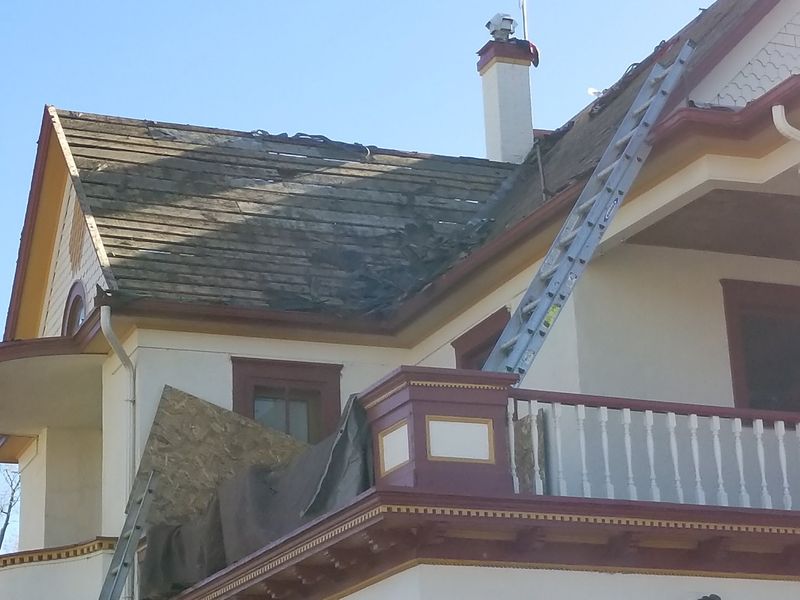
A river changes the shape of a downtown outing. F Street leads through Salida’s historic commercial center toward the Arkansas River, letting you combine old storefronts with a waterside change of scene.
Salida’s downtown historic district contains a large collection of late nineteenth and early twentieth century commercial buildings. Decorative brickwork and upper story windows give the streets visual interest well beyond the businesses occupying them today.
Unlike the highest mountain towns, Salida sits in the Arkansas Valley at a lower elevation. That makes its October foliage pattern different, with riverside cottonwoods offering color after some high country aspens have finished.
Start with F Street, then let the riverfront give the walk a second focus. Riverside Park is beside downtown, so you do not need a separate mountain drive to move between architecture and an outdoor setting.
Look up as often as you look into shop windows. The details above eye level are part of why this Colorado downtown feels coherent rather than like a handful of old buildings scattered among newer ones.
Check the forecast, wear comfortable shoes, and avoid expecting a precise peak date. Salida’s strongest argument is the combination: historic blocks, a real riverfront, and enough variety to keep a walking afternoon interesting.
10. Lincoln Avenue, Steamboat Springs
Not every historic downtown needs to look preserved behind glass. Lincoln Avenue is Steamboat Springs’ working commercial corridor, where older Western buildings share the street with the daily business of a modern mountain town.
The town’s historic walking tour identifies buildings from the late nineteenth century and explains the area’s mineral springs. The Tread of Pioneers Museum offers another route into local history, including ranching, skiing, and the development of the Yampa Valley community.
October can bring color to downtown trees and the surrounding valley, but avoid treating a predicted peak date as a reservation. Elevation, species, and weather all influence which parts of the landscape still have leaves.
Use the walking tour as a guide rather than judging the avenue only by its storefronts. Historical context helps distinguish a genuinely old building from one that simply wears a Western style.
Lincoln Avenue also carries through traffic, so use marked crossings and take photographs from safe sidewalk positions. Check museum hours before including an indoor stop in your plan.
The nearby Yampa River Core Trail provides an established walking route for a different view of town. Combining the avenue with the river corridor gives autumn a broader setting without requiring a drive into the high country.