
This Remote Michigan Cemetery Is Wrapped In One Of The State’s Creepiest Witch Legends
Some places feel eerie because they are empty; others because the silence seems to remember too much. Down a rough road in northern Michigan, a small cemetery is all that remains of a lumber town erased by disease, fire, and time.
Weathered stones mark real families and real losses, while local folklore adds a darker layer involving an accused witch and a curse said to have followed her.
Few abandoned places in Michigan blend documented tragedy, ghost lore, and forgotten town history with this much atmosphere.
What makes the visit memorable is the tension between fact and legend. The stories may draw people in, but the names carved into the stones are what give the place weight.
Walk slowly, respect the grounds, and let the history lead before the ghost stories do. The result is not a haunted attraction, but something quieter, sadder, and far more haunting in the woods.
The Witch Story Has Several Versions
One woman sits at the center of the cemetery’s best known legend, but her story changes depending on the telling. Some versions say she was accused of witchcraft and driven into the woods.
Others claim she was executed and buried in the cemetery, then cursed the town.
Those differences matter because folklore is not the same as a verified historical record. Treat the tale as a story attached to the place, not proof that a witch caused its suffering.
Avoid pointing out a supposed witch’s grave unless reliable documentation supports that claim. The uncertainty can be interesting on its own, without turning an unnamed woman into a confirmed villain or presenting a curse as fact.
The Two-Track Is The Final Warning
Pere Cheney Cemetery sits in Beaver Creek Township, Michigan, north of Roscommon and south of Grayling. From the main roads, the useful approach runs through 4 Mile Road and Staley Lake Road before the route narrows toward Railroad Trail and Center Plains Trail.
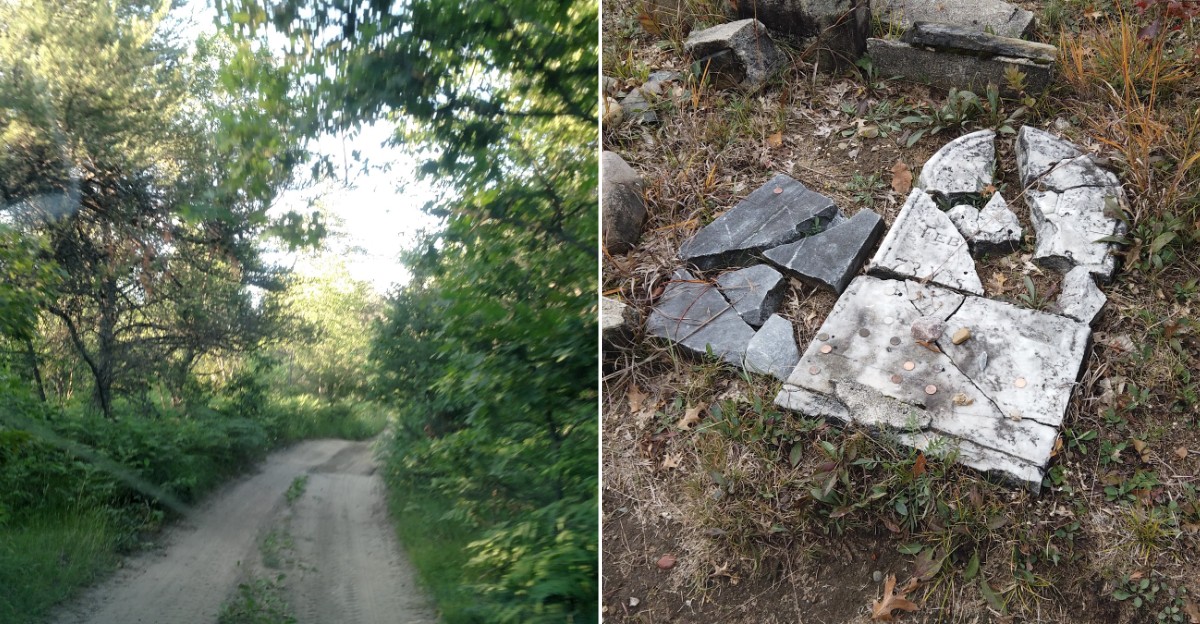
The last stretch is the memorable part: Center Plains Trail becomes a narrow dirt two-track running through the woods beside the railroad corridor. Depending on weather, it can be muddy, rutted, or snow-covered, so this is not the kind of place where you want to assume an ordinary sedan will breeze through.
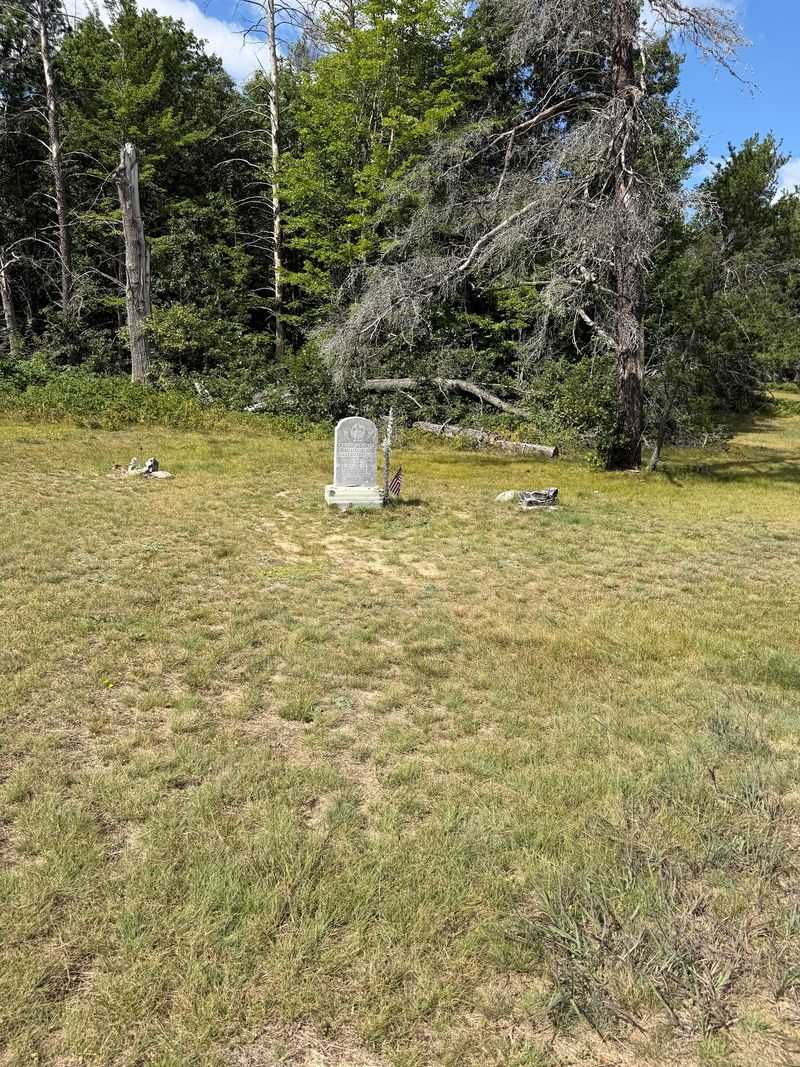
Continue to the end of Center Plains Trail, where the cemetery and its historic marker sit in the trees. Park only where the track safely allows and finish on foot if road conditions get rough; the cemetery itself is the remaining landmark of the vanished Pere Cheney settlement.
Real Loss Gives The Legend Its Weight
The dates 1893 and 1897 belong to the town’s painful history, not just its spooky reputation. Accounts of Pere Cheney describe devastating diphtheria outbreaks during those years, with children among the victims.
Fires also contributed to the settlement’s decline before its eventual abandonment.
Keep that history in mind when reading the stones. A short life recorded on a marker represents a person and a grieving family, not a prop for a scary photograph.
If children are visiting with you, explain the difference between contagious illness and a supernatural curse in plain language. That small conversation helps make the stop thoughtful rather than frightening, and gives the cemetery’s real story room beside the much louder legends.
Plan The Approach Before Losing Signal
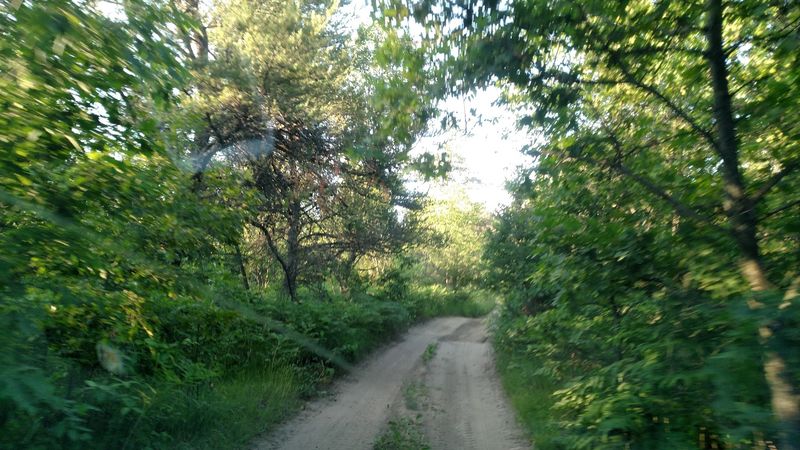
A phone is a useful navigator until the signal decides to take the afternoon off. Cell service around Pere Cheney Cemetery can be extremely limited, so save your route before leaving reliable coverage.
The supplied map location is approximately 44.5731364, -84.6351845, but coordinates alone do not establish a legal approach.
Check access information with the township office and stay on roads open to the public. Never go around a gate or cross private land because an app suggests a shortcut.
Carry a paper map or saved screenshots, tell someone your plans, and leave enough time to turn back. Getting there should involve preparation, not an argument with a locked gate in an unfamiliar patch of woods.
Mud Changes The Travel Equation
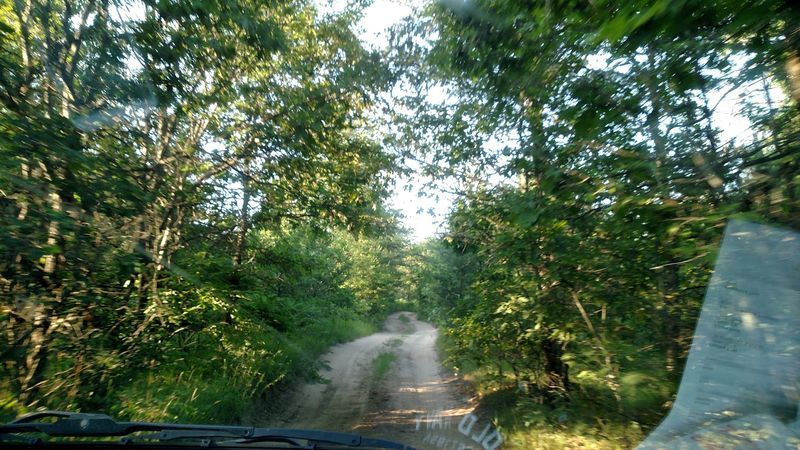
The approach deserves as much attention as the destination. Access includes a narrow dirt track that can become muddy or covered in snow, and a vehicle with good ground clearance is recommended.
Conditions can change with the weather, so an easy drive in one season proves little about another.
Look at the forecast before setting out and avoid pushing through deep ruts or standing water. Even a capable vehicle is not a promise that every stretch is safe.
If the road looks beyond your vehicle or driving comfort, turn around while you still have room. Wear sturdy shoes, carry drinking water, and remember that a cemetery visit is not worth a recovery bill or a stranded afternoon.
Daylight Is The Better Companion
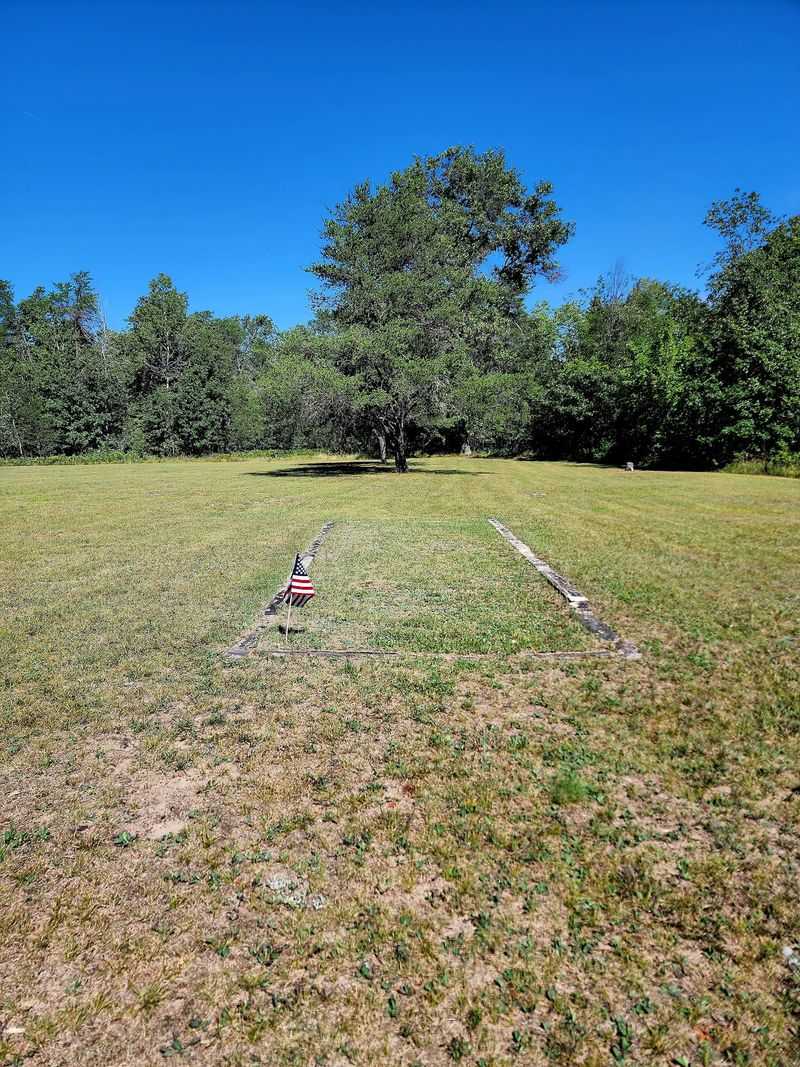
Scary stories may tempt you toward a midnight visit, but the cemetery’s rules come first. The supplied operating hours are 8 a.m. to 8 p.m. daily, with warnings against trespassing after dark.
Confirm current hours before traveling and follow any posted instructions when you arrive.
Choose a daytime visit and leave before either closing time or darkness, whichever comes first. Daylight makes uneven ground, fragile markers, and the return drive easier to judge.
It also lets you read inscriptions without turning the visit into a flashlight hunt. In winter, darkness can arrive well before the listed closing hour, so plan accordingly.
The atmosphere does not need a late entrance to make the town’s history feel powerful.
Weathered Stones Need A Light Touch
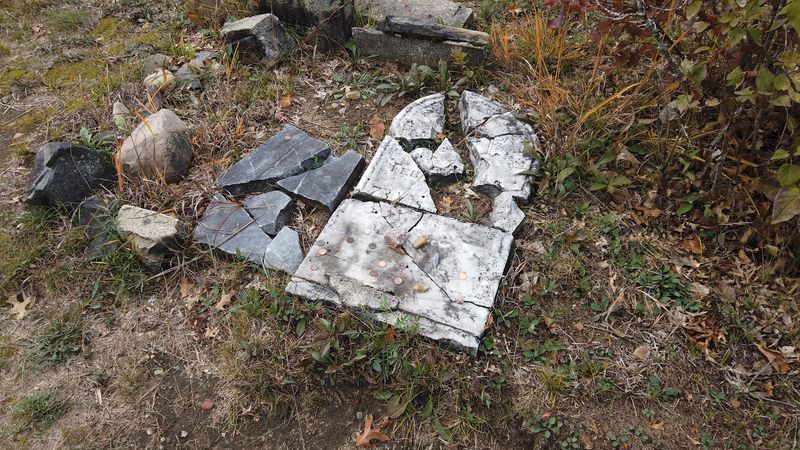
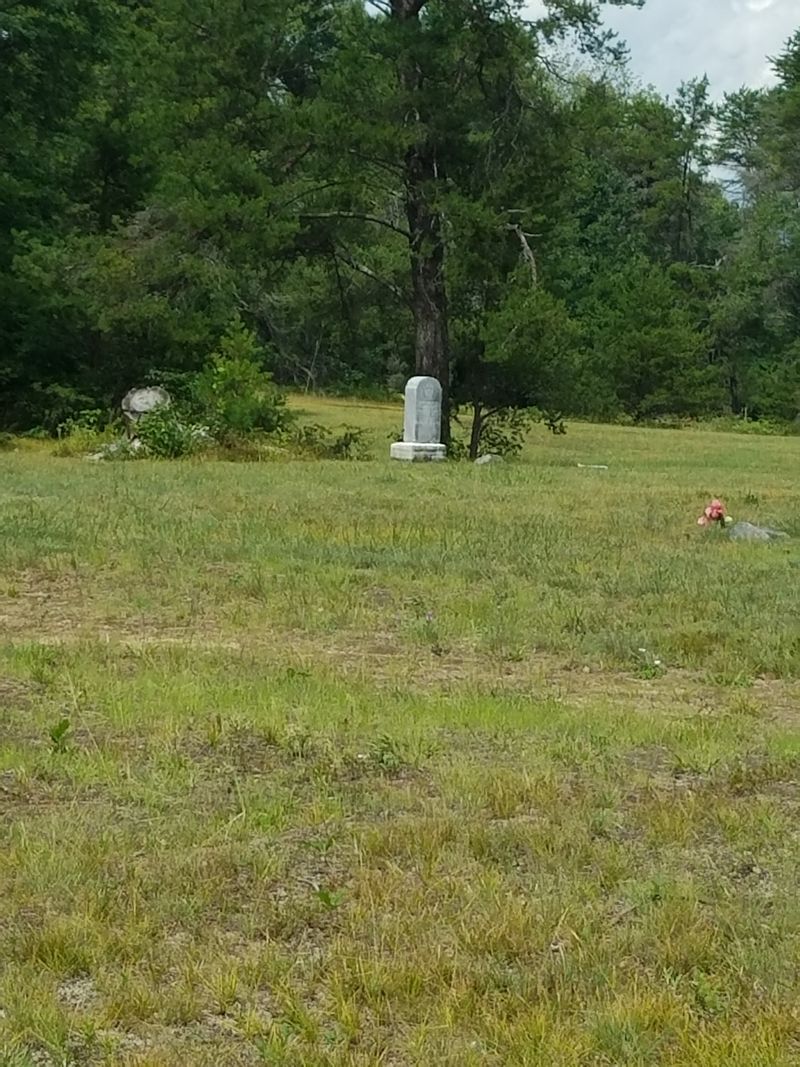
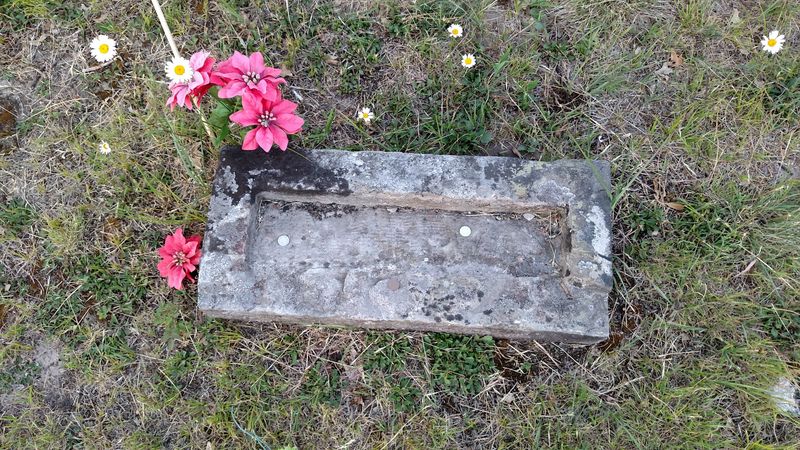
Broken stone is not an invitation to play cemetery repair crew. Pere Cheney’s markers have suffered from damage, theft, and years of exposure, leaving some graves difficult to identify.
Local volunteers help maintain the grounds, but fragile memorials still need careful treatment.
Do not lift fallen pieces, lean on headstones, or try to fit broken sections together. Avoid rubbing inscriptions, applying cleaners, or scraping away growth to improve a photograph.
Instead, change your viewing angle and let natural side light reveal whatever lettering remains. Keep your steps clear of visible markers and watch for stones close to ground level.
If you notice fresh damage, report it to the responsible local office rather than attempting repairs yourself.
Small Offerings Carry Complicated Feelings
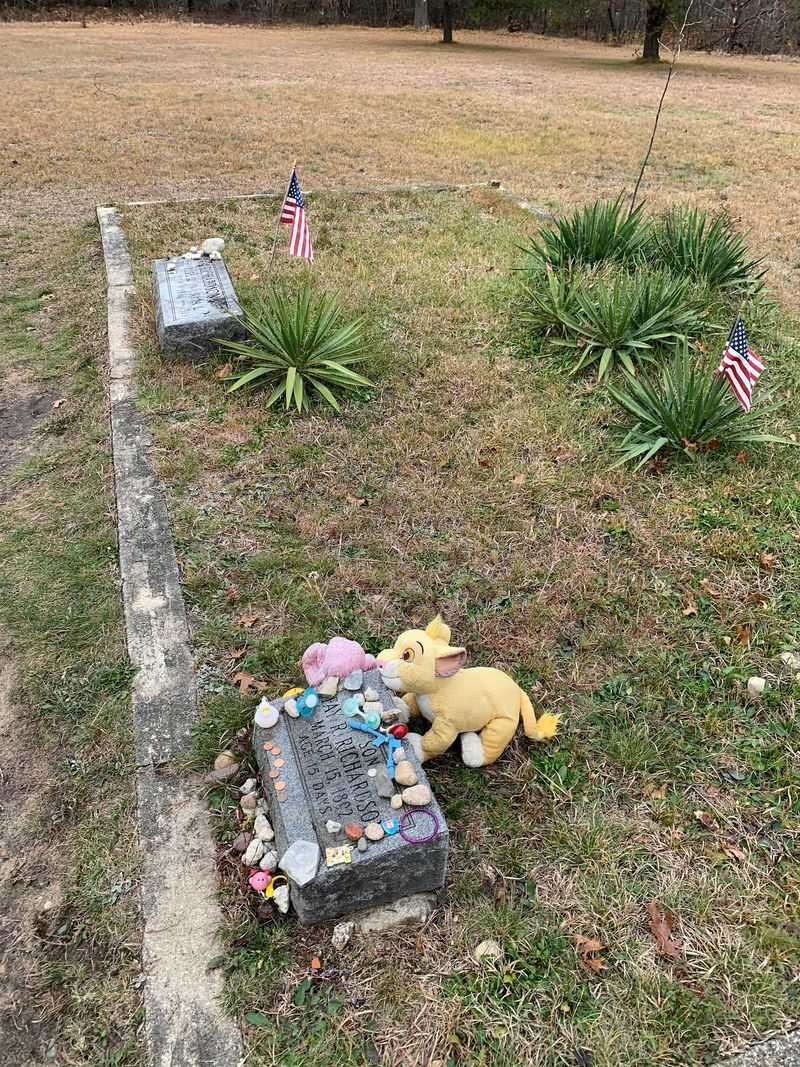
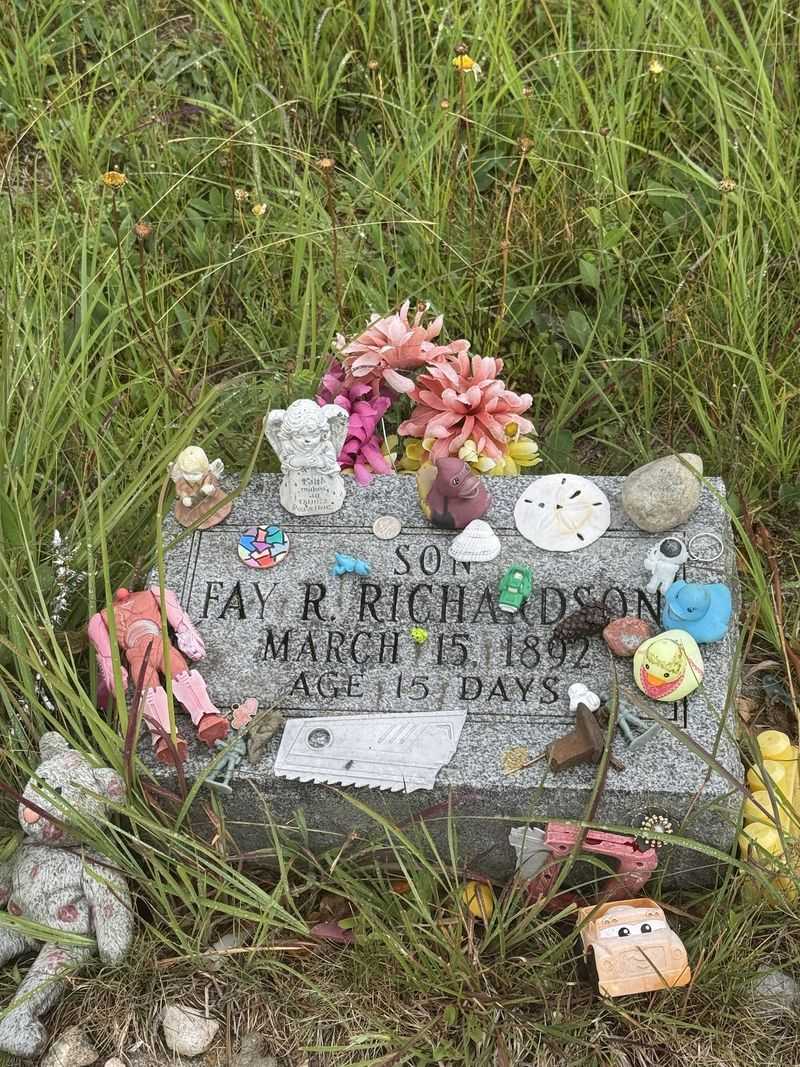
A small toy beside a grave can say more than a dramatic ghost story. Visitors have left flowers, coins, and toys at Pere Cheney, especially near children’s graves.
Such gestures reflect the sadness people feel when they encounter lives that ended so early.
Still, something heartfelt can become litter or create extra work for those caring for the grounds. Check cemetery rules before leaving anything, and do not assume existing objects mean all offerings are permitted.
Never move someone else’s memorial items to improve your photo. A quiet pause, a respectful photograph, or simply remembering a name can be a meaningful tribute without adding objects.
Leave the resting place as you found it, apart from your own rubbish.
Ghost Claims Are Not Guarantees
Apparitions, strange lights, children’s laughter, and small handprints on cars all appear in stories about Pere Cheney. Those accounts help explain its haunted reputation, but they do not establish that supernatural events occur there.
Nobody can promise an encounter, and an uneventful visit is not a disappointment.
Keep ordinary explanations in view if something catches your attention. Wind, wildlife, reflected light, and camera effects can seem unusual when you already expect a ghost.
Record what you actually notice rather than adding details from a legend afterward. There is no need to provoke spirits, shout into the trees, or stage a scare for companions.
Curiosity works better here when it leaves room for doubt and respect for others.
Photographs Should Preserve The Setting
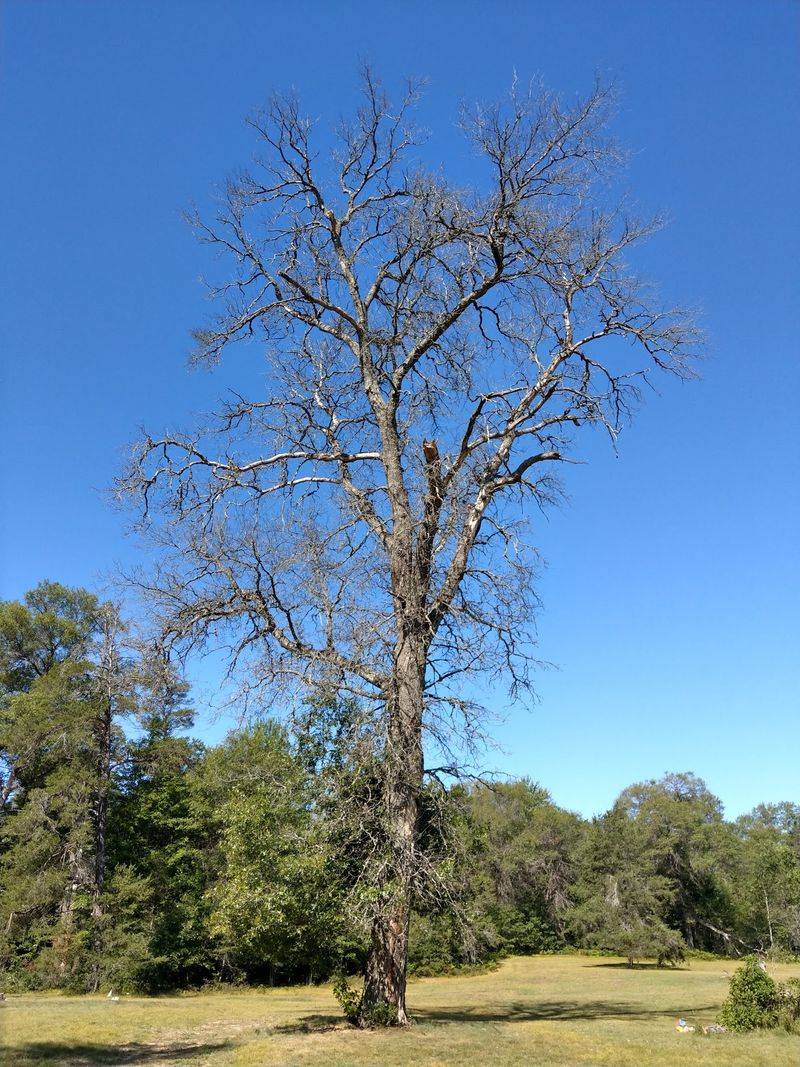
A wide photograph can tell the story without making a grave into a stage. Start with the relationship between the trees, open ground, and surviving markers, then consider a closer view of an inscription.
The setting matters because the cemetery now stands apart from the town it once served.
Stay on safe footing and avoid stepping over graves just to find a cleaner angle. Do not rearrange offerings, move stone fragments, or ask companions to pose on memorials.
When sharing images, identify the location accurately and label witch stories as folklore rather than history. Skip edited ghosts and invented captions if your goal is to document the visit.
Honest photographs give this already unusual place enough room to speak.
Leave With A Name In Mind
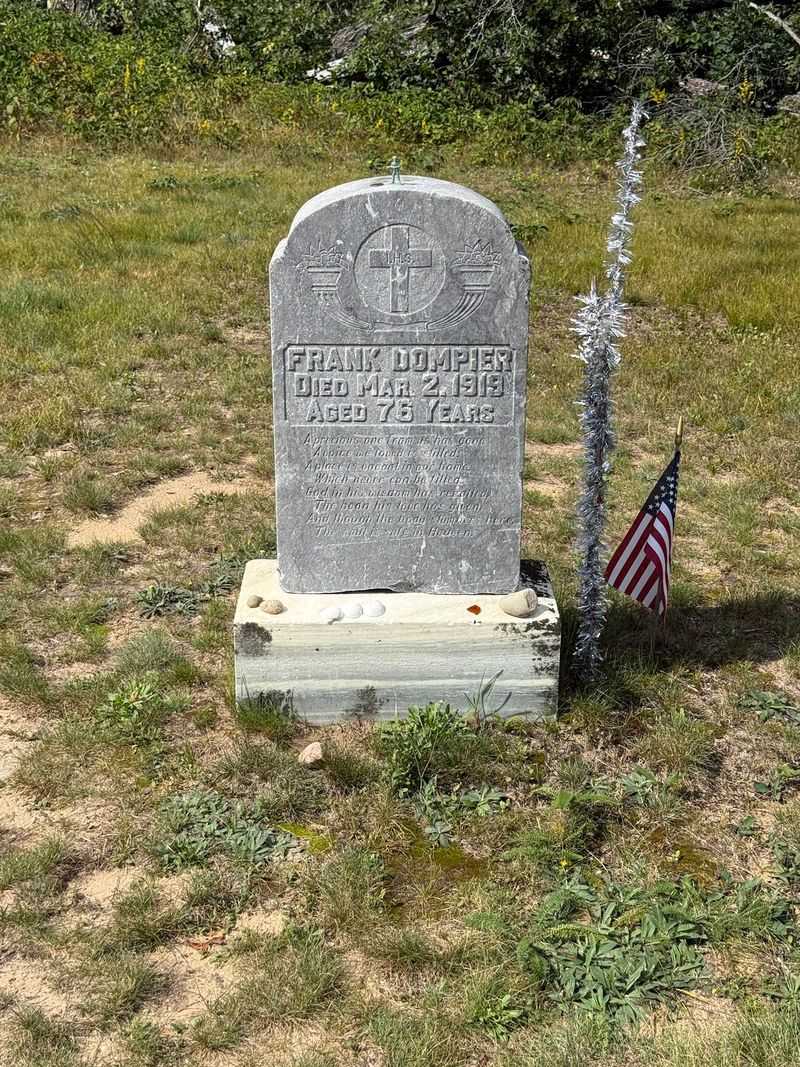
About 90 people are believed to be buried here, although the surviving stones do not tell every story. That gap is worth remembering as you finish your walk.
A damaged or missing marker does not make the person beneath it less deserving of care.
Choose one readable name or date to remember, rather than leaving with only the witch legend. You can look for historical records afterward through local history resources, while keeping uncertain details clearly separate from established facts.
Before driving away, check that you have all your belongings and have left no rubbish behind. A good visit ends without disturbing anything, and with a clearer sense that this remote cemetery belongs to real people, not just scary stories.