
This Michigan Archaeology Event Lets Visitors Throw An Atlatl And Explore 14,000 Years Of History In October
A spear thrower is not the usual reason to plan a museum visit, which is exactly why this October event feels so refreshingly hands-on. Across one lively day, archaeologists turn about 14,000 years of human history into something visitors can touch, test, and actually talk about.
Early hunting tools, everyday objects, and traces of later communities show how the past survives in things people once used without a second thought.
Across Michigan, archaeology becomes surprisingly interactive here, blending ancient tools, expert insight, and family-friendly activities into one memorable history lesson.
What makes the event stand out is the way research leaves the lab and enters conversation. You can ask questions, try activities, and follow small discoveries into much bigger stories about how people lived.
The atmosphere stays curious rather than academic, making the whole experience feel less like studying the past and more like meeting it directly face to face.
An Atlatl Gives Your Arm A Longer Reach
A wooden tool can change the way a throw works. An atlatl acts as an extension of the arm, helping launch a long dart with greater speed and force than a hand alone.
Trying one is among the event’s best known activities, but follow the instructor’s directions rather than treating it like a backyard game. Wait for permission to throw, keep clear of the throwing lane, and let staff explain how equipment is retrieved.
Accuracy is not the main prize here. The useful surprise is realizing that an ancient tool required timing, practice, and knowledge.
Check whether the activity is offered on your visit date, and ask about participation rules before promising younger children a turn at throwing.
Kalamazoo Street Is The Way In

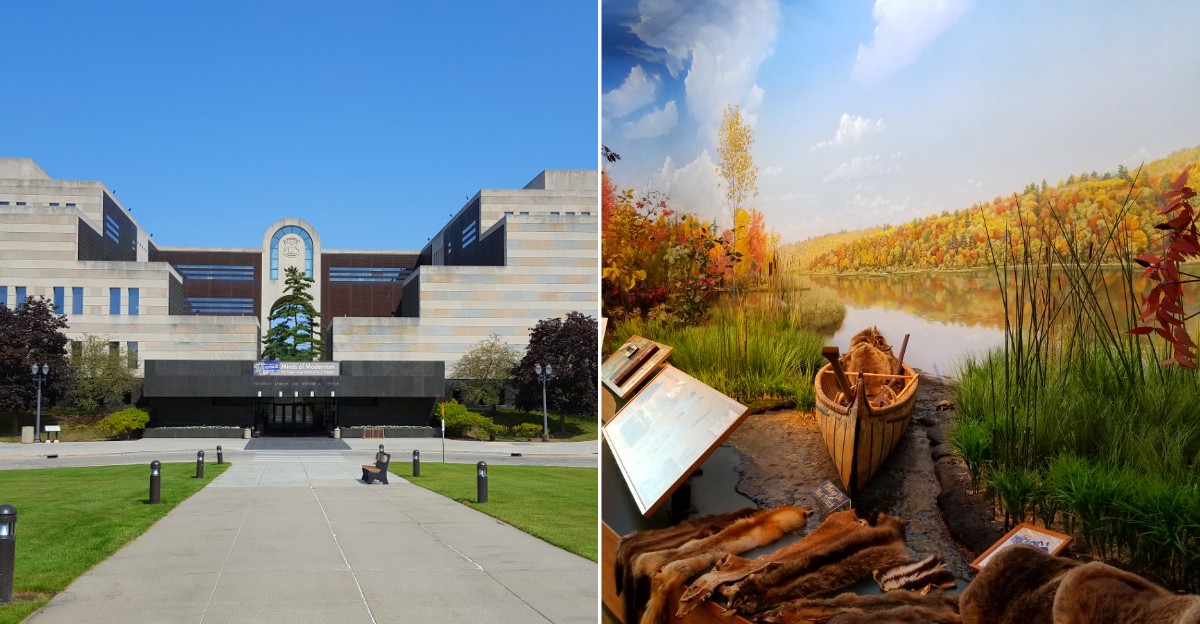
Michigan Archaeology Day takes over the Michigan History Museum at 702 W Kalamazoo Street in Lansing, Michigan, on October 24, 2026. The museum sits downtown just a couple of blocks west of the State Capitol, with Kalamazoo Street serving as the practical final approach.
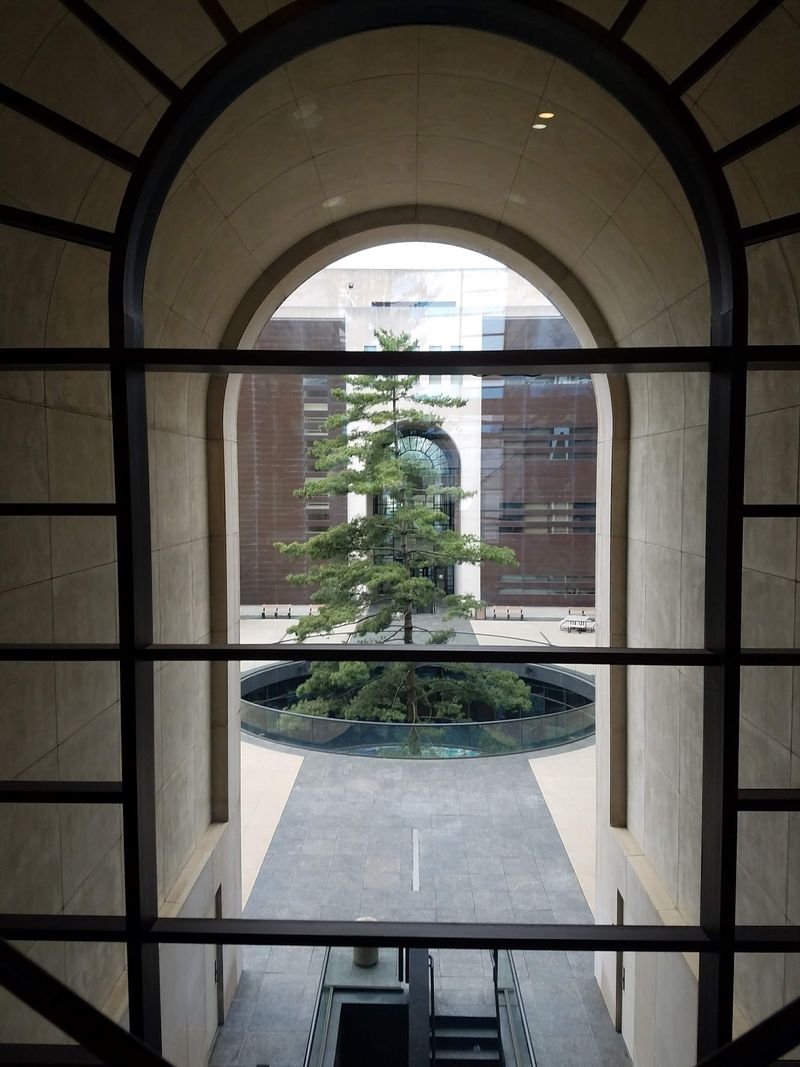
The last stretch is all state-government buildings and broad downtown streets, then the Michigan Library and Historical Center complex comes into view. For this event, use the Kalamazoo Street side of the building, since the public entrance on Allegan Street is closed.
Turn from Kalamazoo Street onto the circle drive and into the visitor parking lot south of the building. Parking is free for Michigan Archaeology Day, and the Kalamazoo Street entrance takes you straight into the building where the event spreads across the museum’s first and second floors.
Fourteen Thousand Years Is More Than A Number
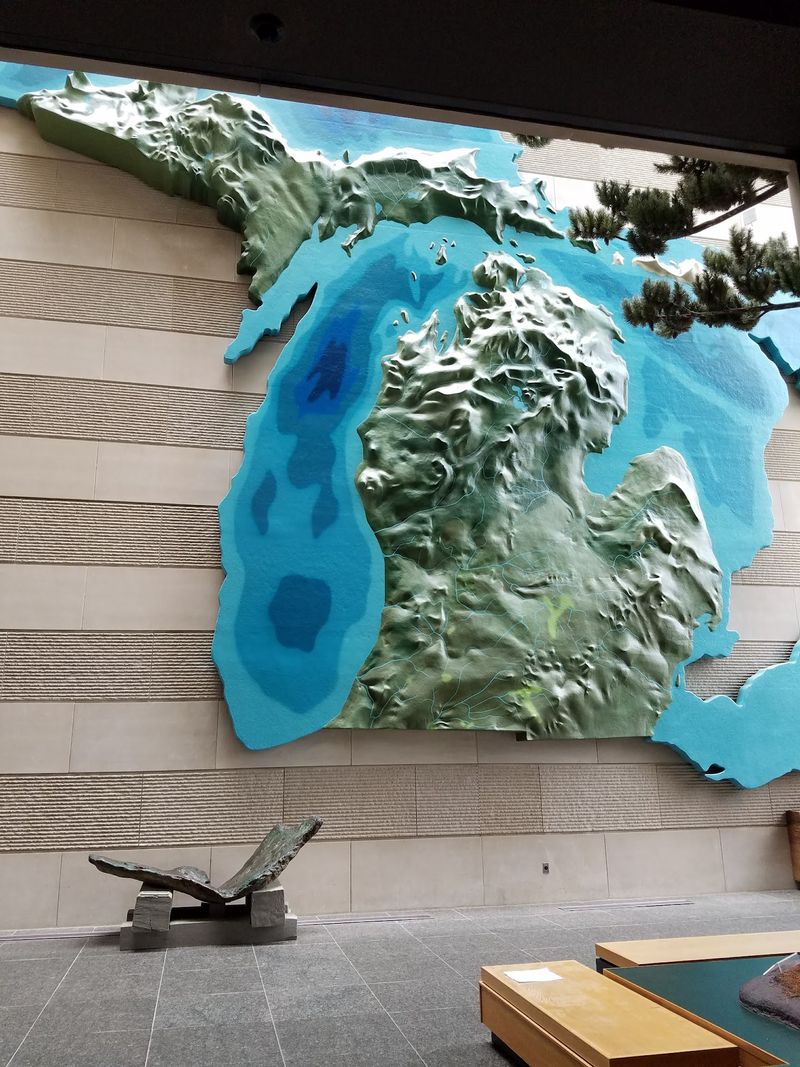
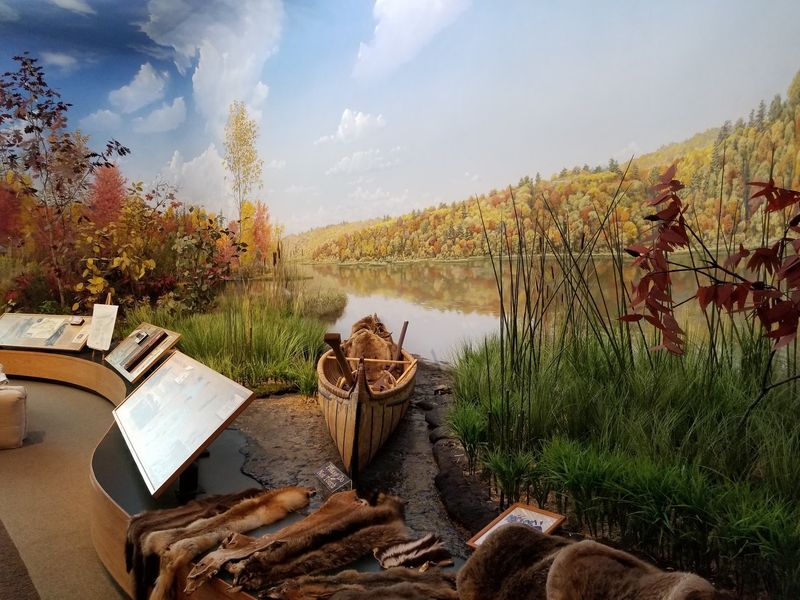
Fourteen thousand years is a difficult stretch of time to picture. The event makes that span easier to understand through objects, research, and conversations about people who lived across Michigan’s changing landscapes.
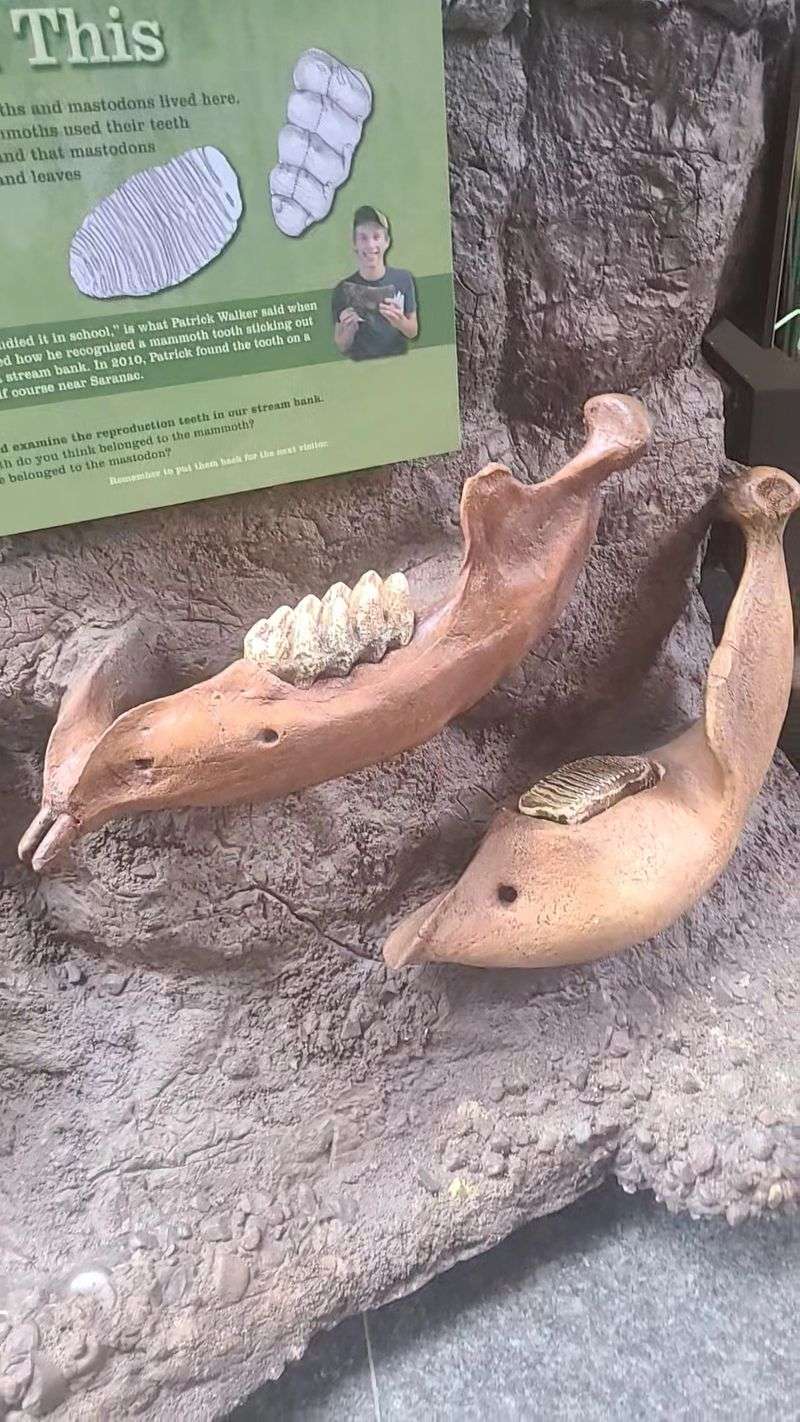
Early hunting tools belong to a much larger story than a single dramatic encounter with a mammoth or mastodon. Ask how archaeologists connect an object with its age, its surroundings, and the people who used it.
Keep Indigenous history in view as living history, not merely an opening chapter that ends when later exhibits begin. A useful question is whose knowledge helps explain a discovery.
That approach gives the timeline depth and reminds visitors that archaeological evidence concerns real communities, not just impressive dates or tools.
Meet The People Behind The Discoveries
The person beside an artifact table may know exactly how that object came out of the ground. Archaeology Day brings researchers into direct conversation with visitors, making questions part of the experience rather than an interruption.
Past programs have featured projects from across Michigan, including university research and historic site investigations. The participating teams can change, so browse the current exhibitor list instead of expecting a particular institution.
Start with something concrete: What surprised you at this site? How did you figure out what this piece was?
Those questions often open a clearer discussion than asking for the whole history at once. Give yourself permission to linger at one table if the conversation becomes the highlight of your day.
Clay Turns History Into A Hands-On Lesson
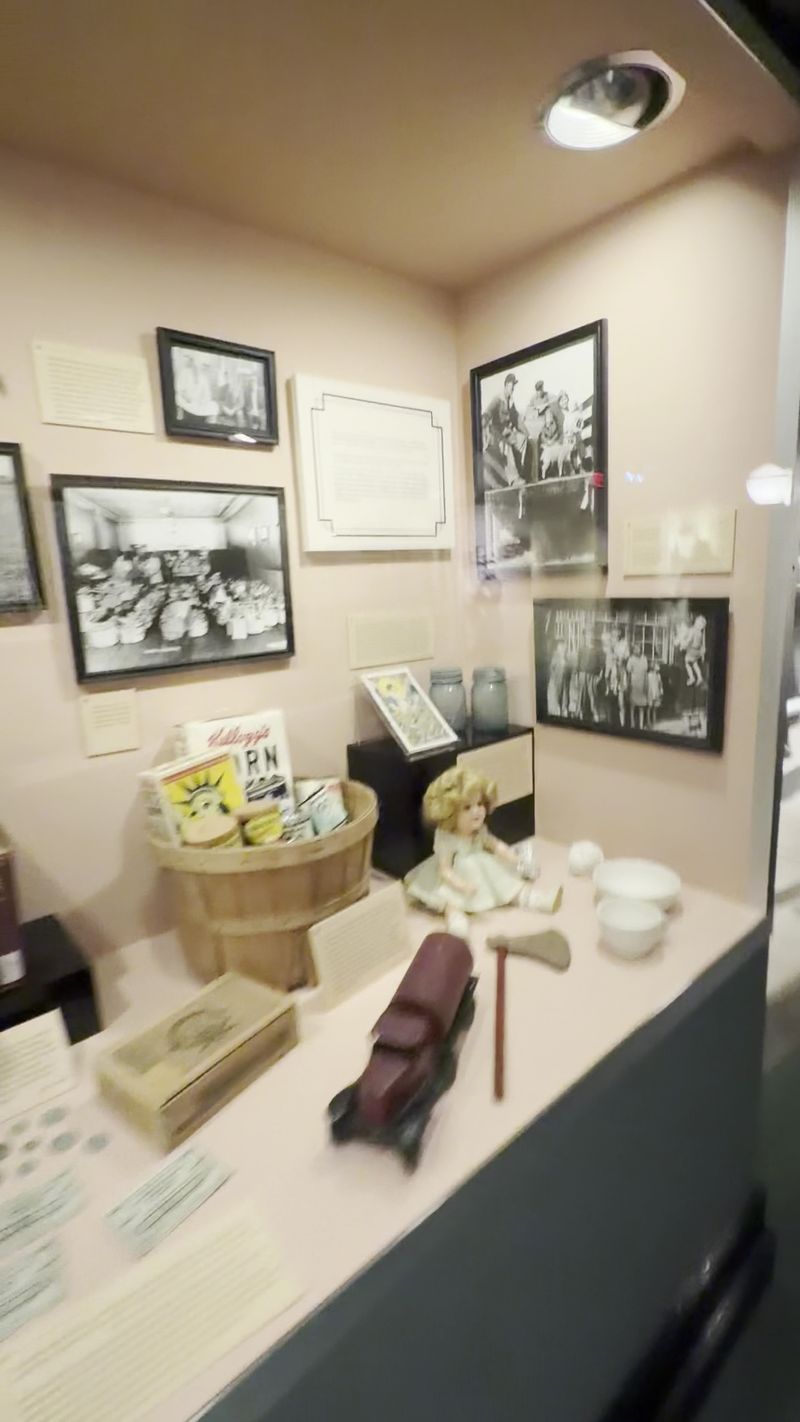
Clay has a useful way of slowing people down. Making a pinch pot turns attention toward the small decisions involved in shaping a vessel, from widening its opening to keeping its walls even.
Past Archaeology Day programs have included this activity, offering a simple introduction to pottery making without a wheel. Check the current schedule for availability, age guidance, and any instructions about taking a finished piece home.
If you join in, choose clothes that can handle a little mess and follow the leader’s method. Then look at archaeological pottery with fresh eyes.
A rim or broken fragment can carry clues about how a pot was formed and used, even when most of the original vessel is missing.
Stone Toolmaking Rewards A Patient Eye
A stone flake is not always just a broken rock. Flintknapping demonstrations show how controlled strikes can shape stone into useful edges, revealing a skill that takes far more judgment than its finished products suggest.
Watch the demonstrator’s sequence rather than focusing only on the final point. Where does the next strike land, and what changes after a flake comes away?
Ask before touching anything, because worked stone can have very sharp edges.
Demonstrations have appeared in past event programs, so confirm their place in the current lineup. Even a short stop can change your view of stone tools.
Instead of seeing a rough object, you begin to notice choices, technique, and the knowledge required to work carefully.
Bring Questions To The Archaeology Roadshow
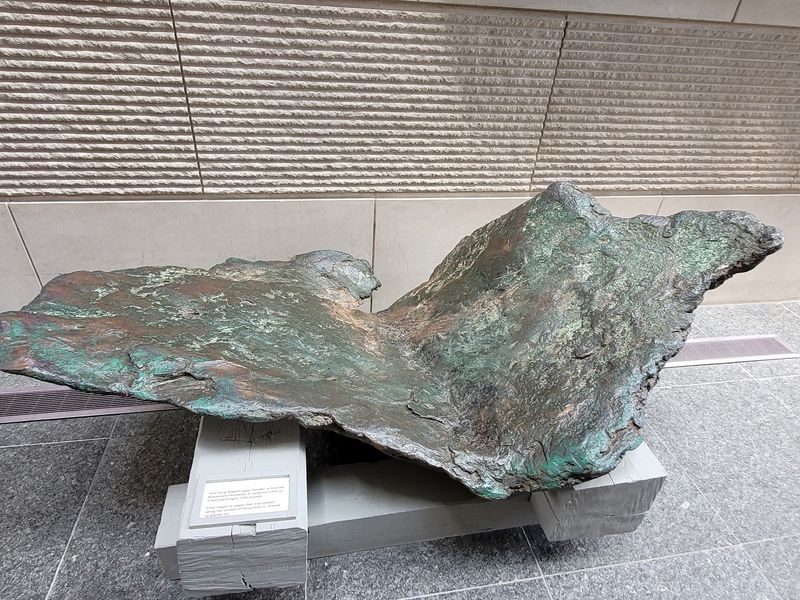
That puzzling object in a drawer might deserve a better explanation than family guesswork. The Archaeology Roadshow has invited visitors to bring an artifact small enough to fit in a shoebox for expert identification.
Check the current event instructions before packing anything. Write down where and when the object was found, along with what you know about its history, and avoid scrubbing, polishing, or repairing it before asking for advice.
Useful identification depends on context as much as appearance. Experts can also explain how to report a possible archaeological site.
Do not collect new material simply to have something to bring. A photograph and clear location information can be a better starting point when an object remains in place.
Small Excavators Need More Than A Shovel
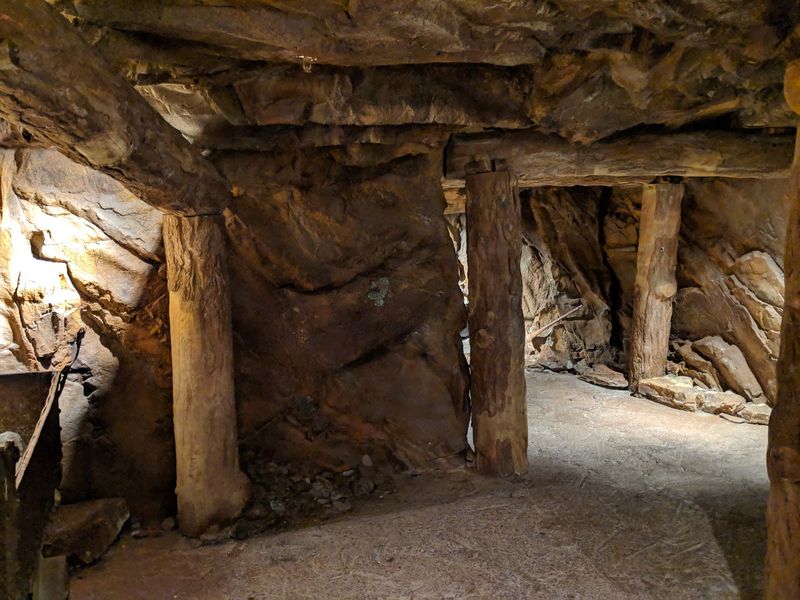
Finding something is only the beginning of archaeology. A mock dig gives younger visitors a chance to see why recording a discovery matters just as much as uncovering it.
Past event information has described this activity for children under ten. Confirm the current age limit and ask whether there is a queue, a timed session, or another rule before settling in.
Encourage children to notice where each practice find appears and what surrounds it. Resist the urge to make the exercise a race for the most objects.
The better lesson is that careful work preserves a story, while hurried digging can erase it. Ask the activity leader how the exercise connects with the methods used at real archaeological sites.
A Petting Zoo Without The Animals
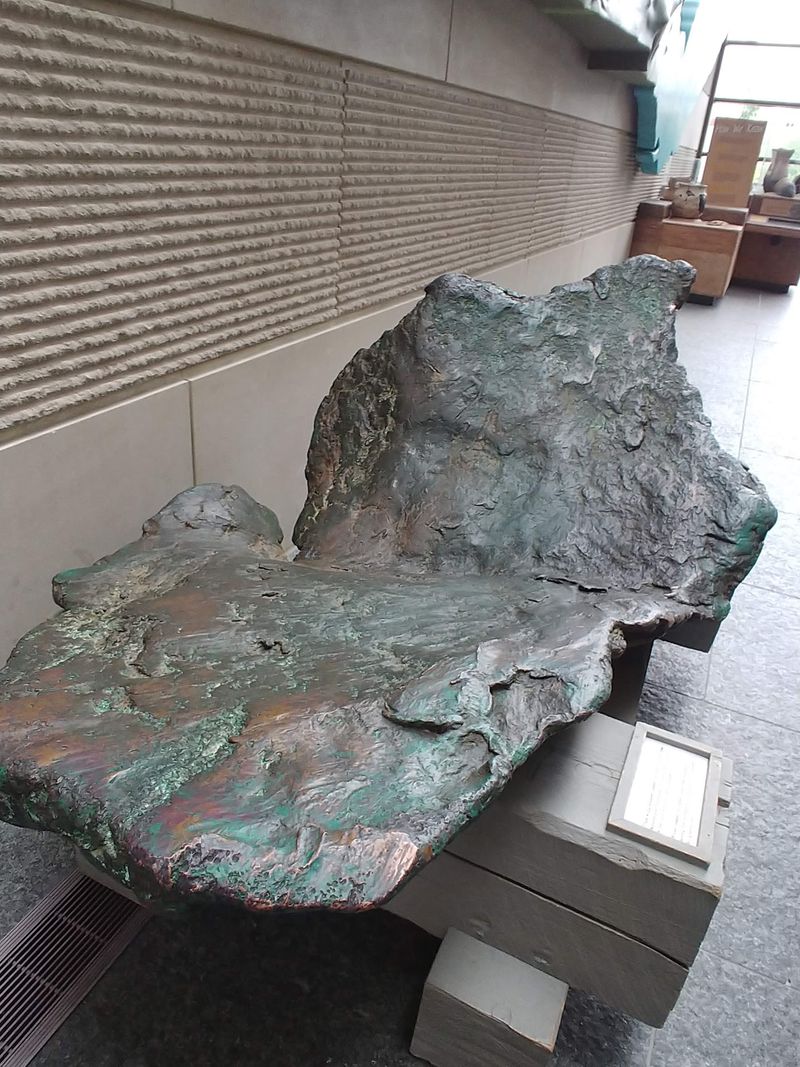
The Archaeology Petting Zoo has a name that practically asks for a double take. Rather than animals, this event activity offers selected objects that visitors can handle under guidance.
Touch can reveal details that a display case keeps at a distance, such as weight, texture, and shape. Still, permission applies only to the objects staff identify for handling, not every artifact nearby.
Ask whether the piece in your hands is an original artifact, a replica, or a teaching sample. Each can be useful, but knowing the difference helps you understand the lesson.
Check whether this station returns in the current program, and follow all handling instructions. History becomes tangible here without turning careful preservation into an afterthought for curious visitors.
Save A Seat For A Different Kind Of Story
Not every discovery needs a turn at an activity table. Presentations in the Forum Auditorium give visitors a chance to sit down and follow one archaeological subject beyond a quick explanation.
Past topics have included shipwreck investigations and zooarchaeology, the study of animal remains from archaeological sites. Those examples show how the field reaches beyond stone points into questions about food, environments, travel, and loss.
Read the current talk titles before building your route through the event. Choose one that sounds unfamiliar rather than only one you already understand.
Arrive with enough time to settle in, and save a question for any discussion period. A seated talk can also provide a welcome pause between the day’s more active stops.
Free Admission Leaves Room For A Longer Look
A free event can still deserve a generous slice of your day. Michigan Archaeology Day has advertised free admission and parking, making it an accessible way to explore research, demonstrations, and museum displays together.
Confirm those arrangements in the current announcement, especially if you are comparing them with the museum’s ordinary admission rules. Event policies and regular visiting policies are not always the same.
Once inside, avoid treating every station as a box to check. Choose a few conversations, one hands-on activity, and time for exhibits that connect with what you learned.
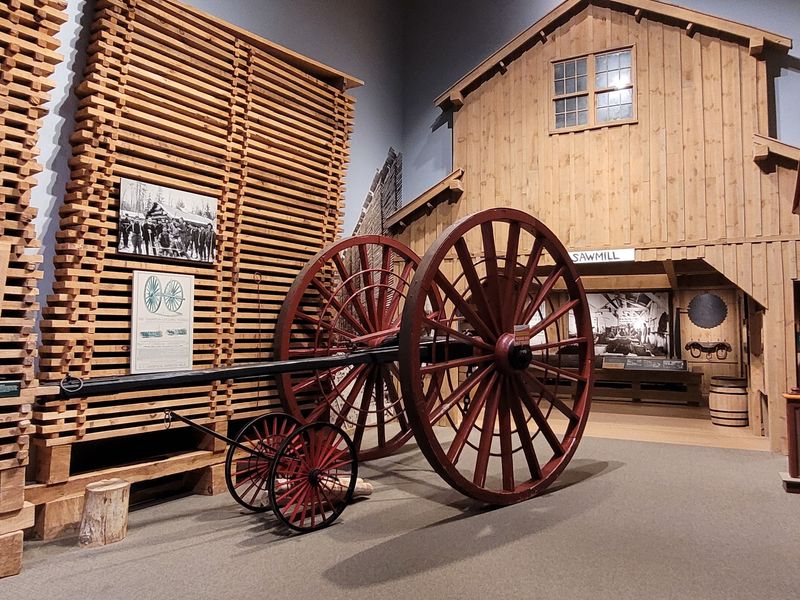
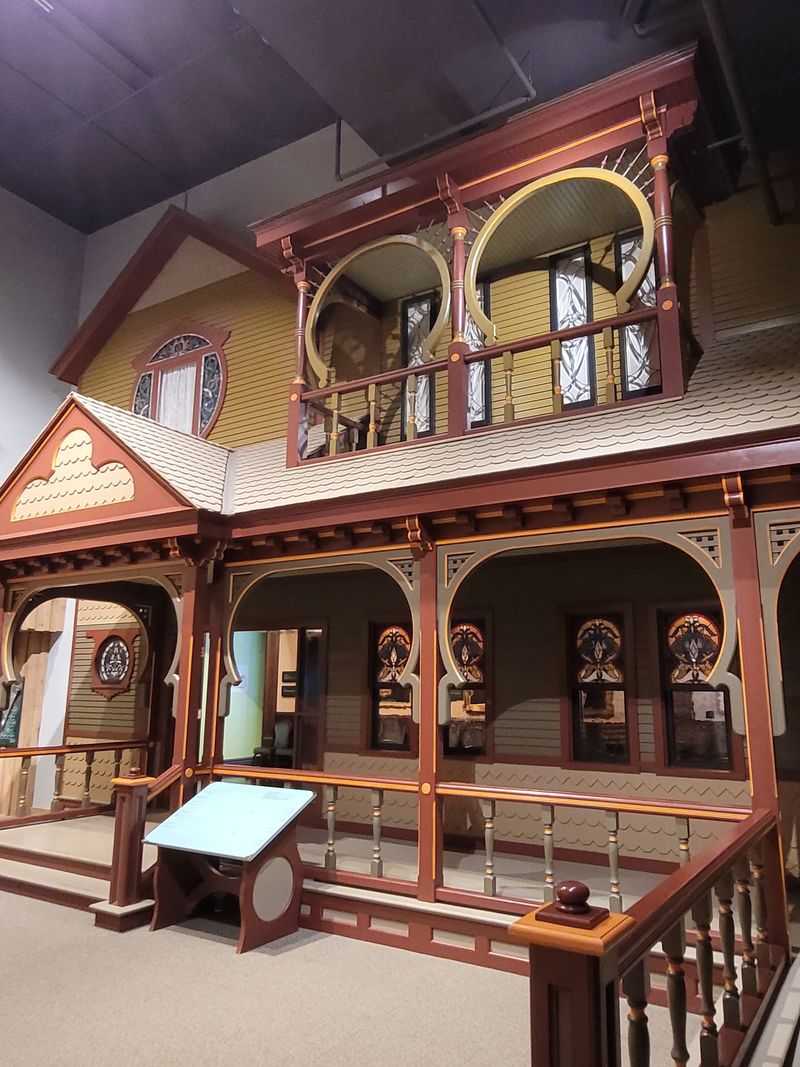
Michigan’s archaeological story includes recent places such as logging camps and historic neighborhoods too. Leaving with one well-understood discovery can be more satisfying than rushing past every table.