
12 Ohio Towns Losing Residents As Their Populations Keep Getting Older
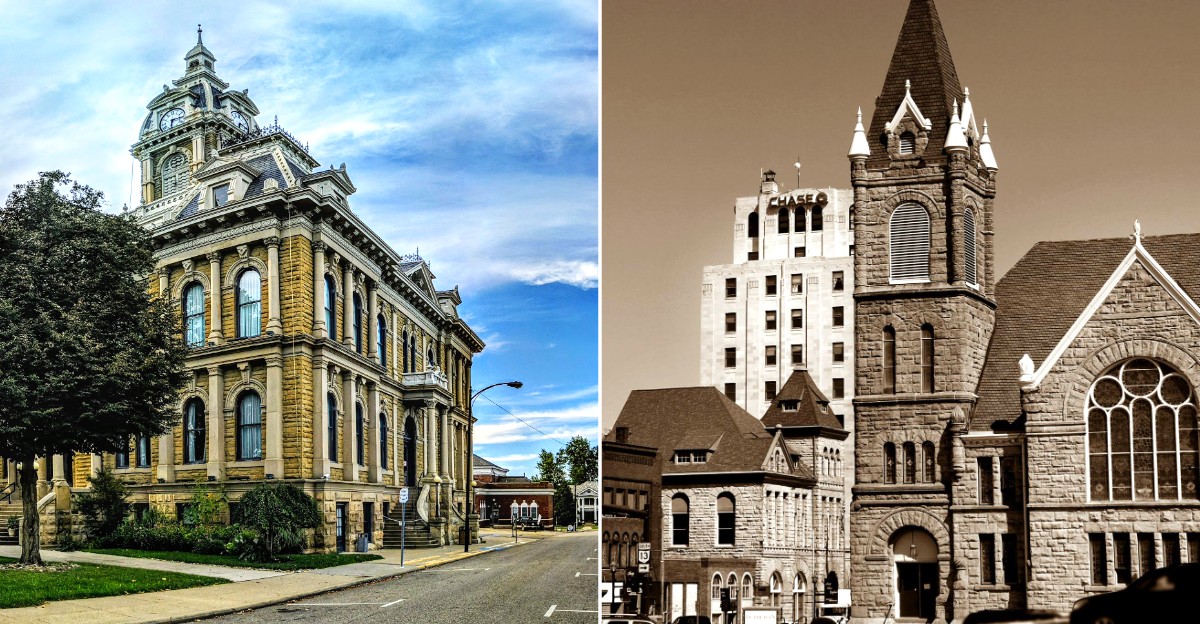
Some Ohio towns are getting quieter in ways that do not show up on a road sign.
A few streets have fewer neighbors than they once did, while the people who stayed are, on average, getting older.
I wanted to see where that shift is showing up most clearly. So I looked at 12 Ohio cities where population has fallen and median age has moved upward over time.
The differences are pretty striking. Some places have lost thousands of residents, while others have barely changed in size but still show a clear aging trend.
The numbers tell the basic story, but each town has more going on than a chart can show. That is where things get a little more interesting.
1. Toledo, Lucas County
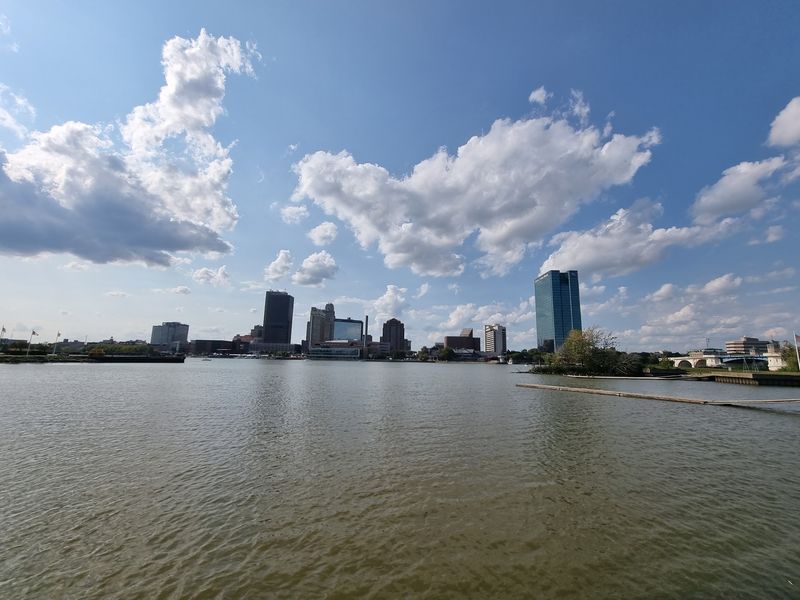
Big drops make big headlines, and Toledo holds the top spot on this list. Its population slid from 316,725 to 267,463, a decline of about 16 percent.
The median age rose from 34.4 to 35.8. That is still fairly young, but the trend is clear.
Toledo sits in northwest Ohio, right where the Maumee River meets Lake Erie. The city grew up around glass making, and it still carries the nickname Glass City.
The Toledo Museum of Art is a great place to see why.
When a city loses this many people, neighborhoods feel it. Some blocks have empty lots where homes once stood.
Local groups have worked to turn those spaces into gardens and small parks, which gives residents something fresh to enjoy.
Walk along the riverfront and you will notice new energy mixed with old industrial bones. Minor league baseball at Fifth Third Field draws families downtown on summer nights.
That kind of event helps keep the heart of the city beating.
Toledo shows how a place can shrink and still hold on to its character. The numbers tell one story, but the people there tell a warmer one.
2. Dayton, Montgomery County
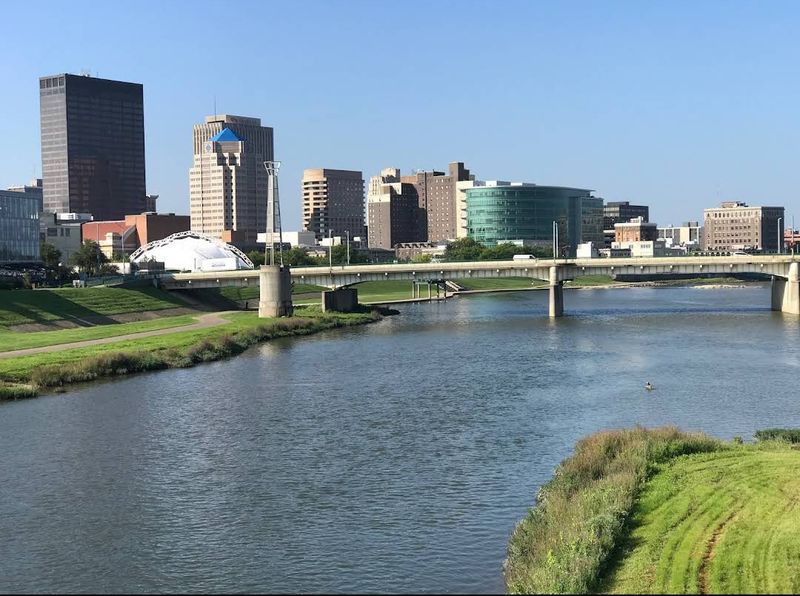
The Wright brothers built their first airplanes here, yet Dayton has not been able to keep its crowd. The population fell from 155,781 to 136,579, a drop of 12 percent.
The median age moved from 33.6 to 34.1. That is a small climb, but it shows the city is slowly getting older.
Dayton sits in southwest Ohio along the Great Miami River. Its history with flight is everywhere, from Carillon Historical Park to the National Museum of the United States Air Force nearby.
Many families moved to the suburbs over the decades, and the city center felt the change. Still, the Oregon District keeps its brick streets busy with shops, cafes, and music.
Dayton also has a strong park system, with the river corridor offering trails for walking and biking. Locals take pride in the inventor spirit that started it all.
If you visit, plan a full day for the Air Force museum alone. It is free, huge, and full of planes you can walk right up to.
3. Warren, Trumbull County
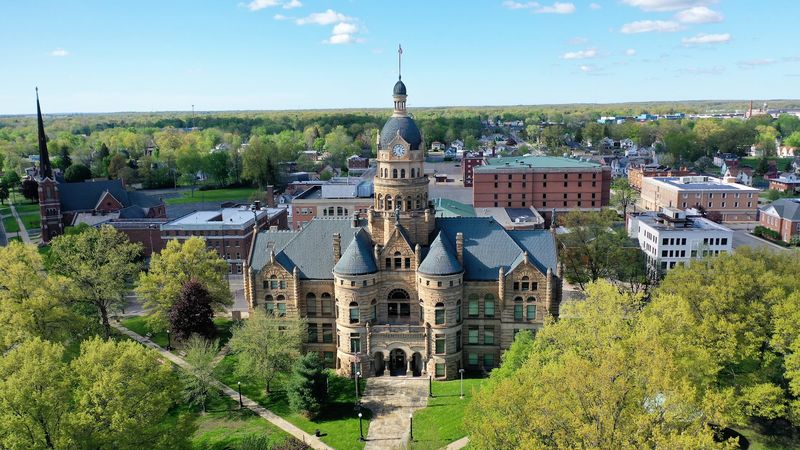
Steel once poured out of the Mahoning Valley, and Warren rode that wave for years. Today the city counts 38,912 residents, down from 44,248, which is a 12 percent decline.
The median age grew from 37.1 to 38.4. Together, those numbers show a city that is both smaller and somewhat older than it was in 2009.
Warren is the county seat of Trumbull County in northeast Ohio. It sits along the Mahoning River, and its downtown still has handsome historic buildings around Courthouse Square.
Fun fact: the first Packard cars were built here before the company moved to Detroit. That bit of history gives locals a nice story to share.
The Packard Music Hall keeps concerts coming to town. Perkins Park and the nearby Mosquito Lake area give people green space for fishing and picnics.
A smaller population can mean quieter streets and friendlier chats at the diner counter. Warren may be shrinking, but its sense of community is still easy to find.
4. Portsmouth, Scioto County
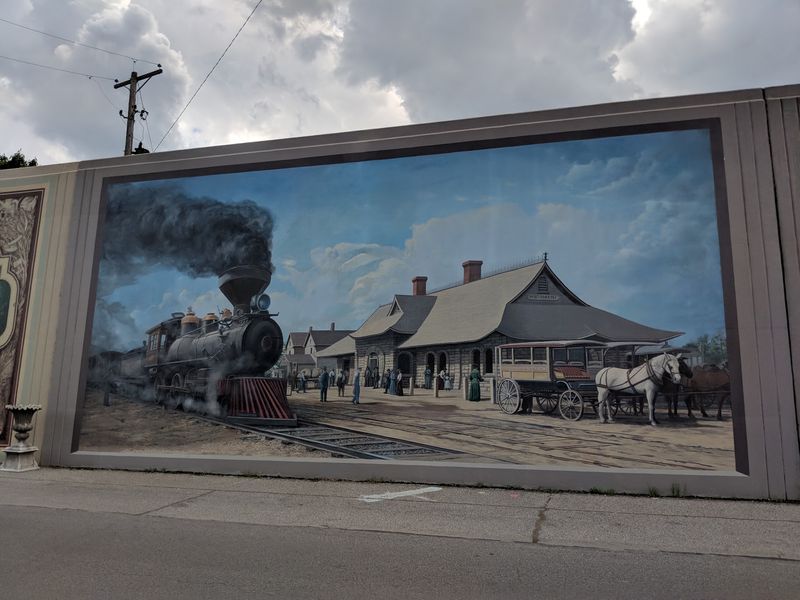
A wall of paintings tells Portsmouth’s story better than any chart. The city’s population dropped from 20,180 to 17,728, a 12 percent decline.
Its median age rose sharply from 36.1 to 39.0, one of the bigger jumps on this list.
Portsmouth sits in southern Ohio where the Scioto River meets the Ohio River. The famous floodwall murals stretch along the riverfront and show scenes from local history in bright color.
The town once buzzed with shoe factories and steel mills. When those jobs faded, many younger workers left to find new ones.
Still, the area has outdoor beauty close by. Shawnee State Forest, often called the Little Smokies, offers hiking trails and wide views just a short drive away.
Downtown is home to Shawnee State University, which brings young energy back into town each fall. Students help local shops and cafes stay lively.
Stop by the murals first, then wander the streets behind them. You will see a proud river town that is not giving up.
5. Cambridge, Guernsey County
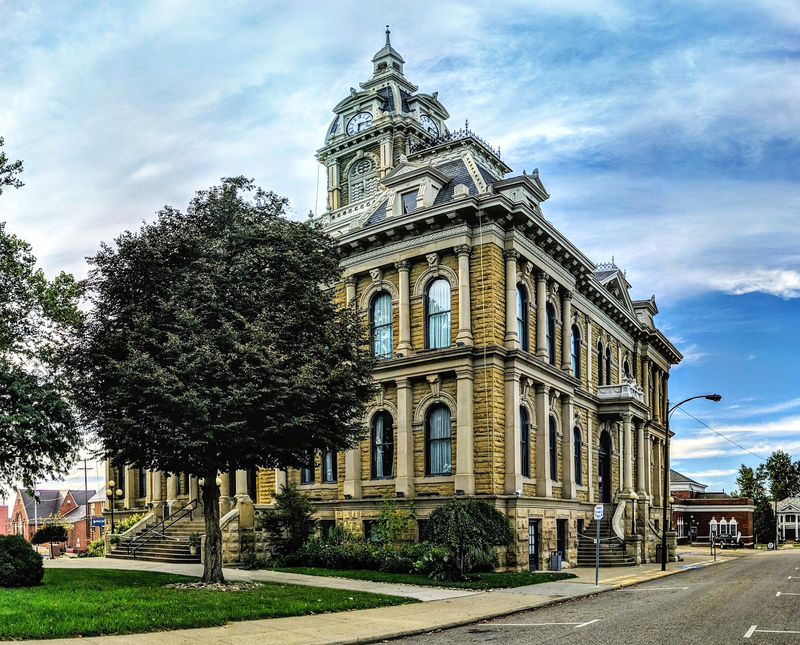
Eleven percent fewer neighbors can change how a small town feels. Cambridge went from 11,266 residents to 10,060.
The median age climbed from 39.7 to 42.3, which is the oldest figure among the towns here.
Cambridge is the county seat of Guernsey County in eastern Ohio, right along Interstate 70. Travelers often pass through, but the town rewards those who stop.
Each winter, the Dickens Victorian Village fills downtown with life-sized scenes and holiday cheer. It has become a signature event for the community.
Glass lovers will enjoy the Cambridge Glass Museum, which honors the famous glassware once made here. Pieces from the old factory are still prized by collectors.
Salt Fork State Park sits nearby with a big lake, lodge, and miles of trails. It draws visitors all year.
Cambridge may have an older crowd now, but it keeps tradition alive with festivals and friendly faces. A cup of coffee on Wheeling Avenue is a good way to start.
6. Akron, Summit County
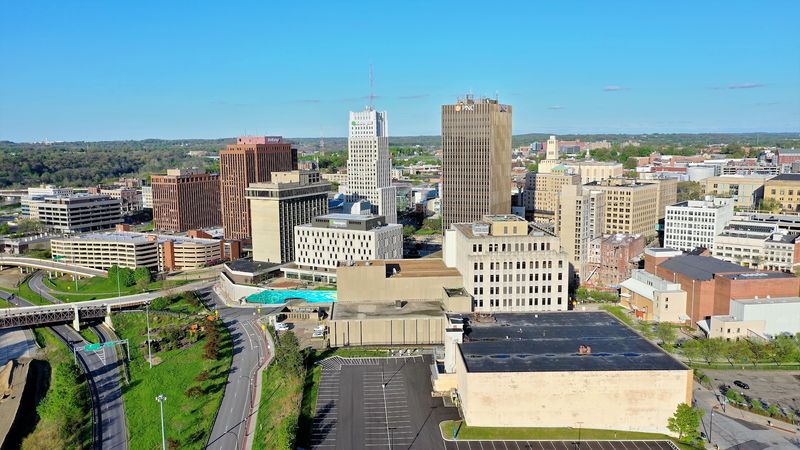
Tires put Akron on the map, and the nickname Rubber Capital of the World still sticks. The population slipped from 208,800 to 189,247, a drop of 9 percent.
The median age rose from 35.3 to 36.9.
Akron lies in northeast Ohio, about 40 miles south of Cleveland. Goodyear, Firestone, and other tire makers once employed thousands here, and the city boomed.
As factories downsized, residents drifted away. Yet Akron has reinvented itself with research in polymers and a growing health care field.
Locals love the Towpath Trail, which follows the old Ohio and Erie Canal for miles. Cyclists and walkers share it on sunny weekends.
Basketball fans know Akron as the hometown of LeBron James. The city celebrates that connection with pride.
Akron also hosts the Akron Art Museum and Highland Square, a lively neighborhood with shops and eateries. A smaller headcount has not dimmed the local spark.
7. Lima, Allen County
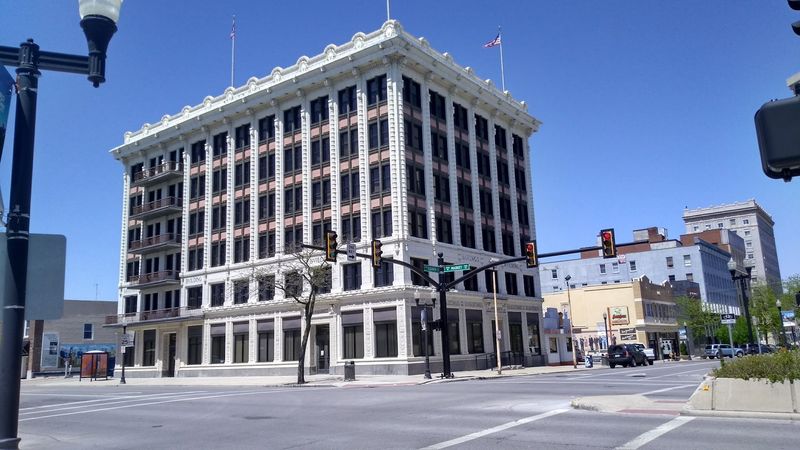
Few towns on this list aged as fast as Lima. Its median age jumped from 32.5 to 36.8, a gain of more than four years.
The population fell from 38,083 to 35,010, or about 8 percent.
Lima is in northwest Ohio and serves as the seat of Allen County. The city grew thanks to oil, railroads, and the Lima Locomotive Works, which built powerful steam engines.
Today, a large Army-owned manufacturing facility, the Joint Systems Manufacturing Center, keeps skilled workers busy producing and supporting armored vehicles. Health care also supplies many local jobs.
Taken together, the population and median-age figures show that Lima is both smaller and noticeably older than it was in 2009.
Downtown Lima has the grand Allen County Courthouse and the Veterans Memorial Civic and Convention Center. Both give the city a solid, proud look.
Visit the Allen County Museum for a look at old trains and local stories. It is a friendly way to learn what shaped the town.
8. Springfield, Clark County
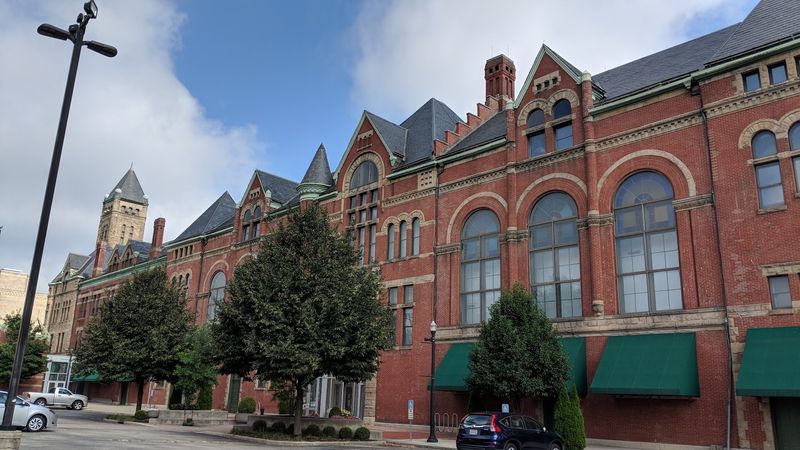
Springfield has a nickname worth remembering: the Champion City. Over the years, its population slid from 62,422 to 58,190, a decline of 7 percent.
The median age edged up from 36.2 to 37.9.
The city sits in west central Ohio, along the old National Road. It was once famous for making farm equipment, and factories lined its streets.
Today, visitors come for the Heritage Center of Clark County and the Springfield Museum of Art. Both are easy to explore in an afternoon.
Here is a quirky stop: Young’s Jersey Dairy, just outside town, serves ice cream and has a mini golf course. Families line up on warm days.
Buck Creek State Park gives locals a lake for boating and quiet trails for walking. It is a nice break from city streets.
Springfield shows that a town can lose some people and still keep plenty to do. A little curiosity goes a long way here.
9. Fremont, Sandusky County
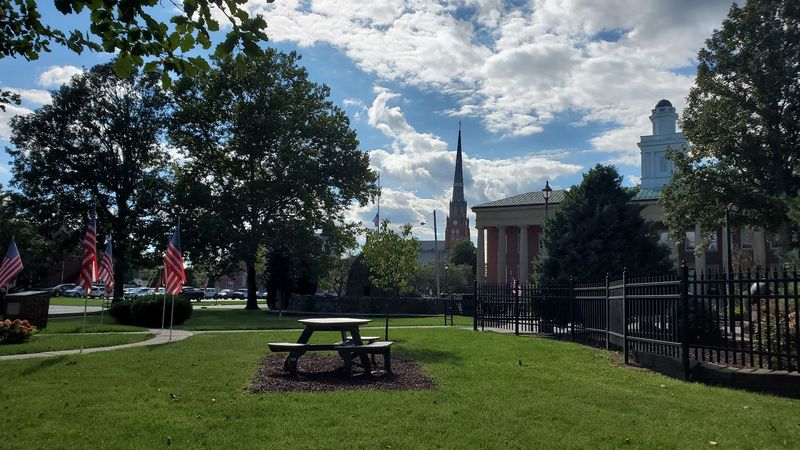
A president once called Fremont home, and the town has never forgotten it. The population eased from 16,654 to 15,835, a 5 percent dip.
The median age rose from 34.2 to 36.8.
Fremont sits along the Sandusky River in northern Ohio. Rutherford B.
Hayes, the 19th president, lived at Spiegel Grove, and his home and library are open to visitors.
The grounds are shady and quiet, with a museum full of presidential keepsakes. History fans could spend hours there.
Fremont also sits close to Lake Erie and Cedar Point, so summer visitors pass through often. Local shops and diners enjoy the extra traffic.
Many workers here hold jobs in manufacturing and food production. When opportunities elsewhere beckon, some younger residents move away.
Even so, Fremont keeps a tidy downtown and friendly riverfront. It feels like a place where neighbors still wave from their porches.
10. Mansfield, Richland County
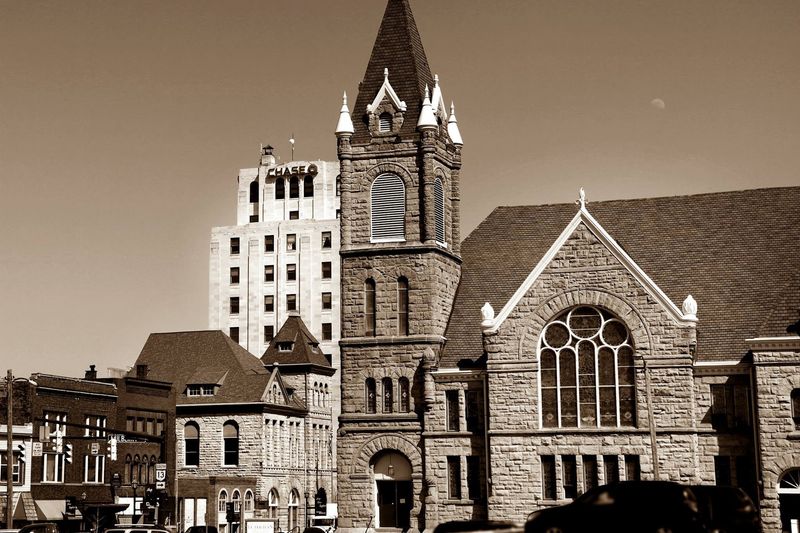
Movie fans may spot Mansfield before they know its name. The Ohio State Reformatory here appeared in The Shawshank Redemption.
The city’s population slipped from 49,857 to 47,663, a decline of 4 percent.
The median age climbed from 37.7 to 40.0, crossing the 40 mark.
Mansfield is in north central Ohio, in Richland County. Its big stone reformatory is now a museum, and tours bring in visitors from across the country.
Outdoor lovers head to Mohican State Park and Malabar Farm, both short drives away. Malabar Farm was the home of author Louis Bromfield and is now a working farm open to guests.
Mansfield also hosts the Kingwood Center Gardens, where flower beds bloom from spring through fall.
The city has seen factory jobs shrink over time. Yet its attractions and natural beauty give it staying power.
11. Elyria, Lorain County
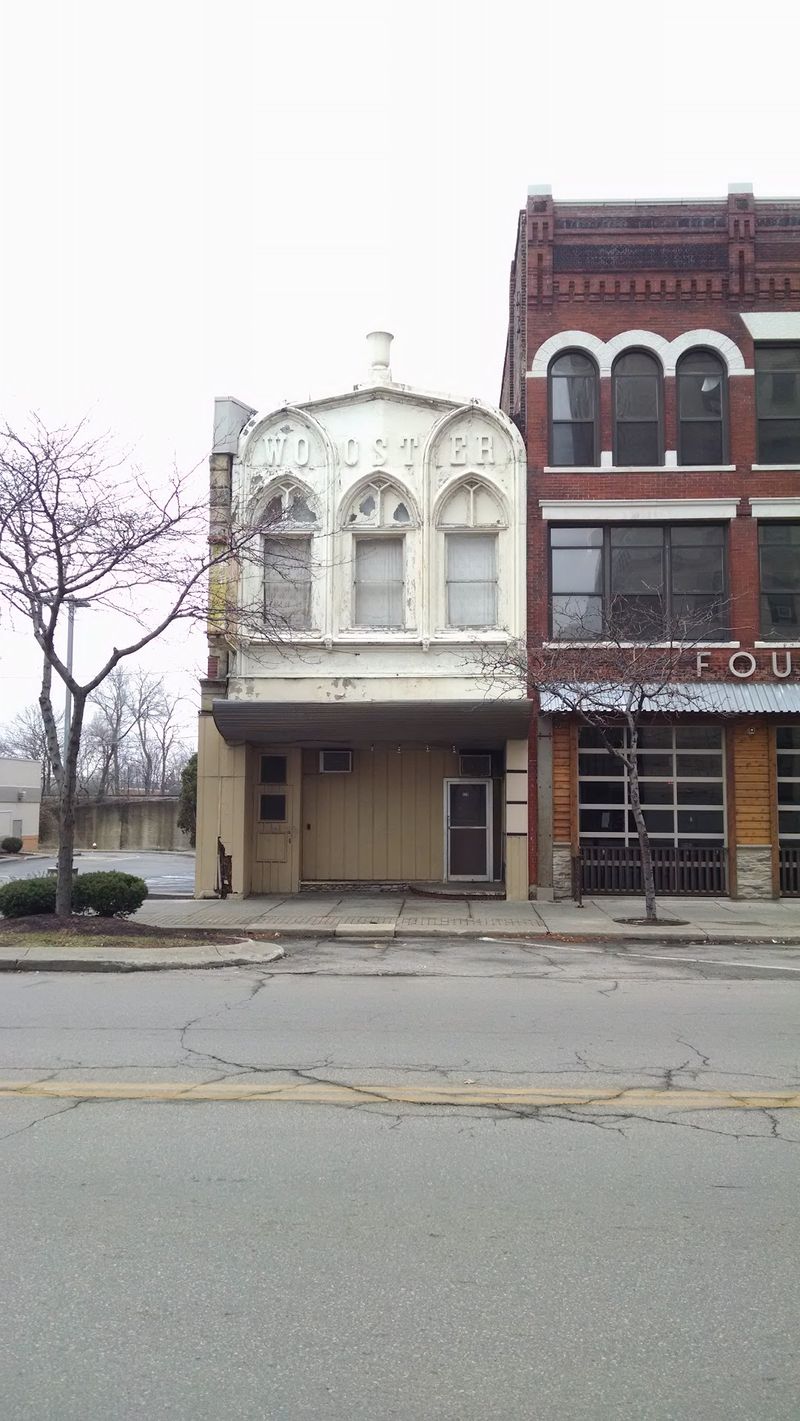
Waterfalls in the middle of a city are a rare treat, and Elyria has them. Its population went from 55,199 to 53,035, a 4 percent decline.
The median age rose from 37.8 to 39.4.
Elyria sits in northern Ohio, the county seat of Lorain County. Cascade Park features falls on the Black River, with paths and bridges that make for easy strolls.
The town is also known as the birthplace of the company that eventually became Invacare and for being home to the Lorain County Metro Parks system nearby. Parks like Schoepfle Garden are a short drive away.
Elyria sits close to Cleveland and Lake Erie, so many residents commute for work. That mix of small-town calm and big-city access appeals to many families.
Even with that location, Elyria’s population is lower and its median age higher than it was in 2009. Local leaders continue working on downtown improvements and redevelopment.
A quiet afternoon at Cascade Park shows what Elyria does best.
12. Marion, Marion County
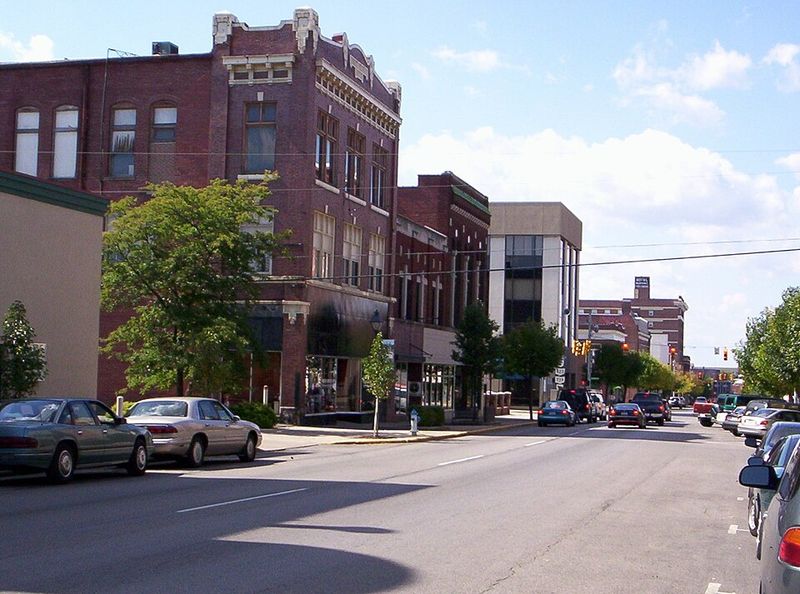
Marion is the steady one on this list. It lost only about 1 percent of its people, going from 35,998 to 35,669.
The median age, however, rose from 35.6 to 39.0. That means residents are getting older even though the town is holding its size.
Marion is in central Ohio and is known as the Popcorn Capital of the World. The Wyandot Popcorn Museum displays old popcorn machines and wagons, and it smells wonderful inside.
The city was also the home of President Warren G. Harding.
His house and the Harding Memorial are open to the public.
Each September, the Popcorn Festival draws big crowds with parades, food, and fun. Locals plan their year around it.
Marion has factories, a prison system, and health care jobs that keep the economy moving. Those employers help the town avoid steep losses.
It may be getting older, but Marion stays popping with pride.