
Locals Say These 10 Michigan Towns Are Being Quietly Bought Up By Investors
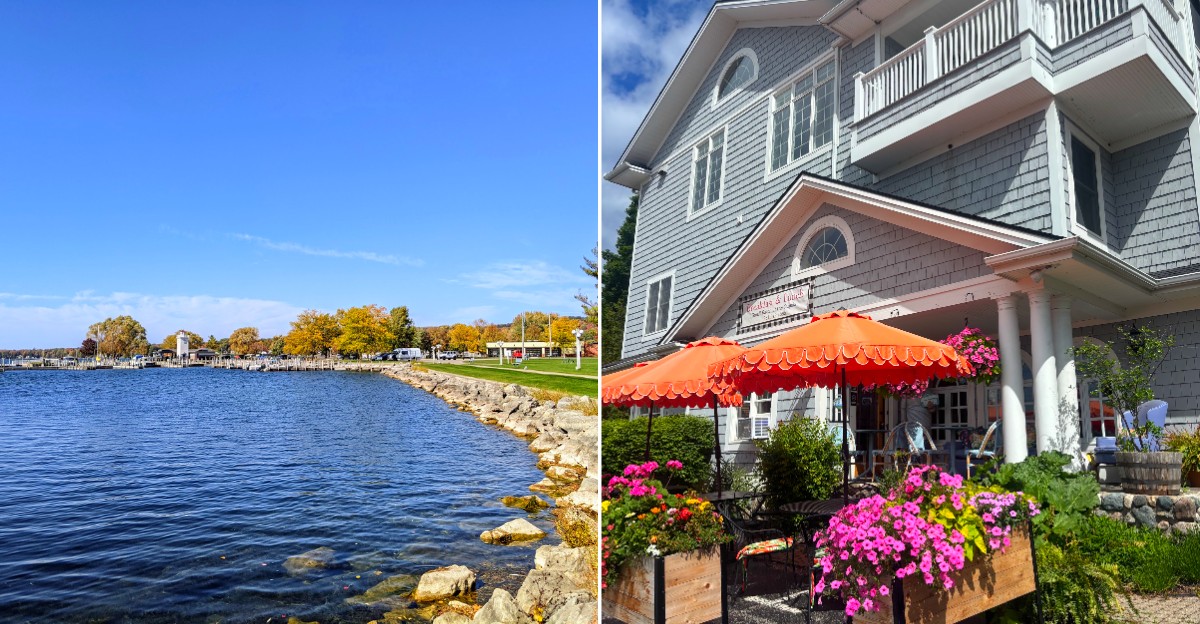
Lake towns look peaceful from the water, but the housing story behind those porches can be complicated. Along Michigan’s shoreline, second homes, short-term rentals, and investment properties share space with families trying to stay rooted year-round.
That tension does not mean every cottage has been “bought up,” but it does make prices, ownership patterns, and housing pressure worth a closer look.
Across Michigan, vacation towns are balancing scenic appeal, rising home values, and growing concern over who can still afford to live there full-time.
What makes these communities interesting is the contrast between postcard charm and everyday reality. A beach, walkable downtown, or marina may attract visitors and buyers, while longtime residents feel the squeeze in quieter ways.
This list looks past dramatic headlines to explore where pressure is real, where assumptions get shaky, and what each town’s character reveals about the changing cost of calling a vacation destination home.
1. Charlevoix Between Two Coveted Lakes
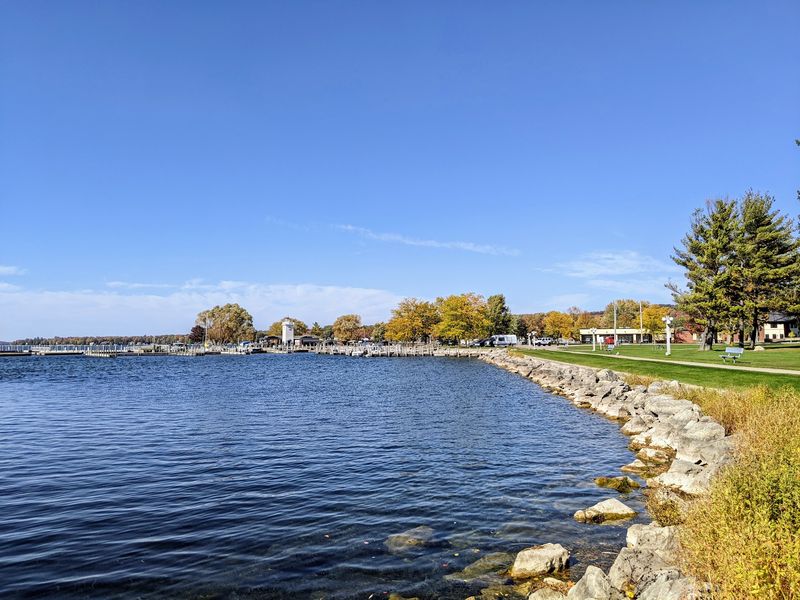
Water surrounds daily life closely enough here that even an ordinary drive can feel like somebody’s vacation brochure. Charlevoix sits between Lake Michigan and Lake Charlevoix, with Round Lake connecting the two beside downtown and giving waterfront property an obvious premium.
That geography naturally attracts second-home buyers and people interested in vacation rentals. Earl Young’s stone houses, boating, beaches, restaurants, and the annual Venetian Festival add enough year-round recognition that demand does not depend on one quiet stretch of shoreline.
The city also regulates short-term rentals directly rather than treating them as an invisible part of the housing market. Current rules distinguish personal units from business units, require registration and licensing, and cap certain business-style rentals in residential zones.
That does not prove investors are “buying up” Charlevoix, but it does show that visitor lodging and residential housing overlap enough for the city to manage the relationship formally.
Anyone considering a purchase should check the property’s exact zoning and current rental status rather than assuming a listing can immediately become a vacation business. Buyers also need to account for winter maintenance, insurance, taxes, and the realities of owning property near water.
2. Boyne City Beyond The Summer Season
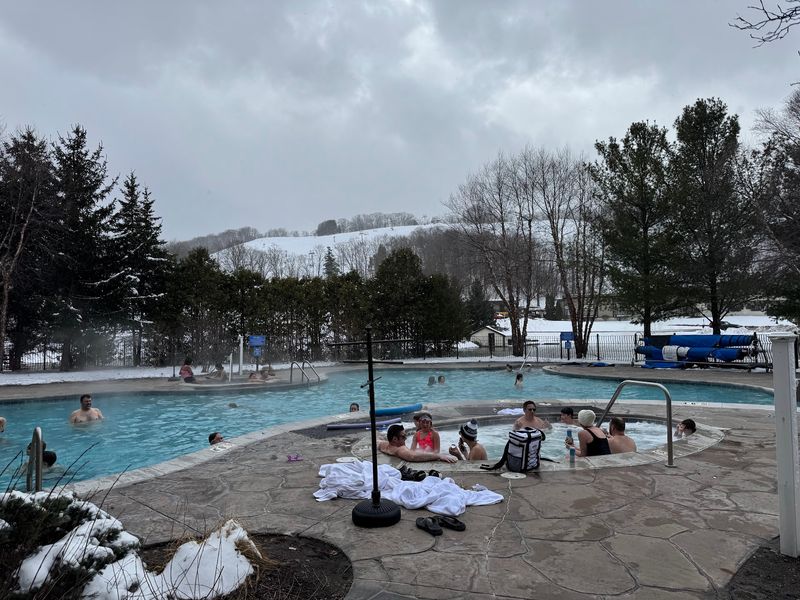
Farmers market mornings and boats on Lake Charlevoix make this place feel firmly rooted in local life even as visitors arrive from every direction. Boyne City has the unusual advantage of being a waterfront destination with major winter recreation nearby, giving outside buyers reasons to look beyond the traditional June-through-August vacation calendar.
A home here can serve several different purposes. It might become a permanent residence, a family retreat, or a short-term rental aimed at lake weekends, fall color trips, and skiing farther inland.
Those categories matter because price growth alone cannot tell you who is actually buying. A house sold for considerably more than it did a decade ago may reflect limited supply, construction costs, second-home demand, migration, or several pressures operating simultaneously.
The stronger local question is how many homes remain available for people earning wages in the region. Resort economies depend heavily on workers who need housing close enough to restaurants, shops, schools, healthcare, and tourism businesses to make everyday commuting realistic.
Visitors see the waterfront first, but buyers should look well beyond it. Winter heating, snow removal, maintenance, taxes, and any rental restrictions can change the economics of an attractive listing quickly.
3. Saugatuck Where Art Meets Housing Pressure
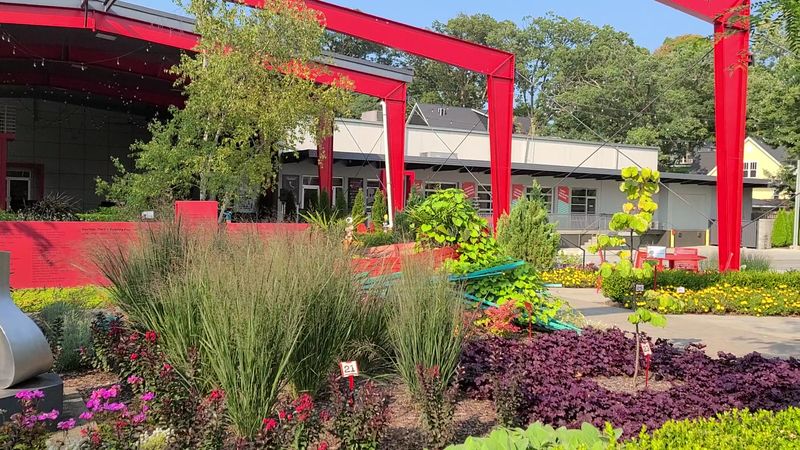
Galleries, riverfront streets, independent businesses, and quick access to Oval Beach make staying for another weekend unusually easy to imagine. Saugatuck has spent decades building a reputation as both an arts destination and a Lake Michigan getaway, which naturally puts residential property in front of buyers looking for more than a primary home.
Short-term rentals are common enough that the city maintains an entire licensing framework for them. Current rules require a license for residential rentals of fewer than 31 consecutive days and set occupancy, safety, and operating standards.
The city’s own ordinance explicitly recognizes both sides of the issue. Short-term rentals can support tourism, business activity, and property values, while poorly managed growth can affect residential character and long-term housing availability.
That is a far more useful picture than claiming every expensive home has been swallowed by investors. Some owners live locally, others use houses seasonally, and commercial rental activity is only one part of demand.
Anyone considering buying for rental income needs to check the city’s current licensing rules before doing revenue calculations. Cleaning, insurance, utilities, taxes, maintenance, vacancy periods, and licensing requirements can make a supposedly effortless vacation property much less passive than a listing suggests.
4. Douglas Has Its Own Story
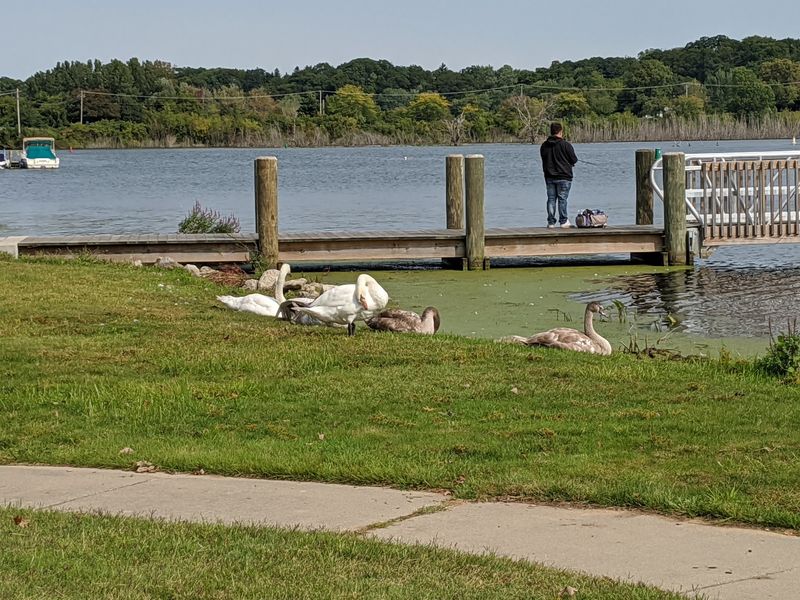
Crossing the Kalamazoo River from Saugatuck takes only minutes, but it also crosses into a separate municipality with its own rules. Douglas shares the area’s beaches, galleries, restaurants, and vacation appeal while maintaining a distinct downtown and housing market.
That distinction becomes especially important whenever people talk broadly about “Saugatuck” real estate. A listing marketed under the better-known tourism name may actually fall inside Douglas, Saugatuck Township, or another nearby jurisdiction.
Douglas currently permits short-term rentals in residential areas when owners register the property and obtain the required rental occupancy permit. Safety inspections and other operating requirements are part of that system.
For prospective buyers, that means the exact address matters more than whatever destination name appears in an online listing. One property may be eligible for vacation rental use while another a short distance away falls under different regulations or administrative requirements.
Historic houses and proximity to Lake Michigan naturally attract second-home interest, but that alone does not establish how much investor ownership exists. Public ownership records would be needed to distinguish corporations, individuals, permanent residents, and seasonal owners reliably.
Spend time along Center Street and surrounding residential blocks before treating Douglas as merely an extension of its neighbor.
Its smaller scale is part of the appeal, but it also means housing changes can feel especially visible.
5. South Haven Read The Rental Rules
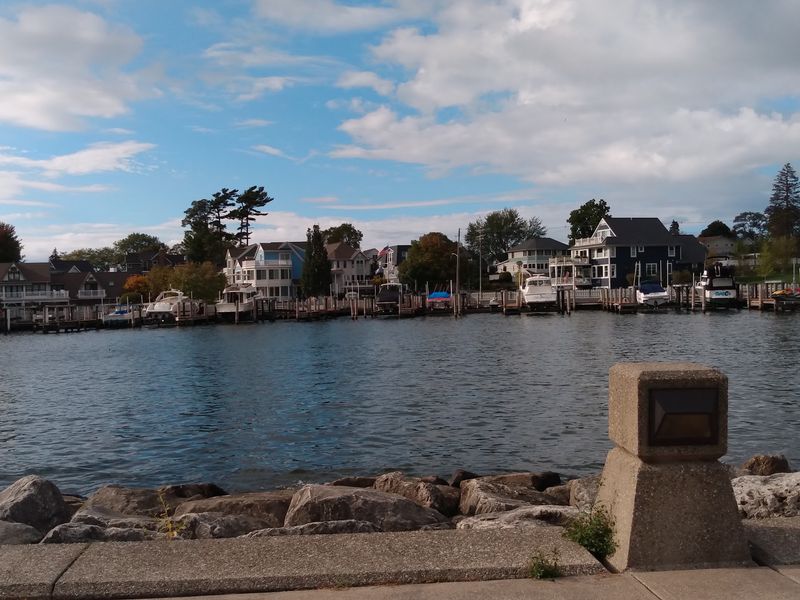
The red lighthouse and broad beach are excellent at selling the fantasy before anyone has looked at the paperwork. South Haven combines a walkable downtown, marina, Lake Michigan shoreline, and heavy summer demand, making residential property naturally interesting to vacation-home buyers.
That does not mean every second home is an investment property. Families may use cottages themselves, retirees may eventually move in full time, and commercial rentals represent only one portion of outside ownership.
Still, the economics are obvious enough to attract buyers who expect visitor demand to offset ownership costs. That is where careful due diligence becomes essential.
An active or advertised vacation rental should never be assumed to carry the same permissions automatically after a sale. Licensing, inspections, occupancy limits, parking requirements, local contact rules, and other conditions can all affect whether a property can operate legally.
Those details matter more than screenshots showing what similar rentals charged during one busy July weekend. A realistic calculation has to include quieter months, repairs, cleaning, taxes, insurance, utilities, furnishings, and the possibility that regulations change over time.
Visitors also experience the consequences of the housing debate directly. Staying in properly registered lodging and respecting parking and noise rules helps keep tourism from becoming a constant neighborhood conflict.
6. New Buffalo And The Chicago Connection

A train station within walking distance of Lake Michigan changes the math of owning a weekend place. New Buffalo sits close enough to Chicago that a second home can feel practical rather than remote, especially for buyers who want beach access without committing to a long drive every Friday evening.
Amtrak service reinforces that connection, while the marina, public beach, downtown restaurants, and broader Harbor Country region keep demand strong during warm months. That combination naturally creates interest in both personal vacation homes and short-term rentals.
The city regulates those rentals through a permit system, and current zoning rules also address nonconforming short-term rental properties. Nearby New Buffalo Township follows its own separate licensing rules, including provisions stating that licenses do not simply transfer to new owners.
That municipal boundary is one of the most important things a buyer can understand. “New Buffalo” in a real estate advertisement may describe a postal address or general destination rather than the exact jurisdiction governing the parcel.
Outside ownership therefore needs to be interpreted carefully. A Chicago buyer may operate a rental, use the property every weekend, relocate later, or simply hold a family vacation home.
The town’s accessibility is exactly what makes those possibilities overlap.
7. Grand Haven Beyond The Waterfront View
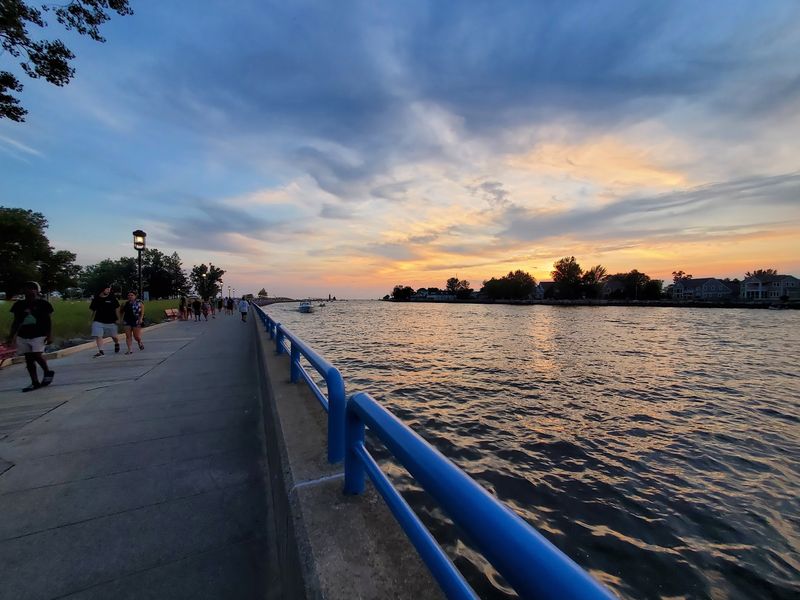
The boardwalk makes waterfront property look almost unfairly attractive. Grand Haven sits where the Grand River reaches Lake Michigan, combining beaches, piers, boating, downtown shopping, and major events such as the Coast Guard Festival in a relatively compact area.
Seasonal visitor demand naturally makes short-term rentals part of the housing conversation, but the regulatory picture is much narrower than simply buying any house and listing it online.
Within the city, rental properties must be registered, and new short-term rentals are permitted only in specific zoning districts or designated developments. Existing certified short-term rentals can continue under city rules, including after ownership transfers, while new registrations face location and parking requirements.
Grand Haven Township operates a different system, with short-term rentals limited to an overlay zone. That means two houses marketed under the same “Grand Haven” destination can have completely different rental possibilities.
For buyers, that is more important than the view from the listing photos. Registration fees, inspections, insurance, maintenance, and legal eligibility all belong in the calculation before anticipated summer income does.
The broader housing issue also extends beyond the waterfront. Workers and families need houses near schools, employers, stores, and daily services, not just properties that perform well during festival week.
8. Traverse City Faces A Broader Squeeze

Few northern Michigan housing markets have this many different sources of demand operating at once. Traverse City combines Grand Traverse Bay, restaurants, healthcare, professional jobs, tourism, schools, regional services, and a nationally recognizable vacation identity.
That means an expensive house cannot automatically be blamed on short-term rental investors. Permanent newcomers, retirees, second-home owners, local households, developers, and vacation-rental operators can all compete within the same broader market.
Vacation rentals inside the city require licenses, with current applications handled through the City Clerk’s Office. The city charges an application fee and requires licenses to be renewed annually.
Location still matters enormously. Downtown condos, established residential neighborhoods, properties outside city limits, and surrounding townships can fall under different zoning rules and rental possibilities.
That makes the phrase “Traverse City property” particularly slippery. Real estate listings often use the regional name because it is recognizable even when the home sits outside the actual municipality.
Buyers should verify jurisdiction, zoning, association rules, rental eligibility, and seasonal operating costs before assuming tourism will turn a property into reliable income. A cash buyer should not automatically be labeled an investor either, since cash transactions reveal financing methods rather than intended use.
9. Harbor Springs Small Scale Strong Appeal
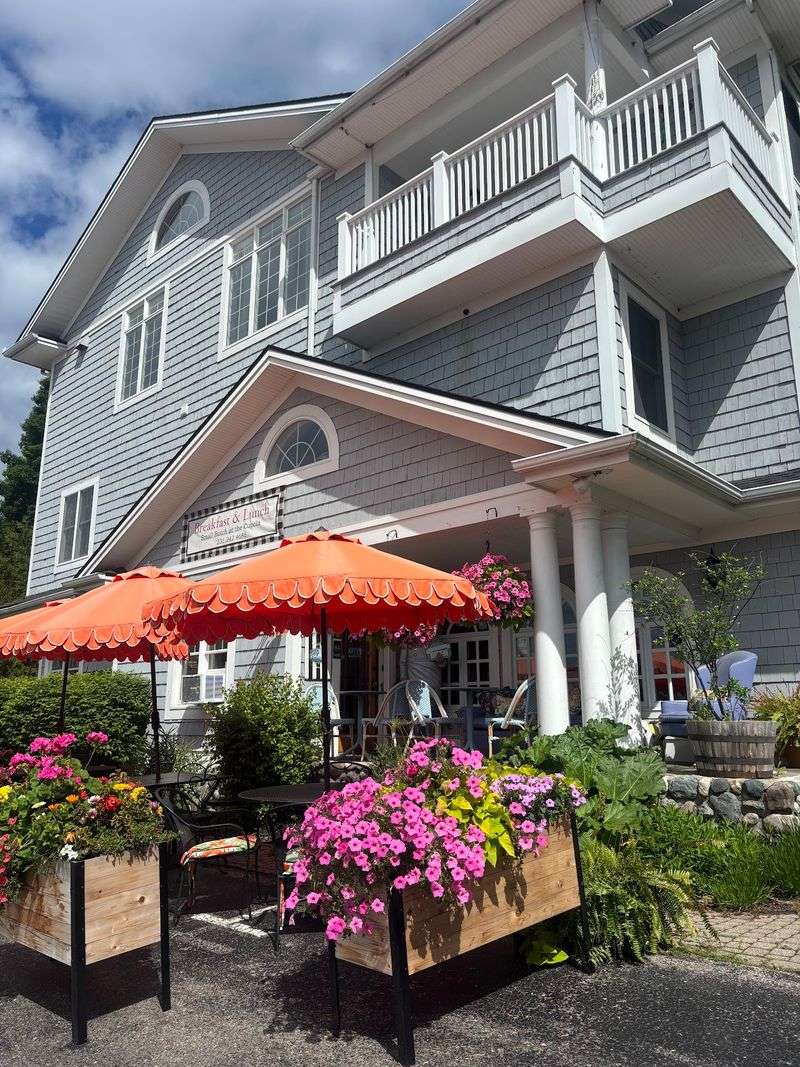
A compact downtown wrapping around Little Traverse Bay creates exactly the kind of setting where a limited housing supply can feel even smaller. Harbor Springs has a long history as a summer resort community, while skiing and other winter recreation nearby extend its appeal beyond one season.
The city formally permits short-term rentals through a licensing program. Properties rented for 30 days or less must hold the required license, and owners with multiple rental properties need separate applications for each unit.
That framework acknowledges short-term lodging as part of the local economy while attempting to keep it compatible with residential neighborhoods. It also means potential buyers should never assume a picturesque cottage can legally become a vacation rental simply because similar properties appear online.
Older houses bring another layer of financial reality. Maintenance, winterization, snow removal, insurance, heating, and repairs can turn an apparently straightforward second home into a significant year-round responsibility.
Outside demand is easy to understand here. Little Traverse Bay, walkable streets, boating, beaches, restaurants, and nearby recreation create a combination that cannot be manufactured somewhere cheaper.
But multiple offers or high prices do not reveal who intends to rent, relocate, retire, or spend only summers in town.
10. Northport / Leelanau Peninsula Requires A Wider Lens
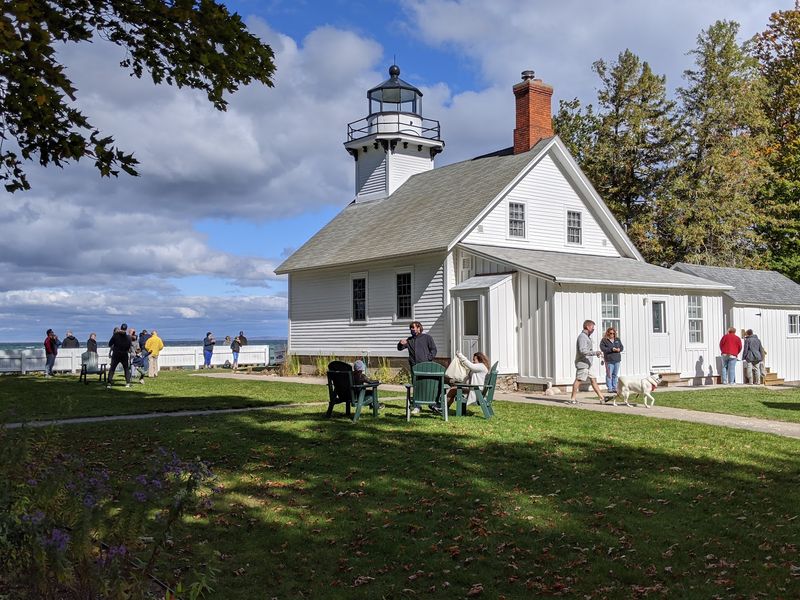
Cherry orchards, vineyards, Lake Michigan shoreline, and small villages give the Leelanau Peninsula the kind of landscape that makes real estate feel inherently scarce. Northport sits near the northern end, offering a compact downtown and waterfront setting inside a much larger county filled with very different types of property.
That geography makes broad claims especially risky. Northport village, Leelanau Township, other peninsula communities, agricultural parcels, lakefront cottages, and inland homes do not operate as one uniform housing market.
The same goes for ownership. Someone with an address outside Leelanau County may be a second-home buyer, an investor, a retiree preparing to relocate, or a family with long-standing ties to the area.
Second homes and vacation rentals can still affect housing availability, particularly where the total number of year-round units is already limited. The pressure becomes more noticeable when service workers, younger families, and local employees compete for the smaller share of properties aimed at permanent residents.
Prospective buyers should check the exact township or village rules governing the parcel, along with wells, septic systems, seasonal road access, utilities, zoning, and any vacation-rental restrictions. Rural-looking property can involve considerably more infrastructure responsibility than a city house.