
This Stretch Of Maine Shoreline Has Visitors Watching Their Step For A Rather Unusual Reason
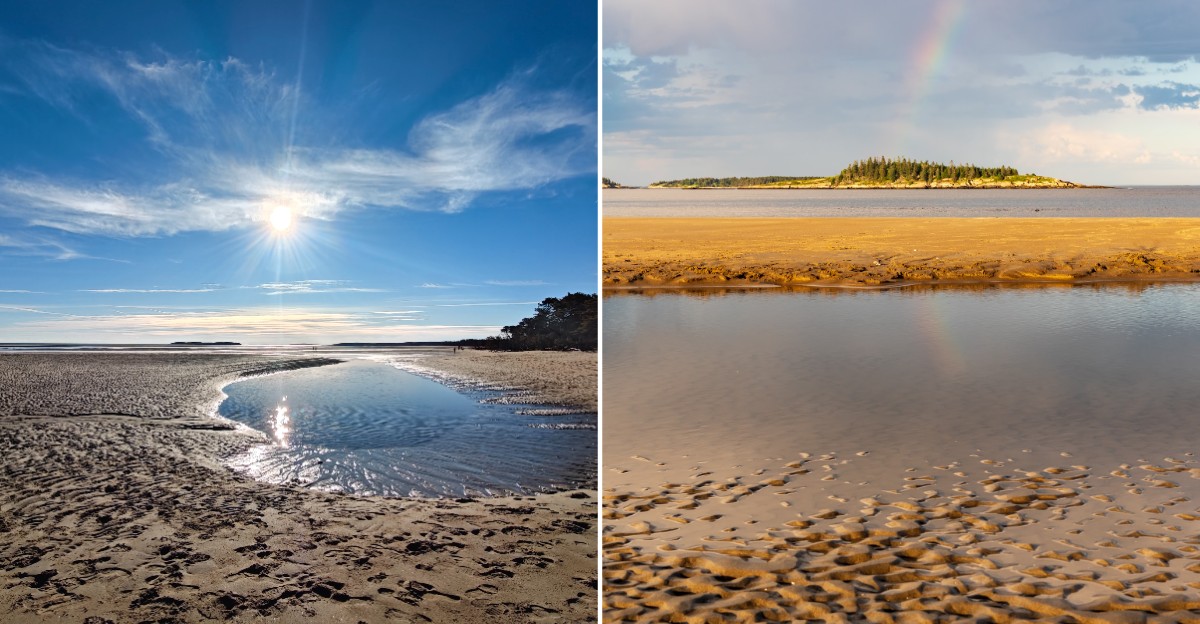
The first time my sneaker sank into wet sand up to the ankle, I laughed. The second time, the sand grabbed my shin and held on like it wanted to keep me.
I was standing on a wide, shining beach in Maine, with pine trees behind me, rocky islands ahead, and a river curling right across the sand. Most beaches ask you to watch for sunburn, sharp shells, or sneaky seagulls.
This one adds a strange extra item to the list: soft, soupy patches of sand that act a lot like quicksand. It sounds scary, but it is mostly surprising, a little silly, and full of science.
The strangest part is that the beach can look completely ordinary, even when the sand beneath your feet has other plans. And that is what makes this stretch of Maine coastline so fascinating.
Where The River Meets The Sea
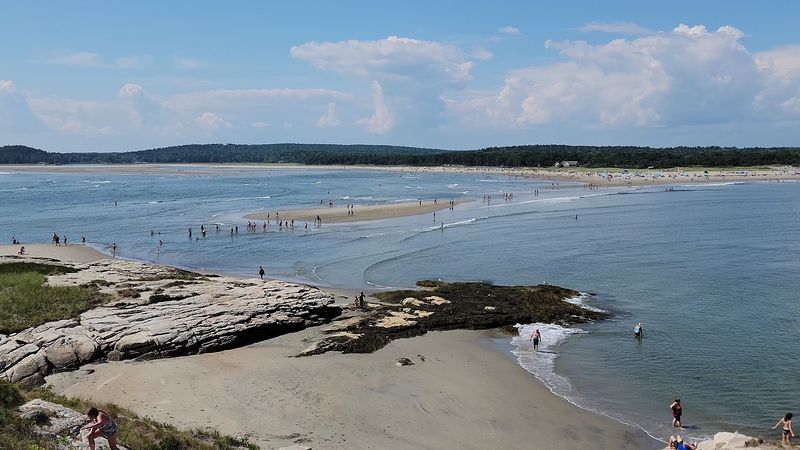
Picture a long ribbon of pale sand with the Atlantic on one side and a big river pouring in at the end. That is the setting of Popham Beach State Park, found at 711 Popham Rd, Phippsburg, ME 04562, in the United States.
It sits right at the mouth of the Kennebec River, one of the biggest rivers in Maine.
The spot is known as one of the most popular sandy ocean beaches in the whole state. Plenty of Maine’s coast is rocky and rugged, so a beach this wide and soft feels like a treat.
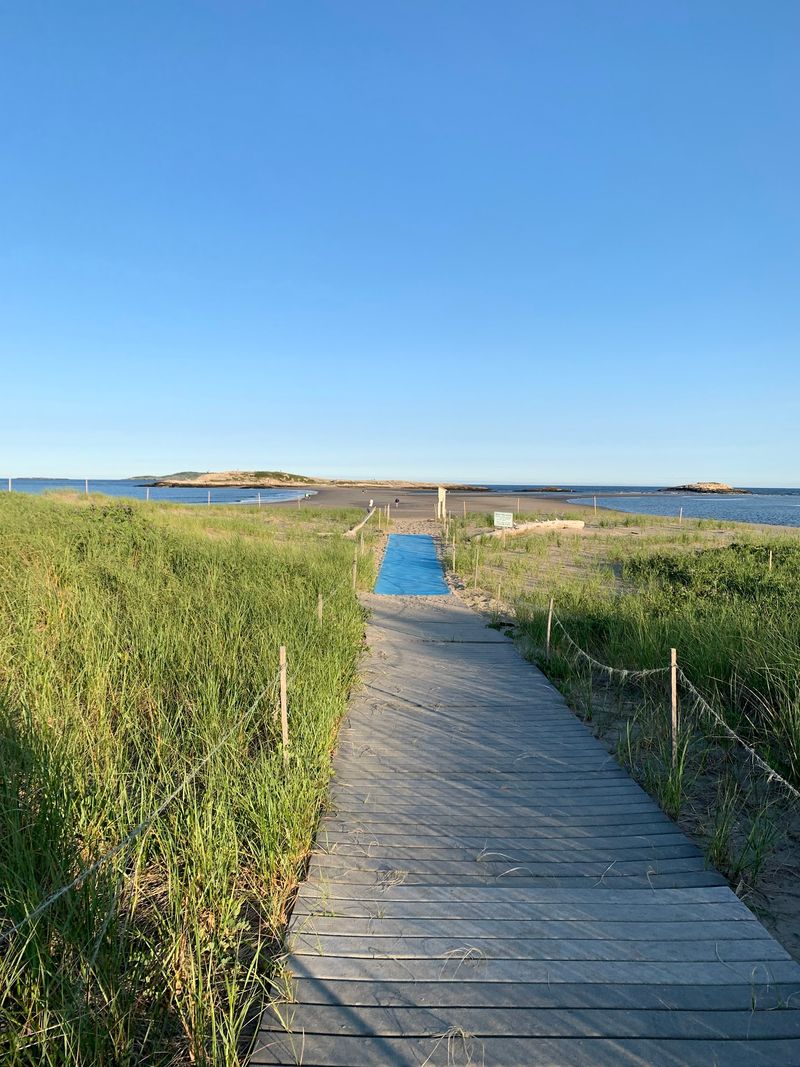
When I first walked over the boardwalk, I could see islands, waves, and a lighthouse far off in the distance all at once.
Getting there takes a little planning, since the park is a drive away from bigger towns. Pack your snacks, water, and sunscreen before you leave.
The nearest food is limited, and you will not want to cut your day short because your stomach started grumbling.
The Sand That Grabs Your Legs
Nobody packs a beach bag expecting the ground to swallow their shins. Yet Maine officials have issued warnings about quicksand-like patches of supersaturated sand that can form at this park.
Several visitors have reported getting their legs stuck in the soggy sand.
Here is how it feels. You are walking along, chatting, looking at the waves, and then one foot drops straight down.
The sand around it feels firm one second and wobbly the next, almost like pudding that forgot it was supposed to be solid.
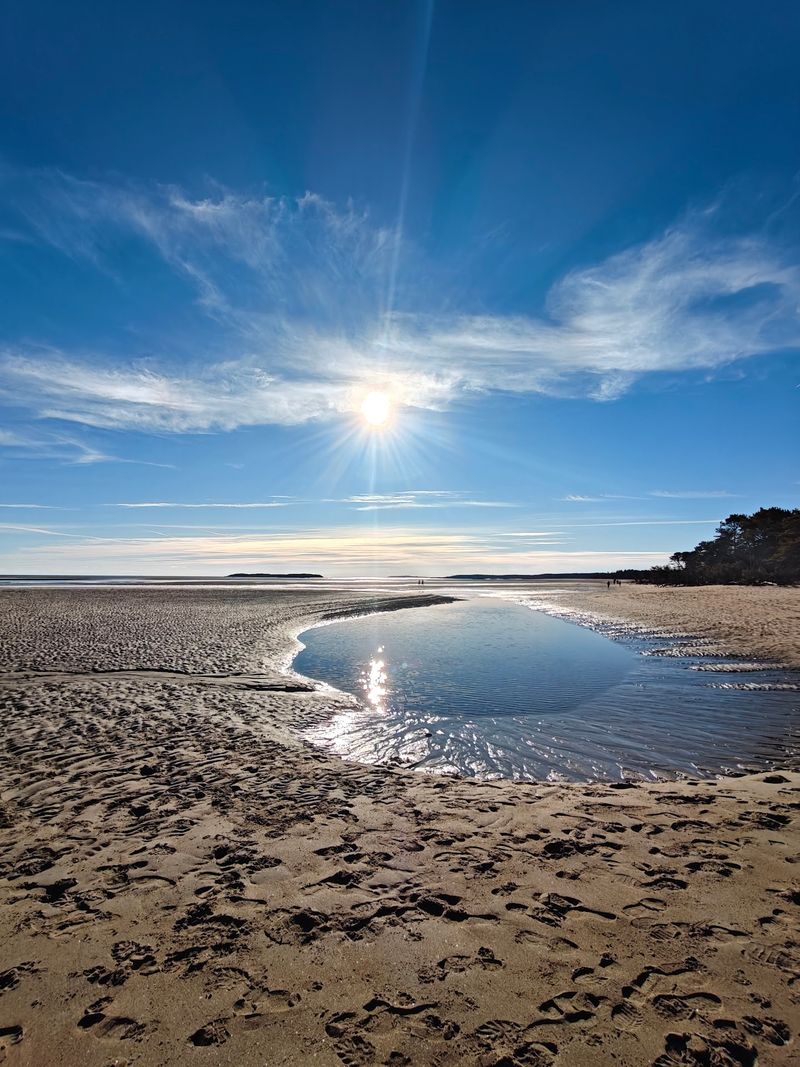
The tricky part is that these spots can look just like the rest of the beach. There is no big sign painted on the sand saying “soft spot here.” That is why the park shares updates on its beach conditions page and why rangers keep an eye on the area.
My best tip is to slow down near wet, shiny patches, especially close to the river. Watch for sand that ripples or looks darker than the area around it.
Kids love to run full speed across a beach, so give them a quick heads-up before they sprint off. A few careful steps can save you a muddy, sticky surprise and keep the fun rolling all afternoon.
Blame It On The Morse River
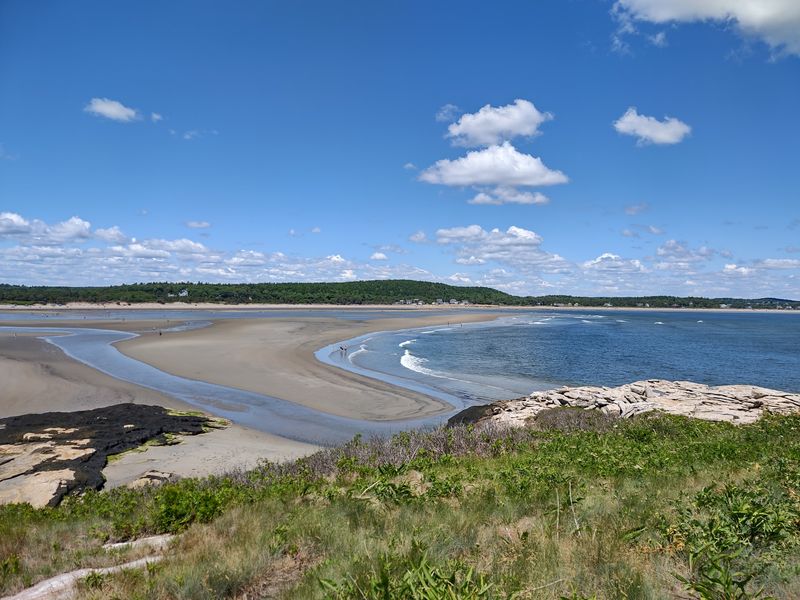
Rivers are supposed to stay in their lanes, but the Morse River did not get the memo. It used to flow around the beach.
Now it cuts right through it, and that change is the main reason the sand turns so squishy.
When river water seeps into the beach, the sand soaks up more water than it can hold. Scientists call this supersaturated sand.
The grains float apart a little, so they cannot push back when you step on them, and down you go.
Think of it this way: dry sand packs tightly and holds you up. Sand stuffed with water loses that grip and becomes loose and shaky.
Add the rising and falling tides, and you get spots that change from hour to hour.
On my visit, I spent some time watching the river slide across the sand at low tide. It was honestly beautiful, with little channels shining in the sun and small fish darting through the shallows.
Just know that the prettiest wet areas near the river are often the softest. Admire them with your eyes first, then test the ground with a careful toe before trusting it with your whole body.
Good News: You Won’t Disappear
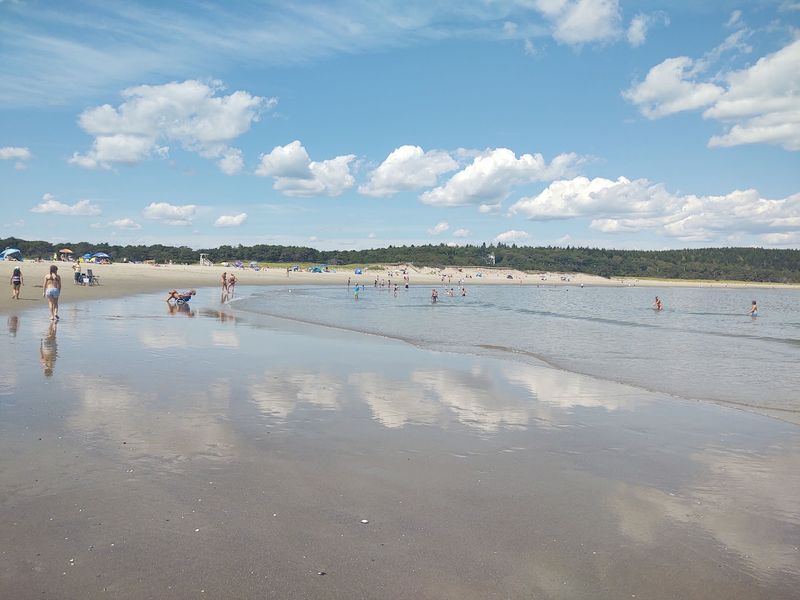
Movies have taught us that quicksand slurps people up whole. Real life is much less dramatic, and honestly a lot more comical.
At this beach, people usually sink to their ankles, knees, or sometimes their waist, and then they stop.
The reason is buoyancy. Your body is lighter than the soupy mix of sand and water, so it pushes you back up the deeper you go.
You might feel stuck, but you are not going to vanish like a cartoon villain.
That does not mean it is fun to be trapped. Being stuck can feel scary, cold, and tiring, especially when the tide is moving or you are far from other people.
Kids may panic more than adults, so talking about it ahead of time helps.
I like to share this fact with friends before we walk near the river. Knowing the truth turns fear into something more like curiosity.
Instead of worrying, you can focus on staying smart and alert. And if someone does sink a little, you will have a funny story to tell on the ride home, along with some very sandy socks that will need a serious wash.
How To Wiggle Free
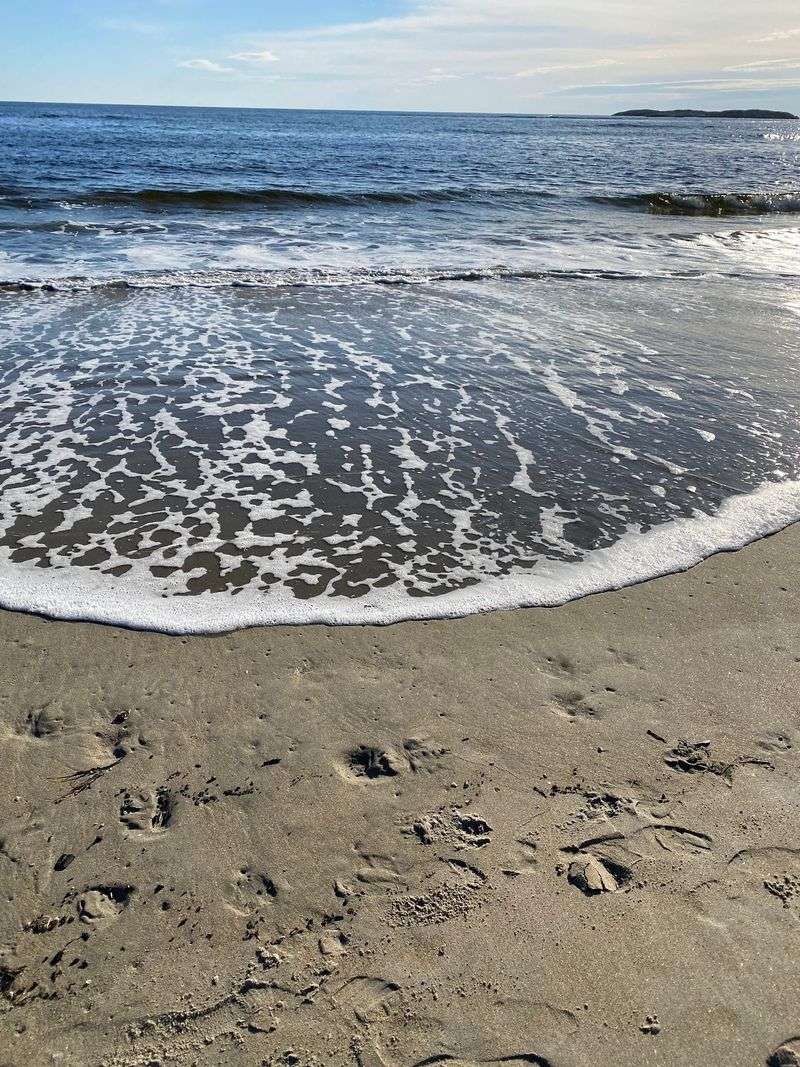
Stay calm. That is rule number one from park officials, and it really matters.
Thrashing around only helps the sand pack tighter around your legs.
Next, spread your arms and legs out as much as you can. This spreads your weight over a bigger area, so you sit on top of the sand instead of pushing down into it.
Then lean forward or backward and slowly wiggle your legs free, a little at a time.
Slow and steady really wins this race. Small back-and-forth movements let water slip into the space around your legs, which loosens the grip.
Pulling straight up with all your strength usually does not work and can make you tired fast.
If you still cannot get out, call for help. Lifeguards are on duty during the busy season, and rangers patrol the park.
Friends nearby can also lend a hand, but they should stay on firm ground while they help.
Before my walk, I made a little plan with my group about what to do if one of us sank. It took about one minute to talk through.
That small chat made everyone feel braver, and it kept the day feeling like an adventure instead of a worry.
A Beach That Never Sits Still
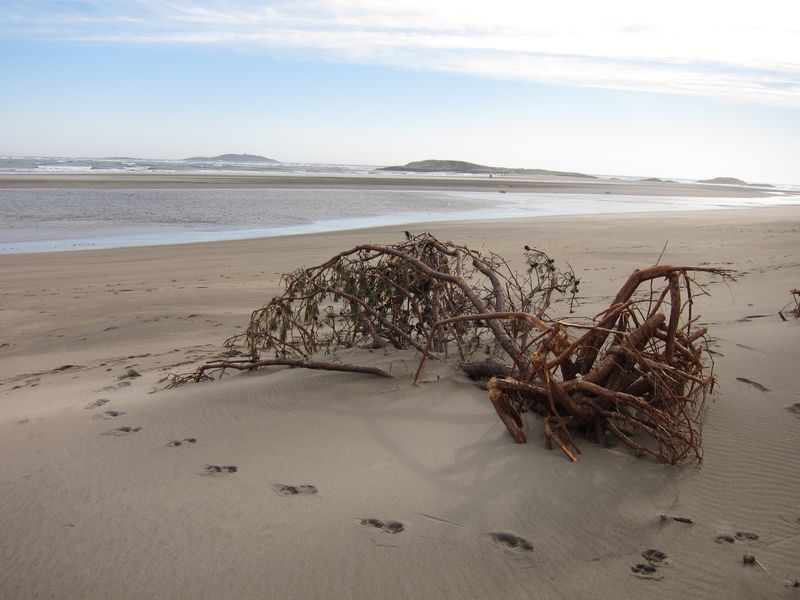
Come back after a year and you might not recognize the place. Sand here moves constantly, shifting with waves, wind, tides, and the wandering river.
The beach is famous for being dynamic, which is a fancy word for always changing.
Dunes erode, shorelines creep in and out, and channels open in new places. Winter storms can make these changes even bigger, and some experts think stronger storms may be connected to climate change.
In some spots, you can see trees near the dunes with their roots showing because the sand washed away.
As a visitor, you can help protect what is left. Stay off the dune grass and the beach plants, since their roots hold the sand together.
During certain seasons, birds nest on the beach, so give marked areas plenty of space.
I find this part fascinating. The beach feels alive, like it is rearranging its furniture every season.
Bring a camera and take pictures from the same spot each time you visit, and you will build your own little science project. It is a fun way to see how wind and water shape the coast, and it gives you a great excuse to keep coming back.
Sandbars, Tide Pools And Fox Island
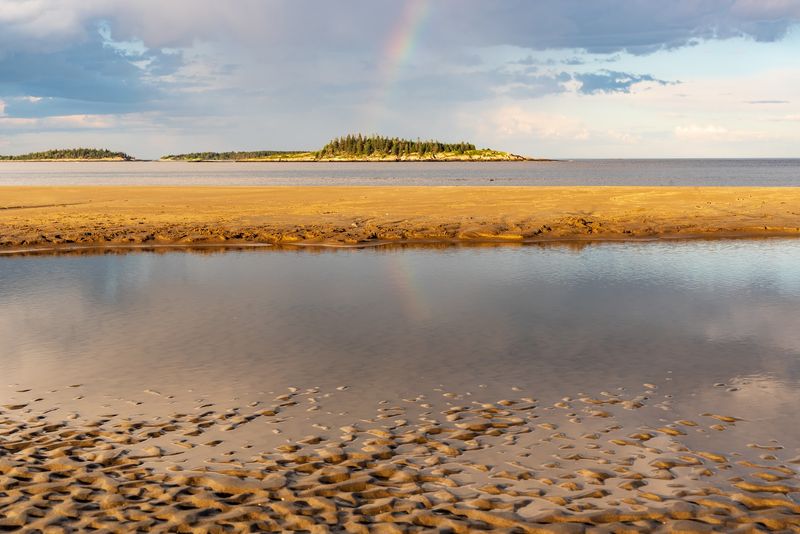
Low tide is when the real magic happens. The water pulls way back, and suddenly you can walk across a sandbar to Fox Island, a rocky little spot just offshore.
Climbing those rocks gives you a great view of the whole coastline.
Just keep a close eye on the clock. The tide comes back in, and if you linger too long, you could be stranded on the island until the water drops again.
Check a tide chart before you go and give yourself plenty of time to walk back.
Along the way, the flats are packed with shallow pools. I spotted tiny crabs, clams, and little fish zipping around in the warm puddles.
Kids can spend hours hunting for sea creatures here, and grown-ups often get just as hooked.
Swimming, surfing, beachcombing, and picnicking are also popular here. The water is chilly most of the year, though it warms up best in August.
Surfers like to ride the waves as the tide moves in and out.
Bring water shoes for the rocks and a small bucket for looking at critters. Just remember to put every creature back where you found it, so the next explorer gets a turn too.
Big Park, Handy Perks
With 605 acres to roam, this park has room to spread out. It is also the highest volume day-use state park in Maine, which means a lot of people come through on sunny days.
Thankfully, the comforts are solid. There are bathhouses with changing rooms, restrooms, and freshwater rinse-off showers to wash away all that sand, including any extra you picked up from a soft spot.
Picnic areas make lunch easy, and a covered walkway leads from the parking lot toward the beach.
Timing is everything on busy summer days. The parking lot can fill up, and when it does, more cars are not allowed in.
Arriving early in the morning is the easiest way to grab a spot and a quiet stretch of sand.
Watch out for the seagulls, too. They are bold snack thieves and will happily poke into an open bag.
Keep food covered and close by.
As my day wrapped up, I rinsed my feet, looked back at the shining sand, and smiled at how much this beach packs in. Islands, tide pools, a wandering river, and a little bit of squishy mystery.
Just watch your step, and the shoreline will treat you well.