
See Centuries-Old Renaissance Art Without Crossing An Ocean At This Free Arizona Museum
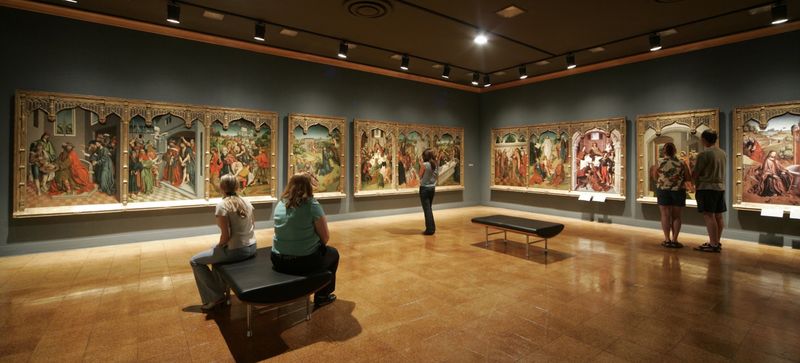
A Spanish altarpiece older than the printing press in Europe is hanging in the Arizona desert, and most people drive right past it. It is not a replica or a poster.
It is the real thing, painted in the 1400s, waiting quietly inside a museum that asks nothing at the door. For anyone who has dreamed of seeing Renaissance masterpieces but balked at the cost of a trip to Europe, this find may be the best-kept art secret in the state.
A Campus Treasure Chest in the Heart of Tucson
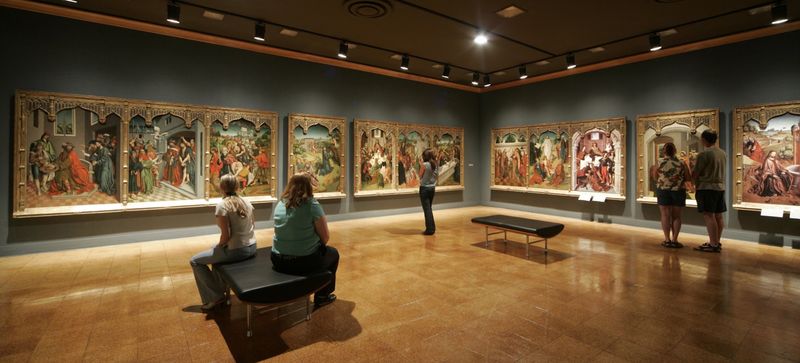
Walk onto the University of Arizona campus in Tucson and you will find students with backpacks, palm trees, and red brick buildings. Somewhere in that busy mix sits the University of Arizona Museum of Art, at 1031 N Olive Rd, near the campus fine arts area.
From the outside, it looks fairly modest. Inside, though, the galleries cover roughly five centuries of creativity, stretching from the Renaissance all the way to the 20th century.
Paintings, sculptures, prints, and drawings fill two stories of exhibition space, mixing European masters with American icons.
Many people assume a university museum holds only student projects or a few dusty portraits. That guess would be wrong here.
The collection ranks as a serious academic art museum, the kind that draws museum professionals in town for conferences and leaves them wishing they had blocked out more time.
For Arizona locals, the real charm is how easy it is to reach. No passport, no long flight, no jet lag.
A short drive or a day trip from Phoenix puts you face to face with art that was painted when Columbus was still a young sailor. Not bad for an afternoon outing.
How European Masterworks Landed in the Sonoran Desert
Ever wonder how a desert college town ended up with Italian Renaissance paintings? The answer involves a generous collector named Samuel H.
Kress and a big idea about sharing art with everyone.
Kress gathered a huge collection of European art and later spread it among museums across the United States. His goal was simple: let regular people see great paintings close to home, instead of only in New York or overseas.
Tucson was one of the lucky places to receive a portion.
Thanks to that gift, the museum holds 64 European artworks from the Kress Collection alone. They range from the 14th century to the early 19th century.
That is about 500 years of history packed into a handful of rooms.
Over time, the museum kept growing. It added modern and contemporary pieces, sculptures, and prints, building a collection that now feels surprisingly well rounded for its size.
Here is a fun way to think about it. Some of these paintings were already hundreds of years old when Arizona became a state in 1912.
They have traveled across oceans and centuries, and now they rest in a cool, quiet building just steps from saguaro-dotted streets.
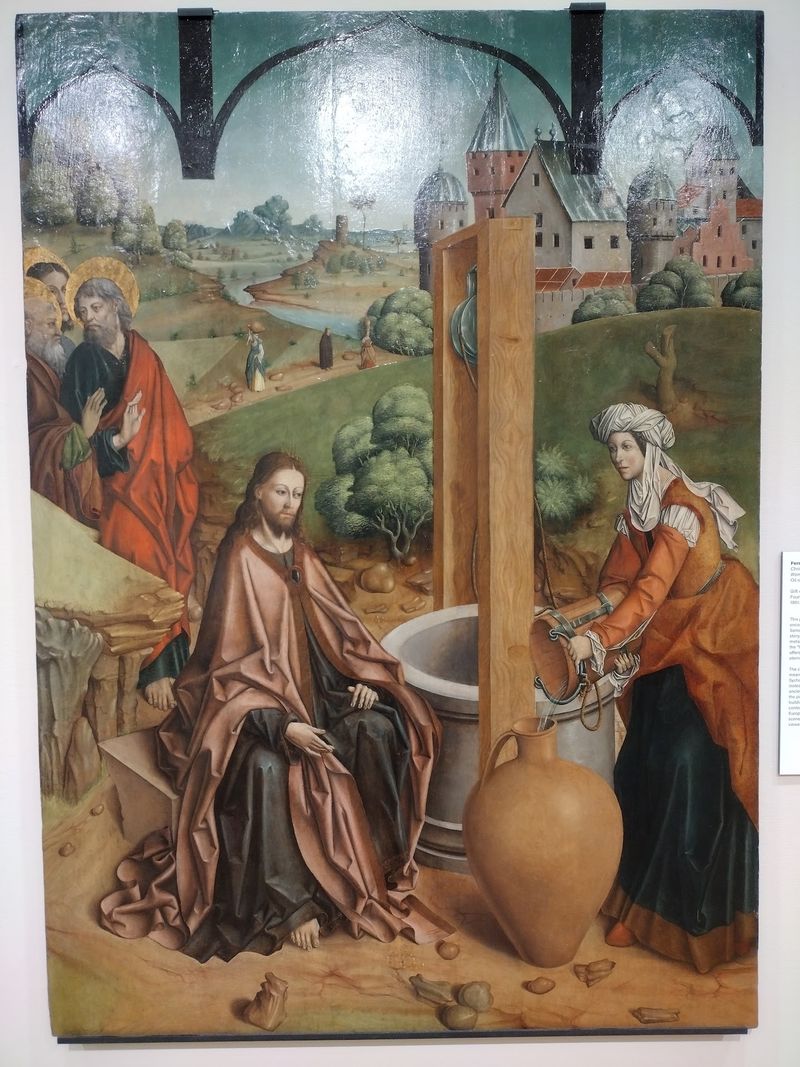
The Altarpiece from Ciudad Rodrigo
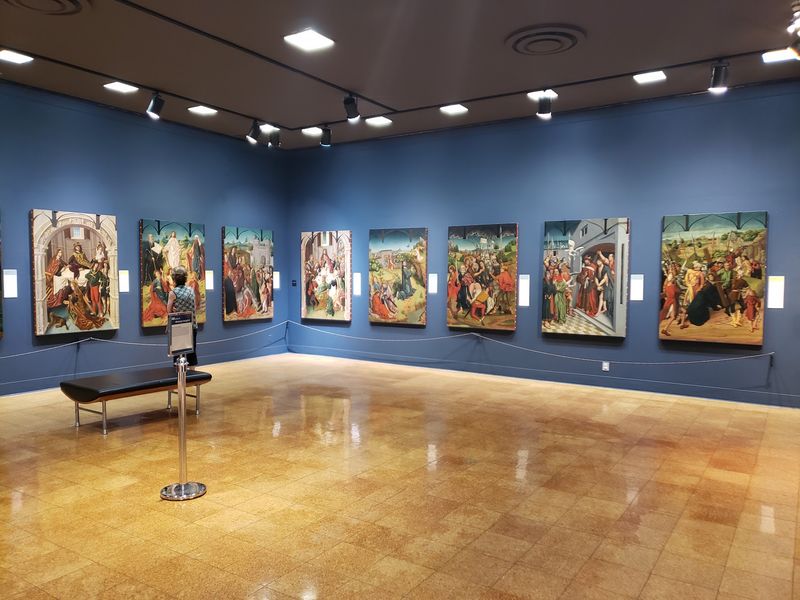
Twenty-six painted panels. One enormous wall.
A story that begins with the creation of the world and ends with the Last Judgment. The Altarpiece from Ciudad Rodrigo is the showstopper, and it earns every bit of that title.
Painted in 15th-century Spain, this towering work once stood in a church, telling Bible stories to people who often could not read. Each panel works like a page in a picture book.
Your eyes move from scene to scene, following the tale panel by panel.
What makes it truly rare is that it has stayed together. Many altarpieces from that era were broken apart long ago, with single panels sold off and scattered to museums and private homes around the globe.
Seeing a nearly complete one in a single room is a special experience, and in Arizona, it feels almost unbelievable.
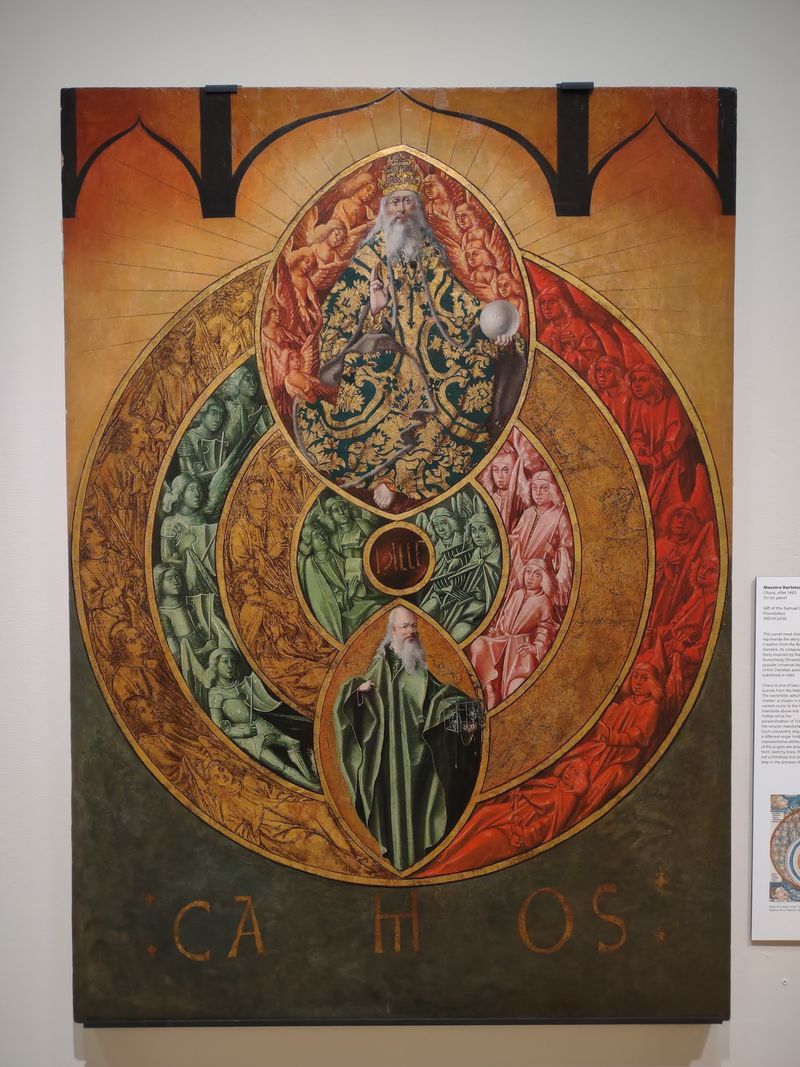
Bring patience and maybe reading glasses. The details reward a slow look: tiny faces, glowing gold backgrounds, and rich reds and blues that have lasted more than 500 years.
Visitors often call it one of the museum’s greatest hits, worth the entire trip on its own. Stand back first for the full effect, then step close.
Portraits, Myths, and Masters in the Kress Galleries
Tintoretto. Rembrandt.
Jusepe de Ribera. Those names usually belong in guidebooks for Venice, Amsterdam, or Madrid, yet their work appears right here in Tucson.
The Kress galleries lean heavily toward Italian Renaissance painting. Expect elegant portraits, scenes from ancient myths, and religious stories painted with deep color and careful light.
Together, they show what artists were busy creating during the early modern period and how styles shifted from one region to another.
A few pieces tend to stop people in their tracks. Look for the Portrait of the Marchesa Cunegonda Misciatelli and The Countess von Schonfeld with Her Daughter, two works that regulars describe as reason enough to visit.
The Sacrifice of Iphigenia offers drama straight out of Greek legend.
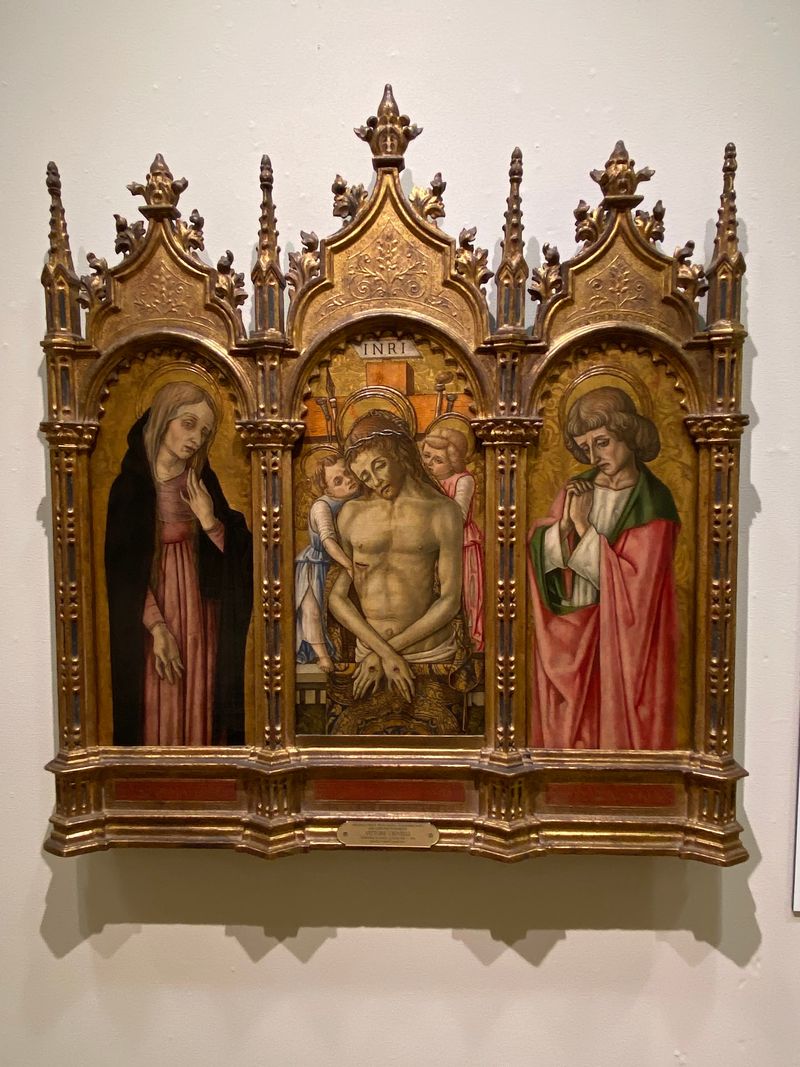
Keep an eye out for the small Tabernacle with Scenes from the Life of Christ, too. It is easy to miss because of its size, so slow down and search for it.
One curious detail many guests notice is how calm the painted faces look. Old portraits rarely show big smiles.
Sitting still for hours tends to do that, and formal manners of the time expected serious, dignified expressions.
Fine Lines on Paper From Durer to Goya
Paintings grab attention first, but some of the most amazing skill in the building fits on a sheet of paper. The European collection includes engravings, etchings, and drawings from the early modern era.
Albrecht Durer, the German artist famous for his incredibly fine lines, is part of the group. So is Francisco de Goya, the Spanish master known for bold, sometimes moody images.
Giovanni Battista Piranesi rounds out the trio with his grand views of Roman buildings and ruins.
Why should prints matter to a casual visitor? Think of them as the social media of their day.
Artists could make many copies, so ideas and styles spread from city to city across Europe. A print by Durer might have traveled farther than the artist ever did.
Getting close is the secret. The tiny cross-hatched lines create shadows, textures, and even the feel of fabric or stone.
It is hard to believe someone carved these by hand into metal or wood.
Works on paper are delicate and sensitive to light, so what is on view can change. Each visit may bring a different set of treasures, which gives return trips an extra bit of fun.
A Modern Wing With a Famous Comeback Story
Jump forward a few hundred years, and the mood changes completely. The modern gallery bursts with color, bold shapes, and big names, and many guests call it the highlight of their day.
The star is Woman-Ochre by Willem de Kooning. This painting vanished from the museum in 1985 and was missing for decades before it was recovered and brought home.
Its journey was even featured in a documentary, and some people now visit just to see it in person. Having it back on the wall feels like a hometown celebration.
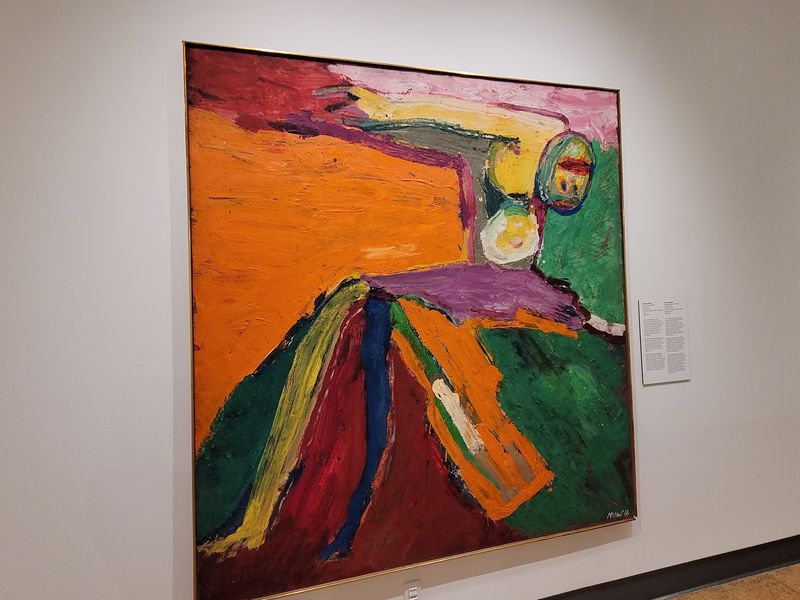
Nearby, you may find a cool, glowing canvas by Mark Rothko, plus works by Jackson Pollock, Lee Krasner, Georgia O’Keeffe, and Karel Appel. A striking piece by Robert Colescott and a small but lovely group of Jacques Lipchitz sculptures add even more variety.
If old masters feel a bit formal, the modern rooms offer a playful contrast. Splatters, drips, and bright blocks of color invite you to ask what you see rather than what you are supposed to see.
Seeing Renaissance gold leaf and abstract expressionism under one roof is a treat. Few places in Arizona offer such a wide timeline in one afternoon.
Rotating Shows, Young Artists, and an Open-Air Courtyard
No two visits look exactly alike. Alongside the permanent collection, the museum regularly brings in temporary exhibitions, so the walls keep shifting throughout the year.
Past shows have included Surrealist works, a photography exhibit by Burhan Dogancay, a collection by Umar Rashid, paintings from a chapel, and a community-focused show highlighting queer artists. The range keeps things fresh for regulars and gives first-timers a nice surprise.
One of the sweetest touches is the space given to local students. Exhibits featuring work by Tucson schools and teen artists often pop up, and visitors are frequently impressed by how imaginative these young creators are.
Seeing a high schooler’s piece a few rooms away from a centuries-old masterpiece sends a warm message about where art can lead.
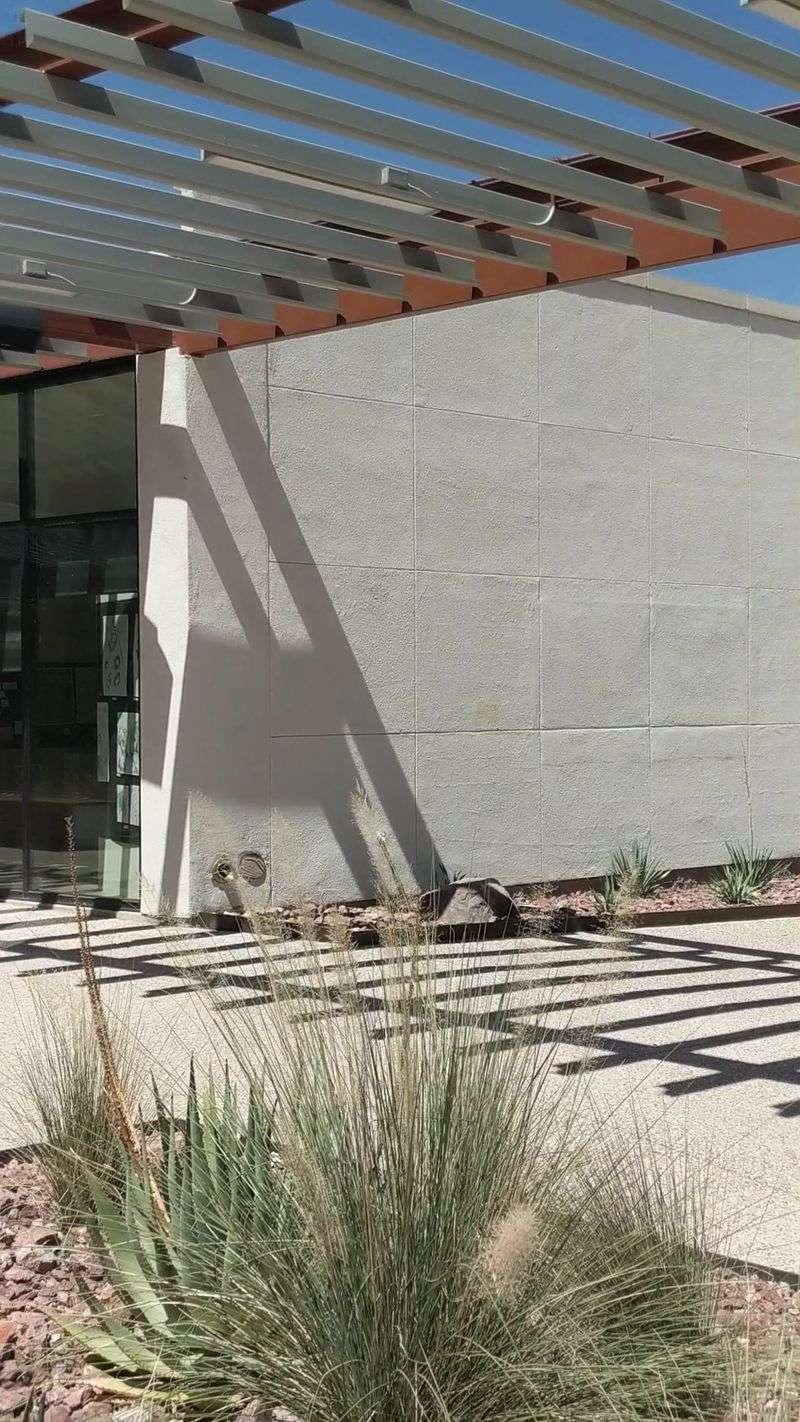
Step outside, and the experience continues. A lovely courtyard sits in front of the building, with outdoor sculptures you can enjoy anytime.
On a mild Arizona morning, it makes a pleasant spot to pause before or after your gallery stroll.
Because parts of the museum occasionally close between exhibitions, checking what is on view before you go can save you from missing a gallery you were excited to see.
Quiet Rooms, Friendly Guides, and Who Will Love It
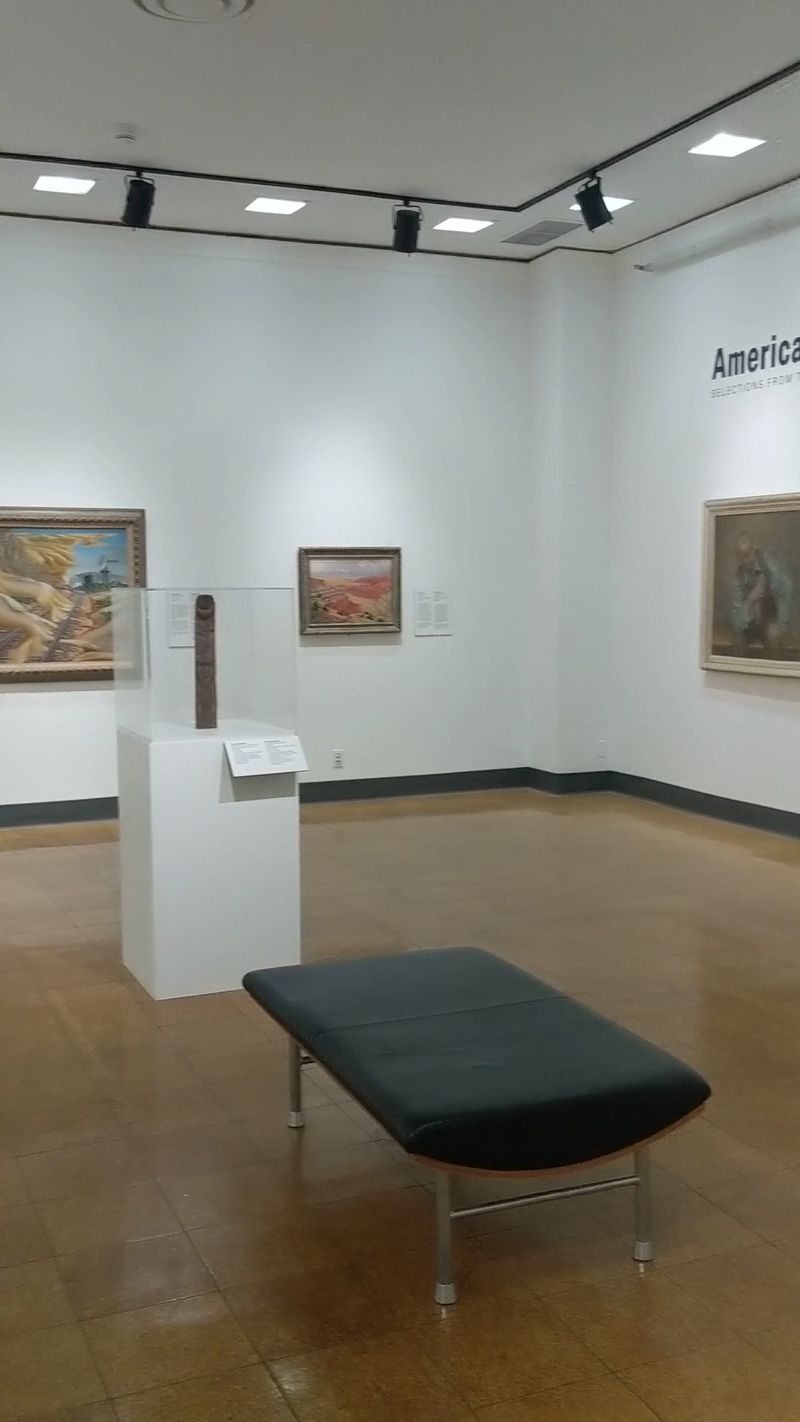
Calm is the word that fits best. The galleries tend to feel relaxed and uncrowded, with plenty of room to linger without being rushed along by a crowd.
Staff members get frequent praise for being warm and helpful. They give people space to wander but are happy to answer questions.
One longtime fan even mentioned being offered a small stool to sit in front of a favorite painting when no bench was nearby. Docent-led tours are available too, and guides often share their excitement in a way that makes the art click.
So who should go? Retirees looking for a peaceful, low-cost outing will feel right at home.
Families can use it as a living history lesson, since the works span religion, myth, portraiture, and modern ideas that spark good conversations with kids.
Art students and serious fans could easily spend half a day here. Some visitors have stayed more than six hours and still wanted more.
Casual browsers, meanwhile, can enjoy a satisfying loop in about two hours.
The museum is also wheelchair accessible, which helps make it a comfortable choice for a wide range of guests and mixed-age groups.
Hours, Parking, and Finding the Front Door
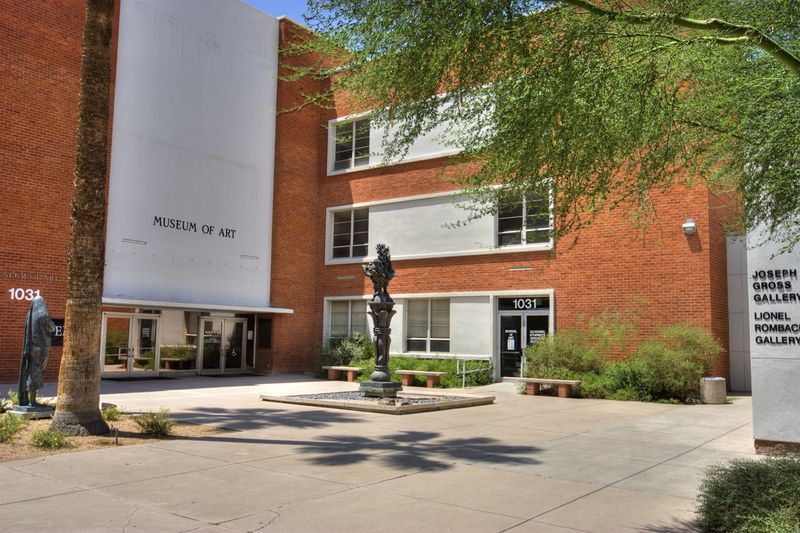
Plan ahead a little, and the visit goes smoothly. The museum is open Tuesday through Saturday from 10 AM to 4:30 PM and closed on Sundays and Mondays.
Admission is the happy part. Recent visitors report free entry, which makes this one of the best values for art lovers in Arizona.
Policies can change over time, so a quick check before you leave home is smart.
Parking takes a bit more thought. Street spots near campus are hard to come by, so the museum recommends the Park Avenue Garage.
Recent visitors mention garage rates of around $2.25 per hour, a small price for hours of world-class art.
Finding the entrance can be the trickiest step. The building sits tucked inside the campus with no obvious sign visible from the street, and some first-timers wander a bit.
The museum’s own website offers walking directions from the garage to the door, and these tend to work better than map apps alone.
Summer tip: Tucson afternoons can be scorching, so the indoor galleries make an excellent escape from the heat. Arrive in the morning, park, follow the directions, and enjoy the cool rooms while the desert bakes outside.
Worth the Drive for Renaissance Gold in the Desert
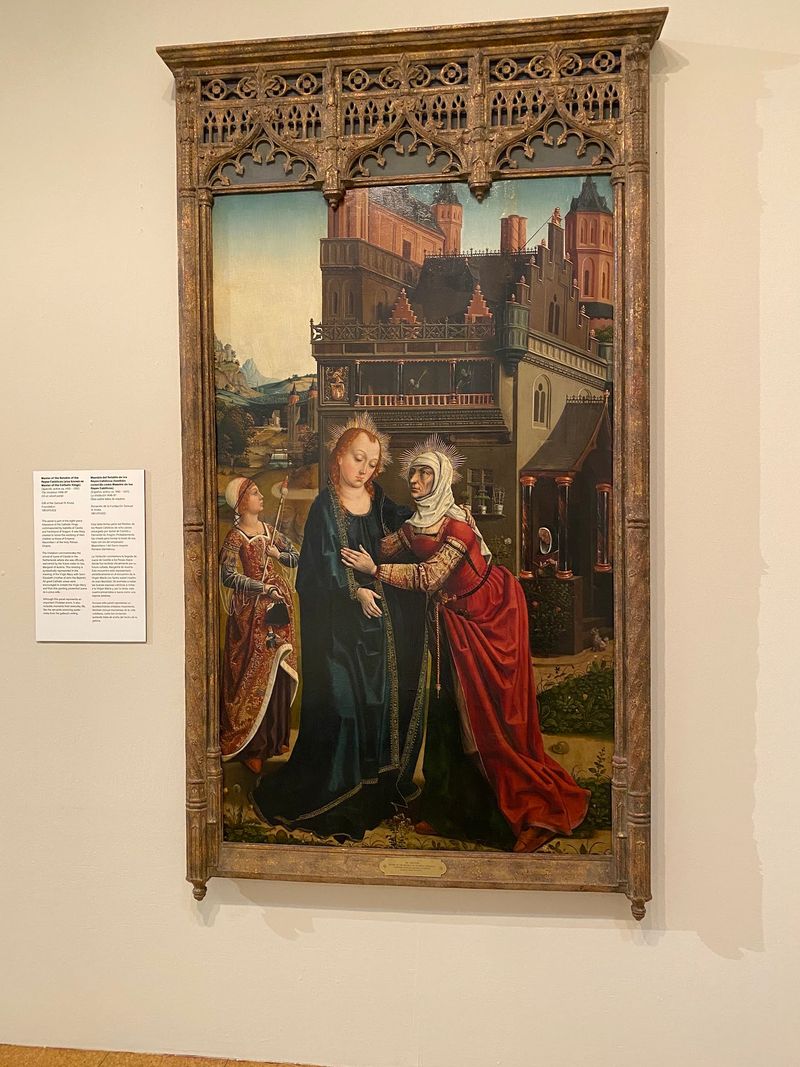
Europe can wait. At least for an afternoon, a little corner of the University of Arizona campus delivers the kind of art most people only expect to see after a long and pricey flight.
Consider what you get for the cost of parking. A rare 15th-century Spanish altarpiece that has stayed nearly whole.
Dozens of Kress Collection paintings, including names like Tintoretto and Rembrandt. Delicate prints by Durer and Goya.
A modern gallery where a famous de Kooning returned after a decades-long disappearance.
Toss in friendly staff, quiet rooms, student showcases, and an outdoor sculpture courtyard, and the value becomes hard to beat.
It is not a giant museum, and that may be its secret strength. You can actually see everything without feeling worn out, then come back months later when new exhibits arrive.
Many guests leave already planning a return trip, and some even fold it into an annual Tucson tradition.
For in-the-know Arizonans who love finding big wonders in small packages, this spot belongs on the list. Grab a friend, pick a weekday morning, and go see centuries of beauty waiting just down the road.
Your wallet will thank you.