
11 Colorado Mountain Lakes Worth Seeing Before Winter Closes In
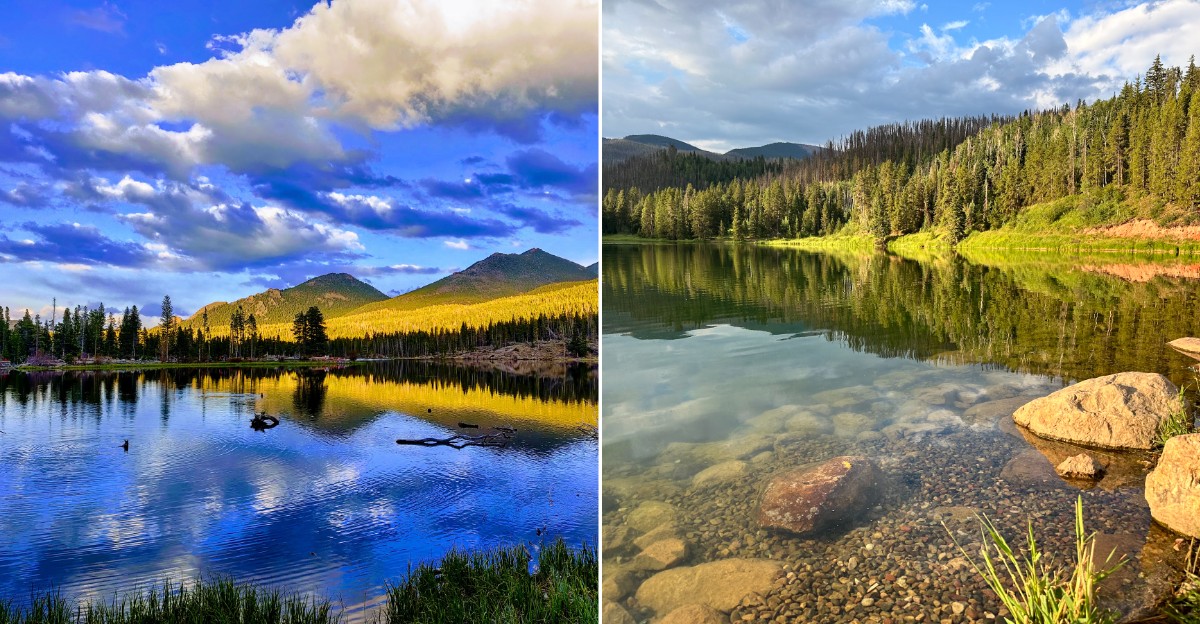
There is something strangely urgent about a mountain lake in autumn. Maybe it is the golden trees reflected in still water, or the knowledge that snow could soon make the journey impossible.
Either way, these are views worth rearranging your weekend for. Before winter closes in, Colorado’s mountain lakes offer one last opportunity to trade crowded schedules for spectacular scenery.
Some are conveniently close to town, perfect for an easy afternoon escape. Others demand more planning, with winding roads and trails that make reaching the shoreline part of the adventure.
But here is the catch: autumn does not guarantee easy access. Shorter daylight hours, unpredictable conditions, and approaching snowfall can change your plans quickly.
From sprawling reservoirs to quiet alpine waters beneath rugged peaks, the landscape of Colorado looks especially dramatic as the seasons shift. Check road and trail conditions, pack your camera, and catch those mountain reflections while autumn still has the stage.
1. Maroon Lake, Near Aspen
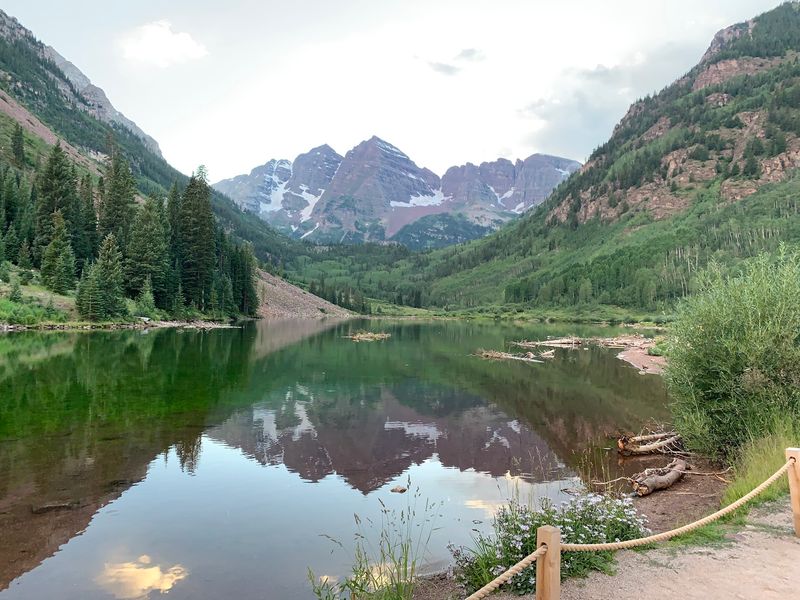
A mountain view can be famous and still earn your attention. At Maroon Lake, the Maroon Bells rise behind the water, creating one of Colorado’s most recognized landscapes without requiring a long hike to see it.
The lake sits in the Maroon Creek valley near Aspen, where aspen forests add another reason to consider an autumn visit. Leaves follow the weather, not your vacation calendar, so treat fall color as a possible bonus rather than a promised feature.
Access deserves more thought than your camera settings. Seasonal rules require shuttle or parking reservations during designated periods, and the road can be affected by weather as autumn advances.
Check the official Maroon Bells reservation system before setting out, including the rules for your arrival time and vehicle. A reservation does not remove the need to check road conditions, especially when snow enters the forecast.
Once there, give the shoreline view some time instead of treating it as a quick photo assignment. Stay on established paths, pack a warm layer, and leave room in your plans for a shorter visit if conditions change.
The appeal is direct: lake, forest, and two unmistakable peaks sharing one frame. Your phone may finally have a landscape worthy of its storage space.
2. Twin Lakes, Near Leadville
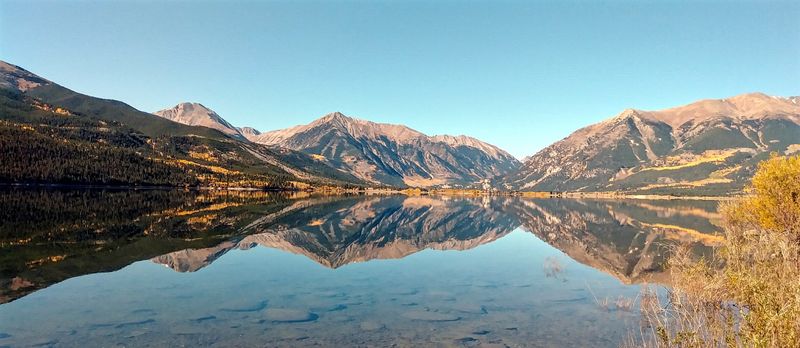
Big water changes the scale of a mountain outing. Twin Lakes spreads beneath the Sawatch Range near Leadville, with Mount Elbert, Colorado’s tallest mountain, helping give the setting its considerable sense of size.
Despite the natural sounding name, these are two reservoirs. Their broad surfaces and surrounding roads make them a useful choice for travelers who want mountain scenery without committing to an alpine hike.
The historic village of Twin Lakes provides a clear destination for your route planning. Use designated public access areas around the water rather than assuming every roadside opening is a legal place to park.
Autumn access is generally less complicated than reaching lakes at the end of high mountain roads, but conditions still matter. Nearby Independence Pass is seasonal, so do not build a late fall route around crossing it without checking its status.
Bring a paper map or downloaded directions if you plan to explore beyond the village. Shoreline facilities can have seasonal schedules, and a picnic works better when you already know where you can stop.
For a couple sharing a drive or a family balancing different energy levels, the attraction is flexibility. You can appreciate the water and mountain backdrop without making the day depend on one demanding trail.
3. Turquoise Lake, Near Leadville
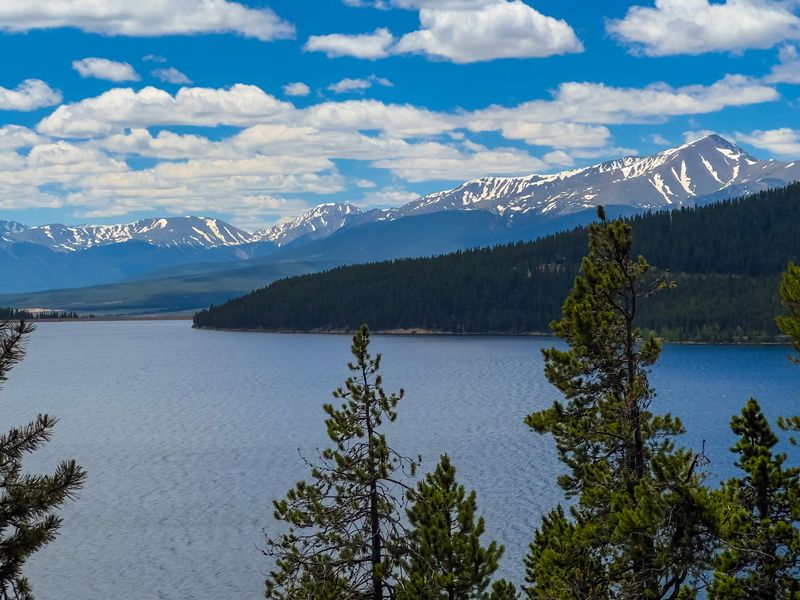
The name sets a fairly high bar for the water. Turquoise Lake, west of Leadville, answers with a broad mountain reservoir bordered by forest and backed by the Sawatch Range.
Unlike a small alpine lake reached only on foot, it belongs to a developed recreation area with roads, picnic areas, and shoreline access. That makes it a practical option when your group wants a lake day rather than a hiking challenge.
The surrounding forest gives the outing a different feel from the open views at nearby Twin Lakes. Look for designated lakeside stops where you can study the water and mountains without turning a narrow road shoulder into an improvised parking lot.
Fall planning requires separating access to the reservoir from access to every facility around it. Campgrounds, individual roads, and other developed areas may close seasonally even when some shoreline viewpoints remain reachable.
Check current Forest Service information before choosing a specific stop. Leadville’s high elevation also makes warm clothing and a weather check sensible, even when the calendar still says autumn.
Pack lunch only after confirming your intended picnic area is available. The useful lesson here is simple: a lake can remain on the map while your preferred table takes the season off.
4. Dillon Reservoir, Dillon and Frisco
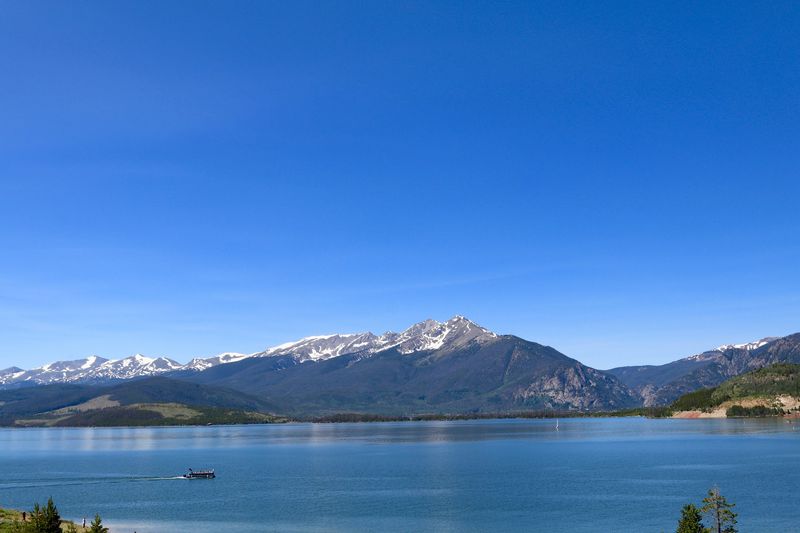
Not every mountain lake outing needs hiking boots and a grand plan. Dillon Reservoir places broad water views beside Dillon and Frisco, making it a convenient stop during a drive through Summit County.
The reservoir is part of Denver Water’s system, but its setting feels firmly tied to the mountains. Surrounding peaks and a long shoreline give you several ways to frame the scene from established public areas.
For autumn travelers, the town connection is especially useful. Viewing the lake does not depend on booking a boat or finding an operating marina, since public shoreline viewpoints provide another way to enjoy it.
Choose your access point before arriving rather than following every road that seems to head toward water. Some recreation facilities and boating services operate seasonally, while paths can develop icy patches as temperatures fall.
A short walk may suit a family stop better than a full afternoon outside. Carry layers, check the forecast, and let the actual conditions decide how far you wander.
Dillon Reservoir also works for travelers who want mountains without leaving practical comforts far behind. You can build the visit around a shoreline view, then return to town when your companions decide that lunch deserves equal billing with the scenery.
5. Grand Lake, Grand Lake
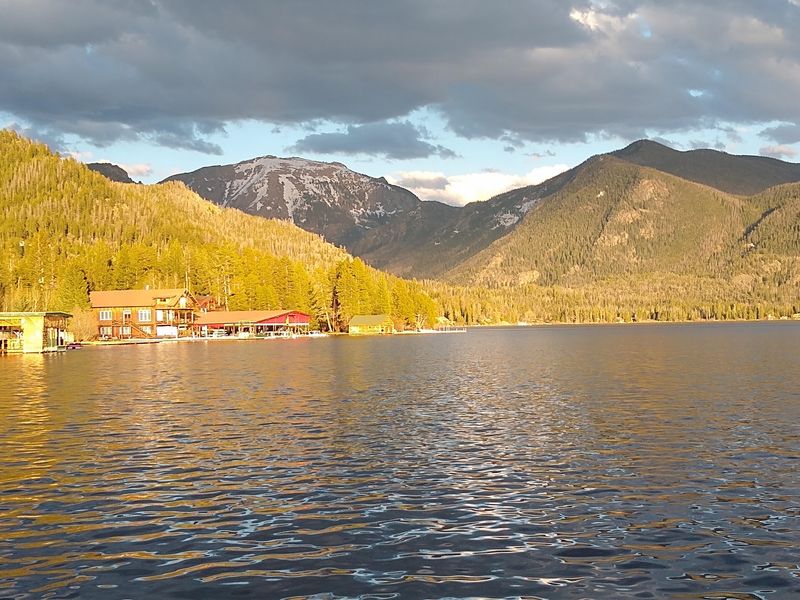
Size is part of the story here, but so is the setting. Grand Lake is Colorado’s largest natural lake, and the town sharing its name gives visitors a lakeside base rather than a remote trailhead.
The public town waterfront lets you appreciate the water without planning an expedition. Mountains frame the lake, while nearby shops and restaurants make it possible to combine outdoor time with a town visit.
That combination suits autumn, when a long afternoon outside may not match everyone’s enthusiasm. Check individual business hours rather than assuming every seasonal operation keeps its summer schedule.
Grand Lake also sits near the western entrance to Rocky Mountain National Park. The important planning detail is that visiting the town does not require crossing Trail Ridge Road from Estes Park.
That high road is seasonal and can close during autumn storms, so map your approach with care. A route that looks tidy on a screen may become a much longer drive when the mountain crossing is unavailable.
Start with the lakefront and add other stops only after checking access. Grand Lake rewards that modest plan: you get a natural lake of unusual size, a mountain backdrop, and a town where the day need not end when the walk does.
6. Lake Granby, Near Granby
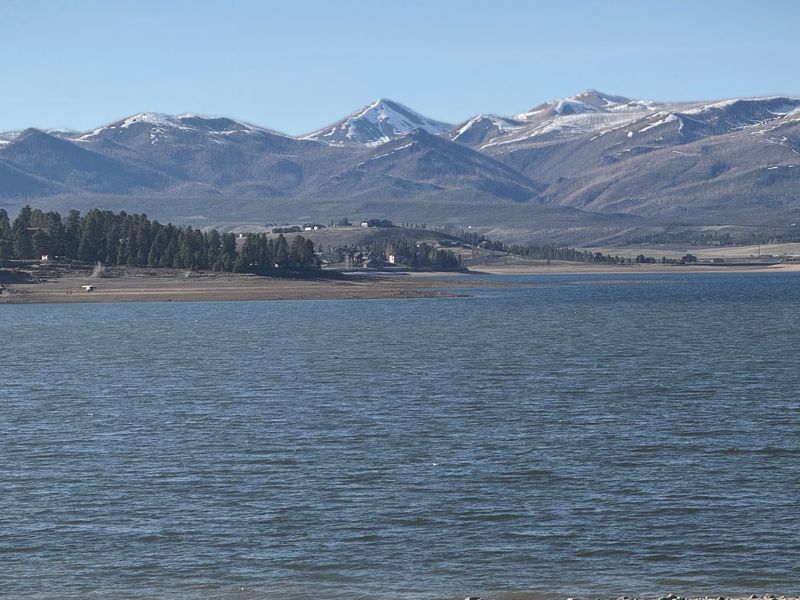
Room to look is the main attraction at Lake Granby. The large reservoir near Granby offers a wider landscape than the compact lakes that often dominate mountain travel photographs.
Forested shores and mountain slopes stretch around the water, making the reservoir itself the center of the outing. Its scale encourages a slower approach: choose a public viewpoint and notice the shape of the shoreline before searching for another stop.
US Highway 34 follows part of the reservoir corridor, providing a useful framework for planning your visit. Public access areas exist around the lake, but not every turnoff or piece of waterfront is open for casual use.
Consult current recreation information for the exact area you intend to visit. Campgrounds, boat ramps, and forest roads may follow different seasonal schedules, so one open access point does not prove that all facilities remain available.
For a road trip, Lake Granby can provide an outdoor break without requiring a long hike. Bring food and water, and avoid making lunch depend on an unconfirmed seasonal facility.
The reservoir also invites a different kind of photograph from a tight mountain reflection. Include a stretch of shore and let the open water show its size; the mountains need not fill every inch.
7. Sprague Lake, Near Estes Park
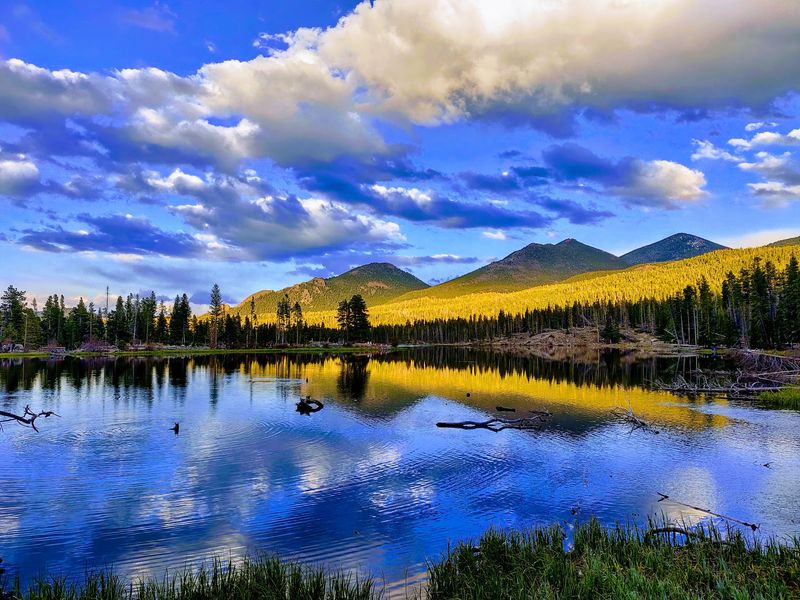
A short loop can still deliver a full mountain scene. Sprague Lake in Rocky Mountain National Park has an approximately 0.8 mile shoreline trail, with views toward peaks along the Continental Divide.
The route is known for its relatively level, accessible design, making it a useful option for visitors who do not want a steep climb. Actual accessibility still depends on conditions, especially once ice or snow reaches the path.
Evergreen forest borders the lake, and the water can reflect the mountains when conditions cooperate. Treat a reflection as an opportunity, not a guarantee written into your travel plans.
Getting there involves the Bear Lake Road corridor, where seasonal timed entry rules can affect your visit. Check the National Park Service reservation calendar for your date, including the separate requirements for this part of the park.
Road maintenance does not mean every autumn visit will feel like summer. Review park alerts, bring warm layers, and ask about trail conditions if anyone in your group needs reliable footing.
Sprague Lake makes sense when you want time beside the water rather than miles on a fitness app. Allow enough room in the schedule to pause along the loop; the short distance is an invitation to linger, not a deadline.
8. Bear Lake, Near Estes Park
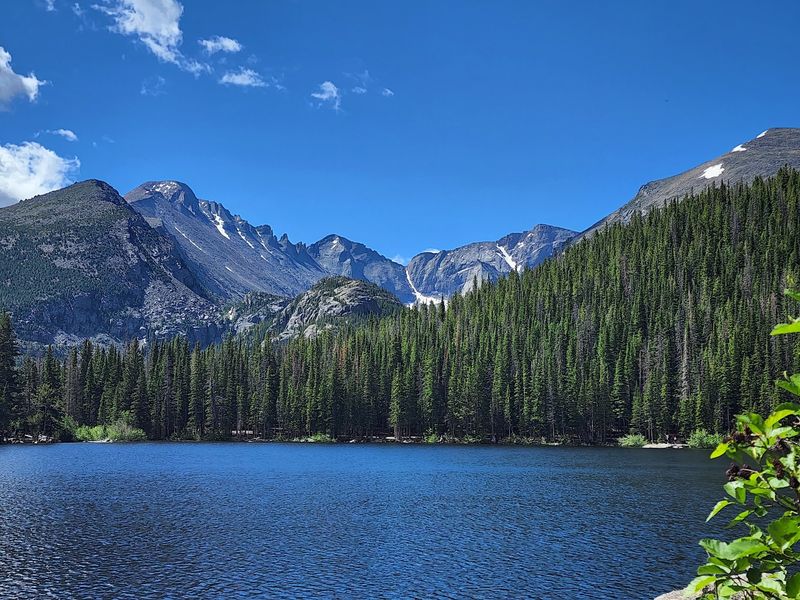
At roughly 9,450 feet, a short walk deserves a little respect. Bear Lake sits high in Rocky Mountain National Park, where Hallett Peak helps give the shoreline its recognizable alpine backdrop.
The loop around the lake is about 0.6 mile, so the distance looks modest on paper. Elevation, uneven footing, and autumn ice can make that small number less useful than a current trail report.
Bear Lake is also a trailhead for longer hikes, but you do not need to add one to justify coming. The lake itself provides a close look at water, forest, rock, and high peaks within a compact area.
Access follows Bear Lake Road, which is maintained for year round travel when conditions allow. Seasonal timed entry requirements apply to the corridor, so review the park’s current rules before choosing an arrival time.
Bring shoes with reliable grip and check whether traction is appropriate for the day’s conditions. Families should be ready to shorten the walk rather than treat the full loop as a promise.
Among Colorado lake stops, Bear Lake is a reminder that easy access and easy conditions are different things. Plan for the elevation, then let the mountain setting supply the reward without adding unnecessary miles to your afternoon.
9. Lily Lake, Near Estes Park
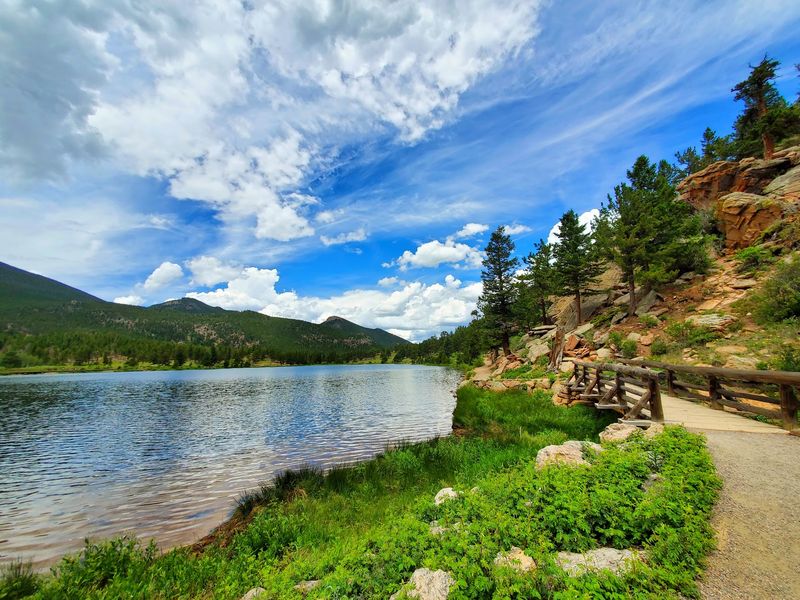
Sometimes the useful detail is the road you do not have to take. Lily Lake lies beside Highway 7 near Estes Park, outside the Bear Lake Road corridor and its separate access zone.
The lake is part of Rocky Mountain National Park, with an approximately 0.8 mile loop around the shore. Its relatively level route offers an approachable way to see mountain scenery without heading deep into the park.
Open views give the walk a different character from the more heavily forested settings at Bear Lake and Sprague Lake. Rather than chasing a single viewpoint, you can let the changing shoreline angle guide what you notice.
Do not confuse its roadside location with a guarantee of clear trails. Autumn weather can affect footing, and parking availability still deserves consideration when you plan the stop.
Check current park entry guidance for your date, even though the lake is outside the Bear Lake Road reservation area. Different locations within the same park can have different access requirements.
Lily Lake suits a brief outdoor break during a drive along Highway 7. Bring water, wear dependable shoes, and allow yourself to turn around if conditions worsen; a modest walk should not become a negotiation with an unexpectedly slippery path that day.
10. Sylvan Lake, Near Eagle
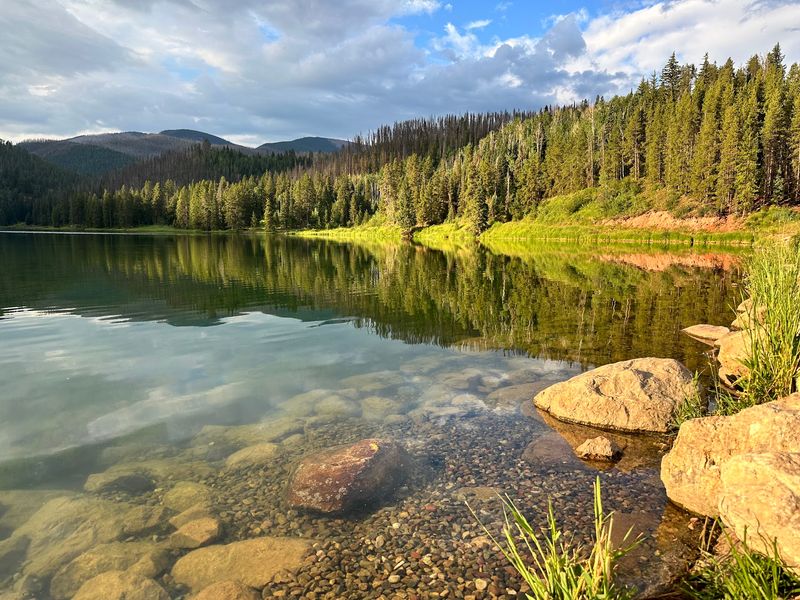
Forty two acres can feel like plenty when the shoreline holds your attention. Sylvan Lake, south of Eagle, offers a smaller scale than the large reservoirs on this list, with aspen and evergreen forests surrounding the water.
The lake anchors Sylvan Lake State Park, where a 1.5 mile lakeshore loop gives visitors a clear walking goal. That distance allows for a fuller outing than a quick viewpoint stop without turning the day into a major hike.
Cabins and other lodging options add another possibility for travelers considering an overnight stay. Check availability and current facility information directly with Colorado Parks and Wildlife before building plans around them.
Water shortages can limit park services, so confirm what is operating rather than relying on older descriptions. Bringing your own drinking water is a sensible step when the park reports water related restrictions.
Autumn conditions also deserve attention on the approach and trail. A park that supports year round recreation may still have seasonal changes in facilities, road conditions, and the equipment visitors need.
Sylvan Lake is a good choice for people who prefer a defined shoreline walk to a sprawling drive between overlooks. Keep the plan focused on the lake, and leave the ambitious schedule at home for once.
11. Ridgway Reservoir, Ridgway
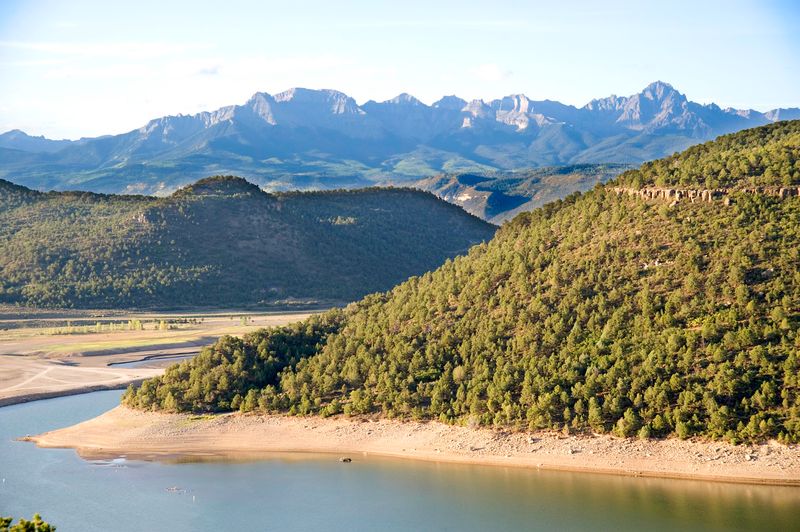
The San Juan Mountains give a lake photograph a strong supporting cast. Ridgway Reservoir, within Ridgway State Park near Ridgway, pairs broad water with the mountain setting of southwestern Colorado.
Unlike a small lake at the end of an alpine trail, the reservoir belongs to a developed state park. Public recreation areas and trails provide ways to appreciate the landscape without making the visit depend on a boat.
The park operates year round, but individual activities and facilities have seasonal limits. In particular, do not assume that an autumn visit includes an open swim beach simply because you remember seeing one in summer photographs.
Check Colorado Parks and Wildlife updates for current access, facility status, and any water related restrictions. Reservoir levels can change the appearance of the shoreline, so recent information is more useful than an old image when choosing a stop.
For a walking or photography visit, select an established public area and carry a warm layer. Leave enough daylight for the return drive rather than stretching the outing around a hoped for sunset.
Ridgway Reservoir closes the list with space, mountain views, and several practical ways to visit. The sensible finish is not a packed itinerary, just a clear forecast and an available shoreline.