
What Travelers Should Know Before Exploring This Remote Wyoming Destination
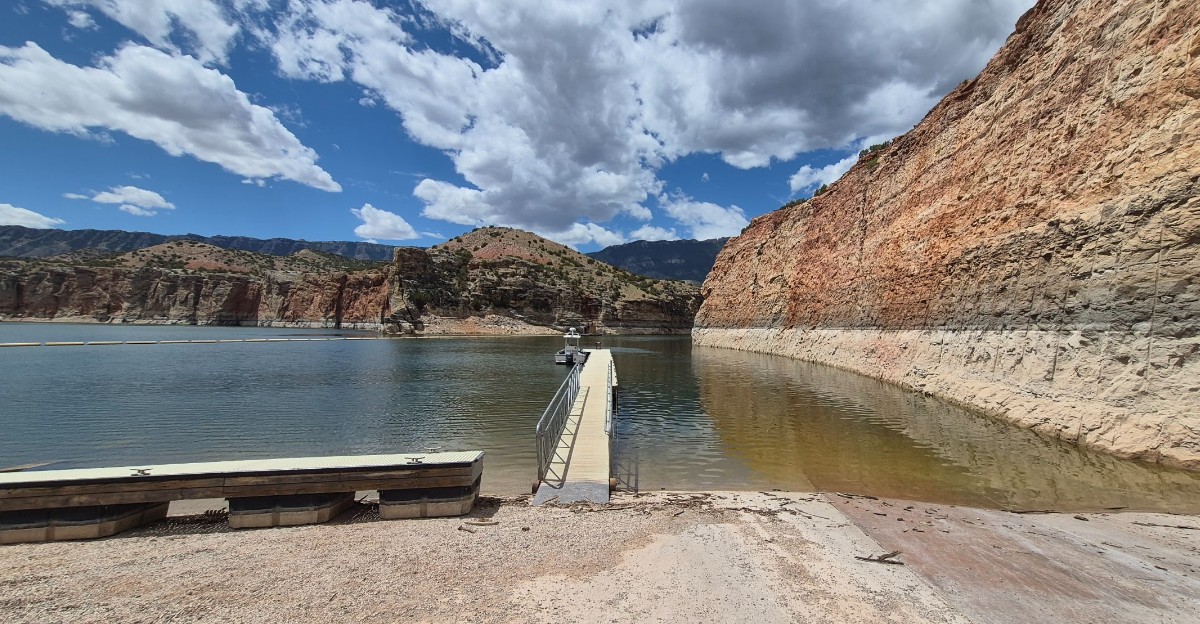
Wyoming has a corner of the map that feels almost too cinematic to be real.
Think towering canyon walls, a winding blue lake, wild horses roaming the surrounding mountains, and enough wide-open scenery to make a phone camera work overtime.
But this isn’t exactly the kind of destination where you hop out of the car and immediately see everything there is to see.
The landscape stretches across a surprisingly large area, and the different sides of the recreation area can take hours to reach from one another. So what’s the secret to enjoying a place this remote?
A little planning, a full tank, and plenty of room on the schedule for those “okay, one more overlook” moments. Because once the canyon opens up in front of you, rushing through it suddenly seems like a very strange idea.
One Park, Two Personalities
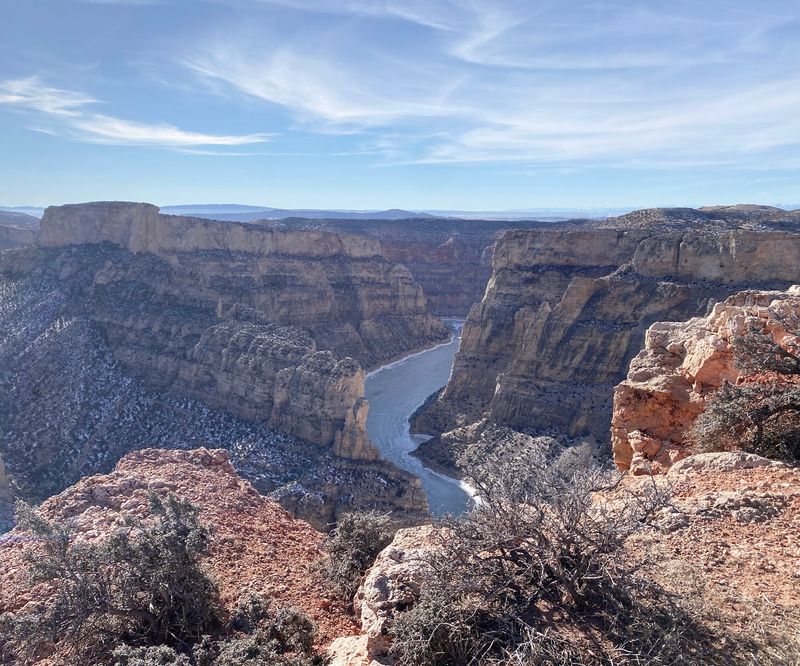
Imagine planning a sleepover at a friend’s house, then learning the bedroom is three hours from the kitchen. Bighorn Canyon works a lot like that.
The park has two districts, and they do not share a road inside the park.
The South District sits near Lovell, Wyoming, and it is a playground for land lovers. You will find scenic overlooks, hiking trails, and old ranches tucked into the hills.
The North District sits near Fort Smith, Montana, and it leans toward water fun around Yellowtail Dam and Ok-A-Beh Marina.
Driving between them takes roughly three hours, looping around mountains and through small towns. That is not a quick hop for a forgotten sandwich.
Many travelers pick one district per trip, or they plan separate days for each side.
So how do you choose? Think about what makes you smile the most.
If you crave trails, wild horses, and canyon views, the south side is calling your name. If boats, fishing, and dam views sound dreamy, the north side may win your heart.
Either way, deciding early saves hours of backtracking. A clear plan turns this split personality into a double helping of adventure.
Start At The South District Visitor Center
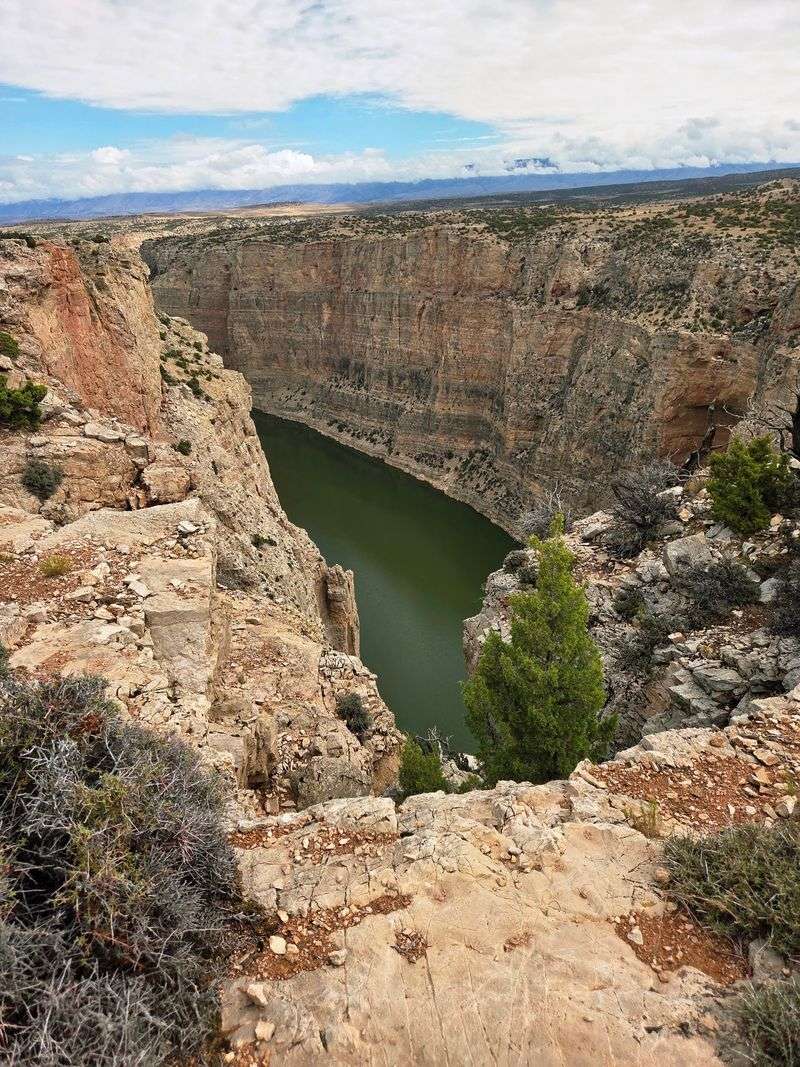
Every great quest needs a home base, and the south side has a good one. The Cal S.
Taggart Visitor Center sits at 20 US Highway 14A East in Lovell, Wyoming. It makes a smart first stop before you roll into the canyon.
Inside, you can grab maps, browse exhibits, and learn about the land you are about to explore. The displays cover geology, wildlife, and the long human story of the area.
It is like reading the movie trailer before watching the whole film.
Hours matter here, so check before you go. The center typically opens at 8:30 AM and closes at 4:30 PM on its open days.
It is usually closed on Sundays and Mondays, so plan around that schedule.
The building also offers public WiFi, which is a rare treat in this region. Use it to download maps, check weather, and send a quick hello to family.
Once you leave, the signal waves goodbye fast.
A short pond trail sits nearby, too, and it is easy for all abilities. It is a lovely warm-up stroll before bigger adventures.
Starting here means starting smart.
Roads With Plenty Of Personality
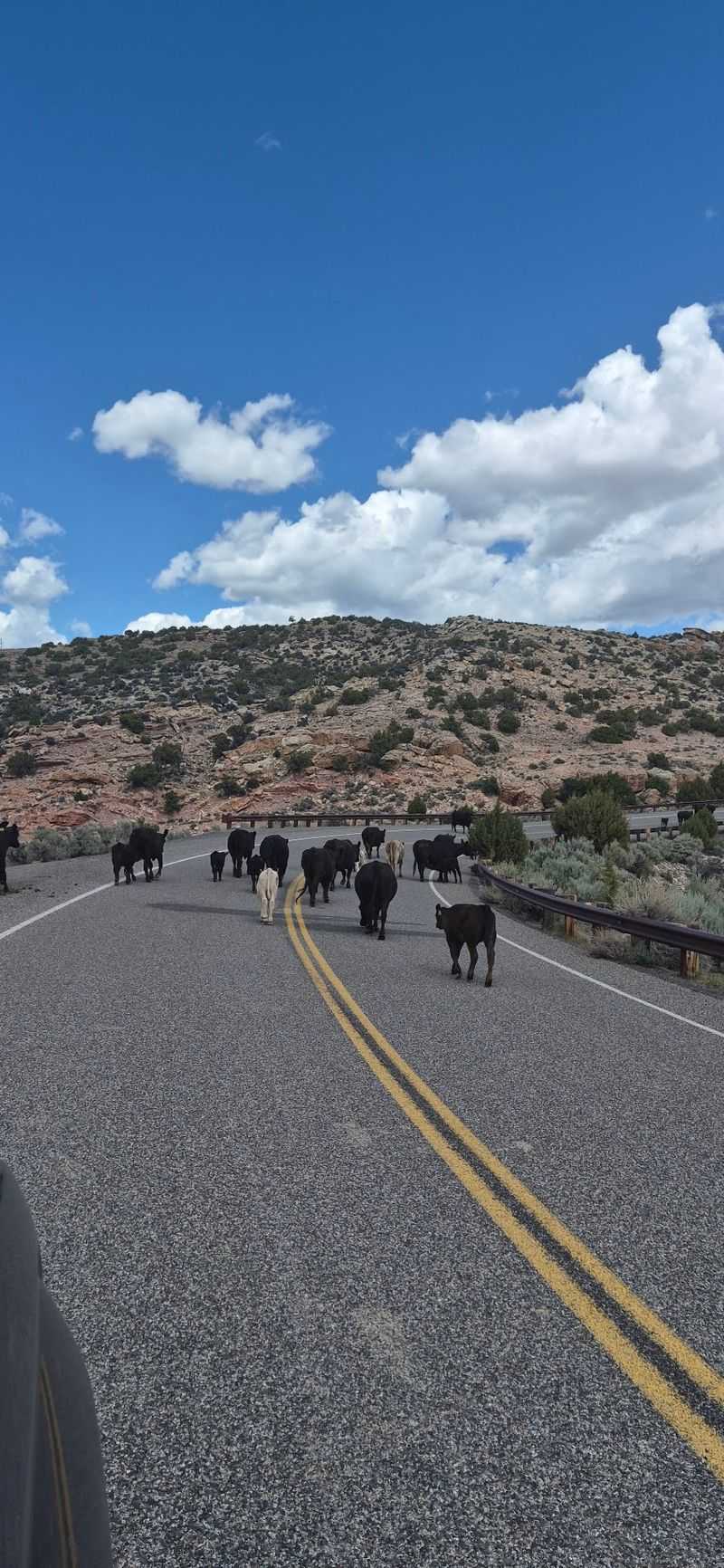
Let’s talk pavement, because the roads here have opinions. The park is open all year, yet weather can still change the plan.
Winter storms sometimes close roads, and drifting snow can make travel slow.
Before you leave, check current road conditions on the park website. A two-minute look can save a two-hour detour.
Nobody wants to discover a closed gate after a long, hopeful drive.
Heading in from the east on US 14A? Get ready for a workout for your car.
This route crosses the Bighorn Mountains with steep climbs, including about ten miles at a ten percent grade.
Those slopes reward you with huge views, but they ask for careful driving. Use lower gears on the way down to keep your brakes happy.
Larger RVs and trailers should plan extra time and patience.
Inside the park, the Bighorn Canyon Scenic Drive is paved and lovely. Wildlife often wanders right onto the road, especially horses and bighorn sheep.
Slow speeds give you time to stop, smile, and snap a photo.
Fill your gas tank in Lovell before heading in, too. Stations are few once the scenery takes over.
A full tank equals a calm mind.
Weather That Changes Its Mind
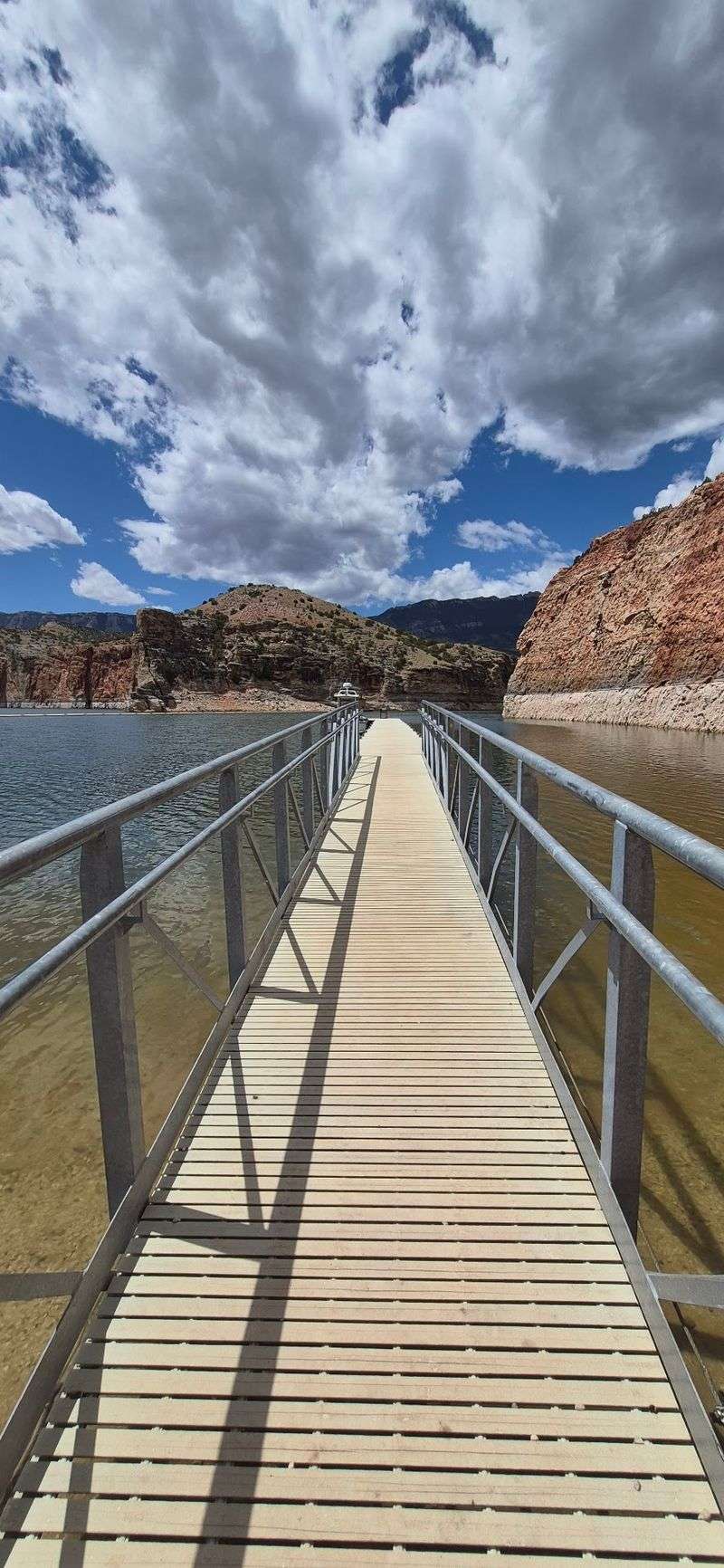
Mother Nature here is a bit of a drama star. This is high desert country, so temperatures can swing wildly.
Pack for sunshine, wind, and surprise clouds all in one bag.
Summer days often reach the 80s and 90s, and canyon heat can climb past 100 degrees. Those rock walls soak up sun like a giant toaster oven.
Afternoon thunderstorms also roll in quickly, so keep an eye on the sky.
Winter tells a very different story. Highs often sit in the 20s and 30s, while nights can slip below zero.
Wind adds an extra chill, so warm layers become your best friends.
The sweet spots are spring and fall. May through June brings wildflowers splashing color across the hills.
September through October offers cooler air and golden views that look painted.
Whatever the season, bring lots of water and sun protection. A wide hat, sunscreen, and sunglasses help a ton.
Layers let you adjust as the day warms up or cools down.
Check the forecast the night before and again that morning. Plans can shift, and that is perfectly fine.
Flexible travelers always seem to catch the best skies.
Trails Worth Lacing Up For
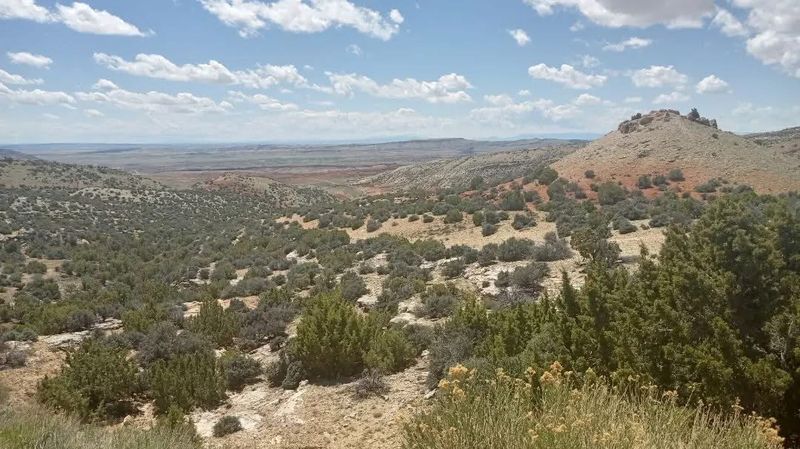
Boots ready? Good, because the trail menu here is surprisingly tasty.
The park offers about 27 miles of hiking across 15 trails. Most of them sit in the South District, close to the visitor center side.
Short and sweet options are perfect for easy wandering. The Visitor Center Pond trail is flat and accessible for nearly everyone.
Trails near Devil Canyon Overlook also deliver jaw-dropping views without long miles.
Craving a challenge? Sykes Mountain Trail climbs about 4.6 miles round trip.
It is steep and tough, yet the views from the top feel like a reward medal.
The Mouth of the Canyon Trail and Lockhart Ranch paths offer other flavors. Some wind past old ranch buildings, while others peek over canyon edges.
Each one shows a different side of this rugged land.
Water is a must on every hike, even short ones. Shade is rare, and the dry air sneaks up on you.
Bring more than you think you need.
Stay on marked paths and watch where you step. Rattlesnakes live here and prefer peace and quiet.
Give canyon rims plenty of space, too, since edges can be crumbly.
Make A Splash On Bighorn Lake
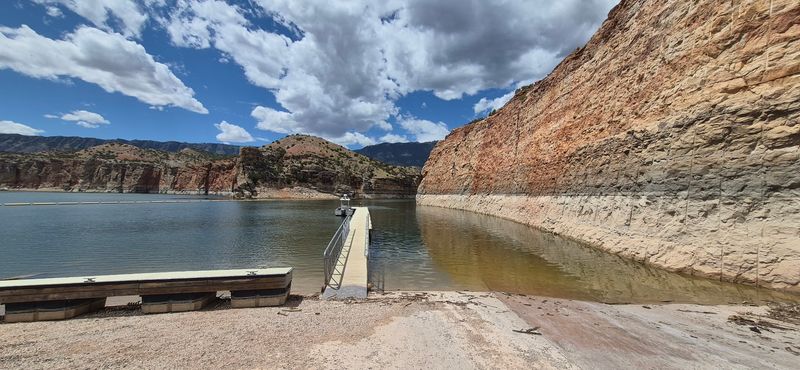
Nothing beats gazing up at thousand-foot cliffs while floating on calm water. Bighorn Lake stretches about 60 miles through the canyon.
It turns any boat ride into a front-row seat for nature’s show.
Motorboats, kayaks, canoes, and paddleboards are all welcome here. Two main marinas serve visitors.
Horseshoe Bend sits in the South District, and Ok-A-Beh sits up north.
No boat? No worries at all.
Rentals are often available, and guided boat tours run from Horseshoe Bend during the warm season. Park rangers sometimes lead free kayak tours, too.
Water levels on the lake rise and fall through the year. Sometimes a boat ramp is open, and sometimes it sits high and dry.
Always check current lake conditions before hauling your boat across the state.
Life jackets are a must, and the park has rules for boaters. Read up on aquatic invasive species inspections before launching.
Clean, drained, and dry boats help protect this sparkling lake.
Fishing fans will find walleye, trout, and more in these waters. A Wyoming or Montana license is required, depending on where you cast.
Out here, every ripple feels like a little adventure.
Say Hello To Being Offline
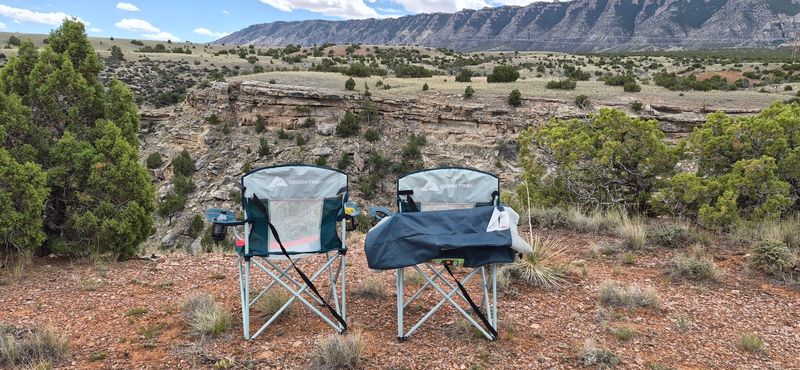
Your phone is about to take a long nap. Cell service inside Bighorn Canyon is close to zero.
A few bars may appear near Lovell, but they fade fast once the canyon begins.
Honestly, this can feel wonderful. No buzzing notifications, no endless scrolling, just wind and birdsong.
It is a real chance to look up and soak it all in.
Still, smart travelers prepare ahead. Download offline maps before you leave town or while using the visitor center WiFi.
Save the park brochure and trail info right on your device.
A paper map is a classic hero here. It never runs out of battery or needs a signal.
Tuck one into your bag for peace of mind.
Let someone back home know your plans before you head out. Share your route, your stops, and your expected return time.
That simple step adds an extra layer of safety.
A portable charger helps keep your camera ready, too. You will want plenty of power for all those stunning views.
Think of your phone as a camera first and a phone second.
Being offline might become your favorite part of the trip.
Wild Horses, Bighorn Sheep, And Old Ranch Stories
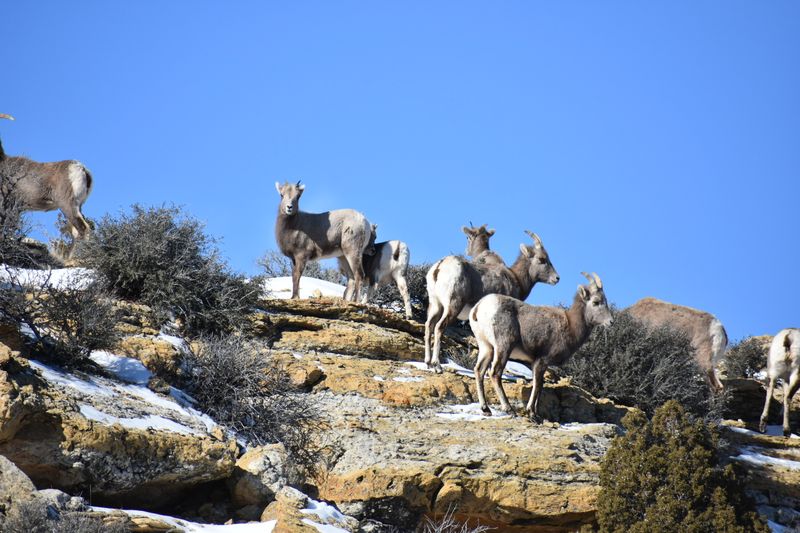
Here is where the trip starts feeling like a nature documentary. The Pryor Mountain Wild Horse Range overlaps the South District.
Colorful mustangs often graze right near the scenic drive.
Many of these horses carry Spanish colonial traits and striking coats. Watching them roam free feels like stepping into an old Western film.
Keep a respectful distance and enjoy the view through binoculars.
Bighorn sheep are the park’s other superstars. They balance on steep ledges like nimble rock climbers.
Spring may bring the sweet sight of young lambs following along.
Bird lovers get a treat, with more than 200 species recorded here. Hawks, eagles, and songbirds fill the skies through the seasons.
Mule deer and black bears also call this region home.
History adds another layer to the magic. People have lived in this area for over 10,000 years.
Later, ranchers built homesteads, and places like Lockhart Ranch and Ewing-Snell Ranch still stand today.
The park itself was created in 1966, after Yellowtail Dam formed Bighorn Lake. Every rock and ranch has a story to share.