
This Michigan Museum Has A Petrified Fairy, Chupacabra Skull, Vintage Mortuary Tools, And Thousands Of Tiny Fantasy Figures
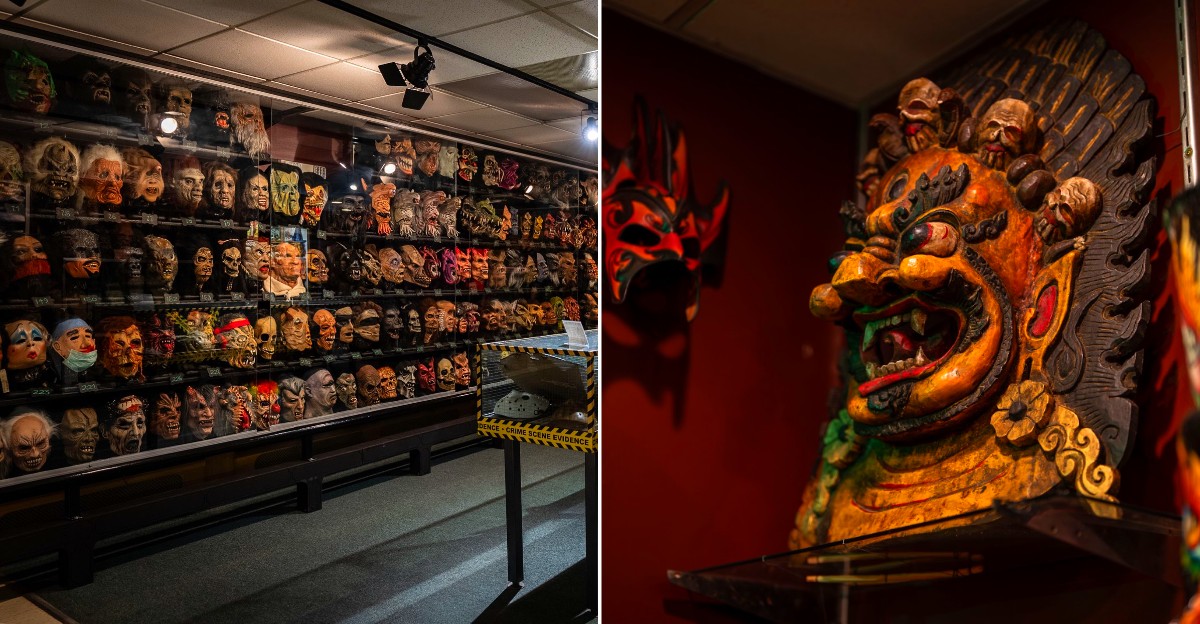
Some museums ask you to admire paintings. This one asks you to consider fairies, funeral tools, monster lore, and tiny fantasy figures in the same afternoon.
That strange mix is exactly what makes the experience so much fun.
The displays move between documented history and imaginative storytelling, with unusual objects, carefully built models, and curious details that reward a slower look.
In Michigan, few museums blur the line between history, folklore, and outright weirdness with this much personality.
What I like most is that the oddities are not treated as simple shock value. Some pieces invite real historical questions, while others show how myths grow, change, and stick around.
The smaller objects can be the most absorbing, especially when a label sends you down an unexpected rabbit hole. Come curious, take your time, and expect at least one display to stay in your head long after you leave.
A Fairy With A Question Mark
A tiny mythical creature can raise surprisingly large questions. The petrified fairy is among the museum’s advertised curiosities, joined by a petrified leprechaun that keeps the folklore theme going.
Enjoy these objects as displays connected to legend, not scientific proof that fairies once fluttered through Michigan. The interesting part is how an object can make an old story feel close enough to examine.
Read any available label and ask staff what is known about its origin, materials, and place in the collection. Those questions turn a quick glance into a better visit.
You do not need to believe the story to appreciate its pull, and a little healthy doubt belongs beside curiosity in a museum like this one.
Pike Street Hides The Weird Stuff
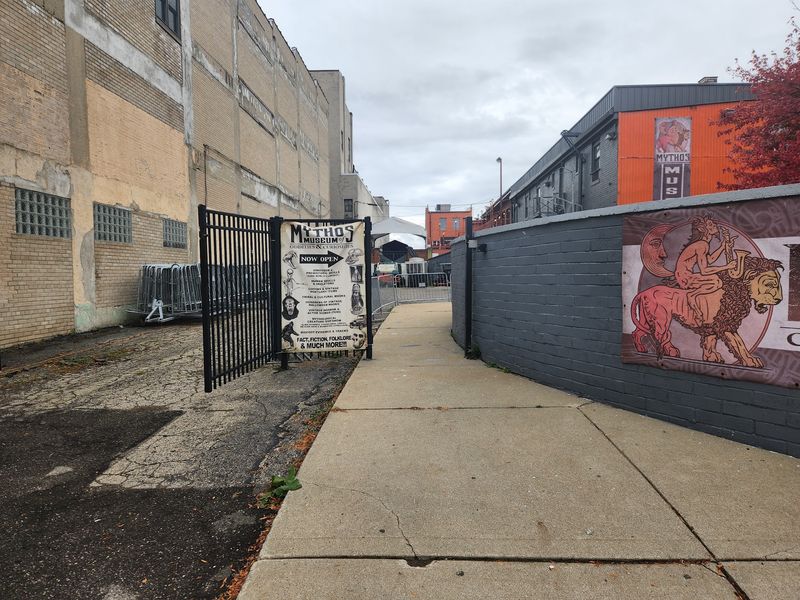
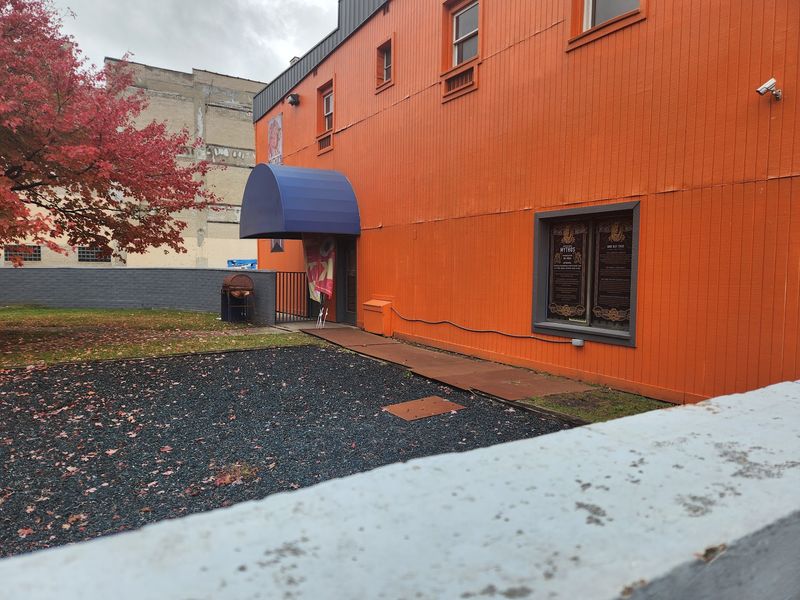
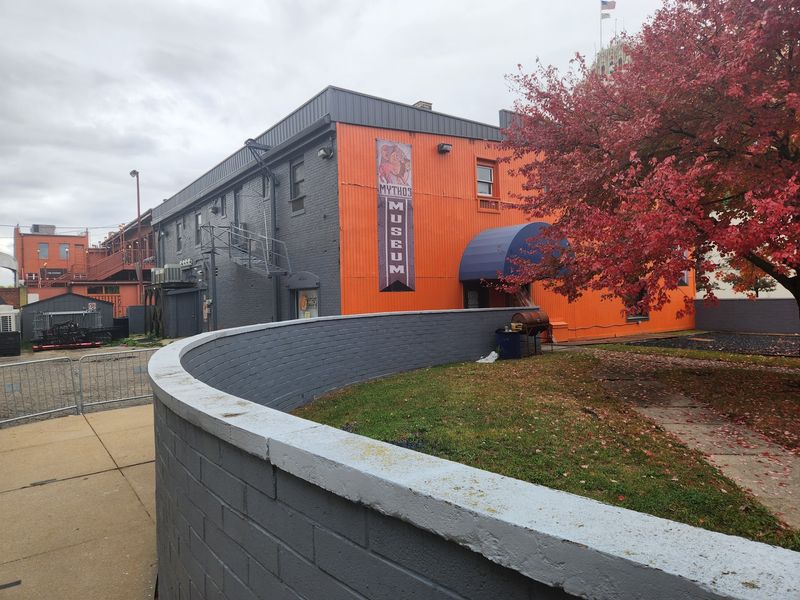
Mythos Museum of Oddities & Curiosities sits at 16 E Pike Street in downtown Pontiac, Michigan. Pike Street is the road to aim for on the final approach, with the museum tucked into the downtown grid rather than set apart in a large attraction complex.
The last block feels more like a normal city stop than the entrance to a museum full of skulls, mortuary tools, and cryptid oddities. Once you reach East Pike, slow down and read the storefronts because the museum blends into the surrounding downtown buildings.
Use legal street parking along Pike Street or nearby downtown parking, then finish the trip on foot. A small lot is also available behind the building, so if street spaces are tight, circle around the block and check the rear of the property.
Check The Chupacabra Story
Monster names are memorable, but labels deserve a careful look. Although the headline mentions a Chupacabra skull, the supplied museum information does not clearly confirm that specific object in the collection.
Before making it the main reason for your trip, contact Mythos and ask whether such a display is currently on view. The documented cryptid themes include Bigfoot evidence and relatives, along with stories connected to Michigan Dogman and Bessie.
Keep a useful distinction in mind while browsing: a specimen, a replica, and a folklore prop tell different kinds of stories. Asking which category an object belongs to does not spoil the fun.
It gives the strange details a firmer footing and helps you understand what you are seeing.
Mortuary Tools Tell A Human Story
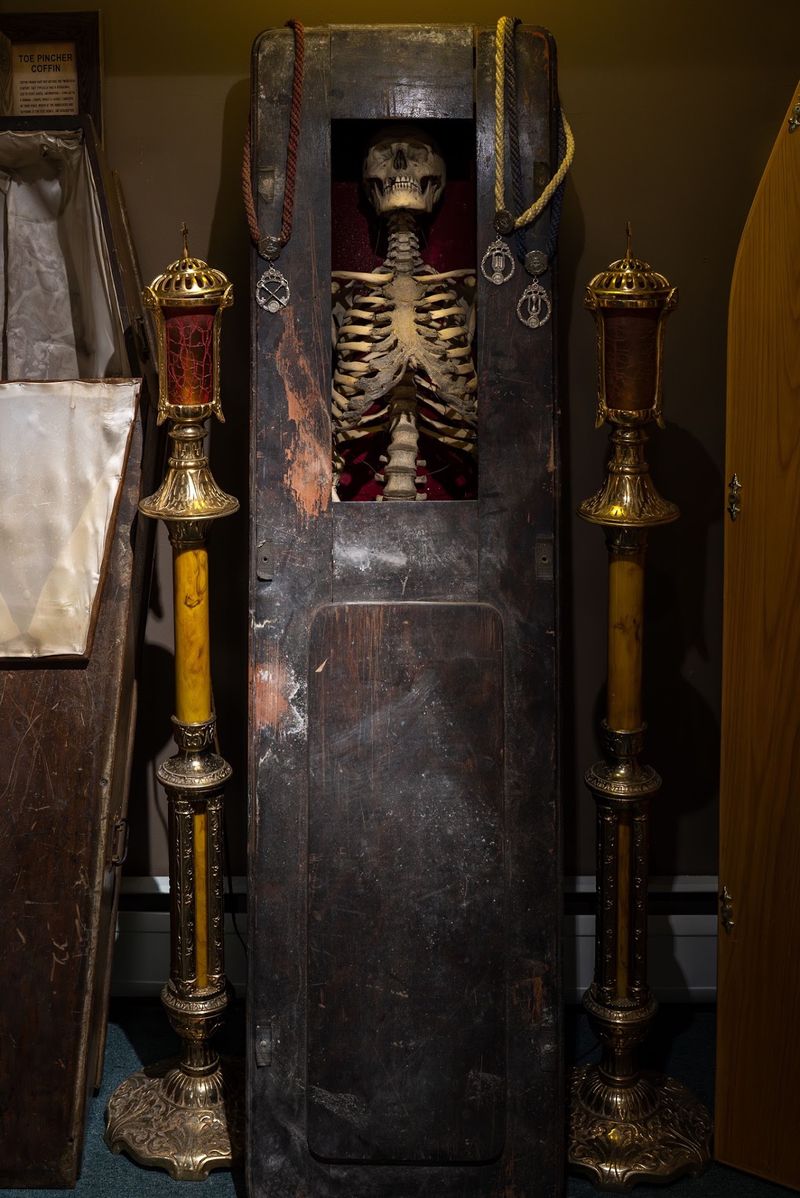
Metal instruments can be unsettling before their purpose becomes clear. Mythos displays vintage mortuary and funeral home items, offering a look at work that most people rarely encounter firsthand.
Rather than treating the tools only as spooky objects, consider the skills and customs behind them. Embalming history connects technical work with the ways families have cared for people after death.
Ask staff to explain unfamiliar equipment instead of guessing from its shape. If the subject feels too personal or uncomfortable, you can bypass that material and spend more time elsewhere.
There is no prize for pushing past your limits. A thoughtful visit leaves room for both interest and respect, especially when an exhibit touches such a deeply human subject.
Tiny Figures Reward A Slow Look
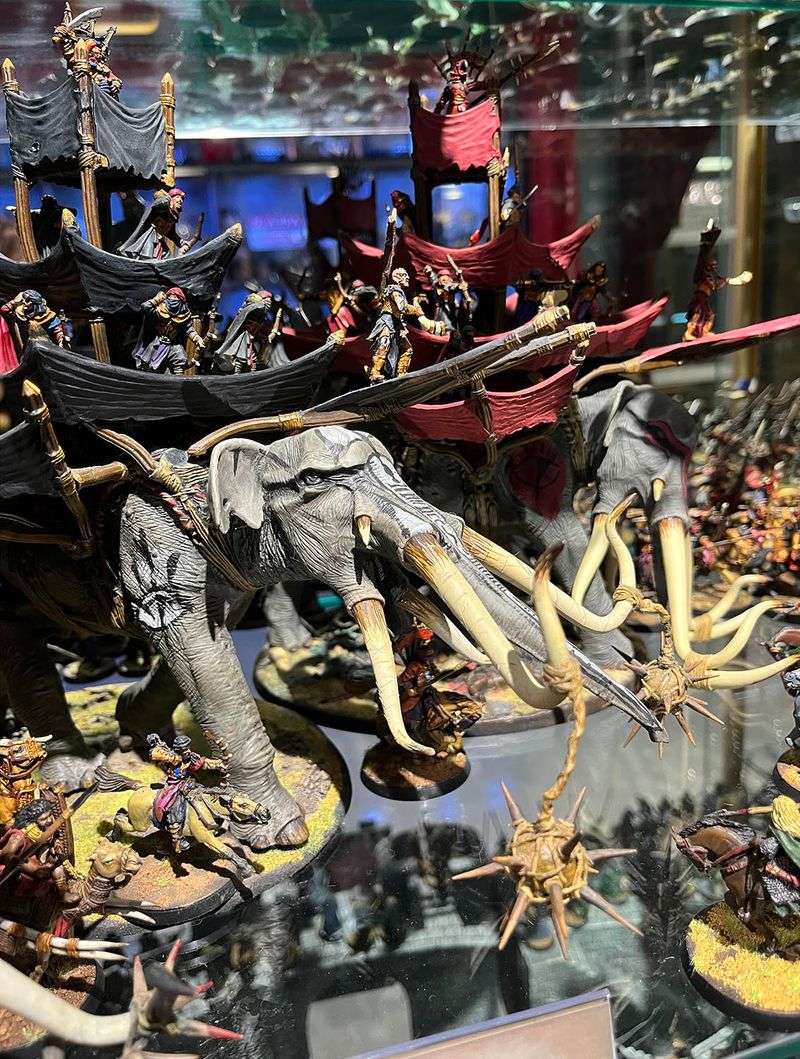
Small figures ask you to change your viewing speed. The museum features an extensive collection of hand-painted Middle-earth miniatures, with characters connected to The Lord of the Rings and The Hobbit.
Instead of trying to count everything, choose a few figures and study their painted clothing, faces, and bases. Working at that scale takes patience, and the difference between a quick glance and a close look can be remarkable.
The supplied information does not establish a verified total in the thousands, so treat that headline number cautiously. What matters most is the craft visible in the collection.
Ask about the painting process or the collector behind it, and leave time for details that disappear when you hurry past.
Masks Bring A Different Kind Of Magic
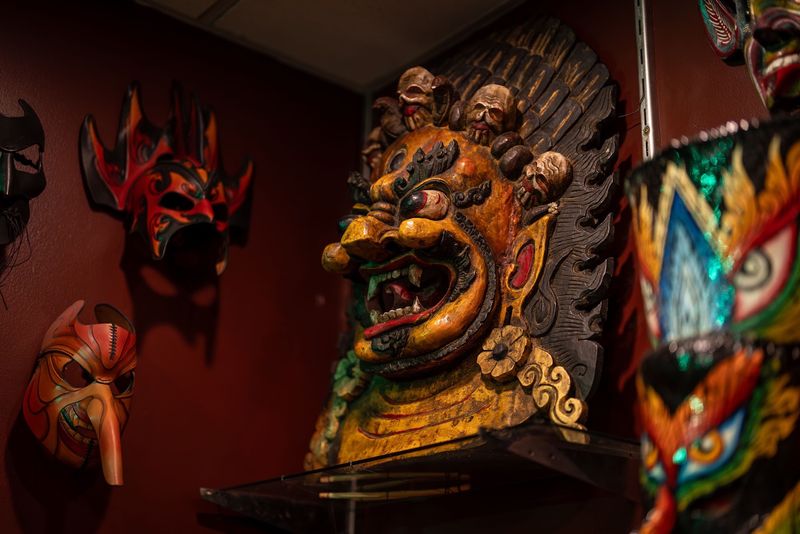
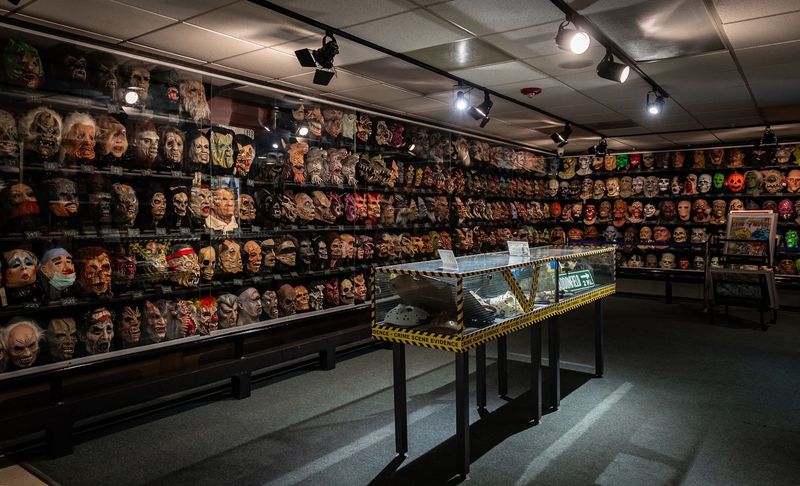
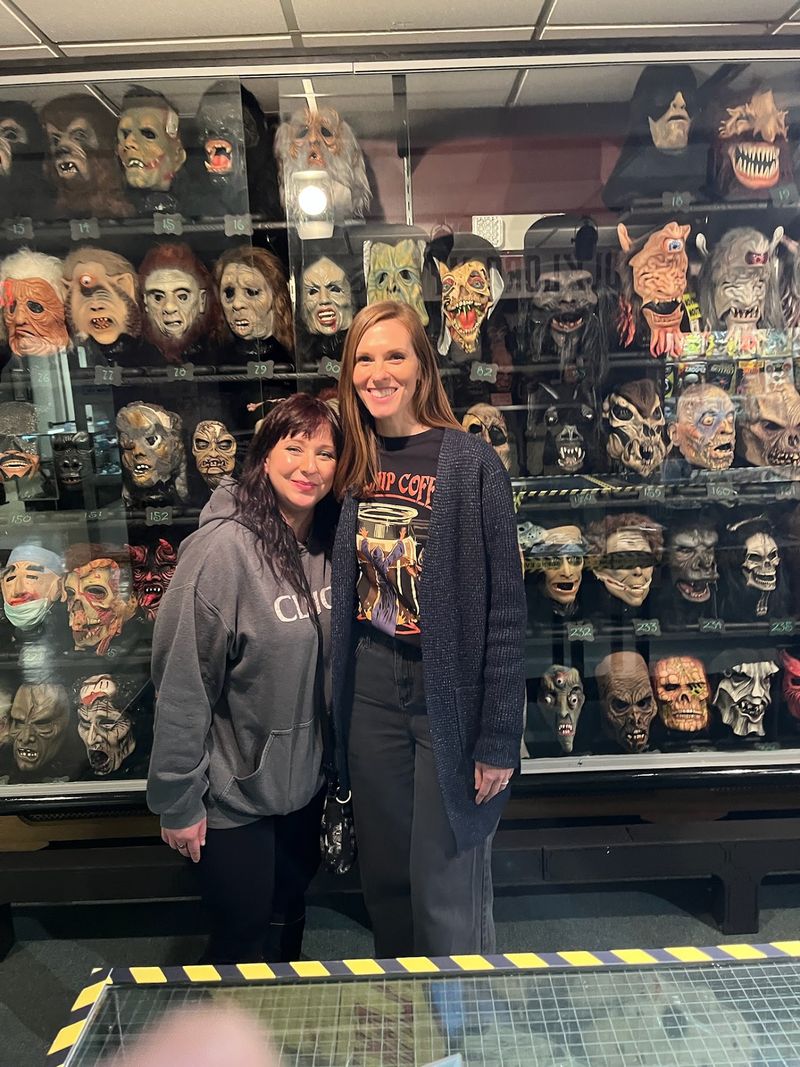
A monster face can carry a whole childhood memory. Alongside the fantasy figures, Mythos has a large collection of vintage Halloween masks, adding a playful side to its darker subjects.
Look beyond the scary expression and notice the sculpting, colors, and materials. A mask is both a character and a made object, shaped by the style and production methods of its time.
Published descriptions give different counts for the collection, so hundreds is safer than relying on a precise total. Ask staff about particular makers or dates if one face catches your attention.
Comparing masks with painted miniatures is especially rewarding: both turn imagination into something physical, but they use very different scales and techniques to achieve that effect.
Skulls Need Context
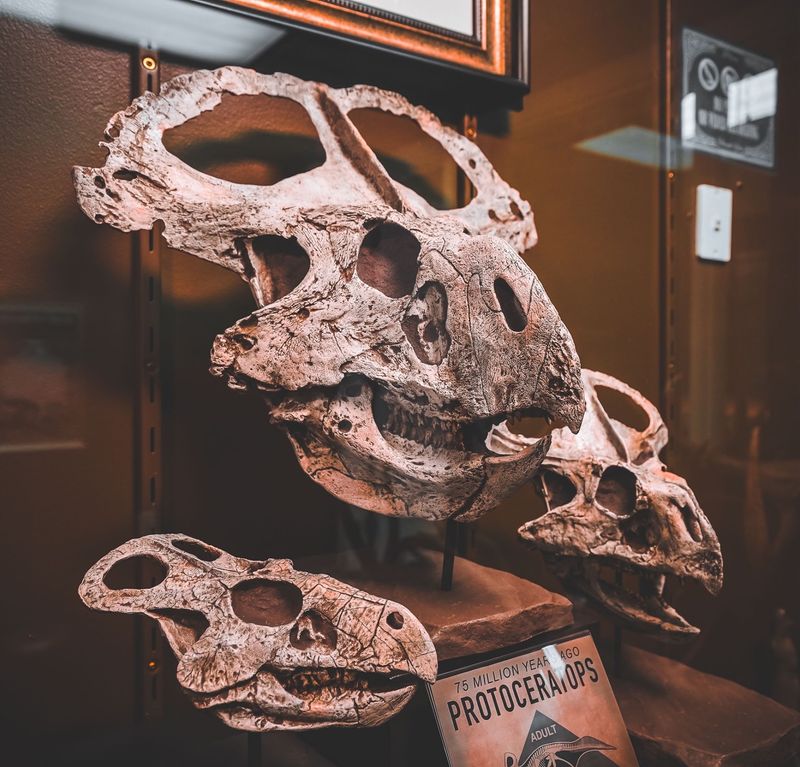
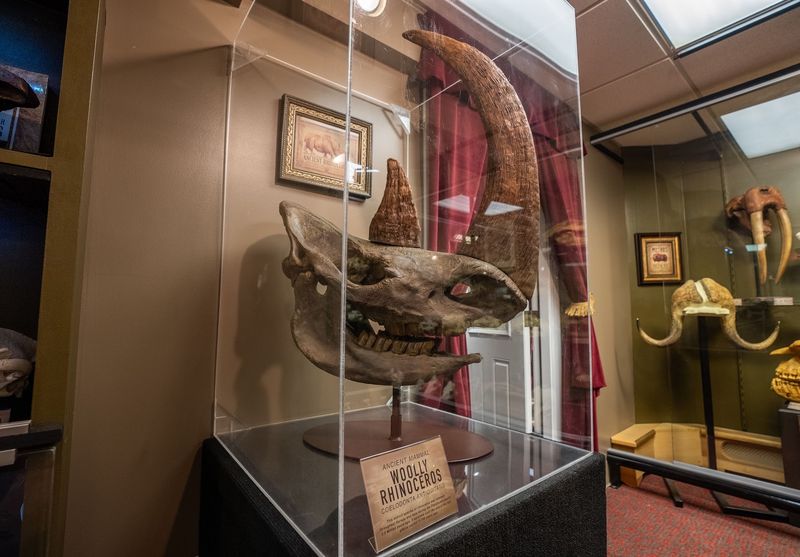
Teeth and bone shapes invite comparison before any story begins. Mythos includes skull displays, with museum descriptions also mentioning ancient predators and dinosaurs among its subjects.
Use those differences as a reason to slow down. The shape of a jaw or the placement of teeth can prompt useful questions about an animal, while a dramatic silhouette can explain why unfamiliar remains have inspired monster stories.
Do not assume every object is an original fossil or preserved specimen. Ask whether the piece is authentic, a cast, or a reproduction, and read the accompanying information where available.
That distinction adds value rather than taking it away. A well-explained replica can teach plenty, especially when the original would be difficult to display.
Let The Staff Supply The Backstory
A good question can become the best part of the visit. The staff at Mythos can help connect individual objects with the collecting interests, historical subjects, and legends behind them.
Keep your questions specific: who painted the miniatures, what was a mortuary tool used for, or how did a particular curiosity enter the collection? Clear questions often lead to more useful answers than simply asking which object is the strangest.
Leave space in your schedule for conversation, while remembering that staff may also be helping other guests. You need not turn every display into a lesson.
One well-told backstory can give the whole collection a more personal shape and help you notice something you would otherwise have missed entirely.
Keep The Camera Put Away
Your phone gets a break inside this museum. Mythos has a policy against interior photography, so plan to experience the exhibits without collecting a camera roll of every unusual object.
Check the current rules when you arrive and follow staff guidance. If you want to remember an artist, creature name, or historical term, ask whether taking brief written notes is acceptable.
Looking without photographing can change what holds your attention. The painted edge of a tiny cloak or an unfamiliar tool may stay with you longer than a rushed snapshot.
Before leaving, revisit the display that interested you most, if time allows. That second look gives you a clear memory without needing to bend the museum’s stated visitor rules.
Choose Your Own Comfort Level
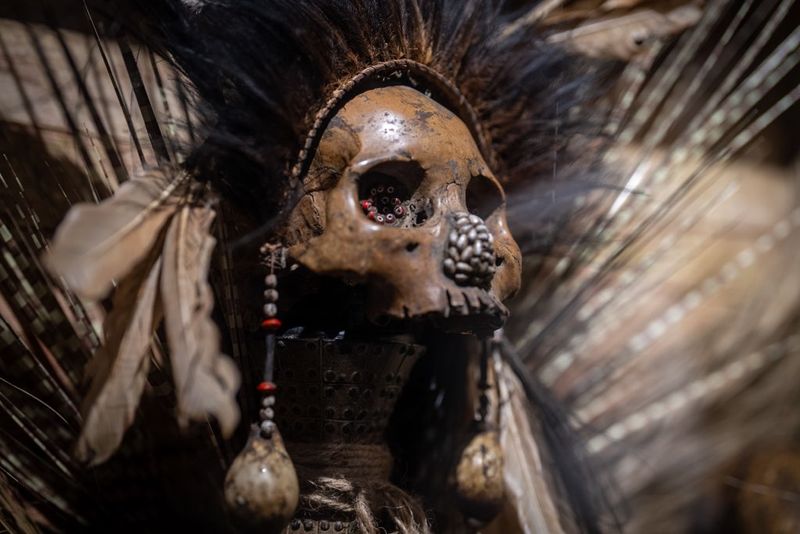
Curiosity does not require enjoying every kind of display. Beyond mythical creatures and fantasy models, the museum’s described collection includes human skulls, wet specimens, horror props, and other unsettling material.
Talk with your companions before visiting, particularly if someone is sensitive to death-related subjects. Ask staff which displays may be uncomfortable and how to avoid them without missing the sections you most want to see.
Families should make that decision around their own children’s interests and reactions, not just their ages. The miniature figures may delight one visitor while the mortuary tools interest another.
Giving everyone permission to skip something keeps the outing relaxed and respectful, rather than turning it into a test of who can handle the most.
Give The Weekend Visit Some Breathing Room
A packed schedule is not the best companion for tiny details. The supplied operating information lists Mythos as open Saturdays and Sundays from noon to 5 p.m., with weekdays closed.
Confirm those hours, current admission prices, and ticket arrangements at mythosmuseum.com before traveling. You can also call 248-499-6230 if you need clarification about the entrance, displays, or a particular visiting concern.
Allow roughly an hour as a starting point, with extra time if you enjoy reading labels or talking about collections. Avoid arriving just before closing and expecting an unhurried browse.
The fairy, mortuary tools, and miniatures reward different kinds of attention, so leave enough room to follow whichever subject catches you most strongly once you are actually inside.