
This Michigan Road Looks Like It Makes Cars Roll Uphill With The Engine Off
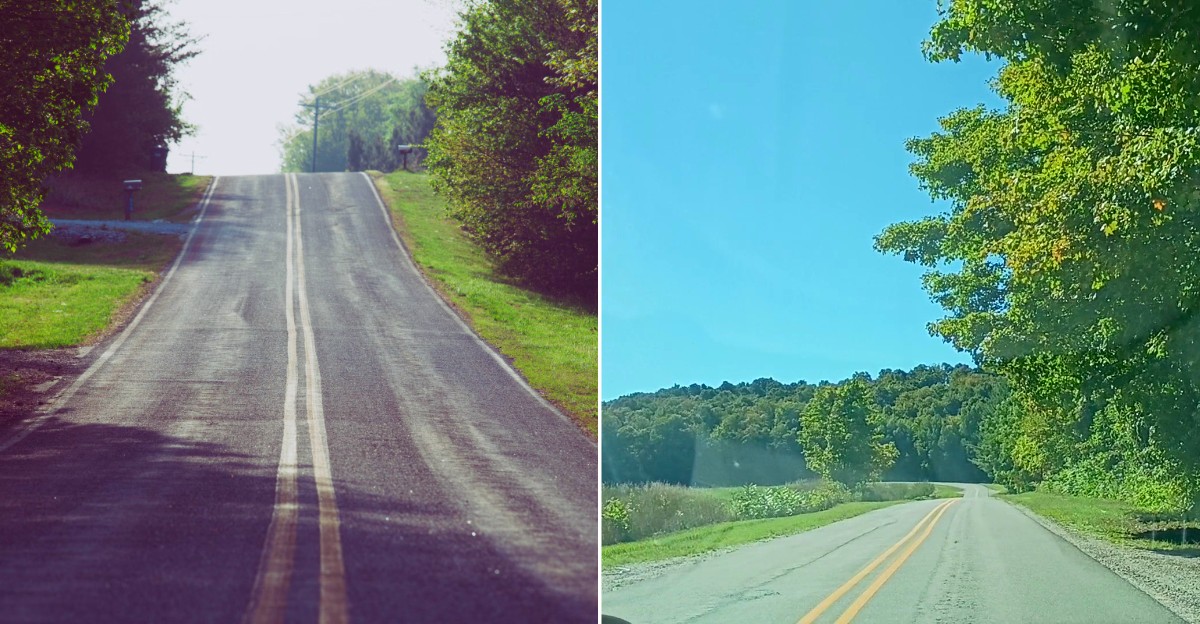
Country roads are supposed to be straightforward, but this stretch near Arcadia has other ideas. Pull up to the right spot and the pavement appears to tilt one way while your car seems determined to move the other.
The effect has inspired plenty of roadside folklore, yet the real trick comes from the landscape and the way the horizon messes with your sense of slope.
A strange optical illusion turns this corner of Michigan into one of those roadside curiosities that is simple, eerie, and oddly satisfying to test for yourself.
I like that there is no elaborate attraction here, just a road, a puzzling view, and the thrill of wondering whether gravity has taken the afternoon off. The fun lasts only a few minutes, but that is part of its charm.
Stay aware of traffic, keep the experiment safe, and enjoy how easily an ordinary drive can become memorable.
The Church Is The Clue Before Gravity Gets Weird
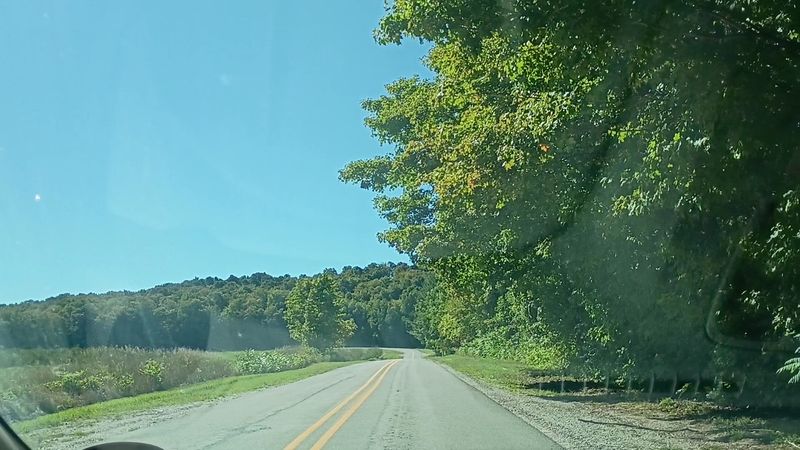
Gravity Hill sits on Putney Road near Arcadia, Michigan, at the rural crossroads with Joyfield Road. From US-31, Joyfield Road carries you west through the countryside before Putney Road becomes the final turn.
Blaine Christian Church is the landmark that tells you you are almost there. Turn south onto Putney Road at the church, then continue a short distance past the intersection until the road appears to dip away in front of you.
There is no formal parking lot or attraction entrance here because this is simply a public road. Pull completely out of traffic only where it is legal and safe, and treat the roadside address as an orientation point rather than a designated visitor facility.
Let Daylight Do The Explaining
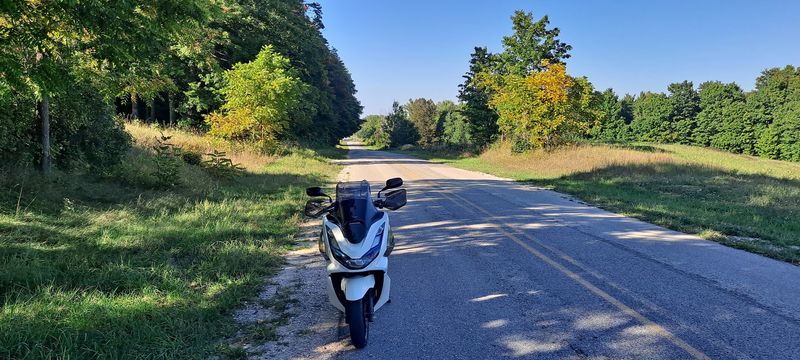
Good light makes this puzzle easier to read, even when your eyes reach the wrong answer. A daylight visit lets you see the pavement, nearby vegetation, and road edges that help create the apparent uphill slope.
Although the location is listed as accessible around the clock, that is not a reason to attempt the experience after dark. Nighttime hides the very landscape clues that make Gravity Hill interesting and makes approaching traffic harder to judge.
Choose a dry day with clear visibility whenever possible. Morning or late afternoon may suit your schedule, but do not assume either guarantees an empty road.
If glare, fog, or weather limits your view, save the experiment for another visit rather than forcing it.
The Engine Off Claim Needs A Caveat
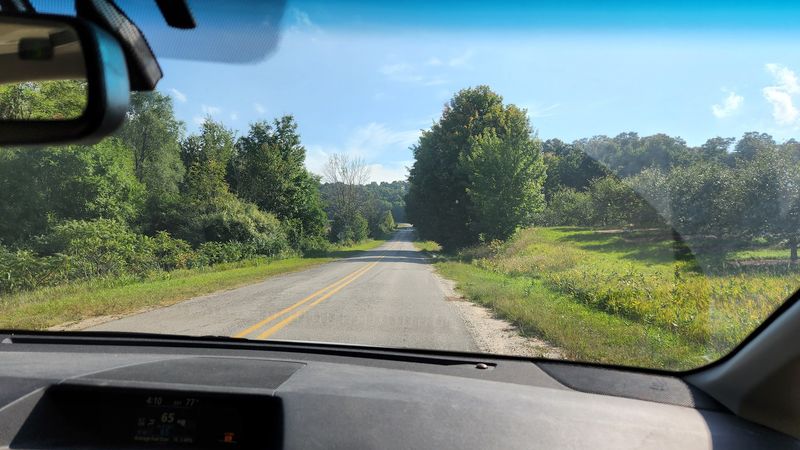
The headline sounds like an invitation to switch everything off, but that is not the sensible way to approach this stop. A vehicle can roll without engine power because gravity still acts on it.
Turning off the engine can reduce steering or braking assistance, depending on the vehicle. Keep it running, remain behind the wheel, and consult your owner’s manual before considering any neutral setting.
The attraction is about an apparent slope, not proving that a powerless car can move. You lose nothing by keeping safety systems available.
If your vehicle’s controls are unfamiliar, or its manual advises against the maneuver, simply observe the landscape instead. A curious roadside stop should never become a test of emergency braking or steering.
Traffic Gets The Final Say
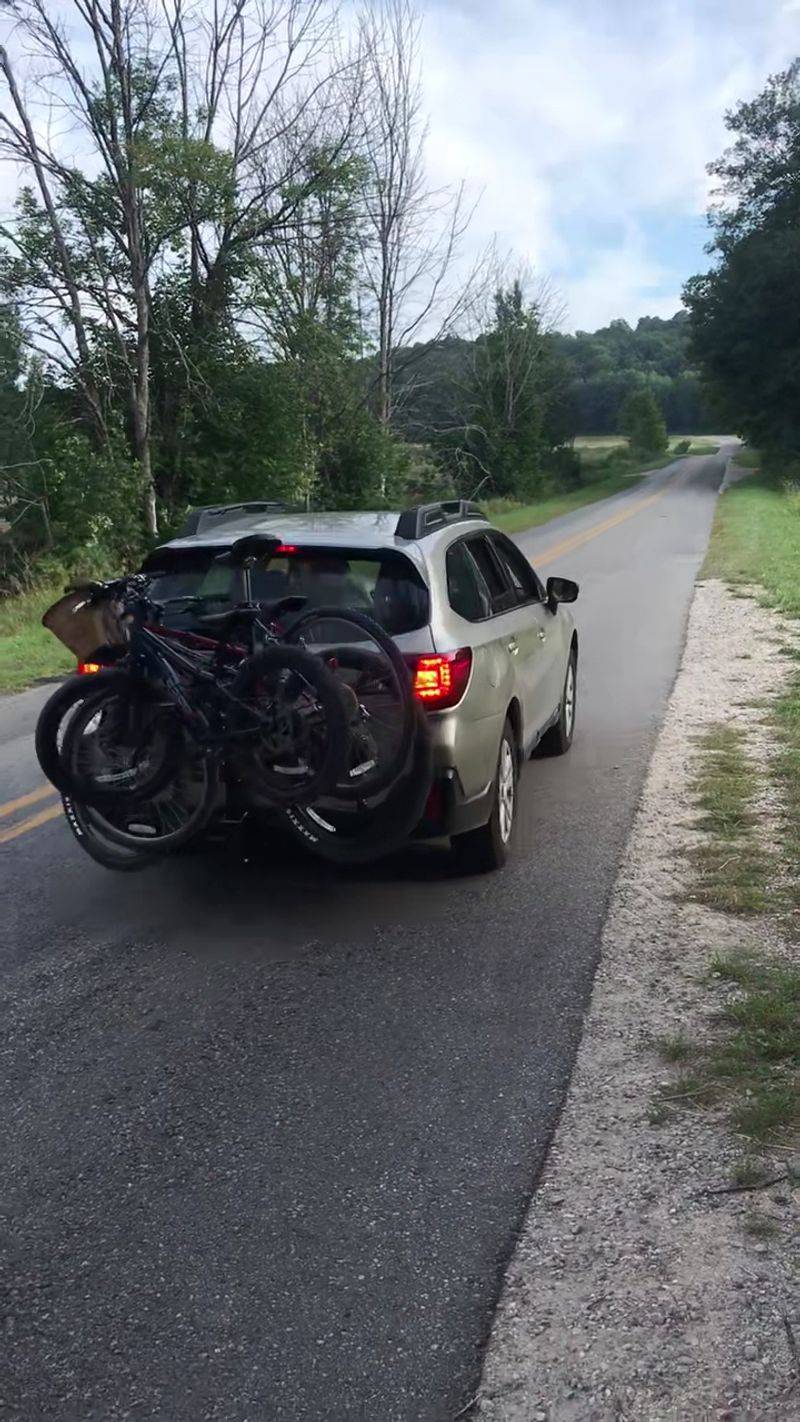
A quiet moment can change as soon as another car rounds the bend. Putney Road carries regular traffic, so the people passing through have every reason to expect normal driving rather than a roadside experiment.
Do not stop where sightlines are poor, block an intersection, or ask a companion to stand in the road. Keep children inside the vehicle or in a genuinely safe place away from traffic.
If there is no lawful, safe opportunity to observe the effect, continue driving. Never let a queue of curious visitors pressure you into joining.
The best decision may be to return later or skip the roll entirely. Gravity Hill will remain interesting even when the responsible choice is simply passing through today.
Your Eyes Are Borrowing The Wrong Horizon
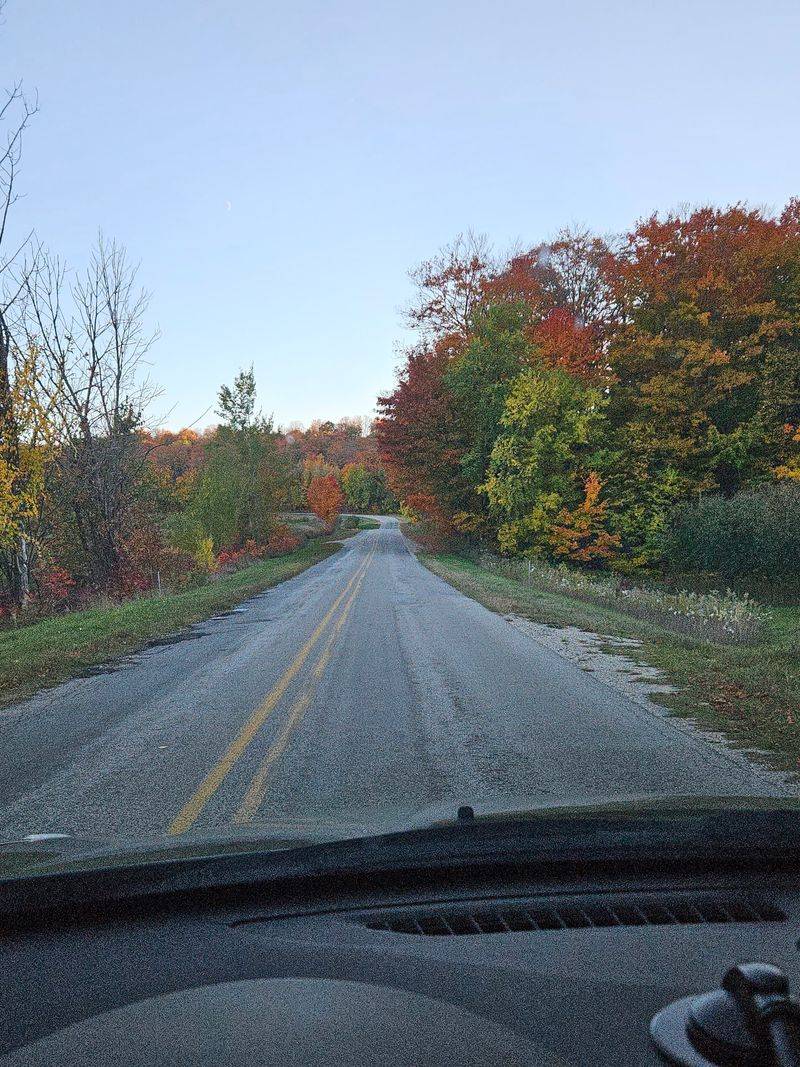
Your brain judges a slope by comparing it with everything nearby, not by measuring the pavement. At Gravity Hill, the surrounding landscape can make a slight downhill grade look like an uphill stretch.
A missing or misleading horizon helps scramble that judgment. Nearby slopes and other visual cues become substitute reference points, even when they do not accurately show what is level.
That is why a rolling car can seem to challenge gravity while actually following it. Before thinking about movement, study the whole view and notice which features convince you the road rises.
The interesting question is not whether physics has stopped working. It is how a familiar scene persuades your eyes to give the wrong answer so confidently.
Keep Any Demonstration Brief And Controlled
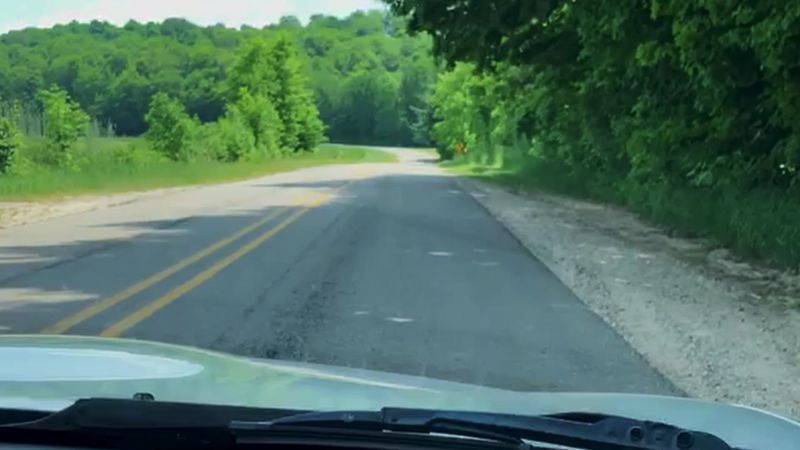
The first hint of movement is enough to understand the trick; speed adds nothing useful. Accounts of the experience describe a vehicle in neutral appearing to roll uphill, though it is actually moving downhill.
Only consider a demonstration where stopping and movement are lawful and genuinely safe. The driver must stay seated, keep the engine running, watch all directions, and be ready to brake immediately.
Do not chase a long roll, repeat passes around other traffic, or treat reported speeds as a goal. Avoid detailed roadside experiments if you cannot maintain full control.
Watching the landscape from a safe position is a valid visit too, and far preferable to turning a small optical puzzle into a risky driving stunt today.
A Church Adds A Layer Of Local Lore
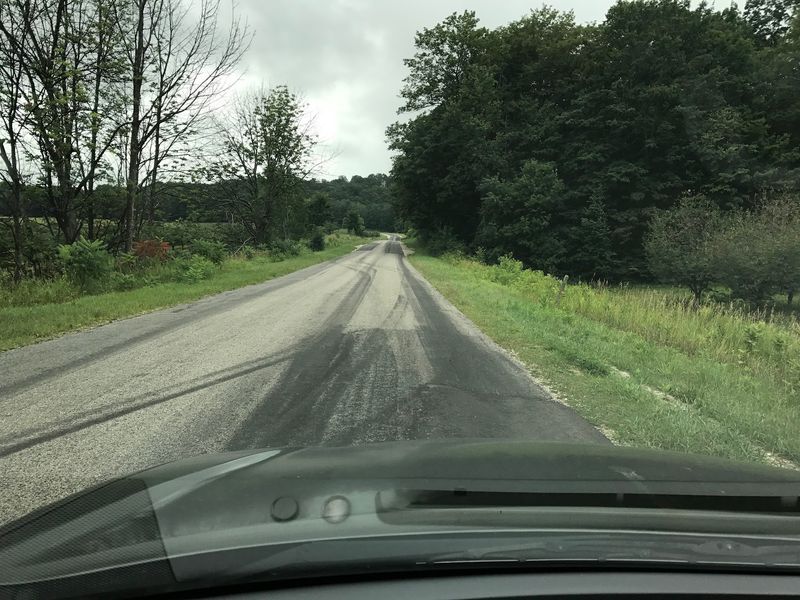
Not every explanation offered here comes from a science lesson. One local legend connects the strange pull with Blaine Christian Church, which stands at the southwest corner of Putney Road and Joyfield Road.
The story imagines a spiritual magnet drawing sinners uphill toward redemption. It is a playful piece of folklore, not evidence of a force coming from the church, and it should be shared clearly as a legend.
Keep the building’s real purpose in mind while enjoying the tale. Avoid using church property as an assumed parking area, and respect anyone attending services or visiting the grounds.
The story adds character to Gravity Hill without changing its explanation: the landscape fools your sense of which direction is truly downhill.
Photograph The Landscape Not Just The Car
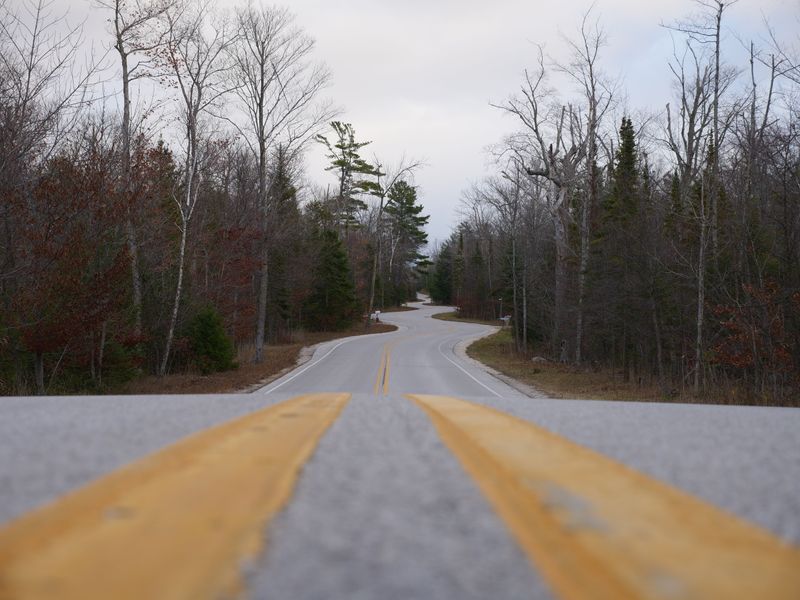
A close shot of a moving car misses most of the mystery. The apparent uphill motion only makes sense when the surrounding road and landscape are visible in the same frame.
Let a passenger handle any recording while the driver concentrates on driving. If taking pictures outside, first find a lawful position completely clear of the roadway and never step into traffic for a better angle.
Keep the camera reasonably level rather than tilting it to exaggerate the effect. Include enough scenery for someone watching later to understand why the slope is confusing.
A short, honest clip is more useful than dramatic editing. Even then, remember that a photograph records perspective, not a reliable measurement of the road’s actual grade.
Turn The Stop Into A Family Puzzle
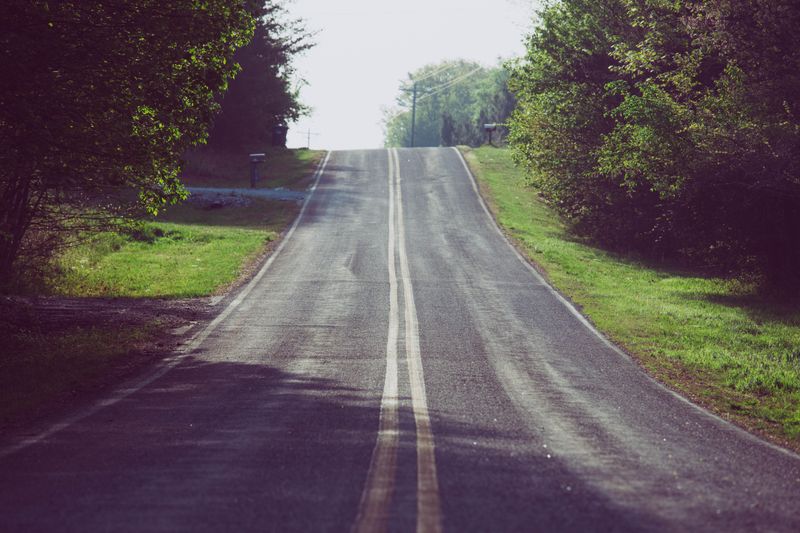
Ask everyone to pick the downhill direction before explaining the illusion. That small prediction turns the visit into a shared puzzle, with no need for anyone to leave the car or handle equipment.
Afterward, compare which clues each person trusted: the road edge, nearby ground, or the view ahead. Different answers are useful because they show how people can read the same landscape in different ways.
Explain that gravity pulls objects down the real slope, even when the road appears to rise. Skip loose balls, skateboards, or other demonstrations that could enter traffic.
Children can explore the idea safely through conversation. The lasting souvenir is a better question about what their eyes tell them, rather than a risky roadside science project.
Give Measurements More Weight Than Guesswork
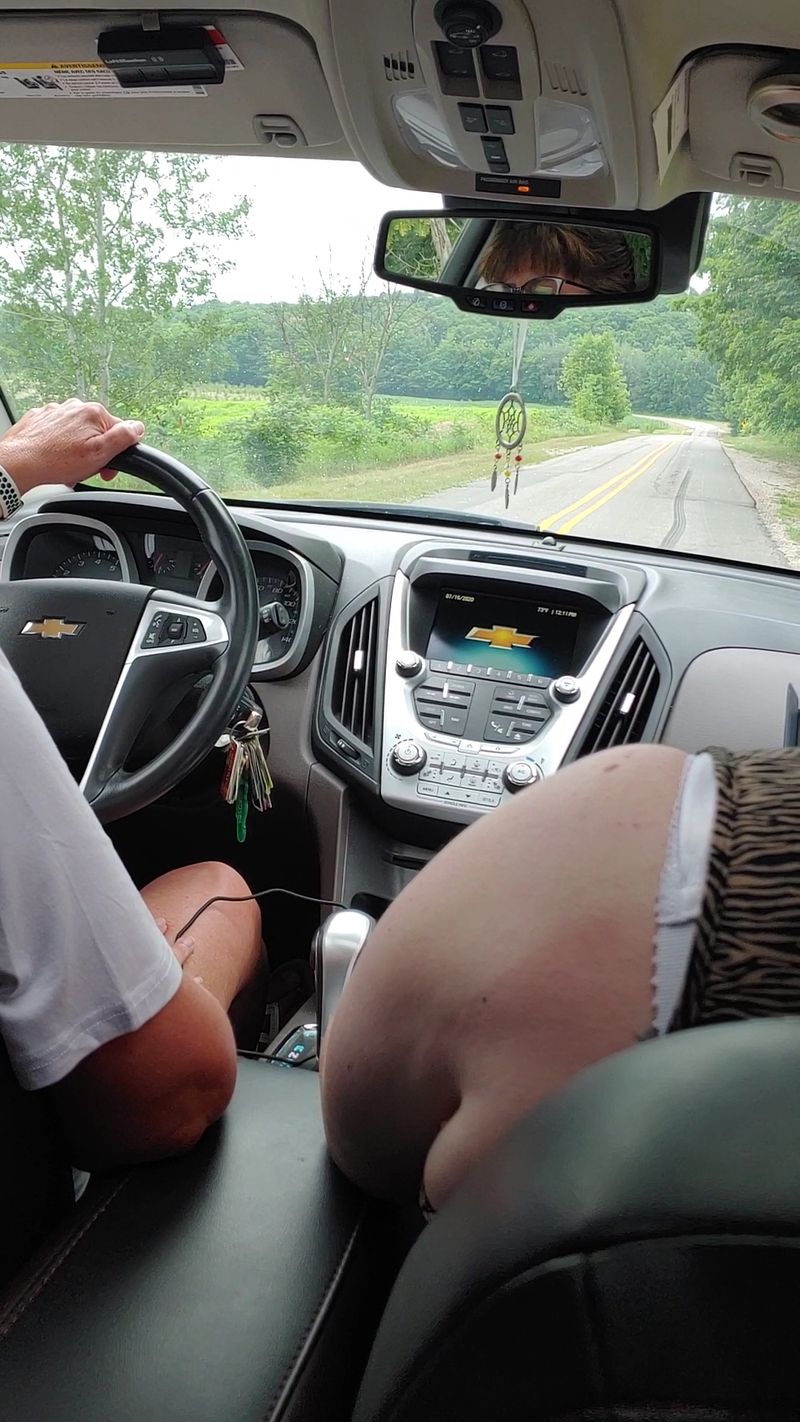
A convincing slope can fool your eyes, but measuring elevation takes more than a glance at your phone. Phone GPS readings may vary enough to blur the small height changes that matter on a gravity hill.
For a better explanation, look for reliable survey data or a topographic map with enough detail to show the road’s grade. A basic map may be too broad to settle the question.
Treat any quick reading as a clue, not proof. The fun comes from comparing what the landscape suggests with what careful measurements show, without setting equipment in the road or blocking traffic.
Save The Mystery For Clear Weather

A rainy windshield adds the wrong kind of mystery to Gravity Hill. Wet pavement, fog, and snow can make it harder to judge the road while also making a roadside visit less comfortable.
Check the local forecast before leaving for Putney Road, especially during Michigan’s colder months. If visibility is poor or the surface looks icy, skip the stop rather than trying to squeeze it into your plans.
Clear weather helps you study the surrounding land without extra distractions. Even then, conditions can change quickly, so keep your visit flexible and enjoy the view only from a safe, legal stopping place.
Leave Room For Everyday Life
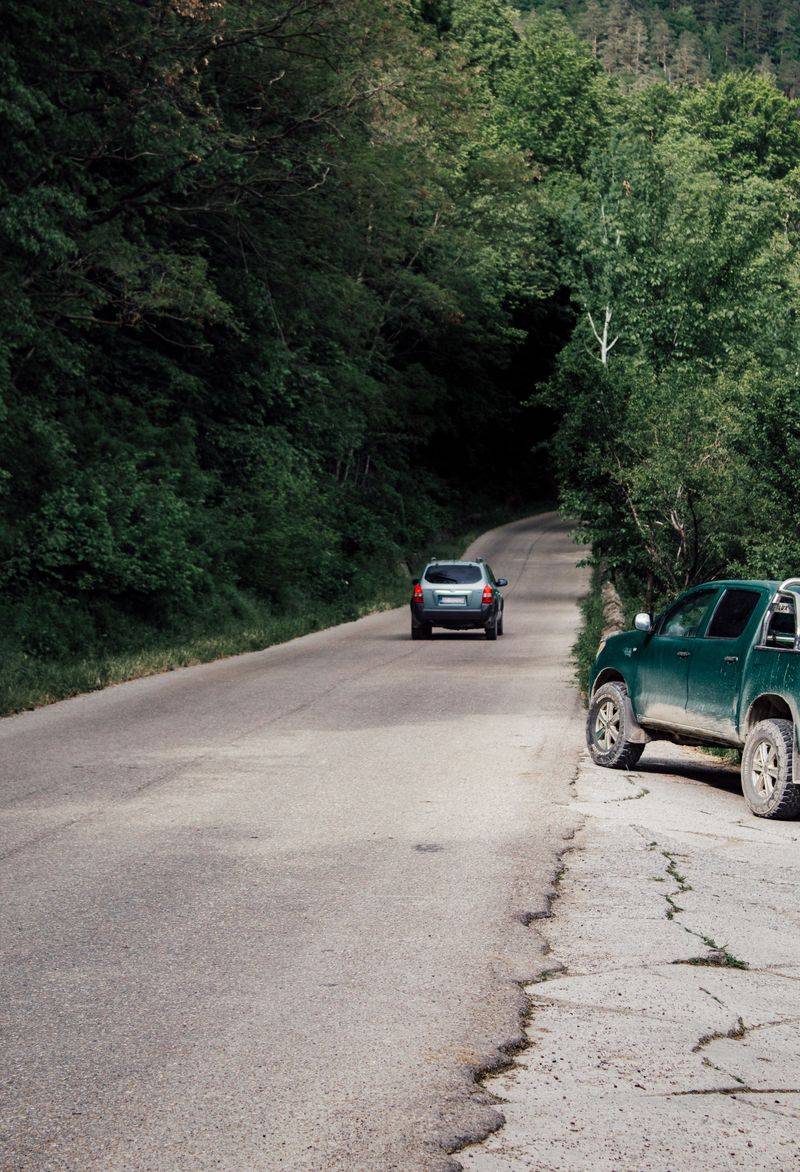
For visitors, the hill is a curious stop; for nearby residents, Putney Road is part of daily life. That difference is worth remembering before treating the area like a roadside attraction with dedicated visitor space.
Keep driveways clear, leave private land alone, and avoid loud music or repeated passes just to capture another reaction. Never assume a wide shoulder or nearby entrance is public parking.
If there is nowhere legal and safe to stop, continue driving. Taking your trash with you and keeping the visit quiet helps preserve the experience without turning someone else’s neighborhood into an unwanted gathering spot.