
This Massive Florida State Park Has A Native Rattlesnake Population So Locals Know To Watch Their Step
Florida is full of wild surprises, but some come with fangs, rattling tails, and a very clear message to watch your step. Forget crowded beaches and theme park lines.
Just east of Sarasota, a massive state park offers a completely different kind of Sunshine State adventure.
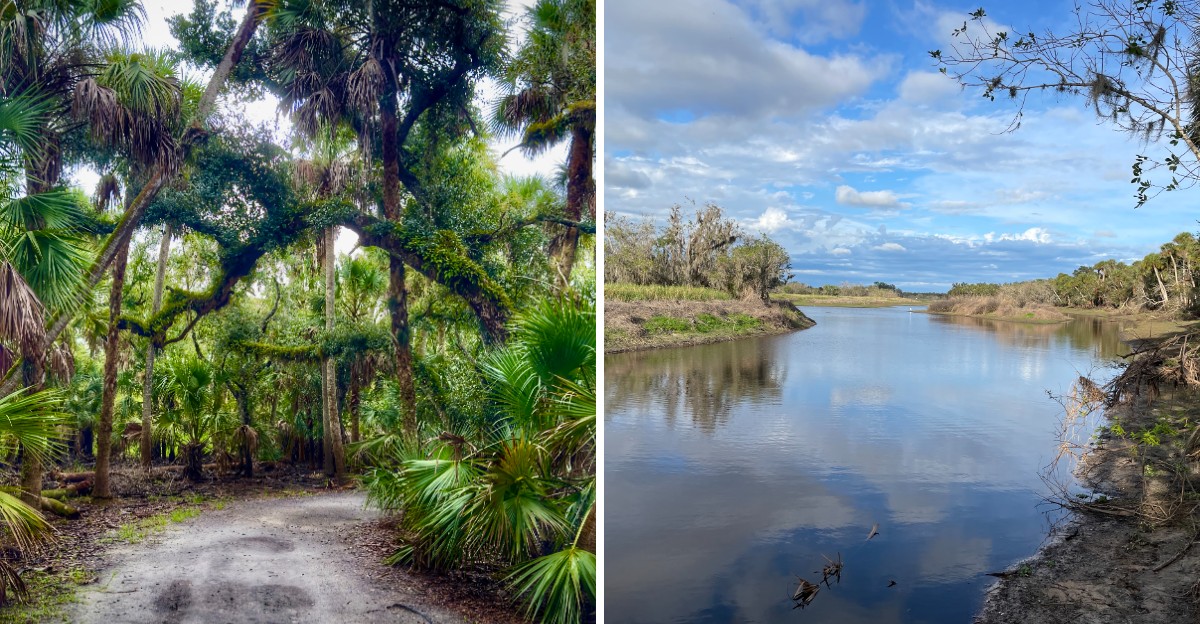
Welcome to a world of sprawling prairies, towering oak trees, mysterious wetlands, and wildlife that doesn’t care about your vacation plans.
Alligators patrol the waterways. Deer wander through the grass.
And somewhere along the trails, native rattlesnakes might be enjoying a little Florida sunshine.
Covering roughly 58 square miles, this natural wonder is one of Florida’s oldest and largest state parks. It’s breathtaking, a little unpredictable, and absolutely worth exploring.
Just remember, the best souvenir is a great photo, not a close encounter with something that rattles.
Here are ten fascinating facts about Myakka River State Park, including what makes it so special and how to enjoy its wild beauty safely.
A Wild Space Bigger Than Some Cities
Picture a slice of Florida that looks almost the same as it did hundreds of years ago. That is what greets you when you roll past the entrance gate on State Road 72.
The park stretches across roughly 37,000 acres, or about 58 square miles of land.
The Myakka River runs right through the middle, feeding Upper Myakka Lake and wandering past wetlands, hammocks, pinelands, and wide dry prairies. Sawgrass waves in the breeze.
Cabbage palms stand in little clusters like they are gossiping. Morning fog often hangs low over the water, and the air smells like damp earth and warm grass.
Size matters here for one simple reason. A park this big gives animals plenty of room to live naturally, which is why wildlife sightings are so common.
It also means you could visit a dozen times and still find a corner you have never seen.
Plan for a full day if you can. A scenic drive runs about seven miles through the heart of the park, with pull-offs for trails and viewing spots.
Grab a paper map at the gate, since cell service can be spotty, and keep your eyes open. Something is always moving out there.
Rattlesnakes Really Do Live Here
Hear a dry buzzing sound in the palmettos? Stop, stay calm, and slowly back away.
Myakka is native habitat for the eastern diamondback rattlesnake, the largest venomous snake in North America, and the smaller dusky pygmy rattlesnake lives here too.
Diamondbacks love the dry prairies and pine flatwoods, where they hide under saw palmettos and wait for rats and rabbits. Their brown diamond pattern blends in so well with fallen leaves that you might walk right past one.
Pygmy rattlers are tiny, often under two feet, and their rattle sounds more like a faint insect hum.
Here is the good news. These snakes do not want trouble with you.
Most bites happen when people try to touch, move, or kill a snake. Leave them alone, and they almost always slip away.
Local hikers follow a few easy habits. Stay on marked trails, wear closed-toe shoes, and never stick your hands or feet where you cannot see.
Watch the ground around logs and tall grass, and keep dogs on a short leash. Snakes are protected parts of this ecosystem, so if you spot one, enjoy the rare sight from a respectful distance and let it go on its way.
Gators Steal The Show At The Bridge
Ask anyone who has visited what they remember most, and the answer is usually one word: gators. Visitors mention them more than anything else, and for good reason.
The bridge on the main park road is a favorite viewing spot. Park nearby, walk carefully, and look down at the riverbanks.
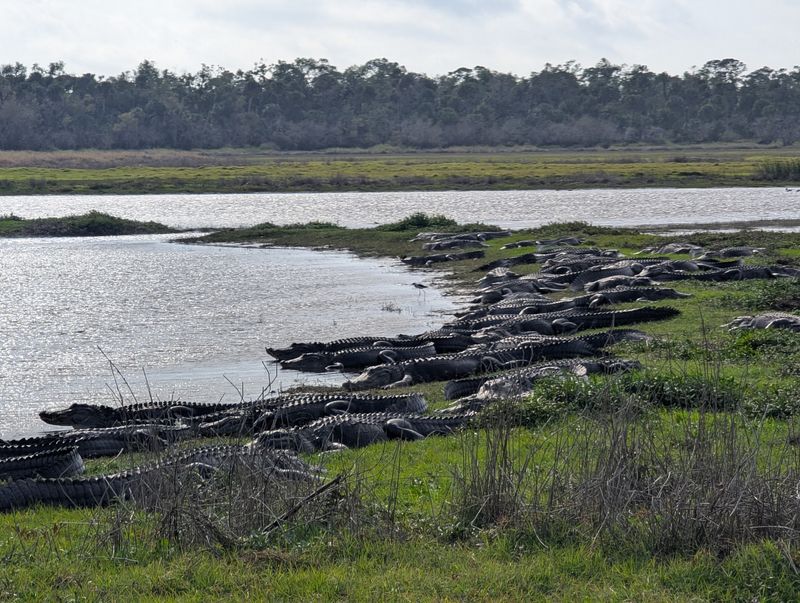
On a sunny winter morning, you might count a dozen alligators sprawled in the mud like giant logs, mouths open to cool off. Babies sometimes ride along the edges, while big adults glide past with only their eyes and snouts showing.
Another popular walk leads to Alligator Point, about a mile each way, where hikers have reported spotting nearly twenty gators in one afternoon. During spring mating season, campers even hear deep, rumbling bellows echo across the water at night.
It sounds like distant thunder that forgot to stop.
Stay at least 15 feet away from any alligator, never feed them, and keep kids and pets well back from the shoreline. Feeding wildlife is illegal in Florida for a reason.
Gators can also wander near the road, so drive slowly and scan both sides. The cooler months, roughly November through March, usually bring the best basking views.
Treetop Thrills On The Canopy Walkway
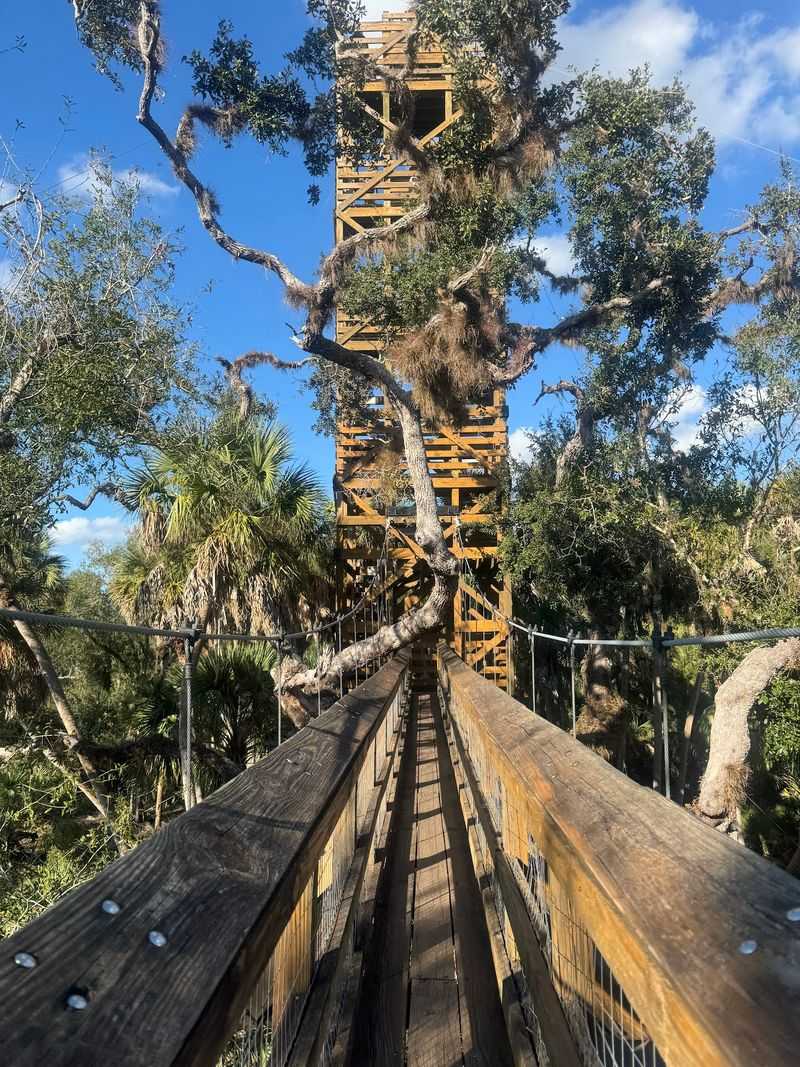
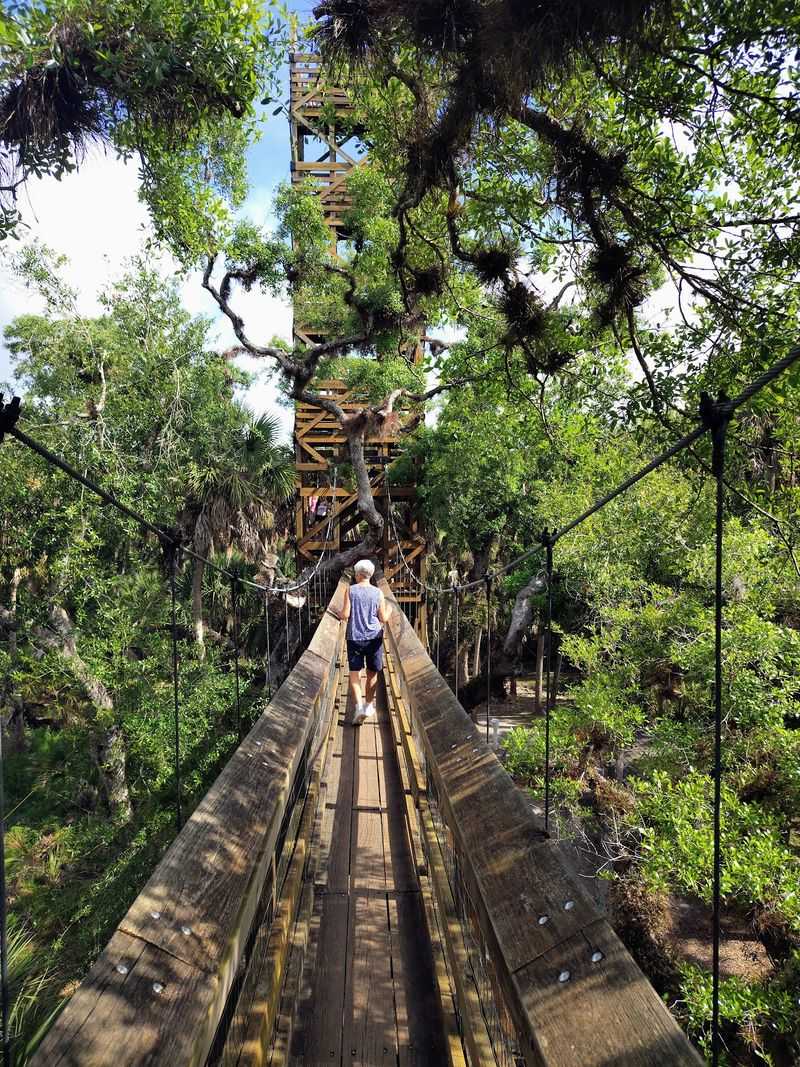
Opened in 2000, the Myakka Canopy Walkway was the first public treetop trail of its kind in North America. That alone makes it worth the short stroll from the road.
Let us be honest, though. The suspended bridge is only about 100 feet long, and some people cross it in under a minute.
Folks expecting a long jungle skywalk sometimes feel a little surprised. The real treat is being 25 feet up, eye level with Spanish moss, air plants, and the leafy tops of live oaks where birds and insects live their whole lives.
Then comes the big moment. Right next to the bridge, a tower rises about 74 feet into the sky.
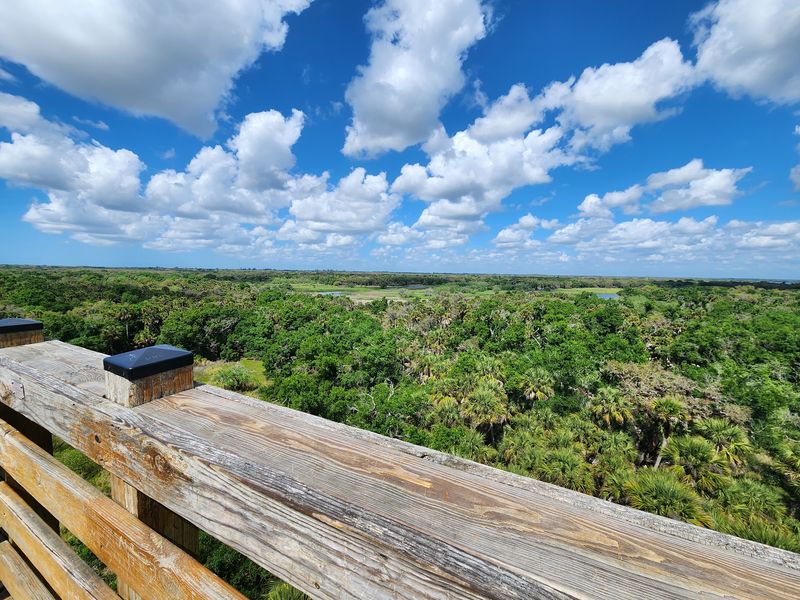
Climb the stairs, catch your breath, and step out onto the top deck. Below you, a green carpet of forest rolls toward open marsh and distant water.
On clear days, the view feels endless.
The walkway sits along a short nature trail with helpful signs about the hammock. Go early to beat the heat and the crowds.
Note that the tower has many stairs and no elevator, so it is not wheelchair accessible. If heights make your knees wobble, the ground trail still offers plenty of shade and charm.
Roots That Reach Back To The 1930s
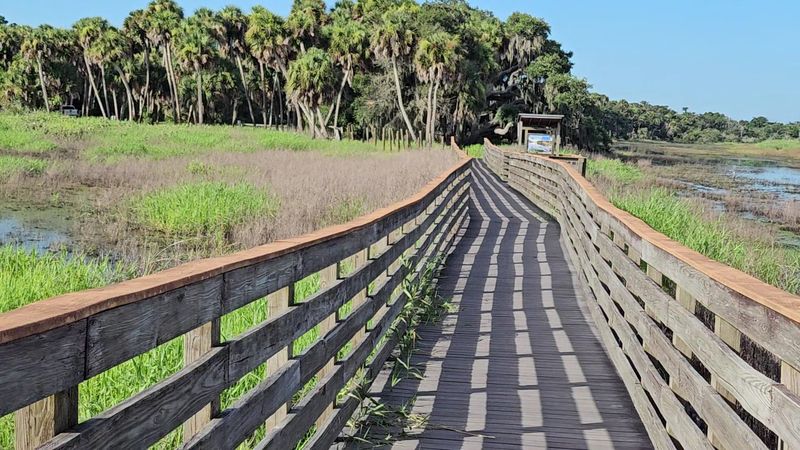
Long before selfies and snack shops, young men with axes and saws were building this park by hand. Myakka opened to the public in 1942, and much of its early work was done by the Civilian Conservation Corps, a Great Depression program that put people to work on public lands.
Their craftsmanship still stands today. Look for the rustic buildings made from cabbage palm logs, including the historic Log Pavilion near the picnic area.
It is almost a hundred years old, yet families still grill burgers under its roof. Ceiling fans and drinking fountains have been added, but the rough, earthy look remains.
The land itself has an interesting backstory. Much of it was once part of the estate of Bertha Palmer, a wealthy Chicago socialite who ran cattle in the area.
Fun fact: the CCC crews used local palms because they were cheap and plentiful, giving the buildings a look you rarely see anywhere else. Take a moment to touch the old logs.
You are standing inside a living history lesson, built by people who believed wild Florida was worth sharing.
Birders Bring Binoculars For Good Reason
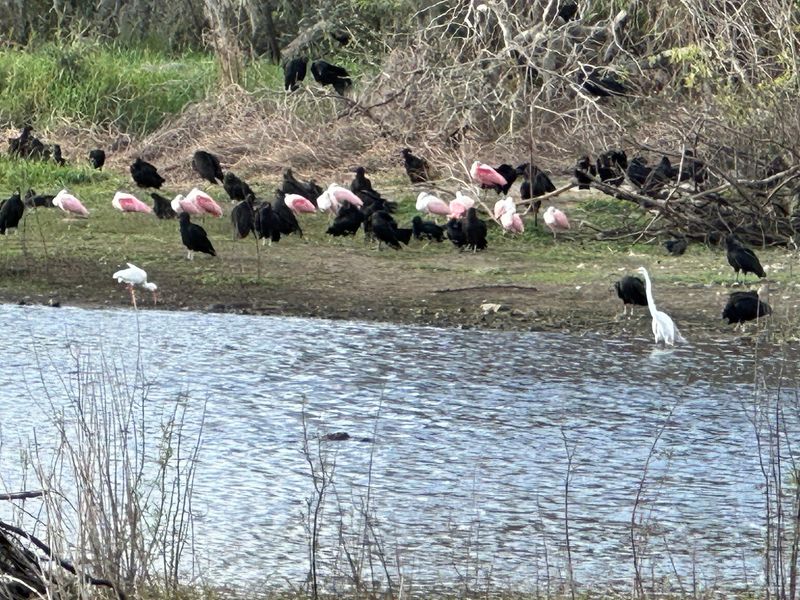
Pink feathers in the marsh? You are not imagining it.
Roseate spoonbills are one of the bright surprises waiting at Myakka, along with wood storks, great blue herons, white ibis, and tall sandhill cranes.
Bird lovers come from all over to see this mix. Over 200 bird species have been recorded in the park through the year.
Winter is especially busy, when migrating ducks and wading birds crowd the shallow edges of Upper Myakka Lake. Hawks and bald eagles circle overhead, and ospreys dive for fish with a splash.
The old Birdwalk boardwalk was damaged by storms and has been closed, but visitors can still walk out near it to scan the shoreline. The lake edges, the prairie, and the road near the river are all great places to stop and watch.
Here is a handy tip. Some visitors say you can ask about borrowing binoculars at check-in, so it never hurts to ask.
Staff and rangers are often happy to point out what is being seen lately. Bring a field guide or a birding app, move slowly, and talk quietly.
Early mornings and late afternoons usually bring the most action, plus softer light for photos.
Miles Of Trails For Every Kind Of Hiker
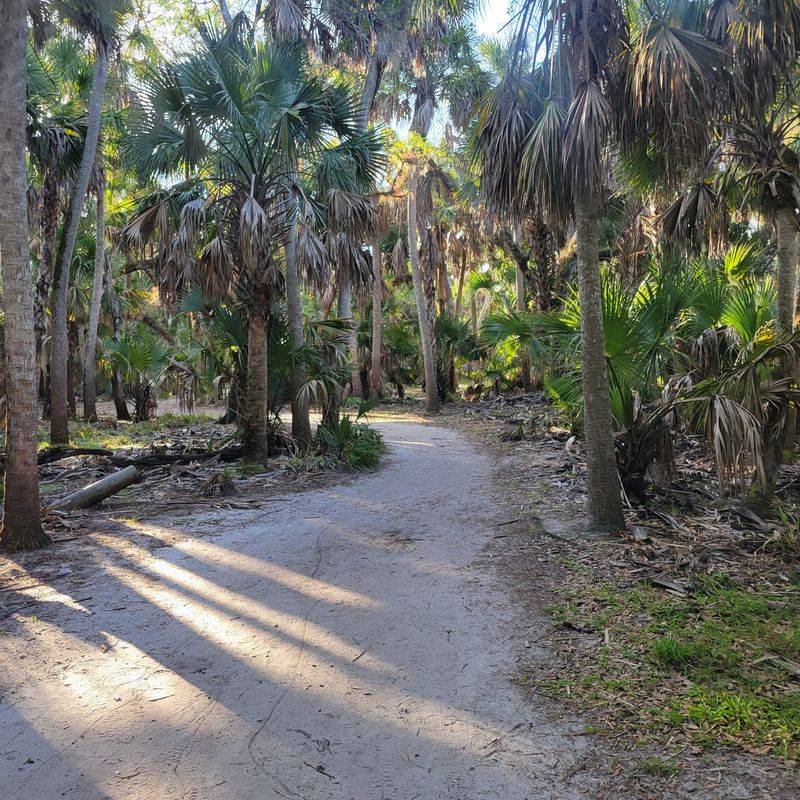
Some people want a quick stroll. Others want to vanish into the wilderness for days.
Myakka handles both.
Short trails near the main road take around 20 to 30 minutes, perfect for families. Longer loops, like those starting near Meadow Sweet Pastures, can stretch over five miles through quiet prairie where you might not see another person for an hour.
Serious backpackers can tackle nearly 39 miles of hiking trails, with primitive campsites spread along the way.
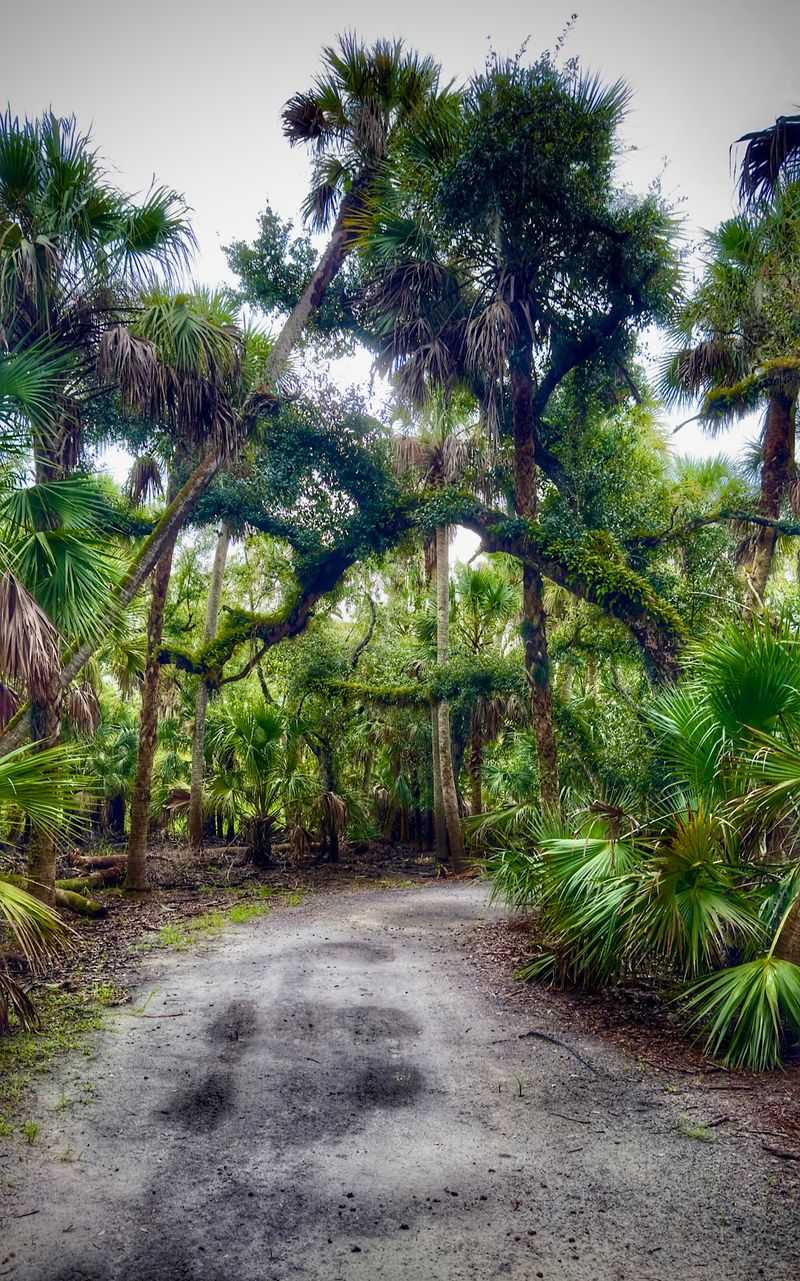
The scenery shifts fast. One minute you are in a shady oak hammock, the next you are on an open prairie so wide and flat it feels like the sky got bigger.
Deer often bound across the path, and wild turkeys strut like they own the place. Watch for feral hogs too.
Trails can flood in the summer rainy season, and bugs can be intense. Bring plenty of water, bug spray, a hat, and sunscreen, since many trails have little shade.
Snap a photo of the trail map before you go, because not every path shows up on phone maps. And yes, this is rattlesnake country, so stick to the trail and keep your eyes on the ground.
Paddling And Rolling Through The Park
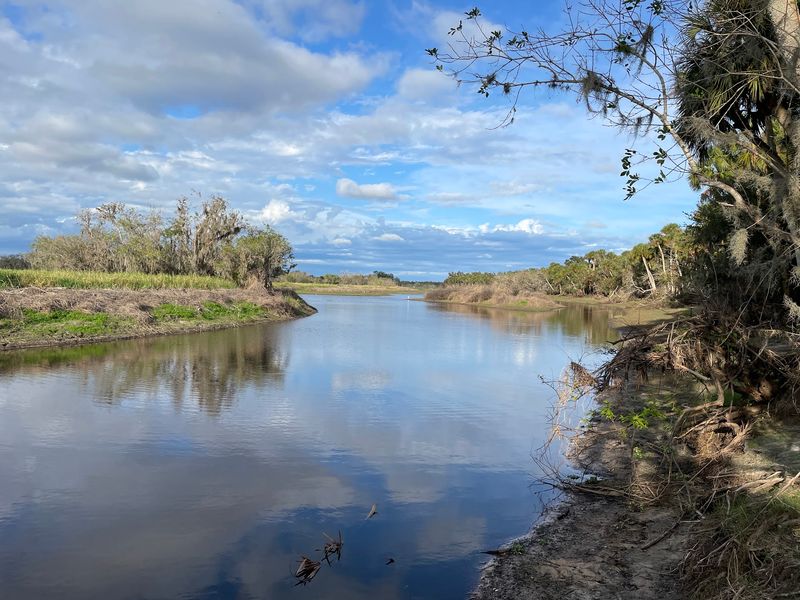
Gliding across Upper Myakka Lake in a kayak feels a little like sneaking into nature’s living room. The water is calm, the birds barely notice you, and a gator might surface just far enough away to make your heart jump.
Kayak, canoe, and bike rentals have been offered near the main concession area, though availability can change, so check before you arrive. Paddlers should stay well away from alligators and never paddle too close to the banks.
Windy days can make the open lake choppy, so keep an eye on the weather.
Not a paddler? The park has historically offered guided boat tours and seasonal tram tours that share stories about the wildlife and land.
Tours can pause or change after storms, so call ahead at 941-361-6511 to see what is running.
Cycling is another fun way to explore. The paved park road makes a smooth, flat ride, and there are also off-road trails for mountain bikes.
Wear bright colors, since you will be sharing the road with cars. Whether you pedal or paddle, slow travel helps you notice the little things, like a turtle sliding off a log or herons standing perfectly still.
Deep Hole And Its Limited Permits
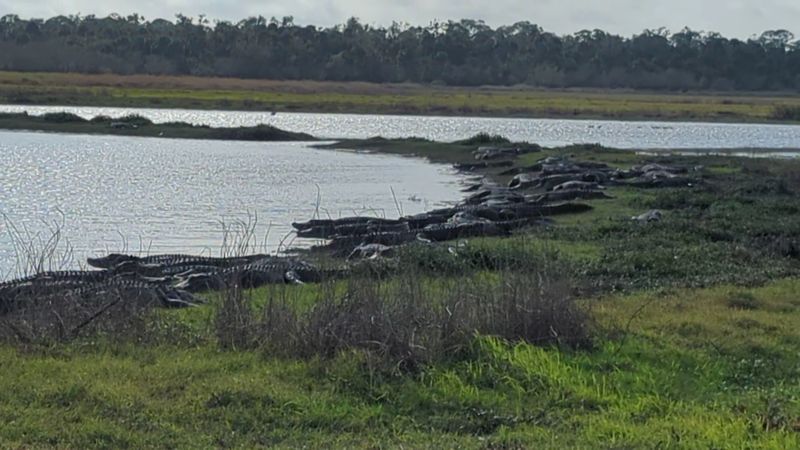
Hidden in the park’s wilderness preserve is a spot that sounds like something from an adventure movie. It is called Deep Hole, a sinkhole near Lower Myakka Lake that drops far deeper than the shallow water around it.
During the dry season, when water levels fall, many alligators gather here. Some visitors have reported seeing dozens of gators in one place, which is both amazing and a little spine-tingling.
Because the area is so sensitive, the park limits how many people can visit each day. Visitors need a free permit, and only a small number are given out, usually first come, first served at the ranger station.
They often disappear early in the morning, especially on weekends and during the busy winter season. One reviewer shared that the permits were all gone by the time they arrived.
Getting there means hiking a few miles round trip on an unpaved route with little shade, so pack lots of water and sturdy shoes. Never get close to the water’s edge.
If you miss out on a permit, do not worry. The bridge and Alligator Point still offer fantastic gator views without the long trek.
Smart Tips Before You Pull Up
Good planning can turn a nice day into a great one. Start with the basics.
Florida state parks generally open at 8 a.m. and close at sundown every day of the year, but hours and services can shift with the season or after storms.
Entry has been about $6 per vehicle, with lower rates for walkers and bicyclists. Prices can change, so treat that as approximate.
Parking is spread out at trailheads, picnic areas, and the concession area, and it fills up fast on winter weekends. Arrive early for the best spots.
For accessibility, the visitor center, paved roads, and some picnic areas are easier to reach, while the tower and many trails are not. Call ahead to ask about current options.
Storm recovery has closed some spots, like the Birdwalk, and food has been served from trailers or food trucks while buildings get repaired.
Camping options include Palmetto Ridge and other campgrounds, plus historic cabins. Pack water, snacks, bug spray, and sunscreen.
Visit the small museum at the visitor center to learn about the land. Most of all, respect the wild residents, rattlesnakes included, and you will leave with stories worth sharing.