
Hungry Black Bears Are Showing Up Near Homes And Campsites In These Washington Counties This Fall
A black bear in a Washington backyard recently leaped about nine feet from one Douglas fir to another. The homeowners caught it on camera.
They said it was the first bear they had seen there in 26 years.
I can’t stop picturing that jump. It’s part of a bigger story, too.
Bears across Washington are deep in hyperphagia, a fall eating frenzy that runs from late August into early November.
In some areas, the huckleberry crop came up short this year. Hungry bears don’t simply shrug and go to bed early.
They roam, and garbage cans, bird feeders, pet bowls, and fruit trees start looking like a free buffet.
So where are they turning up most, and what can you do about it? I rounded up the counties getting the most attention, plus the simple habits that may help keep these furry snackers wild.
1. Stevens County
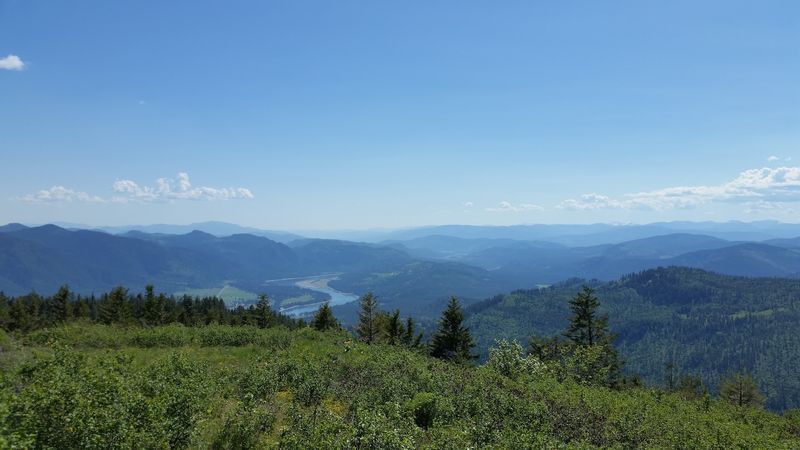
Blame the huckleberries. In northeast Washington, this year’s crop was a bust, and bears noticed fast.
A thin berry season means hungrier animals that travel farther for calories. In rural Stevens County, that search often leads straight toward homes and outbuildings.
Bears are on a strict fall schedule called hyperphagia. From late August into early November, they’re trying to pack on as much fat as possible before winter.
When the wild menu runs short, they get creative. Anything that smells like food can become a target, and wildlife staff even have a nickname for those odors: smellies.
So what counts as a smellie? Unsecured garbage tops the list, followed by pet food left outside and fruit dropping from backyard trees.
Chicken feed and livestock feed can pull bears in too. Even a greasy barbecue grill may send out an invitation you never meant to give.
The fix is pretty low-tech. Store trash and feed inside a garage or shed, pick up fallen fruit, and scrub the grill after cooking.
None of that costs much, which is a nice bonus. It can also save you from a surprise visitor at two in the morning.
Wildlife officials want to hear from you early. If a bear shows up looking for food, contact the Washington Department of Fish and Wildlife right away.
Address: Colville, WA 99114
2. Ferry County
Bears are smart, and that’s exactly the problem. Once one finds an easy meal, it remembers the address.
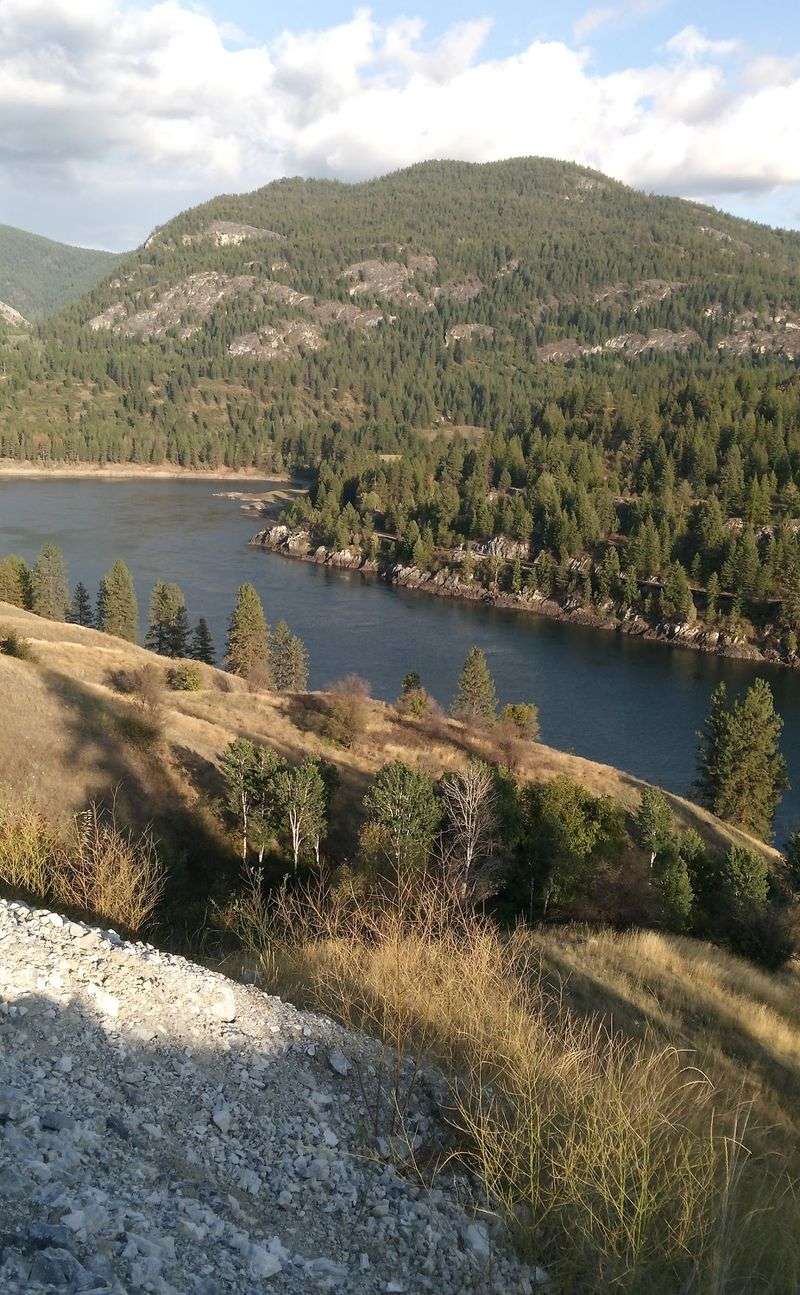
Annemarie Prince, a district wildlife biologist with the Washington Department of Fish and Wildlife, has explained that bears return to food sources that keep paying out. Ferry County sits right in the region where this fall’s poor huckleberry crop has bears wandering.
Think of your property like a slot machine. If a bear pulls the lever once and gets a jackpot of trash, it’ll come back for another spin.
That’s why the first visit matters so much. Officials strongly encourage residents to call WDFW the very first time a bear shows up looking for food.
Waiting tends to make things harder. A bear that gets comfortable around people is tougher to discourage later.
Out here, homes often sit near thick timber and quiet back roads. That’s lovely for you and handy for a hungry bear on the move.
Small habits can help a lot. Bring pet bowls inside at night, and keep garbage locked up until pickup or your next dump run.
If you camp in the area this fall, the same rules apply. Store coolers and food in a hard-sided vehicle, and never leave snacks in your tent.
Bears don’t care how much fun your trip is. They care about what’s in the cooler.
Address: Republic, WA 99166
3. Pend Oreille County
Apple trees look innocent enough. To a bear running low on huckleberries, though, a loaded branch is basically dessert on a stick.
Pend Oreille County is part of the northeast Washington trio where bears are especially busy this fall. With the berry crop falling short, backyard fruit can become a powerful lure.
Fallen apples and pears are a big deal. They pile up on the ground, start to ferment, and send a scent trail through the neighborhood.
Picking fruit as it ripens is one of the simplest steps you can take. Raking up the drops each day may help even more.
Bird feeders can also tempt bears. Seed is packed with calories, and a feeder hanging off a porch is easy pickings.
Pet food deserves a spot on your checklist too. A bowl left on the deck overnight is an open invitation.
Remember those smellies? Barbecue grills, chicken coops, and livestock feed bins all count, so give them a quick once-over this season.
Store feed in sealed containers inside a sturdy building. If you keep chickens, consider whether your coop could stand up to a curious, strong visitor.
Of course, the goal isn’t to scare yourself out of enjoying fall. It’s about making your yard boring to a bear, which is honestly a great compliment.
Address: Newport, WA 99156
4. Spokane County
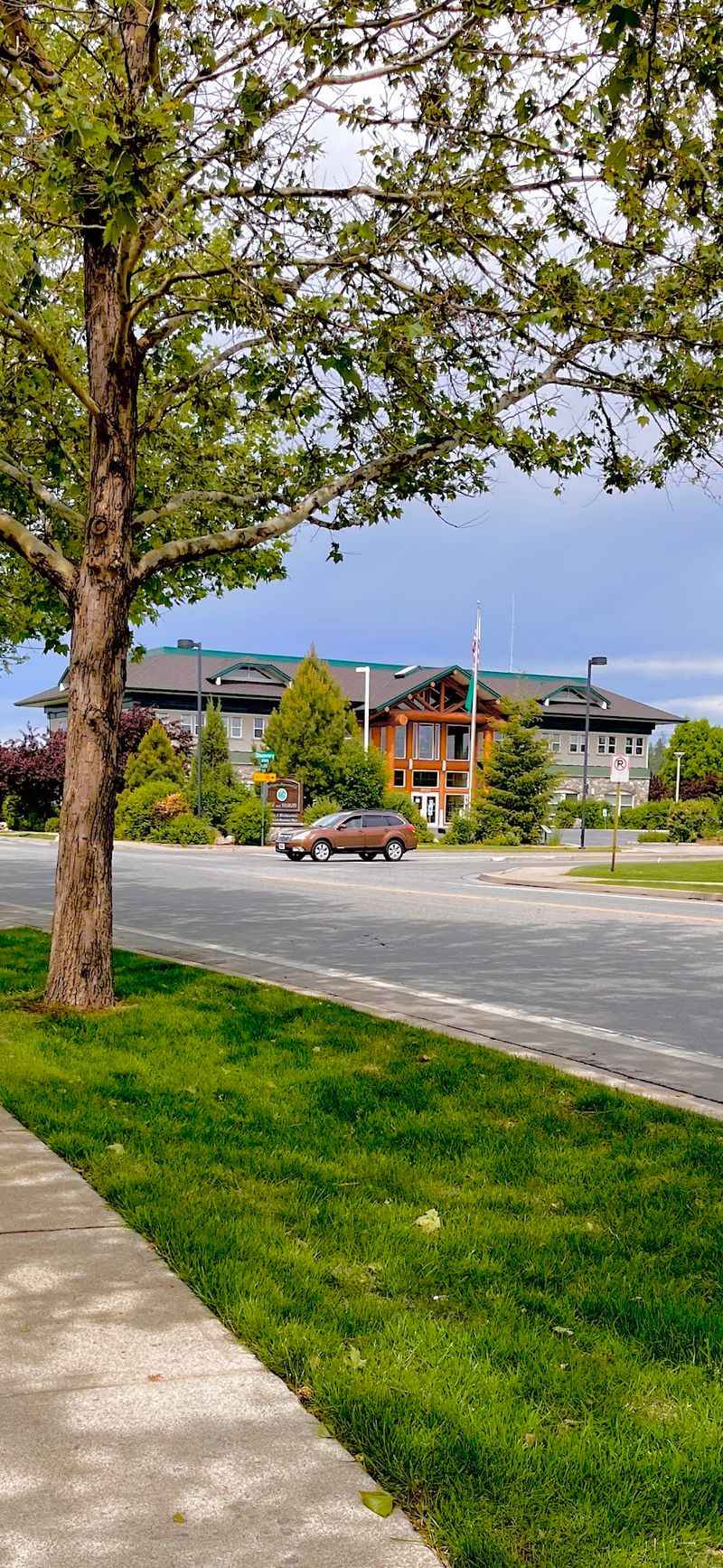
Got a bear question in eastern Washington? Your best phone-a-friend might be a state wildlife office in Spokane Valley.
The WDFW Eastern Region office serves a wide stretch of the state, including the northeast counties dealing with this fall’s hungry bears. It’s a good place to start if you need guidance or want to report a visit.
Plenty of people hesitate to call. Maybe the bear just knocked over a trash can, and that feels too small to mention.
Officials see it differently. They want to hear about that first food-seeking visit, before a bear learns your yard is a reliable stop.
Reporting early can make a real difference. It gives staff a clearer picture of where bears are roaming and what’s drawing them in.
The office can also point you toward practical steps for your situation. That might mean advice on storing garbage, protecting chickens, or handling fruit trees.
Here’s a fun bit of bear trivia while you’re at it. Hyperphagia can push bears to eat for most of the day as they bulk up for winter.
That explains a lot about their fall boldness. When the clock is ticking toward hibernation, a bear has very little patience for an empty stomach.
Keep the office address handy. It’s one of the most useful things you can save this season.
Address: 2315 N Discovery Pl, Spokane Valley, WA 99216
5. King County
Nine feet, tree to tree. A black bear made that leap between two Douglas firs in a Woodinville backyard, and the moment landed on camera.
The homeowners said it was their first bear sighting there in 26 years. That’s quite a debut, and it shows how close bears are getting to King County neighborhoods this fall.
Suburbs near forests make tempting territory. Bears can slip along greenbelts and wooded lots without anyone noticing until something gets raided.
Bird feeders are a frequent culprit. Bears love seed just as much as songbirds do, and those calories are hard for them to pass up.
State wildlife officials are urging residents to take feeders down for now. They also recommend making sure garbage cans are secure.
That might mean keeping cans in the garage until collection morning. It’s a small chore that can spare you a messy cleanup on the lawn.
Wondering why the bear was up a tree in the first place? Black bears are skilled climbers, and trees give them an easy escape route and a lookout.
Still, a backyard acrobat isn’t a pet. Give bears plenty of space, keep dogs close, and enjoy any sighting from indoors.
Keeping bears wild comes down to keeping our food locked tight. Your bird friends can have their feeder back later in the year.
Address: Woodinville, WA 98072
6. Snohomish County
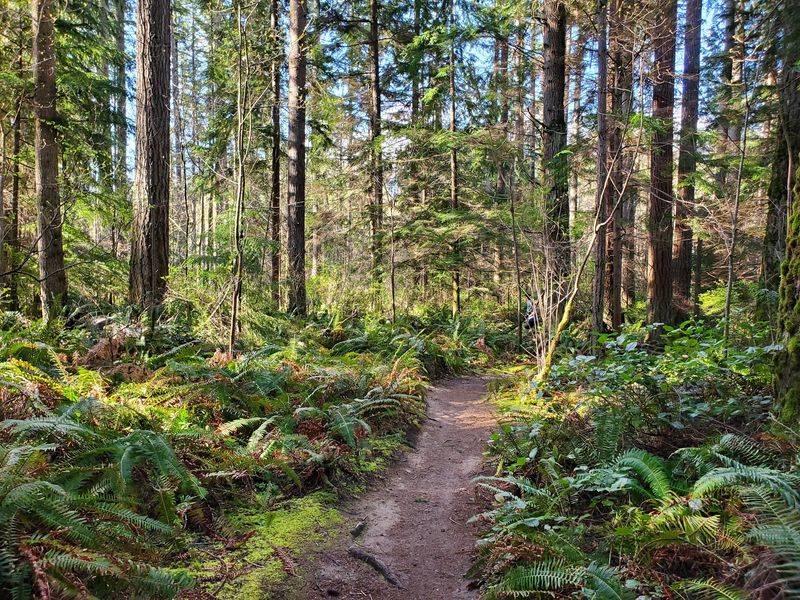
Bothell, Mill Creek, Maltby, East Everett, Snohomish. That’s quite a commute for a bear, and conflict rates are reportedly climbing along that stretch.
Snohomish County sits on the edge of bear country in a way many residents don’t expect. A confirmed sighting in the 12300 block of 58th Place SE drove that point home.
These are not remote cabins. We’re talking about subdivisions, cul-de-sacs, and backyards with swing sets.
Black bears are naturally curious. Pet food and unsecured garbage cans are two of the biggest draws pulling them toward houses.
Wildlife experts offer a handy rule about bird feeders. From April until late November, natural food is generally available, so feeders aren’t really needed.
Skipping them during those months may help keep bears from linking homes with easy meals. Birds can still find seeds, bugs, and berries on their own.
Neighbors make a big difference here. One unsecured can on a street can keep a bear circling the whole block.
So maybe share a reminder in your neighborhood group. A friendly heads-up about trash day habits could spare everyone some trouble.
Common-sense steps protect both people and bears in our Washington communities. That’s a pretty good return on a few extra minutes of tidying.
Address: Everett, WA 98201
7. Whatcom County
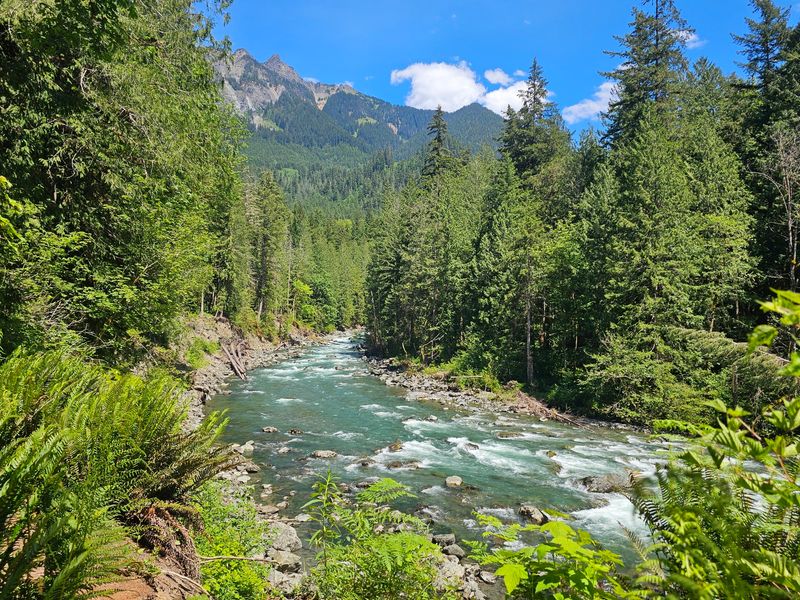
Thirty-two reported bear sightings, with 10 confirmed by officials. That’s Whatcom County’s count for 2026 so far, and many were close to human food sources.
Garbage, pet food, animal feed, and bird seed all showed up near those confirmed sightings. Notice a pattern yet?
Trail encounters have raised concern too. In August, a woman hiking with her leashed dog had a run-in with a black bear north of Lake Whatcom.
Then in September, a man and a child were reportedly hurt during a bear encounter near Bellingham. WDFW responded by increasing patrols in the area.
Before you head out on a fall hike, brush up on the basics. If a bear approaches, stand tall, wave your arms, and talk in a low, calm voice.
That tells the bear you’re a human, not a snack. Then back away slowly and avoid direct eye contact.
Above all, don’t run. Running can trigger a chase response, and bears are much faster than people.
Keep dogs leashed on the trail, just like that hiker did. Carrying bear spray within easy reach is another smart move.
Staying aware of your surroundings matters most. Leave the earbuds out, watch for fresh signs, and let the scenery be your soundtrack.
Address: Bellingham, WA 98225
8. Chelan County
Bavarian charm, mountain views, and apparently a lot of bears. Leavenworth logged 62 black bear reports by July 2026.
According to WDFW, human-provided attractants are the biggest reason. Unsecured garbage tops the list, pulling bears deeper into neighborhoods.
A mild winter may have played a role too. Bears woke from hibernation earlier than usual, before natural foods were fully in season.
Hungry and early, they headed toward town. Now fall’s hyperphagia is adding even more urgency to their search.
Geography doesn’t help. The mountains and forests around Leavenworth act as natural travel corridors, so bears are never far from Chelan County homes.
Visiting for a fall weekend? Keep car snacks out of sight, use bear-resistant bins where provided, and never leave food at a campsite.
Residents have clear guidance as well. Use bear-resistant containers, or keep trash indoors until pickup day.
One more thing to know before you toss out leftovers. Feeding bears in Washington, on purpose or by accident, is illegal and can bring fines topping a thousand dollars.
So that half-eaten pretzel? Pack it out with you.
A little care keeps this storybook town safe for people and bears alike. The bears can stick to the woods, and you can stick to the scenery.
Address: Leavenworth, WA 98826