
This Donation-Based Michigan Thrift Store Is A Maker’s Dream For Secondhand Fabric
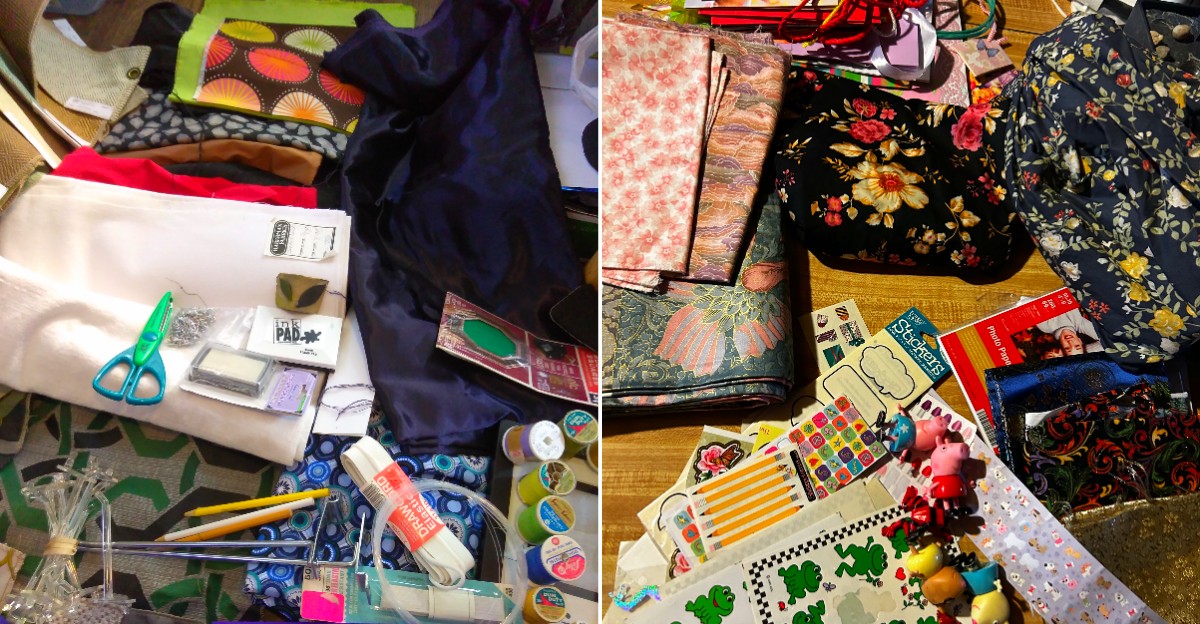
Some craft stores sell supplies; this Detroit stop sells possibilities. Shelves and bins filled with donated fabric, buttons, paper, trim, and assorted creative odds and ends make browsing feel a little like treasure hunting for people who enjoy making things by hand.
The nonprofit behind it gives discarded materials another life through shopping, workshops, and art programs, turning reuse into something far more inspiring than simply keeping stuff out of the trash.
Creative reuse gets a distinctly Michigan twist here, where affordable craft supplies, environmental thinking, and pure maker curiosity all meet in one wonderfully unpredictable shop.
I love places where you walk in looking for one thing and leave with an entirely different project forming in your head. Quilters, sewers, teachers, and chronic button collectors can all find something useful.
The inventory keeps changing, so the smartest approach is simple: browse slowly, stay curious, and let the materials suggest what comes next.
Fabric Heaven Rewards A Slow Browse
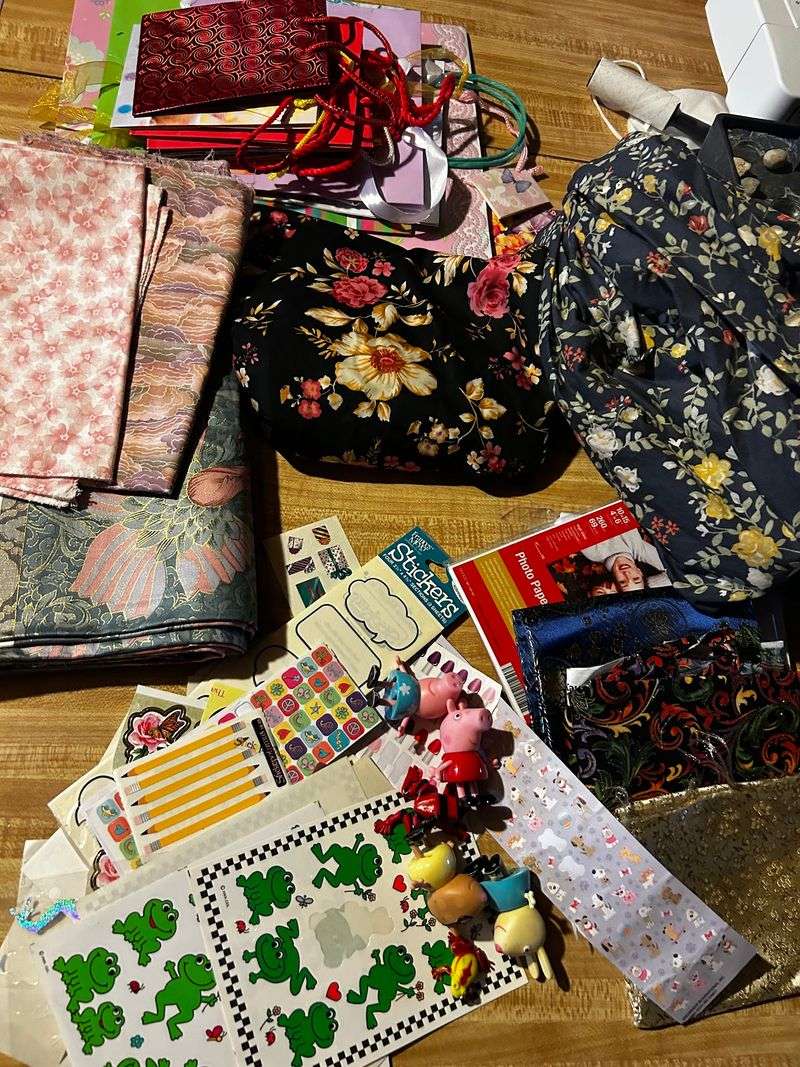
A room called Fabric Heaven sets a fairly cheerful expectation. Arts & Scraps has a dedicated textile area described as an eleven foot square space, with donated fabrics that can include cottons, tapestries, and older patterns.
Give yourself time to look beyond the first appealing print. Check the usable width, inspect both sides, and notice whether the piece has cutouts or uneven edges.
A beautiful remnant still needs to fit the job.
Bring your measurements and a small tape measure if you are shopping for something specific. For patchwork, smaller pieces may be enough; for a cushion cover, you will need more continuous cloth.
The selection changes, so treat examples of past stock as possibilities, not promises.
Harper Avenue Leads To The Creative Reuse Pile
Arts & Scraps sits at 16135 Harper Avenue in Detroit, Michigan, along the east-side commercial corridor. Harper Avenue is the road to stay with on the final approach, with the Community Store set directly along the avenue rather than hidden inside a shopping center.
The last stretch is lined with low businesses and neighborhood storefronts, so once you reach the 16100 block, slow down and start watching the addresses. The building looks more like a practical community workspace than a polished art-supply shop, which fits the mountains of reused materials waiting inside.
Pull into the Arts & Scraps parking lot and head straight toward the Community Store entrance. If you are bringing materials to donate rather than shopping, arrange the drop-off beforehand instead of simply unloading when you arrive.
Measure Before The Pattern Wins
Pretty fabric has a habit of making practical questions disappear. Before choosing a piece at Arts & Scraps, pause long enough to decide what you can actually make from it.
Measure the usable area rather than guessing from a folded bundle. Look for stains, worn spots, loose threads, and changes in color.
Stretch fabric and firm woven cloth behave differently, so avoid treating them as easy substitutes.
If the fiber content is unknown, ask whether staff have any information, but be prepared for an uncertain answer. At home, test a small section before washing the whole piece.
A little checking protects your time and helps turn a bargain into something you will genuinely use, rather than another unfinished project.
Ask How Bag Shopping Works
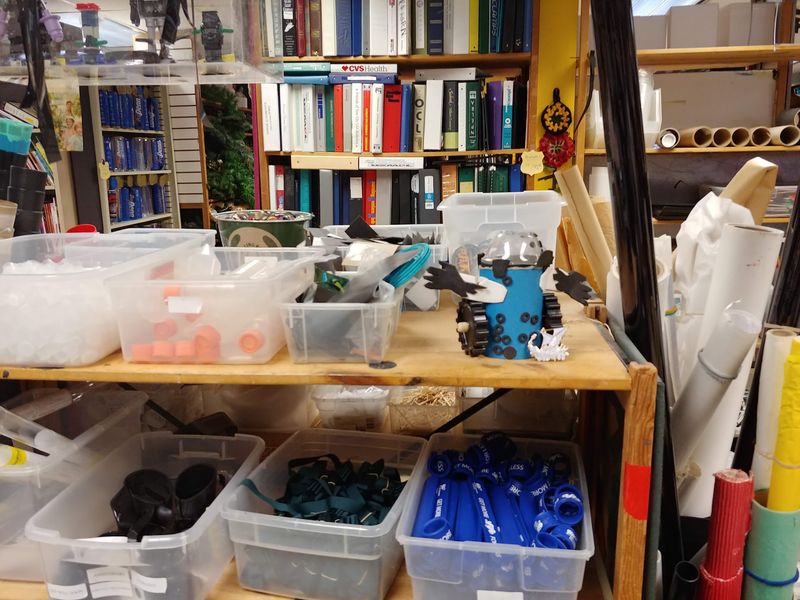
The bag shopping system makes small discoveries especially tempting. Arts & Scraps offers bulk shopping for eligible materials, while other goods carry individual prices, so understanding the difference should come before filling your bag.
Ask staff which sections qualify and what the current bag sizes cost. Previously published prices vary by size, and an old figure is not a reliable promise for your visit.
Check how fabric is priced rather than assuming every textile belongs in the bulk section.
Choose pieces around a useful theme, such as a classroom collage or a small sewing project. A bag of supplies that work together is usually more satisfying than a bag packed with things you cannot picture using at home.
Small Notions Deserve A Look
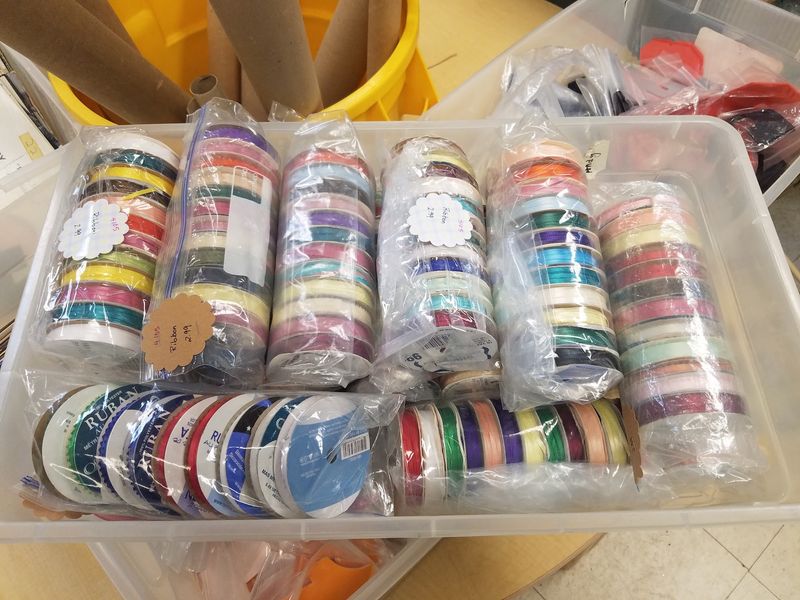
Sometimes the least dramatic purchase saves the whole project. Thread, elastic, or a useful sewing tool can matter more than the bold fabric that first caught your eye.
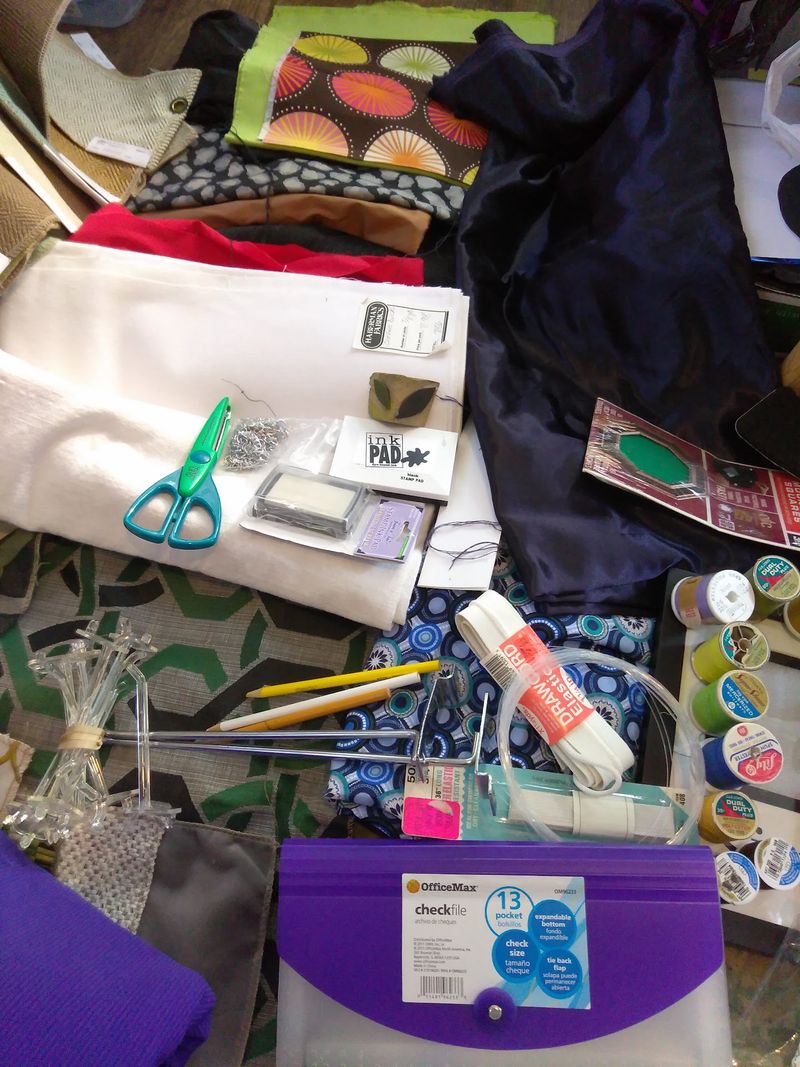
Arts & Scraps has offered individually priced specialty supplies near the register, including sewing notions and other crafting materials. Look there before deciding your shopping is finished, but remember that donations shape what is available.
Check packaging, condition, and compatibility with your equipment. Older tools may still work well, while an unopened item is not automatically the right fit.
Bring a short list of missing essentials so you can separate a useful find from an attractive extra. Your future sewing session will appreciate having the basics ready before the first cut.
Let Other Materials Join The Project
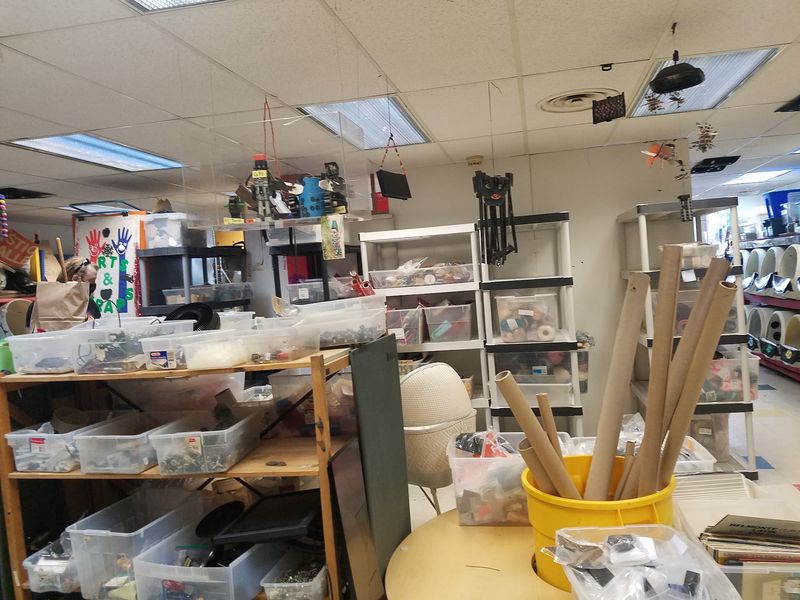
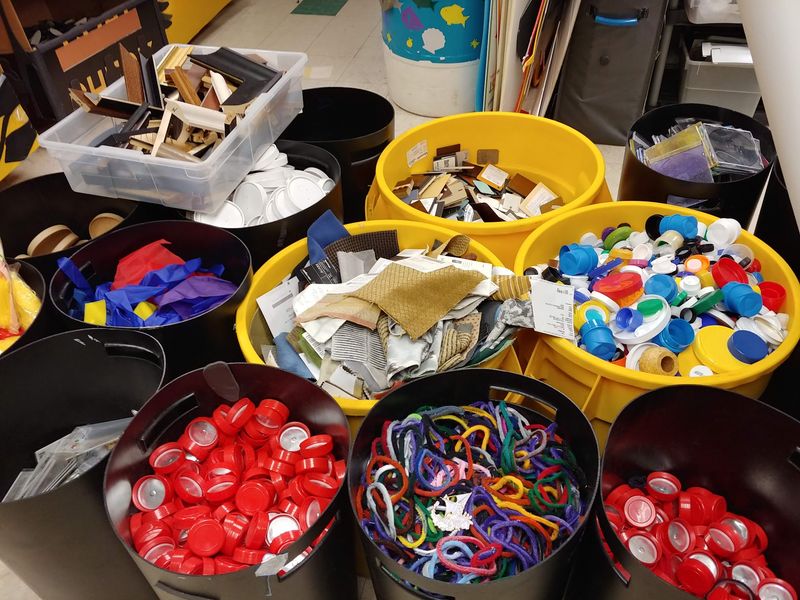
Cloth does not have to do all the work. The store’s broader mix of donated materials can include yarn, paper, wood scraps, tiles, and unexpected pieces that suggest uses far beyond their original purpose.
A textile wall hanging might need a backing; a fabric collage could benefit from paper shapes. Browse with those practical connections in mind instead of collecting every curious object you encounter.
For projects involving children, consider sharp edges, loose parts, and the strength of whatever glue or fastener you plan to use. Keep decorative experiments separate from items that must support weight or survive washing.
Mixing materials is fun, but checking how they behave together makes the finished result much easier to enjoy over time.
Scrap Junction Adds Hands-On Play
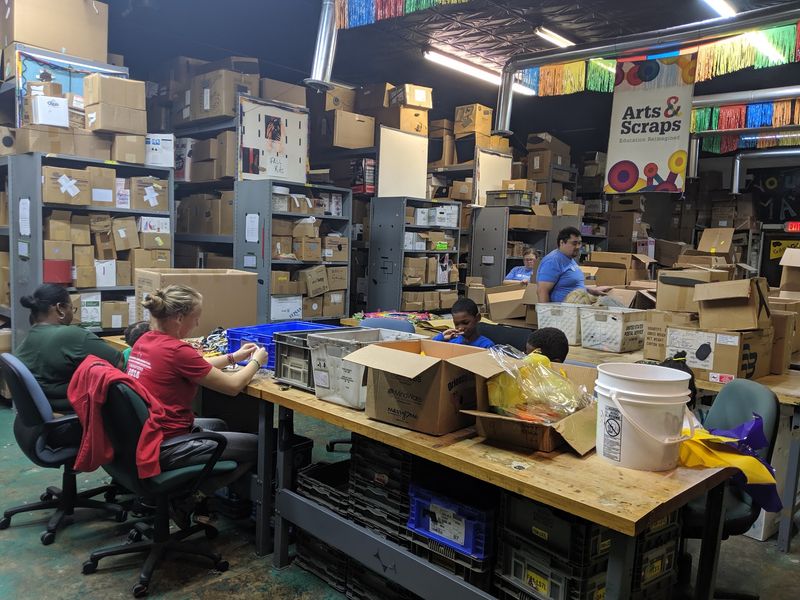
Shopping is only one way to explore what a scrap can become. Arts & Scraps also has Scrap Junction, an interactive area developed around hands-on creative play for children and adults.
Published descriptions mention six activity stations, but check current access, admission, and arrangements before planning your visit around them. Ask whether a library Museum Adventure Pass applies, rather than counting on an older offer.
For families, making something together can give the shopping trip a clear purpose. Let a child suggest what a fabric piece might become, then help with safe tools and suitable materials.
Leave room for their solution, even if it looks nothing like yours. A crooked little creation can still show some very good thinking.
Community Programs Stretch The Visit
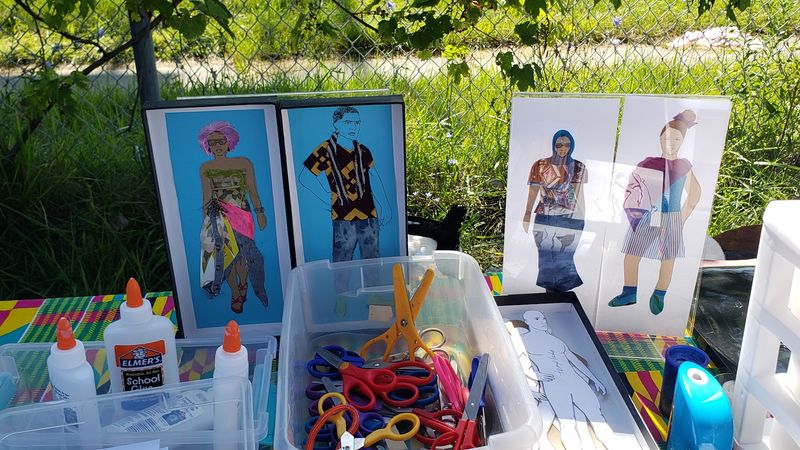
A shared worktable can make an unfamiliar material feel less puzzling. Arts & Scraps supports community learning as well as shopping, with programming that brings people together around reused supplies.
The organization has advertised Saturday family STEAM activities and adult Creative Café meetups. Confirm the current calendar, any registration rules, and the intended age group before choosing a date.
Regular programs can change, and a store opening does not guarantee an event is happening.
If you attend, bring a manageable idea rather than an entire unfinished project collection. Ask questions, listen to other approaches, and keep your supplies easy to carry.
Meeting people who use materials differently can be just as useful as finding another piece of cloth to take home.
Donations Keep The Shelves Changing
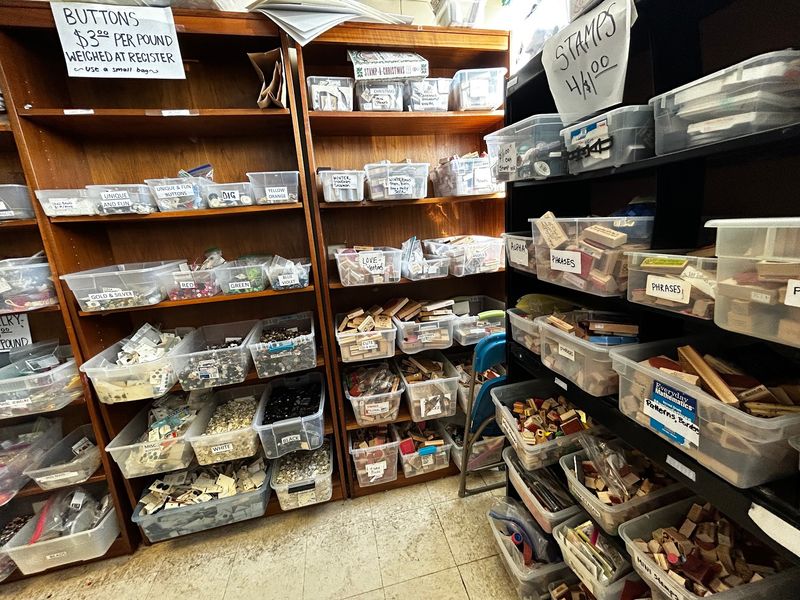
One person’s leftover fabric can solve another person’s supply problem. Donations help keep Arts & Scraps stocked, which also explains why the same selection cannot be expected on every visit.
Before bringing materials, check the organization’s current accepted items and donation instructions. Do not assume that anything related to crafting is useful or that drop-offs follow the same schedule as shopping.
Ask about quantities if you are clearing out a large collection.
Sort your materials and describe them honestly. Separate usable cloth from damaged pieces, and keep small supplies contained.
A thoughtful donation should make the next step easier for staff and shoppers. Clearing a cupboard feels better when its contents have a realistic chance of becoming something useful again.
Reuse Works Best With A Plan
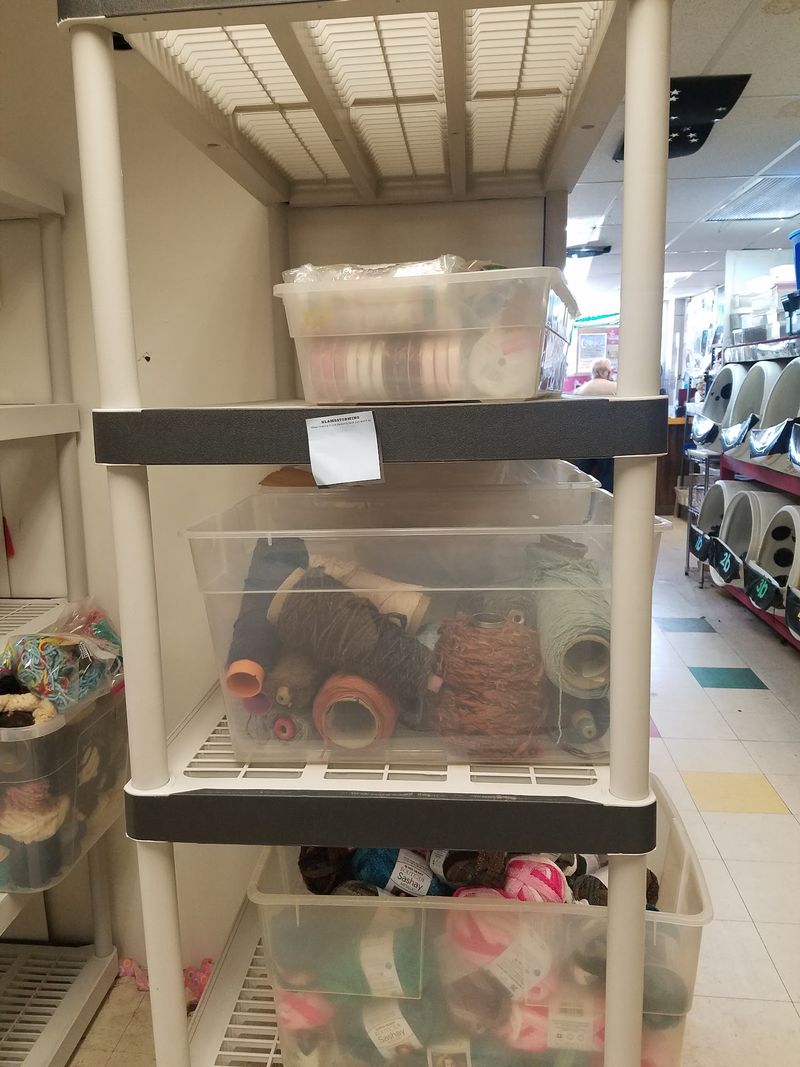
The environmental value here starts with a simple act: using something that already exists. Arts & Scraps keeps donated materials in circulation and connects that work with education about creative reuse.
Buying secondhand fabric can reduce the need for new supplies, but only when the purchase gets used. Another overflowing storage bin is not much of a victory if its contents stay untouched for years.
Set a modest budget and choose a project you can start soon. Use tiny leftovers for testing stitches, patching, or adding details before discarding them.
When a piece no longer suits your plans, consider an appropriate donation. The most satisfying souvenir from this store is not a huge haul; it is something you actually finish.
Plan For Harper Avenue
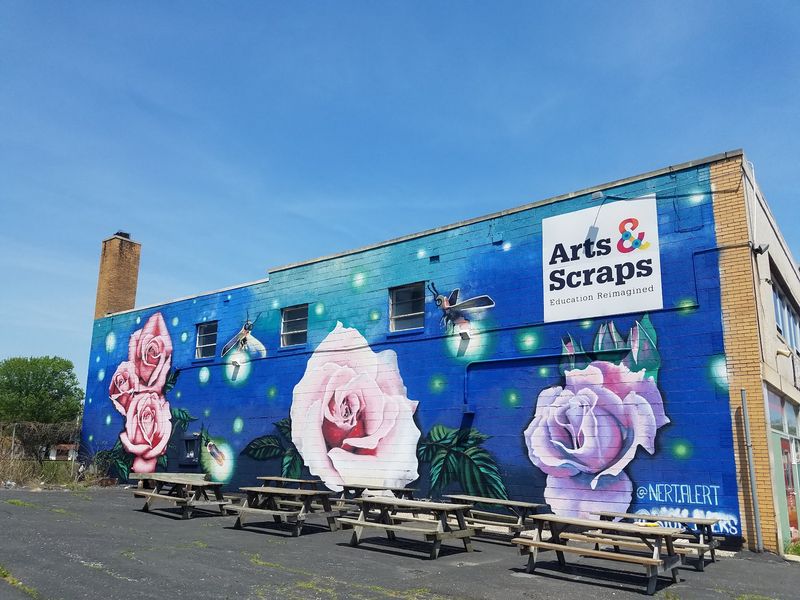
A good fabric hunt begins before you reach the door. Arts & Scraps is at 16135 Harper Avenue, Detroit, MI 48224, and its flowered side mural offers a cheerful visual clue.
Listed shopping hours are Tuesday and Thursday from 11 a.m. to 6 p.m., and Friday and Saturday from 11 a.m. to 4 p.m. Sunday, Monday, and Wednesday are listed as closed.
Confirm hours through artsandscraps.org or call 313-640-4411 before traveling, especially around holidays.
Bring measurements, a short supply list, and enough time to browse without rushing. Check travel and parking arrangements separately rather than assuming them.
With changing donations, a flexible plan will serve you better than expecting one exact fabric to be waiting on the shelf.