
Few People Realize South Carolina Is Home To America’s Longest Free-Flowing Blackwater River
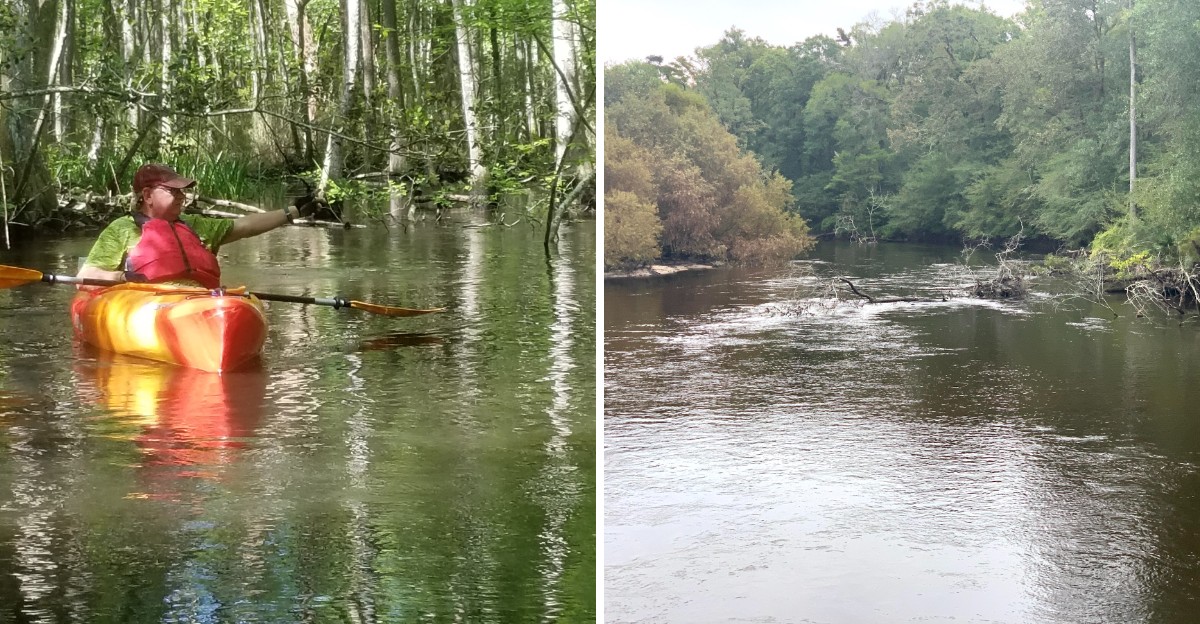
What if I told you there’s a river in South Carolina that looks like someone poured millions of gallons of sweet tea straight through the forest?
And somehow, that’s not even the most surprising thing about it.
Forget crowded beaches, noisy boat tours, and waterfront attractions packed with tourists. Deep in the Lowcountry, a completely different kind of adventure is waiting beneath towering trees and tangled branches.
The water glows amber in the sunlight. Ancient cypress trees rise from the swamps.
And around every quiet bend, you might spot a turtle sunbathing, a heron stalking its lunch, or an alligator watching the world go by.
But here’s what makes this river truly extraordinary.
For roughly 250 miles, its waters have been allowed to follow their natural course without a single dam blocking the way.
No concrete barriers. No massive reservoirs.
Just miles of winding wilderness that feel almost untouched by time.
And the best part? You don’t need to be an experienced explorer to discover why this remarkable stretch of South Carolina is worth slowing down for.
No Dams, No Problem
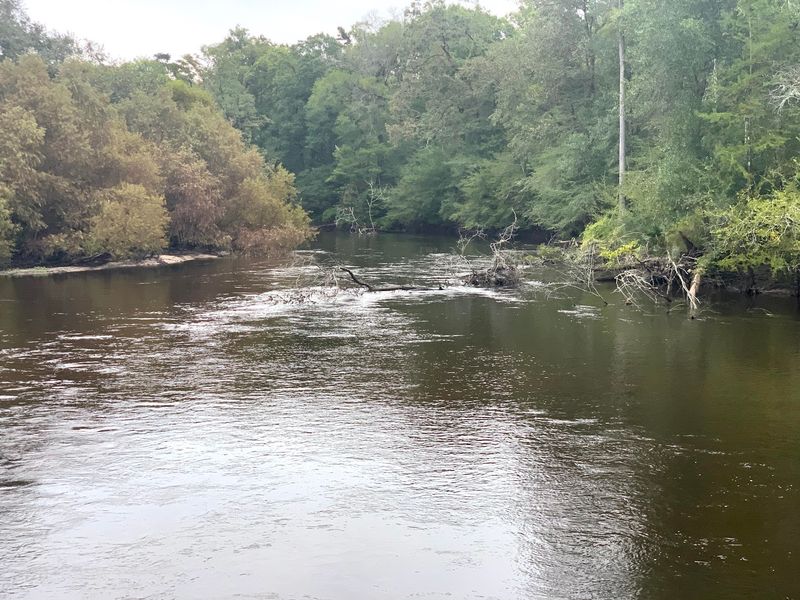
Picture a river that has been doing its own thing for thousands of years, with nobody telling it when to slow down. That is the Edisto.
Not one dam blocks its path from start to finish.
Most big rivers in the eastern United States have been plugged with dams for power or drinking water. The Edisto skipped all that.
Its water rises after heavy rains and drops during dry spells, just like nature planned. Locals will tell you the river feels different every time you visit, and they are right.
The main river runs roughly 250 miles if you count its branches, which places it among the longest free-flowing blackwater rivers in North America. Some fans even claim it holds that title for the whole world, though experts mostly stick with the North American bragging rights.
Why should you care? Free-flowing rivers keep fish moving, sandbars shifting, and wetlands healthy.
Paddling here means you are floating on something wild and rare.
Before you go, check the water level gauges online from the U.S. Geological Survey.
Low water can mean dragging your kayak over logs, while high water can make the current fast and pushy. A quick look saves a lot of frustration.
Water The Color Of Sweet Tea
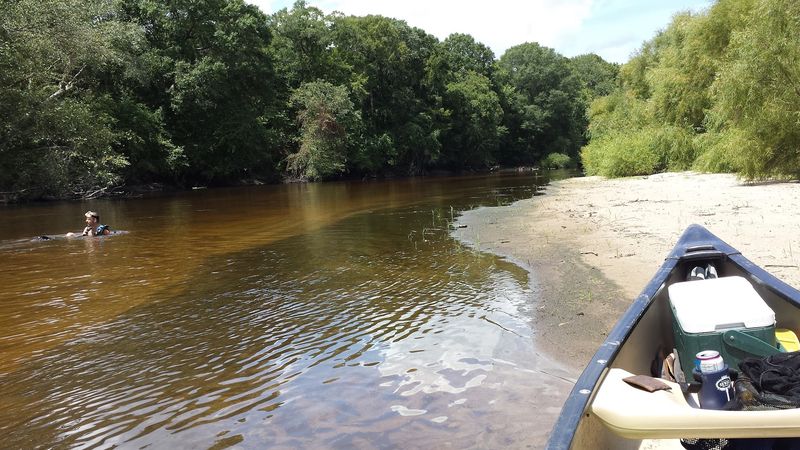
Scoop up a handful of Edisto water and you might think someone spilled a giant pitcher of sweet tea.
Don’t worry, the river is not dirty. That rich shade comes from tannins, natural chemicals that leak out of fallen leaves, roots, and bark in the swamps.
It works the same way a tea bag colors hot water. Scientists call rivers like this blackwater rivers, and they are common in the Southeast coastal plain.
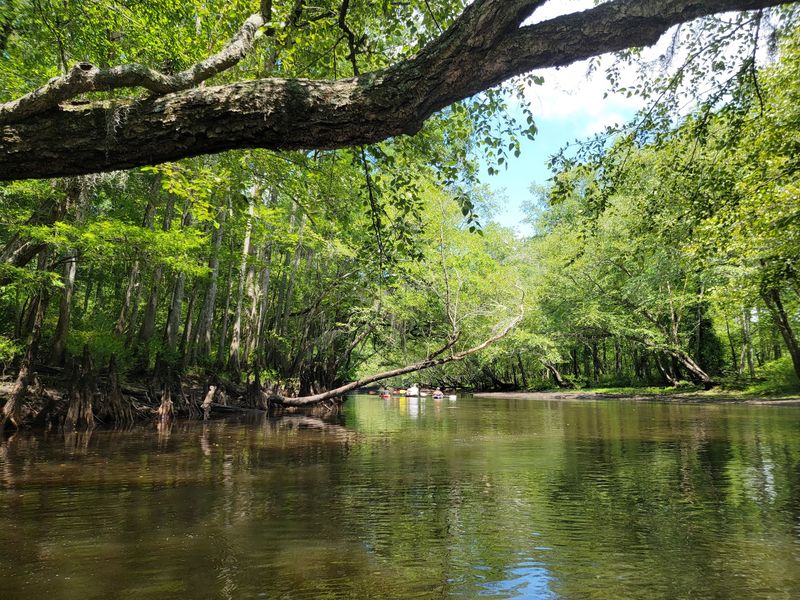
The dark water creates a mirror effect you have to see to believe. Cypress trees, clouds, and Spanish moss reflect so clearly on calm mornings that photos look upside down.
Many paddlers say it is the most peaceful part of the whole trip.
Here’s a fun bonus. Tannins make the water slightly acidic, which helps keep some germs in check.
Still, never drink untreated river water, no matter how pretty it looks.
For the best mirror shots, paddle early, before the wind picks up. A polarized pair of sunglasses also helps you peek below the surface at turtles and fish hiding in the amber.
Born In The Swamps, Bound For The Sea
Every great journey starts somewhere small. For the Edisto, that somewhere is a set of quiet swamps and creeks in the Sandhills and upper coastal plain of South Carolina.
The river actually has two main parents. The North Fork and South Fork each wander through farm country and forest before joining together near the town of Branchville area.
From there, the combined river rolls southeast past towns like Givhans, Jacksonboro, and Willtown.
As it nears the coast, things get salty. Fresh water mixes with ocean tides, creating brackish water near Jacksonboro.
Finally, the river splits around islands and empties into St. Helena Sound near Edisto Beach.
Along the way, it drains a huge chunk of the state, more than 3,000 square miles. Rain falling on a farm far inland may eventually wash past dolphins near the sea.
That is quite a trip for a raindrop.
One reviewer described camping and boating from Whaley’s Landing in Branchville all the way to Edisto Beach. That multiday adventure is a bucket list trip for experienced paddlers.
Plan it carefully, pack plenty of water, and bring a map, since cell service fades in many stretches.
A Paddling Trail Built For Wanderers
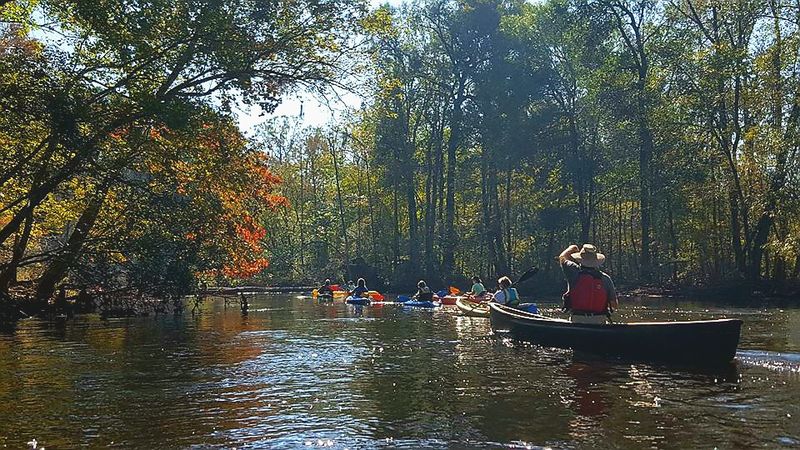
Kayakers, meet your new happy place. The Edisto River Canoe and Kayak Trail stretches about 56 miles, offering one of the best paddling routes in the state.
The trail, often linked with Colleton State Park near Canadys, gives paddlers marked access points and a gentle current that does a lot of the work for you. Families love the shorter sections, while adventurers string several days together and camp on white sandbars.
Expect twists, turns, and the occasional fallen tree. One visitor warned that you need to steer around a lot of downed timber, so give yourself extra time.
It is not a race. Think of it as a slow-motion nature documentary where you are the camera.
Landings often have small parking areas that fill up quickly on summer weekends. Arrive early, especially on holidays.
Local outfitters in the area offer rentals and shuttle services, with prices varying by season and trip length, so call ahead for current rates.
Wear a life jacket every time, even if you are a strong swimmer. Pack snacks, sunscreen, and a dry bag for your phone.
Trust us, watching your phone sink into tea-colored water is not a memory you want.
Tubing Season Is A Southern Tradition
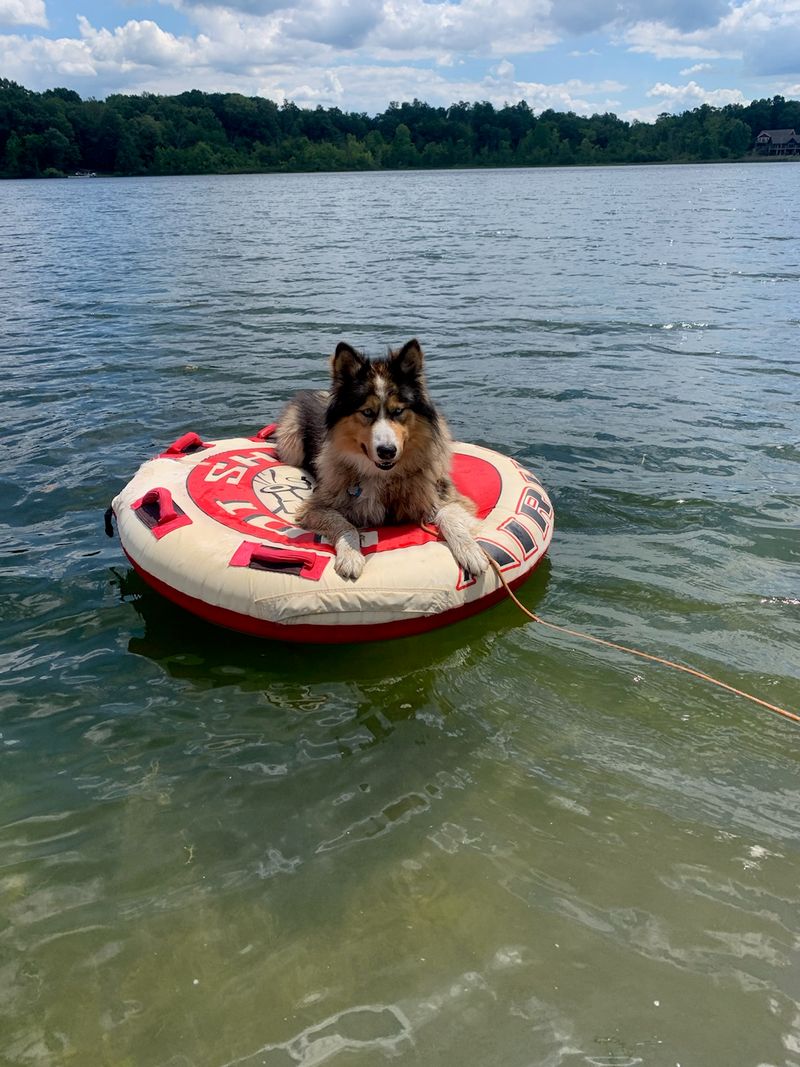
Ask anyone who grew up near the Edisto about summer, and watch them grin. Floating down the river on an inner tube is practically a rite of passage here.
One longtime local remembered grabbing tubes as a kid and drifting for miles, just like a lazy river at a water park. Except this one has turtles sunning on logs and herons lifting off the banks.
No wave pool can compete with that.
The Givhans and Canadys areas are popular for tubing, and some outfitters run tube rentals with shuttles back to your car. Trips can last a couple of hours or most of an afternoon.
Prices change, so treat any number you hear as approximate and confirm before you go.
Tubing is mostly a warm-weather activity, usually late spring through early fall. Outfitter hours often shift with the seasons, so check schedules ahead of time.
A few smart moves make the day better. Tie a small cooler to your tube, wear water shoes for the sandy and rooty spots, and reapply sunscreen often.
Leave the glass bottles at home. And please carry out every scrap of trash, so the river stays as lovely for the next floaters.
Respect The Current, Seriously
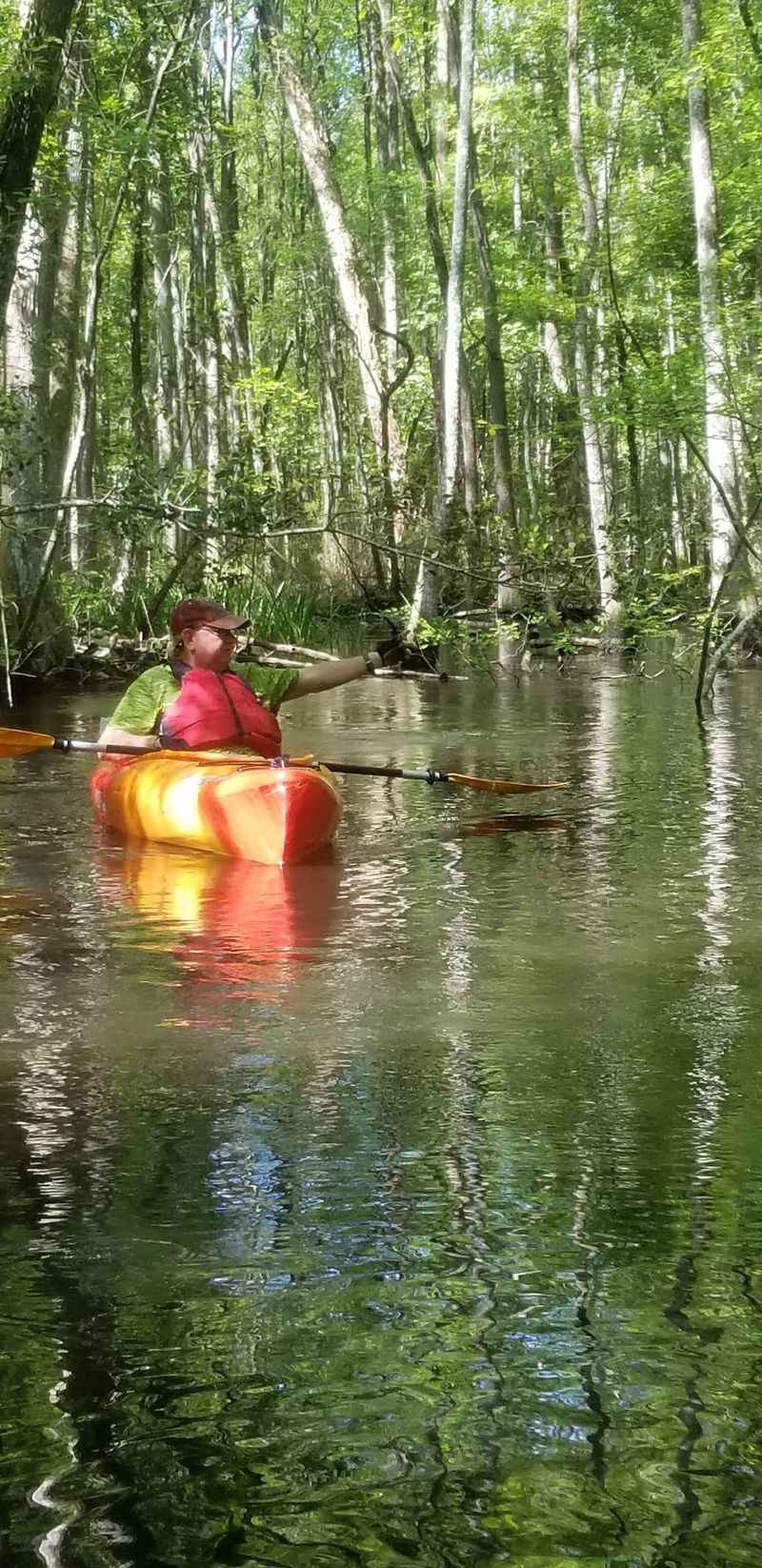
Calm on top, mighty underneath. That is how many locals describe the Edisto, and they say it with real seriousness.
The river can look lazy from the bank, yet the current often runs stronger than it appears. Several reviewers who grew up or live on the water shared the same message in capital letters: respect its power.
Even experienced swimmers can get swept against fallen trees, which act like strainers that trap people underwater.
Water levels also change quickly after rain upstream. A sandbar you swam from last week might be underwater today.
A gentle stretch can turn swift in a day or two.
So how do you enjoy the river safely? Always wear a properly fitted life jacket, especially kids.
Never swim alone, and stay away from logjams and snags.
Check weather and water gauges before heading out, and tell someone your plans and expected return time. Cell signals can be spotty in remote areas.
None of this should scare you off. Think of it like respecting the ocean at the beach.
Smart choices let you relax and soak up every peaceful minute.
Gators, Snakes, And A Whole Lot Of Birds
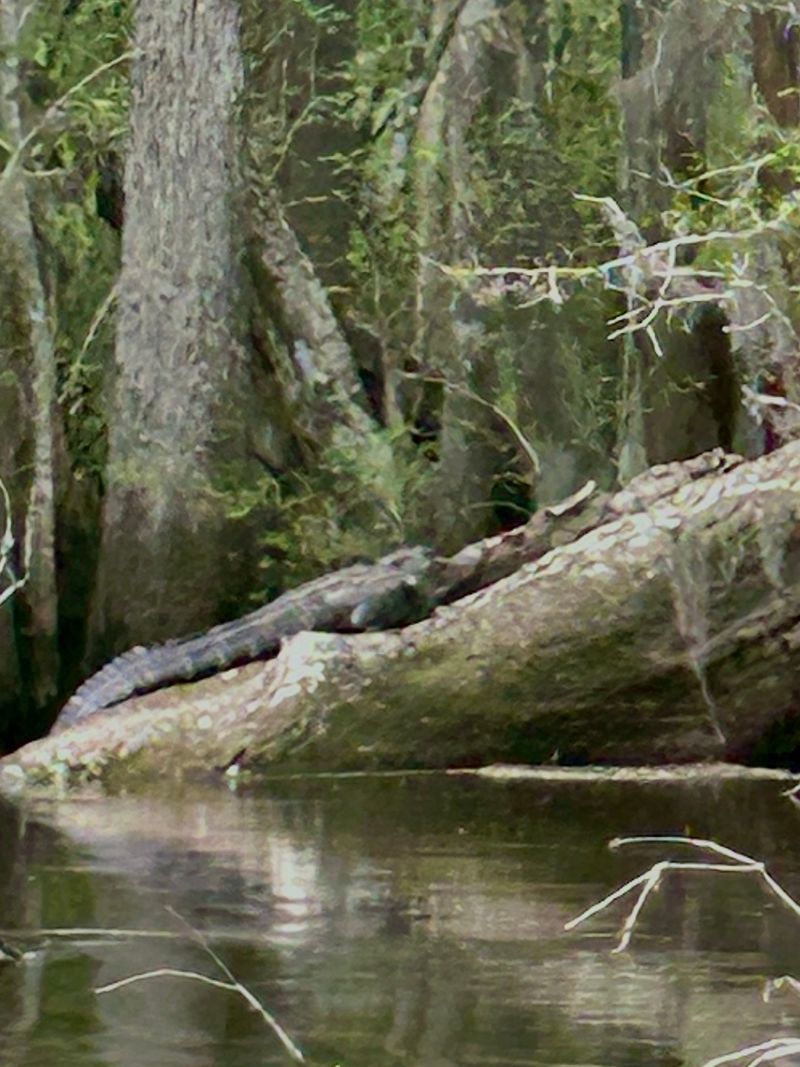
Somewhere along the bank, a pair of eyes is watching you drift by. Yes, alligators live along parts of the Edisto, especially in the slower, lower stretches.
Before you panic, know that gators usually want nothing to do with people. Give them space, never feed them, and keep pets close to shore.
Venomous snakes like cottonmouths and copperheads also live here, so watch where you step and grab.
Now for the happy part. Birdwatchers go wild on the Edisto.
One visitor searching for swallow-tailed kites spotted more than a dozen of these elegant birds slicing through the sky with their forked tails. You might also see wood ducks, great blue herons, egrets, ospreys, and the occasional bald eagle.
The ACE Basin, named for the Ashepoo, Combahee, and Edisto rivers, is one of the largest undeveloped estuaries on the East Coast. Conservation groups and agencies have protected huge areas of land here, which helps wildlife thrive.
Bring binoculars and a quiet attitude. Spring and early summer are great for kites and nesting birds.
Also pack strong bug spray, because reviewers warn the mosquitoes and biting flies can be fierce in warm months.
Where Anglers Swap Fish Tales
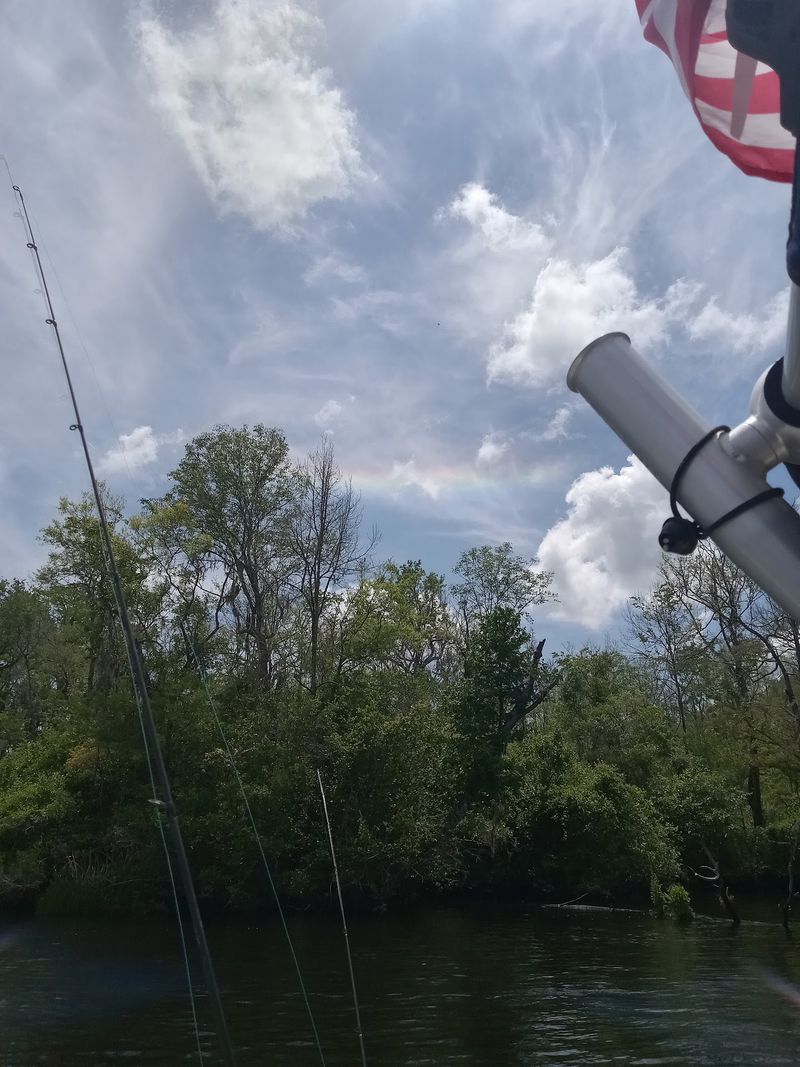
Grandpa swears he once pulled a catfish out of here as big as a canoe paddle. On the Edisto, that story might not even be exaggerated.
Fishing ranks as one of the most talked-about activities on this river. The Edisto is famous for redbreast sunfish, a colorful little fighter that locals love to catch on crickets and small spinners.
Largemouth bass, bream, crappie, and big catfish also lurk in the dark water.
Spring brings a special treat. American shad and striped bass swim upriver in certain seasons, and anglers line up to meet them.
Down near the coast, brackish water brings in redfish and flounder too.
You will need a South Carolina fishing license, which you can buy online through the Department of Natural Resources. Fees vary for residents and visitors, so check the current rates.
Size and catch limits apply, and rules can change, so read up before casting.
Boat landings dot the river, though parking is often tight. Early morning gives you cooler air, hungrier fish, and better luck snagging a spot.
Pack a thermos of coffee, settle in, and enjoy the sound of the river slipping past your line.
Ancient Treasure Hiding In The Sand
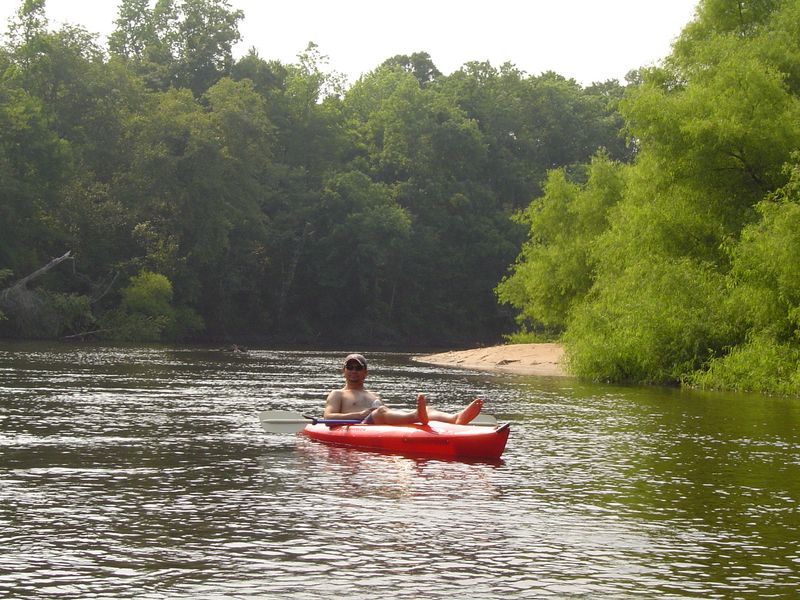
Millions of years ago, much of South Carolina’s coastal plain sat under the sea. Today, the Edisto quietly coughs up reminders of those ancient days.
Fossil hunters love searching for shark teeth in the river’s gravel and sand. These glossy black or gray teeth can be millions of years old, left behind by sharks that swam here long before people.
One visitor simply summed it up as a great place for shark teeth, and plenty of families agree.
Some lucky searchers have found teeth from the giant megalodon, a shark that could grow longer than a school bus. Most finds are smaller, though even a tiny tooth feels like holding history in your palm.
The best hunting often happens when water levels are low and gravel beds are exposed. A simple kitchen sieve or sifting screen works wonders.
Look for shiny, triangular shapes that stand out against duller pebbles.
South Carolina has rules about collecting fossils from state waters, including a hobby diver license for some activities, so check with the Department of Natural Resources before you go. Leave no holes behind, and remember that artifacts like old arrowheads are protected.
Snap photos, keep the teeth, and let history do the bragging.
History Flows Right Along With It
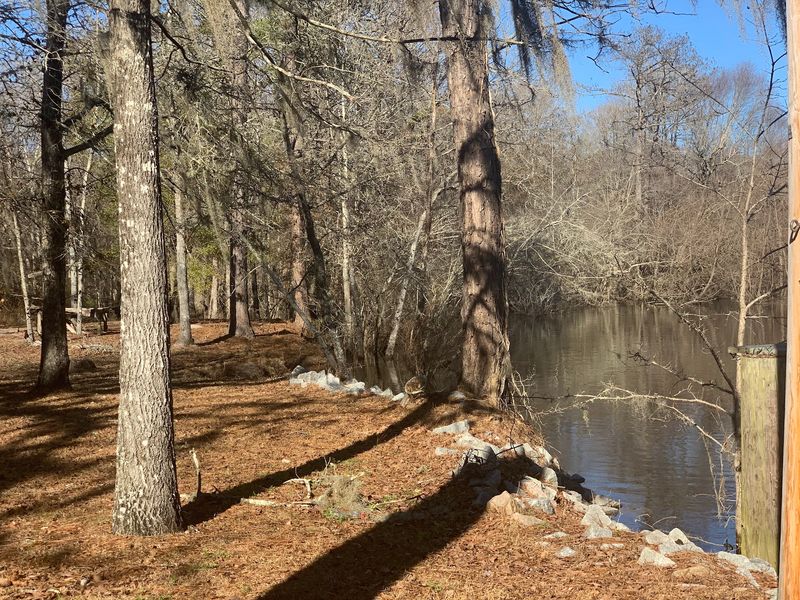
Long before kayaks and pool floats, the Edisto people lived along these banks. The river still carries their name, a quiet tribute to the Native Americans who fished and farmed here.
English colonists arrived in the late 1600s, and the river became a highway for trade. Rice plantations later spread across the lower Edisto, built on the forced labor of enslaved Africans whose knowledge of rice growing shaped the region’s wealth.
Their story is a vital and sobering part of the river’s history.
During the Revolutionary War, Jacksonboro briefly served as the meeting place of South Carolina’s legislature in 1782, while British troops held Charleston. Small towns like that one hold big stories.
Want to touch some history yourself? Givhans Ferry State Park sits on bluffs above the river, with camping, cabins, picnic spots, and river access.
Colleton State Park near Canadys is another favorite stop. Both charge small entry fees that may change, and hours often run from morning to evening with seasonal shifts, so check the state parks website.
Accessibility varies, with some parking and picnic areas easier to reach than steep or sandy launches. Call ahead if you need specific accommodations, then let the river tell you its story.