
This Historic Ohio Town Is Said To Be One Of The Most Haunted In America
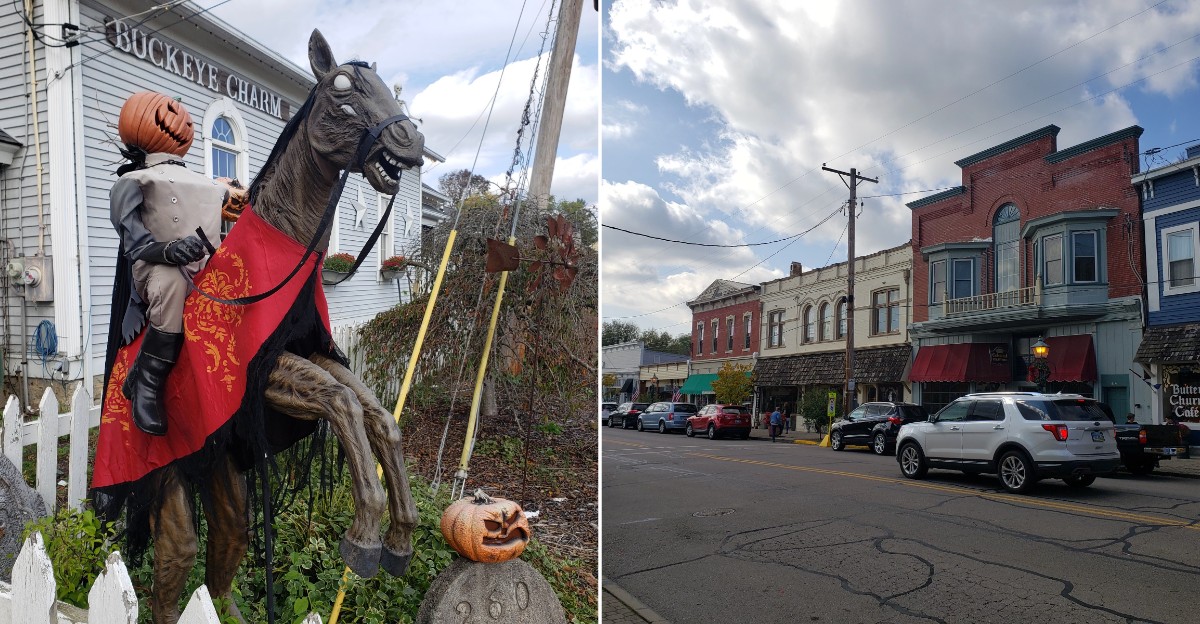
At first, Waynesville looked like the kind of Ohio town where I could easily lose an afternoon browsing old storefronts and antique shops.
That was the plan, anyway. Then a shopkeeper mentioned hearing footsteps upstairs when no one was there, and suddenly I started paying a little more attention to the buildings around me.
From there, the stories kept coming. Someone else brought up lights flickering for no obvious reason, and before long every creaky floorboard and dark second-story window felt a little more interesting than it had when I first arrived.
That slow shift from charming to slightly eerie is what makes this southwest Ohio village so much fun to explore.
Wander Main Street while the sun is up, listen to a few local stories, then stick around after dark and see whether the town still feels quite as quiet.
A Village With Spirited Stories
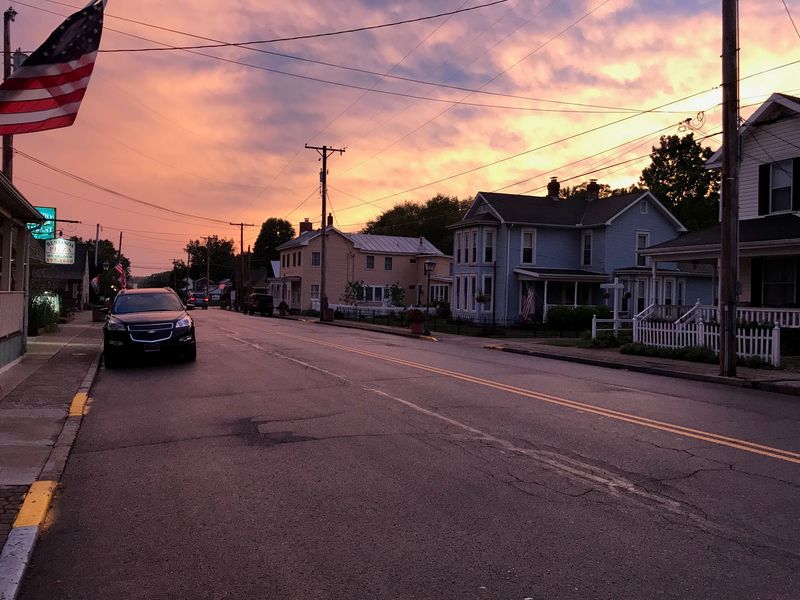
Some towns whisper their secrets, and this one practically hums them. I came to Waynesville with low expectations and left with a full notebook.
The village sits in Warren County, Ohio, and it has built a reputation as one of the state’s most haunted small towns. It is even regularly called the most haunted village in Ohio.
That reputation mixes documented history with generations of folklore. Old buildings around downtown have inspired stories of footsteps, strange voices, cold spots, and other unexplained happenings.
I started my visit by simply walking the sidewalks and taking in the historic streets. Waynesville has more than 200 surviving historic buildings, many clustered around the older part of town.
I cannot promise you will meet a ghost, but you will have plenty of local stories to investigate. Bring comfortable shoes, an open mind, and a sense of humor.
Waynesville sits in Wayne Township, Warren County, at the crossroads of U.S. Route 42 and State Route 73.
The Name Behind the Town
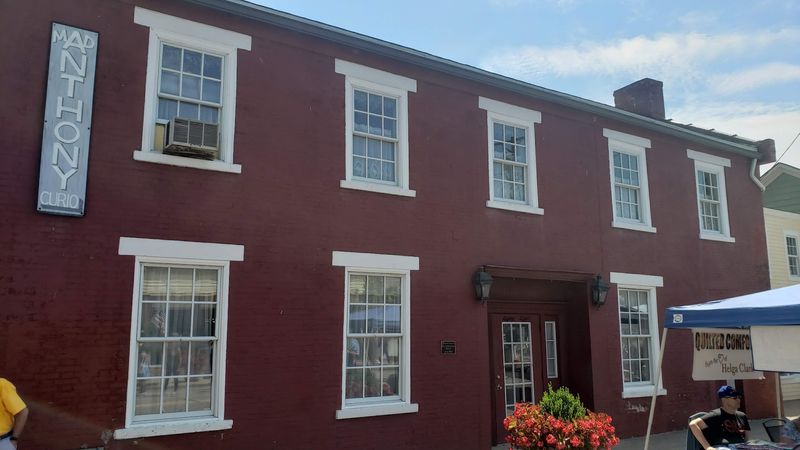
Mad Anthony Wayne sounds like a character from a comic book, yet he was a real Revolutionary War general. Waynesville was named in his honor.
Wayne later commanded American forces in the Northwest Territory and played a major role in events that opened much of the region to settlement.
The village itself was founded in 1797 by Englishman Samuel Heighway, several years before Ohio became a state.
Quakers soon became an important part of the community. The Miami Monthly Meeting was established here in 1803, and the Quaker influence helped shape Waynesville’s early development.
Knowing that history makes a walk through town more interesting. The old streets are not simply decorative.
They belong to a community whose story reaches back more than two centuries.
Pick up a local history guide or try the self-guided historic walking tour before you start exploring. It gives the buildings around you much more context.
Antique Shops Full of Surprises
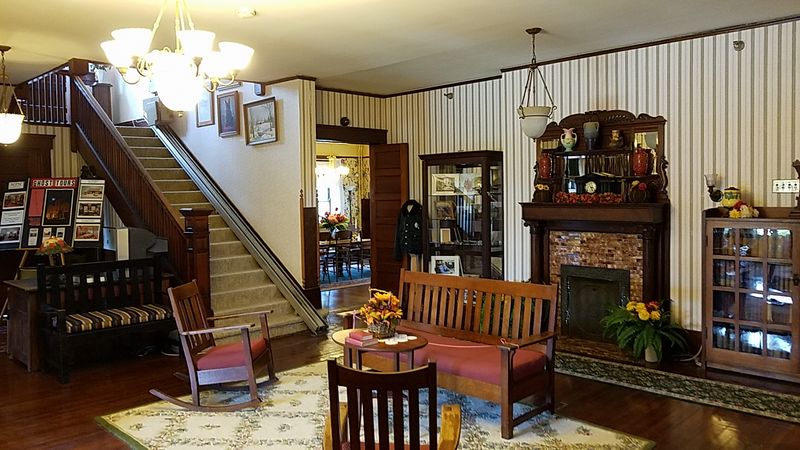
Nothing sets the mood for a haunted weekend like a room full of old things. Waynesville is famous for its antique stores, and I could have browsed for days.
Shelves overflow with dishes, dolls, clocks, quilts, and mysterious little tools I could not name. Every item seems to wait for someone to ask where it came from.
I found a tin sign that made me laugh and a brass lamp that made me pause. The owner said the lamp had been in her shop for years and that it sometimes flickers on its own.
That detail made me smile and step back, just a little.
Many shops are in old homes and storefronts, so the floors slope and the stairs creak. Take your time, because the best finds hide in back corners.
Bring cash for small treasures, ask questions, and set aside at least two hours. Weekends are busiest, so a weekday visit gives you more space to wander quietly.
Ghost Tours After Dark
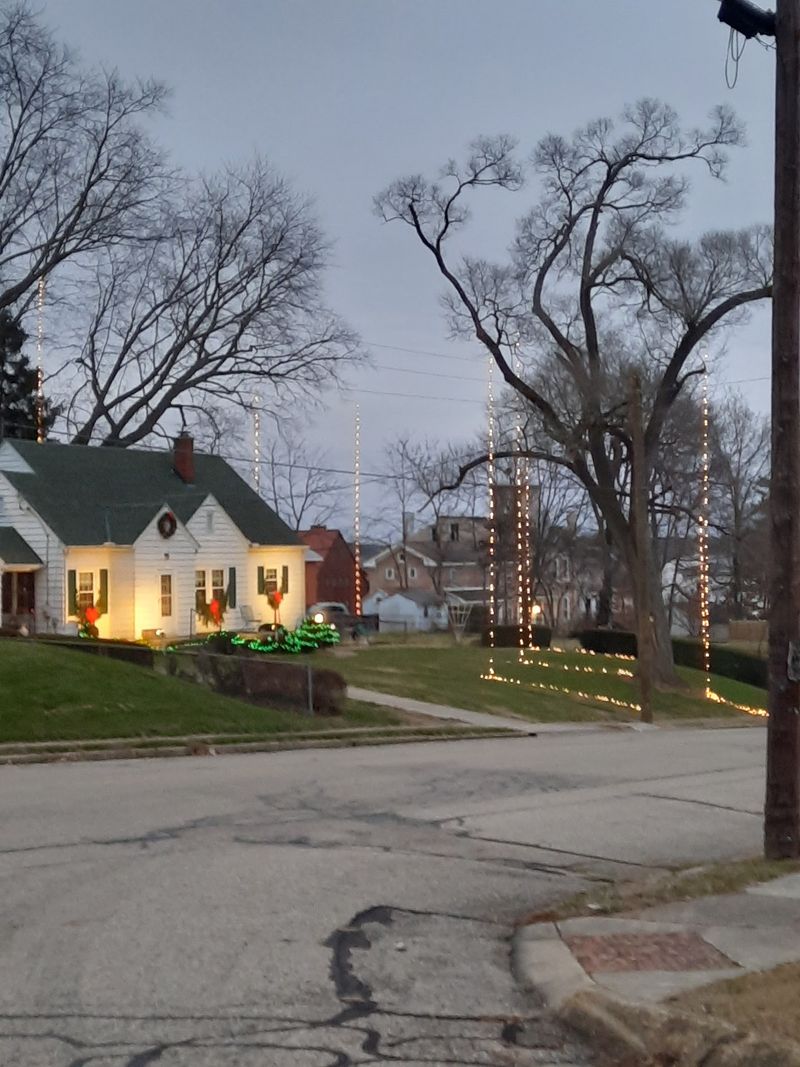
Evening is when this village really puts on a show. Guided ghost walks lead visitors down the main street while guides share local legends in low, dramatic voices.
I joined a small group as the sun slipped behind the rooftops. The streetlights glowed softly, and a guide pointed out windows where people have reported unusual sights.
Each stop came with a story, a bit of history, and a few giggles from the group. I liked that the guide mixed facts with fun, so nobody felt rushed or frightened.
Some visitors brought cameras and recorders, hoping to catch something strange. I kept my phone ready, though all I captured was a very fluffy cat.
Tours often run on select dates, especially in the fall, so check schedules before you go. Reservations can fill up fast.
Wear comfy shoes, dress in layers, and bring a small flashlight. The air cools quickly after sunset, even on a warm day.
Historic Buildings And Haunted Stories
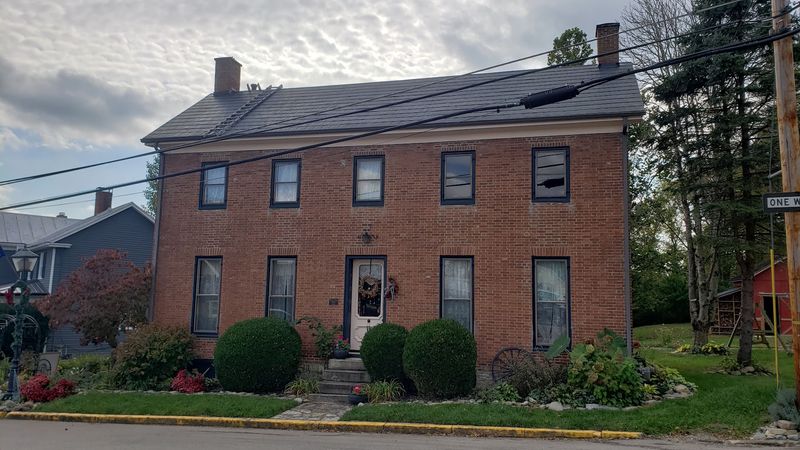
Old buildings seem to collect stories, and Waynesville has plenty of both.
One of the best-known examples is the historic Hammel House on South Main Street.
For years, the former inn became closely tied to Waynesville’s ghost lore, with stories of footsteps, apparitions, and other unexplained activity.
The building itself dates to the 1800s, but visitors should know that it is not currently operating as an inn. After a 2024 fire, the property closed and was later offered for sale in 2026.
That does not erase its place in the town’s haunted history. Current ghost walks still use downtown locations and stories connected with generations of Waynesville residents.
Other historic buildings throughout the village carry their own legends, and the walking tours do a good job of separating documented history from local folklore.
Respect private property while exploring, and remember that some of the buildings connected to these stories are no longer open to visitors.
The Famous Sauerkraut Festival
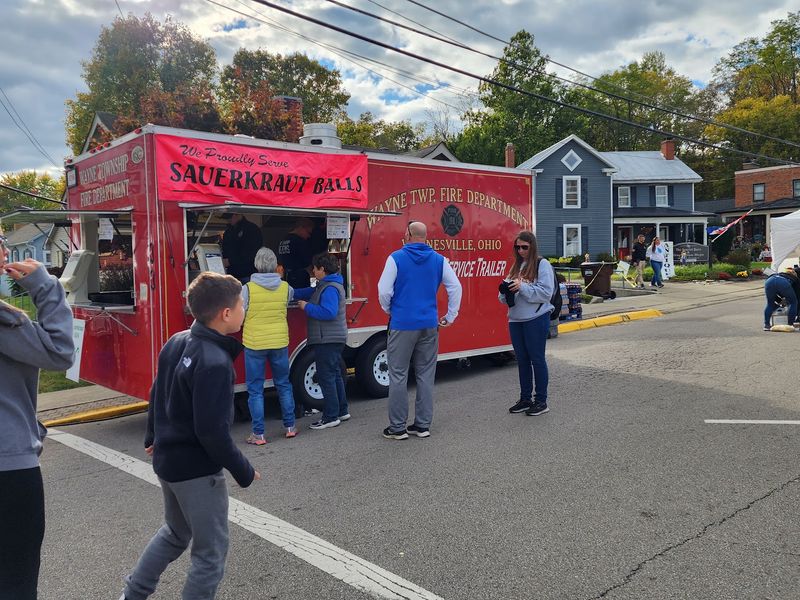
Cabbage might not sound spooky, but it rules this village every October. The annual Ohio Sauerkraut Festival draws huge crowds to the streets.
The festival began in 1970 and now fills the town with craft booths, music, and food stands. I wandered past tables of handmade soaps, wooden toys, and fall decorations.
Of course, I had to try the sauerkraut treats. I found everything from sauerkraut balls and pie to stranger creations like sauerkraut fudge and pizza, so trying something unusual felt almost mandatory.
The festival happens on a weekend in early October, and the village stays busy from morning to evening. Parking can be tricky, so arrive early and expect a short walk.
Bring a tote bag for your purchases and wear shoes you do not mind getting dusty. Small bills help at the booths.
The mix of festival fun and ghost stories makes this weekend special. You can spend the day laughing, then spend the evening listening for creaks.
Quaker Roots and Quiet Streets
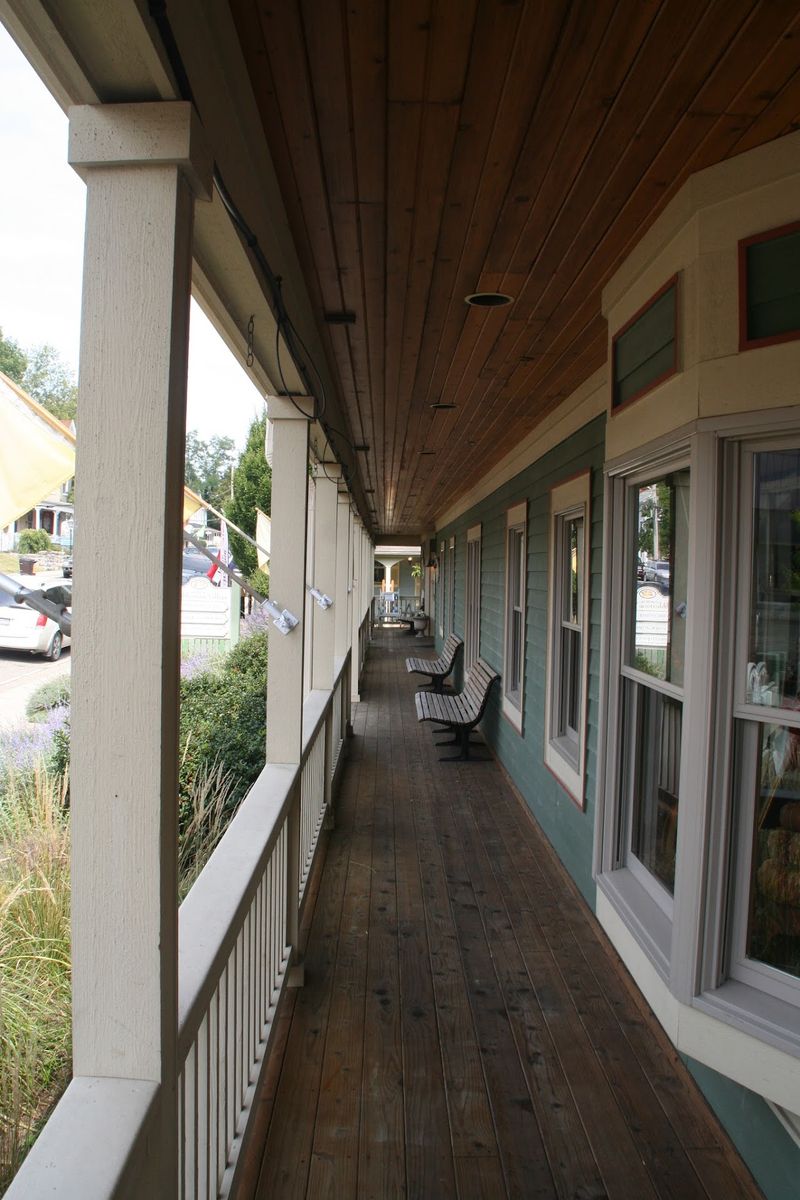
Peace and quiet shaped this village long before the ghost stories arrived. Early settlers, many of them Quakers, built homes and meeting places with plain, sturdy design.
I strolled the side streets away from the shops and noticed how calm everything felt. Porches, stone walls, and tall maple trees line the lanes, and the pace is slow.
That gentle past adds a different flavor to the haunted reputation. The village feels less like a movie set and more like a real place with real roots.
I stopped to read a marker about early families and their role in the community. A neighbor walking a dog stopped to add a few details of her own.
Take time to explore beyond the main road. Quiet corners often hold the best photos and the friendliest conversations.
Walk slowly, wave at folks on porches, and keep your voice low in residential areas. Locals appreciate polite visitors.
Cozy Cafes and Sweet Stops
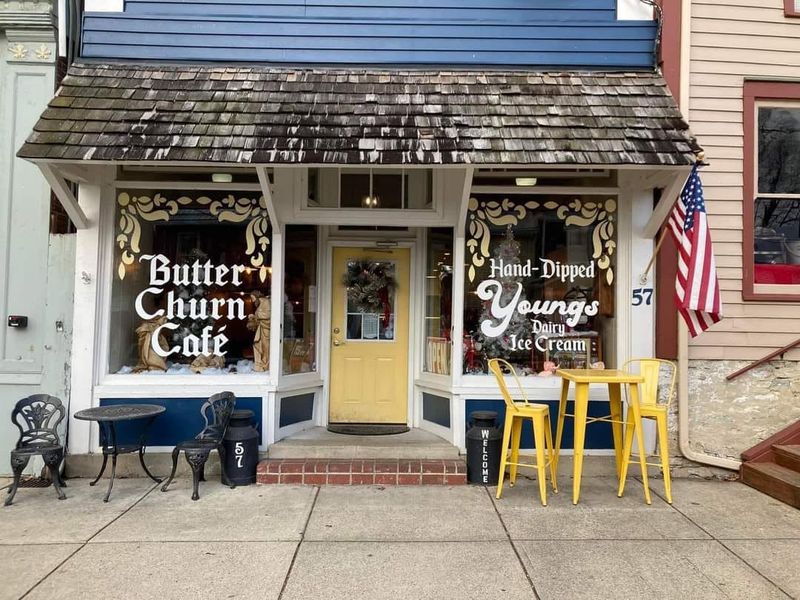
Ghost hunting works up an appetite, and the village has plenty of places to refuel. Small cafes and bakeries sit between the antique stores, ready with warm snacks.
I grabbed a sandwich at a tiny spot with mismatched chairs and a chalkboard menu. The staff greeted me like an old friend and recommended a slice of pie.
Fresh cookies, coffee, and homemade soups are common around town. During busy weekends, lines form, so a mid-afternoon break works well.
I liked sitting by a window and watching visitors pass with shopping bags and cameras. Every few minutes someone pointed up at a building and whispered a story.
Many eateries keep short hours, especially on weekdays. Check times before you go, or you may find a closed sign and a grumbling stomach.
Pack a little patience on festival weekends, and save room for something sweet before the evening walk begins.
Best Seasons for a Spooky Visit
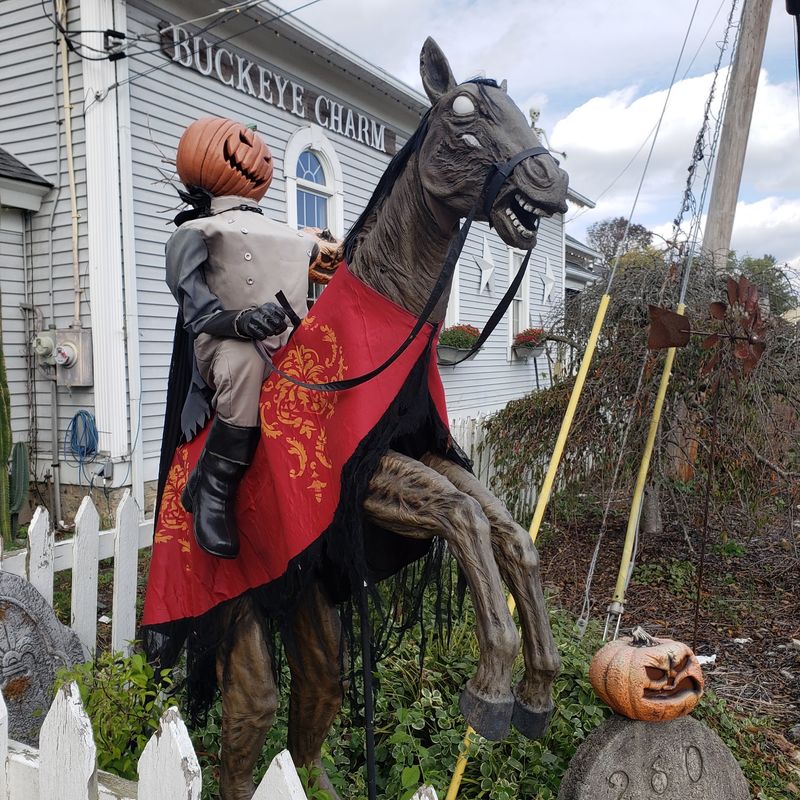
October is the star month, but each season brings its own charm. Fall fills the streets with color, pumpkins, and festival crowds.
I visited when the leaves were turning, and the golden light made every brick building glow. Evenings arrived early, which is perfect for a ghost walk.
Spring and summer bring blooming flower boxes and longer shopping hours. Winter is quiet, with fewer visitors and a cozy, mysterious mood.
If you dislike crowds, choose a weekday or a month outside the festival. Shops are calmer, and shop owners have more time to talk.
The village is a short drive from Cincinnati and Dayton, so it works well as a day trip. Plan for a few hours at least, more if you want a tour.
Check the local event calendar before you travel. Dates for tours and festivals can shift from year to year.
Tips for Planning Your Trip
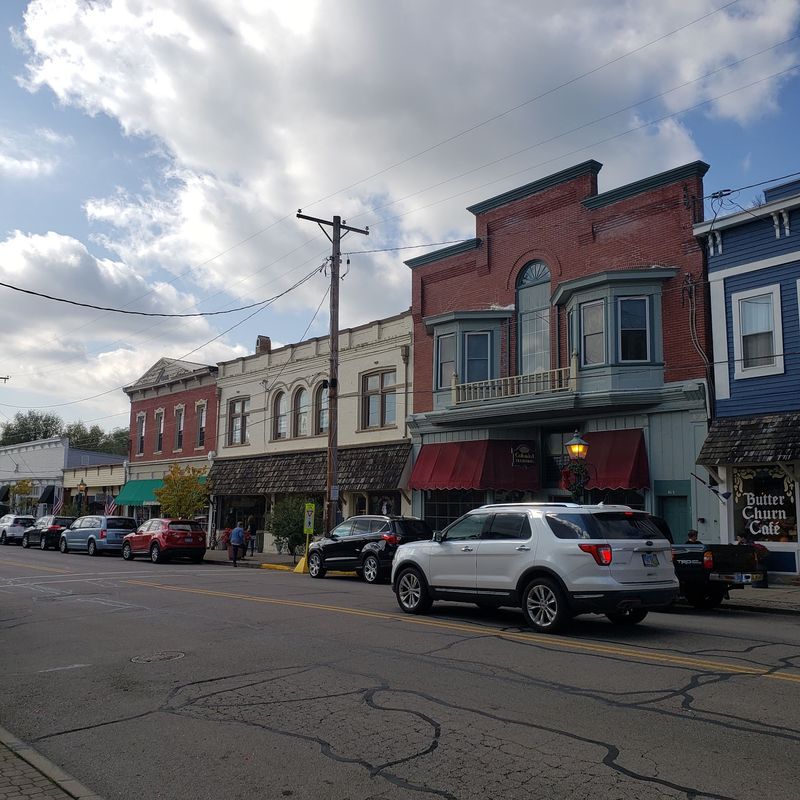
A little planning goes a long way in a village this popular. I learned a few lessons that I am happy to pass along.
Start with parking, since the main street fills up on busy days. Side streets and nearby lots offer more room, and the walk is short.
Next, bring a charged phone, a small flashlight, and a light jacket. Evenings can turn cool, and some old buildings are not heated like modern stores.
Many shops keep varied hours, so call ahead if a certain store is on your list. Weekends tend to be the safest bet for open doors.
Be kind and respectful during your visit. Ask before taking photos inside shops, and thank the people who share their stories with you.
I left Waynesville with a bag of small treasures, a head full of tales, and a plan to return. The village proves that history, humor, and a few creaky floors make a great mix.