
This Illinois Museum Lets You Walk Among Mummies And An Ancient Winged Bull For Free
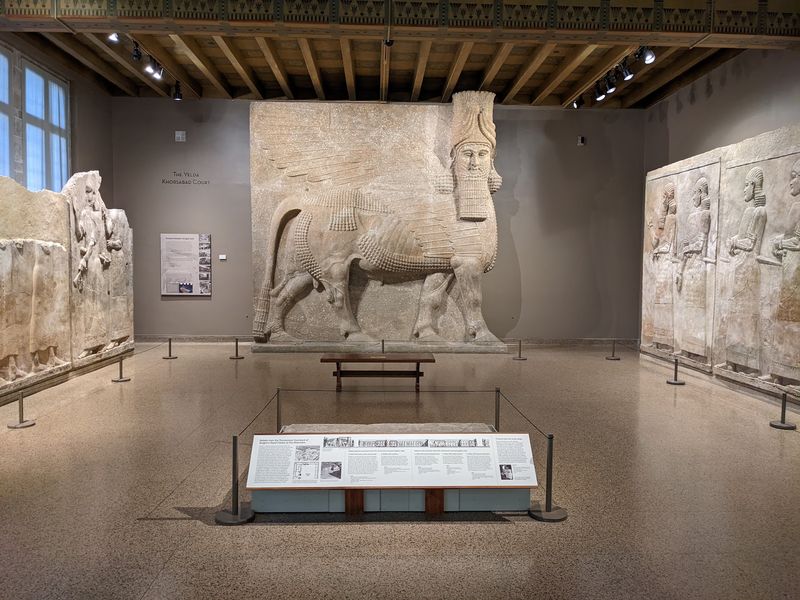
Forty tons of carved stone, shaped like a bull with wings and a bearded human face, stands quietly inside a university building in Illinois. Just down the hall, a singer from ancient Egypt rests in her painted coffin.
Most people drive past without knowing any of it is there. Better still, on certain evenings you can see all of it without paying a cent, which makes it one of the most surprising family outings in the state.
A Campus Treasure On East 58th Street

Hyde Park, on the South Side of Chicago, holds plenty of famous sights, but this one hides in plain view. The Institute for the Study of Ancient Cultures Museum sits at 1155 E 58th St, right on the University of Chicago campus.
From the sidewalk, it looks like another handsome academic building among many.
Step through the doors, though, and the city noise fades away. Inside waits a collection of art and antiquities from ancient West Asia and North Africa, covering places like Mesopotamia, Egypt, Persia, Nubia, Anatolia, and the Levant.
Massive statues, detailed carvings, pottery, clay tablets, and mummies fill gallery after gallery.
Many longtime Chicagoans are shocked to learn it exists. Plenty of people live in the area for years before stumbling onto it, often on a day out with their kids.
That surprise is part of the fun.
The museum is also more than a display space. It belongs to a research institute devoted to studying ancient civilizations of the Middle East and teaching the public about them.
Anyone who reads about the ancient Near East quickly runs into the University of Chicago and its scholars. So when you walk these halls, you are visiting a place where real discovery still happens.
From Oriental Institute To A Fresh Name
Older Illinois residents might remember the place by a different title. For generations, it was known as the Oriental Institute Museum, and many families still call it the OI out of habit.
Today it goes by the Institute for the Study of Ancient Cultures, or ISAC for short.
The new name fits the mission well. Researchers here focus on early civilizations from West Asia and North Africa, and the galleries trace human history from early antiquity all the way through the Middle Ages.
One guided walk can carry you from roughly 5500 BC to the age of famous rulers like Sargon and Hammurabi.
Fans of old buildings get a bonus. The museum architecture is fascinating on its own, and the lighting inside feels soft and pleasant, which makes long stretches of browsing easy on the eyes.
Around the building, the University of Chicago campus adds even more charm. Gothic stone towers and peaceful walkways give the neighborhood a storybook feel, and some visitors compare it to a certain wizard school from the movies.
Saving time for a stroll outside before or after your visit turns a museum trip into a full afternoon adventure. Grandparents and kids alike tend to enjoy that slower pace.
The 40-Ton Winged Guardian From King Sargon’s Palace
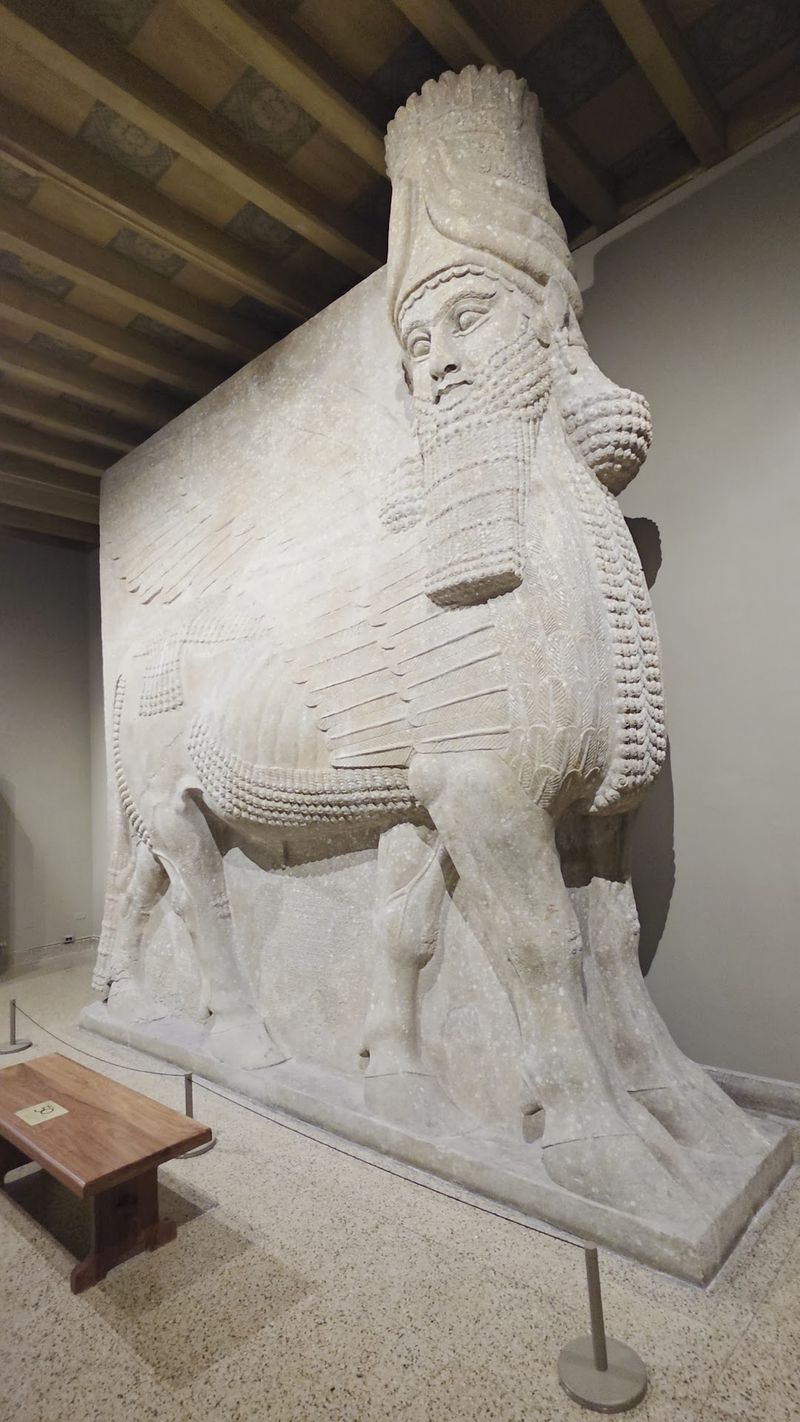
Sixteen feet tall. Around 40 tons.
Those numbers barely prepare you for the moment you round the corner and meet the lamassu face to face.
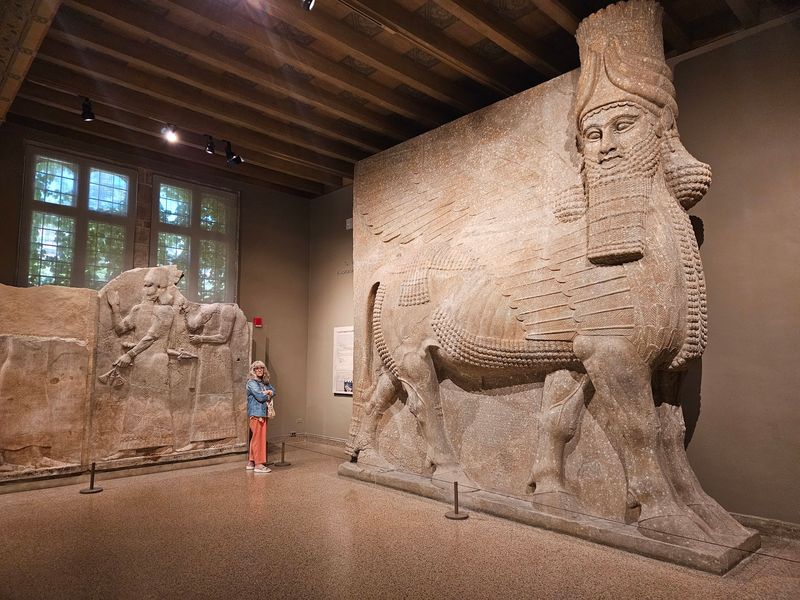
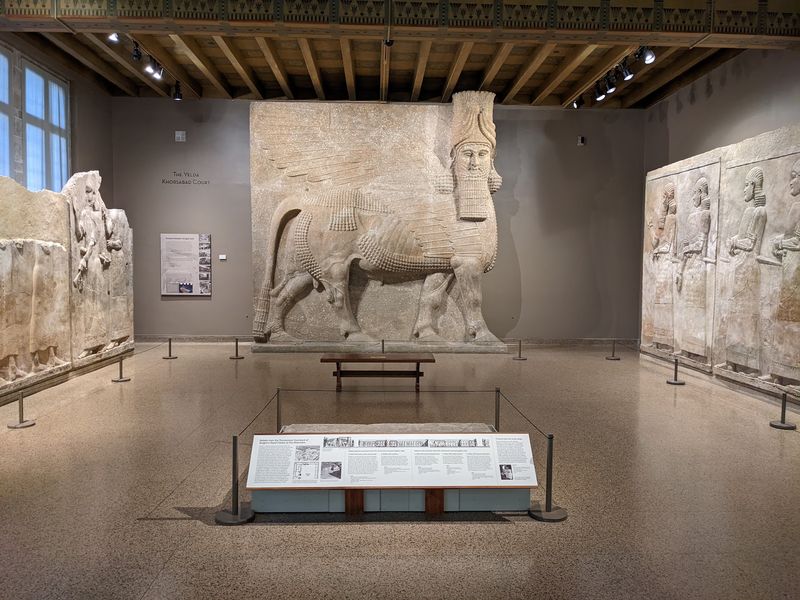
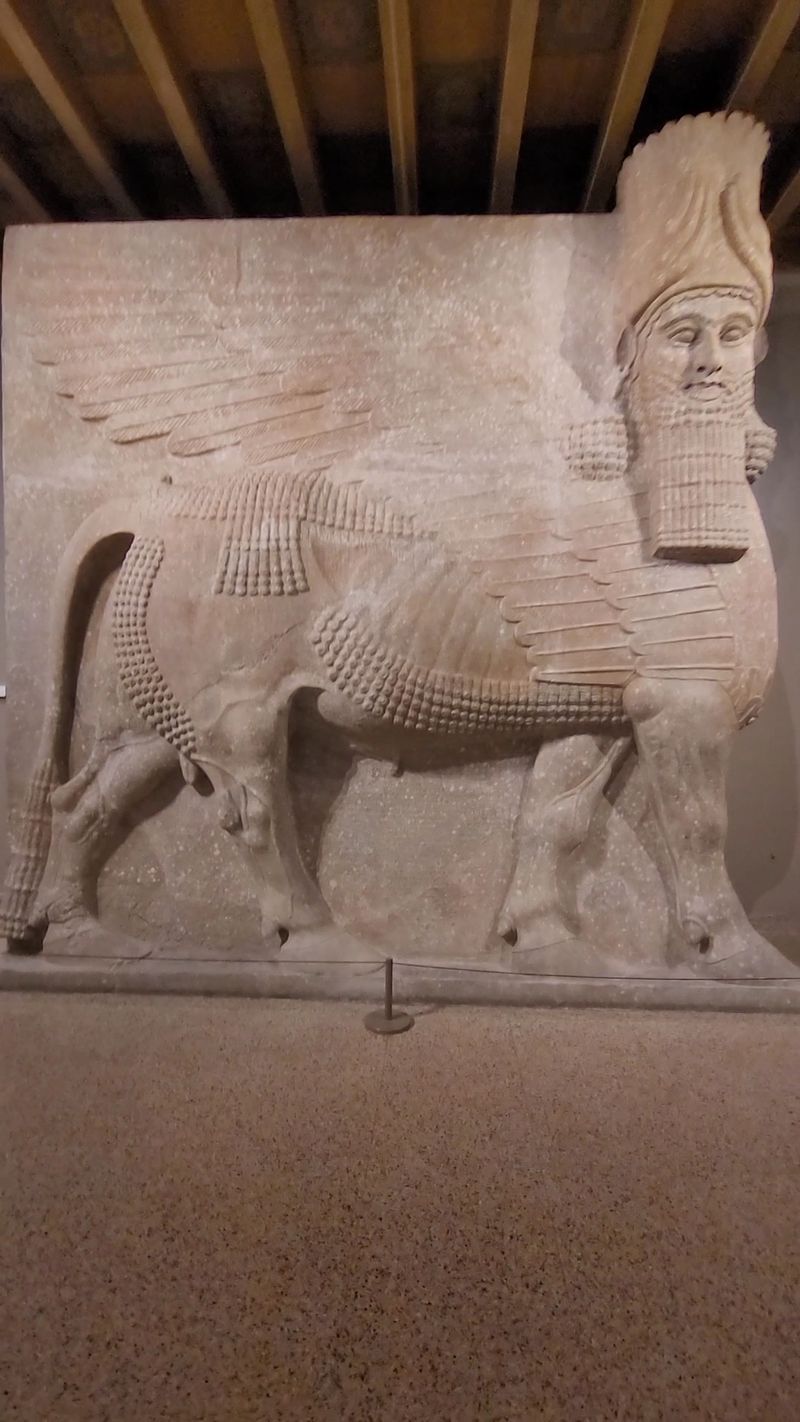
A lamassu is a mythical creature from ancient Assyria, combining a bull’s body, a bird’s wings, and a bearded human head. Figures like this guarded royal doorways, meant to protect the king and impress every guest.
This particular giant came from the palace of King Sargon II, who ruled from 721 to 705 BC.
Up close, the details are what grab you. Look for the carefully carved feathers, the curled beard, and the crown on its head.
Kids love counting its legs, because the sculptor gave it five, so it looks complete whether you view it from the front or the side.
Guests regularly describe the winged bull as awe-inspiring, and it is easy to see why. Standing beside it, you feel small in the best way, like a visitor arriving at a palace nearly 2,700 years ago.
Bring a camera and take your time. Few sights in Illinois make a family photo feel this epic, and it costs nothing extra to stand in its shadow.
Meresamun, King Tut, And The Egyptian Gallery
Meet Meresamun. She was a singer in ancient Thebes, and today her preserved mummy and beautifully painted coffin rest in the museum’s Egyptian Gallery.
Learning that she had a job and a voice makes her story feel personal rather than distant.
She has plenty of company. The collection includes 13 human mummies plus many animal mummies, offering a thoughtful look at how ancient Egyptians cared for loved ones and imagined the afterlife.
A reconstructed Predynastic grave shows natural preservation that happened centuries before formal embalming was ever practiced, along with a mummy mask and other objects.
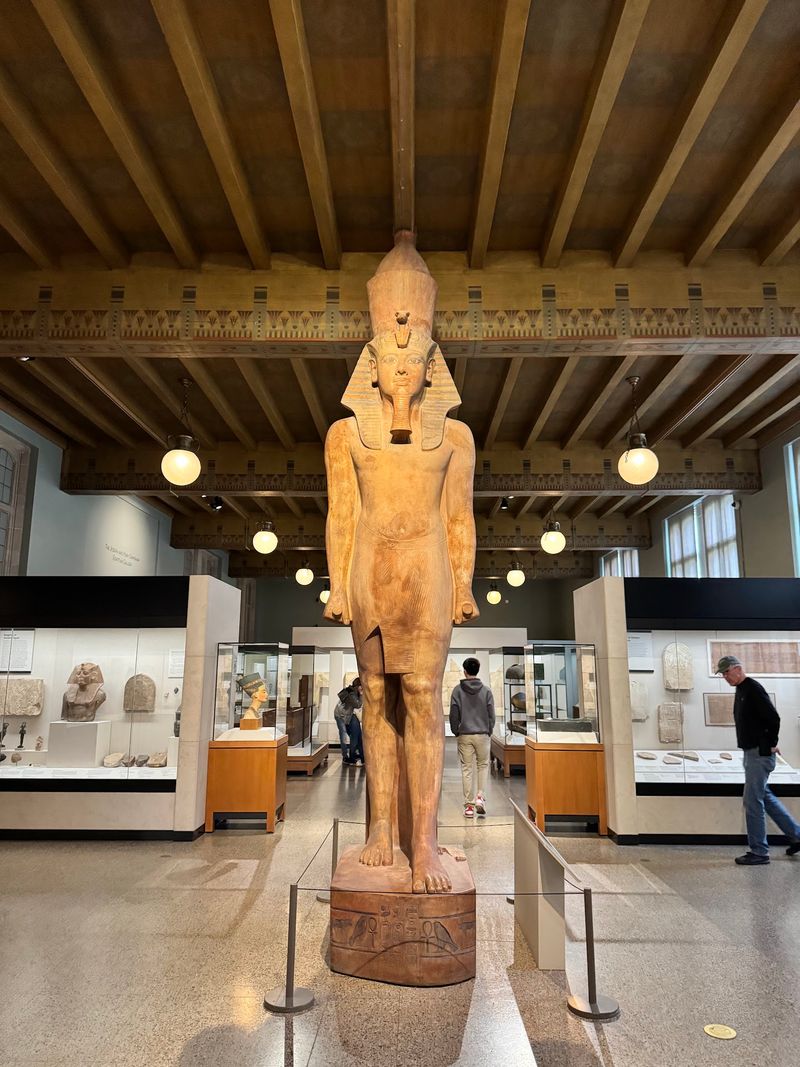
Then there is the towering statue of King Tutankhamun. Visitors often call it majestic, and its size alone makes kids stop in their tracks.
Many guests feel the Egyptian wing could compete with major museums across Europe, featuring large statues and carefully preserved artifacts. You will also spot a high-quality replica of the Rosetta Stone, used so the full story of Egyptian writing can be told in one room.
Tip for families: read a few labels aloud together. Turning names like Meresamun and Tutankhamun into a little game helps young history fans remember what they saw on the drive home.
Tiny Tablets And Mesopotamian Marvels
Here is a fun surprise: cuneiform, one of the earliest writing systems on Earth, was often pressed into clay in impossibly small marks. Visitors are regularly amazed by how tiny the wedge-shaped characters are.
Bring your reading glasses, or let the kids hunt for the smallest tablet.
Mesopotamia gets star treatment throughout the museum. Different time periods are laid out in separate sections, so you can follow the human story in order, from early farming villages to powerful empires.
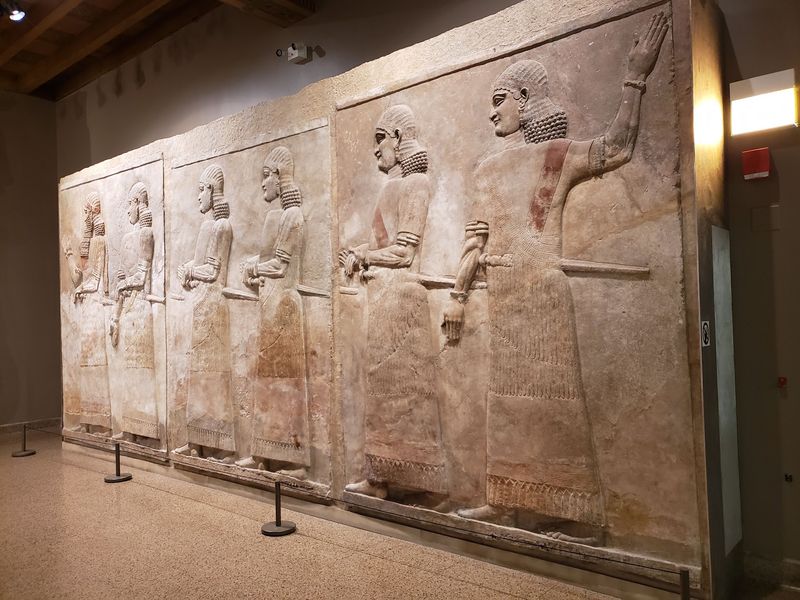
Detailed Assyrian reliefs, carved stone sculptures, and ancient pottery line the rooms.
Don’t skip Megiddo. Artifacts from this ancient site carry a fascinating twist, because its name is the origin of the word Armageddon.
Guided tours often linger here, along with stories about the epic of Gilgamesh and the famous laws of Hammurabi.
For some guests, the experience runs deeper than history. Visitors with roots in Iraq often describe feeling a powerful sense of pride and connection, seeing their ancestors’ world outside the pages of a book.
Sumerian pieces especially stir that feeling.
Even well-traveled museumgoers say a few items here are unlike anything they have seen elsewhere, which is quite a claim for a single building in Illinois.
A Quiet, Unhurried Mood For Curious Minds
Crowds? Not usually.
Compared with giant Chicago institutions like the Field Museum or the Museum of Science and Industry, this one feels intimate and calm. You can stand in front of an Assyrian relief for as long as you like without anyone nudging past.
The atmosphere is quiet and academic, matching the university setting perfectly. Benches appear in several galleries, which grandparents and tired little legs will appreciate.
Many people plan a quick stop and end up wandering room to room for hours.
Honesty matters for families, so here it is: the museum has no interactive exhibits or hands-on kid activities. It is a place for walking, looking, and reading.
History-loving kids and teens tend to light up, while younger children who need buttons to push may get restless.
Parents of little ones still have it easier than you might expect. Everything is stone or behind glass, and there is plenty of room to steer a stroller between displays.
Restrooms are downstairs and kept clean.
Rainy afternoons are an ideal match. The galleries are well maintained, peaceful, and cozy, making this a smart indoor escape during gray Illinois winters or soggy spring weekends.
Free Friday Evenings, Hours, And Parking Tips

Budget-minded planners, circle Friday on the calendar. For years, entry worked on an optional donation, with a suggested amount around $15.
The museum has since introduced paid admission, but it still keeps a free window open for everyone on Friday evenings from 4 PM to 8 PM.
Some groups get in free anytime. That list includes ISAC Members, children under four, military personnel, veterans, and University of Chicago students, faculty, and staff.
Chicago residents can also find discounted rates.
Regular hours run 10 AM to 4 PM Tuesday through Sunday, with Friday stretching to 8 PM. The museum is closed on Mondays, so plan around that.
Give yourself time. Most guests spend two to three hours inside, and dedicated history buffs say three hours covered only about half the collection.
Parking depends on the day. Free street parking is often findable within a short walk, roughly a quarter mile, though busy campus days can make spots scarce.
Arriving early helps.
Before leaving, peek into the small gift shop. It stocks unusual souvenirs you won’t find in typical museum stores, but it does not accept cash, so bring a card.
Why It Earns A Spot On Your Illinois List
Traveling to Iraq, Egypt, and Iran to see these treasures in person would cost a fortune. Driving to Hyde Park on a Friday evening costs a tank of gas and maybe a snack afterward.
That math alone makes a strong case.
Beyond the price, the museum offers something rare: a calm, uncrowded chance to stand beside objects thousands of years old. The winged bull, Meresamun’s coffin, the towering King Tut statue, and those tiny clay tablets all leave a lasting impression.
Locals often call it one of Chicago’s most underrated cultural gems, and it is hard to disagree.
Not every family will find it a perfect fit. Kids who crave hands-on activities might prefer a bigger science museum.
But curious readers, teens studying world history, and grandparents who love a good story will feel right at home.
Pair your visit with a walk around the gothic campus, and you have a full day built on wonder rather than spending.
So the next time someone in your family says there is nothing new to do around Illinois, you will have a great answer ready. A 2,700-year-old guardian is waiting, and on Friday nights he doesn’t charge a thing.