
9 North Carolina Places Where Black Bears Aren’t Nearly As Unusual As You’d Think
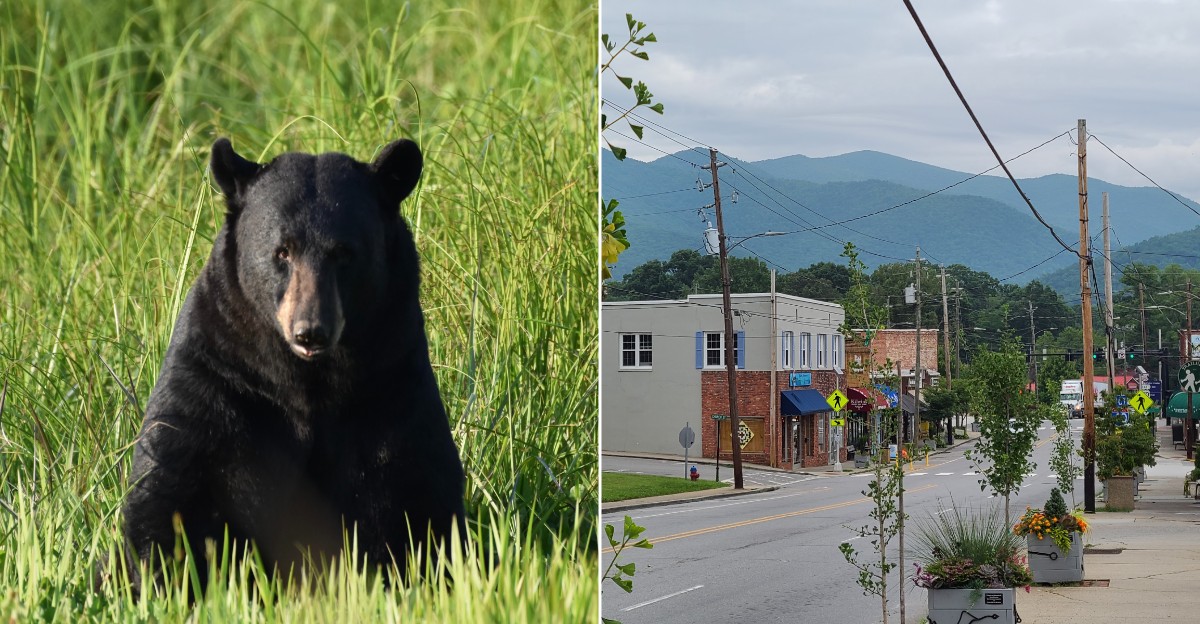
In North Carolina, spotting a black bear can be less of a once-in-a-lifetime wildlife moment and more of a reminder that you’re sharing the neighborhood with some very large locals.
From the misty forests of the Blue Ridge Mountains to the marshy coastal wilderness of Alligator River National Wildlife Refuge, these animals live in some surprisingly different corners of the state.
One minute, you’re enjoying a peaceful mountain drive, the next, a furry four-legged resident might be ambling through the trees like it has somewhere important to be.
And with black bears capable of roaming long distances in search of food, their territory can cover a lot more ground than you might expect.
North Carolina is home to one of the largest black bear populations in the eastern United States, so knowing where they tend to live makes wildlife watching even more exciting.
Just remember, admire these wild neighbors from a respectful distance, and keep the snacks packed away. Bears have excellent noses and absolutely no interest in your picnic etiquette.
1. Alligator River National Wildlife Refuge
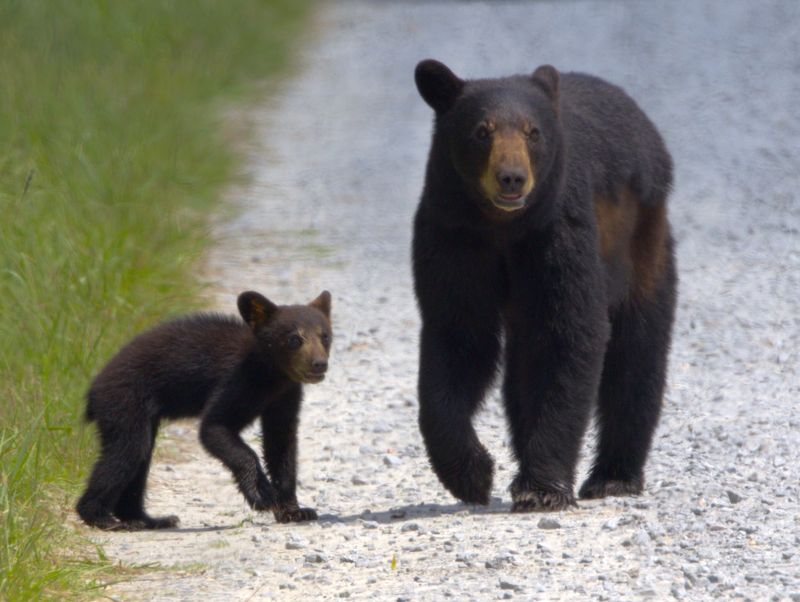
Picture a bear so hefty it could make a refrigerator jealous. Out on the Albemarle Peninsula, Alligator River National Wildlife Refuge is famous for some of the biggest black bears in the country.
Wildlife experts consider its bear density among the highest anywhere in the eastern United States.
So what is the secret recipe? The refuge mixes pocosin wetlands, swamp forests, and managed farm fields into one giant buffet.
Bears munch on berries, insects, and crops like corn and soybeans, which helps them pack on serious pounds.
Wildlife Drive is the go-to route for curious visitors. Early mornings and late afternoons are prime time, when bears often wander along field edges looking for a snack.
Many folks have spotted bears right from their car windows, though no sighting is ever promised.
Staying inside your vehicle is the smartest move here. It keeps you safe, and it lets bears go about their business without feeling crowded.
A quick look, a few photos, and then a slow roll onward keeps everyone happy.
Bring binoculars, because they turn a distant dark blob into a full-on wildlife moment. Keep any food sealed and never toss treats out the window.
Out here, the bears run the show, and visitors simply get front-row seats.
2. Great Smoky Mountains National Park
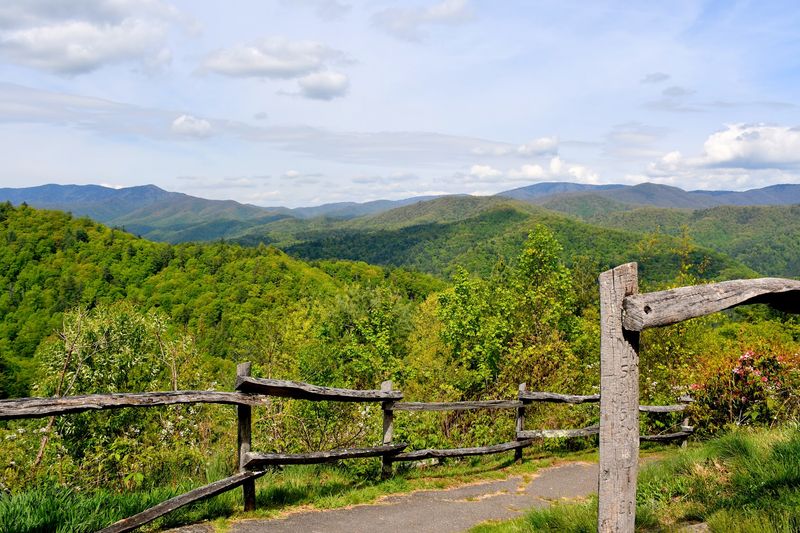
Here is a bedtime story you probably have not heard before. In the Great Smoky Mountains, some black bears snooze through winter high up in hollow trees.
That treetop habit is something you rarely see in other places.
The park protects around 1,900 bears, which works out to roughly two bears per square mile. That is one of the densest bear populations in the eastern United States.
Bears roam every elevation, from valley floors to the highest forested ridges.
On the North Carolina side, Cataloochee Valley and Newfound Gap Road are popular places to scan the hillsides. Late spring and summer tend to bring more bear activity.
Early mornings and evenings are when hungry bears often move around in search of berries and nuts.
Park rules are clear and easy to follow. Staying at least 50 yards away is required, and it keeps both people and bears comfortable.
If a bear changes its behavior because of you, that means you are too close.
Keep picnic areas spotless and use the bear-proof trash cans placed throughout the park. A fed bear quickly learns bad habits, so snacks should stay with you.
With a little care, the Smokies remain a true mountain kingdom for its furry monarchs.
3. Pocosin Lakes National Wildlife Refuge
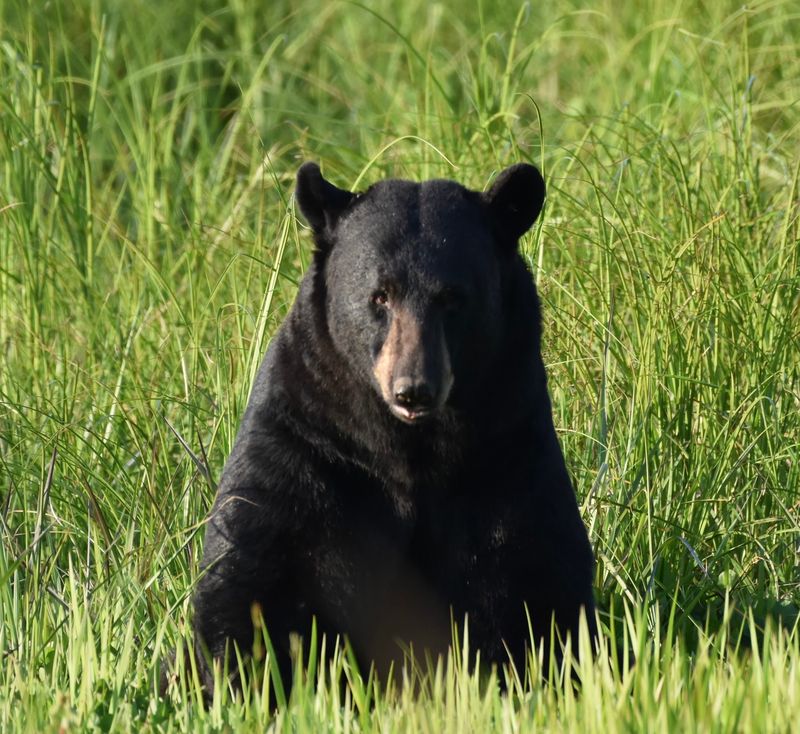
When a refuge literally names one of its routes Bear Road, you know it means business. Pocosin Lakes National Wildlife Refuge sprawls across eastern North Carolina with over 110,000 acres of wild space.
Bears here are part of the everyday scenery.
The word pocosin comes from an Algonquian term often translated as swamp on a hill. These wetlands sit on deep layers of peat soil and are covered in thick evergreen shrubs.
For a bear, that dense cover feels like a cozy, private hideout.
Food is the other big draw. Managed farm fields in the Pungo Unit grow crops like corn, which give bears plenty of energy.
Add the sparkling waters of Pungo Lake and New Lake, and you get a habitat that checks every box.
Visitors often cruise Sawyer Lake Road, Long Curve Road, Link Road, and yes, Bear Road. Dawn and dusk usually bring the most action.
Winter also brings thousands of tundra swans and snow geese, so the whole refuge feels like a nature festival.
Respect goes a long way in bear country. Watch from your car, keep a generous distance, and leave all snacks safely packed away.
Patience and quiet curiosity are the real keys to a memorable day at Pocosin Lakes.
4. Asheville
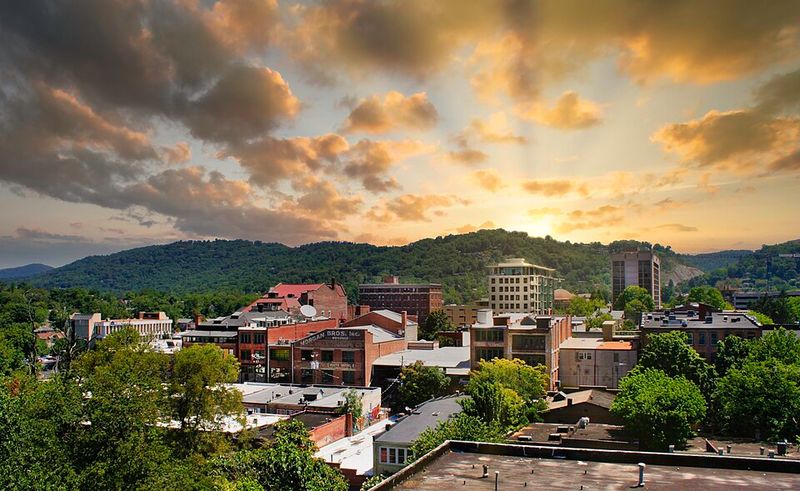
Most cities brag about their food scene, but Asheville also has bears checking it out. This artsy mountain city is famous for having black bears wander through neighborhoods, greenways, and even near downtown.
Researchers have studied these urban bears for years.
A long-running study by NC State University and the North Carolina Wildlife Resources Commission tracked Asheville bears with collars. The research showed these bears live comfortably alongside people.
Estimates suggest a sizable population calls the city area home year-round.
Why would a bear choose city life? Asheville sits surrounded by forested mountains, so the wild is never far away.
Unsecured trash, bird feeders, and pet food can also tempt bears closer to homes.
Springtime is especially busy, since bears leave their dens hungry and ready to explore. Spotting a bear crossing a quiet street can be thrilling.
Still, the best move is admiring it calmly from a safe spot.
Want a guaranteed view without the guesswork? The WNC Nature Center features resident black bears in a natural setting, along with fun facts about their lives.
For everyone else, bear-resistant trash cans and bringing feeders inside make a huge difference. In Asheville, being a good neighbor includes the neighbors with fur.
5. Black Mountain
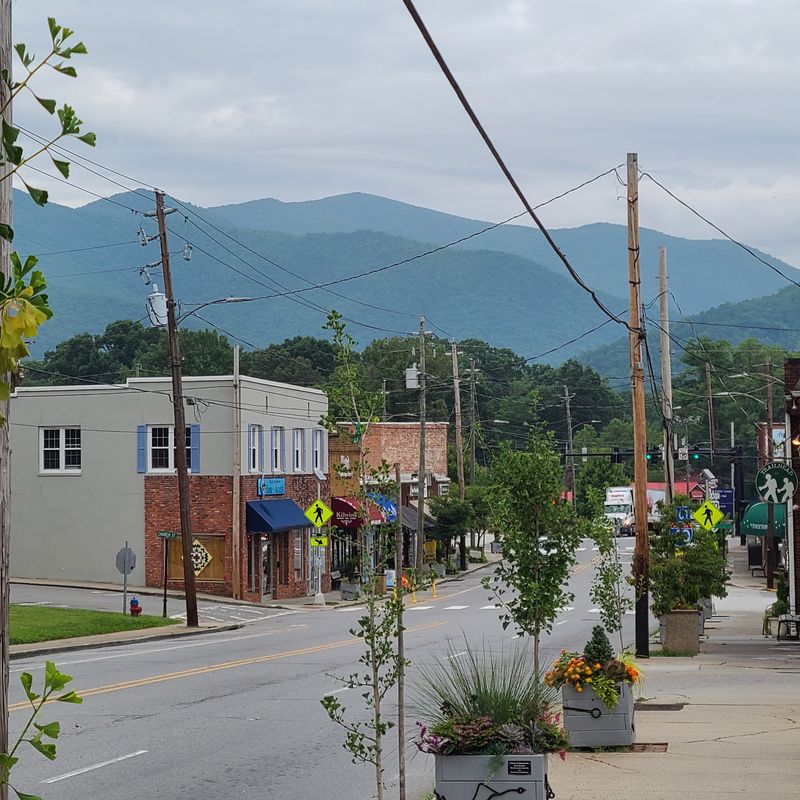
Some towns get tourists in minivans, while Black Mountain also gets visitors in fur coats. Just east of Asheville, this charming small town has seen plenty of bear activity in recent years.
Sightings around homes and streets are a familiar topic of conversation.
Young bears play a big role in this story. Much like teenagers moving out for the first time, yearling bears leave their mothers and search for their own territory.
Their curiosity often leads them straight into town.
These bears have been known to sniff around trash cans and even take a splash in backyard pools. Some have figured out how to open unlocked car doors in search of snacks.
Clever? Absolutely.
Something to encourage? Not at all.
Black Mountain has embraced the BearWise program, a regional effort that teaches simple habits for living near bears. The town even formed an advisory group focused on reducing bear conflicts.
Securing trash and removing food sources sit at the center of these efforts.
Visitors can help too, especially if staying in a rental cabin. Lock car doors, keep food out of sight, and follow local trash rules carefully.
With a few smart habits, Black Mountain stays a place where bears and community share the scenery peacefully.
6. Pisgah National Forest
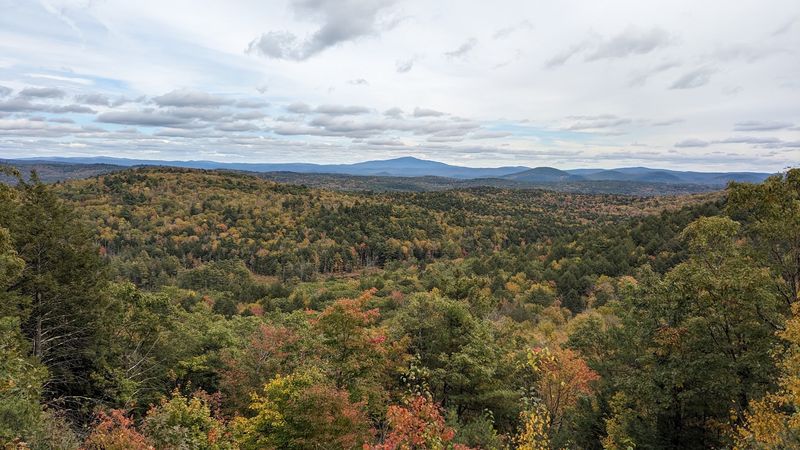
Few hiking checklists include a bear canister, but Pisgah National Forest makes it a must in certain spots. Covering more than 500,000 acres of western North Carolina, Pisgah offers rugged ridges, waterfalls, and prime bear habitat.
In the Shining Rock Wilderness and parts of the Black Balsam area, overnight visitors are required to store food in bear-resistant canisters. Rangers set this rule because bears there learned to grab food from campers.
A sturdy canister protects your trail mix and their wild habits.
What keeps Pisgah bears so well fed? Mature hardwood forests drop acorns and hickory nuts each fall.
Younger forest patches burst with blackberries and blueberries in summer, giving bears a seasonal menu that rarely disappoints.
Popular areas like Bent Creek and North Mills River often see bear activity. You might never spot one, but you could notice clues.
Look for claw marks on trees, flipped rocks, or torn-open logs where bears searched for insects.
Hiking smart is simple and actually kind of fun. Chat with your group, clip on a bell, or sing a tune so bears hear you coming.
Give any bear plenty of room, and Pisgah stays a wild playground for everyone.
7. Nantahala National Forest
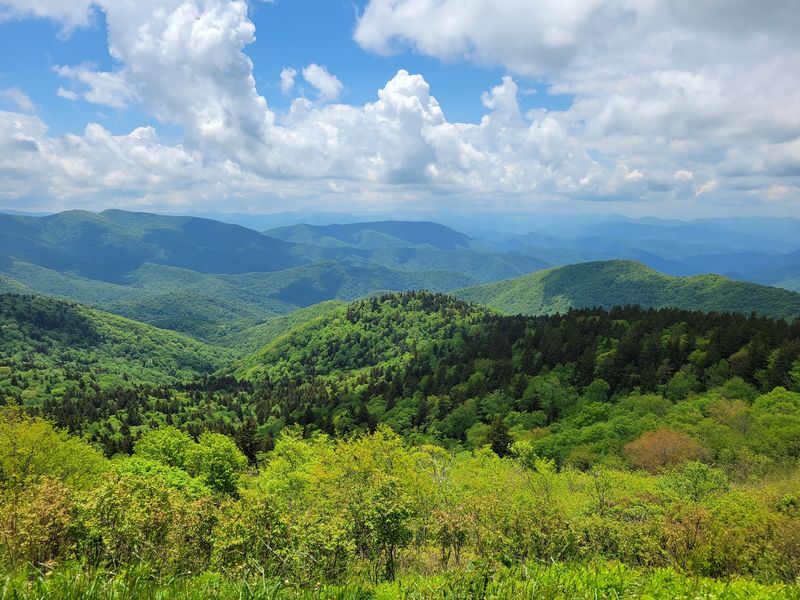
Size matters when you are a bear looking for room to roam. Nantahala National Forest is the largest national forest in North Carolina, stretching over 530,000 acres in the southwestern mountains.
That is a whole lot of elbow room.
The name Nantahala comes from a Cherokee word often translated as land of the noonday sun. Deep gorges in the area are so steep that sunlight reaches the bottom only around midday.
Bears love these rugged, quiet places.
Thick rhododendron and mountain laurel thickets give bears excellent cover for resting and raising cubs. Oak forests supply acorns, which are a fall favorite before winter denning.
Streams and valleys add even more variety to their meals.
Backcountry campers sometimes discover that Nantahala bears are surprisingly crafty. Some have learned to pull down hanging food bags.
The Forest Service encourages bear-resistant containers and storing scented items properly, even toothpaste and sunscreen.
Paddlers on the Nantahala River and hikers on the Appalachian Trail share this wild landscape with bears. Spotting one from a distance can become the highlight of a trip.
Keep cubs and mothers especially far away, and let the forest’s furry giants enjoy their noonday sun in peace.
8. Croatan National Forest
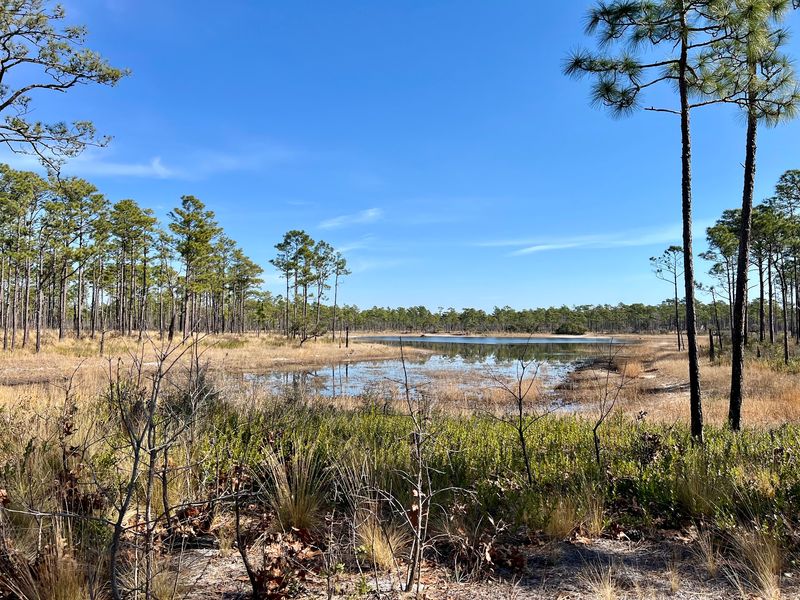
Sandy beaches and black bears sound like an odd couple, yet the Croatan proves they get along just fine. Croatan National Forest sits on the central coast between New Bern, Morehead City, and Jacksonville.
It covers roughly 160,000 acres of pine forests, swamps, and pocosins.
Here is a surprising bonus. The forest is also home to carnivorous plants like the Venus flytrap, which grows naturally only near this region of the Carolinas.
Bears share their habitat with some of nature’s quirkiest residents.
Longleaf pine savannas, cypress wetlands, and thick shrub bogs create a patchwork of habitats. Wetland corridors act like natural highways, helping bears travel between feeding spots.
Berries, insects, and plants keep them fed through the seasons.
Coastal bears tend to be quiet and secretive, so sightings feel like a lucky bonus. Hikers on trails like the Neusiok Trail might notice tracks in soft mud.
Paddlers on creeks sometimes catch a dark shape moving along the banks.
Camping here calls for tidy habits. Store food in your vehicle or a bear-resistant container, and pack out every wrapper.
In the Croatan, the coast is not just for seashells, and the bears are happy to remind you.
9. Dismal Swamp State Park
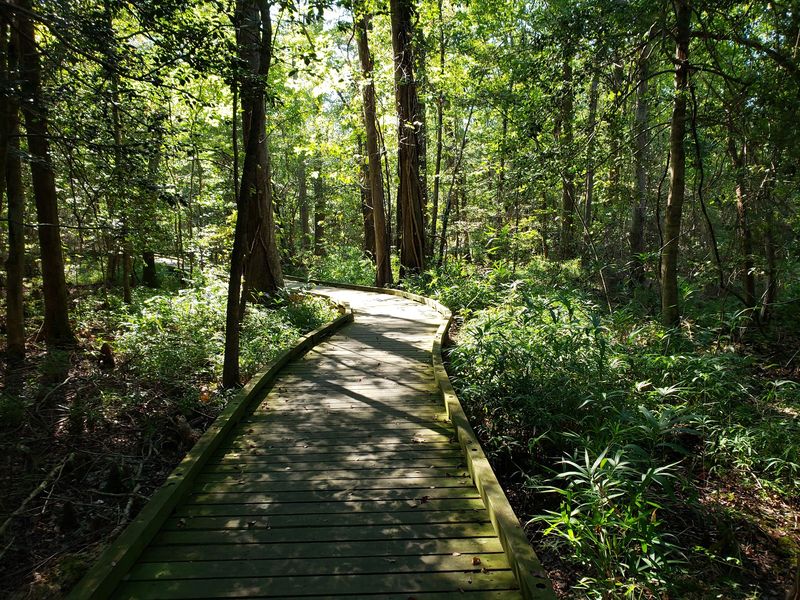
Do not let the moody name fool you, because this swamp is full of life. Dismal Swamp State Park sits in northeastern North Carolina along the Virginia border.
It is part of the larger Great Dismal Swamp, a famous wetland with centuries of history.
Back in colonial times, a young George Washington surveyed this area and helped plan a canal through it. Today the Dismal Swamp Canal is the oldest continually operating man-made canal in the country.
Bears have watched it all from the thickets.
Cypress and gum forests, plus dense pocosin shrubs, give bears perfect hiding spots. Greenbrier, blackgum, and holly fruits fill their menu.
Thanks to the mild climate, some bears here stay fairly active during winter instead of sleeping deeply.
The park offers miles of trails and a boardwalk that winds through the swamp. Visitors exploring at dawn or dusk sometimes spot a bear slipping between trees.
The visitor center also shares displays about the swamp’s wildlife.
Keep a respectful distance and keep snacks sealed tight while exploring. From the misty mountains to this mysterious swamp, North Carolina bears clearly know how to pick a home.