
The 10 Illinois Spots Where Fall Wildlife Sightings Are Picking Up Right Now
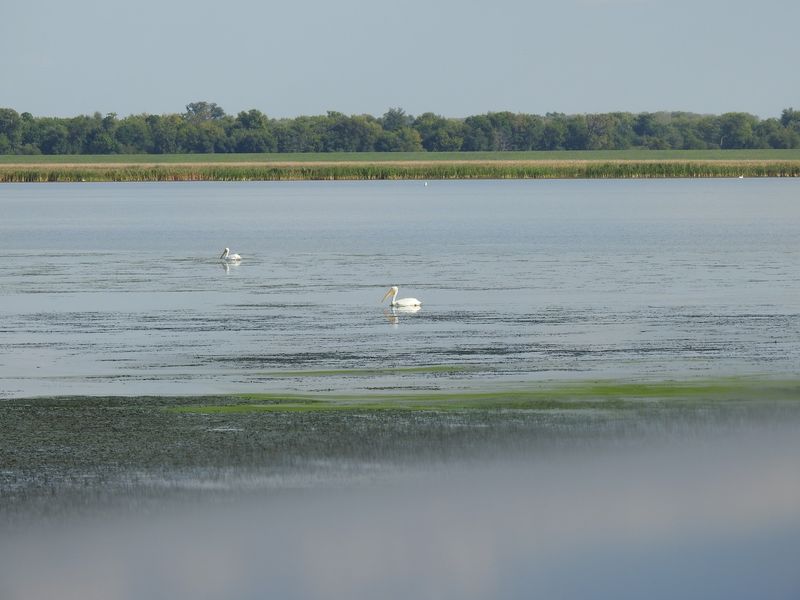
Bison grazing in golden grass and pelicans gliding over backwater lakes are not scenes most folks expect from a fall drive across Illinois. Yet right now, as the leaves turn and the air gets crisp, birds and animals are on the move all over the state.
Many of the best viewing spots cost nothing to visit, which makes them perfect for a cheap family day trip. Grab your binoculars, pack a few snacks, and get ready for an outing the kids will be talking about long after the first snow.
1. Chautauqua National Wildlife Refuge, Havana, IL
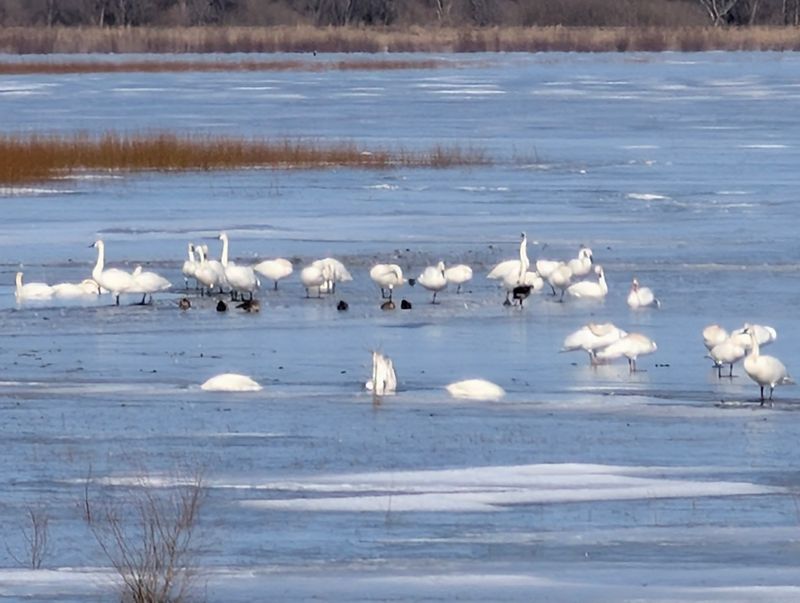
Thousands of wings over the Illinois River valley make a sound you feel in your chest before you hear it. Fall migration turns this refuge near Havana into a busy rest stop, as flocks of birds pass through on their long trip south.
Bald eagles are the headline act, and spotting one perched above the water never gets old.
Trails wind through the property, and lookout stations give families a steady place to scan the horizon. Bring binoculars and a little patience, because the scene changes by the minute.
Opossums sometimes shuffle along the edges, too, which tends to delight younger explorers.
Photographers love this place for good reason. Wide skies, calm water, and glowing sunsets create the kind of backdrop that makes even a phone picture look frame-worthy.
Some visitors also cast a line, since fishing is part of the refuge experience.
Plan your trip on a weekday if you can, since the office keeps hours Monday through Friday from 8 AM to 4 PM. Public restrooms are available, and the hikes are easy enough for kids.
Admission costs nothing, so the only real expense is gas and maybe a sack lunch from home. For a frugal fall outing packed with feathered drama, few places in central Illinois compare.
2. Nachusa Grasslands – Visitor Center, Franklin Grove, IL
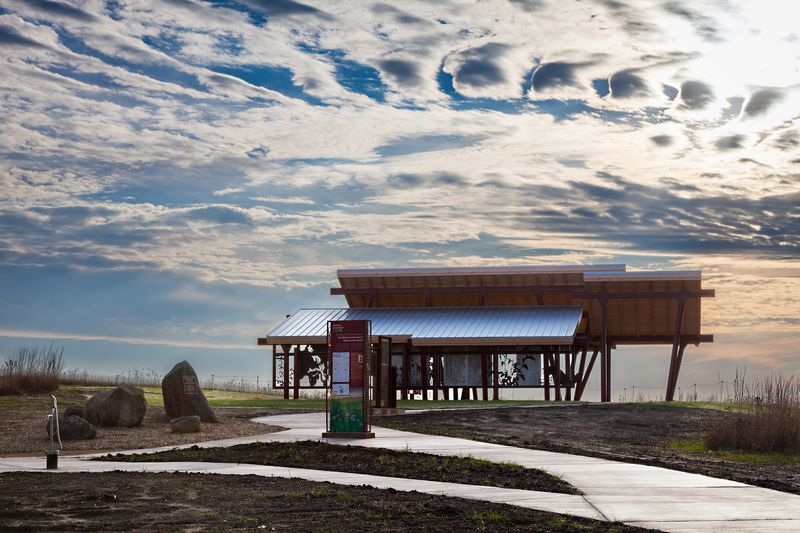
Buffalo in Lee County? Absolutely, and seeing them roam across rolling prairie feels like stepping back a couple hundred years.
Nachusa Grasslands sits near the tiny town of Franklin Grove, where restored native grasslands stretch in every direction.
Fall brings a special glow to these hills. Grasses turn bronze and gold, late wildflowers hang on, and deer slip in and out of view.
Bird lovers will find plenty of species flitting across the open land, giving everyone in the car something to point at.
The visitor center is a calm, welcoming starting point. Staff share interesting background on the prairie’s restoration and offer tours, which helps kids understand why bison matter here.
Picnic tables and public restrooms make it easy to stay a while without spending a dime.
Every September, the Autumn on the Prairie celebration draws families out for a seasonal taste of grassland life. Even outside festival weekends, the preserve is open daily from 6 AM to 8 PM.
Saturday afternoons get the busiest, so a quiet weekday or Sunday morning visit may give you the herd almost to yourself. Pack a thermos of cocoa, park, and let the prairie do the rest.
3. Crab Orchard National Wildlife Refuge
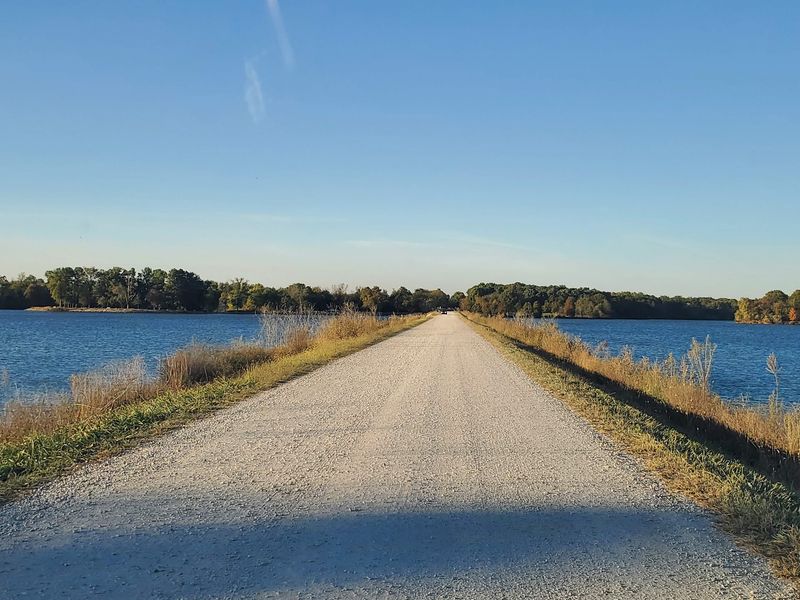
Southern Illinois saves one of its best fall shows for a sprawling refuge outside Carterville. Crab Orchard National Wildlife Refuge covers so much ground that you can easily fill an entire day without running out of things to do.
Driving the roads slowly is a favorite way to spot wildlife here. Windows down, snacks within reach, and everyone on lookout duty makes for a classic family outing.
As the season cools, American bald eagles become a common sight, and catching one gliding over the lake is a moment kids rarely forget.
Variety is the real charm. Families can hike kid-friendly trails, fish from the shore, launch a boat, or set up a picnic at one of the tables.
Camping is an option for anyone wanting to stretch the trip into a cheap overnight adventure.
Dogs are welcome, so the family pup can tag along. Public restrooms are available, and the grounds stay open 24 hours, which means sunrise and sunset viewing are both on the table.
Speaking of sunsets, the lake glows with orange and pink light that feels made for fall evenings. Saturdays draw the biggest crowds, while Wednesday evenings tend to be peaceful and wide open.
4. Midewin National Tallgrass Prairie, Wilmington, IL
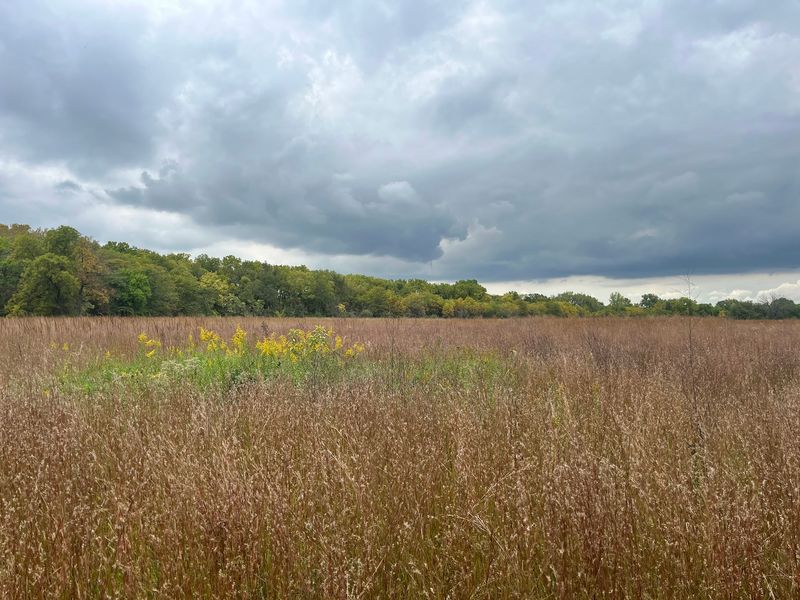
Established in 1996, Midewin was the first national tallgrass prairie in the country, and it covers about 73 square kilometers along Route 53 near Wilmington. That is a lot of room for wildlife to wander, and fall is a wonderful time to explore it.
A herd of bison lives on the restored prairie, giving Will County families a chance to see these shaggy giants without a long road trip. Birds of many kinds flutter through the grasses, and lingering wildflowers add splashes of color to the autumn landscape.
Quiet trails lead through tall grasslands, patches of woods, and wide-open prairie. The calm can be surprising so close to the Chicago suburbs.
Kids can stretch their legs on easy hikes while grown-ups enjoy the big skies and soft rustle of the grass.
Practical perks make this an easy pick for a budget outing. Parking is free, picnic tables are ready for a packed lunch, and public restrooms are on site.
A visitor center helps families get their bearings before heading out. Hours run Monday through Saturday from 8 AM to 4:30 PM, with Sundays closed, so plan around that.
Weekday afternoons can be busy, so mornings often feel the most peaceful.
5. Emiquon National Wildlife Refuge
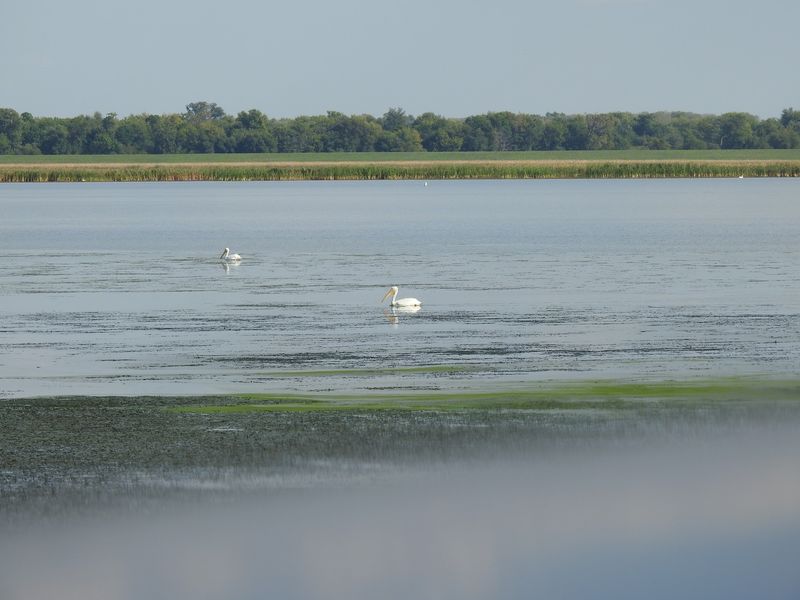
Pelicans in central Illinois sound like a tall tale until you see a raft of them drifting across the water at Emiquon. Near Lewistown in Fulton County, this refuge protects a historic backwater wetland that feels wonderfully wild.
Fall is when the bird list really grows. Eagles patrol the sky, pelicans gather in bright white clusters, and countless other species stop to rest.
Observation posts offer good vantage points, so even little ones can get a clear look without wandering off the path.
Peace and quiet might be the refuge’s best gift. Many people come here simply to think, breathe, and take in the open views.
That slower pace makes it a lovely spot for grandparents and grandkids to share an unhurried morning.
Anglers will find good fishing too, which adds another free activity to the day. Trails are friendly for kids, though amenities are limited, so pack water and snacks before you go.
Tuesday evenings and Thursday afternoons tend to draw more visitors, while Saturday mornings, Sundays, and Mondays are usually calm. Bring a pair of binoculars and a simple bird checklist, and turn the visit into a friendly family contest to see who spots the most species.
6. Montrose Point Bird Sanctuary
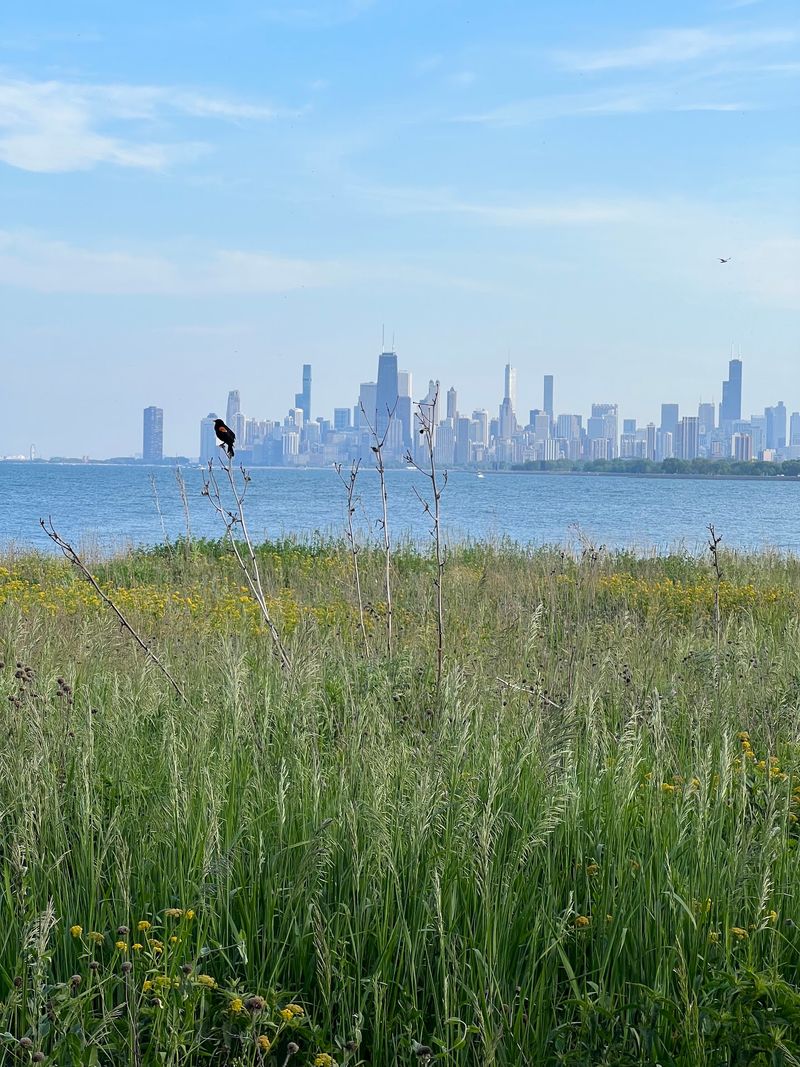
Warblers and skyscrapers share the same view at this little patch of green on Chicago’s lakefront. Montrose Point Bird Sanctuary, often called the Magic Hedge, ranks among the most beloved birding spots in all of Illinois.
Each fall, migrating songbirds drop into the shrubs and trees to rest after crossing Lake Michigan. The variety can be astonishing, from tiny colorful travelers to rarer species birders get excited about.
Butterflies drift through as well, adding even more motion to the scene.
Wood chip paths and concrete walkways loop through the sanctuary, keeping the walk short and easy for families. Despite the busy city around it, the spot feels like a quiet forest oasis.
City noise fades, and the soft chatter of birds takes over.
Then there is the skyline. Few places let you watch native and migrant birds with downtown Chicago glittering across the water.
Kids get a kick out of that contrast, and so do adults.
The sanctuary is open daily from 6 AM to 8 PM, with free and paid parking options nearby. Weekend afternoons get crowded, so weekday mornings are ideal.
Visiting costs nothing, making it a fantastic free outing for city and suburban families.
7. Sue and Wes Dixon Waterfowl Refuge
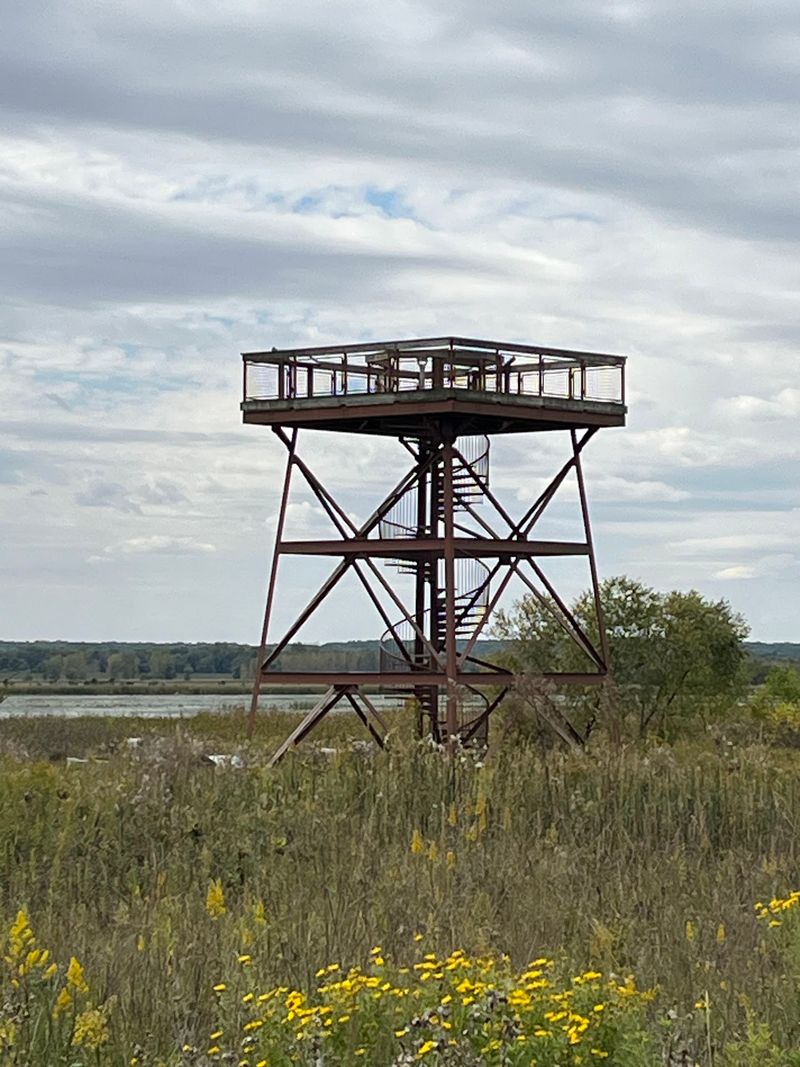
Imagine standing beside a lake where cornfields once stretched for miles, watching hundreds of migrating birds settle onto the water. That remarkable transformation is what makes the Sue and Wes Dixon Waterfowl Refuge near Hennepin such a fascinating fall destination.
For much of the 20th century, Hennepin and Hopper Lakes were drained for farming. Restoration began in 2001, bringing wetlands back to life and giving migrating wildlife an important place to rest.
Today, the refuge protects approximately 3,000 acres, with more than 270 bird species recorded.
October is particularly exciting because migrating ducks and geese gather on the lakes. American white pelicans are another impressive sight, especially when their enormous wings catch the afternoon sunlight.
An observation tower provides sweeping views, while the Marquis Oak Ridge Trail leads through restored prairie to a viewing platform overlooking the marsh.
Bring binoculars because the best wildlife activity may happen far out on the water.
The refuge also offers approximately seven miles of hiking trails, giving visitors plenty of opportunities to explore.
Admission is free, and trails generally open daily from dawn until dusk.
For an extra-special outing, the refuge has scheduled its Fall Frolic event for October 17, 2026, featuring guided wildlife viewing and restoration activities.
8. Illinois Beach State Park
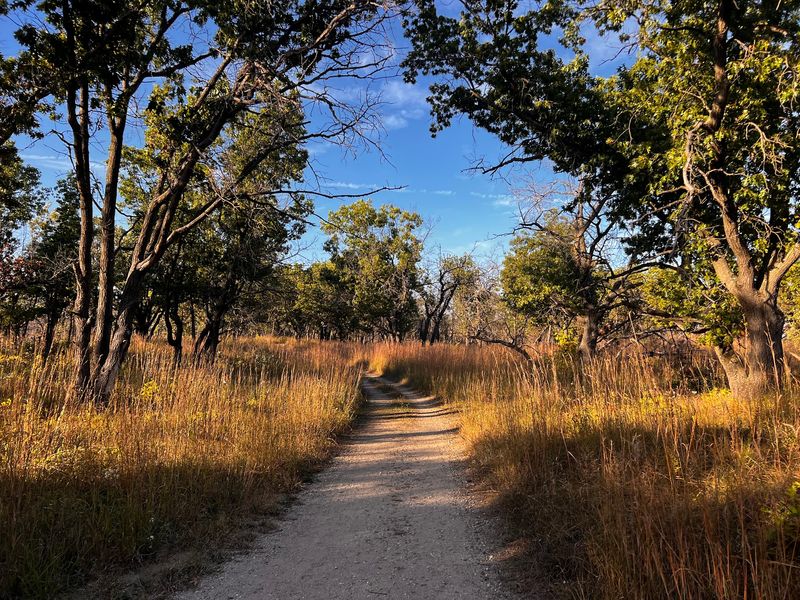
Sand dunes in Illinois might sound surprising, but Illinois Beach State Park in Zion has some of the most unusual coastal scenery in the Midwest. Its Lake Michigan shoreline stretches for approximately six miles, creating an important stopping point for birds traveling south during autumn.
Fall migration brings an impressive variety of wildlife to the area.
Sharp-shinned hawks and Cooper’s hawks can appear overhead, while American kestrels and other birds of prey patrol the shoreline.
Many raptors follow land-based migration routes because soaring over large bodies of water offers fewer helpful air currents.
That makes the park particularly appealing for anyone hoping to watch hawks during October.
The Dead River area is another fascinating place to explore. Despite its rather unfortunate name, this slow-moving waterway supports an impressive variety of wildlife.
Visitors might encounter sandhill cranes, turtles, or white-tailed deer near the surrounding wetlands.
Monarch butterflies also migrate through the Lake Michigan region during fall, adding another reason to watch the vegetation along the trails.
A morning walk offers opportunities to enjoy the shoreline before the busiest visiting hours.
Bring binoculars and a wind-resistant jacket because Lake Michigan breezes can turn surprisingly chilly.
For families seeking an affordable Illinois wildlife adventure, this park combines unusual scenery with excellent birdwatching opportunities.
9. Cache River State Natural Area
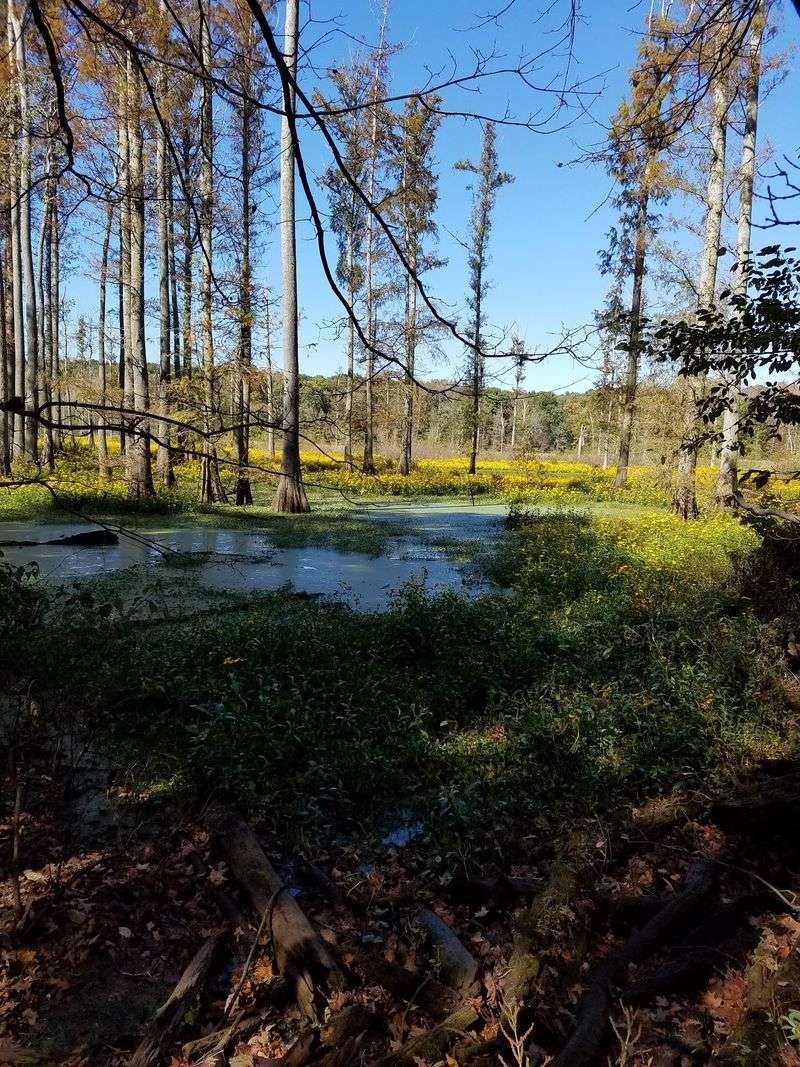
Trees older than some medieval castles rise straight out of the water at Cache River State Natural Area near Belknap. Southern Illinois has a remarkable secret here, and autumn makes this ancient swamp landscape even more fascinating.
Massive bald cypress trees dominate portions of the wetlands, with several specimens estimated to be more than 1,000 years old.
Their needles turn rusty orange in fall, creating an unusual seasonal display above the dark water.
Wildlife is another major attraction.
Great blue herons stalk the shallows, migrating waterfowl use the wetlands, and white-tailed deer sometimes appear along the forest edges.
Visitors may also encounter beavers or other wetland mammals, though spotting them takes patience.
The 1.5-mile Todd Fink-Heron Pond Trail is a wonderful starting point. It crosses the Cache River before reaching a floating boardwalk surrounded by cypress trees.
Interpretive signs explain the ecosystem, giving families an opportunity to learn while exploring.
For another memorable stop, the Big Cypress Tree Trail leads to an enormous ancient tree with a base measuring more than 40 feet around.
The area’s ecological importance extends well beyond Illinois. Its wetlands received international recognition under the Ramsar Convention in 1996.
Pack insect repellent and comfortable walking shoes, then enjoy one of the state’s most extraordinary fall wildlife destinations.
10. Two Rivers National Wildlife Refuge
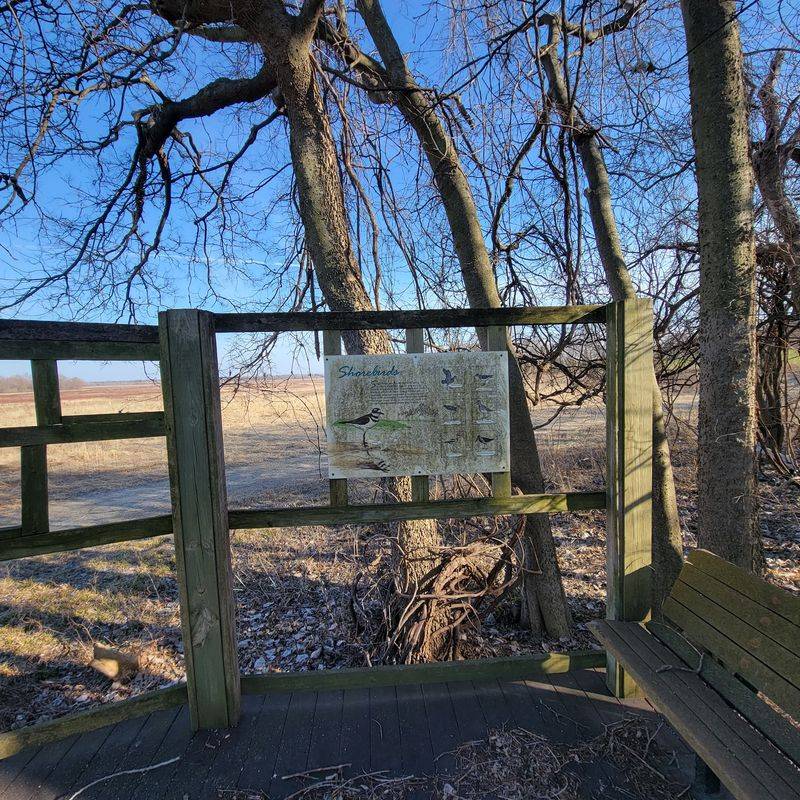
A wildlife refuge near the meeting of two mighty rivers sounds like a promising place to spend an autumn afternoon. Two Rivers National Wildlife Refuge near Brussels certainly delivers, especially when migrating waterfowl begin arriving in greater numbers.
The refuge protects important habitat near the confluence of the Illinois and Mississippi rivers.
During fall migration, ducks and geese use the wetlands as resting and feeding grounds.
Mallards and other waterfowl gather around the shallow water, while bald eagles can sometimes be spotted near the rivers.
As temperatures drop toward winter, eagle-watching opportunities often become especially rewarding.
The Gilbert Lake Division is worth considering for a wildlife outing. Visitors can explore designated trails and refuge roads while looking for birds around the wetlands.
Bring binoculars because approaching wildlife too closely can disturb animals that need energy for their long migration.
One important detail makes October planning essential.
The Swan Lake Unit of the Calhoun Division closes to public access from October 16 through December 31. Other designated areas remain accessible on foot, although seasonal vehicle and boating restrictions apply.
Refuge trails generally open from dawn until dusk, and the headquarters operates on weekdays.
Travelers may also use the nearby Brussels Ferry, subject to operating conditions.
For a peaceful autumn outing, few experiences compare to watching migrating birds gather beside the Mississippi River.