
Why This Historic Ohio River Town Deserves A Closer Look As A Place To Retire
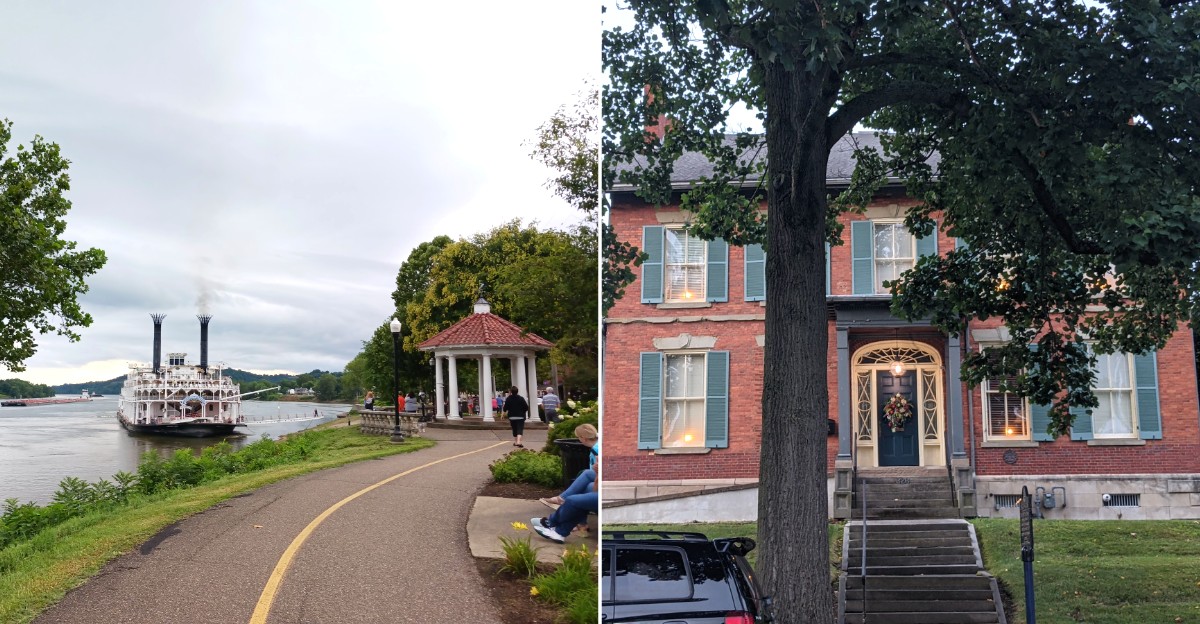
I came for the river views and ended up wondering what it would actually be like to live here.
This southeastern Ohio town has an easy rhythm that becomes noticeable pretty quickly.
Downtown is walkable, the water is never far away, and everyday costs leave a little more breathing room than they do in many larger places.
Then the practical reasons start adding up. Healthcare is close, there are plenty of ways to stay active, and enough history and local events keep retirement from feeling too quiet.
After a few days, the town’s retirement appeal started making a lot more sense.
A First Look At A River Town With Old Soul
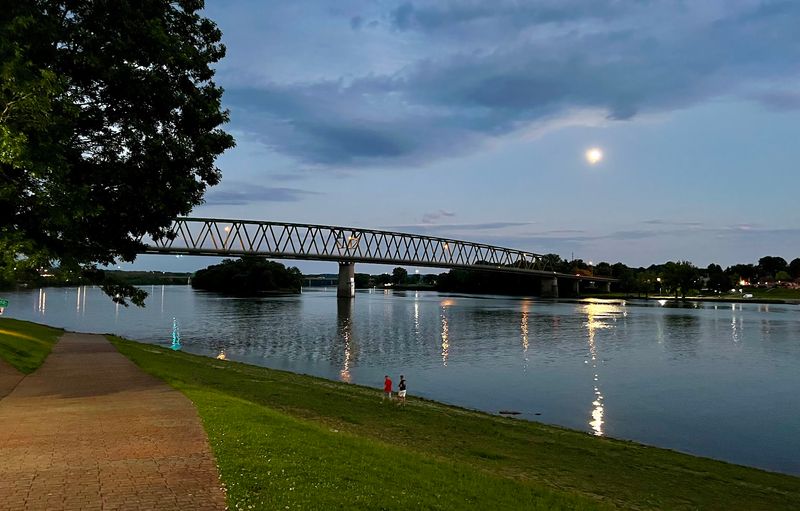
Some towns greet you with a shrug, but this one greets you with a view.
I came over the hills and spotted the Ohio and Muskingum Rivers sliding together below me. The sight made me ease off the gas and roll down the window.
Brick streets, tidy porches, and church steeples set the mood right away. Nothing here feels rushed, and nothing feels staged.
The town simply looks lived in and loved, which is a rare mix.
I parked and walked a few blocks just to soak it in. Shopkeepers nodded hello, and a man walking his dog told me the best bench for river watching.
That kind of friendly tip is how I knew I was in the right place.
The city sits in Washington County, in southeastern Ohio, about eleven miles northeast of Parkersburg, West Virginia. About 13,000 people call it home, so everything stays close and easy to reach.
Plan on comfortable shoes, because the best way to meet this town is on foot.
Where Ohio’s Story Began
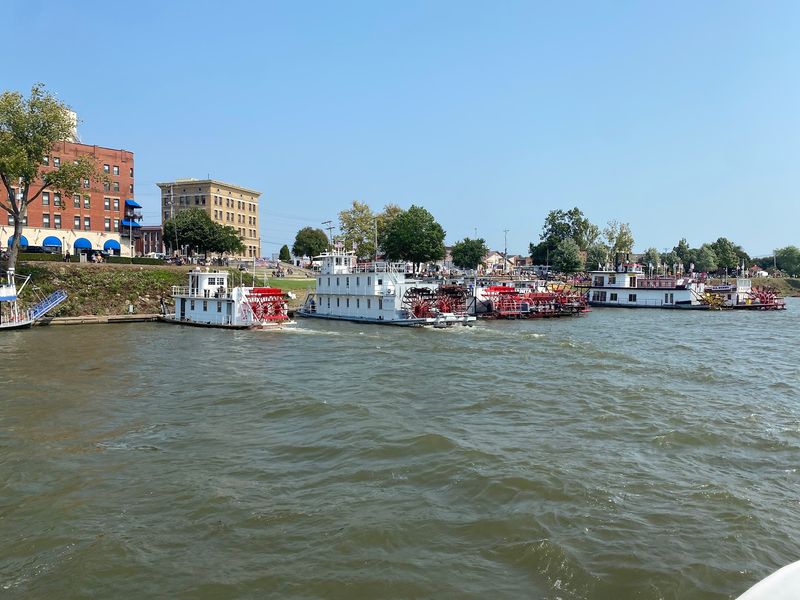
Back in 1788, a group of pioneers floated down the river and started something big.
Led by General Rufus Putnam, they founded the first permanent settlement in the Northwest Territory. That makes this the oldest town in the state, and the locals wear that title proudly.
Long before them, the Adena and Hopewell peoples built earthworks in the area. History here runs deeper than most visitors expect.
The name honors Marie Antoinette, a nod to the help France gave during the American Revolution. I loved that little twist of trivia.
The Campus Martius Museum is the best place to start. It preserves the home of Putnam and fills the rooms with tools, maps, and stories from the early days.
Harmar Village, across the Muskingum, adds more old buildings to wander through. I spent a slow afternoon there and never once checked the time.
Retirees who love history will find endless reading material in these streets. Every corner seems to hold a plaque, a story, or a neighbor happy to tell it.
Life Beside Two Rivers
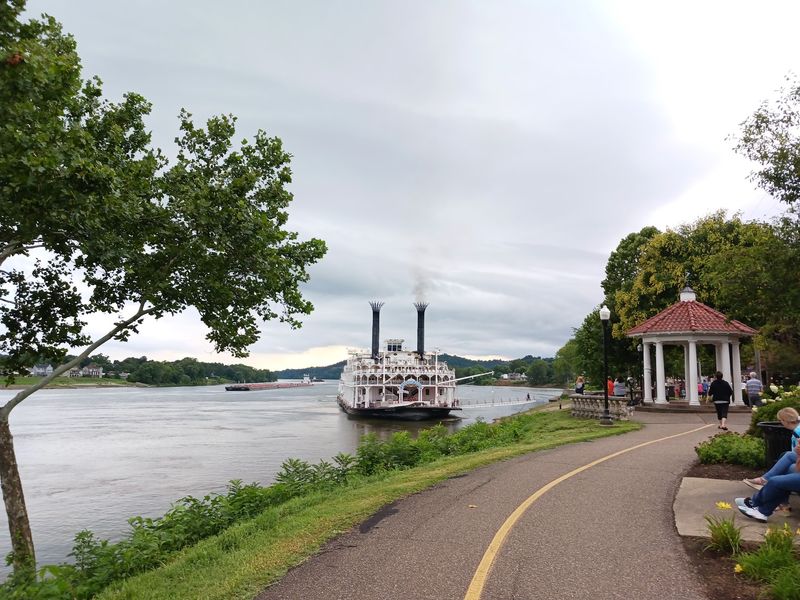
Mark Twain would feel right at home on this riverfront.
The Ohio and Muskingum are not just pretty views here. They shape how people spend their mornings, weekends, and evenings.
The Valley Gem Sternwheeler still paddles along the water, offering narrated cruises and dinner outings. I sat on the upper deck and watched the shoreline slide by at a lazy speed.
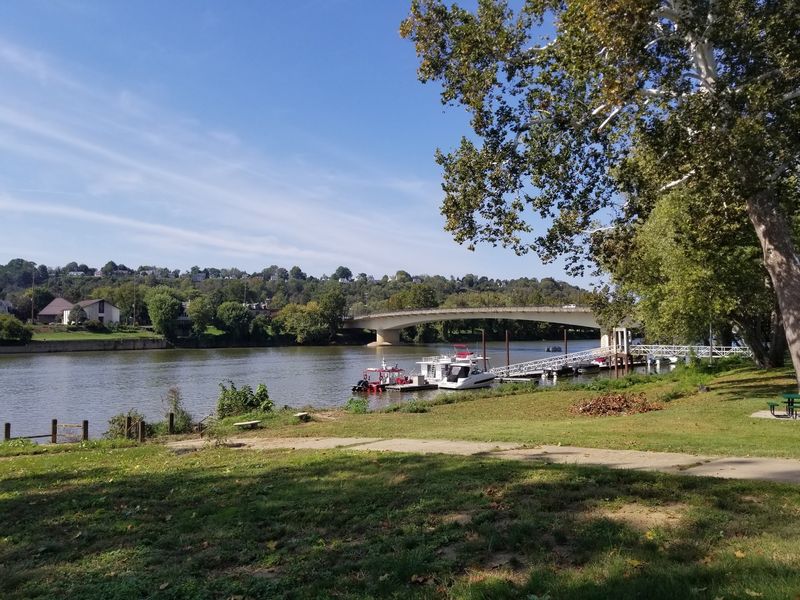
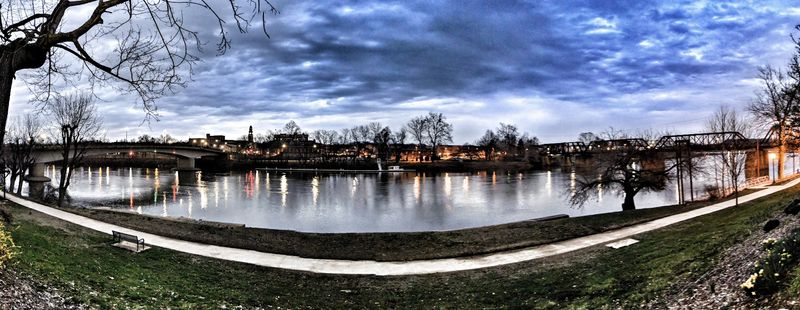
On land, the River Trail is a paved path that suits walkers and bikers alike. The breeze off the water keeps things cool, and benches appear just when your legs ask for one.
Fishing spots, bridge views, and passing barges give you plenty to watch. I once spent an hour counting boats and lost track at eleven.
For retirees, this setting offers calm without boredom. You can stroll in the morning, read by the water at noon, and catch a sunset glow before dinner.
Bring a light jacket for the evenings, since river air can cool things down fast.
Making Retirement Dollars Stretch
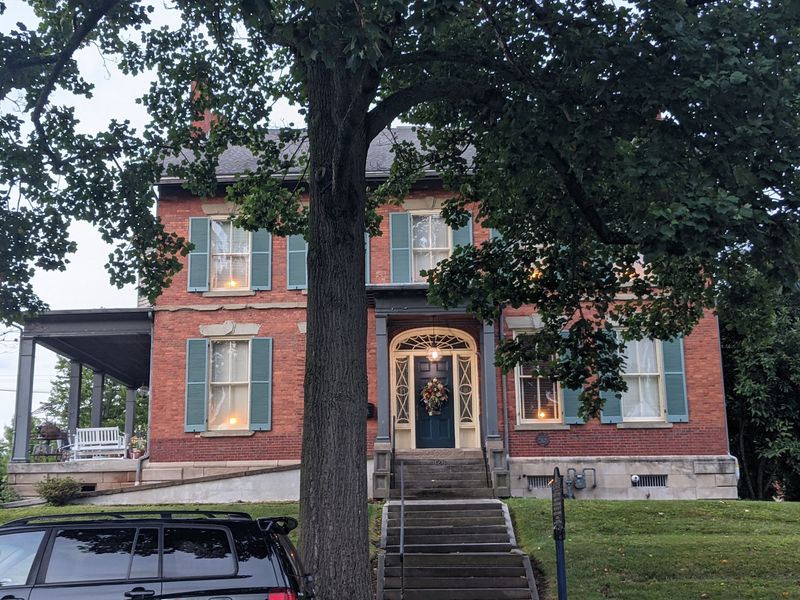
Here is a number that made me blink: the median value of owner-occupied homes in Marietta was $161,800 from 2020 to 2024, compared with $332,700 nationally.
That puts the local figure roughly fifty-one percent below the national median. A monthly budget that feels tight in a big city may go further here, depending on the home and neighborhood.
Homes range from Federal-style brick beauties to cozy Victorians and simple ranch houses. Buyers may find more affordable options than they would in many larger metropolitan areas.
Property taxes and utility expenses still depend on the specific home, so comparing the full cost of living is important. Coffee at a local cafe is another small pleasure, which I appreciated more than I should admit.
Lower housing costs can also mean more room for fun. You can spend on trips, hobbies, or visits with grandkids instead of pouring everything into rent or a mortgage.
My tip is to rent for a few months before buying. That lets you test each neighborhood, from the walkable downtown to the quieter hillside streets, without any pressure.
Medical Care Without The Long Drive
Good healthcare ranks near the top of every retiree’s checklist, and Marietta has an important resource close to home.
Marietta Memorial Hospital is part of the Memorial Health System, a not-for-profit group serving the Mid-Ohio Valley. Located at 401 Matthew Street, it provides emergency care and other medical services.
That means many routine appointments and treatments may be available locally, although some specialized services can still require trips to larger cities. I find having a hospital nearby comforting, and so do the residents I chatted with.
Skilled nursing and rehabilitation facilities add another layer of care in the surrounding area. Families should compare independent inspection reports, quality ratings, and services before choosing a particular facility.
Healthcare costs depend on insurance coverage, medical needs, and individual providers. It is worth checking those details before making a retirement move.
When you visit, ask locals about their doctors. People here love to share recommendations, and a good name often comes with a story about how kindly the staff treated them.
Peace of mind is a quiet perk, but it might be the biggest one on the list.
Staying Active At Every Age
Nobody in this town seems to be sitting still.
The O’Neill Senior Center offers exercise classes, workshops, potluck dinners, and day trips to nearby cities. I peeked in during lunch and the room was buzzing with laughter.
Outdoors, the Settlers Bank Adult Exercise Park features sturdy steel equipment made for gentle workouts. No gym membership, no mirrors, just fresh air and a friendly nod from fellow exercisers.
The paved River Trail suits easy walks and bike rides with water views the whole way. Benches sit along the path, so rest stops come with scenery.
If you want a bit more challenge, the Marietta Trail Network has routes from beginner to intermediate. Bird watchers will love the quiet wooded sections.
What I liked most is the choice. You can join a class, grab a walking buddy, or wander solo.
Try one new activity each week during your first month. By then, you will have a routine and a few new friends.
Art, Music, And Museums
A town of about 13,000 people has no business hosting this much culture, yet here we are.
The Peoples Bank Theatre is a restored historic venue with concerts, plays, and comedy nights. I caught a show there and loved the ornate ceiling almost as much as the music.
History fans have plenty to explore. The Campus Martius Museum covers pioneer days, while the Ohio River Museum, known for preserving the region’s riverboat history, is currently closed as a new facility is developed.
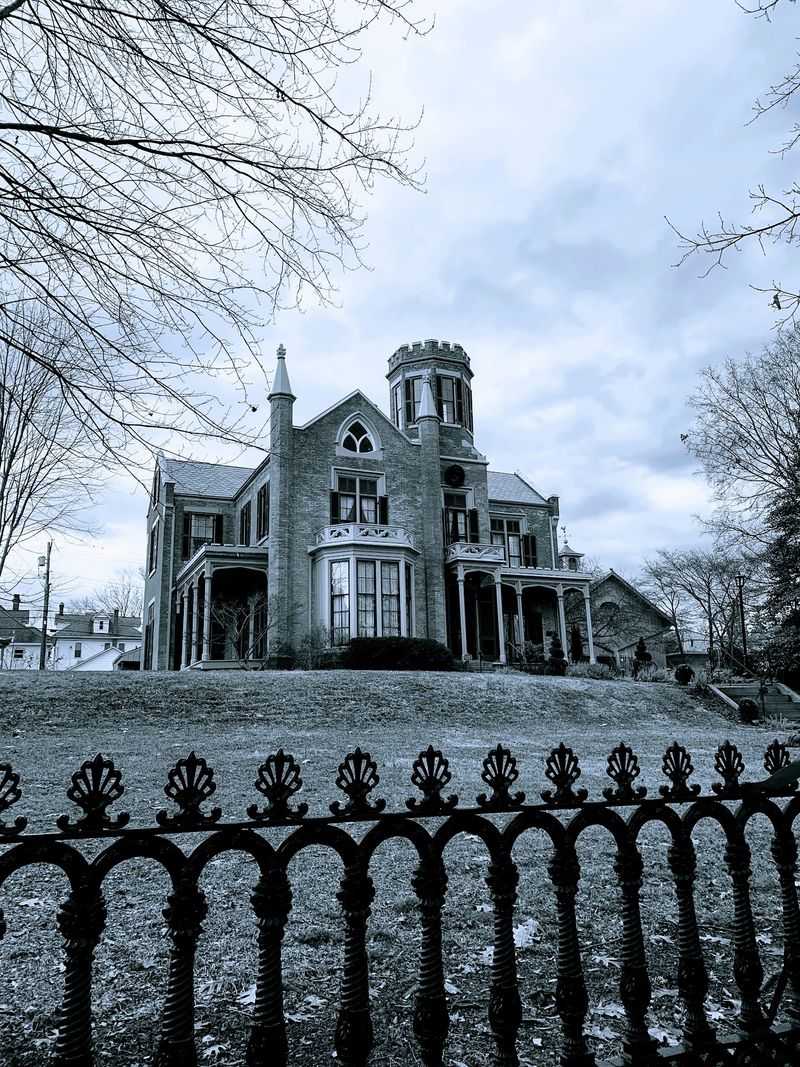
The Castle Historic House Museum is a Gothic Revival mansion full of period details. The Basilica of Saint Mary of the Assumption adds grand architecture to the skyline.
Marietta College also opens many lectures and performances to the public. That brings fresh ideas and visiting speakers to town throughout the year.
Local art remains part of the cultural scene, with Marietta Arts Council exhibitions and community projects showcasing creative talent. I picked up a small print that now hangs by my desk.
Check event calendars before you arrive, since the schedule fills up fast.
Neighbors Who Actually Know Your Name
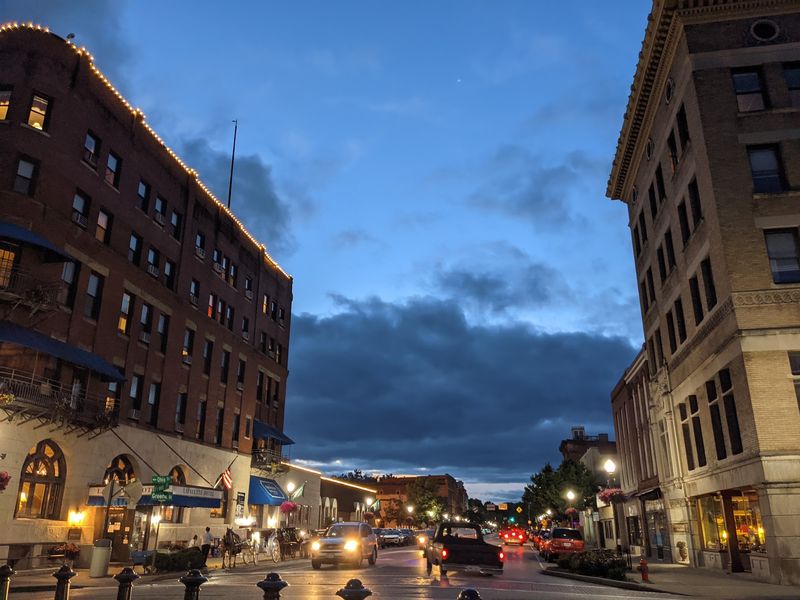
By day three, a barista had my order memorized.
That small moment sums up the community spirit here. People chat in line, hold doors, and remember faces.
The Ohio River Sternwheel Festival is the big yearly party. Boats gather, music plays, and the region’s largest fireworks show lights up the river.
Monthly First Friday walks bring downtown merchants together with music, snacks, and art. It is an easy way to meet folks without feeling like you are trying too hard.
Marietta College adds to the social mix with public sporting events, lectures, and concerts. You do not need to be a student to cheer from the stands.
Volunteer groups, church circles, and clubs welcome newcomers warmly. Many retirees told me they made close friends within months.
My advice is to say yes to the first few invitations. A potluck or a festival booth shift can turn a stranger into a neighbor faster than you would guess.
Trails, Paddles, And Wild Corners
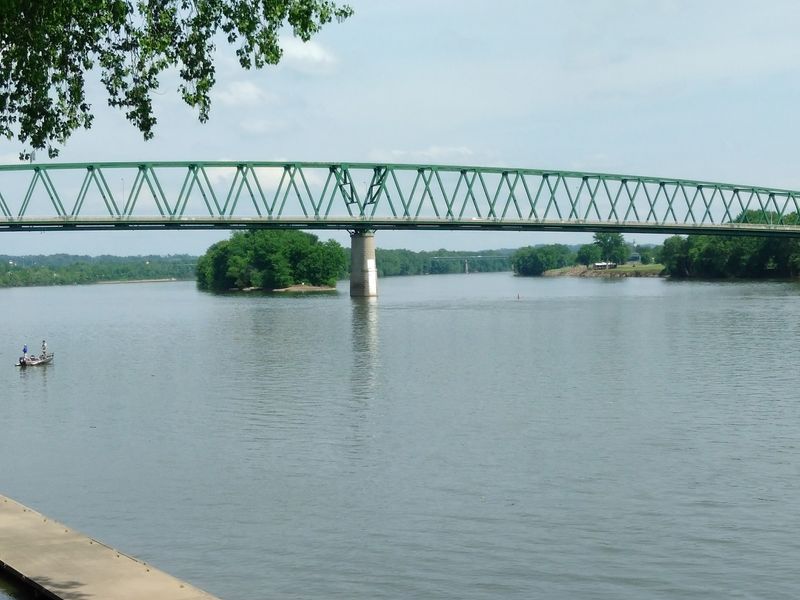
More than eighteen miles of off-road trails sit right at the edge of town.
The Marietta Trail Network climbs through wooded hills for hiking and mountain biking. The paved River Trail adds about three and a half miles of shared paths for casual walkers and cyclists.
On the water, the Muskingum River Water Trail invites kayaks and canoes. Conditions can vary, so checking the weather and river flow before heading out makes for a safer outing.
Bird watchers should visit the Kroger Wetlands in Marietta and the Ohio River Islands National Wildlife Refuge across the river in West Virginia. I spotted herons and a few ducks that seemed unbothered by my binoculars.
Wayne National Forest, the state’s only national forest, lies within easy driving distance. It adds more trails, hills, and quiet picnic spots.
The town sits at the base of the Appalachian foothills, so views change with every season. Fall color here is something special.
Pack water, bug spray, and a map, then pick a trail that matches your energy that day.
Downtown Strolls And Handy Distances
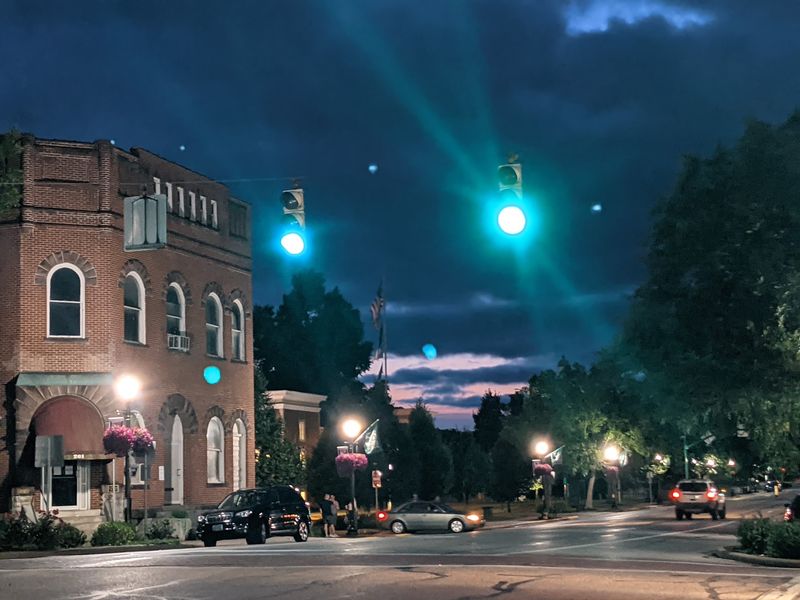
Brick streets laid long before cars still carry shoppers past cheerful storefronts.
Downtown is packed with local shops, antique stores, boutiques, and art galleries. Chain stores are hard to find, and I counted that as a win.
The Galley Restaurant serves classic American dishes in a historic downtown setting. Cozy cafes pour good coffee, and no one rushes you out of your seat.
The triangular Lafayette Hotel stands as a landmark of the town’s riverboat era. Its shape alone makes it worth a photo.
Downtown feels walkable, so shopping and sightseeing can double as exercise. Some everyday errands, including trips to larger grocery stores, may still require a short drive.
Though the pace is slow, the location is surprisingly handy. Marietta’s position near Interstate 77 makes regional travel convenient, whether you are visiting family or exploring other parts of Ohio and neighboring West Virginia.
Major highways link you to bigger cities when you want a change of scenery. Then you can come home to your quiet river view.