
Forget The Tourist Crowds, These 12 Michigan Trout Spots Are Where Locals Go
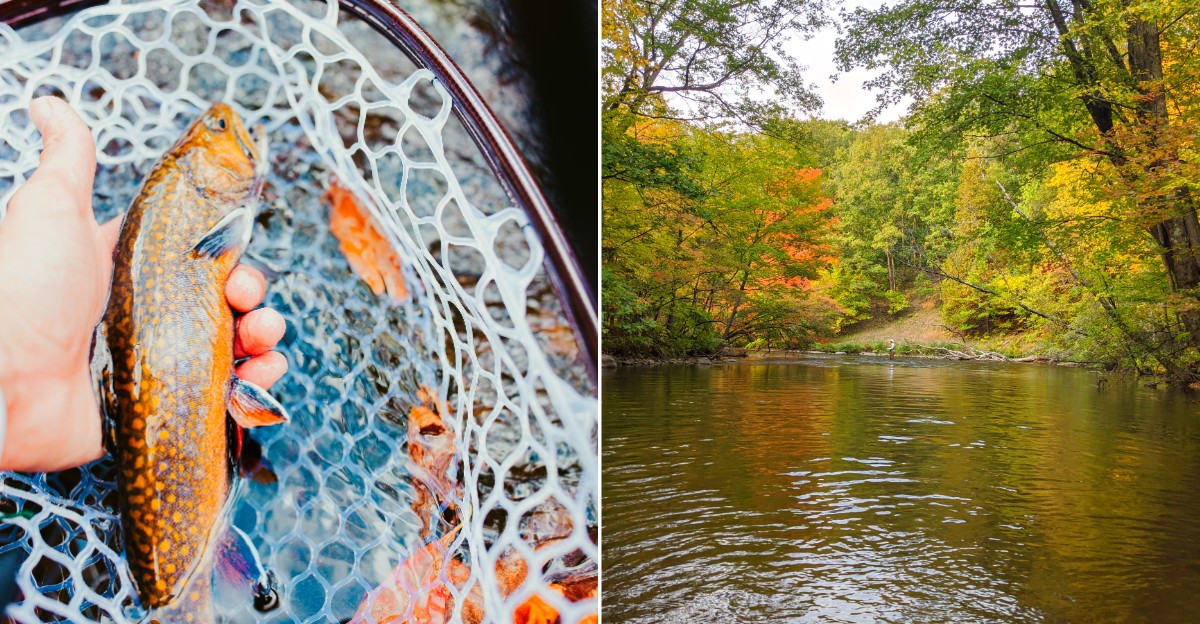
Trout fishing has a way of making Michigan feel quieter than it really is. One bend in the woods, a narrow creek beside a bike trail, or a soft evening stop before supper can be enough to reset the whole day.
Famous rivers earn attention, but the better memory often comes from finding the right stretch, reading the current, and walking a little farther than everyone else.
Some of Michigan’s best trout fishing starts where the crowds thin out, the water stays cold, and patience matters more than a postcard-perfect view.
That is what keeps me curious. Northern streams, stocked southern rivers, and smaller creeks all behave differently depending on season, temperature, and regulations.
Bring a current fishing license, check the rules for the exact water you plan to fish, and keep expectations flexible. Quiet water can feel promising, but it never guarantees an easy catch or predictable afternoon success.
12. Au Sable River, Grayling
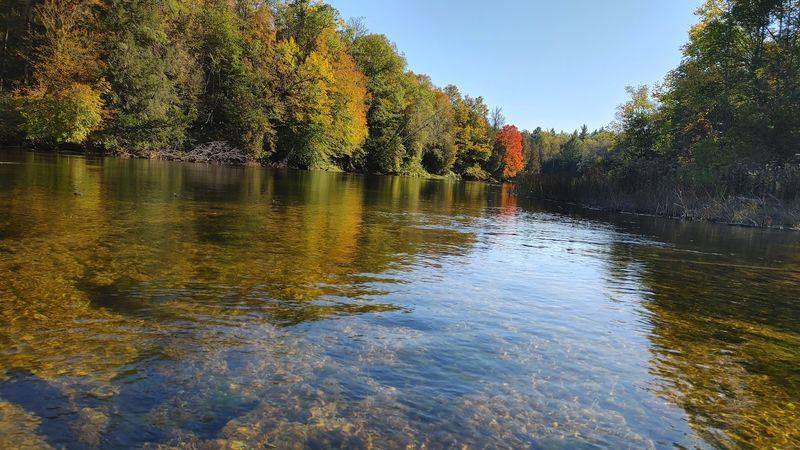
A rising trout can make a whole river seem to pause. Near Grayling, the Au Sable rewards that kind of attention with clear water, sandy runs, and a fishing history that includes the founding of Trout Unlimited in 1959.
The surrounding forests add to the peaceful atmosphere, especially when morning mist hangs above the current and the only sounds come from flowing water and birds calling overhead.
The famous Holy Waters extend from Burton’s Landing to Wakeley Bridge, with special gear and release rules. Check the current Michigan fishing guide before choosing flies or keeping any fish. Generations of anglers have appreciated this stretch for its natural beauty and the patience required to fish its waters successfully.
For a quieter visit, try a weekday morning rather than a celebrated evening hatch. Public access does not mean every nearby bank is open, so use marked entrances and respect private property.
Watch a run before stepping into it, then cast toward shaded edges and feeding lanes. A Grayling fly shop can help match recent insect activity, saving you from carrying a fly box that resembles a tiny, useless costume department.
11. Pere Marquette River, Baldwin
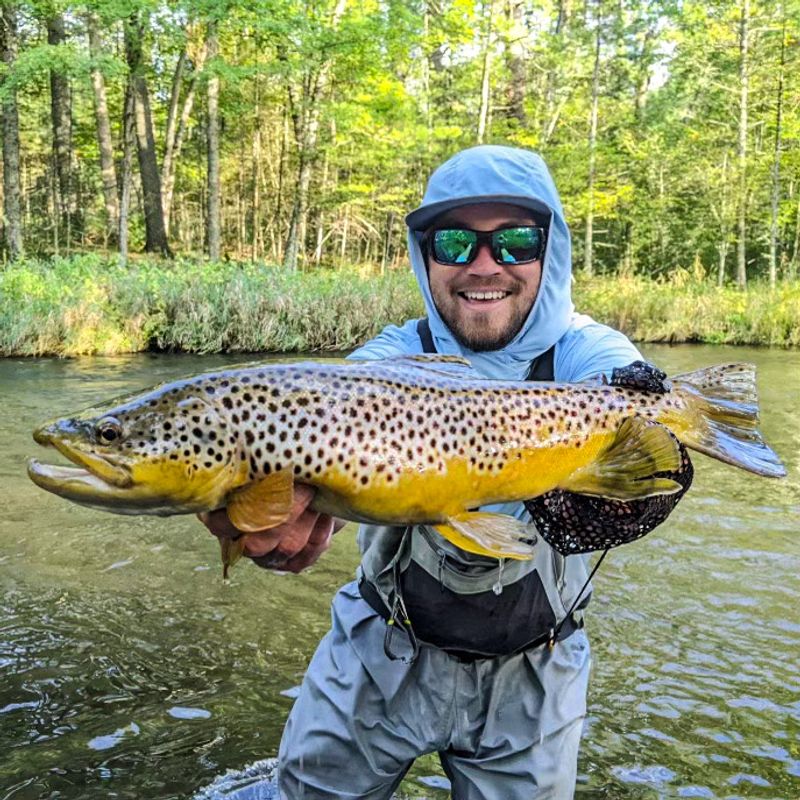
Baldwin has a serious claim to trout history: brown trout were introduced into the nearby Pere Marquette system in 1884. Today, wild browns share this river with seasonal steelhead and salmon, making timing part of the adventure.
The federally designated scenic river has wooded bends, submerged logs, and currents that demand careful footing. Its special flies-only section runs from the M-37 bridge to Gleason’s Landing, not throughout the entire river.
Summer trout trips and autumn salmon trips feel very different. If your goal is elbow room, avoid assuming that a famous landing will stay quiet during a major run.
Start with established access, carry a wading staff, and work shorter casts around cover. Ask a local shop about water levels and current regulations before heading out; moving water rarely cares how carefully you planned your afternoon around a promising weather forecast.
10. Manistee River, Grayling / Manistee National Forest
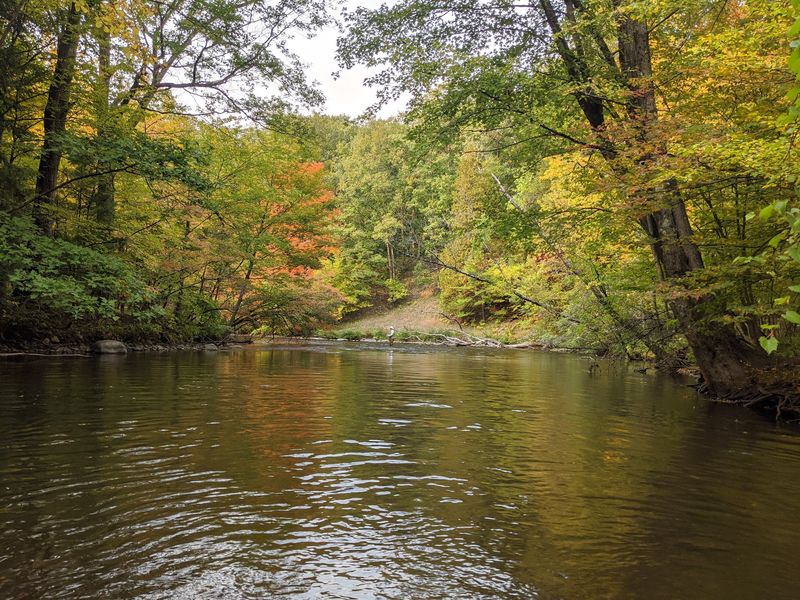
Two anglers can say they fished the Manistee and mean completely different days. The upper river near Grayling offers smaller trout water, while downstream reaches become broader and eventually support migrations from Lake Michigan.
Along its quieter sections, overhanging branches create pockets of shade, and the gentle current slips past fallen logs where trout may wait for passing insects.
For this outing, focus on the upper river rather than treating the whole watershed as one fishing spot. Brown trout are a main attraction, and bends with wood or deeper channels deserve a patient look.
Changing water depths and subtle currents make careful observation especially useful, rewarding anglers who take time to study each promising stretch before casting.
Public access exists along the river, but national forest land farther downstream does not make every Grayling riverbank public. Match your chosen landing to a reliable map before leaving town.
Early starts help you avoid recreational boat traffic on popular stretches. Bring insect repellent, check the forecast, and leave room for a slow approach; the best cast is often the one made before your boots announce that somebody has arrived for breakfast.
9. Fox River, Seney
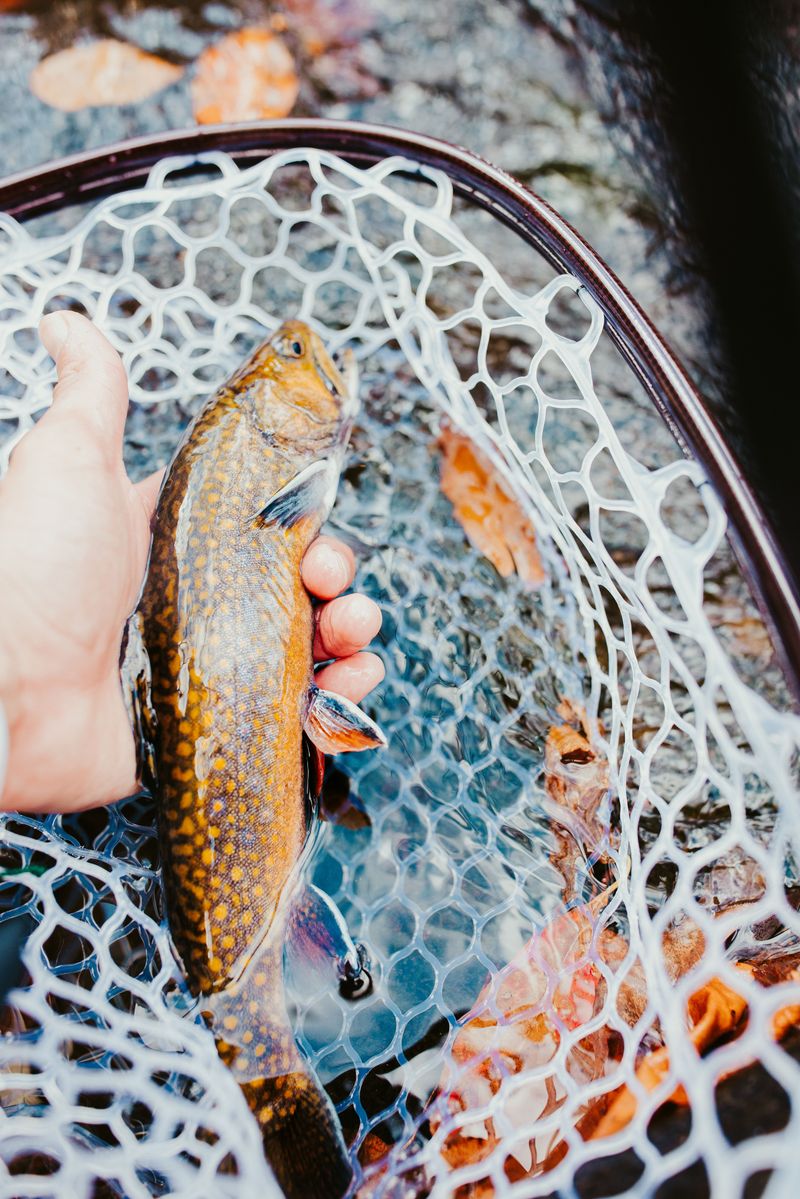
Alder branches can make a short cast feel like a small engineering project. Around Seney, the Fox River offers brook trout water where patience and careful movement matter more than impressive casting distance.
Ernest Hemingway visited this area in 1919, and the landscape helped inspire Big Two-Hearted River. The story’s name can confuse visitors, since his fishing trip was associated with the Fox rather than the actual Two Hearted River.
Do not assume the river lies entirely inside Seney National Wildlife Refuge or that refuge rules apply everywhere. Confirm your route, land ownership, and legal access before following a forest road.
Pack bug protection and download maps before losing phone service. Small offerings suit tight spaces, while cautious steps protect both your footing and the trout hiding beneath banks; an ordinary looking corner may deserve more attention than the open pool.
8. Pine River, Wellston
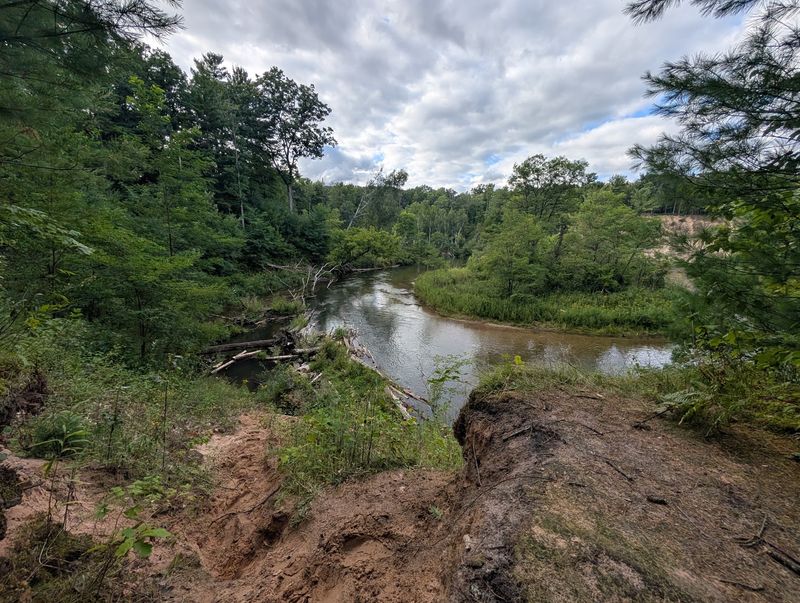
Fast water gives this river its own punctuation: splash, swirl, pause, repeat. Near Wellston, the Pine runs through wooded country with steep banks and a lively current that attracts paddlers as well as trout anglers.
Dense forests provide welcome shade along the river, while scattered boulders and submerged timber create changing currents that make every bend feel slightly different from the last.
Brown, rainbow, and brook trout occur in the system. That variety is appealing, but strong flow makes casual wading a poor plan in unfamiliar stretches. Even experienced anglers benefit from taking extra time to identify stable footing and observe how the water moves around obstacles before stepping into the current.
Choose an established access site, study the water from shore, and carry a staff if you enter. A life jacket is sensible for floating, and seasonal permits can apply to boating on the designated river corridor.
Fish early when summer paddling traffic is lighter, then aim for softer water beside the main current. Check special fishing regulations for your exact section before packing tackle; here, preparation earns its keep long before the first trout decides whether your fly looks remotely like lunch.
7. Rogue River, Rockford
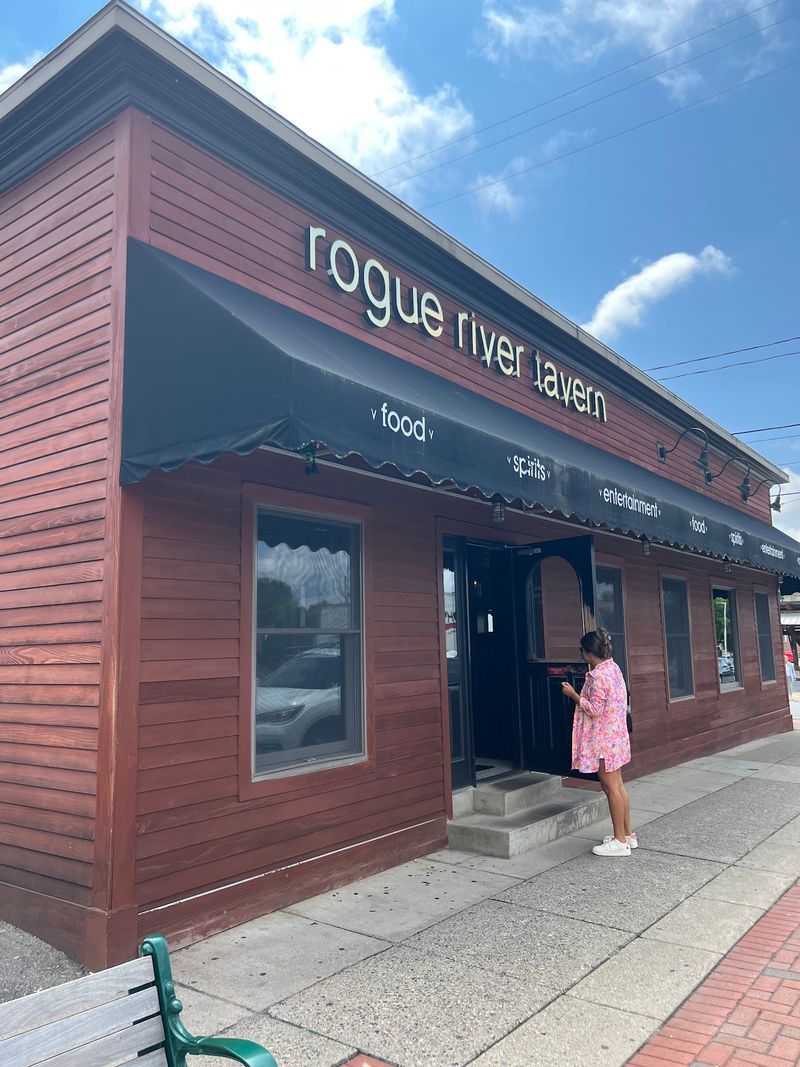
Coffee and river access sit unusually close together in Rockford. The Rogue makes a fishing outing possible without a long drive into remote country, though its easy access also means popular spots can attract company.
The Rockford dam divides different fishing opportunities. Migratory fish reach the lower river, while trout management and seasonal conditions vary along the system.
Use public parks and established river entrances rather than cutting through nearby yards. Below the dam, avoid dangerous currents and give other anglers room; churning water is not an invitation to step closer.
Before casting, check the current rules and recent water conditions for the stretch you choose. During warm weather, carry a thermometer and stop targeting trout when water becomes too warm, because a convenient evening outing should not come at the expense of fish already struggling to find enough oxygen to recover.
6. Paint Creek, Rochester
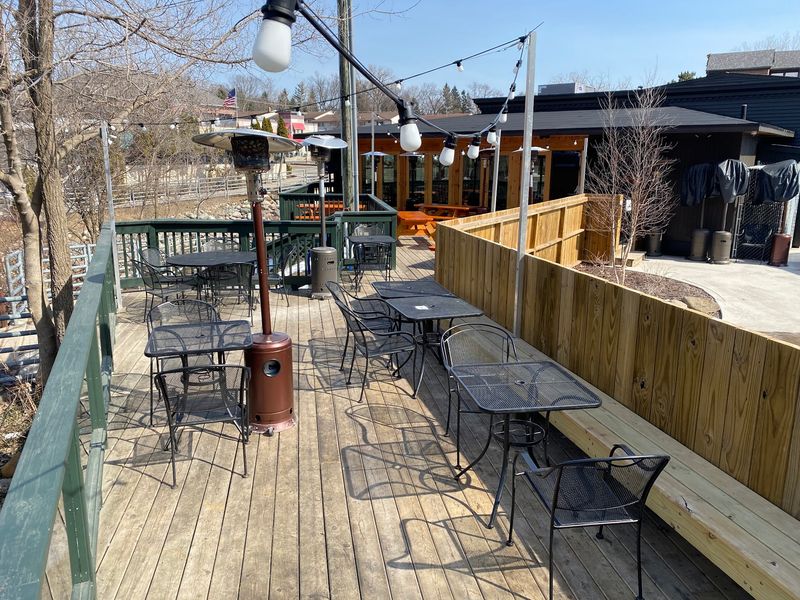
Bicycle bells and feeding trout belong to the same afternoon here. Paint Creek follows a green corridor through the Rochester area, giving a small stream an unlikely neighbor in the busy Paint Creek Trail.
Brown trout draw anglers to its shaded bends and narrow channels. The creek’s size favors light tackle, short casts, and a low profile rather than a grand entrance in splashing boots.
Trail access is useful, but it does not grant permission to cross private land or enter every bank. Look for public park access and keep rods clear of passing walkers and cyclists.
Check the creek’s current trout designation and season instead of assuming catch-and-release is the only rule. After rain, let muddy or high water settle; during summer heat, measure temperature before fishing, and make the trail walk your outing if conditions are hard on trout.
5. Otter River, Houghton County
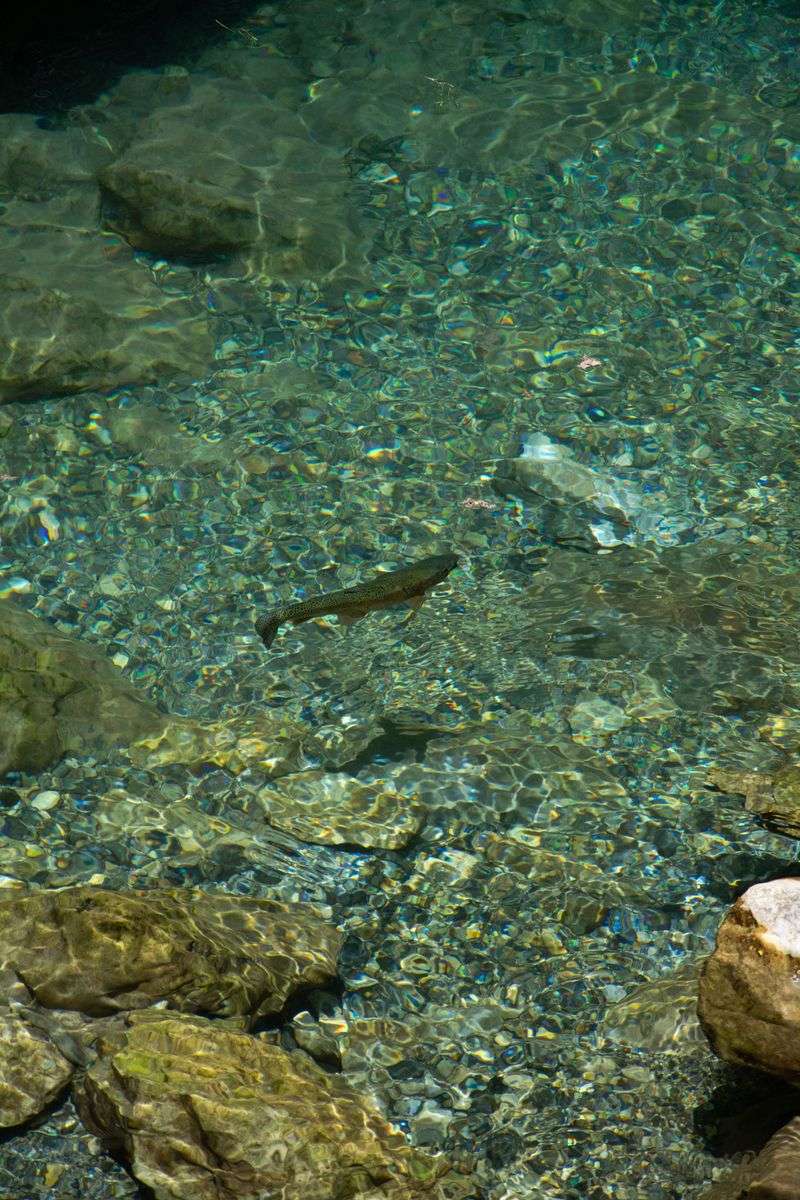
Cell service is a poor substitute for a paper map in Houghton County. The Otter River system rewards advance planning, with wooded surroundings and tributaries that draw anglers interested in Upper Peninsula trout water.
Brook trout are part of that appeal, but different branches and reaches offer different conditions. Pick a specific legal access point rather than aiming vaguely at the river on a phone screen.
Forest roads may be rough, wet, or unsuitable for your vehicle. Carry drinking water, insect repellent, a spare layer, and enough daylight to retrace your route without turning the return trip into an experiment.
Once beside the water, look for bank cover and fallen timber without climbing unstable logs. Short, controlled presentations work in cramped channels, and leaving fish in the water during release helps preserve the quiet experience that brought you this far north today.
4. Portage Creek, Kalamazoo
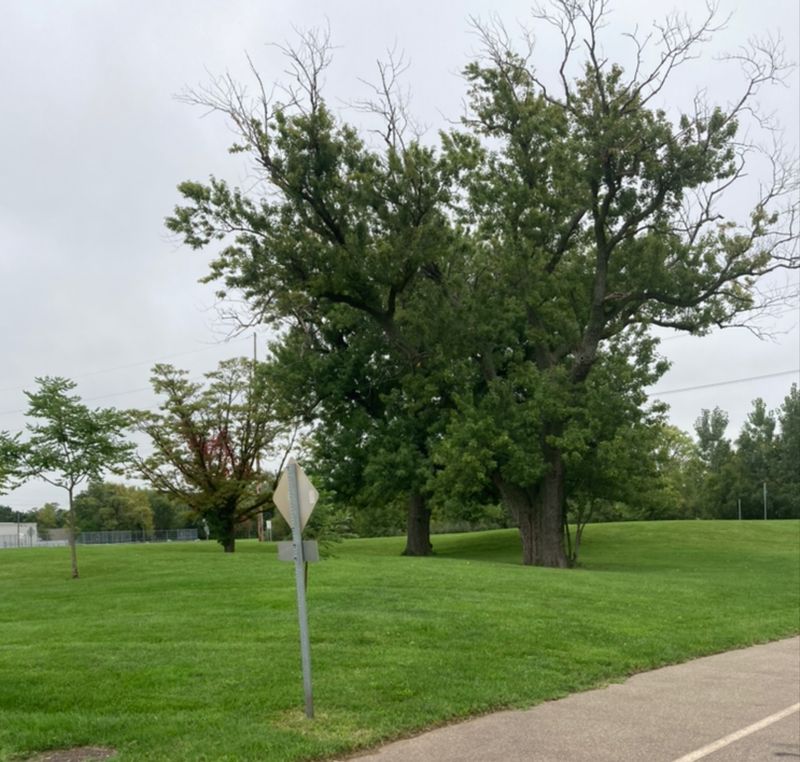
A city creek needs a closer look than a pretty photograph provides. Portage Creek runs through the Kalamazoo area, but its upstream waters and downstream industrial history should not be folded into one simple fishing promise.
Parts of the creek have been managed for trout. Before visiting, check current Michigan stocking records and stream regulations to identify a suitable stretch rather than assuming trout occupy every park reach.
The lower creek is connected to the Kalamazoo River cleanup story, including PCB contamination. Consult Michigan’s current fish consumption guidance before keeping anything, even when the water looks inviting.
For a short outing, favor verified public access and cooler conditions. Small casts near shade can be useful, but safe footing and water quality come first; sometimes the smartest local knowledge is knowing which attractive bend to leave alone until you have better information.
3. Clinton River, Rochester Hills / Utica
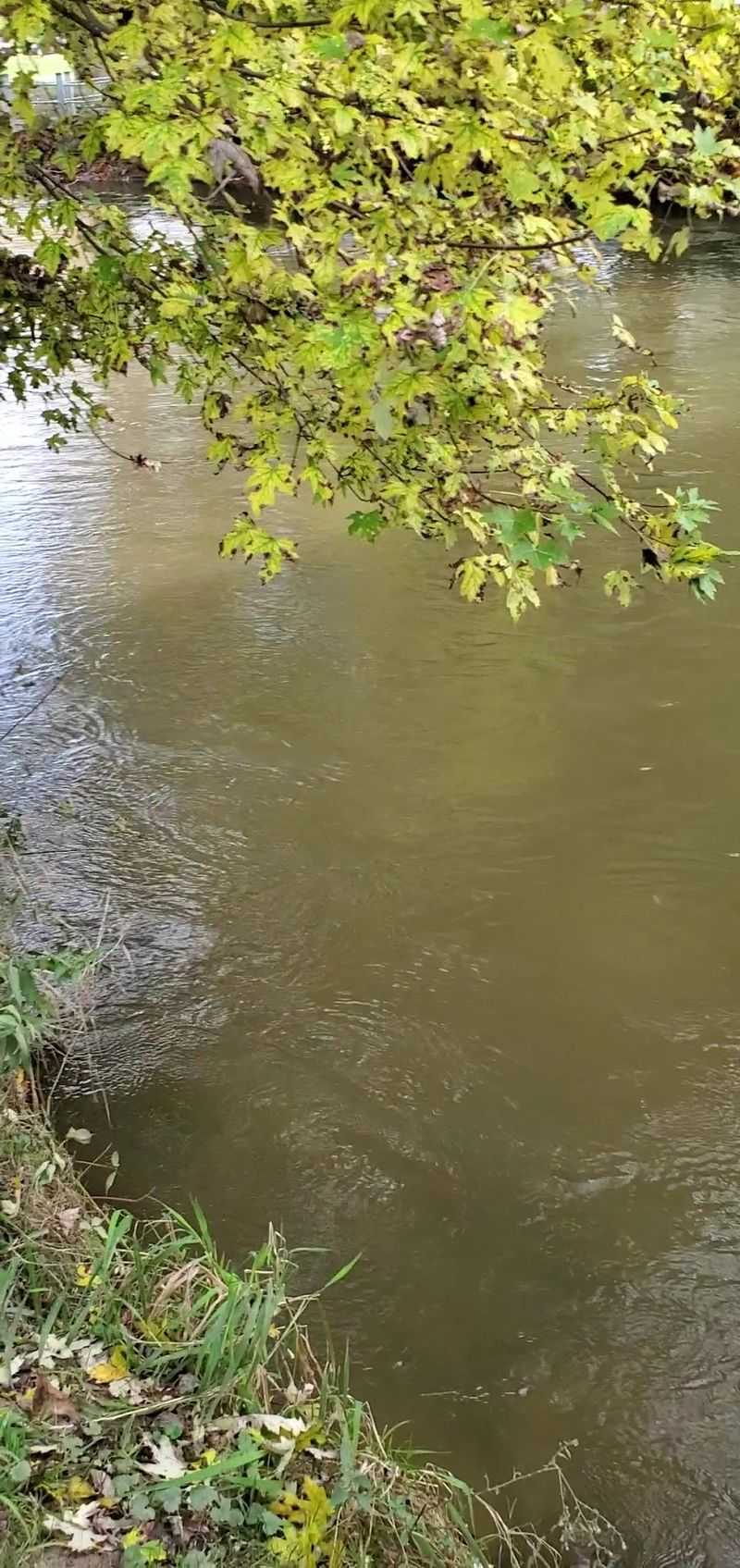
Traffic may be nearby, but trees can make the Clinton feel surprisingly separate from it. Around Rochester Hills and Utica, public parks offer a practical starting point for exploring this varied river system.
Trout opportunities depend on the reach, water temperature, and management history. Do not treat every stretch as cold water habitat simply because a trout was caught elsewhere upstream.
Check recent state stocking information, fishing rules, and park access before choosing a destination. After heavy rain, watch for rising flows and poor visibility; urban rivers can change faster than a relaxed afternoon schedule suggests.
Work shaded seams and deeper pockets from a safe position, leaving other park users room along paths. A thermometer belongs beside your tackle in summer, and fish consumption advice deserves a look before dinner plans involve your catch rather than a stop at a restaurant nearby.
2. Huron River
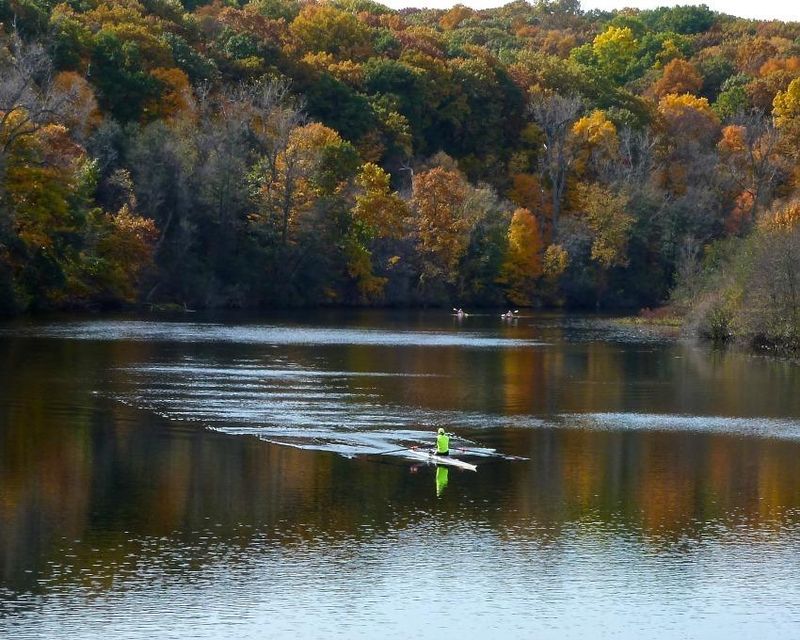
Choosing a stretch matters more than choosing a famous river name. Much of the Huron is warm water habitat, so a general river trip should not come with a promise of resident trout.
The Proud Lake area has offered managed trout fishing through seasonal stocking. Check current stocking reports and the special regulations for that section before building a trip around older fishing advice.
Elsewhere, seek verified information about specific tributaries rather than chasing a vague story about hidden cold springs. Public access, legal seasons, and summer temperatures can all limit what sounds promising on a map.
Michigan fish consumption guidance is especially important on the Huron because of PFAS concerns. Keep that check separate from whether fishing is allowed; a legal catch is not automatically a safe meal, and a careful release can still make a satisfying morning beside the water.
1. Flat River Below King Mill Dam, Lowell
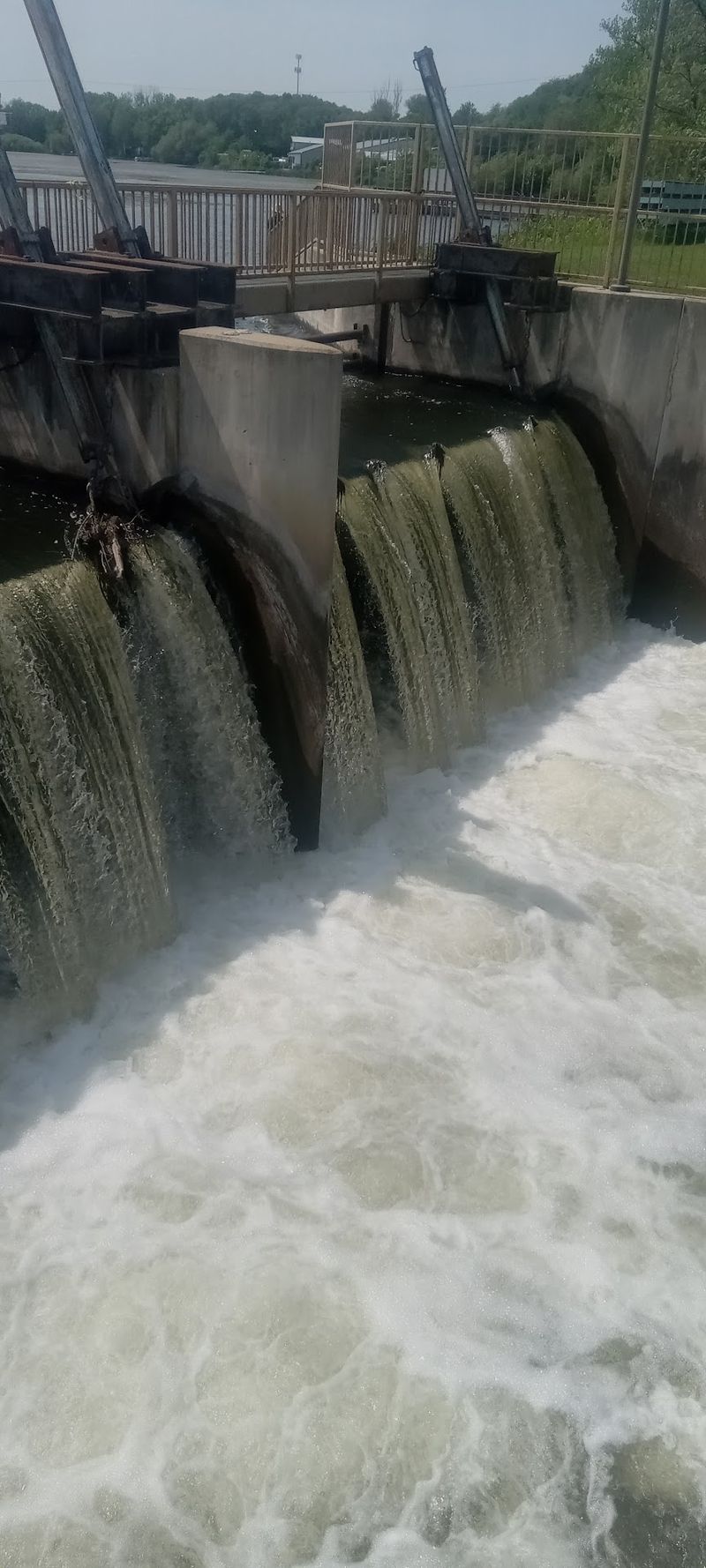
White water below a dam can look like an automatic fish magnet. At Lowell’s King Mill Dam, that lively scene deserves a visit, but it should not be mistaken for proof of a dependable trout fishery.
The Flat River is better known as warm water habitat, including smallmouth bass fishing. A dam does not necessarily release cold water, and oxygenated turbulence alone cannot keep trout comfortable through summer.
If trout are your goal, confirm current stocking or documented seasonal opportunities with Michigan fisheries staff before making a special trip. Otherwise, bring expectations suited to the river rather than to a misleading tailwater label.
Fish only from lawful public access and stay away from the dam’s dangerous currents. Bank fishing offers a safer way to study seams, enjoy Lowell’s river setting, and let the day’s actual conditions decide what belongs on your line.