
Walk Down The Stairs Into Cliff Dwellings Built Centuries Ago At This Arizona Monument
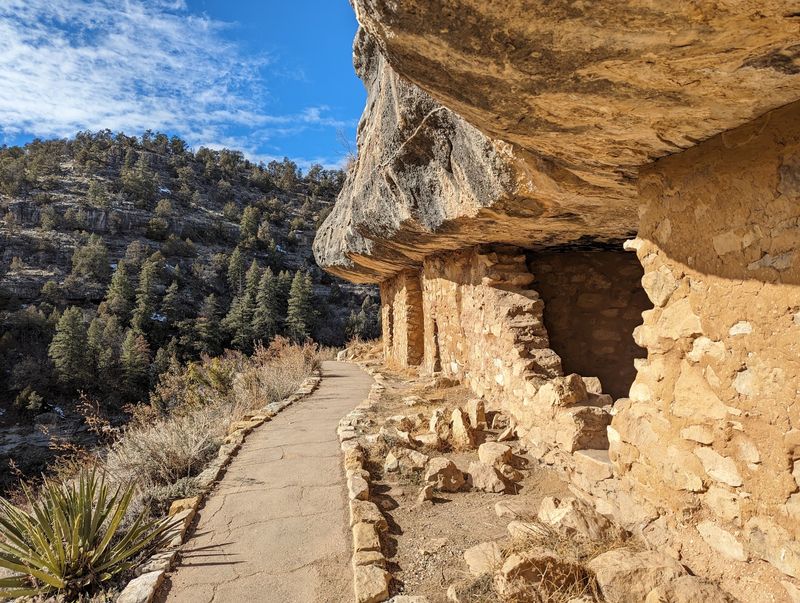
Seven hundred thirty-six steps stand between a small parking lot and a neighborhood that has been quiet for roughly 800 years. That’s the full count on one short loop trail in northern Arizona, and every step earns its keep.
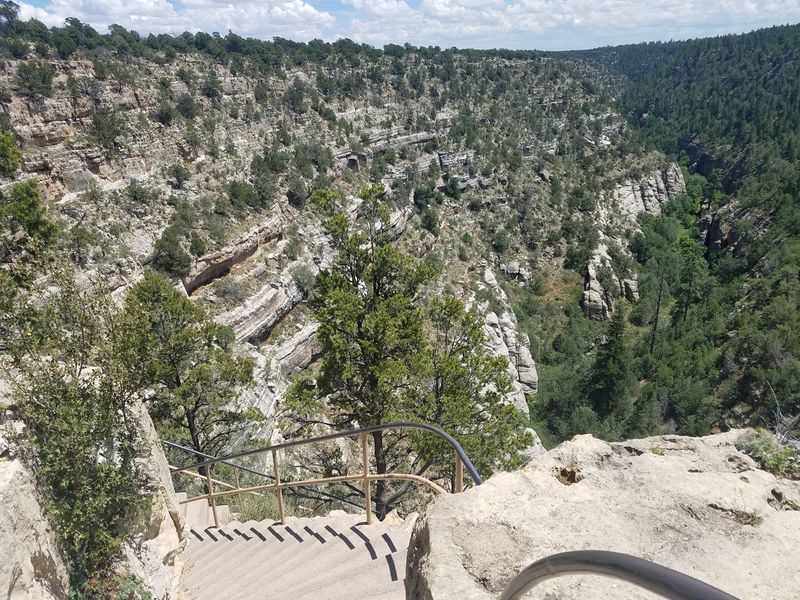
The path curls around a rocky island in the middle of a deep, curving canyon. Along the way, about 25 cliff rooms sit close enough to peek inside.
No binoculars needed, just old stone doorways right beside the trail.
I like how the climb back up keeps everyone humble. Benches wait along the stairs, and nobody judges a breather.
The air smells like pine, and the soundtrack is mostly just nature.
I can’t imagine a better way to stretch your legs after a long drive. So how did families build homes on a canyon wall, anyway?
You Can Reach These Ancient Homes Without Leaving The Flagstaff Area
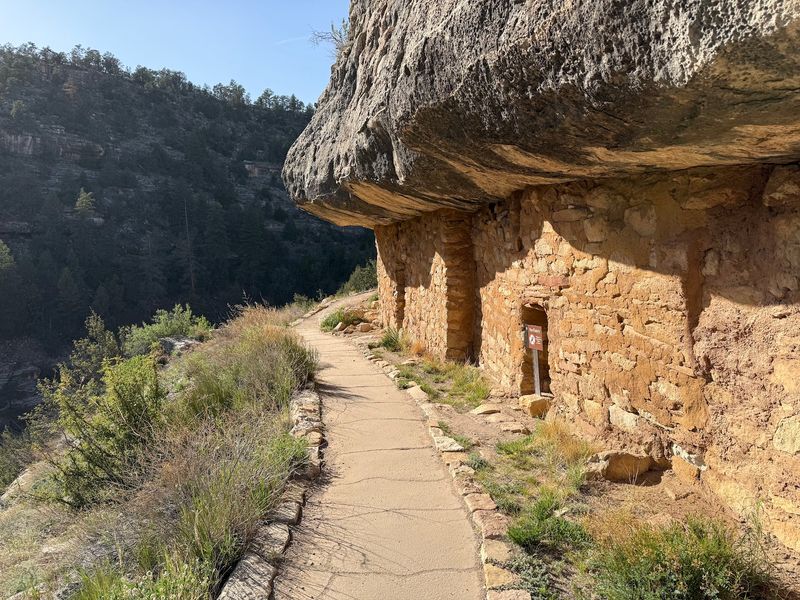
Flagstaff gets plenty of attention for mountains and snow, but one of its best neighbors sits in a canyon. Walnut Canyon National Monument protects a deep, curving gorge lined with cliff dwellings and pine-covered rims.
Getting there from Flagstaff is easy, which makes it a natural half-day trip. You won’t need a long backroad adventure or special gear to reach the trailheads.
The monument centers on two trails and a visitor center perched right above the canyon. One trail stays up top for easy views, while the other drops down among the old homes.
That second option is the star of the show. It loops around a rocky island in the canyon and passes rooms built directly into the walls.
Walnut Canyon National Monument is managed by the National Park Service, so the grounds feel tidy and cared for. Restrooms, water fountains, and a small shop sit near the start of the trails.
For Arizona day-trippers, the payoff-to-effort ratio here is hard to beat. You get centuries of history, big canyon views, and a real workout, all before lunch if you plan it right.
The Sinagua Families Who Turned A Cliff Into A Community
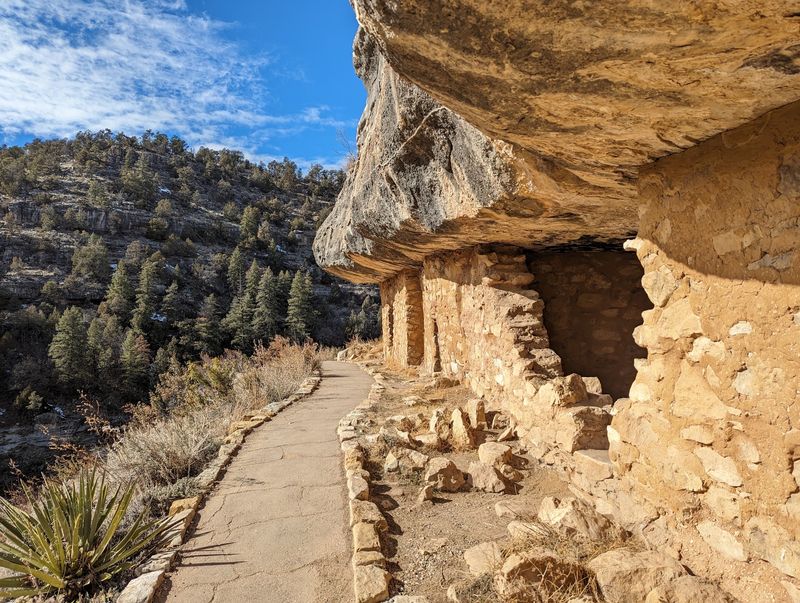
Long before anyone counted stairs here, the Sinagua people made this canyon home. They built their rooms along the canyon edges roughly 800 years ago.
The name Sinagua comes from Spanish words meaning without water. That’s a fitting nod to how resourceful people had to be in this dry corner of northern Arizona.
Families tucked their homes beneath natural limestone overhangs. The ledges offered shelter, and the canyon below offered plants, wildlife, and a reliable creek in wetter times.
What stands out most is the sheer number of dwellings. You don’t see one or two lonely rooms, but many lined up along the canyon like a stacked neighborhood.
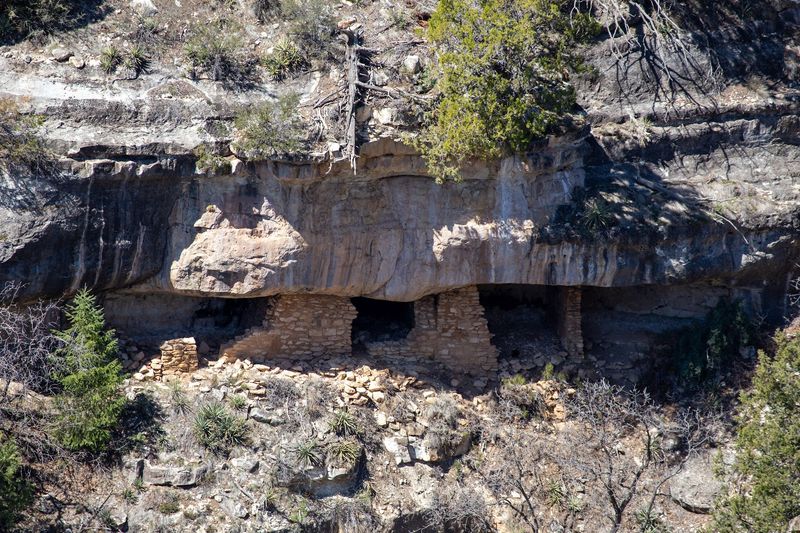
Walls of stone and mortar still frame doorways and small living spaces. Some rooms even show the smoke-darkened ceilings left behind by cooking fires long ago.
The visitor center exhibits explain how these families lived and what artifacts they left behind. Reading that background first makes every doorway on the trail feel more personal.
It’s easy to walk away thinking less about old ruins and more about everyday life. Somebody cooked dinner here, raised kids here, and looked out at this same view.
A Canyon Shaped Like A Giant Question Mark
Most canyons run in a fairly straight line. Walnut Canyon twists and loops so dramatically that one section leaves a rocky peninsula almost surrounded by open air.
That peninsula is the island the main trail is named for. Walking around it means you get canyon views on nearly every side as you go.
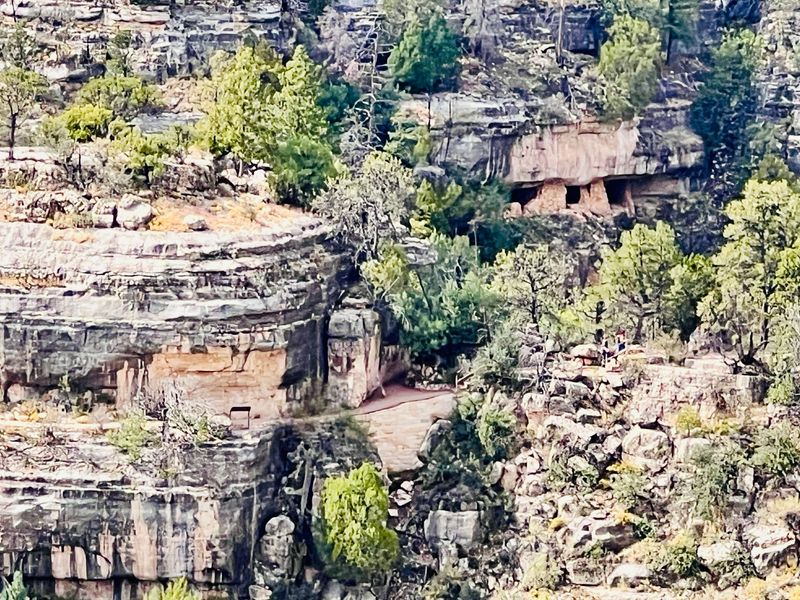
Layers of pale limestone stack up along the walls like thick slices of cake. Over time, softer layers wore away and left those handy overhangs the Sinagua used as roofs.
Up on the rim, pine trees fill the air with a fresh, woodsy scent. Down below, the vegetation shifts as the canyon’s shade and sun create pockets of different growing conditions.
The depth here surprises a lot of first-timers. From the parking area you don’t see much, but the visitor center windows open up a sweeping view right away.
Photographers have plenty to work with in every season. Curving walls, cliff rooms, and green slopes make each bend of the trail look a little different from the last.
Why The Island Trail Steals The Spotlight
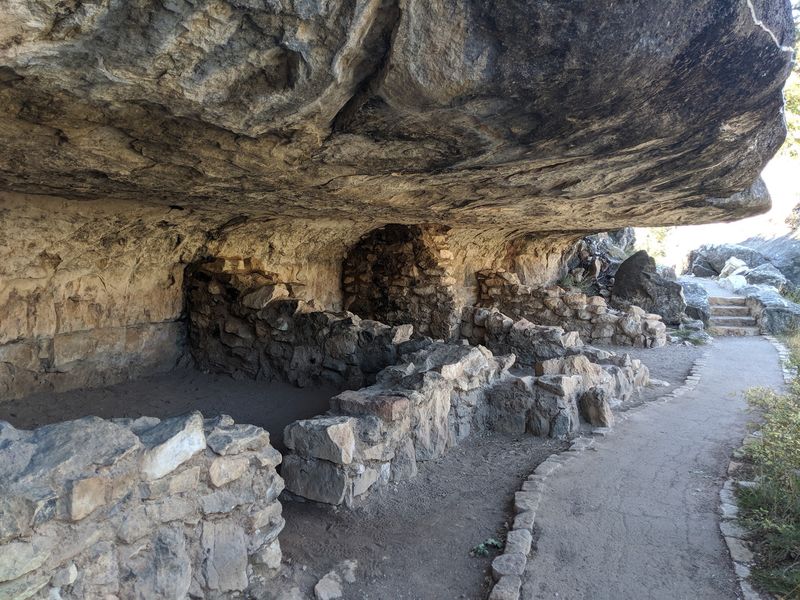
Ask what to do first at Walnut Canyon National Monument, and the answer is almost always the Island Trail. It’s the only path that brings you right up beside the cliff dwellings.
The loop runs about a mile, close to 0.9 miles from start to finish. Most people finish it in roughly 40 to 60 minutes, depending on pace and photo stops.
You start at the visitor center, then head down a long series of stairs into the canyon. Once you reach the island itself, the path levels out and wraps around the rock.
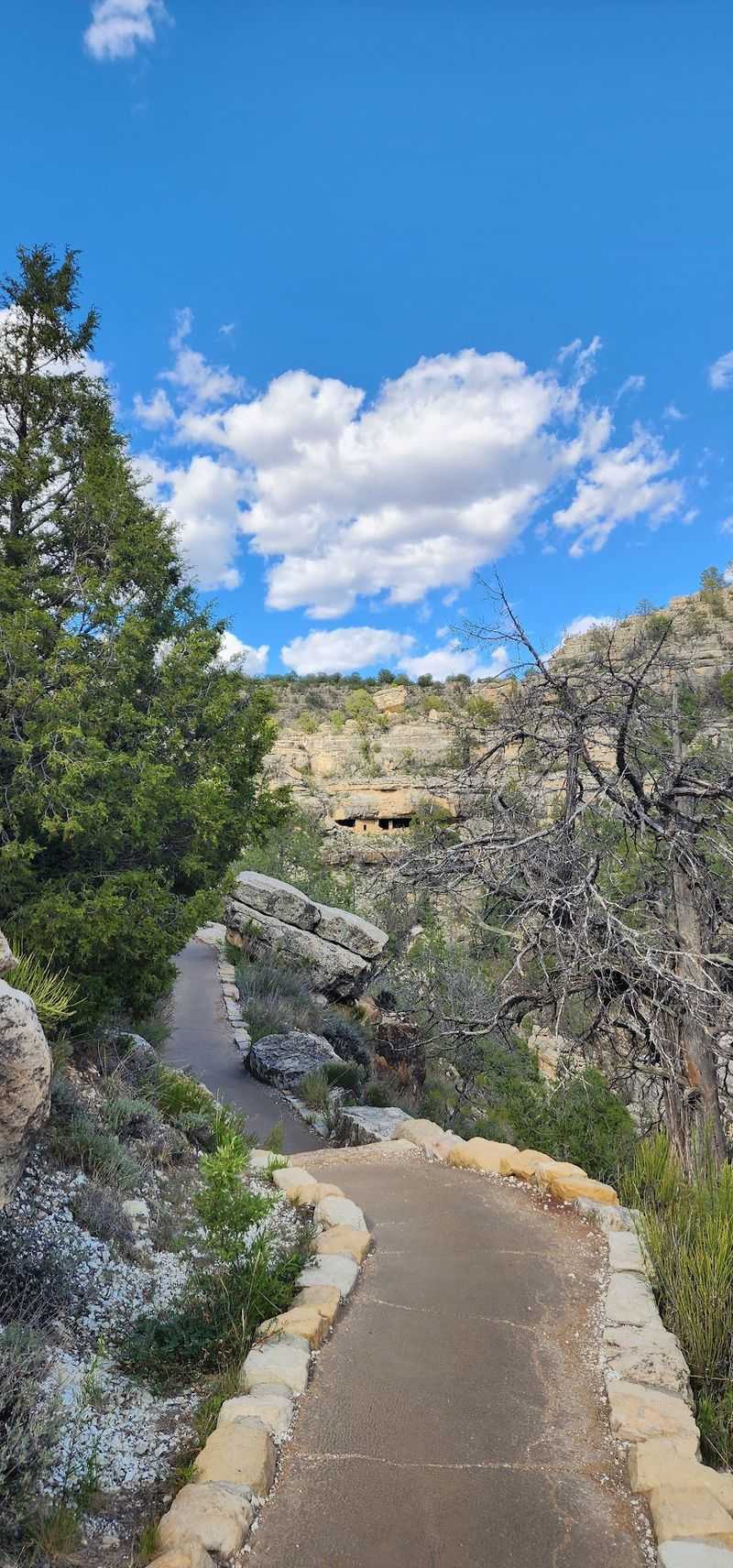
That flat stretch is where the magic happens. Doorways, stone walls, and small rooms appear one after another, sometimes just a few feet away.
The trail is paved and well maintained, with railings along parts of the staircases. Benches show up at helpful spots, especially on the climb back toward the top.
Pets aren’t allowed on this route, so plan accordingly if a dog is riding along. A smart move is tackling the Island Trail first, while your legs are fresh, then saving the easy rim walk for afterward.
Counting All 736 Steps Is Optional, Climbing Them Is Not
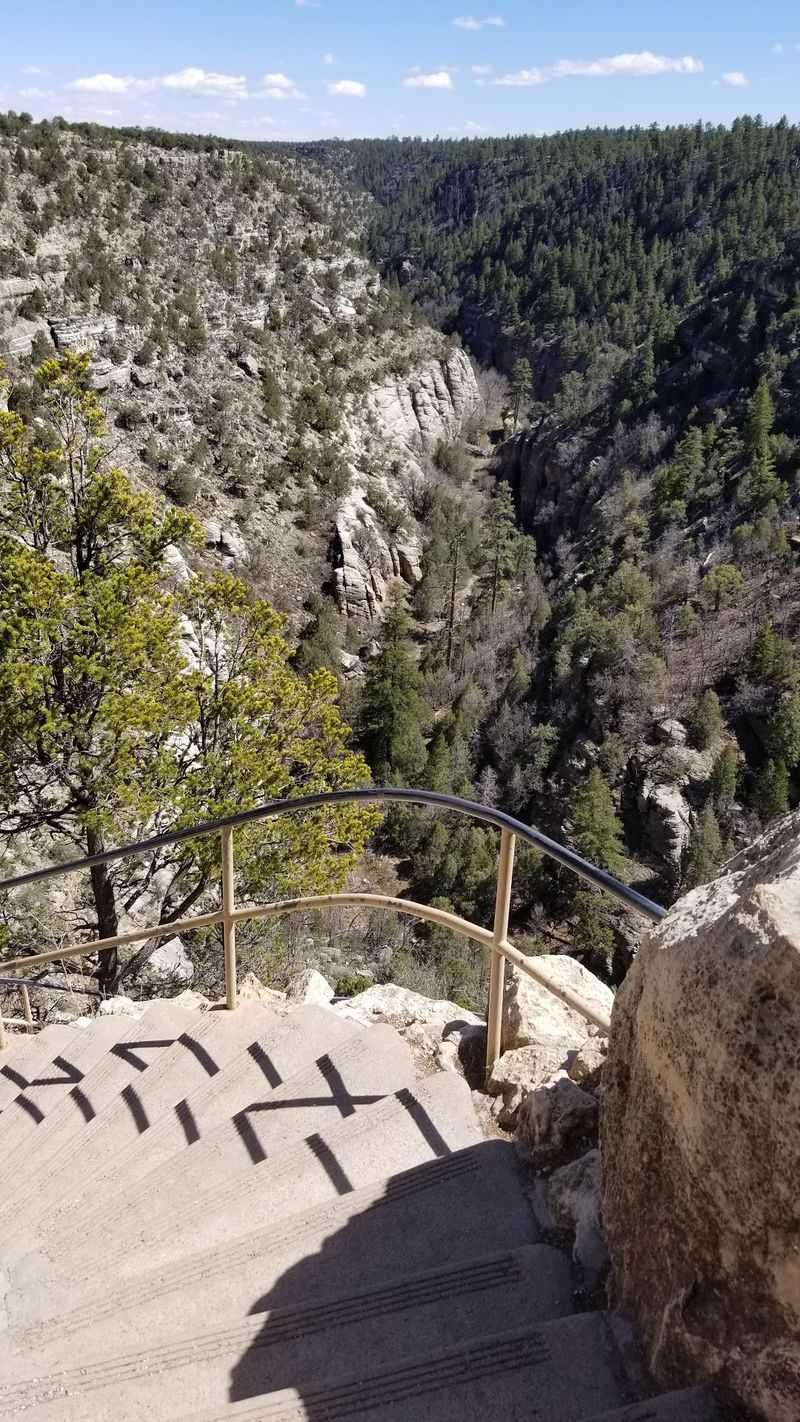
Here’s a number worth remembering: 736. That’s the total count of steps on the Island Trail loop, down and back up again.
The descent includes about 240 steps, which feels breezy on the way down. The return trip is where your calves start filing complaints.
Picture roughly 13 flights of stairs, then add altitude. The monument sits high in northern Arizona, and the thinner air makes breathing a little harder for many people.
Good news, though. Benches line the route, and taking a seat between sections is completely normal.
Bring water, even on cool days. In warmer months, resting in whatever shade you find makes the climb far more pleasant.
Kids handle it surprisingly well, though little ones may need a carry now and then. Folks with sore knees have made it too by going slowly and using the railings.
If heights make you uneasy, some stretches may feel exposed. Know your limits, set your own pace, and remember the rim trail always exists as a backup plan.
Close Enough To Peek Through An 800-Year-Old Doorway
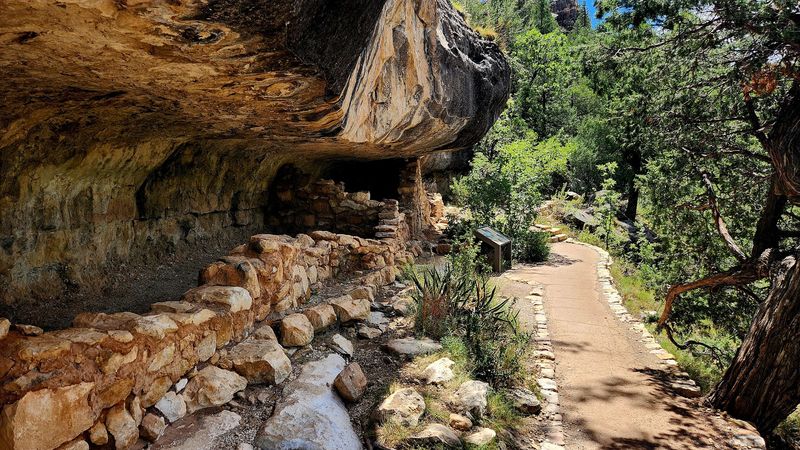
About 25 cliff dwellings line the Island Trail. Many sit so close that you could almost reach out and tap the stonework, though please don’t.
That closeness is what separates Walnut Canyon from many viewpoint-only sites. You’re not squinting across a gorge, you’re walking past front doors.
Rooms sit tucked beneath the overhangs in neat rows. Some walls stand nearly intact, while others show where centuries of weather have nibbled at the edges.
Looking across the canyon reveals even more dwellings on the opposite walls. Spotting them becomes a fun little game once your eyes adjust to the rock colors.
The scale feels personal rather than grand. These are modest family spaces, and that makes it easier to picture daily routines unfolding right here.
Travelers who’ve seen bigger cliff sites in Colorado still find this one memorable. Walnut Canyon is smaller, but the intimacy of the path makes up for it.
Take your time on this stretch. The path is flat here, so it’s the perfect place to slow down before the stairs come calling again.
Trailside Signs That Turn A Hike Into A Lesson
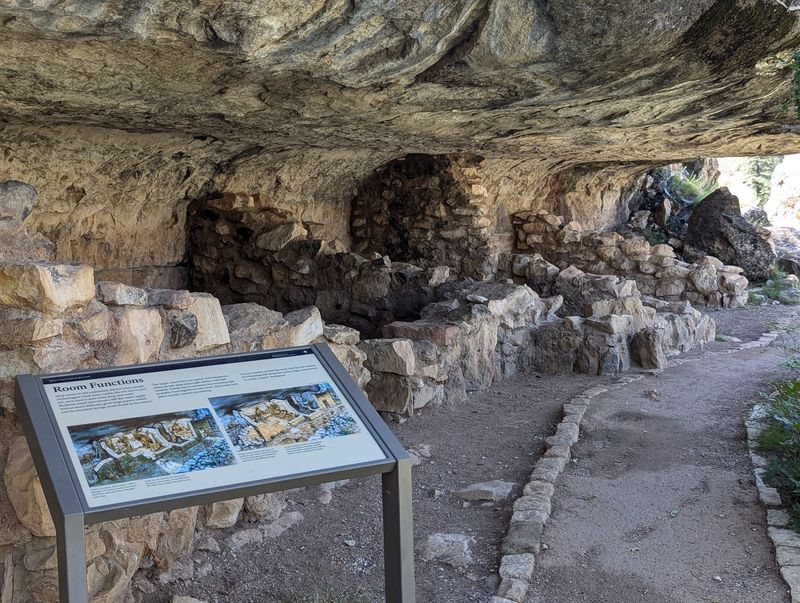
Some trails leave you guessing about what you’re seeing. The Island Trail answers your questions as you walk.
Interpretive signs appear throughout the loop, explaining how the Sinagua built their homes and lived in the canyon. Each one adds a small piece to the bigger story.
Plants get their own spotlight too. Signs name the trees and shrubs along the path, which turns an ordinary hike into a mini botany class.
Kids who like quizzes can have a field day. Reading signs on the way down makes the visitor center exhibits even more fun afterward.
The signs also explain why certain plants mattered to the people living here. Suddenly that scrubby bush beside the trail looks a lot more interesting.
Pausing to read gives your legs a sneaky rest, which is a bonus on the return climb. Nobody has to know you stopped mainly to catch your breath.
For history fans and curious wanderers alike, these little panels add real depth. You leave knowing far more than the view alone could teach you.
Skip The Stairs And Still Score Great Views On The Rim
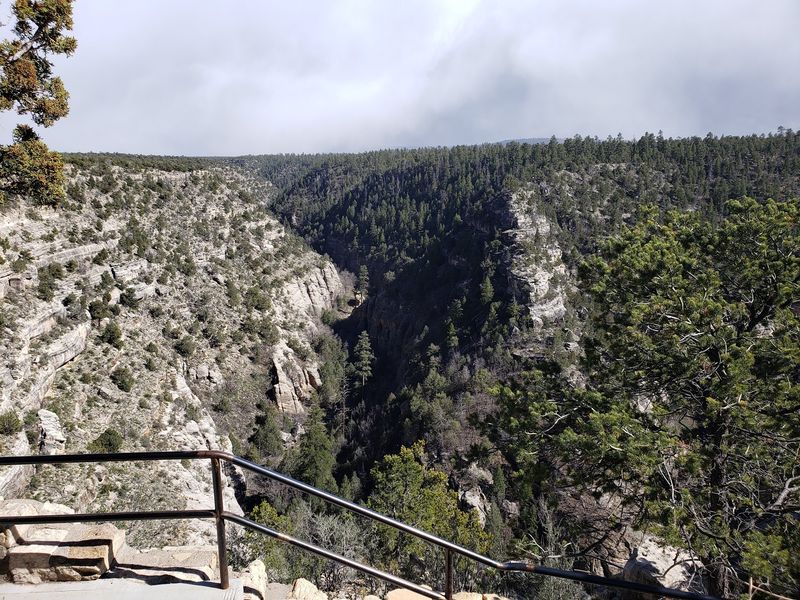
Not every visitor wants a stair workout, and that’s perfectly fine. The Rim Trail offers a gentle alternative with plenty of canyon payoff.
It’s flat, paved, and easy, usually taking about 20 to 30 minutes. Strollers roll along comfortably, which makes it a favorite for families with little ones.
Dogs are welcome on this trail too. If your pup came along for the Arizona road trip, here’s where they can join the fun.
From the rim, you can still spot cliff homes built into the canyon walls across the way. The views stretch wide, giving you a sense of how big this canyon really is.
Seniors and anyone with mobility concerns often appreciate this option. You still get history, scenery, and fresh pine air without the strenuous climb.
The Rim Trail also makes a smart cooldown after finishing the Island Trail. Combined, the two trails total less than two miles.
Think of it as the scenic balcony seat. You may not touch the walls, but the show is still worth watching.
A Visitor Center With A View That Doubles As A Warm-Up
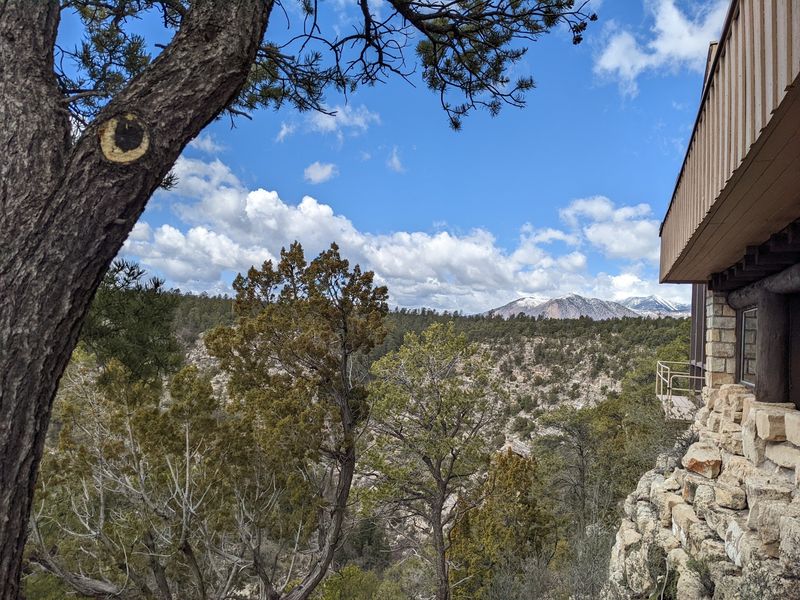
Plenty of visitor centers feel like quick pit stops. This one deserves real time on your schedule.
Inside, a small exhibit area introduces the people who lived in Walnut Canyon and the artifacts they left behind. It’s a perfect primer before heading down the stairs.
A short film plays on repeat and gives a solid overview of the dwellings. If hiking down isn’t in the cards, the movie shows much of what the trail reveals.
The building also offers an impressive canyon view right from inside. Some folks call that view a highlight all by itself.
Restrooms and water fountains are available here, which is handy before and after the Island Trail. Filling a bottle before the climb is a very good idea.
A small shop sells snacks, souvenirs, and art pieces. It’s a nice spot to pick up something meaningful from your trip.
Since the Island Trail begins through the visitor center, you’ll pass through anyway. Plan to linger a bit, especially if you need a cool-off after the climb back.
Rangers And Volunteers Who Love Answering Your Questions
Curious minds get a real treat at Walnut Canyon National Monument. Rangers often walk the trails and happily share background on the dwellings and canyon.
Volunteers pitch in too, explaining rock formations and the area’s long history. Their patience with endless questions is part of what makes a visit feel welcoming.
Staff at the visitor center earn plenty of praise for being friendly and knowledgeable. That calm, helpful energy sets a relaxed tone for the whole outing.
Guided tours are also offered at certain times. Arriving earlier in the day gives you a better shot at catching one before they wrap up.
Talking with a ranger can transform how you see the site. A quick chat might reveal details you’d never notice from signs alone.
Kids especially benefit from this hands-on learning. A ranger explanation on the trail sticks far better than any textbook paragraph.
So don’t be shy about asking. Whether it’s about Sinagua cooking or a strange-looking rock layer, someone nearby likely has a great answer ready.
Snow On The Ruins Or Sun On The Stairs, Each Season Feels Different
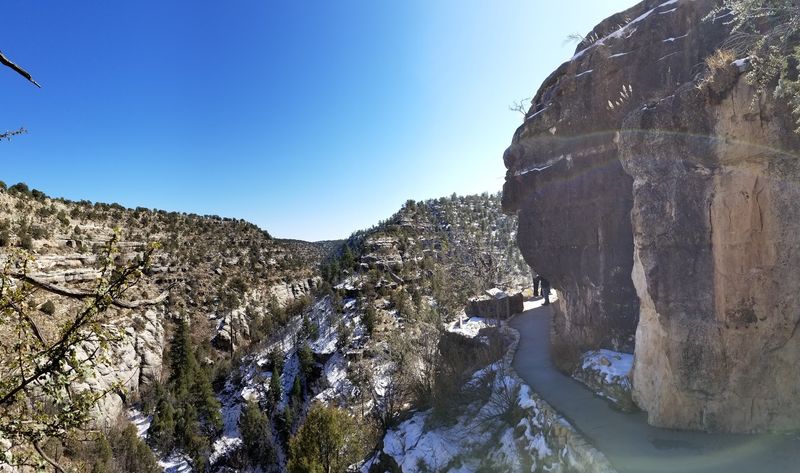
Fresh snow on 800-year-old walls is a sight worth bundling up for. Winter at Walnut Canyon brings a hushed, almost dreamlike quality to the canyon.
The contrast of rock against white snow is striking. Steps can get slick, though, so careful footing and good shoes matter.
Weather can affect whether the Island Trail stays open. Calling ahead during storms is a smart move before making the drive.
Summer brings a different challenge. July heat can make the climb back up feel much tougher, so water and shade breaks become essential.
Spring and fall tend to offer a friendlier middle ground. Cooler temperatures make the stairs far more comfortable for most hikers.
Wildfire smoke from elsewhere in Arizona can sometimes haze the views. The dwellings remain fascinating, but clear-sky days naturally show off the canyon best.
No matter the season, dress in layers and plan around the weather. Northern Arizona can surprise you, and a little preparation keeps the visit enjoyable.
Plan Around The 5 PM Gate Before You Hit The Road
Timing matters more here than you might expect. Walnut Canyon National Monument is open daily from 9 AM to 5 PM, and the gate closes right at 5.
Give yourself enough time to finish the Island Trail without rushing. Starting by mid-afternoon at the latest is a safer bet.
The monument sits just outside Flagstaff in northern Arizona. The parking lot is fairly small, and busy days are common thanks to its easy access from town.
An entrance fee applies, but America the Beautiful pass holders get in free. The park also observes fee-free days throughout the year, which can stretch a travel budget nicely.
Bring water, sturdy shoes, and sun protection. Altitude and stairs add up quickly, even on short loops.
Remember that pets can join you on the Rim Trail but not the Island Trail. Plan who stays topside if your furry friend tags along.
Want to build a bigger day? Wupatki and Sunset Crater sit within reach of Flagstaff and pair beautifully with this canyon stop.
Your Legs Might Grumble, But Your Memory Will Thank You
Few Arizona outings pack this much into such a short trail. Walnut Canyon National Monument delivers history, scenery, and a genuine workout in roughly an hour.
The Island Trail is the clear headliner. Walking beside about 25 cliff dwellings feels personal in a way distant overlooks rarely match.
Yes, the 736 steps demand respect. Still, benches, railings, and a slow pace make the climb doable for many visitors.
The Rim Trail keeps the experience open to strollers, dogs, and anyone skipping stairs. Nobody has to sit this one out entirely.
Add friendly rangers, a thoughtful visitor center, and pine-scented air, and the whole place feels welcoming. It’s a calm, unhurried kind of adventure.
Long-time Arizona residents sometimes discover it only after years of driving past. That alone makes it a fun one to share with friends and family.
So pack water, check the clock, and head toward Flagstaff. Those Sinagua neighbors have waited about 800 years, and their doorways are still open for a look.