
7 Overlooked Arkansas Towns Where You Can Still Buy A House Cheap
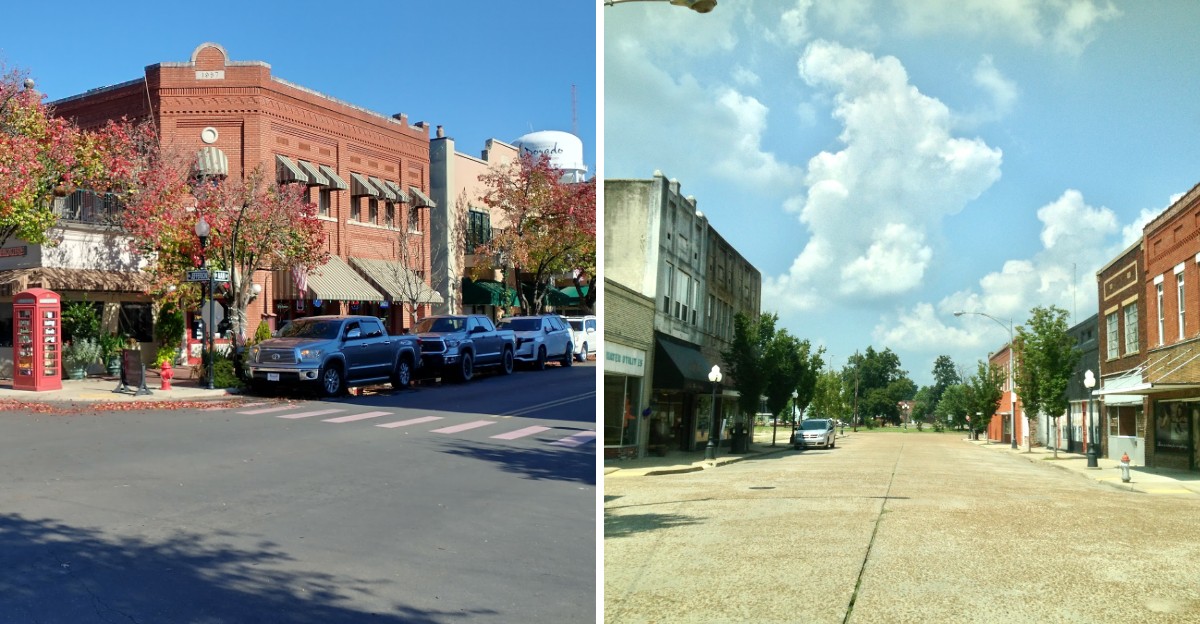
One small town got its name after a train derailment left a boxcar standing upright. I love that detail, because it tells you these places have stories baked right into their names.
Another town on this list once ran the busiest commercial port in Arkansas, all thanks to steamboats on a river. A third is home to what’s called the state’s oldest continuously operating restaurant, open since 1907.
These aren’t the trendy spots that show up on every relocation list. They’re quieter towns with courthouses, murals, state parks, and main streets that still feel lived in.
So why would anyone overlook them? Maybe because nobody has bragged about them loudly enough yet.
I’m happy to fix that, so let’s look at seven places where your house hunting budget might stretch further than you’d expect.
1. Forrest City
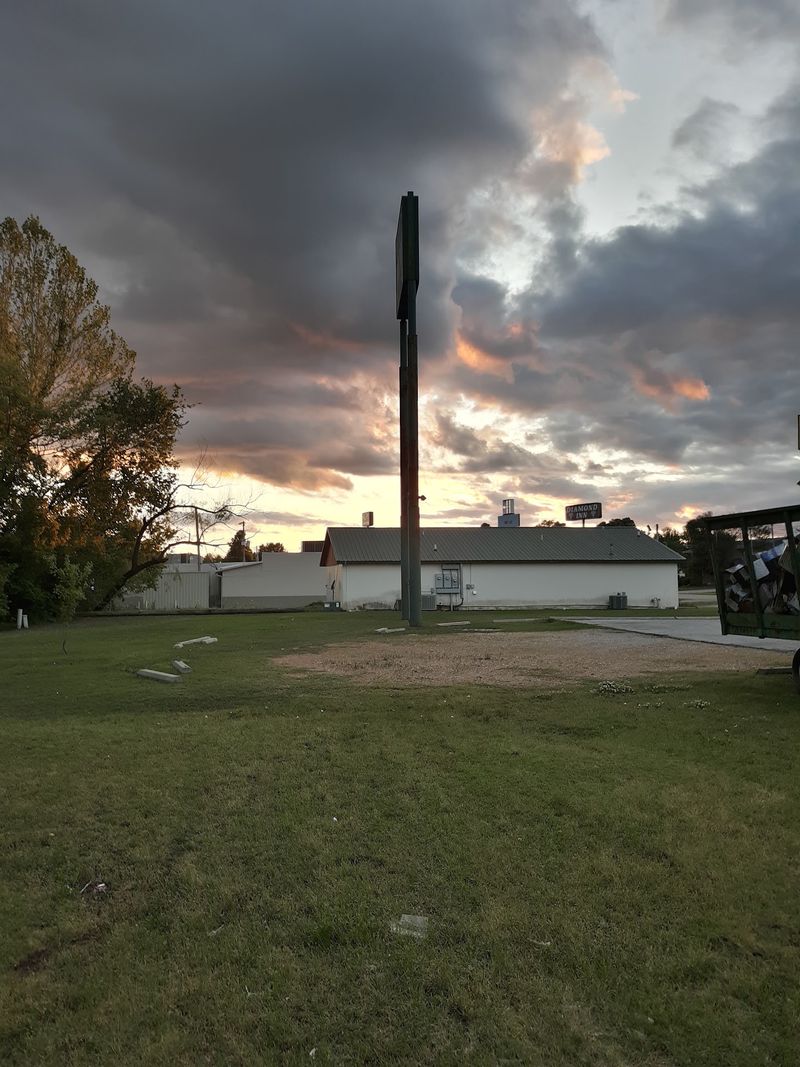
A town nicknamed the Jewel of the Delta had better back it up. Forrest City does, partly because it sits on Crowley’s Ridge, a rare rise in otherwise flat country.
Founded in 1869, the town grew up as a railroad stop. It was incorporated on May 11, 1870, and became the county seat of St. Francis County in 1874.
Here’s where the savings become interesting. Zillow estimated the typical home value in Forrest City at around $78,000 in August 2026, far below Arkansas’s statewide figure of roughly $224,000.
That difference makes the town worth considering for buyers hoping to spend less on a house.
So what makes it appealing for a home buyer? You get a real county seat with services, shops, and history, without big city pressure.
Your weekends could get pretty full, too. Village Creek State Park, the second-largest state park in Arkansas by land area, is in the region.
The park offers fishing, hiking, swimming, and trails. Golfers can also tee off at The Ridges at Village Creek, a 27-hole championship course.
History fans should stop by the St. Francis County Museum. It shows off the county’s past and serves as a hospitality center for the Arkansas Scenic Byway.
Now let’s talk about food, since a new house needs a nearby favorite meal. Ole Sawmill Cafe serves buffet-style Southern classics like fried chicken and homemade desserts.
It handles breakfast, lunch, and dinner, and it even has a gift shop. That’s handy when relatives visit and you need something to keep them busy.
Legacy Cafe brings hand-cut steaks, house-smoked meats, and vintage auto memorabilia on the walls. Its housemade bread pudding gets special attention on the menu.
Craving something quick? Delta Q and Deli makes BBQ tacos and BBQ egg rolls, which sound like a happy accident that worked out.
Betty B’s Smokehouse BBQ is takeout only, run from a small building along Highway 70. Its smoked chicken sandwich and cake are the names to know.
For a home base with a ridge, a giant park, and solid barbecue, Forrest City makes a strong first stop. Your realtor might even get a sandwich out of it.
2. Blytheville
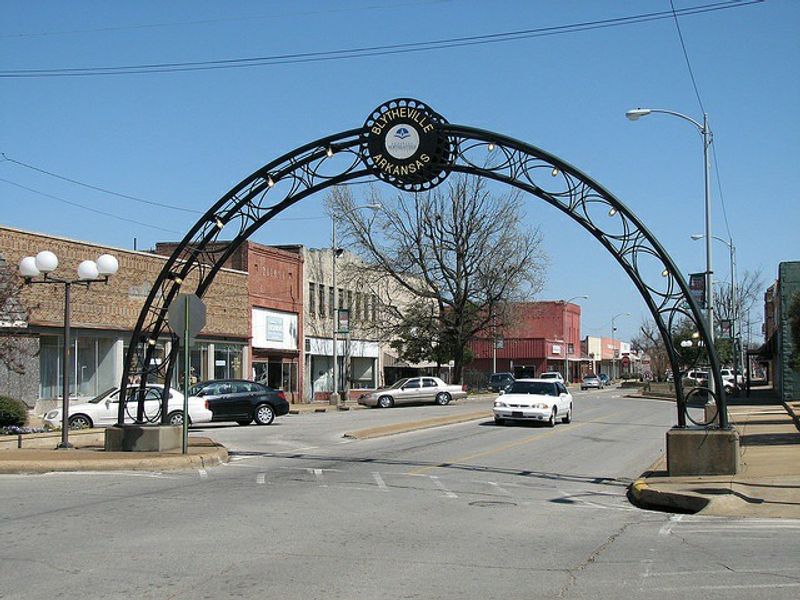
Motown legend Junior Walker was born here, so the town already has rhythm. Blytheville adds history, steel, and a surprising number of good places to eat.
Methodist clergyman Henry T. Blythe founded the town in 1879.
It was incorporated in 1889 and serves as a county seat for northern Mississippi County.
Housing costs give Blytheville another reason to make the list. As of September 2026, Zillow placed the typical home value at approximately $102,000.
That’s less than half the statewide figure of around $224,000, giving budget-conscious buyers a compelling reason to explore the local market.
The local economy has changed a lot over time. Timber came first, then farming crops like cotton, soybeans, rice, and wheat.
Steel showed up big after Nucor arrived in the late 1980s. That gives the area an industrial backbone you don’t always find in small Arkansas towns.
Architecture lovers, this one’s for you. The Historic Greyhound Bus Station dates to 1937 and shows off Art Moderne style.
It’s listed on the National Register of Historic Places. Inside, exhibits cover the building’s story and local tourism.
The Delta Gateway Museum on West Main Street opened in 2011. Exhibits cover Hernando de Soto in 1541, rural life, Eaker Air Force Base, and more.
Best part for the budget minded? Admission is free, which pairs nicely with a cheap mortgage.
Golfers can play Thunder Bayou Golf Links, a municipal 18-hole course established in 2002. Expect sand and water hazards that test your patience.
Hungry yet? Kream Kastle has been a family-owned drive-in for over 50 years, known for ribs, pulled pork, and brisket.
The Dixie Pig on East Main Street is another smoked meat favorite. Pulled pork and ribs lead the way there.
That Bookstore Bistro offers shrimp and grits and collard greens. A meal near books feels like a pretty great Saturday plan.
Blytheville gives you museums, history, and serious barbecue loyalty. You might come for a house and stay for the brisket.
3. Corning
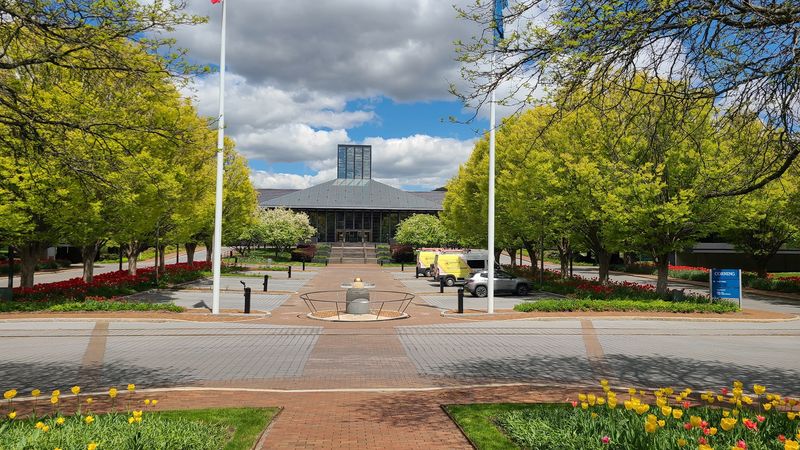
Corning started life under a different name in a different spot. Back in 1871 it was Hecht City, then it moved to make room for the Cairo and Fulton Railroad.
On February 5, 1873, the first southbound train arrived with mail for the newly named Corning. Historical accounts disagree about the town’s namesake, although they connect the name to someone associated with the railroad.
Incorporation followed in August 1877. Today it shares county seat duties for Clay County with Piggott, handling the Western District.
The housing numbers help explain Corning’s appeal. Zillow reported a typical home value of approximately $106,000 in August 2026, considerably below the Arkansas statewide figure of around $224,000.
For buyers who want a smaller community without committing to a large mortgage, that difference is worth investigating.
If you like old houses, you’ll enjoy a stroll here. The Sheeks House, built in 1872 at 502 Market Street, is a wood-frame home with a hip roof.
Then there’s the Oliver House from 1880 on West Front Street. Tuscan columns hold up its porches, and it keeps original woodwork and fireplace mantels inside.
Both homes are on the National Register of Historic Places. You probably can’t buy them, but they’re great house inspiration.
Over at the Clay County Courthouse, a tall obelisk stands on the lawn. It honors America’s war dead and gives downtown a thoughtful centerpiece.
Corning runs on farming, plain and simple. Businesses here sell and repair equipment, process seed, and make fertilizers.
Local fields grow rice, soybeans, wheat, and corn. Moving here means your neighbors may know a thing or two about weather apps.
Dinner choices are small town friendly. Parkview Restaurant on West Main Street serves breakfast, lunch, and dinner, with a drive-through too.
Harold’s Bar-B-Q and Catering handles the smoked side of things. Mr. Taco Mexican Grill and American Dragon round out the options.
Gigi’s Restaurant serves pizza and salads for easy weeknights. Corning Gas and Deli covers sandwiches when you’re busy unpacking boxes.
Corning is quiet, practical, and proud of its roots. For a buyer who wants space and simple living, it deserves a look.
4. Camden
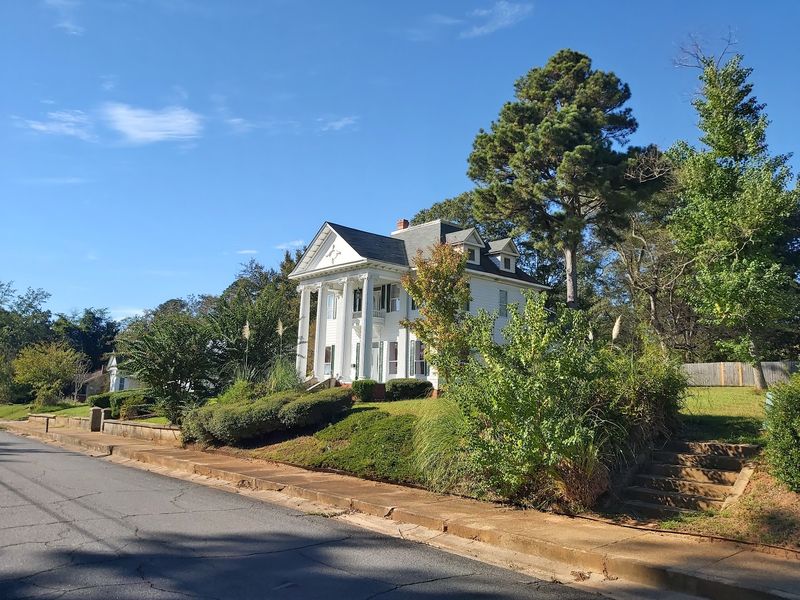
Some towns brag about a new restaurant. Camden can point to White House Cafe, open since 1907 and called the oldest continuously operating restaurant in Arkansas.
Its chicken-fried steak is the famous order. The menu mixes Southern classics with Tex-Mex.
Camden offers more than historic buildings and river stories. Zillow estimated its typical home value at approximately $110,000 in September 2026, less than half the statewide figure of roughly $224,000.
Buyers interested in an established town with relatively inexpensive housing could find plenty of reasons to take a closer look.
Camden’s roots go back even further. It began as a French trading post called Ecore a Fabre in the late 1700s.
Spain made it a military post in 1782. The name Camden came in 1843, along with county seat status for Ouachita County.
Steamboats once crowded the Ouachita River here. That traffic earned Camden the nickname Queen City.
The town also shipped cotton and served as a stop on the Butterfield Overland Mail route. That’s a lot of traveling for one riverside spot.
Start your visit at the Camden Visitor Center and Museum. It sits inside a restored 1913 train depot.
Exhibits cover Camark Pottery, Grapette soft drinks, Civil War history, and railroad lore. A soda brand museum exhibit is a fun bonus.
History runs deep at Poison Spring Battleground Historical Monument. A Civil War battle took place there on April 18, 1864.
White Oak Lake State Park sits northwest of town for outdoor time. In spring, the Camden Daffodil Festival brings yellow blooms and community spirit.
Need more meal options? Woods Place serves seasoned fried catfish with hushpuppies, coleslaw, and fresh-baked rolls.
Postmasters Grill fills the historic Old Camden Post Office. Jacob’s Well Coffeehouse and Bakery bakes fresh sourdough for slower mornings.
SAU Tech, founded in 1967, also calls Camden home. Between river history and old diners, this town feels made for curious buyers.
5. El Dorado
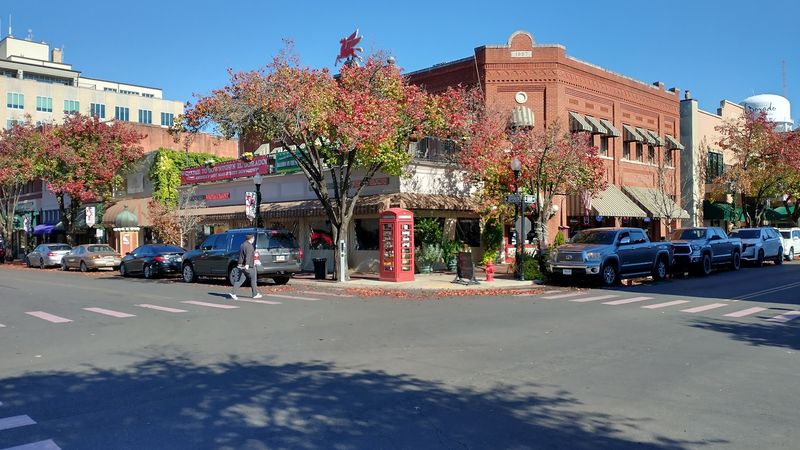
A city named after a legendary land of gold should have treasure somewhere. In El Dorado, it seems to come with a side of barbecue sauce.
The town sits in South Arkansas pine forest country. Tall trees and a slower pace make a nice backdrop for house hunting.
The affordability isn’t limited to the restaurant menus. Zillow placed El Dorado’s typical home value at approximately $133,000 in September 2026.
That’s roughly $91,000 below the statewide figure, making this South Arkansas city an interesting option for buyers watching their budgets.
Food might be the best way to understand this place. The local dining scene mixes Southern cooking, Tex-Mex, Asian dishes, and more.
Barbecue lovers get choices, which is always a good problem. Brown’s Southern Smoke, Howell’s BBQ, JJ’s SmokeHouse Barbecue, and Owen’s BBQ all fire up the smokers.
You could try a different one each weekend. By month two, you’d have strong opinions to share at work.
Mexican food shows up just as strong. Antigua’s Grill, Fernando’s Mexican Grill, La Ranchera, La Villa, and Papa Poblano’s Mexican Cafe all serve the area.
Soul food fans should note Smitty’s Soul Food on MLK Boulevard. Sweet Mama T’s on East Hillsboro Street is another option.
Got a sweet tooth? El Dorado Creamery and The Spudnut Shoppe handle desserts and treats.
Spudnut is a fun word to say out loud. It’s even more fun when there’s a pastry involved.
Families might like Good Times Grill on South Timberlane Drive. It’s a casual American spot open Tuesday through Sunday.
Town House Restaurant on Griffith Street serves American food. Johnny B’s Grill on South West Avenue adds another local choice.
Mystic Grill on Clubhouse Lane and Larry’s Pizza of El Dorado fill out the list. Few small towns offer this much variety.
El Dorado gives you pine trees and plenty to eat. If you measure a town by its menus, this one scores high.
6. Pocahontas
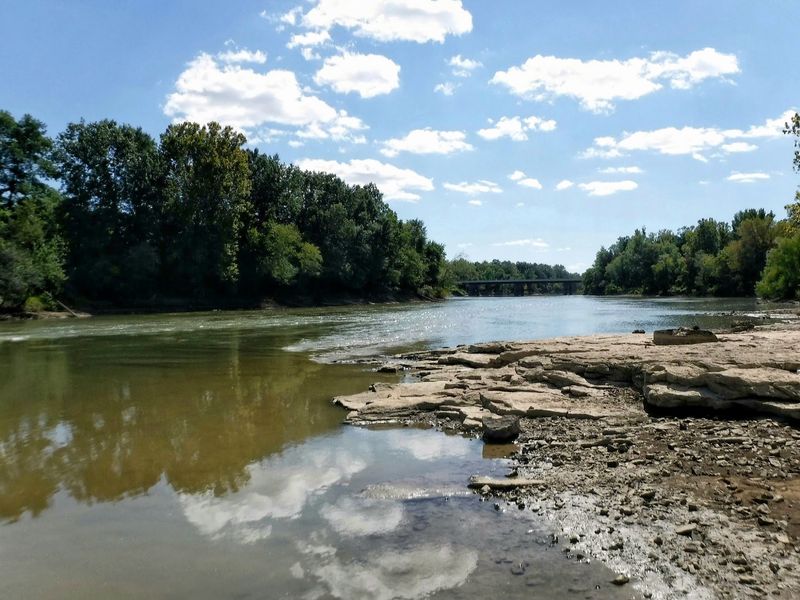
Long before highways, Pocahontas ran the busiest commercial port in Arkansas. From 1840 to the early 1850s, steamboats on the Black River made it a trading hub.
The town was first called Bettis Bluff. Dr. Ransom S.
Bettis and Thomas S. Drew founded it, and it was incorporated in 1856.
Pocahontas has another advantage beyond its riverfront history. Zillow estimated the typical home value at approximately $144,000 in September 2026, well below the statewide figure of roughly $224,000.
That leaves buyers with a potentially more manageable starting point than in many pricier Arkansas communities.
Today, Overlook Park marks the spot of the former Port of Pocahontas. A statue of Pocahontas, the namesake from Jamestown, Virginia, stands there.
It’s a lovely place for an evening walk. You get river views and a big slice of history at once.
Randolph County collected some impressive firsts, too. Davidsonville, the second town in Arkansas, was established in 1811 about eight miles south.
The state’s first grist mill, deMun Mills, opened in 1813. It stood in what’s now south Pocahontas.
The Civil War hit hard here. Pocahontas was a Confederate recruiting and supply center, and Union troops burned much of downtown in 1863.
Still, the town rebuilt and kept going. The Pocahontas Commercial Historic District joined the National Register of Historic Places in 2009.
That district honors the town’s role as a regional trading center. Its buildings show late 1800s and early 1900s styles.
Several standout buildings deserve a look. The Old Randolph County Courthouse was built in 1871.
St. Mary’s AME Church adds more history. The Pocahontas Colored School, built in 1918, is now the Eddie Mae Herron Center.
Need a quick bite after exploring? Chester’s Chicken sits on Highway 62.
Pocahontas suits buyers who love old stories and river air. Your new porch could come with two centuries of neighbors’ tales.
7. Wynne
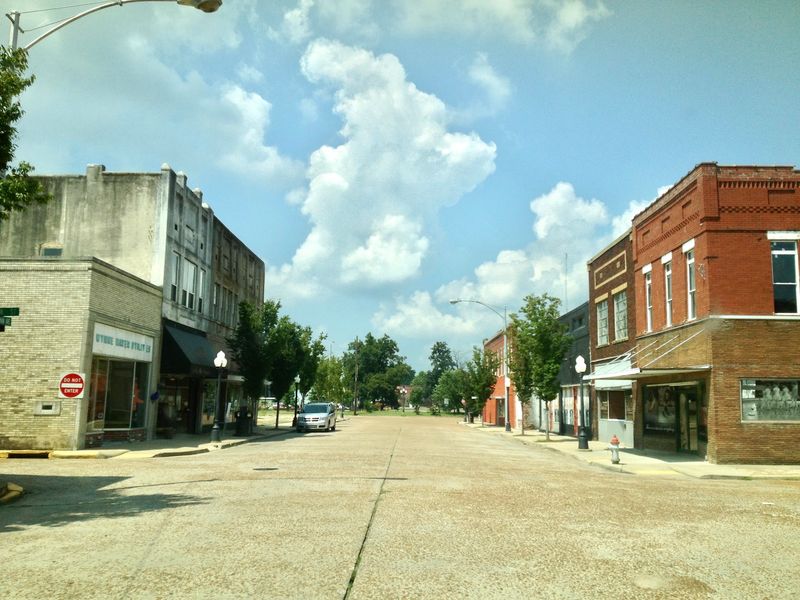
Wynne’s whole origin story starts with a wreck. In 1882, a train derailment left a boxcar standing upright, and the spot became Wynne Station.
The name honors Captain Jesse Watkins Wynne, a Civil War veteran and businessman from Forrest City. It became Wynne Junction once an east-west rail line was finished.
The town incorporated as Wynne in 1888. It became the Cross County seat in 1903.
Wynne’s housing market adds another reason to consider moving here. Zillow reported a typical home value of approximately $144,000 in August 2026, considerably below the statewide figure of roughly $224,000.
For buyers seeking an established community without paying big-city prices, that’s a difference worth exploring.
Back in 1956, it picked up an unofficial nickname: The City with a Smile. That’s a pretty friendly welcome mat for new homeowners.
Rail fans, head to the Caboose Museum in Jess W. Wallin Memorial Park.
A caboose donated by Union Pacific holds railroad memorabilia.
The courthouse grounds hold two museums. One honors Cross County veterans, and the other sits inside one of Wynne’s original schools.
Mail a letter and admire some art while you’re at it. The post office has the Cotton Pickers mural, completed around 1940 by Ethel Magafan with help from her sister Jenne.
It’s one of nineteen Depression-era post office murals still in Arkansas. Not bad for a trip to buy stamps.
Outdoor time is close by, too. Village Creek State Park sits about 10 minutes away.
The Wynne Sports Complex offers a fishing pond and open fields. It’s a hub for community gatherings.
Wynne loves a good event calendar. Farm Fest arrives in spring, along with the Cross County Wildlife Expo and the Fine Swine Bar-B-Q.
On Saturdays, the Cross County Farmer’s Market sets up. For meals, try Pop’s Grill, Johnson Freeze Inn, or Spinners Pizza and Bakery.
Wynne blends rail history, art, and small town fun. A town born from a standing boxcar clearly knows how to stay upright.