
An Old Illinois Railroad Grade Now Carries Bikers 45 Miles Through Quiet Southern Woods And Tunnels
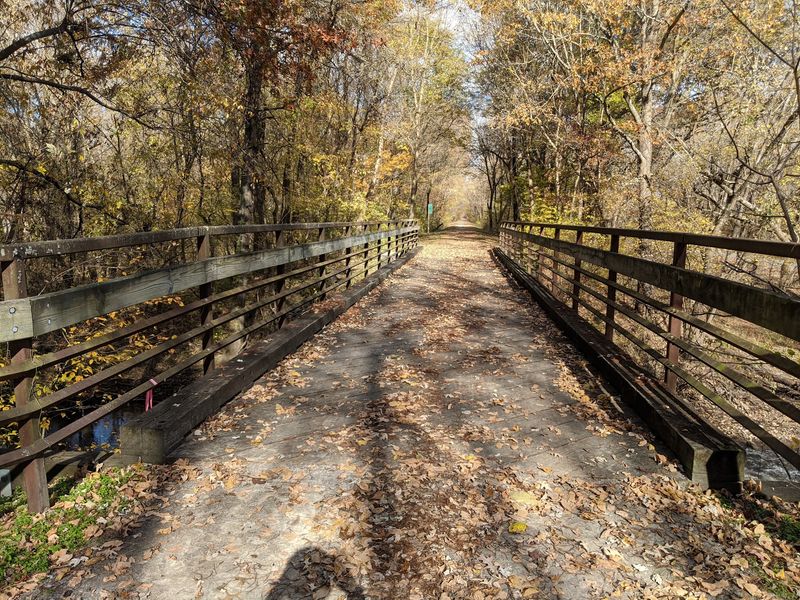
Coal, salt, peaches, and apples once rolled along a quiet line of track through the bottom of Illinois. Today the same path carries kids on bikes, grandparents on easy strolls, and riders chasing the cool breath of a 543-foot tunnel.
It costs nothing to ride, it climbs so gently you barely notice, and it passes through woods most Illinois folks have never seen. For a cheap family day trip with real old-time railroad charm, few routes in the state can match it.
A 45-Mile Ribbon Across Southern Illinois
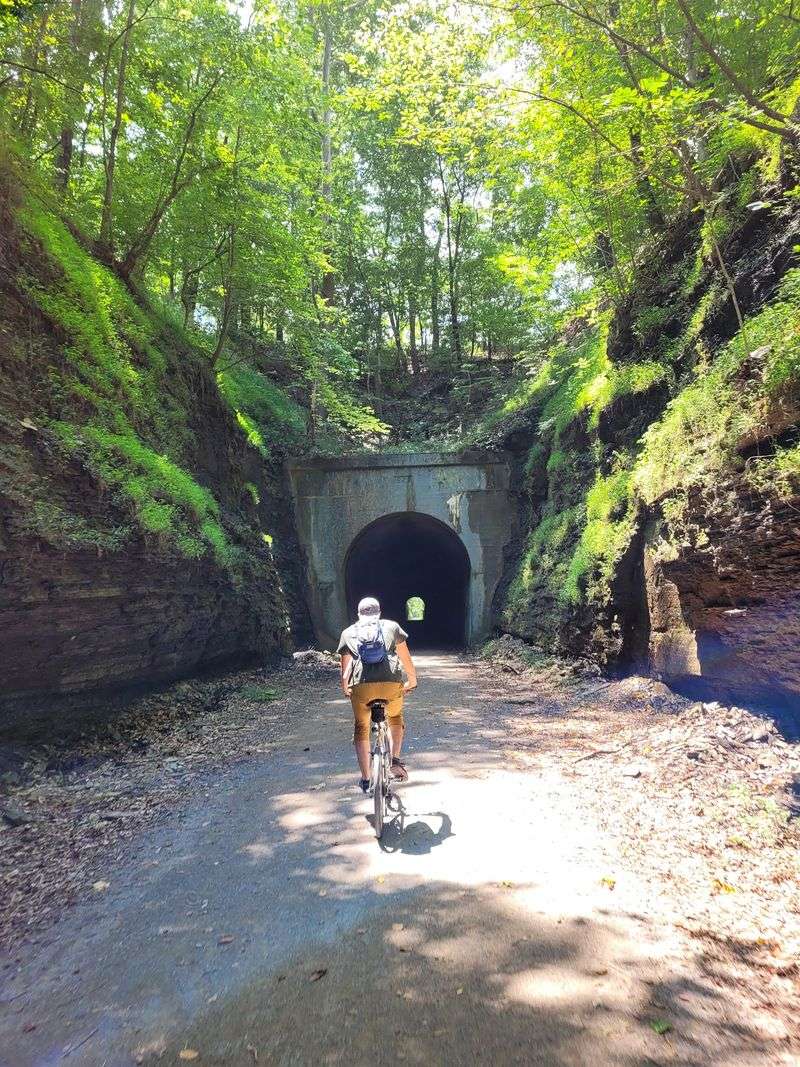
Start at Harrisburg, point your handlebars southwest, and keep pedaling until you reach Karnak. That stretch is the Tunnel Hill State Trail, a 45-mile path running through Saline, Williamson, Johnson, and Pulaski Counties in the far southern part of Illinois.
Along the way, the trail rolls through small communities like Carrier Mills, Stonefort, New Burnside, Tunnel Hill, Vienna, and Belknap. Each one offers a natural spot to pause, refill a water bottle, or simply stretch your legs.
An extra spur of about 2.5 miles continues from Karnak to the Barkhausen-Cache River Wetlands Center near Cypress, pushing the full route closer to 47.5 miles or more.
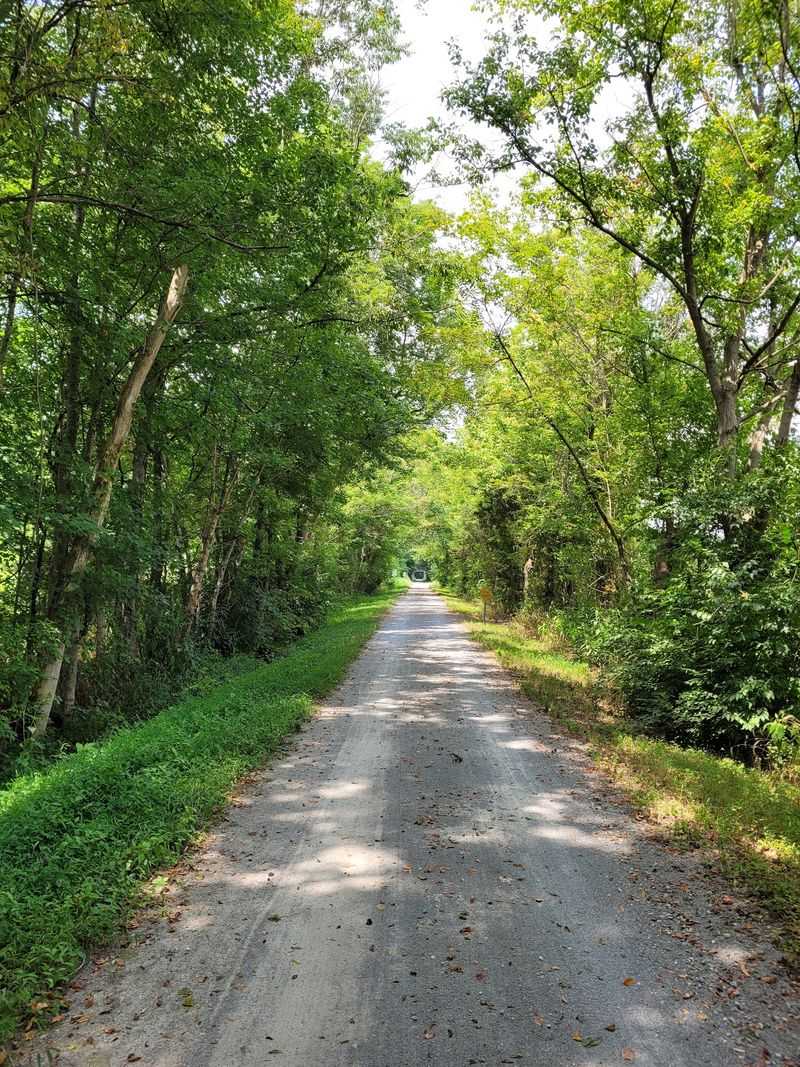
The surface is mostly crushed limestone, with a few gravel or concrete patches here and there. Hybrids, gravel bikes, and mountain bikes handle it best thanks to their wider tires.
Road bikes show up too, though softer sections can make thin tires slip a bit.
Walkers, runners, and hikers share the path as well, so the trail never feels like it belongs to one crowd. Families can tackle a short out-and-back from any town, while seasoned riders can try the whole length in a single ambitious day.
General Burnside’s Railroad And Its Second Life
Back in 1872, Civil War General Ambrose Burnside helped launch the Vincennes and Cairo Railroad through this corner of Illinois. Trains hauled passengers alongside coal, salt, wood products, and orchard fruit like peaches and apples.
For a rural region, that line was a lifeline to the wider world.
Fast forward more than a century. Norfolk Southern, the last owner, abandoned the route in 1991 and donated the right-of-way to the State of Illinois.
Rather than letting the old bed vanish under weeds, the Illinois Department of Natural Resources surfaced it, added facilities, and turned it into a public trail.
The first sections opened in 1998, and the full conversion wrapped up by 2001. Two decades later, the trail still follows the same steady curves the steam engines once took.
Fun detail for history buffs: the town of New Burnside along the route carries the general’s name. Ride through it, and you are literally pedaling past a piece of the railroad’s origin story.
Grandparents who remember the days of small-town depots tend to love this angle. Kids, meanwhile, get a hands-on history lesson without ever stepping into a classroom.
The 543-Foot Tunnel That Named Everything
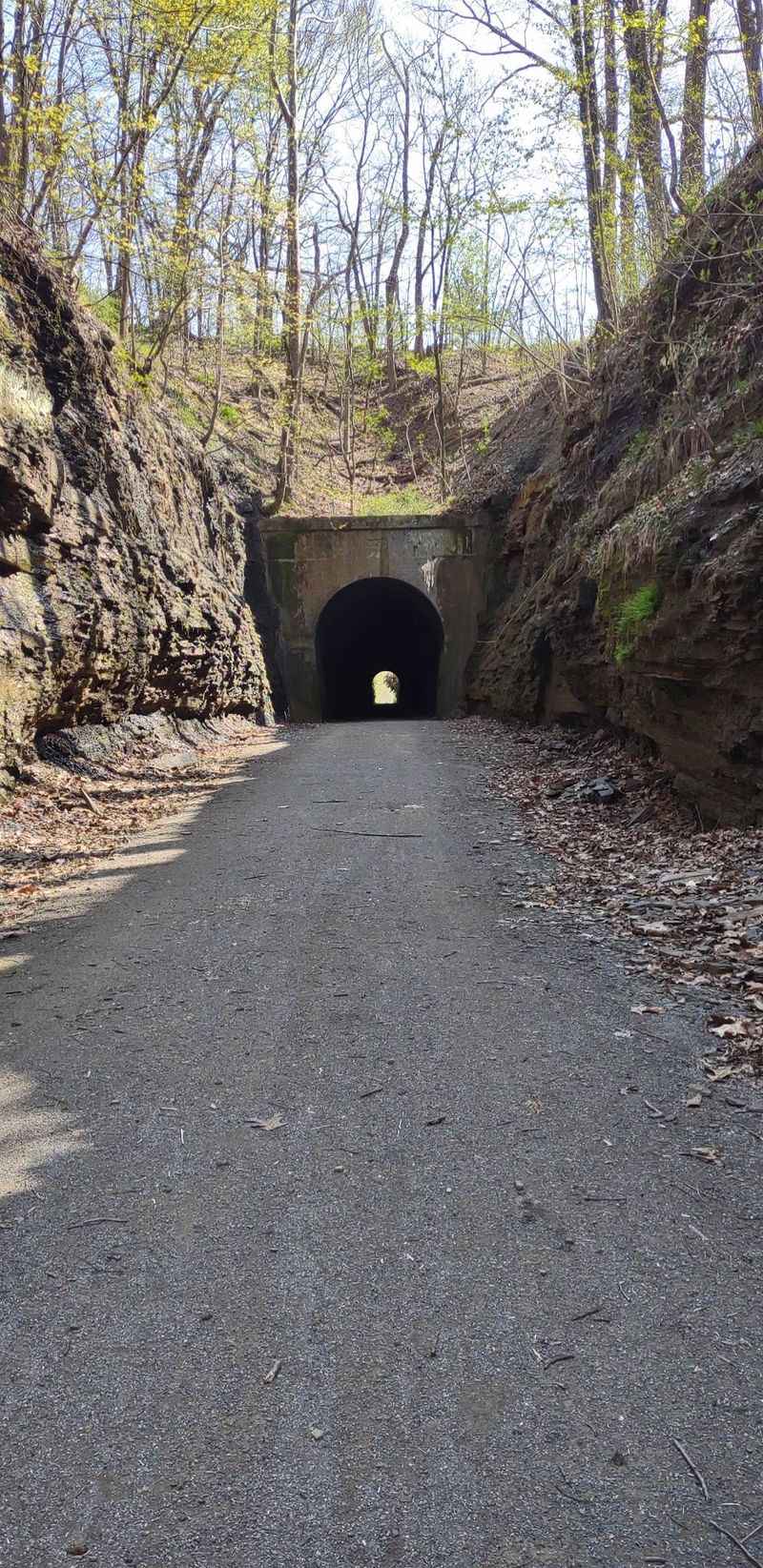
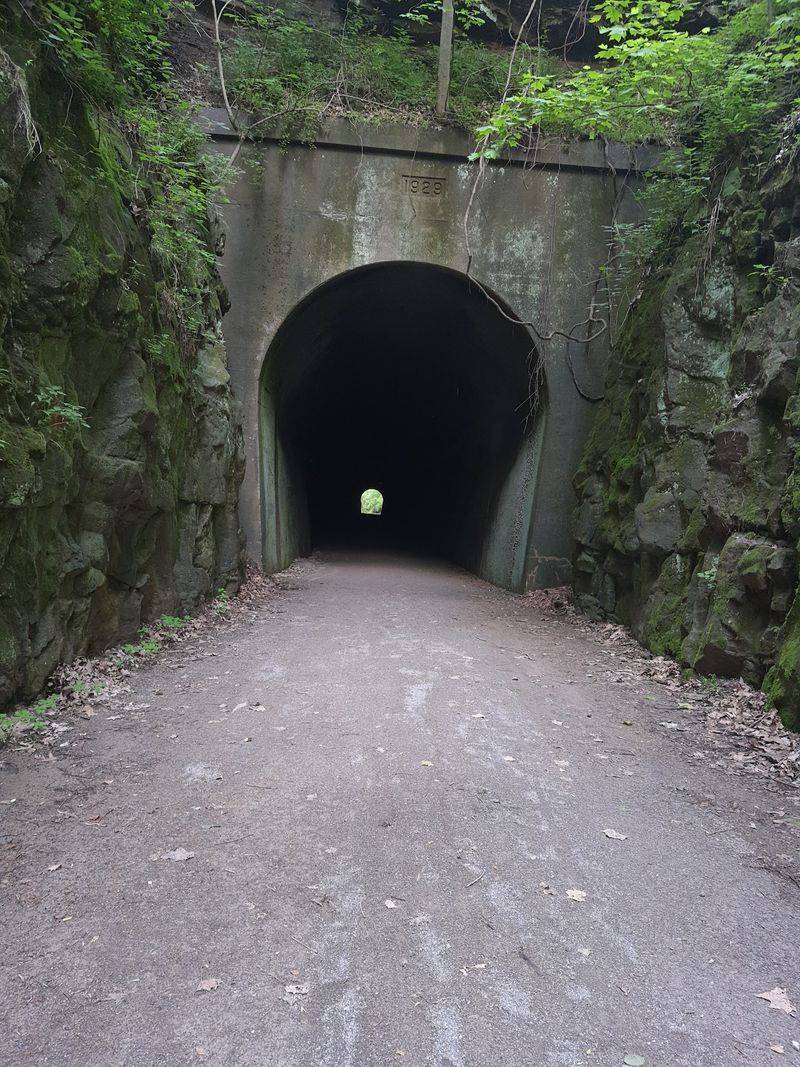
Bring a light. Seriously, that small bit of advice matters more than any other tip for this trail, because the tunnel near the town of Tunnel Hill gets surprisingly dark inside.
Stretching 543 feet, the old railway tunnel is the star of the show and the reason the whole route carries its name. It also sits at the trail’s highest point, around 680 feet above sea level.
Rolling into its shadowy mouth on a hot summer afternoon feels like stepping into a natural air conditioner.
Children usually treat the passage like an adventure ride. Their voices echo off the walls, and the little circle of daylight at the far end slowly grows bigger as you pedal forward.
A bike lamp or flashlight keeps everyone confident and steady on the ground underfoot.
Parents might want to slow down here and let the moment sink in. Railroad crews once guided heavy trains through this same opening, and now it hosts families on bikes and walkers with headlamps.
Snap a photo at the entrance before heading in. That shot, framed by stone and leafy hillside, tends to become the picture everyone remembers from the trip.
Trestles Floating Over Ravines And Streams
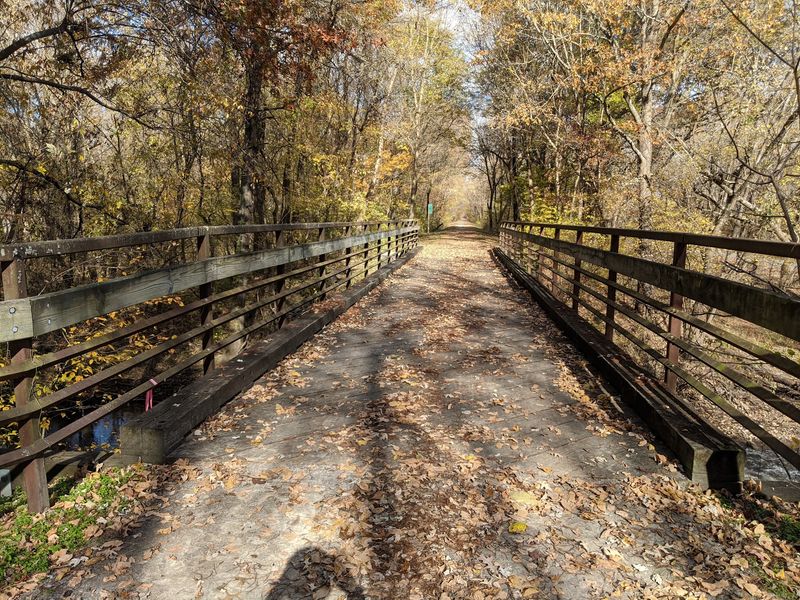
Twenty-three. That is roughly how many trestle bridges carry riders across the creeks and ravines along this route, ranging from a modest 34 feet to a jaw-dropping 450 feet long.
The headliner is the Breeden Trestle, about 2.5 miles south of Tunnel Hill. Standing 90 feet high and spanning 450 feet, it is both the longest and tallest bridge on the trail.
Looking over the railing into the treetops below gives you a bird’s-eye view that few spots in Illinois can offer.
Pairing the trestle with the tunnel makes an easy, kid-friendly mini adventure. Park near Tunnel Hill, ride through the tunnel, then continue south to the big bridge and back.
Short legs can handle it, and the payoff is huge.
Smaller trestles pop up all along the way, each with its own little view of rocky streams or shaded hollows. Many riders end up stopping on almost every one just to peek over the side.
Autumn turns these crossings into something special. When the hardwoods blaze orange and red below, the bridges feel like front-row seats to a fall color show that costs exactly nothing to enjoy.
Woods, Wetlands, And Forgotten Towns
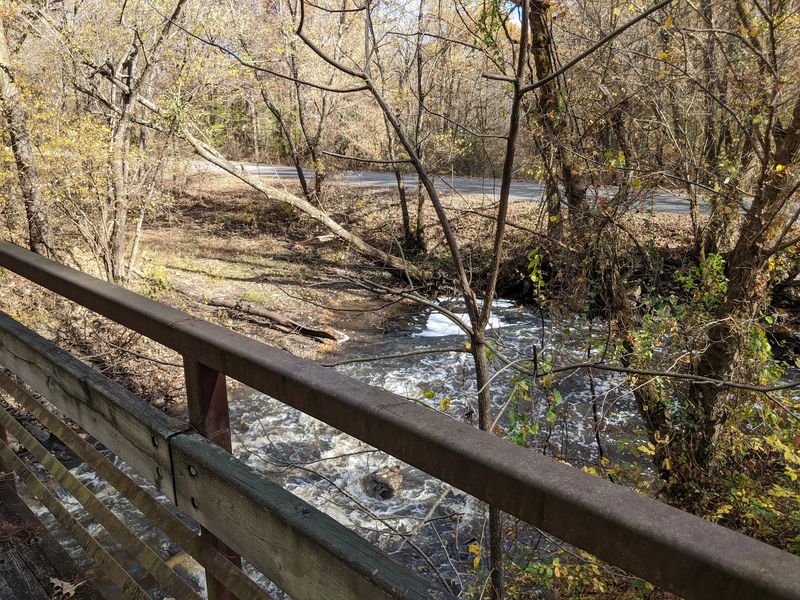
Quiet is the word that keeps coming up. Much of the route slips through southern woods, including sections of the Shawnee National Forest, where the loudest sound might be birds or the crunch of limestone under your tires.
Farther south, the landscape shifts. Rich bottomland forest, calm ponds, winding streams, and marshes take over, especially near the Cache River State Natural Area.
Farm fields, ravines, and rocky creeks fill in the gaps between.
Wildlife sightings add plenty of fun. Turtles sunning on logs, deer slipping between the trees, and a variety of birds are all common companions.
Keeping a little checklist can turn the ride into a game for kids.
Then come the ghost towns. New Castle, Parker City, Forman, Bender, and Rago once thrived beside the railroad before fading into history.
Little remains of some of them, yet knowing their names makes the empty stretches feel full of stories.
Spring brings fresh green and wildflowers, summer offers deep shade, and fall paints the whole corridor in warm colors. Each season gives the trail a different personality, so repeat visits never feel like reruns.
An Easy Climb For Every Kind Of Rider
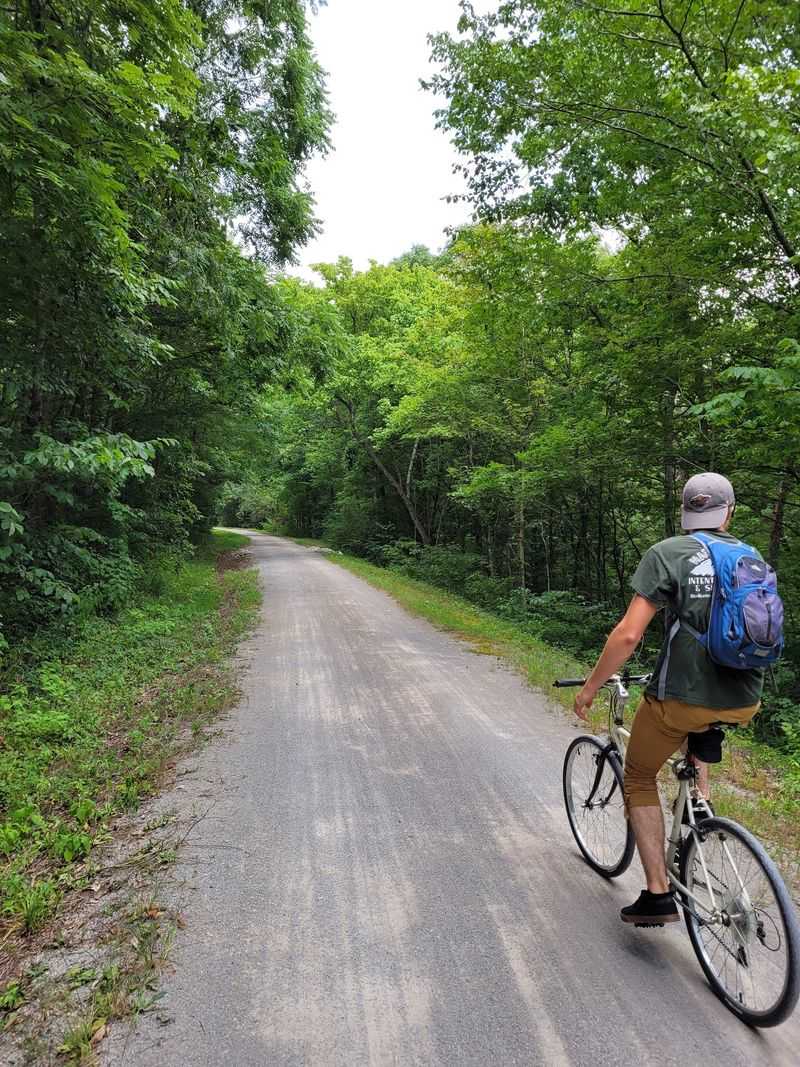
Railroads hate steep hills, and lucky for us, that old rule still pays off. The trail keeps a gentle grade of about two percent, rising from 370 feet in Harrisburg to 680 feet at Tunnel Hill before easing down to 340 feet at Karnak.
What does that mean for a Saturday outing? Grandparents, young kids, and casual riders can all keep up without gasping.
Riding south from the high point feels especially relaxing, since gravity quietly lends a hand.
Multigenerational families tend to find their rhythm here. Teens can zip ahead, little ones can cruise at their own speed, and everyone can regroup at the next trestle or town.
Walkers and runners appreciate the steady footing, too. Shade from the trees keeps summer mornings comfortable, and the path is wide enough for friendly passing.
Serious cyclists get their own rewards. Connections to the River to River Trail, the Illinois southern route of the American Discovery Trail, the U.S. 76 Bicycle Route, and the Trail of Tears National Historic Trail open the door to much longer journeys.
A simple day ride can easily become the first chapter of something bigger.
Trailheads, Vienna Depot, And $10 Campsites
Good news for budget planners: riding the trail itself carries no admission fee in the information available, making it one of the friendliest day trips in southern Illinois for families watching their wallets.
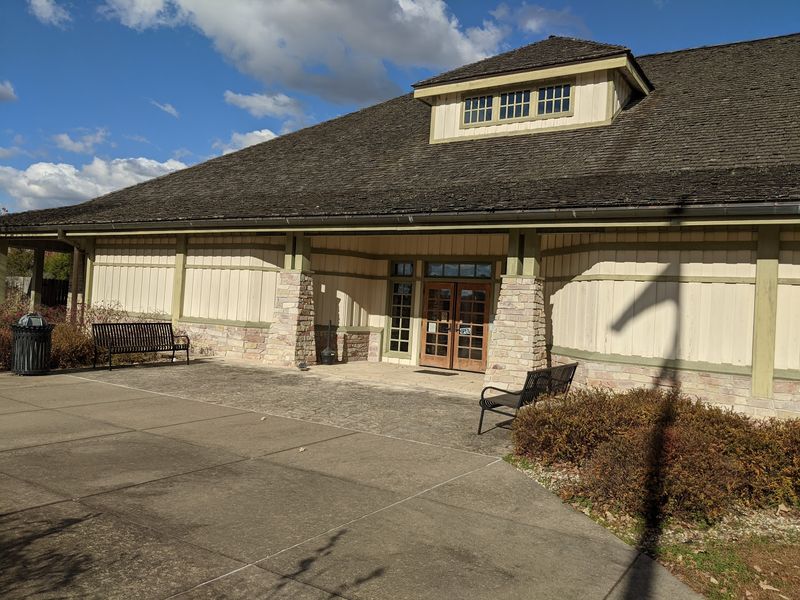
Several trailheads in towns along the route offer parking, drinking water, and restrooms. Splitting a long ride into shorter town-to-town hops makes logistics simple, especially with kids in tow.
Vienna deserves a stop no matter where you start. The town’s former railroad station now works as a visitor center, complete with interpretive displays and extra facilities.
Kids can learn about the trains that once ran here, then hop right back on their bikes.
Want to stretch the fun into a weekend? A newer campground in Karnak offers tent sites for about $10 per night, each with a picnic table and fire ring.
Roasting marshmallows after a long ride might be the cheapest memory your family makes all year.
Pack a flashlight for the tunnel, bring plenty of water, and choose wider tires if you have them. Spring, summer, and fall are the best seasons to visit, with autumn color drawing many riders back every year.
Why This Old Grade Earns A Spot On Your List
Flashy attractions come and go, but a humble railroad bed that has been welcoming riders since 1998 has a quieter kind of staying power.
Everything about the Tunnel Hill State Trail rewards slowing down. You get a dark, echoing tunnel, a towering trestle, forests and wetlands full of turtles and deer, and little towns with names tied to the old railroad.
All of it comes wrapped in a gentle grade that welcomes nearly any rider.
Families on a budget will appreciate how little the day can cost. Pack sandwiches, fill water bottles at a trailhead, and maybe grab a $10 tent site in Karnak if you want to stay overnight.
The memories easily outweigh the gas money.
Nostalgia lovers get their fill as well. Riding where steam trains once carried peaches, apples, and coal connects you to a version of Illinois that many folks have nearly forgotten.
Is it the fanciest outing in the state? Probably not, and that is exactly the charm.
For a peaceful, affordable adventure kids will brag about, this southern Illinois treasure deserves a weekend on your calendar, especially when fall color arrives.