
This Illinois Japanese Marketplace Packs A Food Court, Sushi Bar, Bakery, And Hard-To-Find Imports Under One Roof
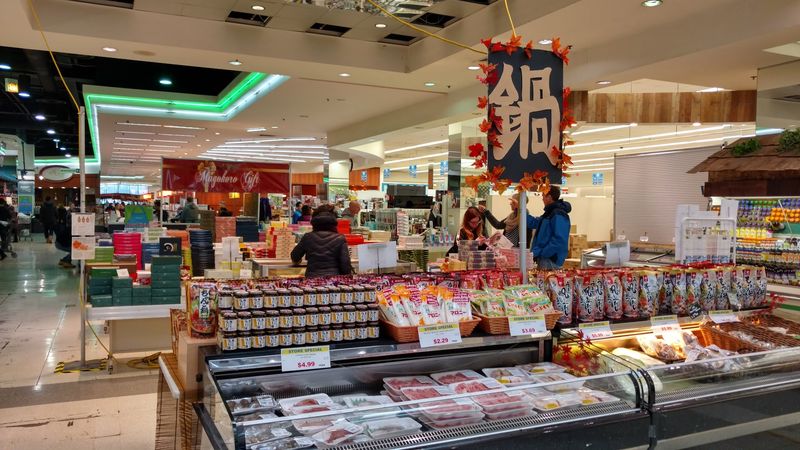
Melon bread, gacha machines, and a steaming bowl of spicy miso ramen all wait inside one suburban Illinois building that looks like an ordinary grocery store from the parking lot. Step through the doors, though, and the signs switch to Japanese, the bakery smells drift your way, and the whole family suddenly has a dozen things to point at.
It’s an indoor outing that feels like a trip overseas without the plane ticket. Bring an empty stomach and a little curiosity, because this stop rewards both.
A Slice Of Japan On Algonquin Road
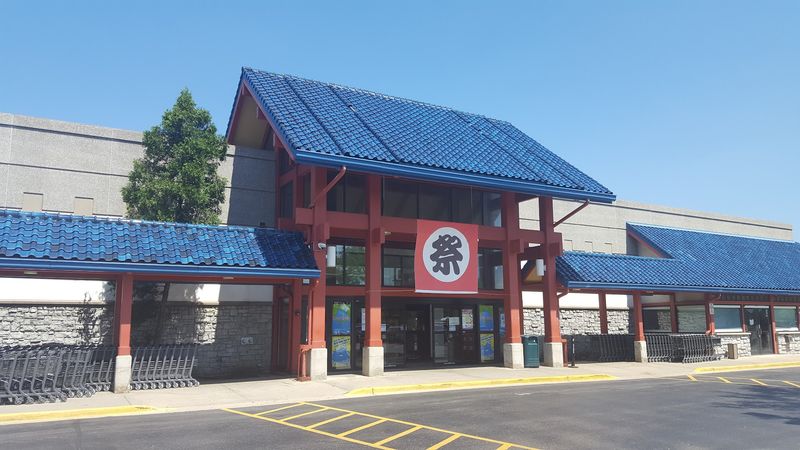
Arlington Heights sits in Chicago’s northwest suburbs, and at 100 E Algonquin Rd you’ll find Mitsuwa Marketplace, often called the largest Japanese and Asian marketplace in the Midwest. From the outside, it reads like a regular supermarket.
Inside, it’s a full-blown cultural day trip.
The building holds a complete Japanese grocery store, a busy food court with several independent counters, a sushi and deli section, a bakery, and specialty shops selling books, cosmetics, appliances, and housewares. It’s the kind of place where a quick errand quietly turns into a three-hour adventure.
For Illinois families, the appeal is simple. You don’t need a passport, a reservation, or an admission ticket to wander the aisles, try new snacks, and eat lunch together.
Walking around costs nothing, and many people come just to explore even when nothing specific is on their list.
Plenty of folks also treat it as a practice run before an actual trip to Japan, studying packaging and tasting dishes they’ve only seen online. Others simply want a change of scenery on a gray Saturday.
Either way, the marketplace delivers a surprising sense of being somewhere far away while staying comfortably close to home.
Memories From The Early 2000s And A Fresh Remodel
Ask around and you’ll meet people who first visited back in high school Japanese club trips during the early 2000s. Many of them still return, and the common reaction is that the place feels bigger and better than they remembered.
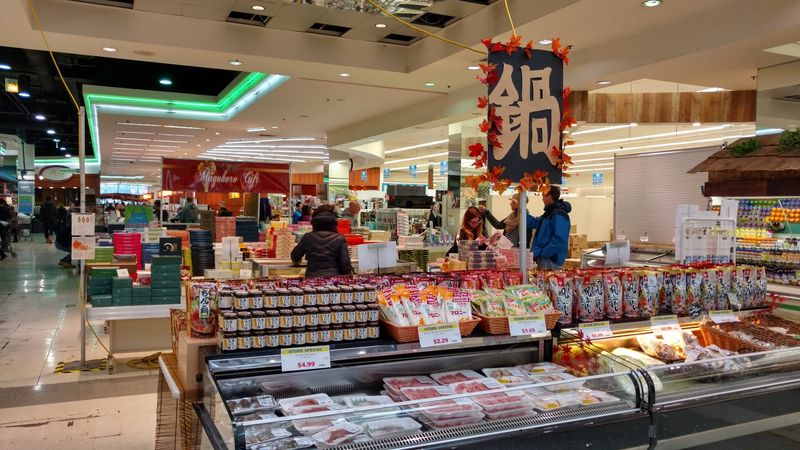
Recent renovations have given the interior a polished, roomy feel. Shoppers frequently point out how clean and organized the store stays, with a layout that makes it easy to move between sections without feeling lost.
Even the restrooms earn praise for being tidy, which any parent with small kids will appreciate.
There’s a certain charm in a spot that has stuck around long enough to become part of people’s personal stories. A grandparent who once bought rice crackers here can now bring the grandkids for ramen, and the place still sparks that same wide-eyed wonder.
The overall feeling is cozy, almost like stepping into a neighborhood market in Japan. Japanese packaging lines the shelves, and very little is written in English, which adds to the sense of discovery.
Context clues and friendly staff fill in the gaps. Rather than a polished tourist attraction, it remains a working grocery store first, which is exactly why it feels so genuine.
The Food Court That Steals The Show
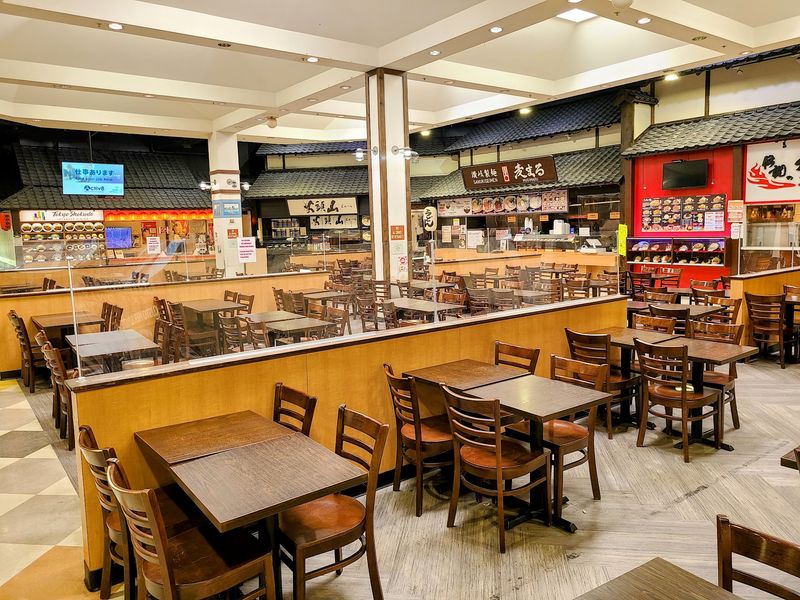
Go hungry. That’s the single best tip for a first visit, because the food court is reason enough to make the drive.
Multiple counters line the space, each serving its own specialty, so everyone in the group can order something different and still sit together.
Santouka Ramen draws crowds for rich bowls, and the spicy miso version makes a satisfying lunch. Sutadon-Ya serves hearty pork bowls, while other stations offer udon, crispy tempura, and katsudon, the comforting pork cutlet rice bowl.
A beef and noodle bowl can arrive quickly, fill you up, and leave your wallet mostly intact.
Save room for dessert. A matcha stall scoops green tea and vanilla soft serve, a cool finish after a steaming bowl of noodles.
Fair warning about the seating area. It gets crowded, especially on weekends, and the setup resembles an old-school mall food court more than a fancy dining room.
Tables turn over fast, and sometimes you’ll need to give one a quick wipe yourself. Still, the food options are far more interesting than the usual pretzel and pizza lineup, and that trade-off feels worth it for most families chasing an affordable, memorable meal.
Fresh Sushi, Bento, And Deli Favorites
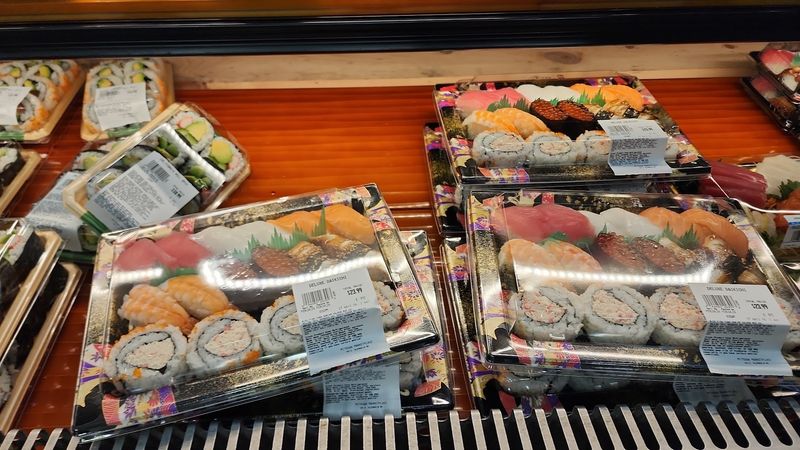
Raw fish lovers, this corner is for you. Mitsuwa NAGOMI Sushi and Deli prepares sushi with premium rice and fresh fish, and shoppers consistently describe the selection as fresh and delicious.
Grab-and-go is the name of the game here. You can pick up individual rolls for a quick bite or large family-sized sushi packs that make sharing simple at home or at a picnic table later.
Bento boxes, onigiri rice balls, and deep-fried Japanese chicken round out the ready-to-eat options.
Mochi also appears in the deli lineup, soft and chewy, making a handy sweet bite for kids who aren’t sure about seaweed just yet. Picky eaters often find something familiar, like fried chicken, while adventurous ones can test new flavors without committing to a full restaurant meal.
Here’s a practical idea for summer road trips or busy weeknights. Swing by, load up on a family sushi pack and a few onigiri, and you’ve got dinner handled for a price that compares nicely with takeout.
The seafood counter in the grocery section also stocks beautifully cut fish for anyone who’d rather roll their own sushi at home, turning one shopping stop into a fun kitchen project.
Melon Bread, Mochi, And Crepe Cake
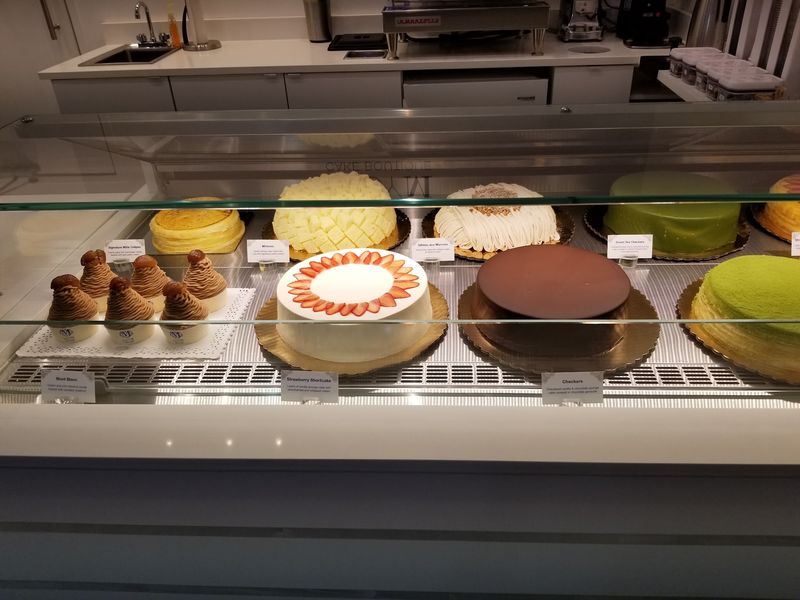
Follow your nose. The bakery fills nearby aisles with the smell of fresh bread, and it’s hard to walk past without stopping.
Traditional Japanese treats lead the lineup. Look for red bean cakes, savory curry cakes, soft mochi, and melon bread, a sweet bun with a crackly cookie-like top that, despite its name, usually tastes more like sugar crust than melon.
Roll cakes are another popular pickup, light and fluffy with a gentle sweetness.
Staff carefully pack each item, a small touch that makes even a single pastry feel like a gift. That care is part of the charm.
Beyond the bakery case, a famous Japanese chocolate brand offers fresh chocolates along with a much-loved crepe cake built from thin layered crepes and cream. A separate mochi shop adds even more chewy variety.
For families, a bakery stop works as an inexpensive treat to reward patient shoppers or a sweet snack to nibble while exploring the rest of the building. Grabbing a few different pastries and splitting them around the table becomes its own little tasting game.
Kids tend to remember the funny-shaped breads long after the drive home.
Aisles Full Of Hard-To-Find Imports
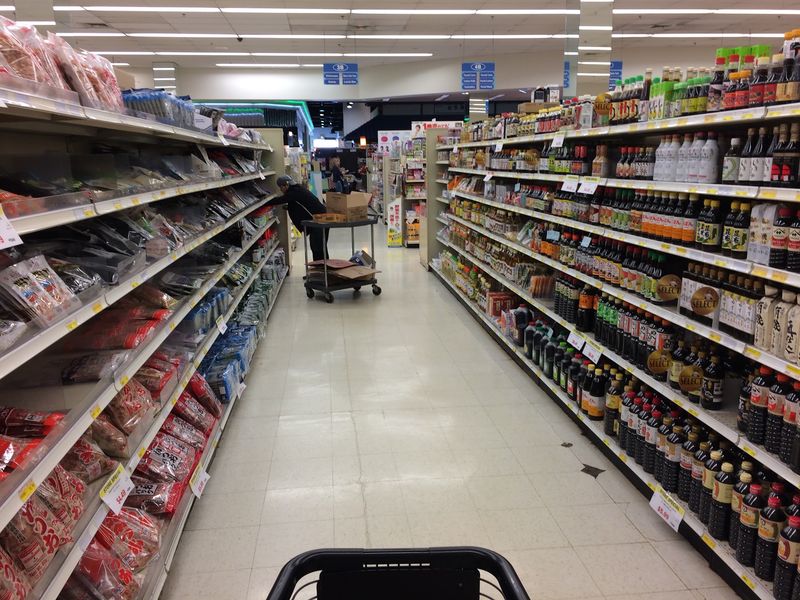
Shelves stacked with colorful snack bags, bottles of authentic sauces, and dozens of instant ramen varieties make the grocery side a treasure hunt. Many products come straight from Japan and simply don’t show up at regular Illinois supermarkets.
Pantry staples, fresh vegetables, premium meat cuts, seasonal ingredients, and seafood all share space here. Imported Japanese strawberries sometimes appear, a rare sight that tends to stop shoppers in their tracks.
Rice crackers are a sneaky favorite, the kind people wish they’d bought more of on the way out.
Prices land in a fair range for imported goods, and plenty of shoppers call them reasonable or even competitive. Families on a budget can set a small snack allowance and let each kid pick one mystery treat.
Beyond food, the store carries cosmetics, body care, housewares, and small appliances. Some Korean makeup brands have joined the mix, too.
Since much of the labeling is in Japanese, reading packages becomes part of the fun, and helpful staff are quick to offer recommendations if you get stuck.
One note for budget planners: EBT is not accepted here, so plan your payment method before you go.
Manga, Gacha Machines, And A Crowd Worth Watching
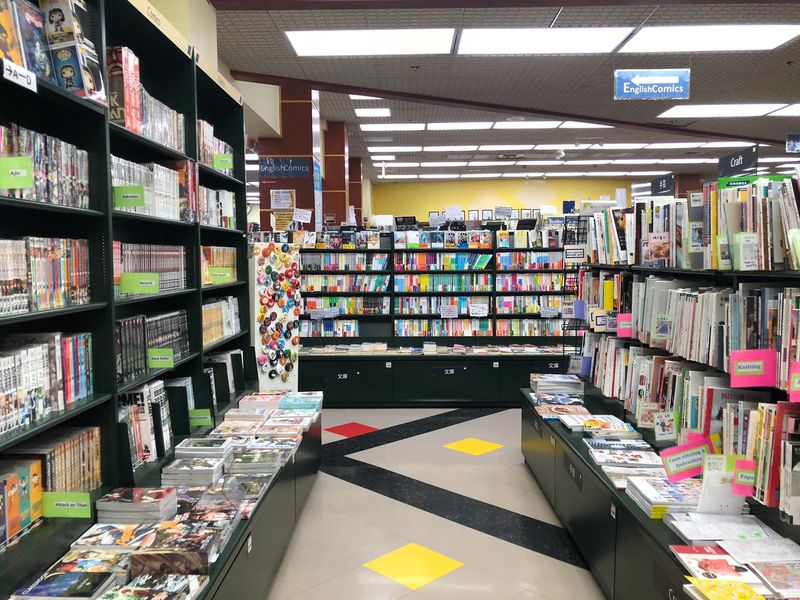
Teenagers might drag you here for a completely different reason. A bookstore inside the marketplace stocks imported manga, Japanese magazines, stationery, and figures, and it’s a favorite stop for anime fans of every age.
Nearby, rows of gacha machines dispense capsule toys with a satisfying twist of the handle. There’s even a shop dedicated to gunpla, the buildable Gundam model kits beloved by hobbyists.
It’s no surprise that some kids choose this spot for birthday outings.
People watching is half the entertainment. Cosplayers sometimes shop in full costume, adding a playful buzz to the aisles.
That energy does come with crowds, especially on weekends. If you prefer more personal space, a weekday morning visit may feel calmer.
Still, the bustle feels lively rather than stressful for most visitors, and the uniqueness makes it worth navigating.
Who suits this place best? Curious eaters, anime lovers, home cooks hunting specific ingredients, and families looking for a rainy-day or winter outing that keeps everyone busy indoors.
Friendly, welcoming staff help make first-timers feel at ease, so nobody needs to be an expert in Japanese culture to have a wonderful time wandering.
Planning Your Visit, Plus A Friendly Verdict
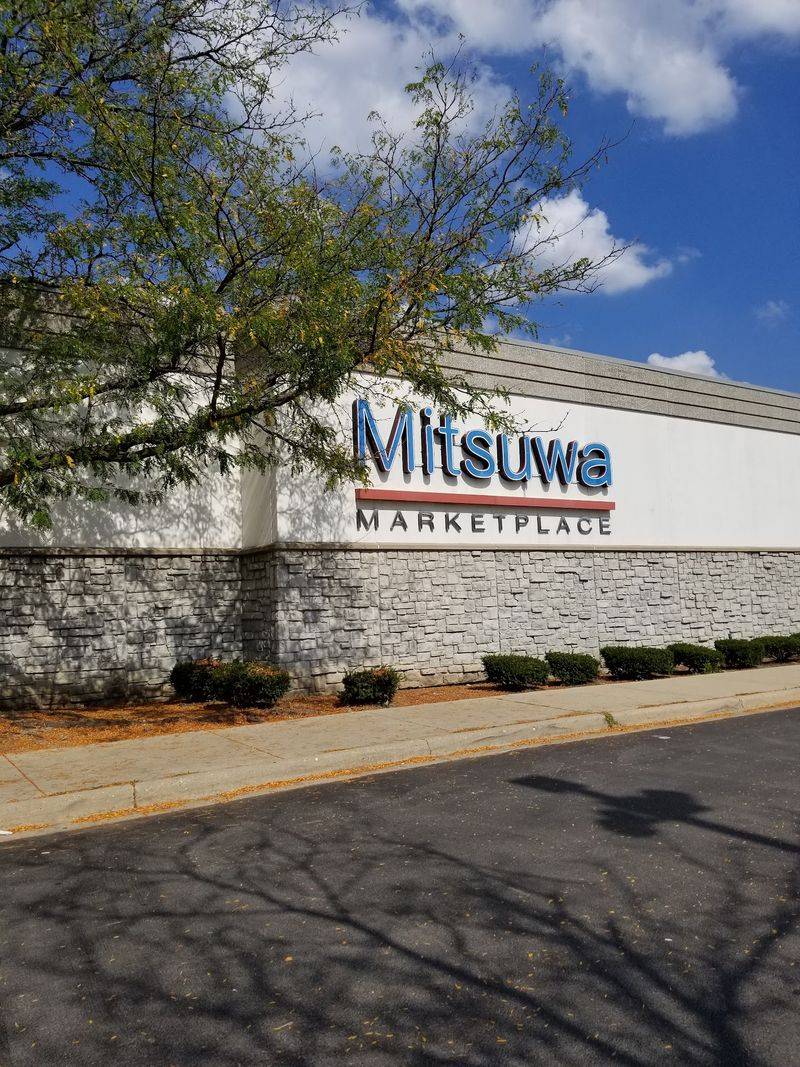
Good news for early birds: doors open at 9 a.m. every single day, and the marketplace stays open until 8 p.m., seven days a week. That steady schedule makes it easy to fit into a weekend errand run or an after-school treat.
Parking is a breeze thanks to a huge lot, so getting in and out is usually simple even when the inside feels busy. Arlington Heights is a manageable drive from much of Chicagoland and the northwest suburbs.
A few planning tips help. Arrive hungry, budget a little extra for snacks you didn’t plan to buy, and consider a weekday for lighter crowds.
EBT isn’t accepted, so bring another form of payment.
Budget-wise, browsing is free, and a family can share a filling food court lunch and a bakery treat without overspending. It’s an affordable way to feel like you’ve traveled somewhere new.
So is it worth the trip? For anyone who enjoys good food, unusual finds, and a little cultural adventure, the answer leans toward a cheerful yes.
It’s the kind of Illinois outing people quietly start planning to repeat before they’ve even reached the car.