
This Georgia Town Has A Gold Rush History That Started Before California’s
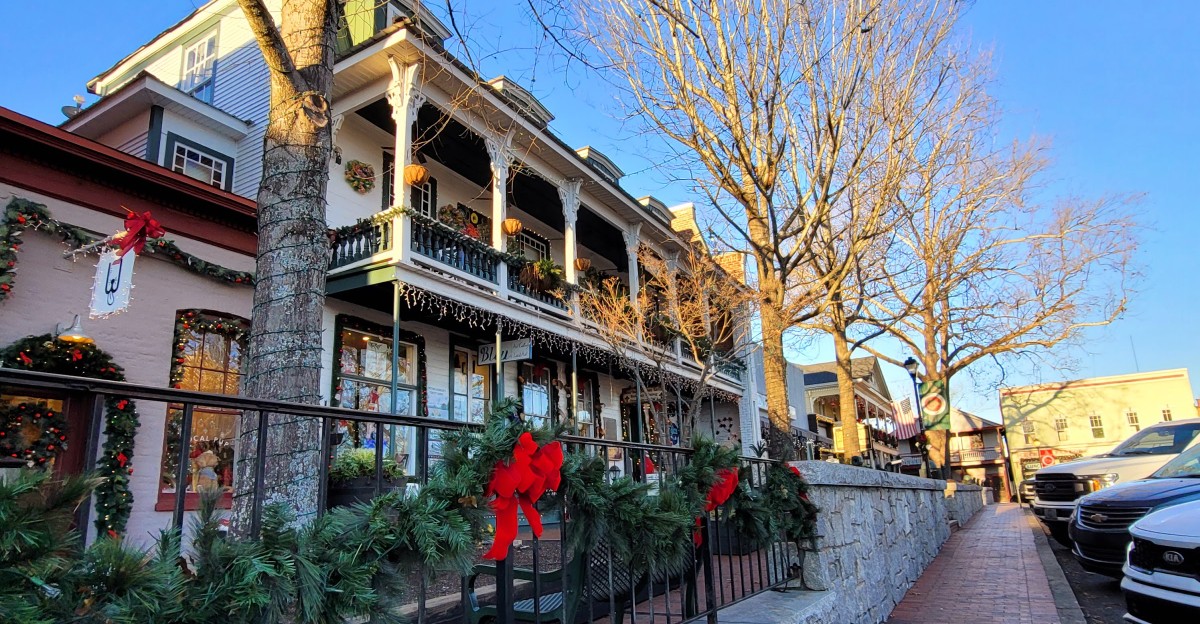
The phrase “There’s gold in them thar hills!” didn’t come from California. It traces back to a mint assayer in north Georgia who begged miners not to leave for the West in 1850.
That plea makes total sense once you learn the local gold rush began back in 1828. California’s famous rush showed up about two decades later.
I can’t imagine how wild those early years must have felt.
The gold here also tests around 98.7 percent pure. Some of it even covers the dome of the Georgia State Capitol in Atlanta.
I like how a small mountain town quietly holds that kind of bragging right.
Today, you can still pan for gold and hold coins struck right on site. So where exactly did America’s first big gold rush really start?
America’s First Big Gold Rush Started Right Here, Not Out West
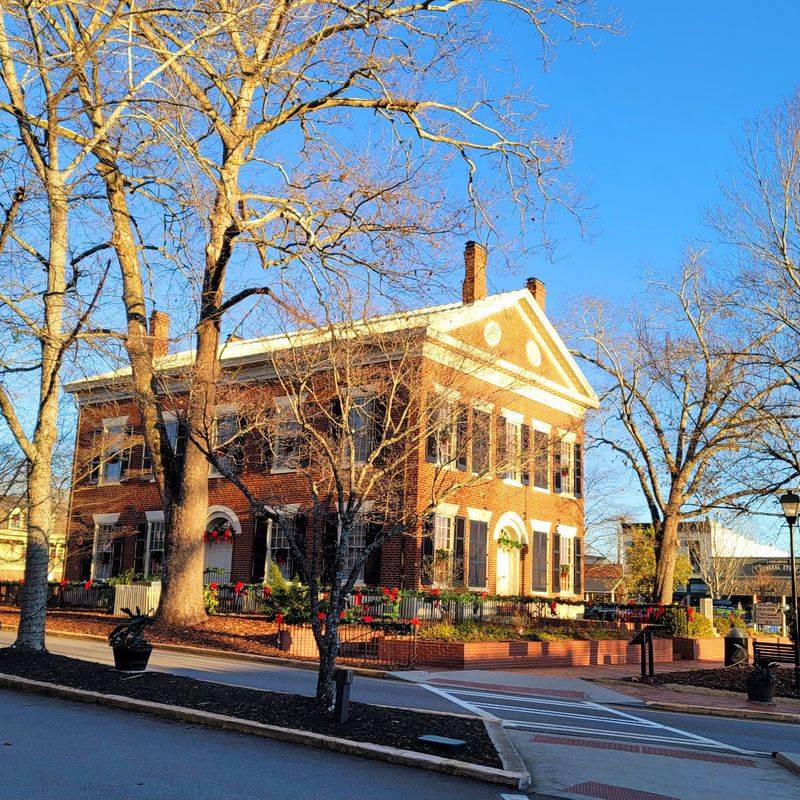
Most history books point to California in 1849. Dahlonega, Georgia, had already been buzzing with gold fever since 1828.
That year, a man named Benjamin Parks reportedly stumbled onto gold while walking through the woods. By 1829, prospectors were pouring into the north Georgia mountains with pans and big dreams.
Boomtowns popped up fast. One of them, Auraria, grew nearby as miners chased every glittering rumor.
The town’s name carries the story too. Dahlonega comes from a Cherokee word often translated as yellow or gold, sometimes yellow money.
The gold rush also has a painful side. Gold on Cherokee land increased pressure to push the Cherokee Nation out of their homeland.
That pressure fed into the Indian Removal Act of 1830 and the Trail of Tears in 1838 and 1839. Knowing this makes a visit feel deeper and more honest.
So when someone brags about California, you can smile politely. Georgia had a twenty-year head start on the whole shiny business.
That fact alone is worth a road trip. It’s also a great conversation starter at any dinner table.
The Courthouse Museum Holds A Nugget You’ll Want To Stare At
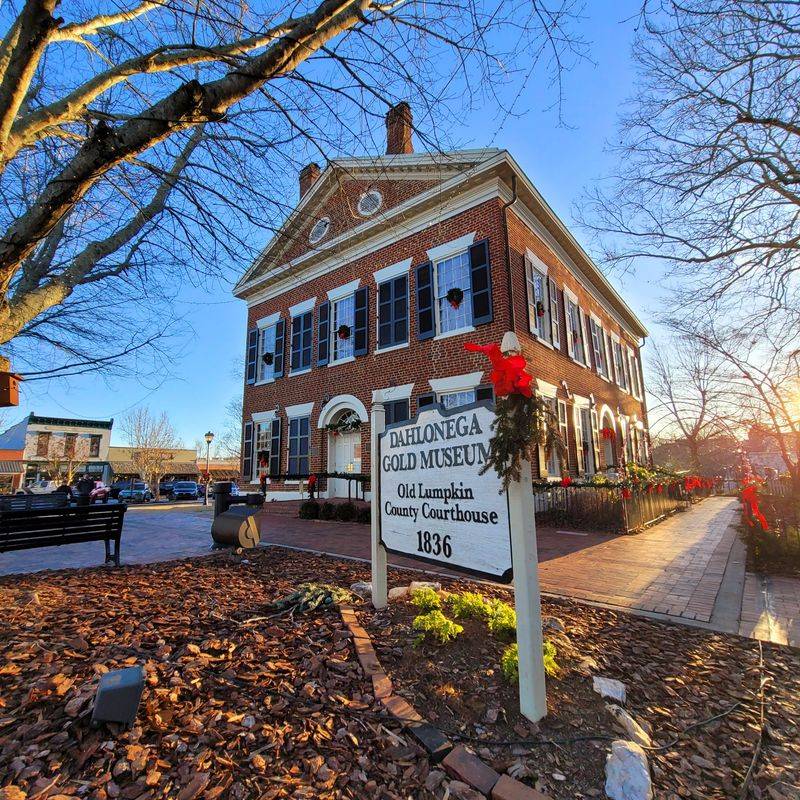
Built in 1836, the old Lumpkin County Courthouse ranks among the oldest courthouses in Georgia. Today it serves as the Dahlonega Gold Museum State Historic Site.
You’ll find it at 1 Public Square, Dahlonega, GA 30533. It sits right in the heart of town, so it’s easy to work into any visit.
Inside, the showstopper is a gold nugget weighing over five ounces. Good luck walking past that without leaning in close.
The museum also holds a complete collection of gold coins minted in Dahlonega. A large hydraulic cannon shows how miners once blasted hillsides with water.
A 17-minute high-definition film explains mining techniques and daily life for prospectors. It’s a smart place to start before heading to the mines.
The building has two floors and no elevator. A second film covers upstairs exhibits for anyone who can’t manage the stairs.
There’s a gift shop for souvenirs. Restrooms sit across the street at the visitors center, which is handy to know ahead of time.
The museum opens daily, with shorter Sunday hours. It closes on certain holidays, so check before you go.
Coins Stamped With A Tiny D Are Little Pieces Of Treasure
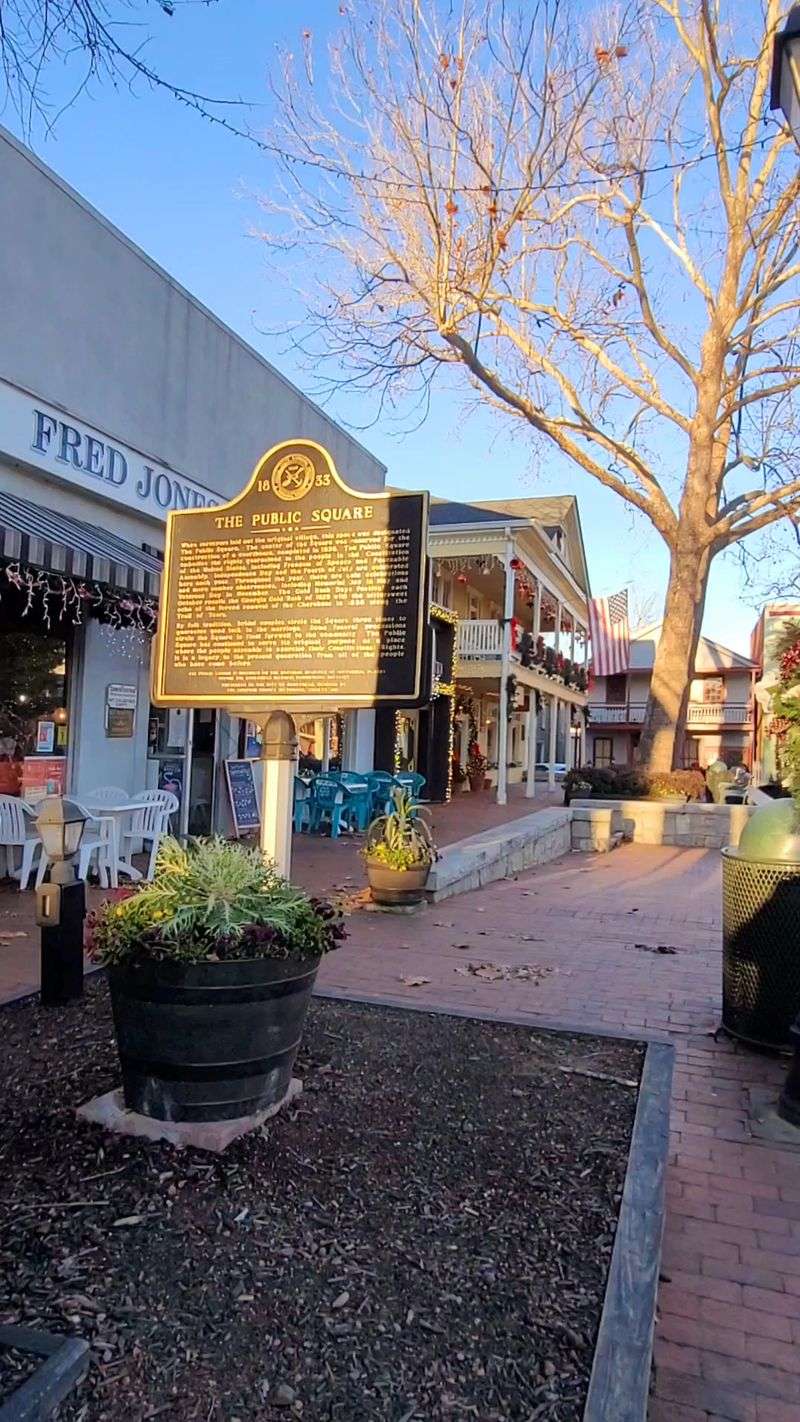
A single letter made these coins famous. Gold pieces struck in Dahlonega carried a small D mint mark.
So much gold came out of the hills that the federal government stepped in. A U.S.
Branch Mint opened in Dahlonega in 1838.
It ran until 1861, turning local gold into official coins. Collectors still prize those D-marked pieces today.
The mint also gave the town its most famous quote. In 1850, assayer Dr. Matthew F.
Stephenson reportedly urged miners to stay put rather than rush to California.
His line, “There’s gold in them thar hills,” stuck around for nearly two centuries. Not bad for a speech meant to stop people from packing their bags.
The mint building later found a new purpose. A college was founded there in 1873, and that school grew into today’s University of North Georgia.
You can see a complete set of Dahlonega-minted coins at the gold museum. Seeing them together really shows how busy this little mint once was.
Honestly, that tiny D might be the most stylish letter in Georgia history.
You Can Head 200 Feet Underground And Feel Like A Real Miner
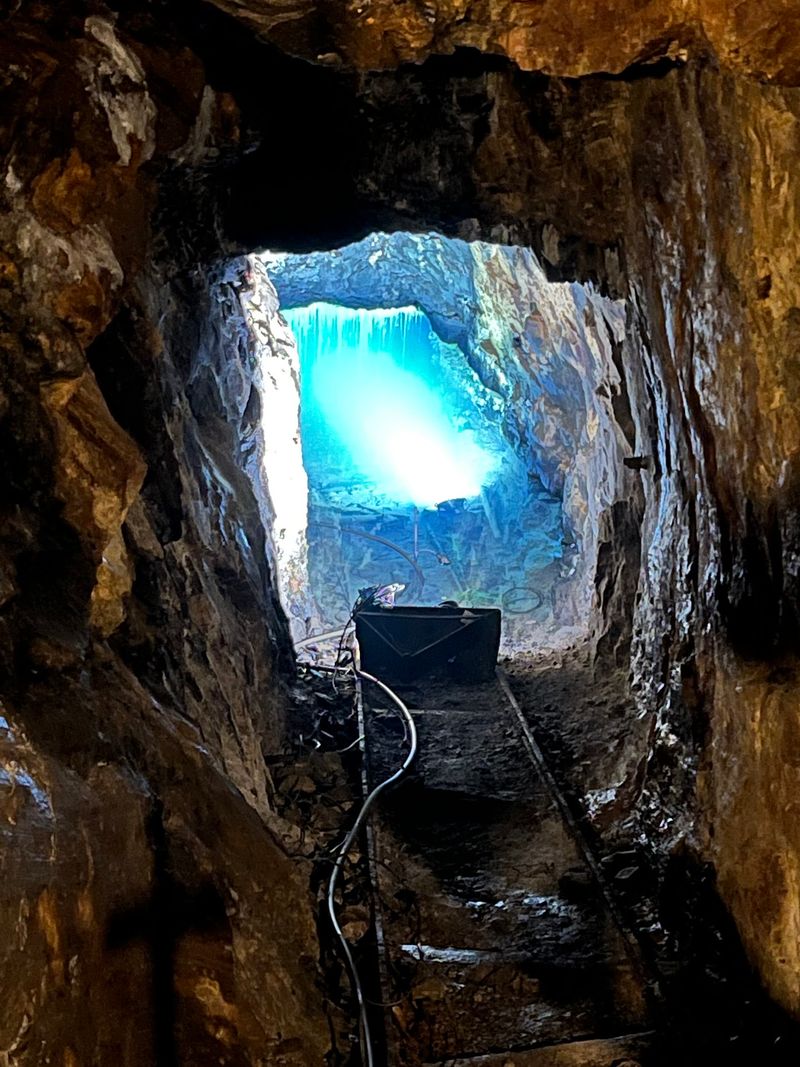
Two hundred feet below the surface is not where most vacations happen. At Consolidated Gold Mine, that’s exactly the point.
This spot offers the only underground gold mine tour in Dahlonega. The guided trip lasts about 40 minutes and takes you deep into the mine.
The underground mine dates to around 1900. Walking those tunnels gives you a real sense of how hard miners worked for every flake.
Once you’re back in daylight, you can try gold panning. Anything you find is yours to keep, which makes every swirl of the pan exciting.
Gemstone mining is another option for kids and grown-ups. An on-site lapidary studio can even cut raw gems into jewelry.
The address is 185 Consolidated Gold Mine Road, Dahlonega, GA 30533. It’s open every day, though it closes on some holidays.
Weekday mornings can bring longer waits because of large groups. Afternoons may be a smarter pick if you want a smoother visit.
Bring a Visa, MasterCard, Discover, or cash. American Express and personal checks aren’t accepted, so plan ahead.
Panning Here Means Real Gold That Goes Home In Your Pocket
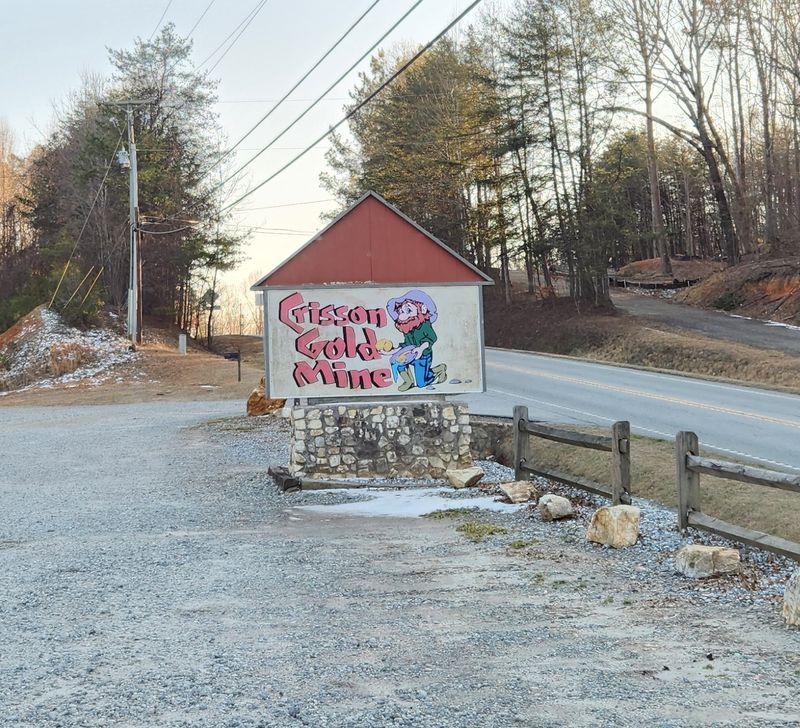
Dahlonega gold tests at about 98.7 percent pure, which is over 23 karats. That purity makes every tiny flake at Crisson Gold Mine feel extra special.
Crisson is an active open-pit gold mine. Visitors can pan for gold and mine for gems like rubies, emeralds, sapphires, and amethyst.
Everything you find goes home with you. Kids tend to treat each glint like a winning lottery ticket.
The site also has an open-air museum filled with historic mining equipment. The star is an old stamp mill that still works to crush gold-bearing quartz.
Watching machinery that old still doing its job is pretty impressive. It shows how miners pulled gold from solid rock long before modern tools.
A big rock and mineral shop sits on site too. Custom jewelry services can turn your finds into something wearable.
You’ll find Crisson at 2736 Morrison Moore Parkway E, Dahlonega, GA 30533. It’s open seven days a week, rain or shine.
It closes only on Thanksgiving and Christmas Day. That makes it an easy plan for almost any weekend.
Grab A Pan And Try Your Luck In The Creeks For Free
Here’s a fun surprise for budget travelers. Recreational gold panning is allowed in most streambeds around Dahlonega.
You only need a shovel and a pan. No special permits or fees are required for this simple kind of prospecting.
The Tesnatee River is one of the places where folks try their luck. It’s a chance to chase gold the same basic way miners did back in 1829.
Don’t expect to retire on your haul, of course. Still, finding even a speck in a mountain creek feels like a small victory.
A good tip is to practice first at one of the mines. Learning how to swirl and wash the pan there makes creek panning much easier.
Wear shoes that can get wet and bring a bag for snacks. Mountain streams can be chilly, even on warm Georgia days.
Respect private property and stay where panning is welcome. Leaving the creek as clean as you found it keeps the fun going for everyone.
Plus, nothing beats a free adventure with gold as the prize.
Local Gold Shines On The Dome Of Georgia’s Capitol
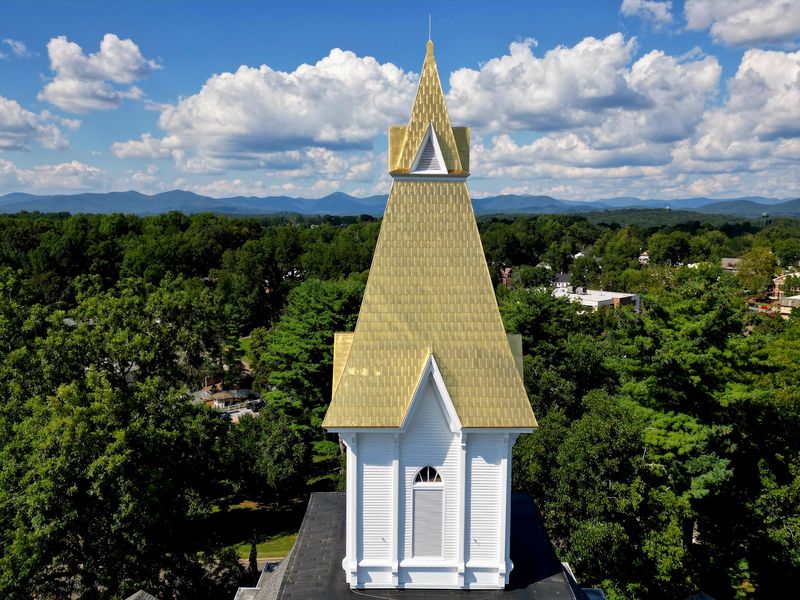
Forty-three ounces of pure gold cover the dome of the Georgia State Capitol in Atlanta. That gold came from Dahlonega and Lumpkin County.
So every time sunlight hits that famous dome, a little piece of this mountain town shines downtown. It’s a fun fact to share on your next Atlanta trip.
Dahlonega has its own golden dome too. Price Memorial Hall at the University of North Georgia features a gold-leaf dome you can spot on campus.
The university has a big story of its own. It started in 1873 inside the old mint building.
It also holds an impressive first. It was the first state-supported college in Georgia to grant a degree to a woman.
Seeing the campus dome adds a nice bonus to a downtown stroll. It connects the gold rush to the education and growth that followed.
Gold didn’t just make people rich here. It helped shape buildings, schools, and even the state’s most recognizable rooftop.
Few small towns can claim that kind of reach. Dahlonega wears it well.
A Strange Old Diving Bell Proves Miners Got Creative
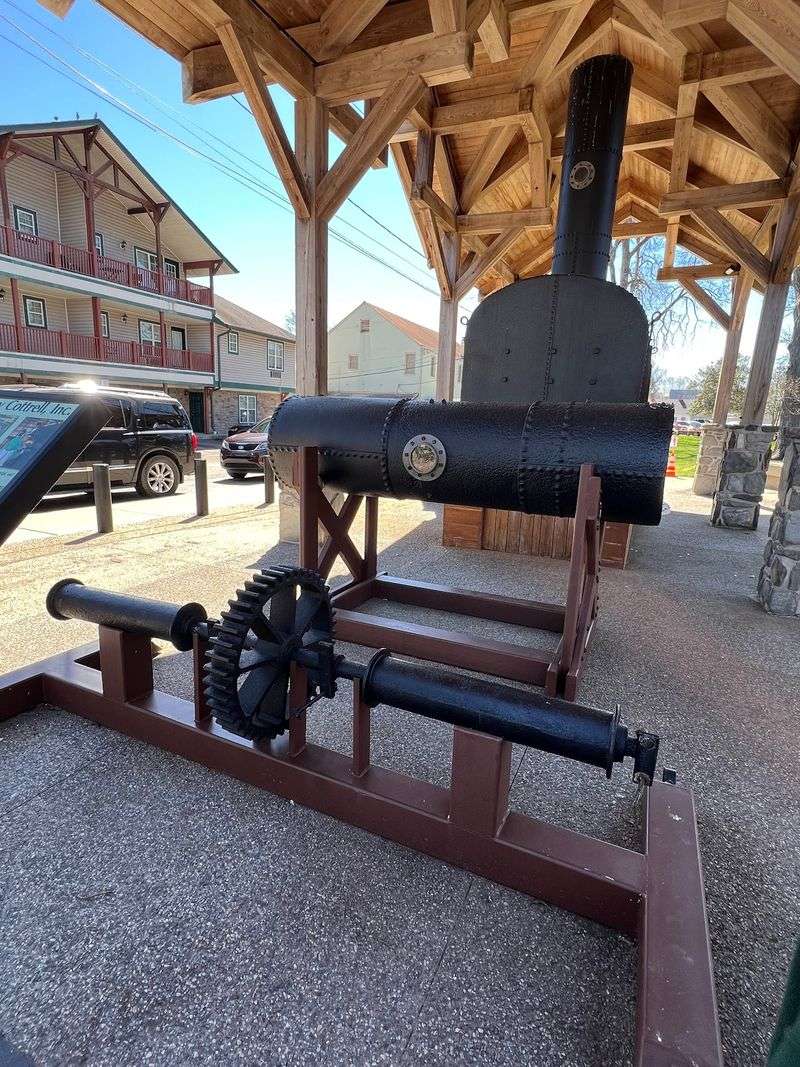
Some miners stuck to picks and pans. Others built a submersible and went looking for gold underwater.
The Chestatee River Diving Bell is a rare 19th-century machine. It was used for gold mining in the Chestatee River between 1875 and 1876.
The idea was bold. Workers could reach the riverbed and search for gold that had washed downstream over time.
It shows just how determined people were, decades after the first rush began. Even when easy gold got scarce, the search kept going.
I love this piece because it breaks the usual image of a miner. Instead of a lone guy with a pan, picture an early underwater gadget.
Odd inventions like this make the area’s history feel surprisingly inventive. Gold fever clearly sparked some wild engineering ideas.
The diving bell adds a quirky stop to your gold-themed day. Kids especially enjoy seeing something that looks borrowed from an old adventure novel.
It’s a reminder that this mining story kept evolving. Clever minds kept finding new ways to reach the treasure.
Start At The Visitors Center And Save With A Gold Fever Deal
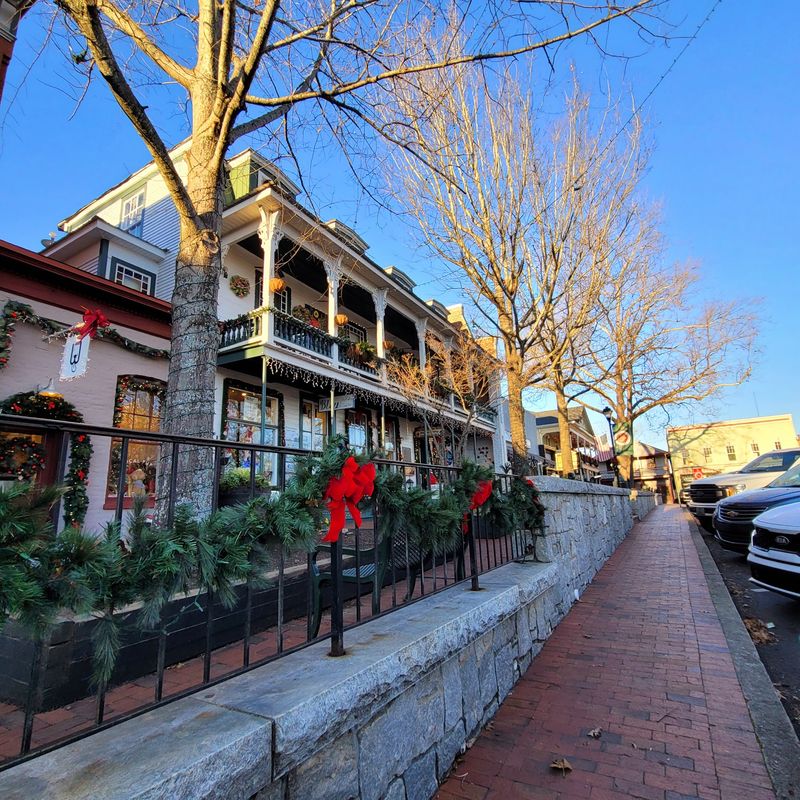
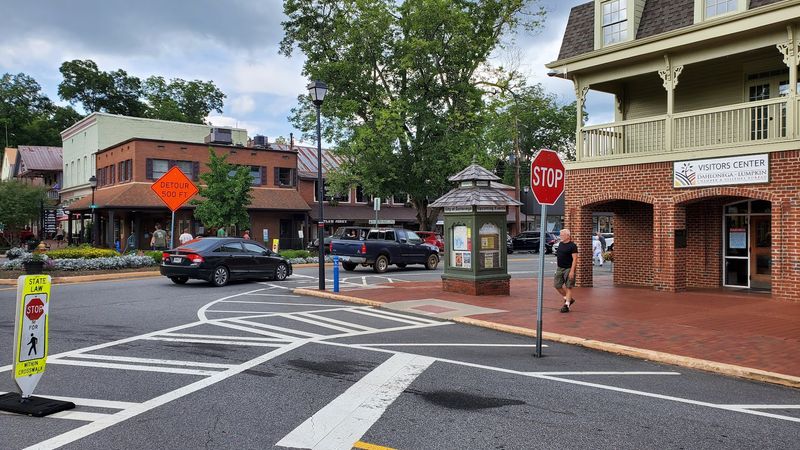
Smart travelers stop for a map before chasing treasure. The Dahlonega-Lumpkin County Visitors Center makes that step easy.
It sits at 13 South Park Street, Dahlonega, GA 30533. That’s right across from the gold museum on the square.
Staff can help you sort out mines, museums, and outdoor stops. The center opens daily, which helps with last-minute plans.
Ask about the Gold Fever Package. It bundles discounted tickets to the Dahlonega Gold Museum, a tour at Consolidated Gold Mine, and panning at Crisson Gold Mine.
That combo covers the best of the gold story in one swoop. History, underground tunnels, and real panning all fit into a single trip.
Public restrooms are here too. That’s useful, since the museum across the street doesn’t have its own.
Beyond the gold, the north Georgia mountains offer waterfalls like towering Amicalola Falls nearby. It’s an easy add-on for a longer weekend.
Dahlonega packs a lot of history into a small town. Grab a pan, follow the shine, and see where the story began.