
Visitors To This Kentucky Cave Once Found Tuberculosis Patients Living Underground
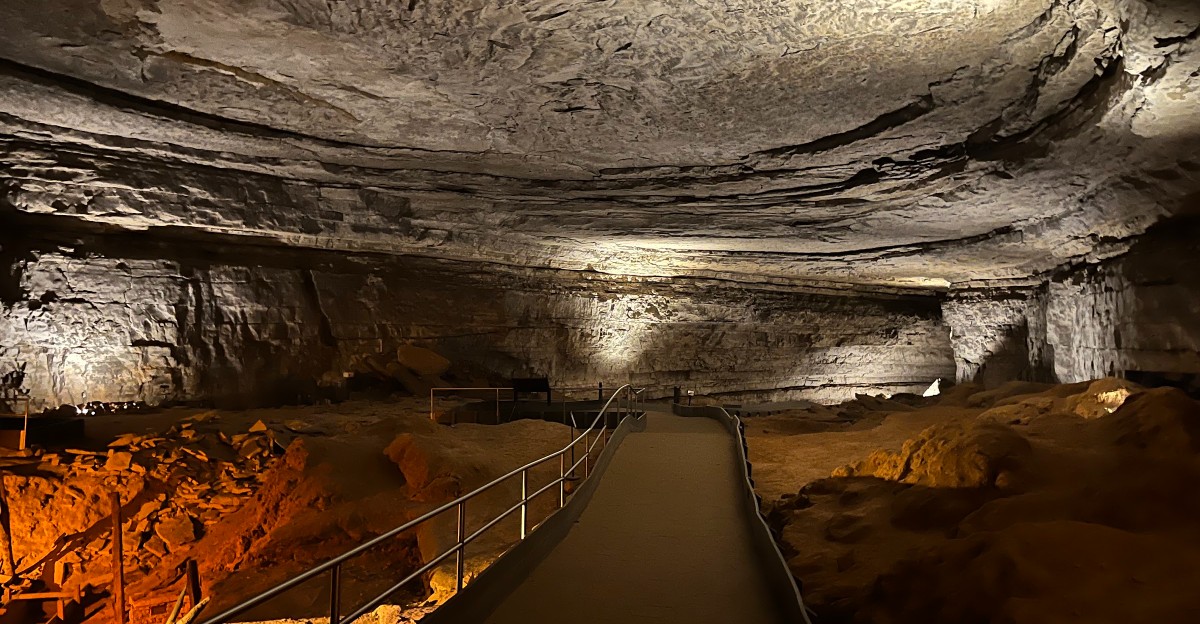
In 1842, a group of tuberculosis patients moved into a cave, hoping the underground air would improve their health. They lived in small stone huts deep below the surface, far removed from ordinary life.
A doctor had purchased the cave and established the settlement as a place for patients seeking relief. During guided tours, visitors passed by the huts where patients once lived, bringing two very different worlds into the same underground space.
It’s difficult to imagine what that experience must have been like for both patients and visitors. For those seeking treatment, the cave offered hope at a time when tuberculosis had few effective remedies.
Remarkably, two of the original stone huts still stand in Kentucky today.
Their walls preserve a little-known chapter in the history of tuberculosis treatment and the unusual lengths people once went to in search of a cure.
A Doctor Once Bet Big On Cave Air As Medicine
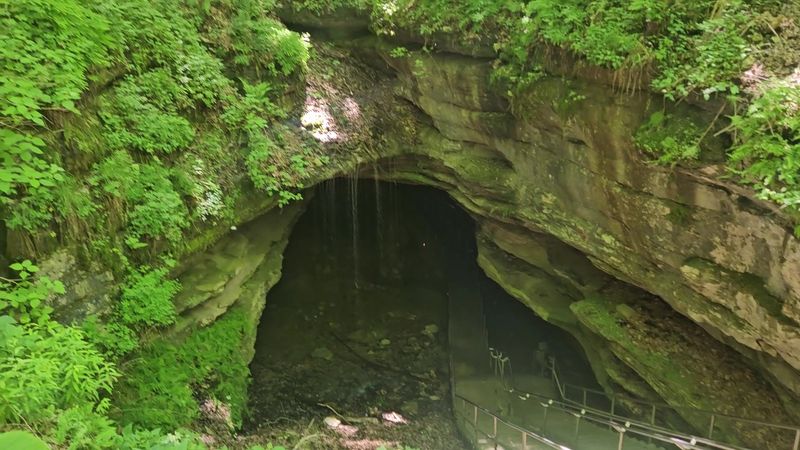
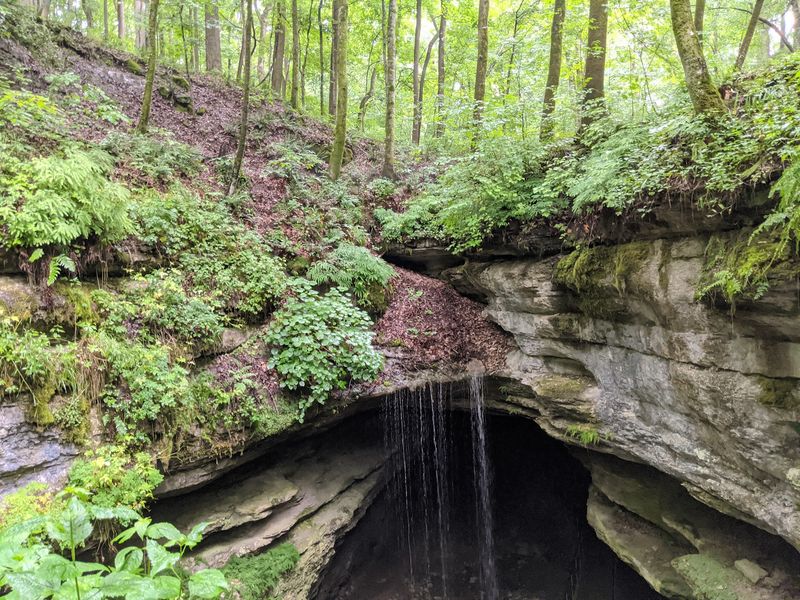
Dr. John Croghan had a bold idea in 1839. He bought the cave that’s now the heart of Mammoth Cave National Park, and he believed its steady air could heal lungs.
Back then, tuberculosis was a frightening illness with no real cure. Doctors guessed at treatments, and fresh, clean air was a popular theory.
Croghan noticed the cave stayed cool all year, close to 54 degrees. He figured that steady temperature and humidity might help patients breathe and recover.
So in 1842, he invited people with tuberculosis to move underground. Yes, actually move in, not just visit for an afternoon.
Honestly, you have to admire the confidence. He wasn’t some random dreamer either, because he was a trained physician from a well-known Louisville family.
His idea sounds wild now, but it came from real hope. Medicine in the 1840s often worked by trial and error, and this was one very ambitious trial.
When you visit, remember that the cave you’re touring was once treated like a hospital. That thought adds a whole new layer to every step you take underground.
The Stone Huts Still Stand After More Than 180 Years
Two small stone buildings sit quietly inside the cave today. They’re leftovers from the tuberculosis experiment, and they’ve lasted since the 1840s.
Patients lived in these huts, along with others made of wood. Most of the wooden ones are long gone, but the stone ones held on.
Think of them as the world’s most unusual tiny homes. No windows with a view, no sunrise, and definitely no backyard barbecue.
The huts sit along a historic route in the cave. Certain guided tours pass right by them, so you can see them with your own eyes.
Here’s a smart tip for planning. Tour offerings change by season, so check which tours visit the huts before you book.
Seeing them in person hits differently than reading about them. These walls sheltered real people who were scared, sick, and hopeful all at once.
Bring a little patience and a lot of curiosity. Ask your ranger questions, because the stories behind these huts are surprisingly rich and personal.
Life Underground Was Rougher Than Anyone Hoped
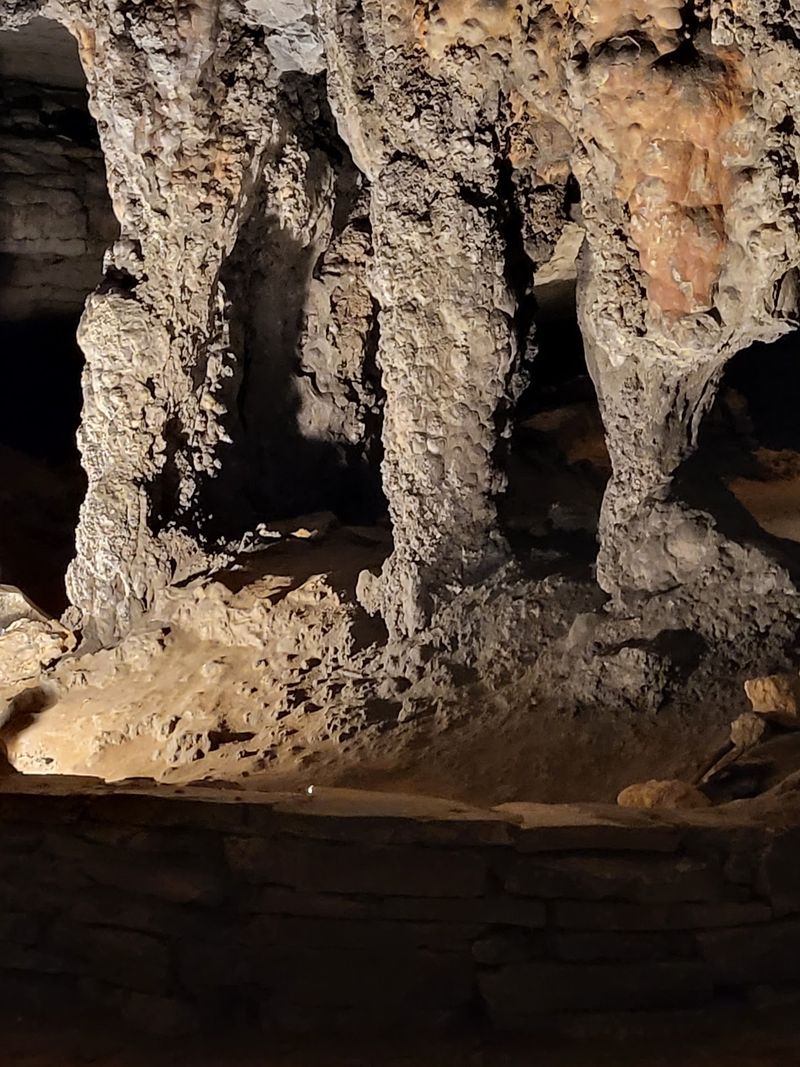
Sunshine was not on the menu. Patients spent months underground, relying on lamps and candles for light while fires provided heat and a way to cook meals.
Those cooking and heating fires filled the cave with smoke. For people already struggling with tuberculosis, breathing smoky air only made life harder.
The constant underground temperature didn’t bring the relief Dr. Croghan had hoped for. Instead of recovering, many patients continued to grow weaker.
By 1843, the experiment had ended. The remaining patients left the cave, and the unusual attempt to treat tuberculosis was considered a failure.
It’s a sobering story, but an important one. It shows how far people were willing to go in search of relief before effective tuberculosis treatments existed.
Dr. John Croghan himself later passed away from tuberculosis in 1849. That detail makes the whole chapter feel even more personal.
Today, the surviving stone huts offer a reminder of that difficult experiment. Seeing them helps visitors appreciate both the desperation of the patients and how far medicine has come since those smoky underground days.
Tourists Were Strolling By The Whole Time
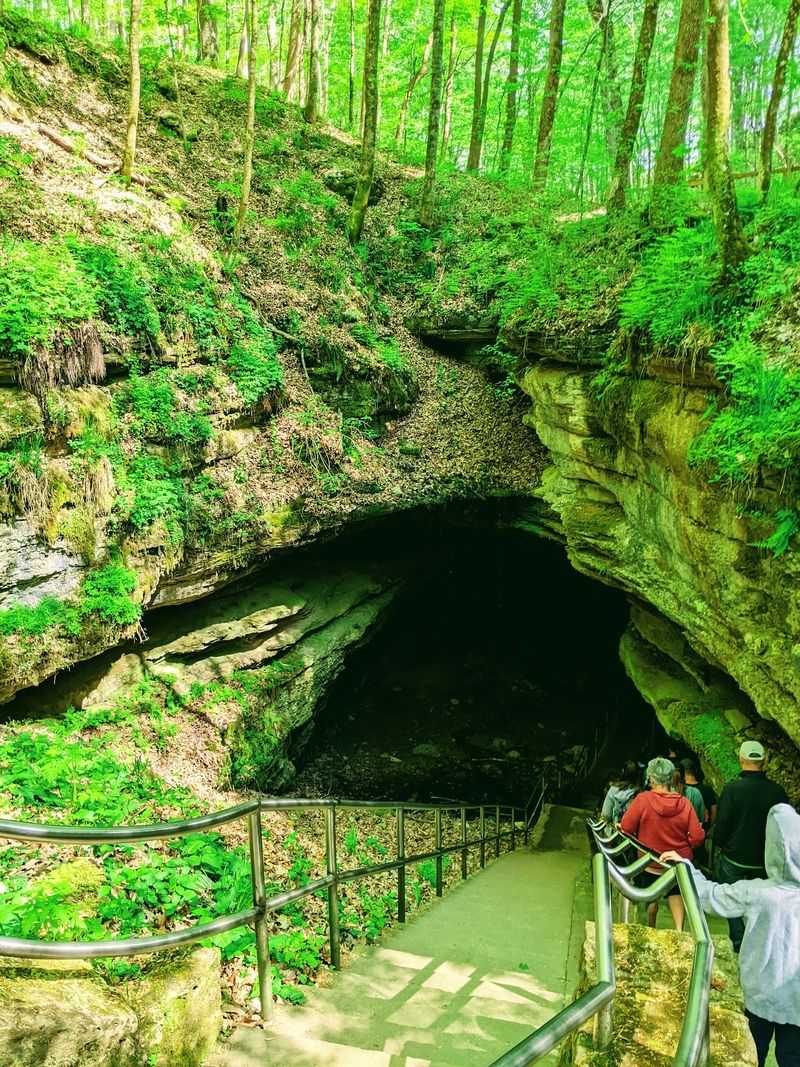
Talk about awkward neighbors. While patients lived in their huts, paying tourists kept touring the cave right past them.
Mammoth Cave was already a big attraction in the 1840s. Visitors traveled long distances to see its giant rooms and twisting passages.
So picture a fancy tour group with oil lamps. Suddenly, they pass people who actually live down there, coughing in the gloom.
Some accounts describe the patients looking pale and ghostly to visitors. You can see why the story still gives people chills.
It also shows how famous this Kentucky cave was, even back then. Few spots in America drew crowds so early in tourism history.
Guides from that era became legends too. Stephen Bishop, an enslaved guide, explored and mapped huge sections of the cave during this time.
Today, you’re part of that long line of curious explorers. Every tour adds another chapter to more than two centuries of visitors wandering these passages.
You’re Exploring The Longest Known Cave System On Earth
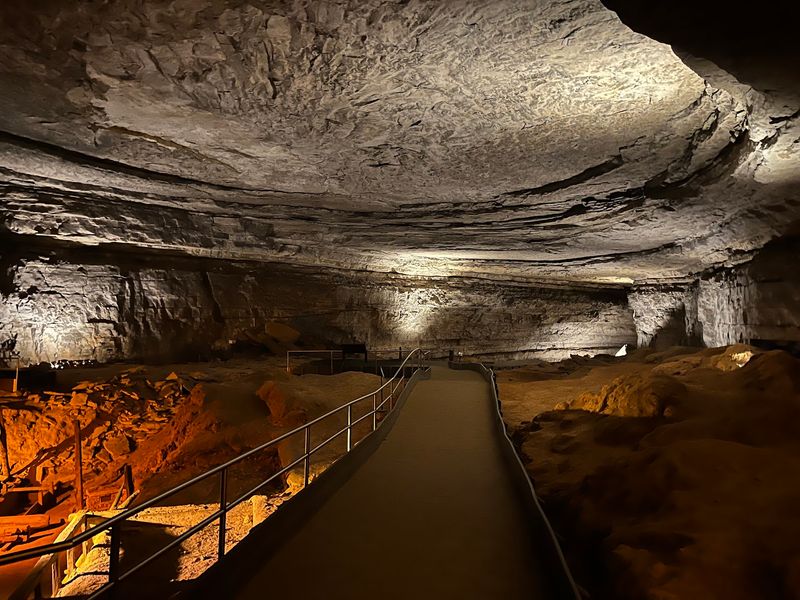
More than 400 miles of passages have been mapped here. That makes Mammoth Cave the longest known cave system in the world.
And explorers keep finding more. The total grows over time as survey teams push deeper into unmapped spots.
For perspective, that’s longer than driving across many entire states. All of it twists beneath the hills of south-central Kentucky.
Mammoth Cave National Park was established in 1941. It’s also a UNESCO World Heritage Site and the heart of an international biosphere region.
You won’t see all 400 miles, obviously. Even the most dedicated cave fans only see small slices on guided tours.
Still, those slices are incredible. Huge rooms, narrow squeezes, and layered rock walls tell a story millions of years in the making.
Pack a light jacket, even in summer. The cave stays cool year-round, so you’ll appreciate an extra layer once you head underground.
Pick A Tour That Matches Your Adventure Level
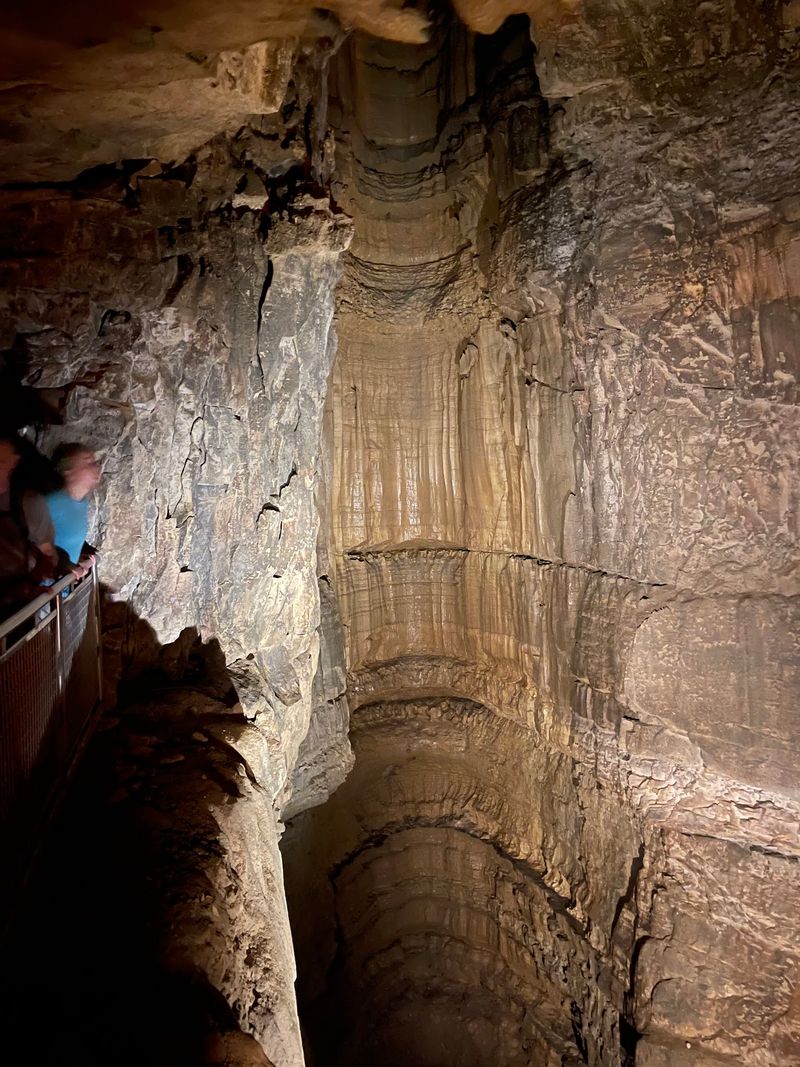
Some people want a gentle walk, while others want to crawl. Good news, the park offers ranger-led tours for very different comfort levels.
The Historic Tour is a classic choice. It covers famous passages connected to the cave’s early history and stories.
Shorter options work well for families with young kids. Longer, more physical tours suit visitors who don’t mind stairs, hills, or tight spaces.
Wild cave tours exist too, and they’re no joke. Expect helmets, headlamps, and plenty of crawling through narrow passages.
Tickets often sell out during busy seasons. Reserving ahead through the official reservation system is a smart move.
Read each tour description carefully before choosing. Some include many stairs, which matters if anyone in your group has knee or mobility concerns.
Wear sturdy shoes with good grip. Cave floors can be uneven and damp, and flip-flops are a fast ticket to regret.
Start Your Visit At The Visitor Center
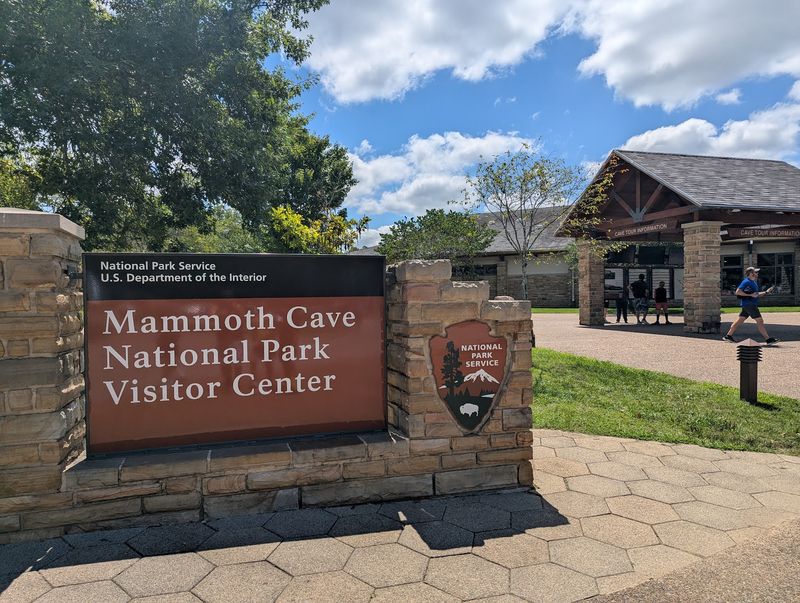
Every great cave day needs a home base. At Mammoth Cave National Park, that’s the visitor center at 1 Mammoth Cave Pkwy, Mammoth Cave, KY 42259.
This is where many tours begin. You can pick up tickets, ask rangers questions, and get your bearings before heading underground.
Exhibits inside explain the cave’s geology and human history. It’s a great place to learn about the tuberculosis experiment before seeing the huts.
Arrive early, especially in summer. Giving yourself extra time helps you avoid that frantic rush to make your tour on time.
The park sits in south-central Kentucky. It’s an easy drive from Interstate 65, which makes it simple to reach from Louisville or Nashville.
Restrooms, a park store, and nearby lodging make the area convenient. You can turn a short visit into a full day without much effort.
Don’t forget your camera, though rules can vary inside tours. Ask your guide before snapping photos underground.
The Fun Keeps Going Above Ground
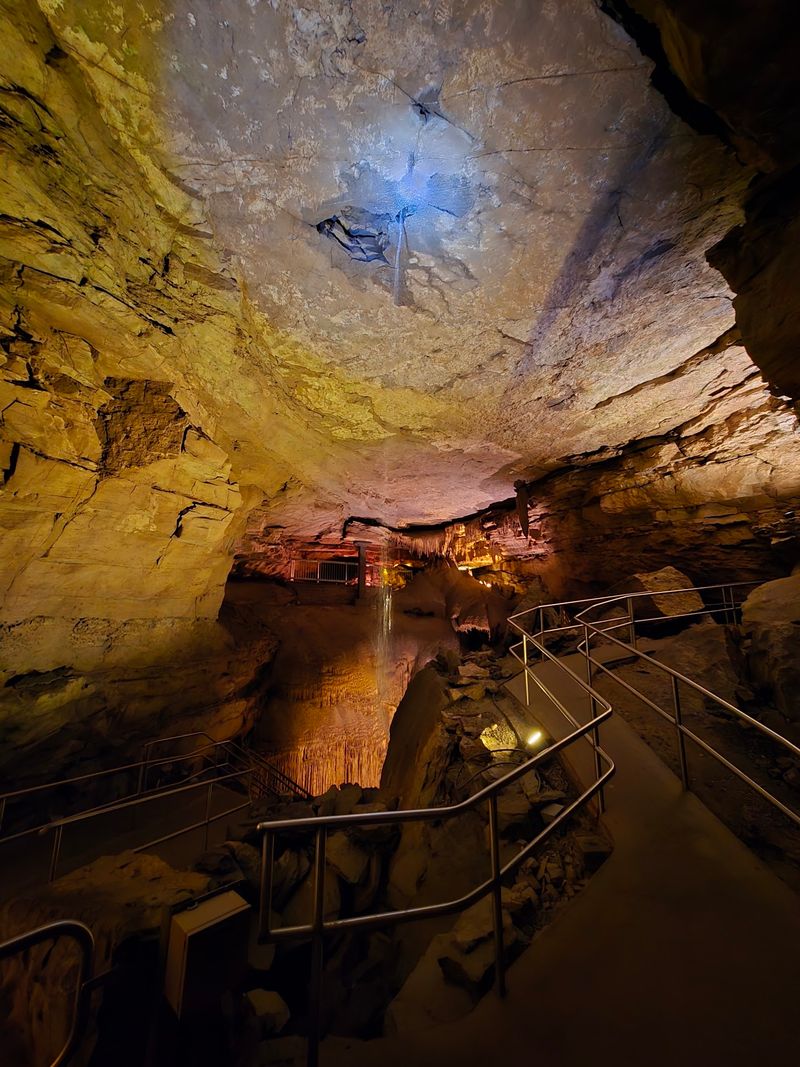
Plenty of folks skip the surface, and that’s a mistake. The park covers over 52,000 acres of forest, rivers, and rolling hills.
More than 80 miles of trails wind through the park. You’ll find options for hikers, horseback riders, and mountain bikers.
The Green River and Nolin River flow through the area too. Canoeing and kayaking are popular ways to see the park from the water.
Campgrounds give you a chance to stay overnight. Falling asleep under the stars feels extra sweet after a day spent underground.
Wildlife sightings add bonus excitement. Deer and wild turkeys are common, so keep your eyes open on the trails.
Short trails near the visitor center lead to spots like the cave’s Historic Entrance. It’s a quick, rewarding walk even if your schedule is tight.
Bring water and bug spray in warmer months. Kentucky summers can get humid, and the woods love a good mosquito party.
Bats And White-Nose Rules Keep The Cave Healthy
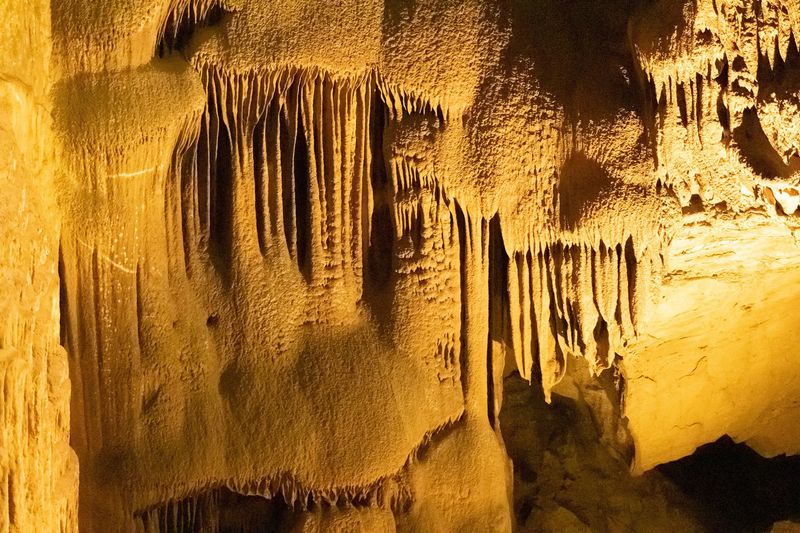
After all those stories about sickness, here’s a modern health twist. The park now works hard to protect its bats from white-nose syndrome.
This fungal disease has hit bat populations across North America. It can spread on clothing and shoes that have been in other caves.
That’s why visitors walk across special mats after some tours. It’s a simple step that helps keep the fungus from spreading.
If you’ve visited other caves recently, tell a ranger. They may ask you to avoid wearing the same gear.
Bats matter more than you’d guess. They eat huge numbers of insects, which helps forests and farms across Kentucky.
The cave also shelters unusual creatures like eyeless fish and cave shrimp. Some live nowhere else on Earth.
So when you visit, you’re stepping into a living ecosystem. Respect it, follow the rules, and those tiny residents will thank you in their own quiet way.