
This Arizona Museum Is Packed With Shrunken Oddities, Old West Curiosities, And Thousands Of Strange Little Treasures
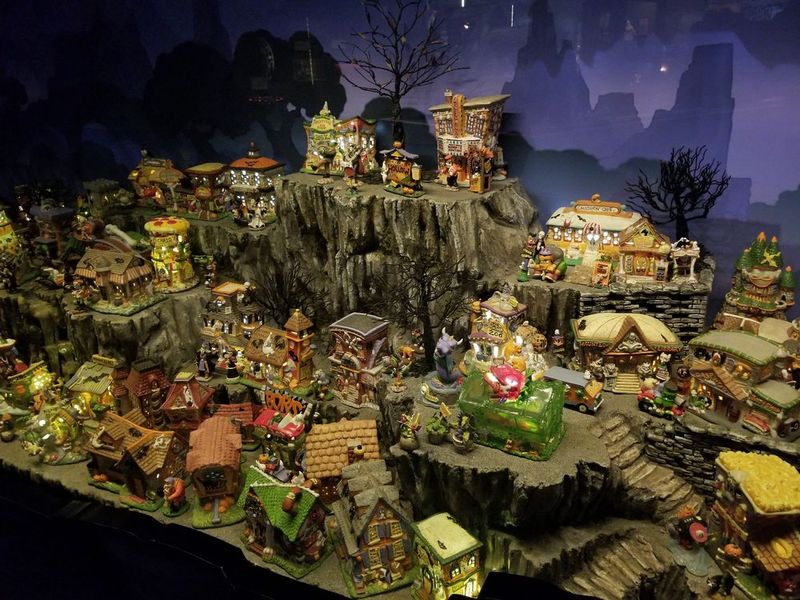
One dollhouse in a southern Arizona museum dates all the way back to 1742. That makes it older than the United States, and it isn’t even close.
The tiny wonders keep stacking up from there. The collection holds more than 500 dollhouses and roomboxes, plus pencil tips carved into art and a miniature set of Shakespeare bound in leather.
One little house holds over 30 animated figures.
I love that the whole thing traces back to a young girl and a set of wooden doll furniture in the 1930s. She grew up, kept collecting, and helped build a place where small things tell huge stories.
Dollhouse fans aren’t the only ones who get pulled in, either.
So how many surprises can fit inside a space the size of a shoebox? These ten prove the answer is a lot more than you’d guess.
1. The Enchanted Realm Tree
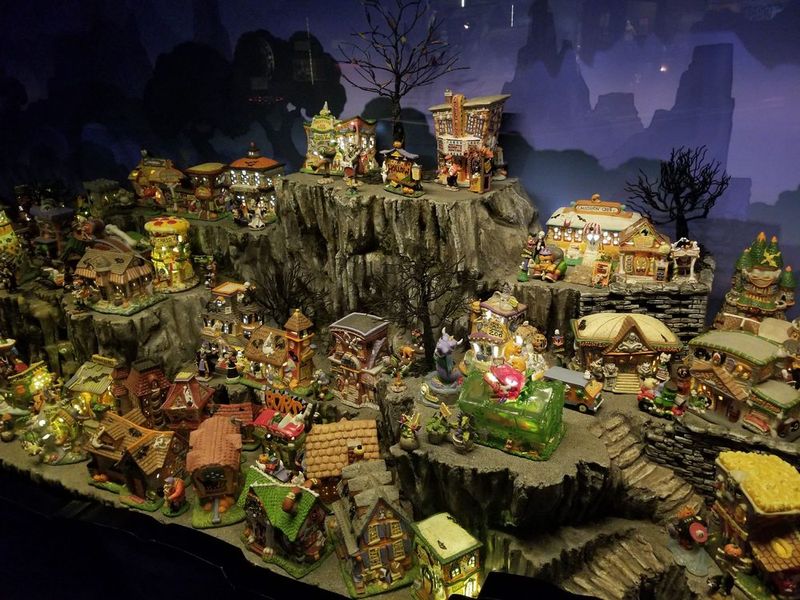
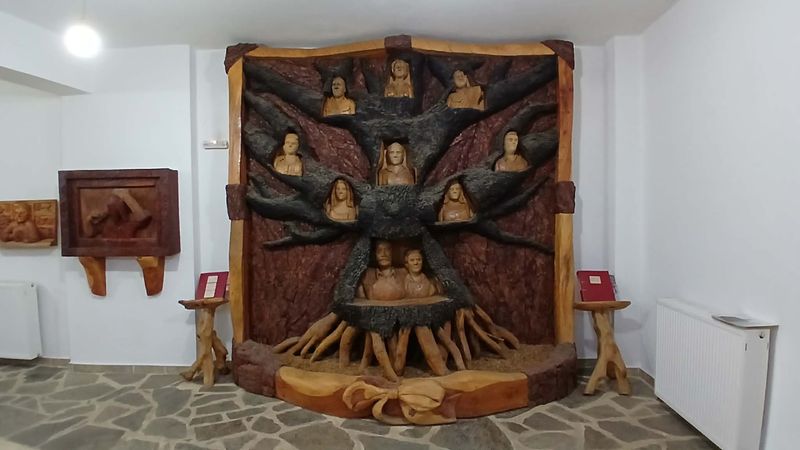
A tree with faces sounds like the start of a bedtime story. At this Tucson museum, it’s the centerpiece of a gallery called the Enchanted Realm.
The tree was designed by a former Disney Imagineer, and that background shows in the details. Its faces shift through different moods and themes as you circle around it.
One side leans into a winter wonderland. Another brings in fairytale magic, while a third goes full spooky Halloween.
That mix is what makes it fun for such a wide range of visitors. Little kids can hunt for their favorite season, and grown-ups can admire the craft behind each tiny scene.
The museum also builds interactive moments into its exhibits. Visitors can engage with the miniature scenes and look for hidden surprises tucked around the displays.
So slow down here instead of rushing past. Miniatures reward patient eyes, and this tree is basically a scavenger hunt with roots.
It sets the tone for the whole visit too. Before you see a single antique dollhouse, you learn that small things here are meant to spark wonder, not just sit behind glass looking polite.
Address: 4455 E. Camp Lowell Drive, Tucson, AZ 85712
2. The Snow Village
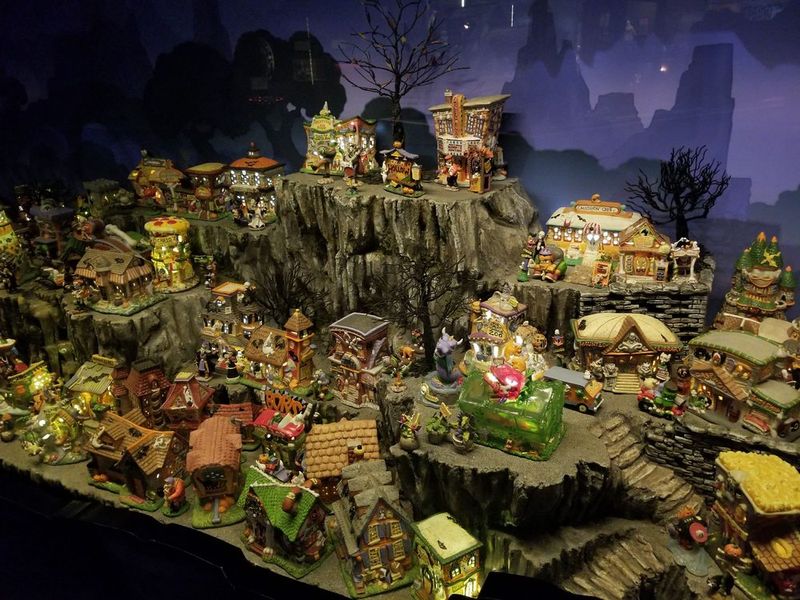
Snow in Tucson is rare enough to make the local news. Inside the Enchanted Realm, though, a whole village stays frosted year-round.
The snow village sits within the same fantasy-focused gallery as the famous tree. It gives desert dwellers a little taste of winter without any shoveling.
Honestly, that might be the best kind of winter. You get the charm of snowy rooftops and tiny streets, and you can still walk back out into Arizona sunshine afterward.
Miniature villages like this invite you to lean in close. Your eyes start picking out small figures, buildings, and scenes that you’d miss at a quick glance.
It’s also a great stop for families with younger kids. A snowy town at eye level feels like a storybook come to life.
Plan to visit during the hot months if you want the full contrast. Few things feel as funny as staring at a snowy village while the parking lot outside bakes.
The museum is open Tuesday through Sunday from 9 a.m. to 4 p.m. It closes Mondays and major holidays, so plan your frosty escape accordingly.
Address: 4455 E. Camp Lowell Drive, Tucson, AZ 85712
3. The Montastrea Steampunk Spaceship
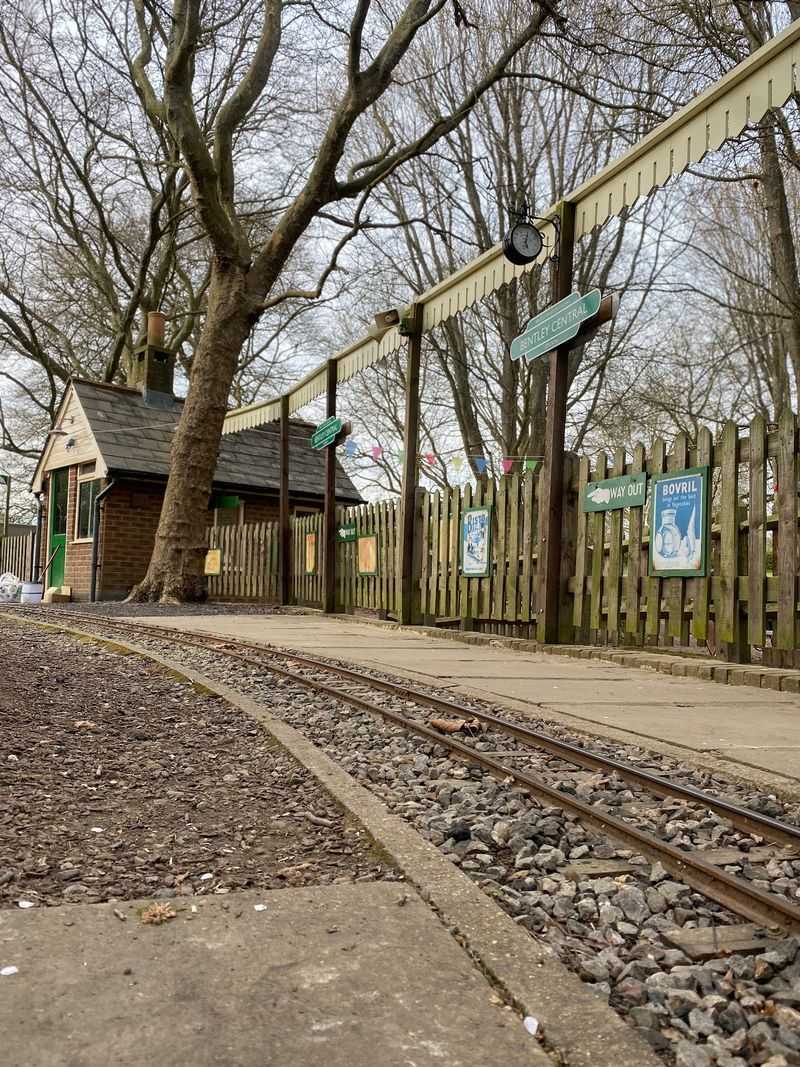
Brass, gears, and outer space walk into a museum. The result is Montastrea, a steampunk spaceship that ranks among the most surprising pieces in the Enchanted Realm.
The ship was created by Ara Bentley, a noted YouTube creator known for his miniature work. If you’ve ever fallen down a rabbit hole of maker videos online, his name may ring a bell.
Steampunk mixes old-fashioned machinery with science fiction dreams. Picture Victorian style that decided to book a trip to the stars.
Montastrea fits right into a museum about time travel through tiny objects. It just happens to travel toward an imagined future instead of a real past.
Fans of sci-fi, gadgets, and building projects will want extra time here. The amount of planning behind a piece like this is wild to think about.
It’s a nice reminder that miniatures aren’t only about grandma’s dollhouse. Modern artists keep pushing the craft into fresh and unexpected directions.
Bring a teen who claims museums are boring. A spaceship built by an internet creator might change that opinion fast.
Address: 4455 E. Camp Lowell Drive, Tucson, AZ 85712
4. The Daneway House
Shakespeare fits on a fingertip here. Inside the Daneway House, you’ll find a complete miniature set of his works, bound in leather.
The house dates to around 1775, which puts it in the History Gallery with some of the museum’s oldest pieces. It was built before the American Revolution wrapped up.
Think about that for a moment. Somebody nearly 250 years ago cared enough to give a dollhouse its own tiny library.
That detail says a lot about how miniatures worked back then. They weren’t always toys, and many showed off wealth, taste, and serious craftsmanship.
The History Gallery lets you trace how home life changed through the centuries. Rooms, furniture, and decor offer clues about how people lived, dressed their homes, and spent their days.
Book lovers may find this one hard to walk away from. A leather-bound Shakespeare small enough to lose in a couch cushion is a delightfully odd thing to see.
Look closely at the furnishings while you’re there too. Old dollhouses often double as time capsules, freezing a moment of daily life in place.
Address: 4455 E. Camp Lowell Drive, Tucson, AZ 85712
5. The Cigar Box Victorian Dollhouse
Old cigar boxes usually end up holding buttons or loose screws. Somebody had much bigger plans for a stack of walnut ones.
Over in the History Gallery, you’ll find a Victorian dollhouse crafted from walnut cigar boxes. It’s a clever piece of reuse that also happens to be a lovely house.
Walnut has a rich color that suits Victorian style nicely. That era loved ornate details, dark woods, and plenty of decoration.
What makes this house stand out is the story built into its materials. You’re looking at resourcefulness and creativity working side by side.
Thrift store fans and DIY lovers will probably appreciate this one most. It proves that a pile of leftovers can turn into something worth displaying in a museum.
It also fits the spirit of Arizona antique hunting. Plenty of folks here love finding treasure in forgotten things, and this house is the ultimate example.
Take a minute to imagine the person who built it. Saving boxes, measuring pieces, and fitting it all together took real patience and a whole lot of vision.
Address: 4455 E. Camp Lowell Drive, Tucson, AZ 85712
6. The Automated House
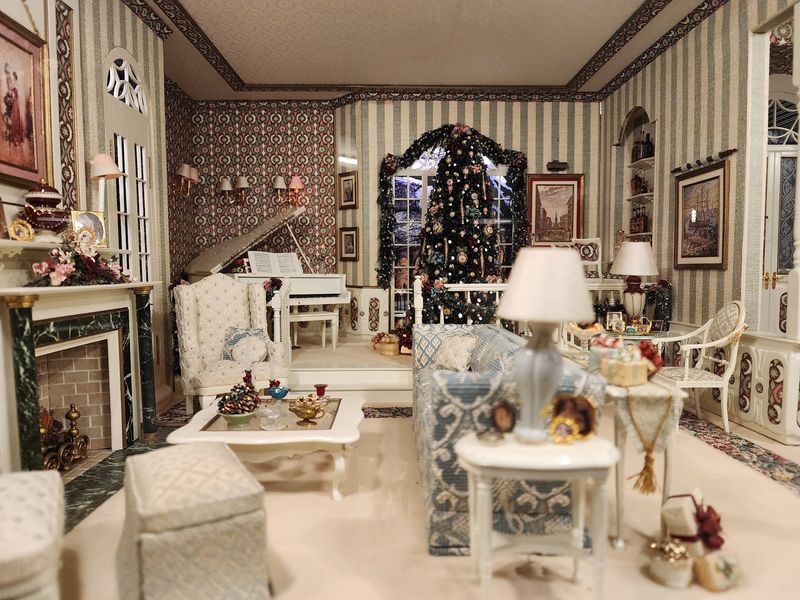
More than 30 tiny residents keep busy inside one house at the museum. They move, thanks to clever mechanics that bring the whole place to life.
The automated house sits among the historic pieces, and it tends to grab attention right away. Motion has a funny effect on people, especially when it’s happening at a miniature scale.
Kids love spotting which figures are moving and what they’re doing. Adults often end up just as curious about how the whole thing works.
Automated displays like this have a long history of charming audiences. They blend storytelling, engineering, and a little bit of showmanship.
With so many figures, you won’t catch every movement on the first pass. Watching it twice is a smart move if the crowd allows.
This piece makes a great contrast with the quieter dollhouses nearby. Those invite you to imagine a life inside, while this one shows you a busy little world in action.
Bring the grandkids here early in your visit. It’s an easy win that gets young visitors excited about what the rest of the galleries might hold.
Address: 4455 E. Camp Lowell Drive, Tucson, AZ 85712
7. The Gamble House Tribute
Architecture buffs, this one’s your stop. A miniature tribute to the famous Gamble House lives in the Contemporary Gallery.
The real Gamble House is a landmark of craftsman design by the architects Greene and Greene. It’s known for its rich woodwork and its thoughtful, handcrafted style.
Shrinking that kind of detail down takes serious skill. Craftsman homes are all about joinery, beams, and careful finishes, which leaves little room for shortcuts.
The Contemporary Gallery shows how modern makers approach miniatures. Instead of antiques, you’re seeing fine-scale work from artists who treat tiny builds as true fine art.
This tribute bridges two worlds nicely. You get American architectural history paired with the precision of today’s miniature craft.
Even if you’ve never heard of the original house, it’s easy to appreciate. The level of detail speaks for itself once you lean in toward the glass.
Arizona has its own rich design history too, so this piece feels right at home. It’s a fun reminder that great buildings can inspire art at any size.
Address: 4455 E. Camp Lowell Drive, Tucson, AZ 85712
8. Salavat Fidai Pencil Sculptures
Your pencil from school sharpened into a stubby point. Salavat Fidai’s pencils sharpen into works of art.
The museum’s Contemporary Gallery features his pencil micro sculptures. He carves tiny figures and shapes right into the graphite tip.
Graphite is famously fragile, which makes this craft even more impressive. One wrong move and the whole piece could snap off.
These sculptures are some of the smallest things you’ll see on your visit. That’s saying a lot in a museum built around tiny objects.
They also show how wide the world of miniatures really is. Not every piece needs walls, furniture, or rooms to tell a story.
Take your time studying them. Your brain may need a second to accept that a pencil tip can hold so much detail.
Artists and students might walk away with a new respect for their supplies. It’s hard to look at a plain yellow pencil the same way afterward.
Fair warning: you might go home and try carving one yourself. Start with a few spare pencils, because Fidai makes it look a lot easier than it is.
Address: 4455 E. Camp Lowell Drive, Tucson, AZ 85712
9. The Island Bookstore And Weaving Studio
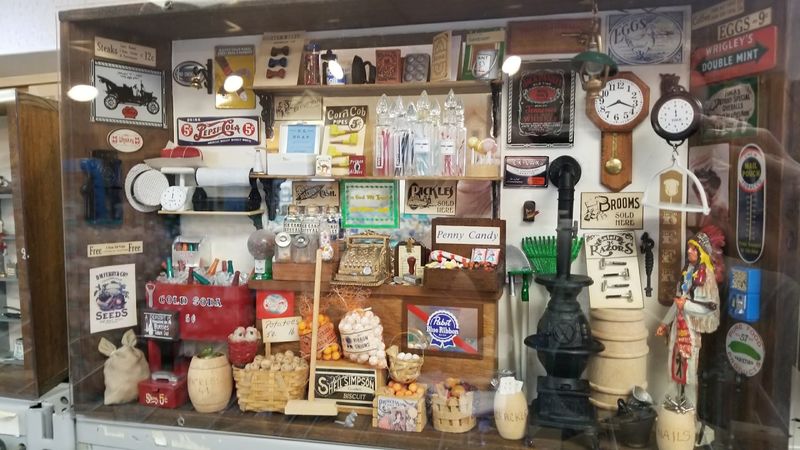
Shopping for books and yarn rarely happens at one-twelfth scale. In the Contemporary Gallery, you can browse both.
Two standout pieces here are reproductions of real places. One is the Essence of Island Bookstore, and the other is a weaving studio.
Bookstores make great miniatures because of the sheer number of tiny details. Shelves, stacks, and little displays give your eyes plenty to explore.
The weaving studio brings a different kind of charm. Looms and fiber crafts carry their own textures and tools, even when shrunk down.
Both pieces celebrate everyday spaces people love. They aren’t palaces or grand mansions, just the kinds of shops where folks linger on a slow afternoon.
That makes them extra relatable. You can almost picture yourself wandering the aisles or sitting down to weave.
Crafters and readers will feel seen here. It’s a sweet tribute to hobbies that bring people together in small towns and big cities alike.
These roomboxes also show off the collection’s range. Alongside history and fantasy, the museum makes space for simple, ordinary places that deserve a closer look.
Address: 4455 E. Camp Lowell Drive, Tucson, AZ 85712
10. The Arnell Collection
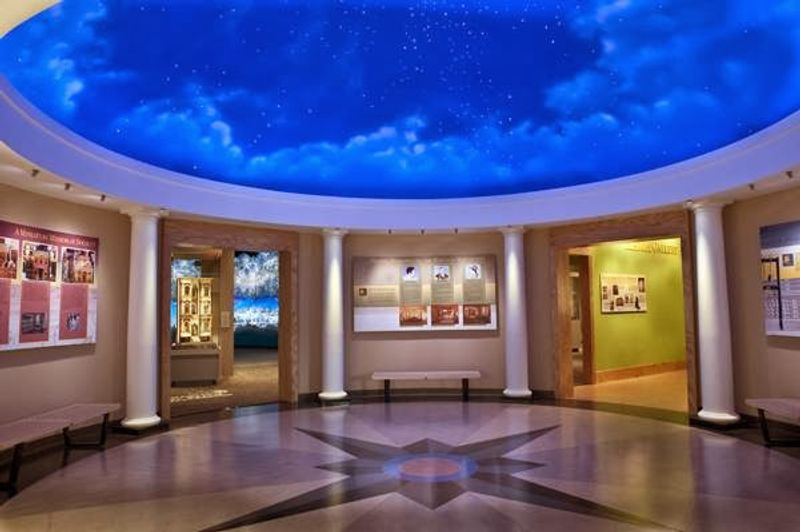
A set of Strombecker wooden doll furniture started it all. Patricia Arnell got that set as a young girl in the 1930s.
Her passion grew from there, and she began collecting seriously after moving to Tucson in 1979. She and her husband, Walter, went on to found The Mini Time Machine Museum of Miniatures.
The big idea was simple and charming. Visitors could travel through different eras by exploring the stories inside tiny pieces.
Today the permanent collection holds over 500 dollhouses and roomboxes. It stretches from an antique dollhouse dated to 1742 to fine-scale contemporary work.
The museum runs as a nonprofit and offers educational programs and workshops for all ages. It also rotates temporary exhibitions, including one featuring Ray Harryhausen’s movie models.
Value hunters, take note. Through the Museums for All program, people receiving SNAP, EBT, or WIC benefits can get reduced admission.
Before you leave, stop by the gift shop for miniature collectibles and books. It’s an easy way to take a small piece of this Arizona treasure home with you.
Address: 4455 E. Camp Lowell Drive, Tucson, AZ 85712